Most homeowners blame the thermostat when cooling bills spike, but the real culprits are hidden heat sources and air leaks that force your AC to work overtime. By tackling insulation, shade, and air sealing, you can cut summer cooling costs by $25 to $40 a month without ever adjusting the temperature setting.
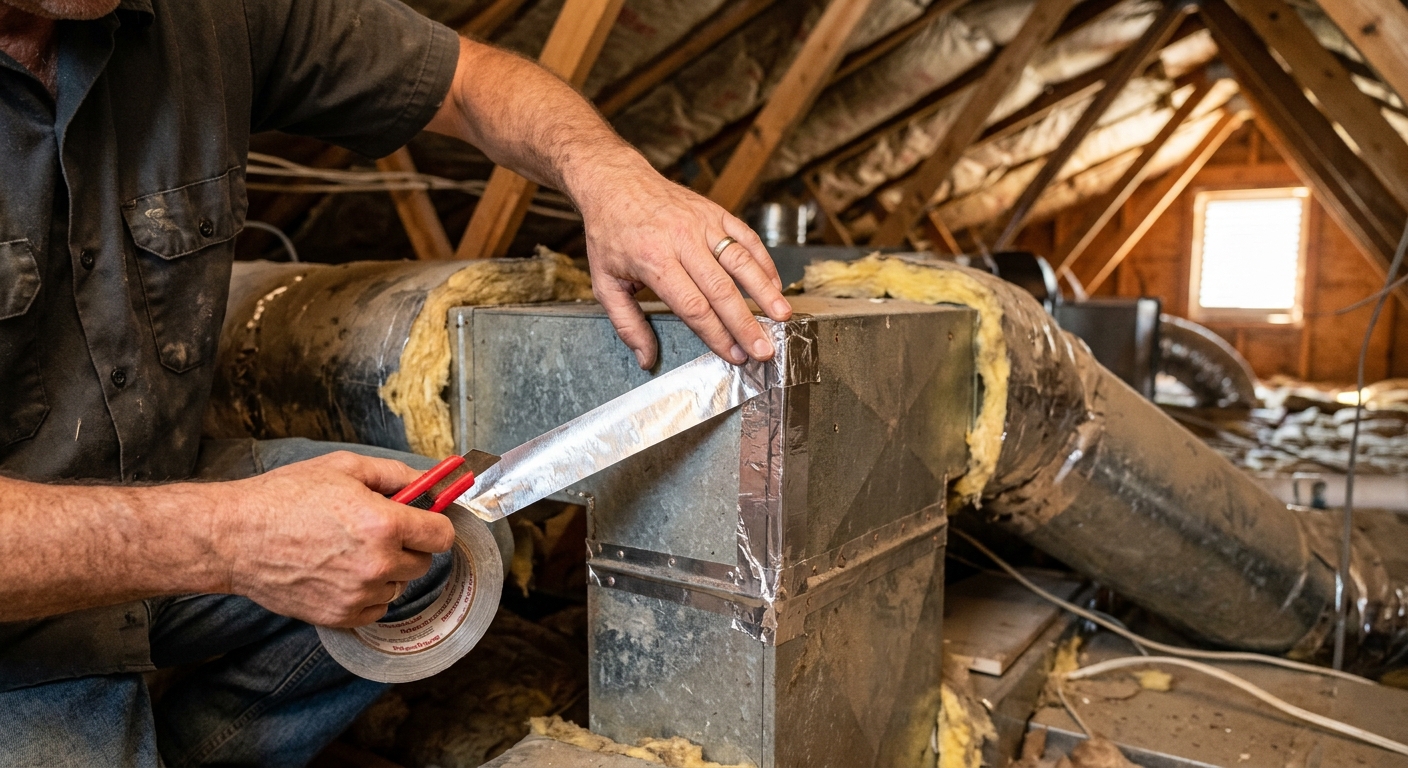
Leaky ducts are one of the most common and costly hidden problems in American homes, wasting up to 30% of your heated or cooled air before it ever reaches a room. This weekend guide walks you through finding, diagnosing, and sealing duct leaks yourself with tools you likely already own.
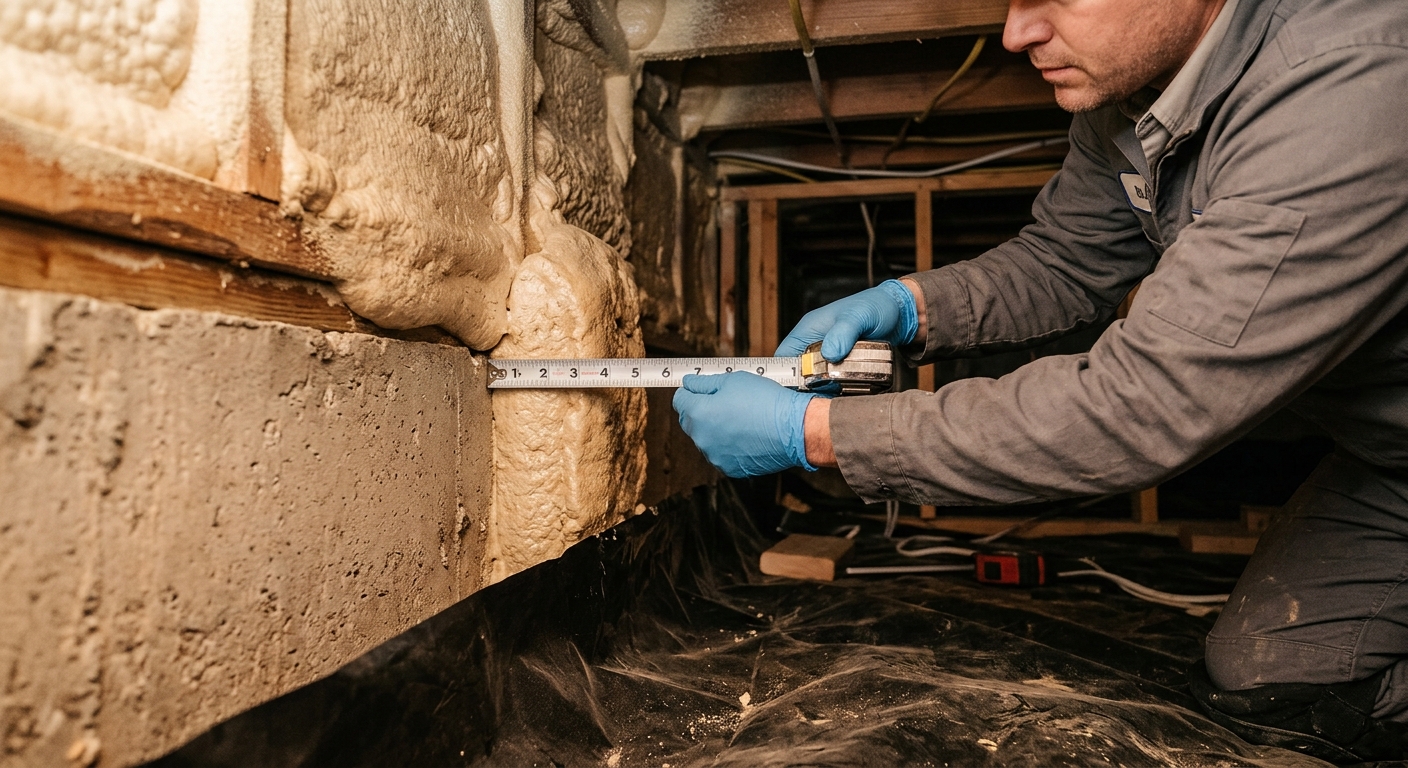
An under-insulated crawl space silently drives up heating and cooling bills while making your floors cold and your HVAC work overtime. This guide gives you the exact R-values, methods, and steps to get your crawl space right the first time.
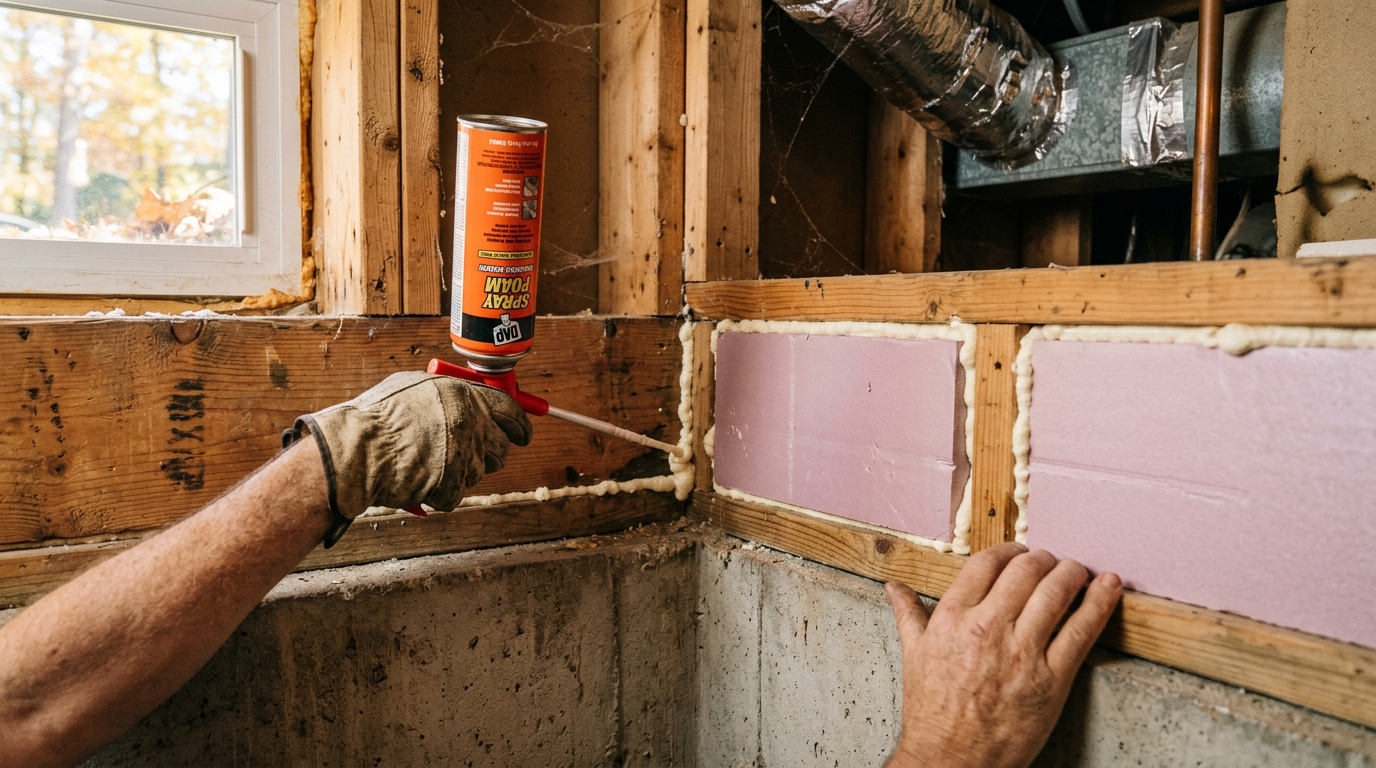
Rim joists are one of the biggest hidden sources of heat loss in a home, yet most homeowners never think to address them. Sealing and insulating this narrow band of wood between your foundation and first floor can cut heating bills noticeably and eliminate drafty floors for good.
Homes built in the 1970s were constructed before modern energy codes existed, leaving them with thin insulation, drafty framing, and outdated systems that cost homeowners hundreds of dollars extra every year. With a strategic series of upgrades, you can close most of that efficiency gap and reach near-new-build performance without a gut renovation.
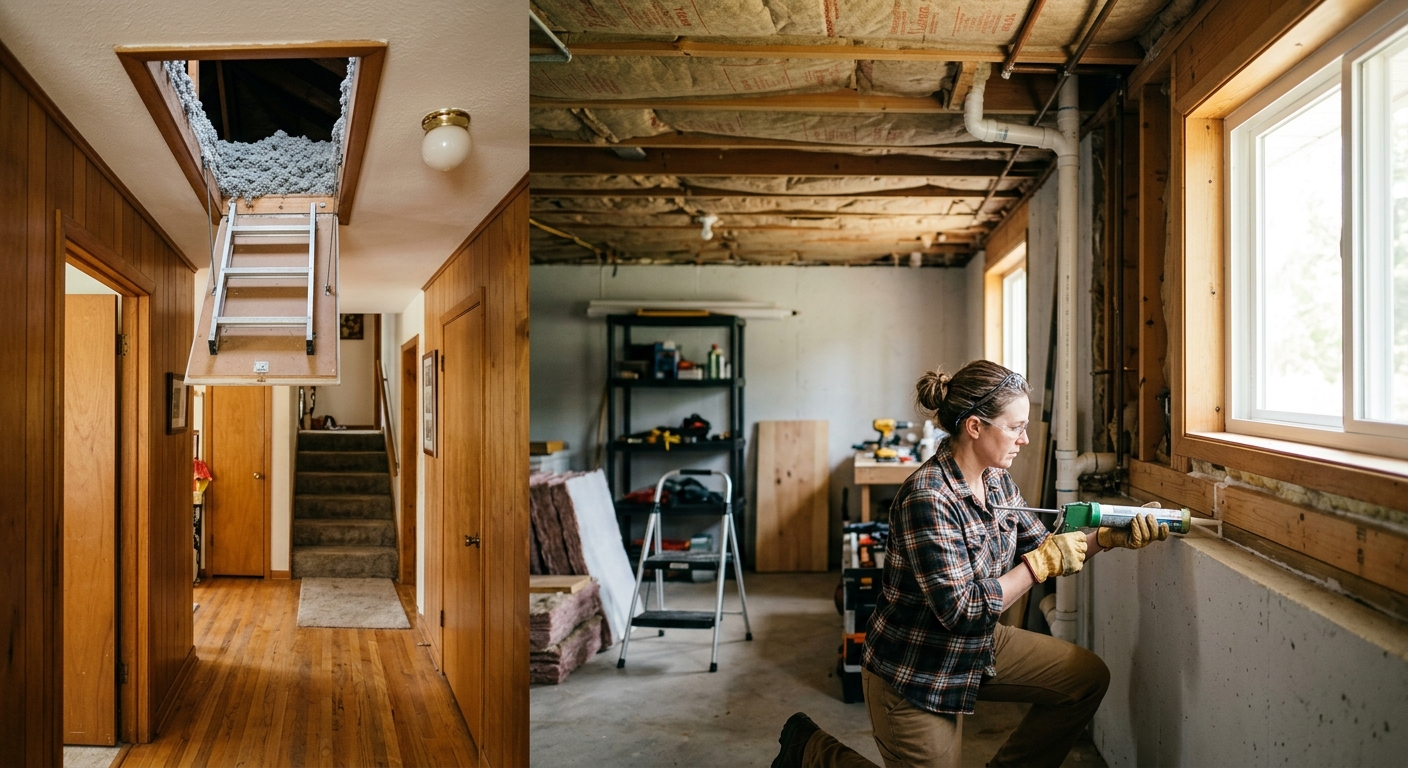
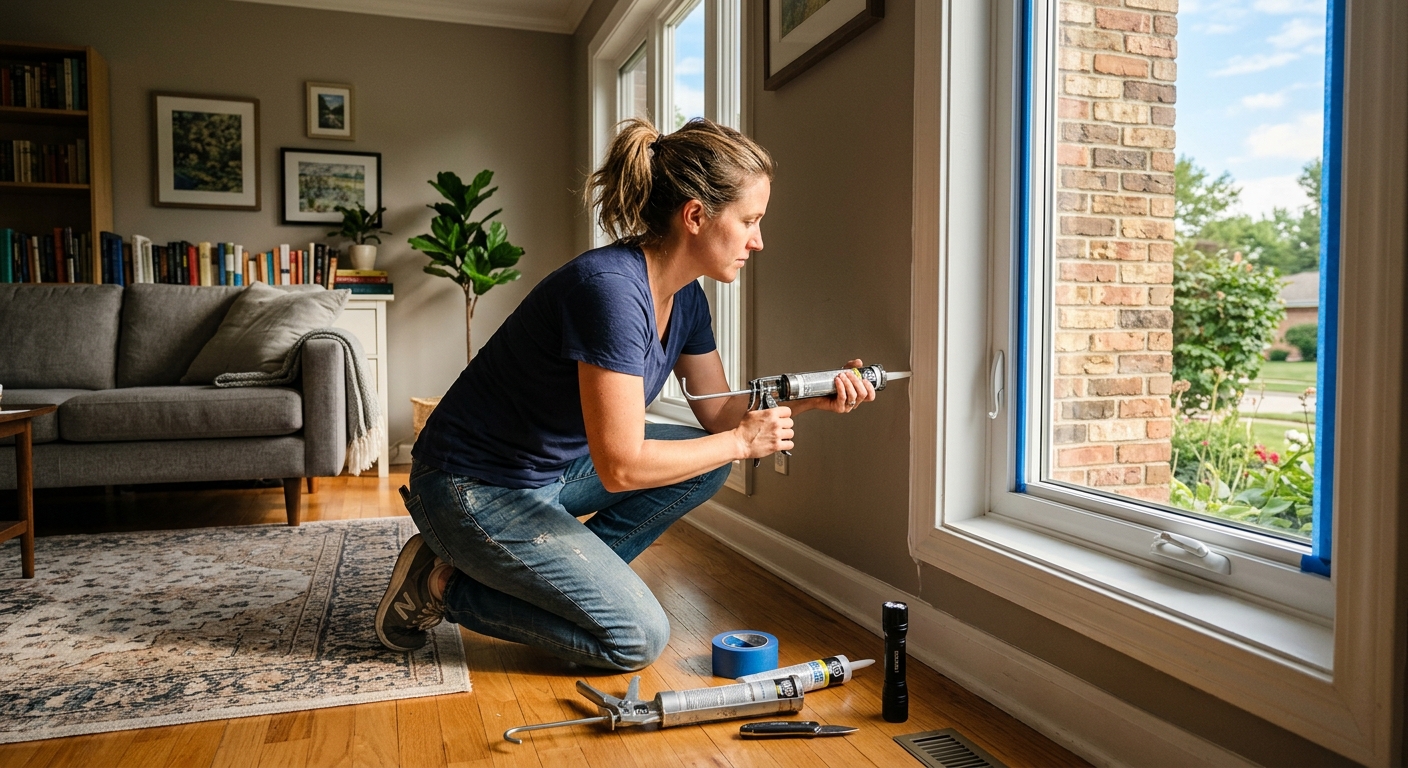
Hidden gaps and cracks around your home let hot outside air pour in all summer, forcing your AC to work overtime. Sealing those leaks is one of the highest-ROI upgrades a homeowner can make, often cutting cooling bills by 15 to 25% with a single weekend of work.
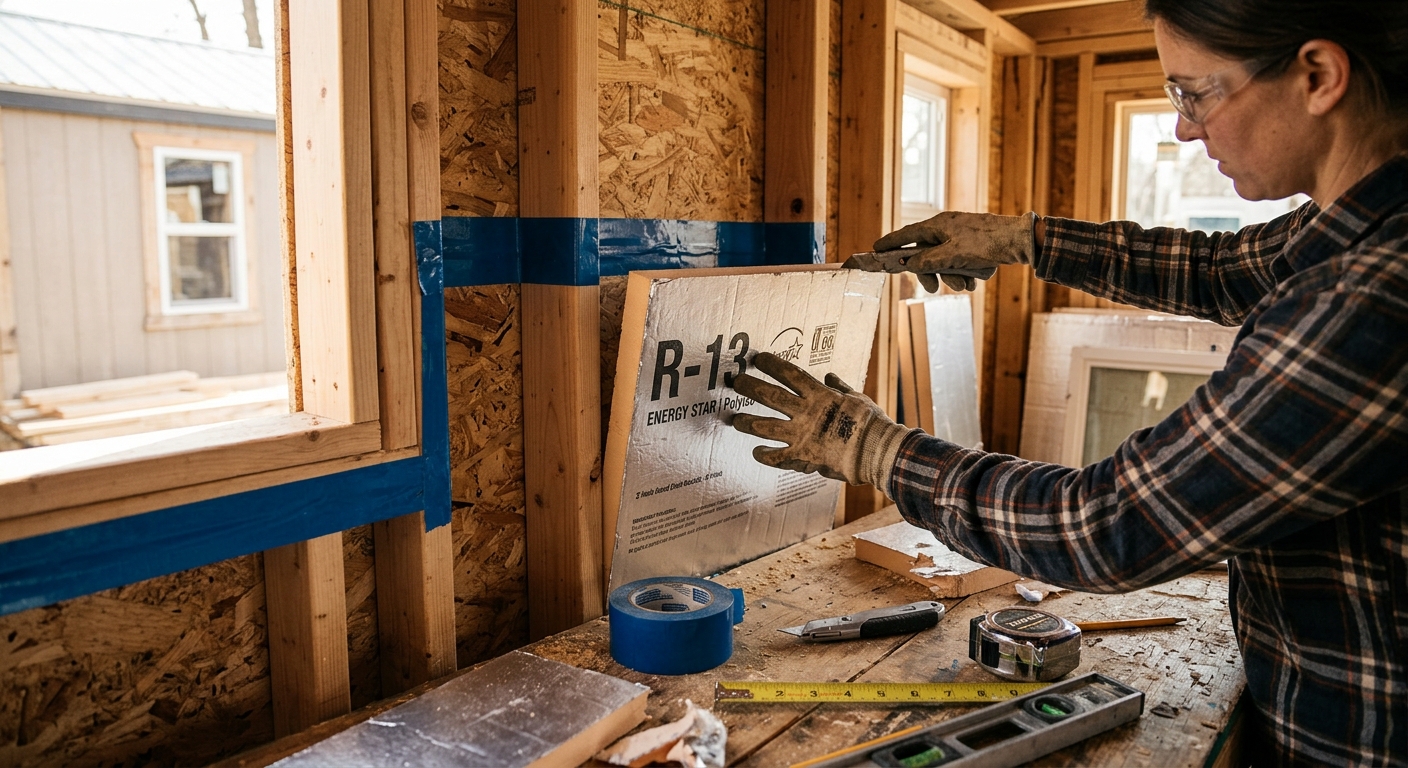
Tiny homes and ADUs lose heat and cooling faster than standard houses because of their high surface-area-to-volume ratio, making insulation choices critical. Get the right R-values and air sealing strategy, and you can cut energy bills by 30 to 50% while staying comfortable through every season.
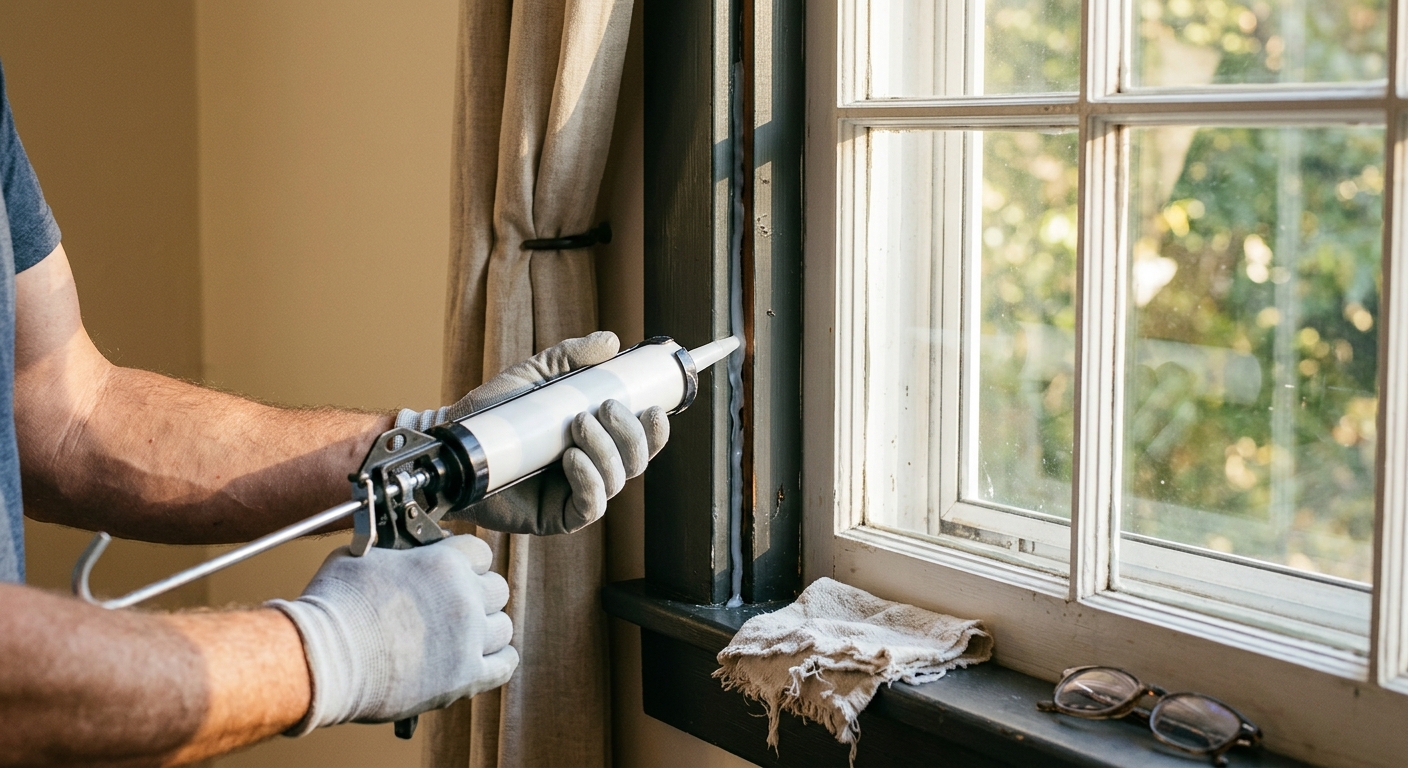
Drafts, cold spots, and stubbornly high energy bills are almost always caused by hidden air leaks that most homeowners never think to address. Spend one afternoon sealing the worst offenders and you can realistically save 10 to 20% on your annual heating and cooling costs.
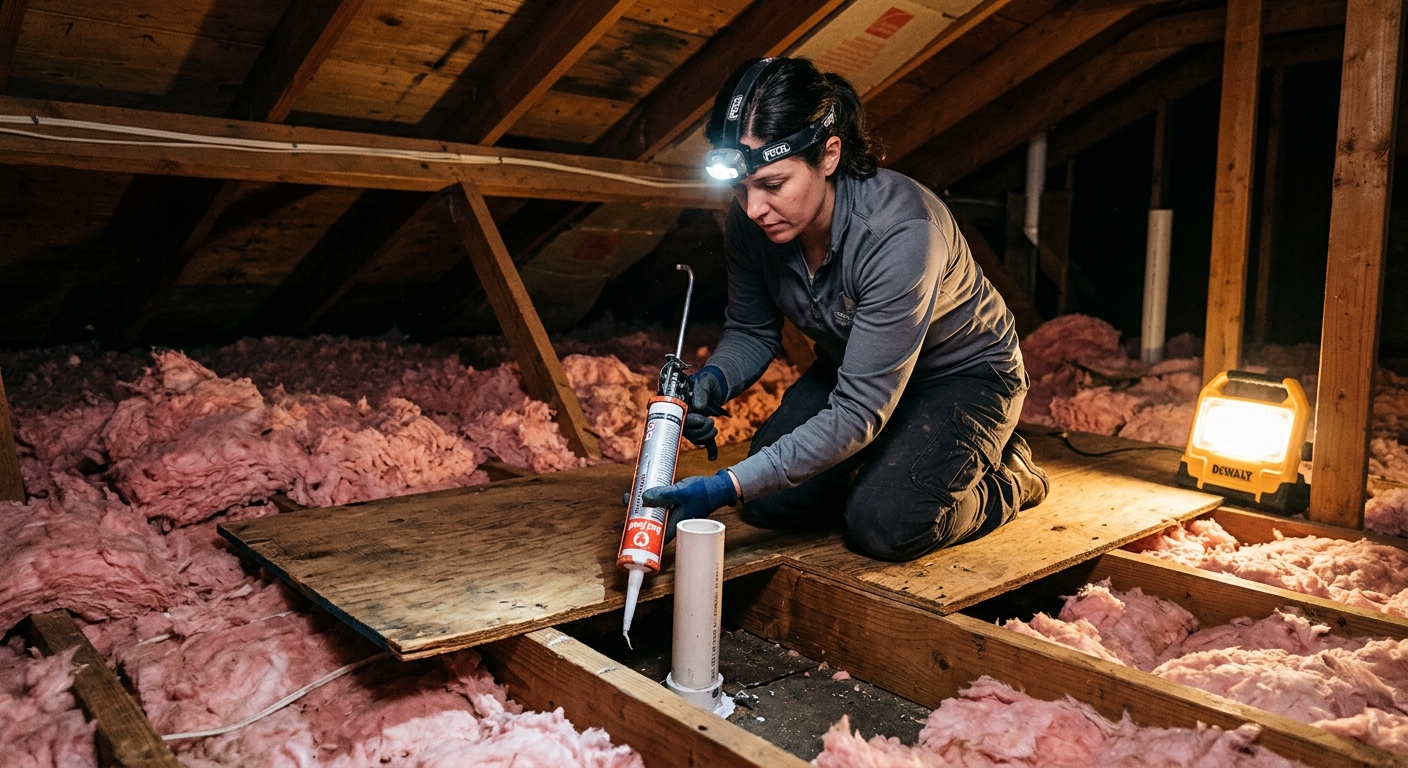
Most homeowners insulate their attics and call it done, but hidden air pathways called attic bypasses can cancel out much of that insulation’s benefit. Sealing these gaps before adding insulation is the single most impactful thing you can do to lower heating and cooling bills.
Most homeowners pay for heat that never reaches them, lost through leaky ducts, poor airflow, and an overworked furnace fighting against itself. These targeted fixes help your existing heating system deliver more warmth for every dollar you already spend.