Older homes are charming, but their drafts, thin insulation, and leaky windows can make winter miserable and expensive. With a few targeted upgrades ranging from free fixes to weekend DIY projects, you can dramatically improve comfort and cut heating bills by 20 to 35%.
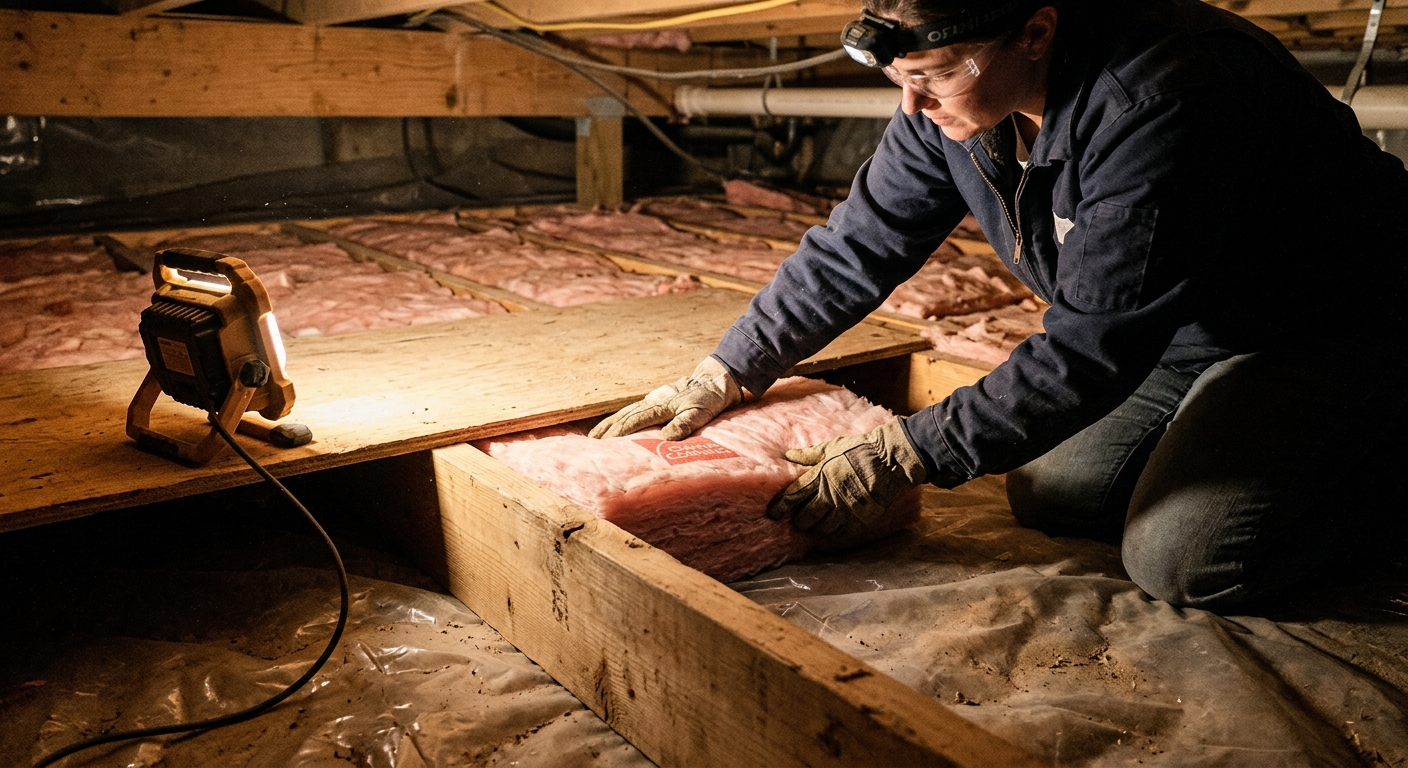
Uninsulated or poorly insulated crawl spaces are one of the top causes of cold floors, high heating bills, and uncomfortable living spaces in winter. Adding the right insulation to your crawl space can cut heating costs by 15 to 25% and make your floors noticeably warmer within days.
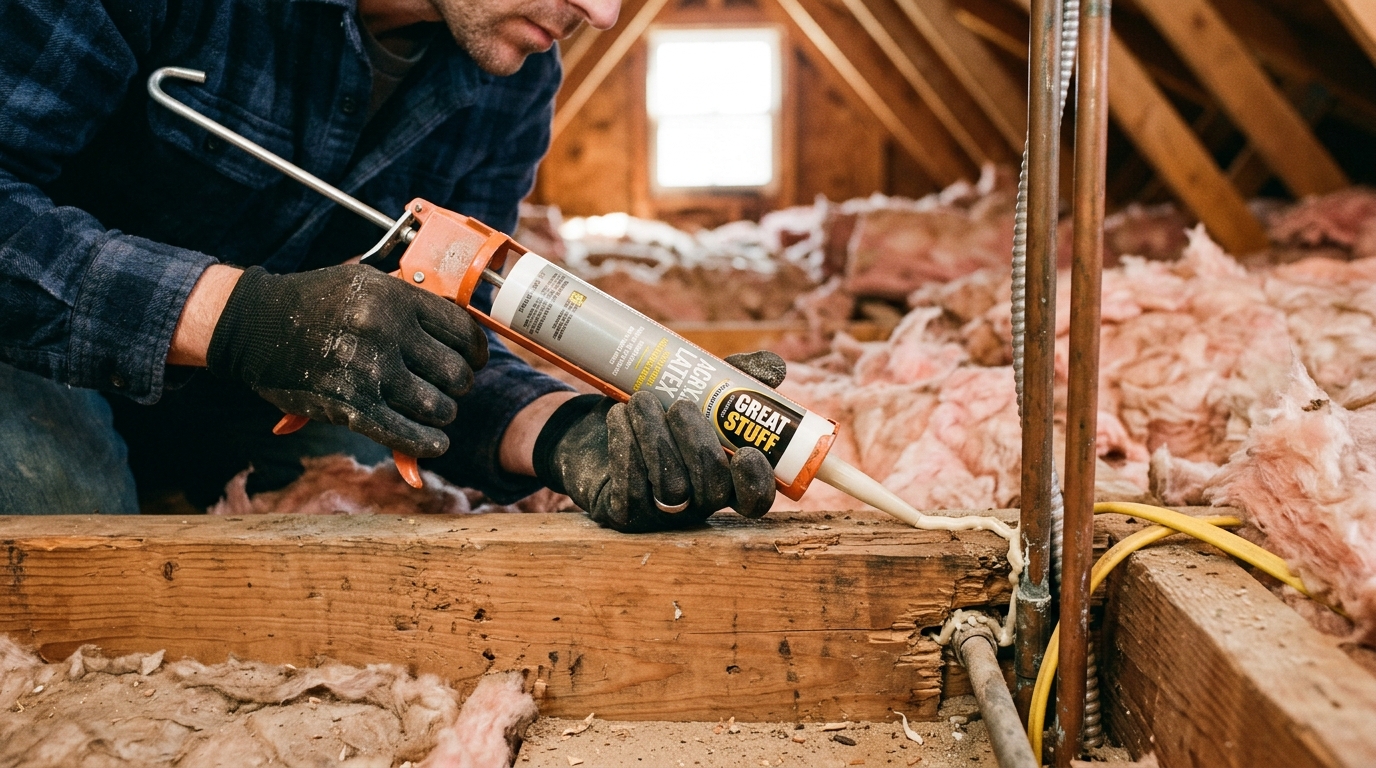
Most homeowners throw money at insulation while ignoring the real culprit behind drafts, high bills, and uneven temperatures. Air sealing your home’s hidden gaps and cracks can cut heating and cooling costs by up to 20% and dramatically improve comfort, often for less than $50.
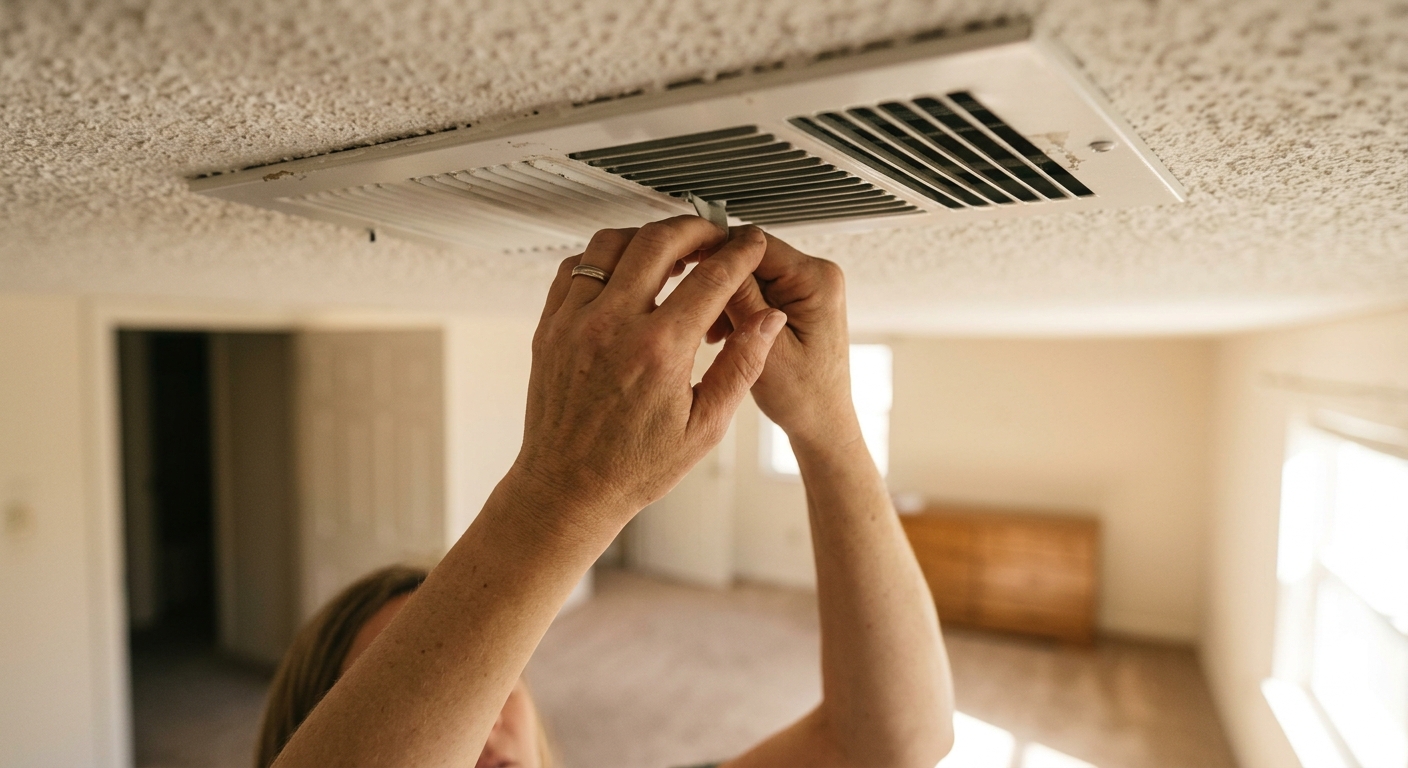
Closing vents in spare bedrooms seems like a smart way to save energy, but it actually increases pressure in your duct system and forces your AC to work harder. Here is what building science says you should do instead to actually lower your cooling bills.
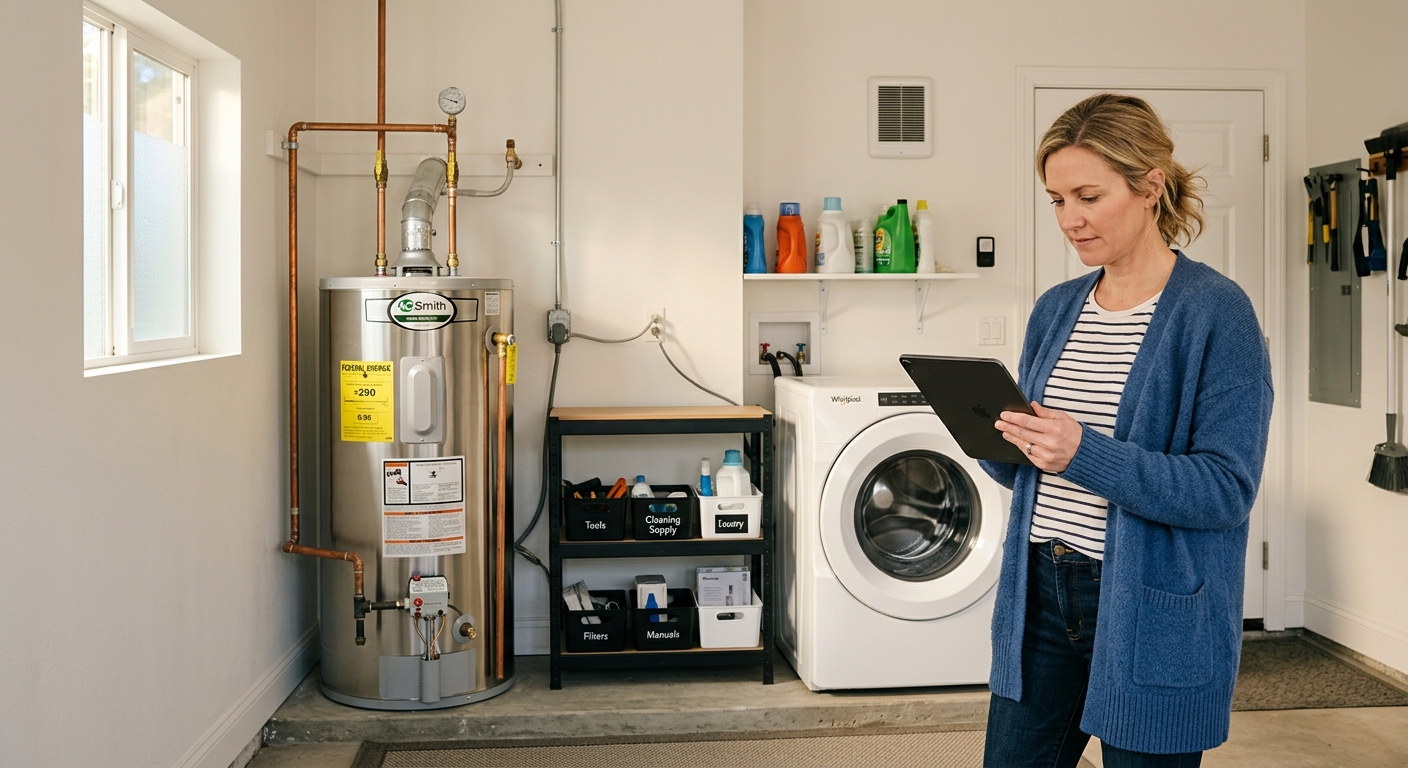
That aging refrigerator, water heater, or HVAC unit humming in the background could be quietly draining hundreds of dollars from your wallet every year. This guide shows you how to identify which old appliance is costing you the most, what to do about it, and exactly when replacement makes more financial sense than keeping it running.
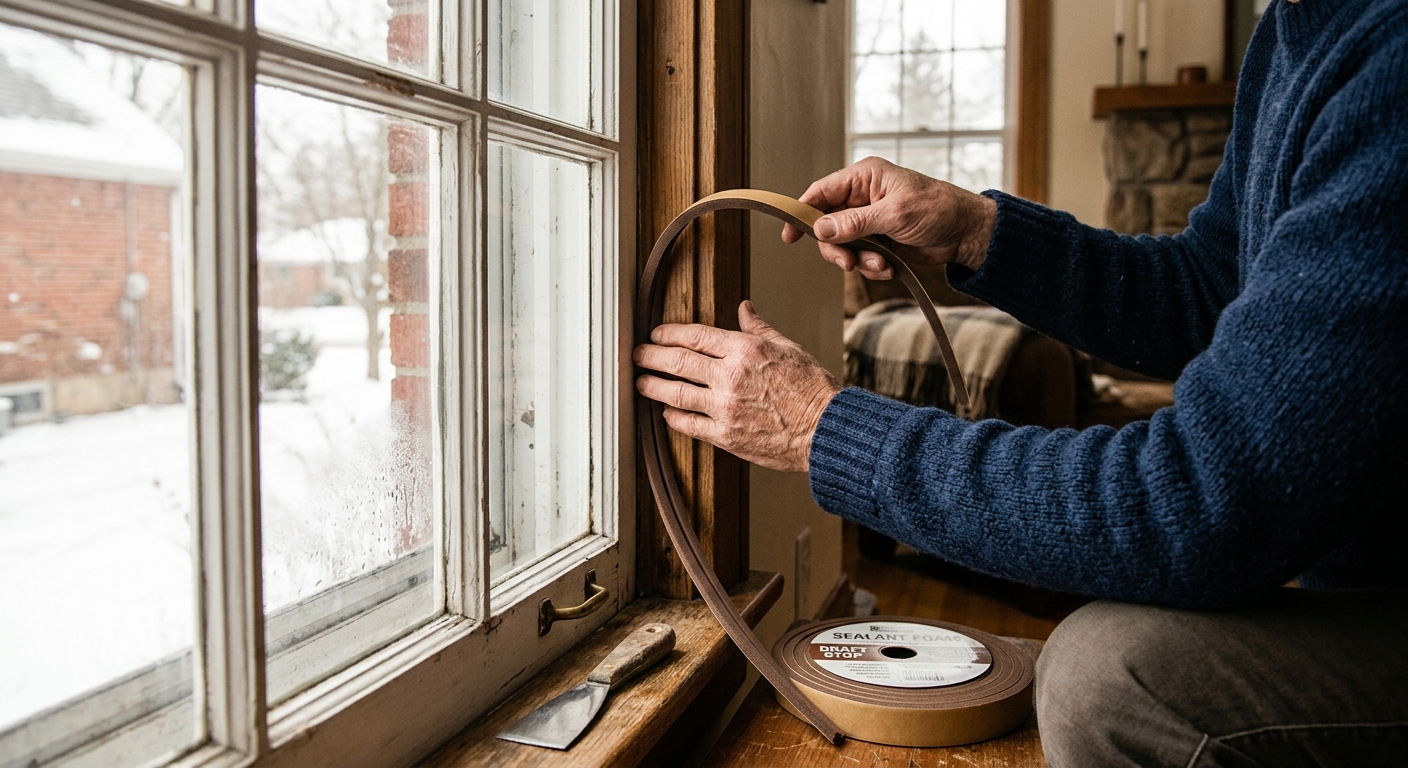
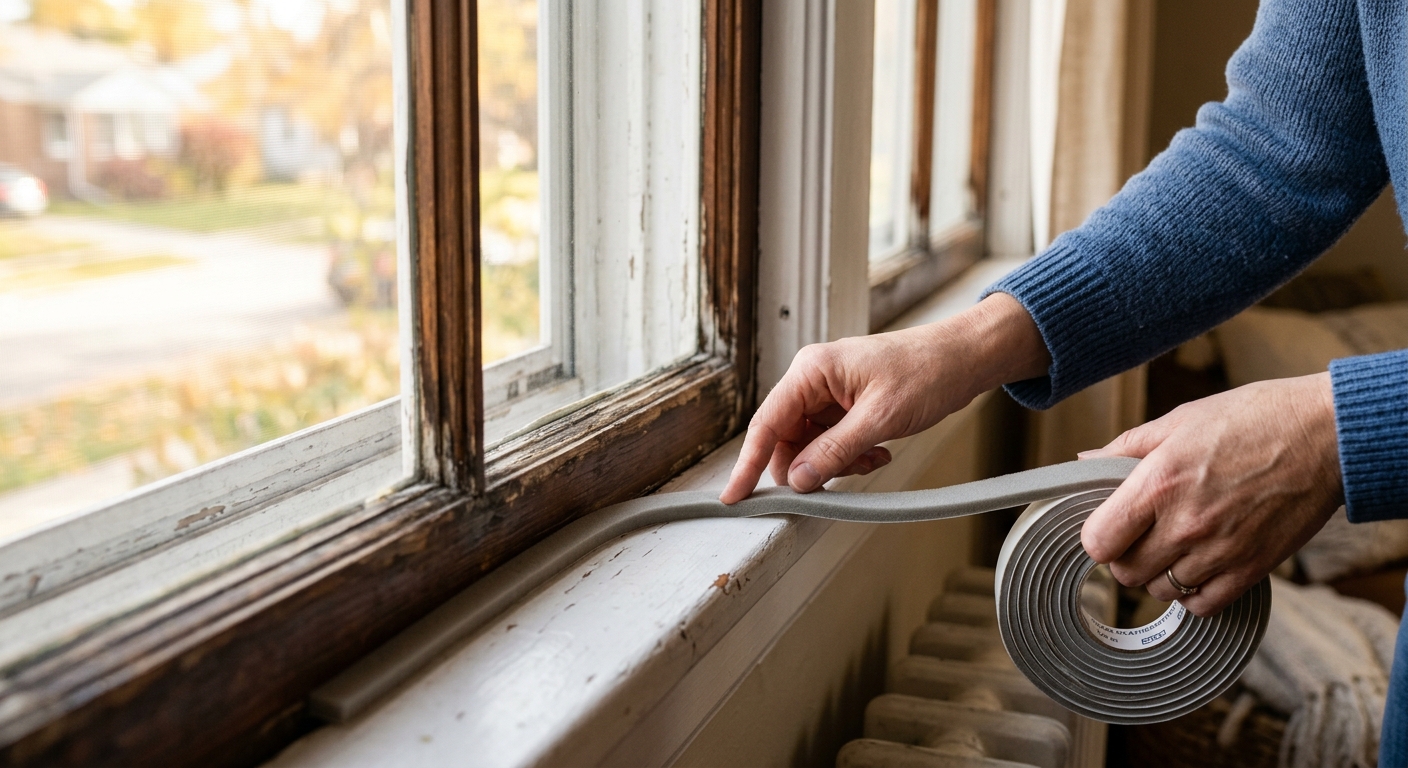
Leaky windows can account for 25 to 30% of your home’s heating and cooling loss, driving up energy bills season after season. The good news is you can fix most drafts yourself in an afternoon for under $50, no replacement windows required.
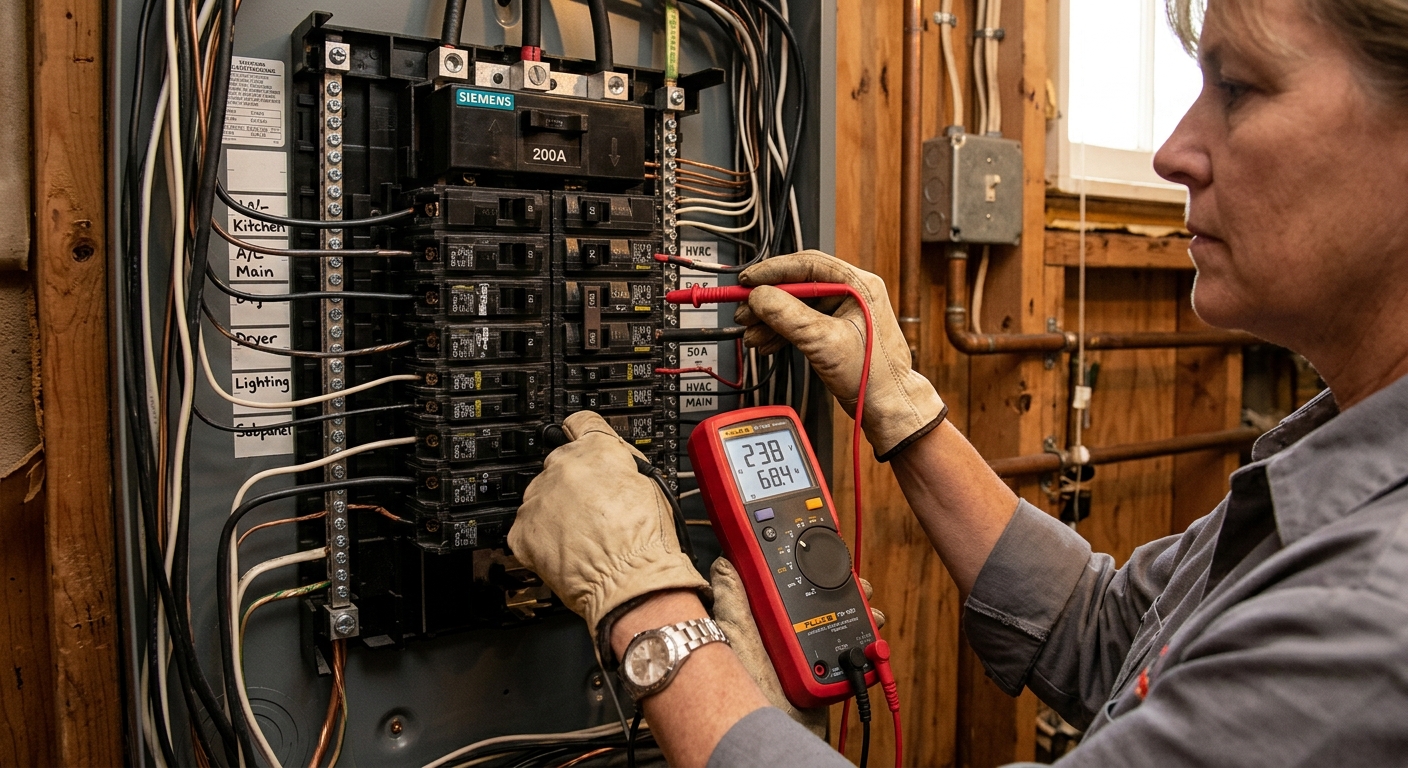
An undersized electrical panel can silently limit your home’s safety, comfort, and ability to support modern appliances. Learn how to calculate your actual electrical load and know when your panel is holding you back.
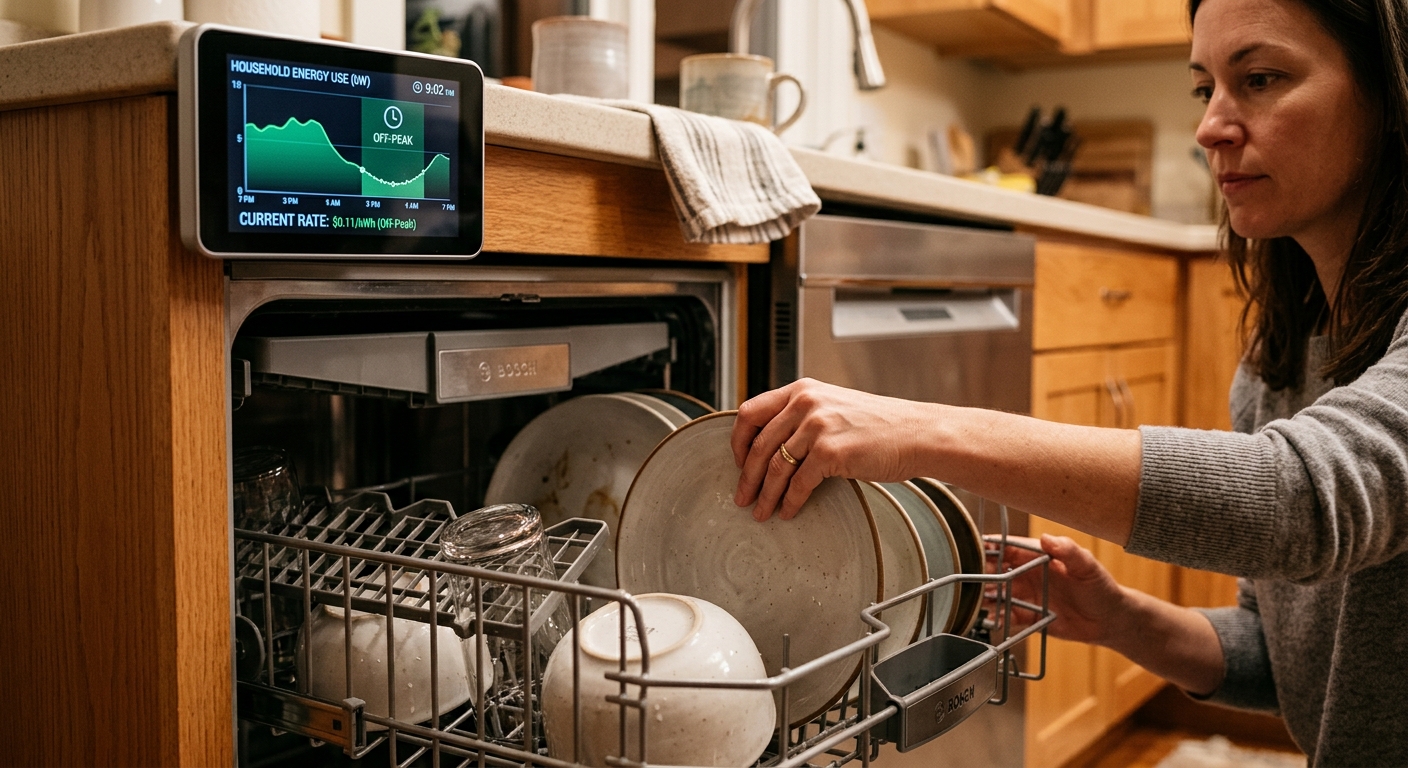
Running your dishwasher, washer, and dryer at the wrong time of day can quietly inflate your electric bill every single month. Shifting these loads to off-peak hours can save 10 to 30% on the energy those appliances use, with zero investment required.
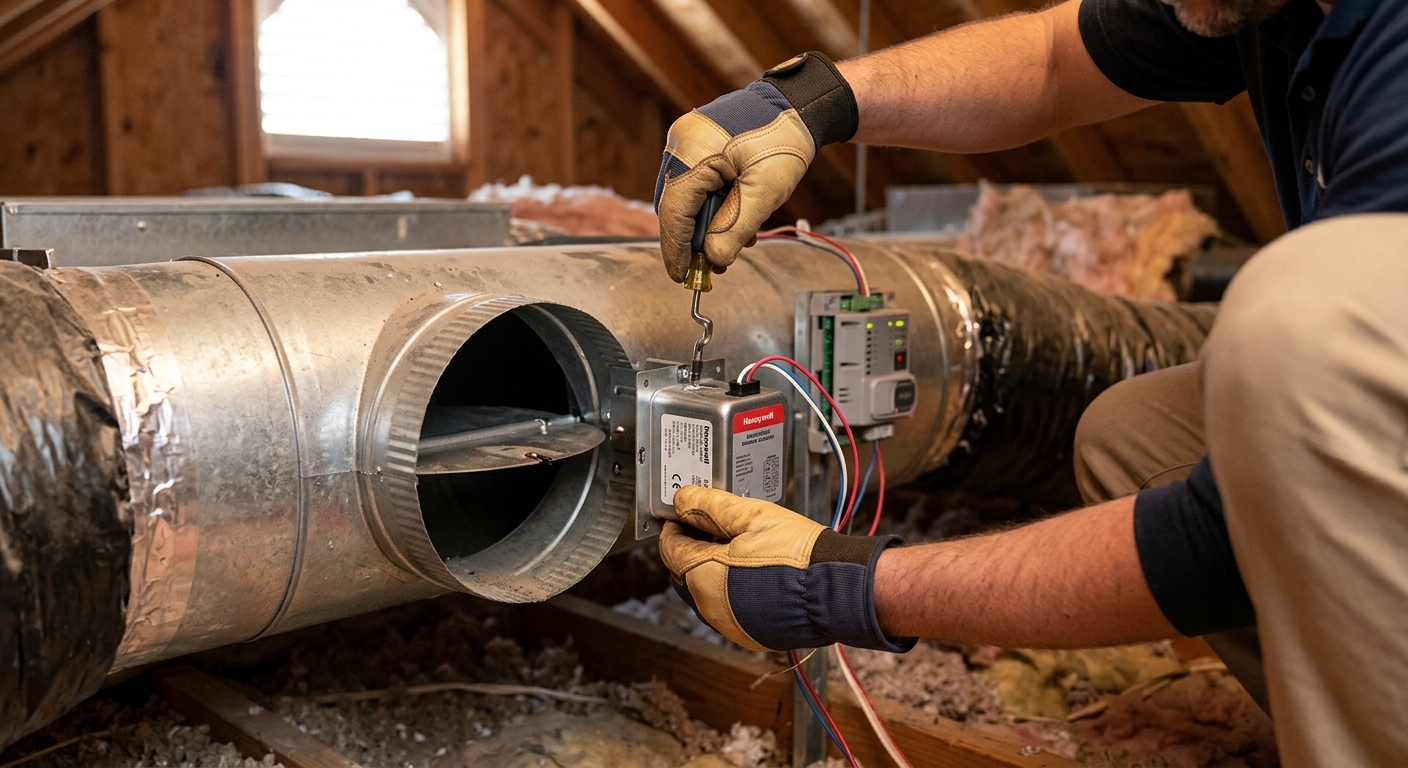
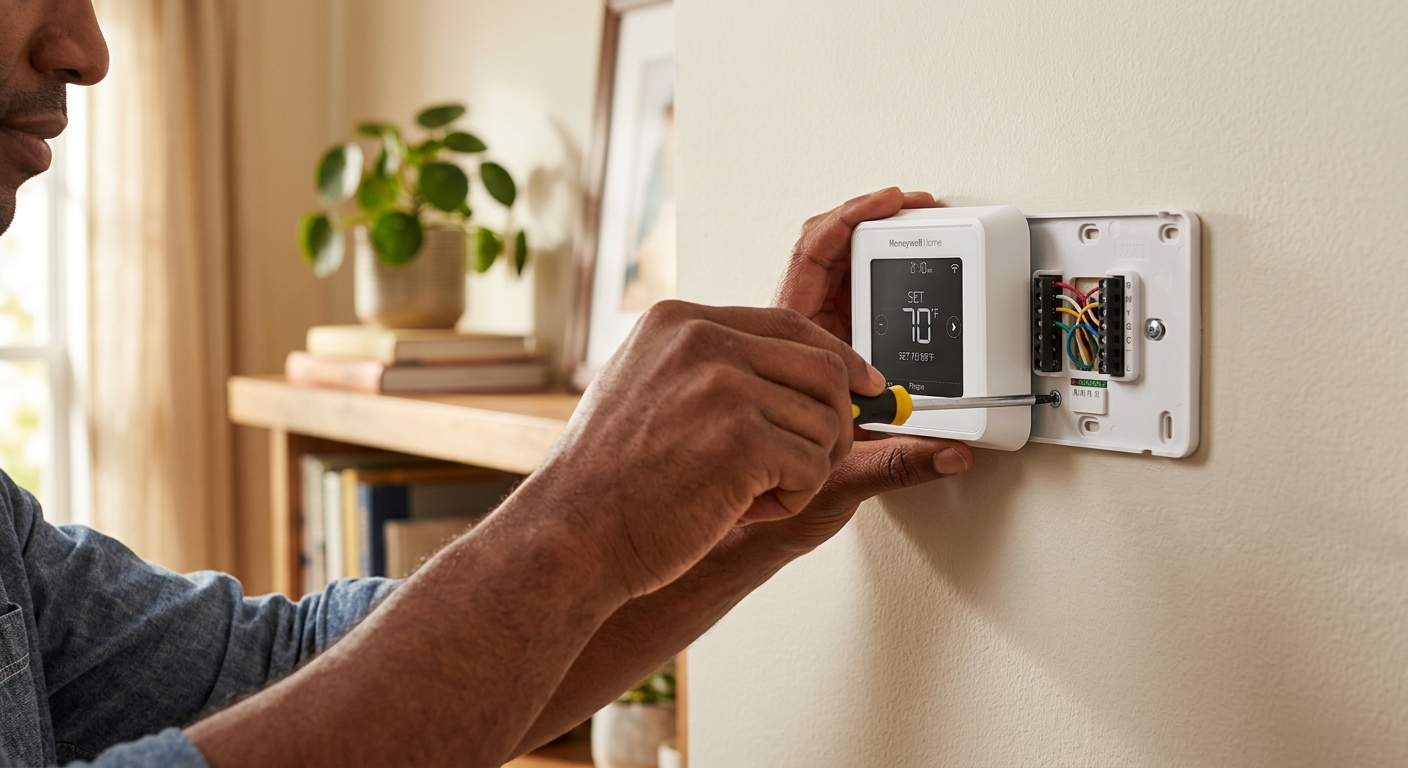
A zoned HVAC system promises personalized comfort and lower energy bills, but most homeowners never get the full benefit because of a handful of common, fixable problems. From miscalibrated thermostats to leaky bypass dampers, this guide walks you through exactly what goes wrong and how to get your system working the way it was designed to.
Most homeowners overpay on heating and cooling simply because their thermostat isn’t working for their schedule. Choosing the right programmable thermostat for your specific system can cut annual energy bills by 10 to 15% with a payback period of under two years.