If you walk across your living room floor in winter and feel like you are stepping onto a slab of ice, your crawl space is almost certainly to blame. The air trapped beneath an uninsulated floor can drop to near-outdoor temperatures, pulling heat out of your home through the subfloor and into the ground. This is not just a comfort problem. It is an energy problem that shows up on every heating bill from October through April.
The good news is that crawl space insulation is one of the highest-return improvements you can make to a home. The Department of Energy estimates that insulating floors over unconditioned spaces can reduce heating energy use by 15 to 25%, with payback periods ranging from 2 to 5 years depending on your climate and current energy costs. Even better, a motivated homeowner can tackle the most effective fix in a single weekend with basic tools and materials costing $200 to $600.
This guide covers everything you need to know: why crawl spaces make floors cold, the fastest zero-cost fixes you can make today, a proven DIY insulation approach using batts or rigid foam, and when it makes sense to call a professional for spray foam or full encapsulation. By the end, you will know exactly what to do and what to expect.
What You’ll Need
Click on an item below to shop for the recommended items for this recipe on Amazon.
As an Amazon Associate, we earn from qualifying purchases.
How to Do It
- Put on a respirator, safety glasses, and gloves before entering the crawl space. Bring a bright flashlight or headlamp and knee pads.
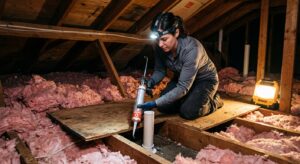
- Locate and seal all visible air penetrations where pipes, wires, and ducts pass through the subfloor using canned spray foam. Pay special attention to gaps around plumbing stacks and HVAC ductwork, which are among the largest air leakage points.
- Seal any open crawl space vents that are stuck open or missing dampers with foam vent covers from a hardware store. Note that this is a temporary measure and vent strategy should match your insulation approach.
- Roll out 6-mil polyethylene plastic sheeting across the entire crawl space floor, overlapping seams by at least 12 inches and running the sheeting 6 inches up the foundation walls. Secure it with rocks, bricks, or landscape staples.
- Tape all seams with a compatible tape rated for vapor barriers. A complete ground cover reduces moisture infiltration immediately and is required before adding insulation above.
- Measure your joist spacing (typically 16 or 24 inches on center) and joist depth (usually 2×8 or 2×10) before purchasing materials. Buy faced fiberglass or mineral wool batts sized to friction-fit snugly without compression.
- Complete the vapor barrier and air sealing steps from the Quick Fix approach first. Insulation performs poorly on top of moisture problems.
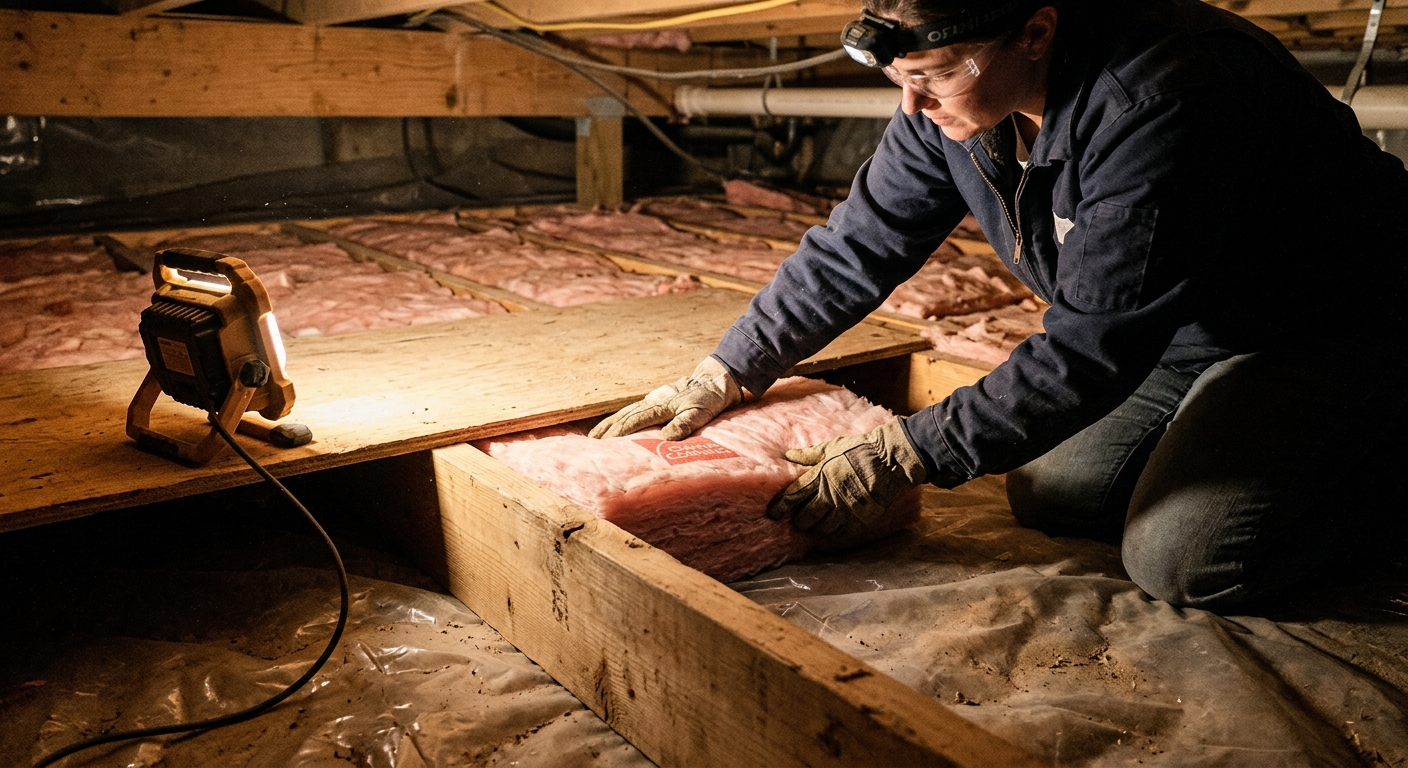
- Starting from the far end of the crawl space and working toward the access hatch, press batts firmly between joists with the vapor-retarder facing upward toward the warm living space. The insulation should be in full contact with the subfloor above.
- Secure each batt using wire insulation supports (also called tiger claws or insulation hangers) spaced every 18 to 24 inches. Do not rely on friction alone as batts will sag and lose effectiveness over time.
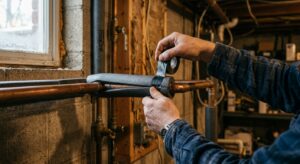
- At plumbing pipes, cut the batt and place insulation below the pipe so the pipe stays on the warm side of the insulation layer. Never sandwich a water supply line between insulation and the cold ground.
- Seal the crawl space access hatch with weatherstripping around the frame and a rigid foam panel cut to fit snugly inside the opening. This is often the single largest air leak in the entire assembly.
- Hire a certified building performance contractor or insulation professional to assess whether your crawl space should be vented (with floor insulation) or encapsulated (with wall insulation and air sealing). This decision affects everything that follows.
- For encapsulation, the contractor installs a heavy-duty 12 to 20 mil vapor barrier across the floor and up the walls, sealed at the rim joist and foundation, creating a semi-conditioned space.
- Closed-cell spray foam is applied to the crawl space walls and rim joists at R-15 to R-21. This approach conditions the crawl space air and eliminates the cold floor assembly entirely by bringing the entire space inside the thermal envelope.
- Any existing HVAC ducts or water pipes in the crawl space are now in conditioned space, dramatically reducing duct heat loss (which can account for 20 to 30% of heating energy in homes with ducts in unconditioned spaces).
- A small supply or exhaust vent is often added to manage humidity in the newly conditioned space per building code requirements in most states.
Why It Works: The Benefits
Properly insulating a floor over an unconditioned crawl space typically reduces whole-home heating energy use by 15 to 25%, translating to $150 to $400 per year in savings for an average 1,500 square foot home heated with natural gas or a heat pump.
Adding R-19 insulation between floor joists can raise the surface temperature of your floors by 5 to 10 degrees Fahrenheit in cold weather, eliminating the cold-shock feeling when you walk barefoot in winter.
Installing a vapor barrier alongside insulation can reduce sub-floor relative humidity by 20 to 40%, significantly lowering the risk of mold growth, wood rot, and structural damage to floor joists and the subfloor.
Insulating the crawl space reduces drafts, cold spots, and temperature swings on the first floor. Rooms that previously felt 3 to 5 degrees colder than the rest of the house often come into balance after this improvement.
Many water supply lines run through crawl spaces. Insulating the floor or the crawl space walls keeps temperatures above freezing during cold snaps, protecting pipes that might otherwise freeze and burst at replacement costs of $1,000 or more.
💰 Savings Impact by Action
Adding R-19 to R-30 insulation between floor joists over an unconditioned crawl space reduces heating energy loss through the floor by up to 22% annually.
A sealed ground cover prevents moisture from degrading insulation performance and reduces latent load on heating systems by up to 8% in humid climates.
Air sealing and insulating the rim joist with closed-cell foam reduces infiltration at one of the leakiest spots in the crawl space assembly, saving up to 12% of crawl-space-related heat loss.
Sealing leaky HVAC ducts in the crawl space with mastic and insulating them to R-8 can recover 20% of conditioned air that would otherwise be lost before reaching living spaces.
Professional crawl space encapsulation with conditioned air supply reduces whole-home heating and cooling costs by up to 18% by eliminating thermal and moisture losses from the entire underfloor assembly.
🏠 Key Concepts Explained
The Science Behind It
Your floor feels cold because heat follows a relentless path from warm to cold. The living space side of your subfloor might be 65 degrees while the crawl space side is 40 degrees. That 25-degree temperature gradient drives continuous heat flow downward through the wood, which conducts heat roughly 400 times better than still air. No amount of area rugs will stop that energy loss at the source.
Insulation works by trapping millions of tiny pockets of air within fibers or foam cells. Air is a poor conductor of heat, so these pockets slow the rate of heat transfer dramatically. R-19 fiberglass batts, for example, resist heat flow roughly 19 times better than a comparable thickness of open air. The practical result is that the temperature on the living-space side of the floor assembly stays much closer to the room air temperature, so your feet no longer feel the cold radiating up from below.
Moisture management is equally important because wet insulation loses most of its R-value. Fiberglass batts that have absorbed moisture from the ground can drop from their rated R-19 to effective values below R-10. This is why the ground vapor barrier is not optional. It blocks liquid moisture and water vapor from the soil, keeping the insulation dry and ensuring it performs at its rated value year after year. Homes with sealed crawl spaces also tend to have better indoor air quality because musty, mold-spore-laden crawl space air is less likely to migrate upward through the floor assembly.
Frequently Asked Questions
▼ I added insulation to my crawl space but the floors still feel cold. What did I miss?
The most common culprits are sagging or fallen batts that have lost contact with the subfloor, an uninsulated or unsealed access hatch, and unaddressed rim joists. Check each of these first. Also confirm that your batts were not compressed during installation, since compressing fiberglass insulation reduces its R-value proportionally.
▼ My crawl space has standing water after rain. Can I still insulate it?
No. You must resolve the water intrusion before adding any insulation. Standing water will ruin batts within one season and promote severe mold growth. Start by grading soil away from the foundation, extending downspouts at least 6 feet from the house, and considering an interior French drain or sump pump if water continues to enter. Only then should you proceed with insulation and a vapor barrier.
▼ How do I know if my crawl space should be vented or encapsulated?
Vented crawl spaces with floor insulation work well in dry climates where outdoor air is drier than indoor air for most of the year. In humid climates, venting can actually increase moisture problems because humid outdoor air condenses on cool surfaces inside the crawl space. If you live in a humid region (most of the southeastern US, the Pacific Northwest, and Gulf Coast states), encapsulation is usually the better long-term solution. A building performance contractor can assess your specific conditions.
▼ Is it safe to do this work myself or should I hire a professional?
DIY batt insulation in a crawl space is well within reach for most homeowners with basic mechanical skills, provided the space is dry, accessible, and free of hazards. The key requirements are proper respiratory protection, a clear plan for vapor barrier installation, and a crawl space that is at least 18 inches high. If you find mold, asbestos materials, structural damage, or your space is extremely tight, hire a professional to assess before you proceed.
▼ How long before I notice savings on my heating bill?
You will likely see the impact on your first full monthly bill after completing the work, assuming weather conditions are comparable to the prior year. Most homeowners report a 15 to 25% reduction in heating energy use. Tracking degree days alongside your bill gives a more accurate comparison if the weather changes significantly.
Quick Tips
- Measure twice before buying insulation. One trip to the hardware store with exact joist spacing and depth saves a second trip and a frustrating afternoon in a tight space.
- Mineral wool batts cost 20 to 30% more than fiberglass but are moisture-resistant, do not itch, and hold their shape better over time. They are worth the upgrade if your crawl space is slightly damp.
- Insulate the rim joist (the band of framing that sits on top of the foundation wall) with cut-and-cobble rigid foam and spray foam sealing. Rim joists are responsible for 10 to 20% of total crawl space heat loss and are easy to miss.
- If your home has HVAC ducts in the crawl space, sealing and insulating those ducts independently can save an additional 10 to 20% on heating and cooling costs beyond what floor insulation alone achieves.
Variations for Your Situation
- Apartment or Condo on Upper Floor: Residents above a garage or commercial space have a similar problem. You likely cannot access the space below, so focus on area rugs with dense underlayment pads rated for thermal insulation (look for rugs with R-2 or higher underlayment), door draft stoppers at any entry from the garage, and requesting that building management insulate the garage ceiling if heat loss is severe.
- Tight Budget Under $150: Start with the vapor barrier and air sealing approach only. A roll of 6-mil poly sheeting ($40 to $80) and two cans of spray foam ($20 to $30) will reduce moisture and air infiltration meaningfully. Then prioritize insulating the rim joist with leftover rigid foam scraps, as it delivers the highest return per dollar of any crawl space improvement. Save the full batt installation for when budget allows.
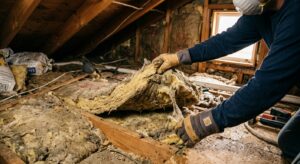
- Older Home Pre-1980: These homes often have existing insulation that is deteriorated, fallen, or made of materials like vermiculite or fiberglass with kraft facing that has degraded. Remove and dispose of any fallen or moldy insulation before adding new material. Check for knob-and-tube wiring before adding insulation, as some jurisdictions prohibit insulating over it without an electrical inspection first. Budget an additional $100 to $200 for disposal and a professional assessment if materials look unusual.