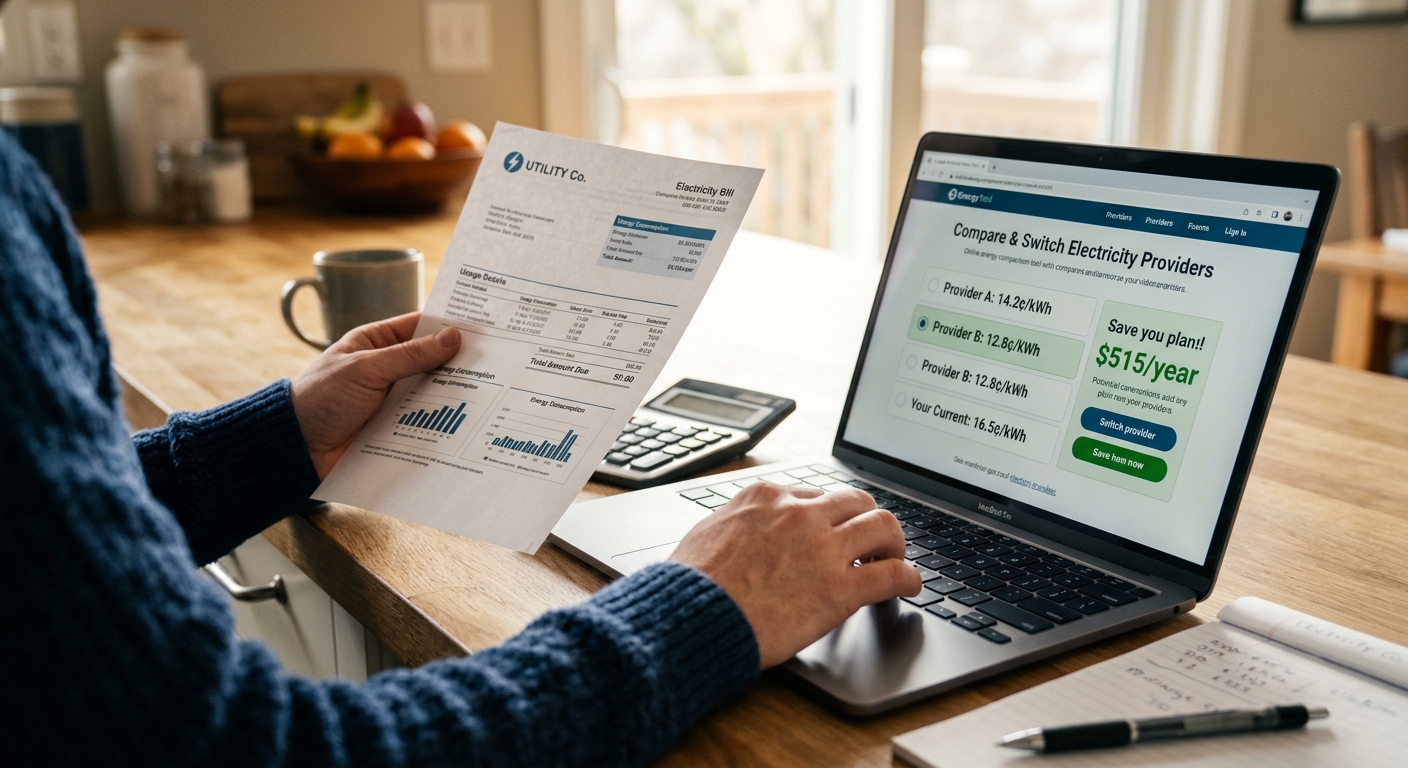
Most homeowners overpay for electricity simply because they have never compared rates or explored alternative providers in deregulated markets. Switching to a lower-rate plan or provider takes less than an hour and can realistically save $300 to $600 in year one alone.
Most homeowners overpay for electricity simply because they run appliances at the wrong time of day. Switching to a time-of-use rate plan and shifting just a few daily habits can cut your electric bill by 15 to 25% with almost no lifestyle sacrifice.
Your kitchen appliances may be working against your AC all summer long, quietly inflating your energy bills by hundreds of dollars. Learn which culprits generate the most heat, which swaps pay off fastest, and how to cook smarter without sacrificing comfort or convenience.
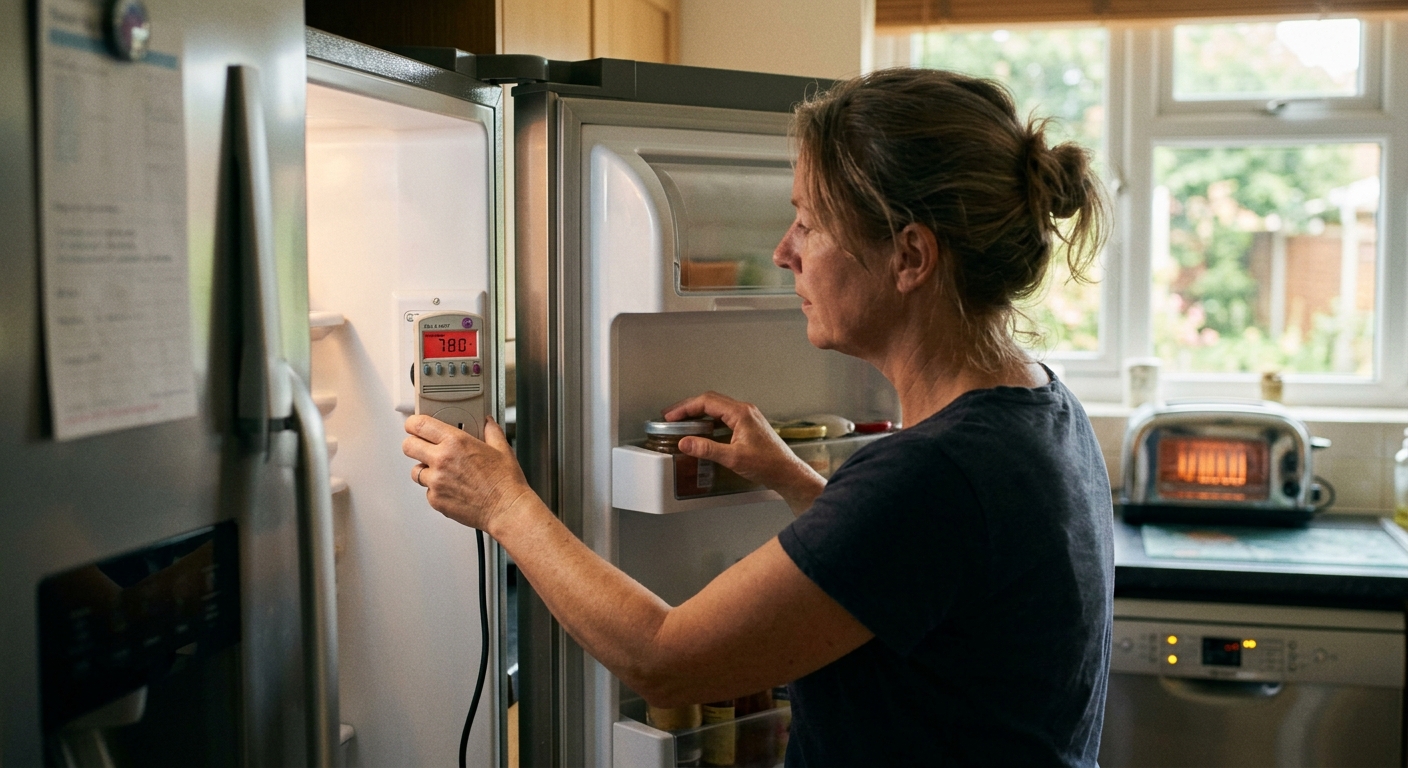
Most homeowners glance at their monthly bill and move on, but their smart meter is recording energy use every 15 to 60 minutes around the clock. Learning to read that data can reveal phantom loads, HVAC inefficiencies, and daily habits costing you hundreds of dollars a year.
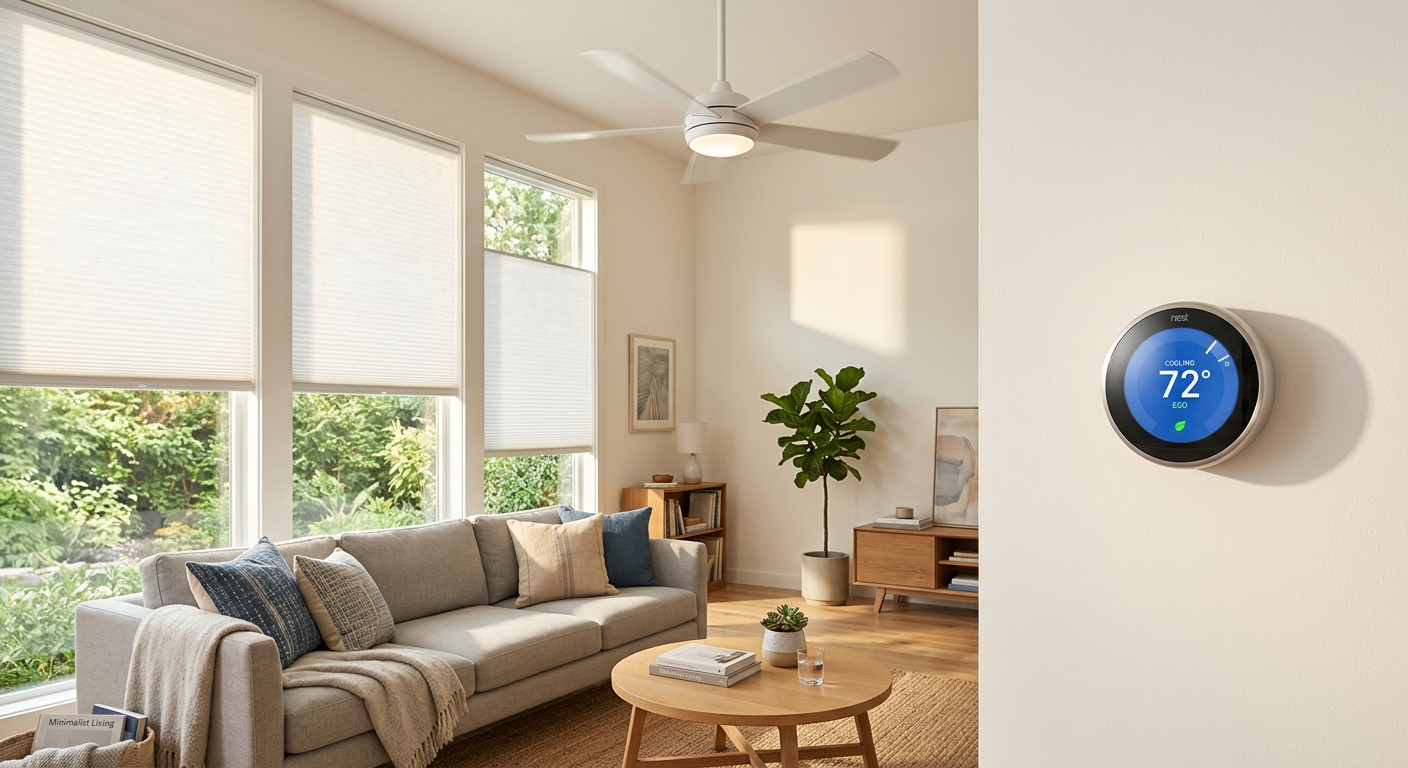
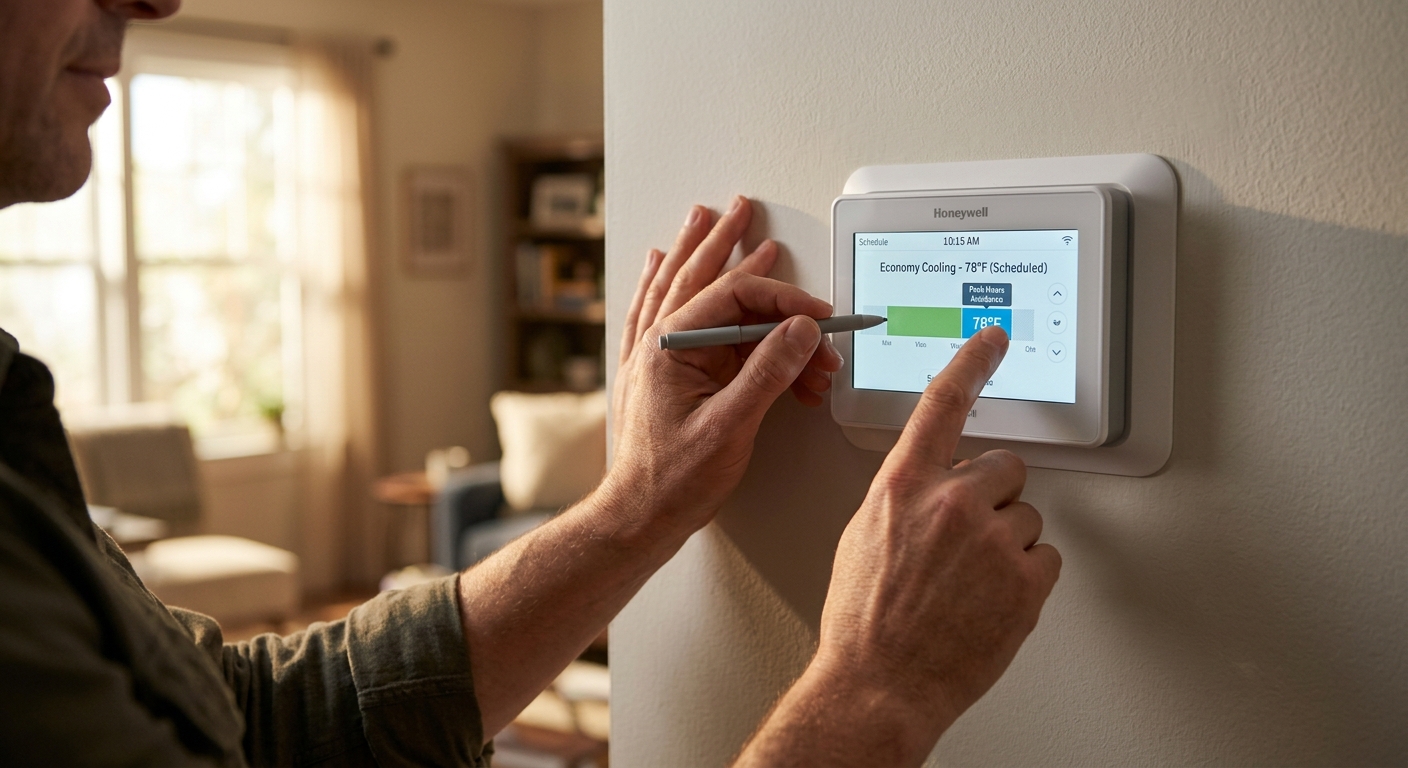
Running your AC at the wrong times of day can silently double your cooling costs without you ever noticing. Strategic scheduling, pre-cooling, and thermostat setbacks can realistically cut your cooling bill by 20 to 40% with zero equipment upgrades.
A hot tub can add $50 to $150 or more to your monthly electricity bill, depending on size, efficiency, and how you use it. Here is what real homeowners experience, and exactly how to cut those costs without giving up the soak.
Most homeowners assume their utility rate is fixed, but many providers offer programs, discounts, and rate structures that can cut your bill by 10 to 30%. Three strategic phone calls, armed with the right information, can unlock savings most customers never know to ask for.
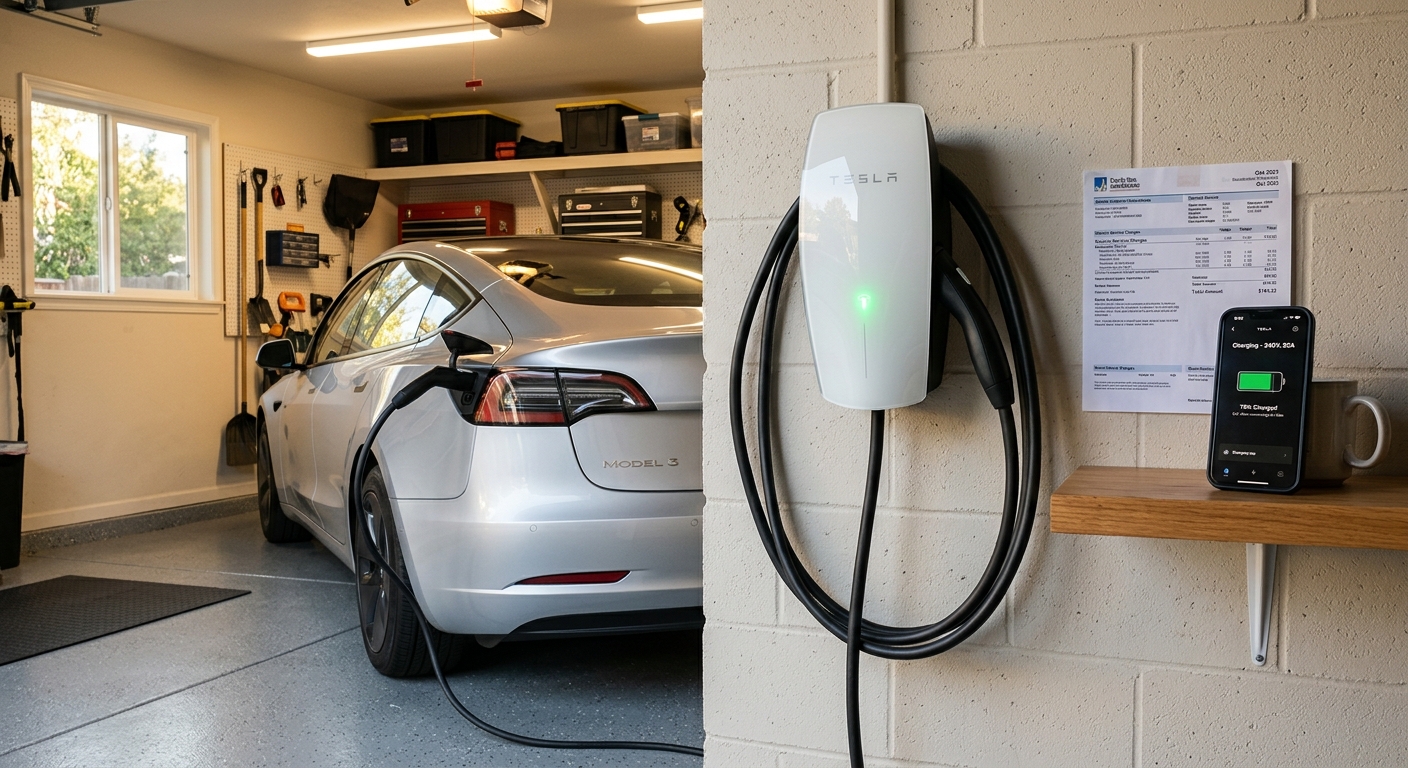
Most EV owners are shocked to discover that home charging costs a fraction of what they spent on gas, but your actual bill depends on your electricity rate, your car’s battery size, and how you charge. This guide breaks down the real math, shows you how to cut your charging costs even further, and explains whether upgrading to a Level 2 charger is worth it for your situation.
Most homeowners run their AC at full blast all day without realizing that when you cool your home matters almost as much as how you cool it. By shifting your cooling schedule to match your utility’s rate structure and your home’s thermal behavior, you can trim 20 to 45% off your summer cooling costs.
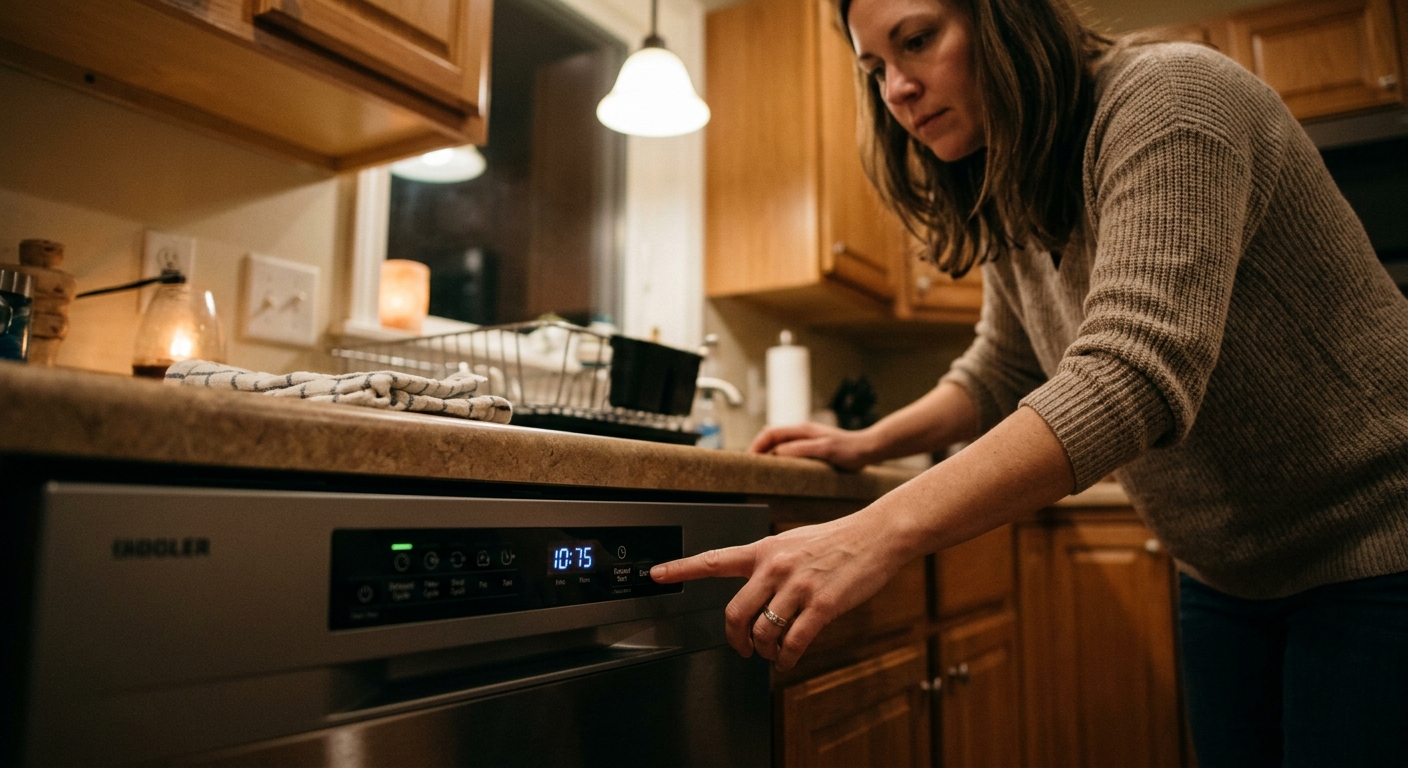
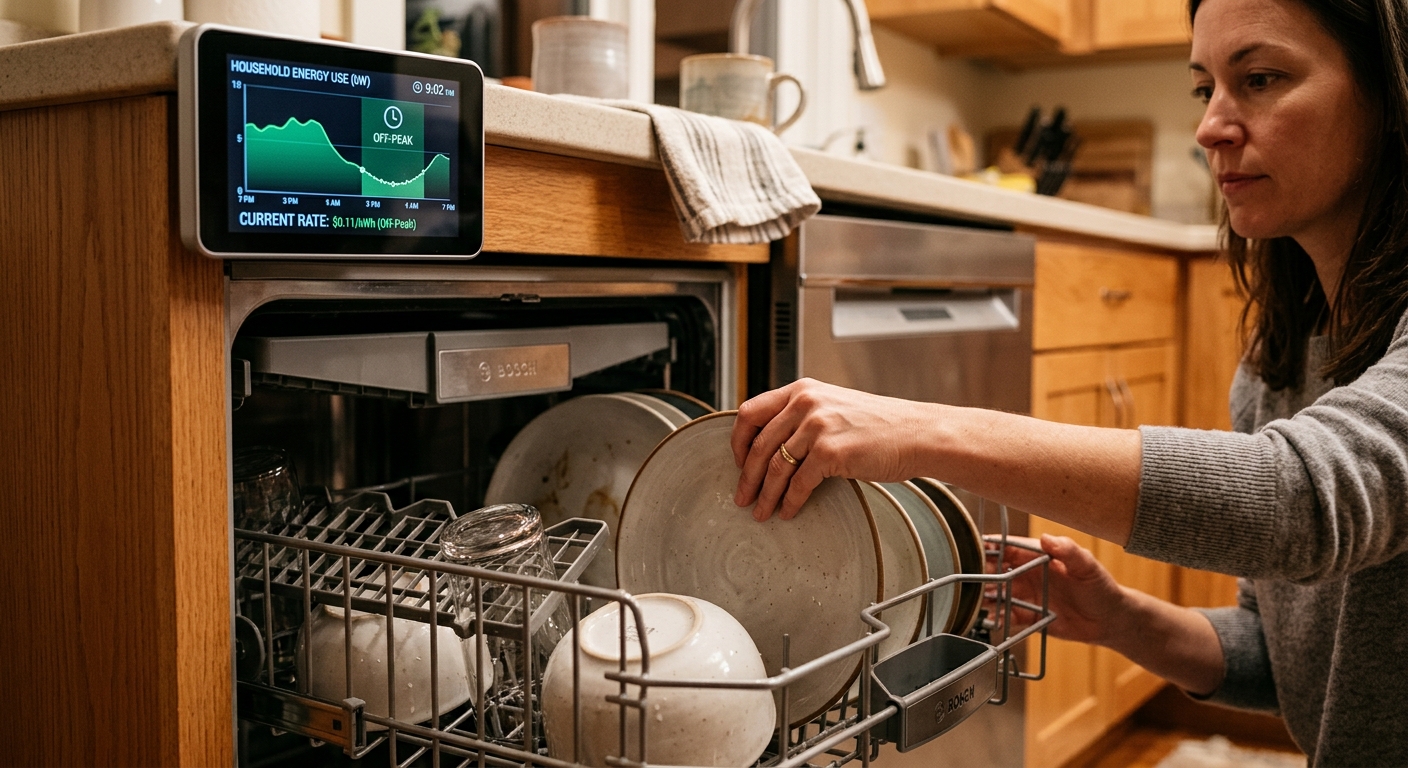
Running your dishwasher, washer, and dryer at the wrong time of day can quietly inflate your electric bill every single month. Shifting these loads to off-peak hours can save 10 to 30% on the energy those appliances use, with zero investment required.