Most homeowners blame July’s sweltering temperatures for sky-high energy bills, but outdoor heat is only part of the story. Hidden factors like solar heat gain, poor thermostat habits, and air leaks are quietly multiplying your cooling costs, and fixing them is easier than you think.
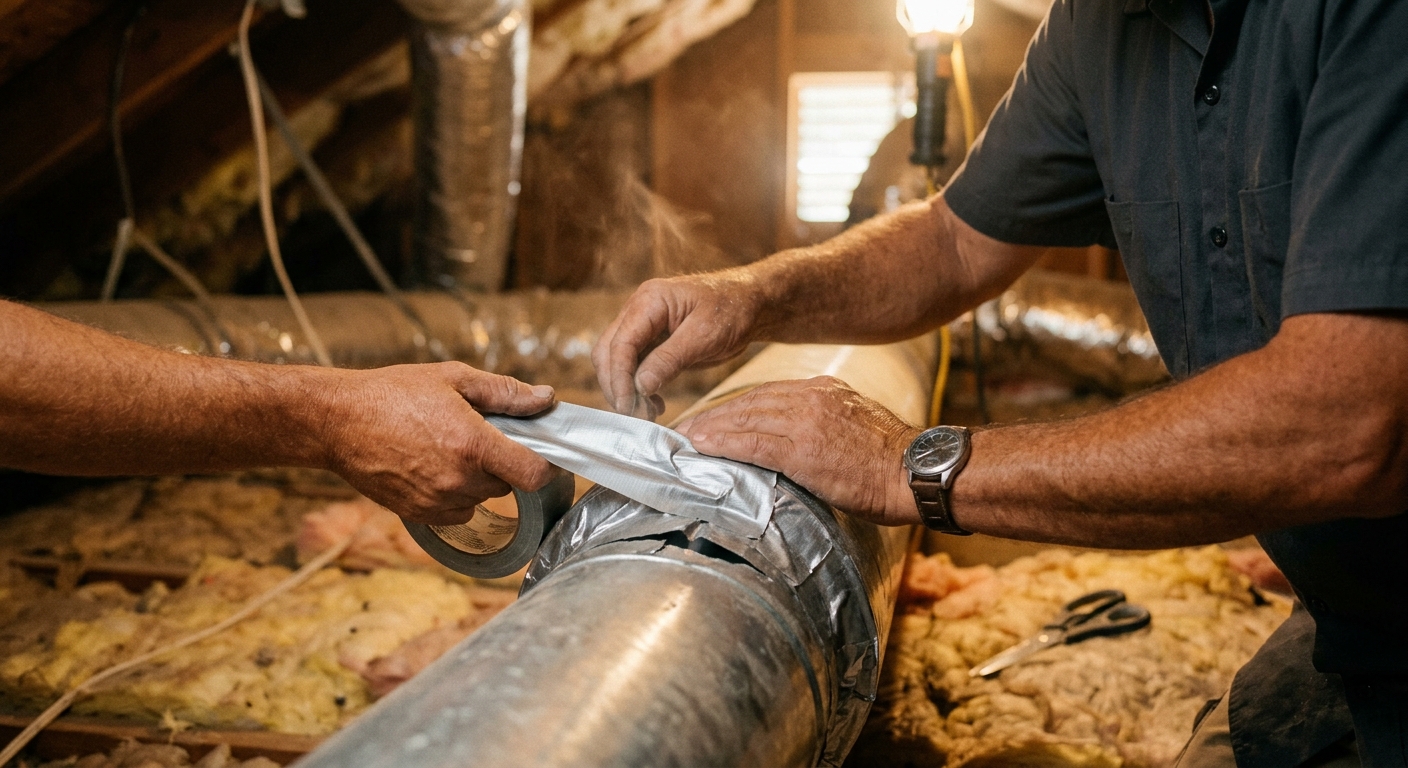
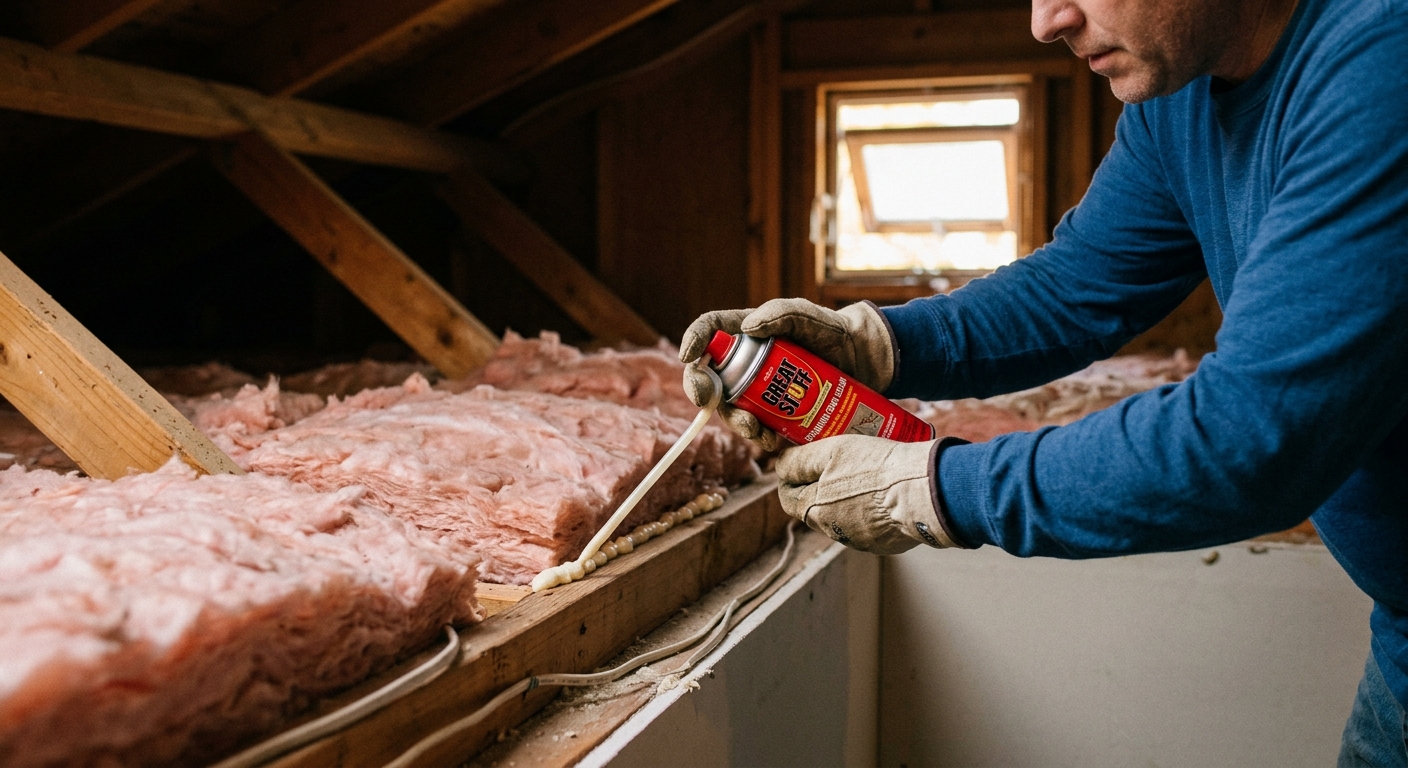
Poor or missing insulation is one of the top reasons your AC runs constantly and your energy bills spike every summer. Identifying and fixing the right insulation weak spots can cut cooling costs by 15 to 30% and make your home noticeably more comfortable.
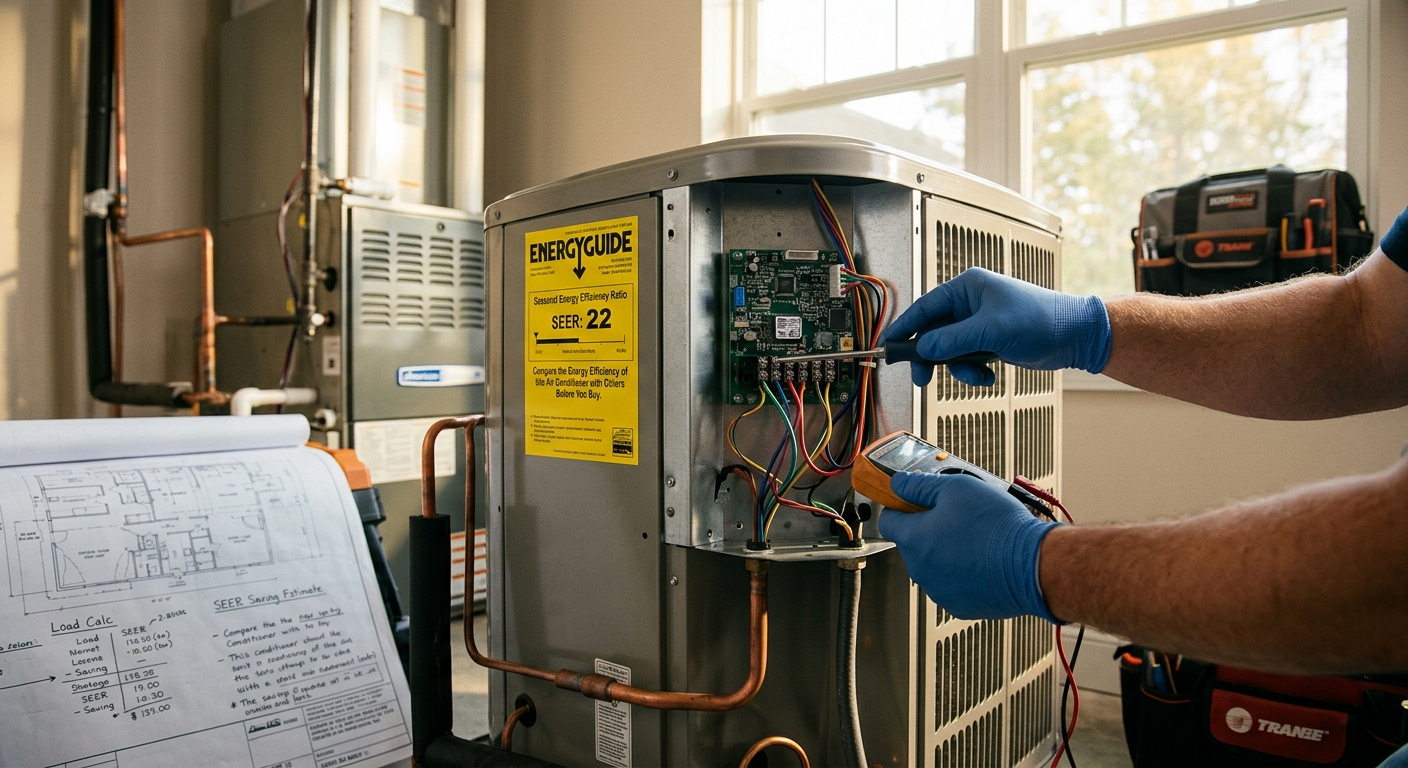
Most homeowners buy a new AC based on price alone, leaving hundreds of dollars in annual savings on the table. Understanding your SEER rating before you sign a quote can dramatically lower your long-term cooling costs and help you choose the right system for your climate.
Cold walls, sky-high heating bills, and drafty rooms are not just annoyances – they are symptoms of heat escaping through under-insulated or leaky walls. Learn how to spot the signs, confirm the problem, and fix it before winter drains your wallet.
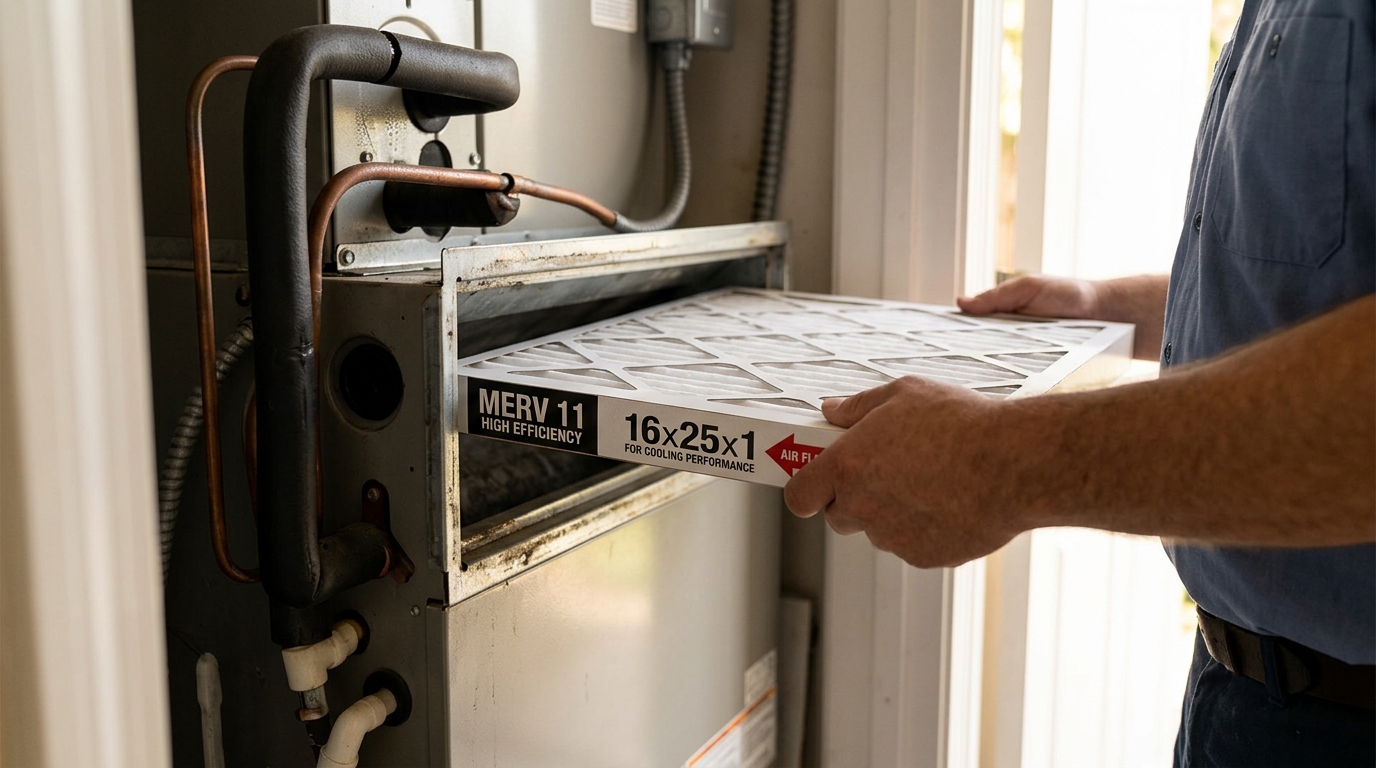
Most homeowners grab whatever filter is cheapest or most expensive, not realizing that the wrong MERV rating quietly kills cooling efficiency. Choosing the right filter for your system can cut energy use by up to 15% and prevent the most common cause of AC breakdowns.
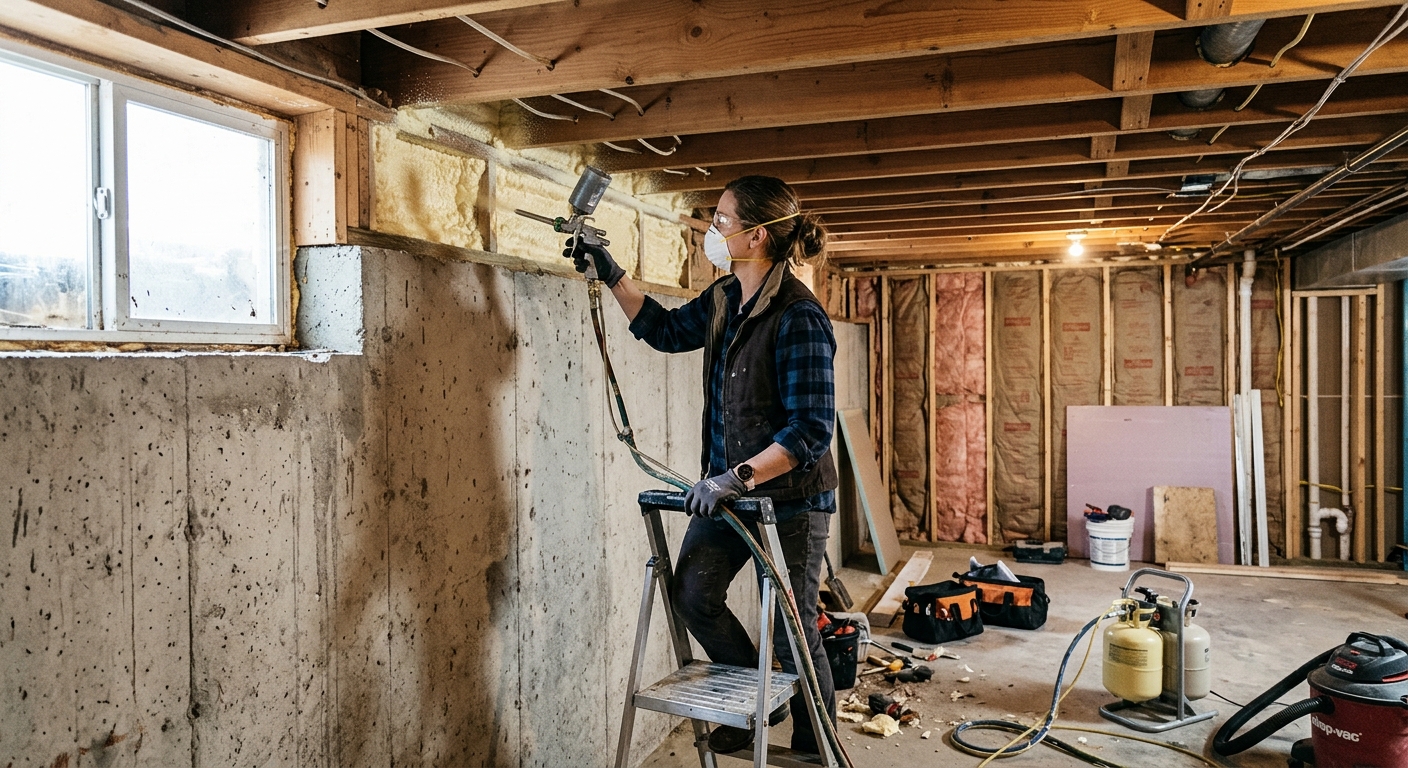
Most homeowners focus on windows and attics when trying to cut heating costs, but the basement is often the biggest source of heat loss in the entire house. By sealing, insulating, and conditioning your basement properly, you can realistically cut your heating bill by 15 to 25% without touching your furnace.
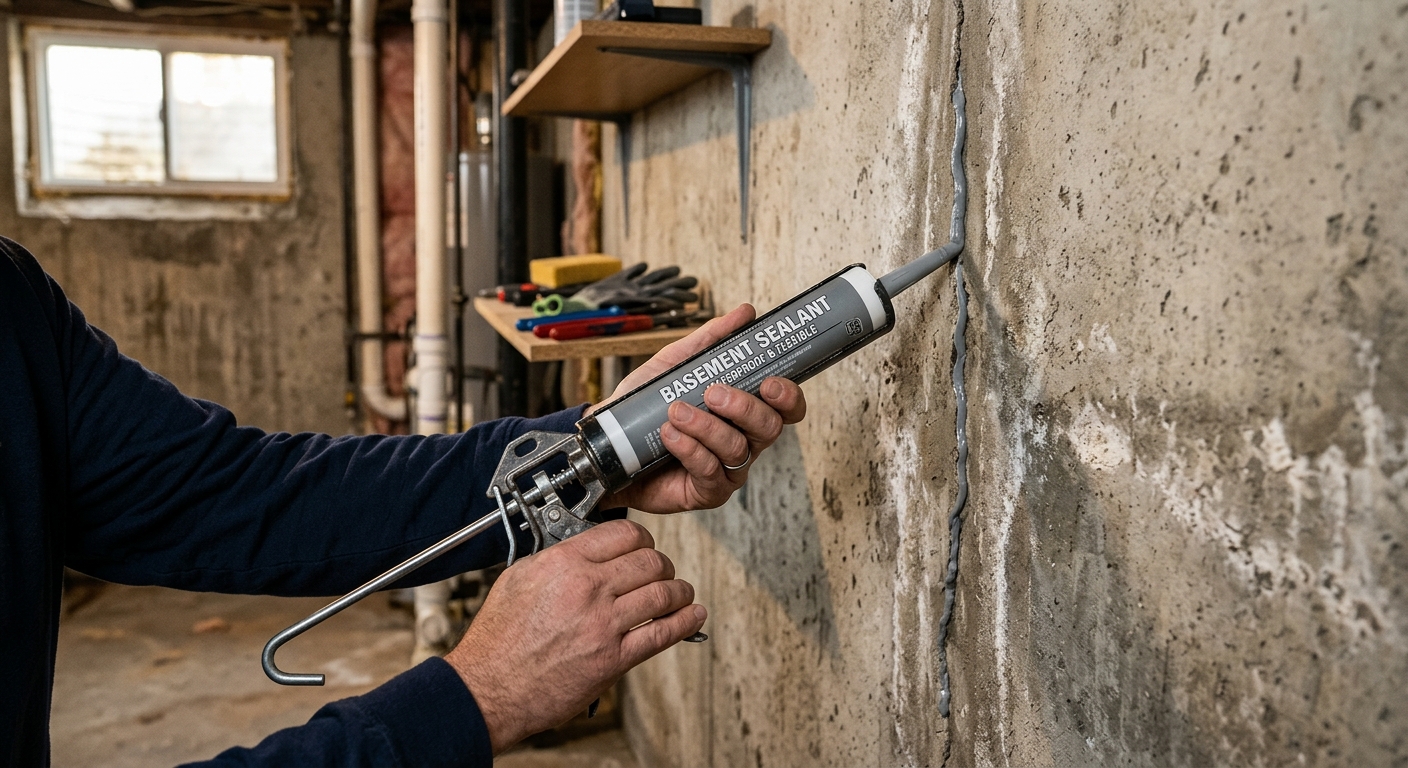
That musty basement smell is not just unpleasant, it is a sign of excess moisture that can damage your home and hurt air quality throughout the house. A focused weekend of air sealing, drainage fixes, and targeted dehumidification can eliminate the odor and protect your home long-term.
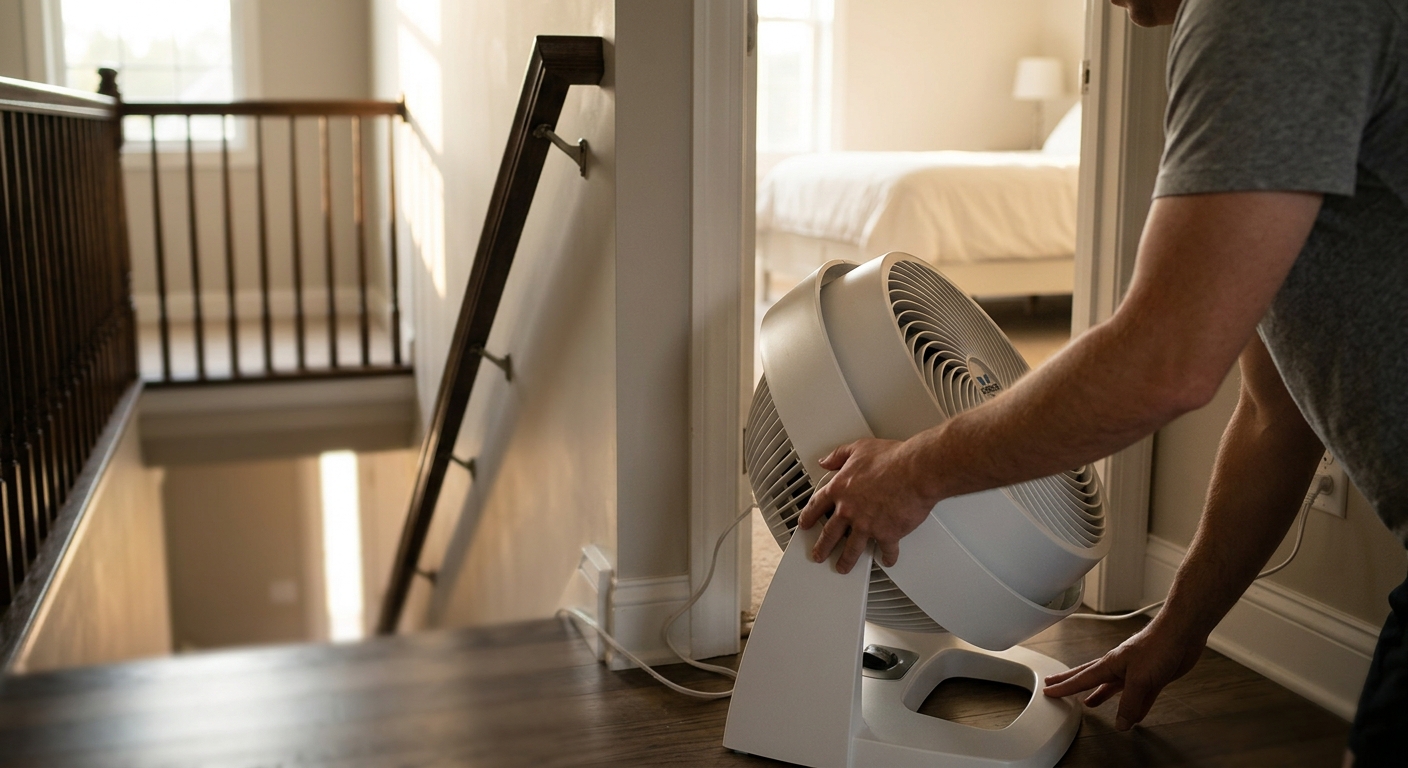
Two-story homes trap heat upstairs because warm air naturally rises, making upper floors 8 to 12 degrees hotter than the ground level. Strategic portable fan placement can neutralize that temperature gap and cut cooling costs by 15 to 30% without any permanent installation.
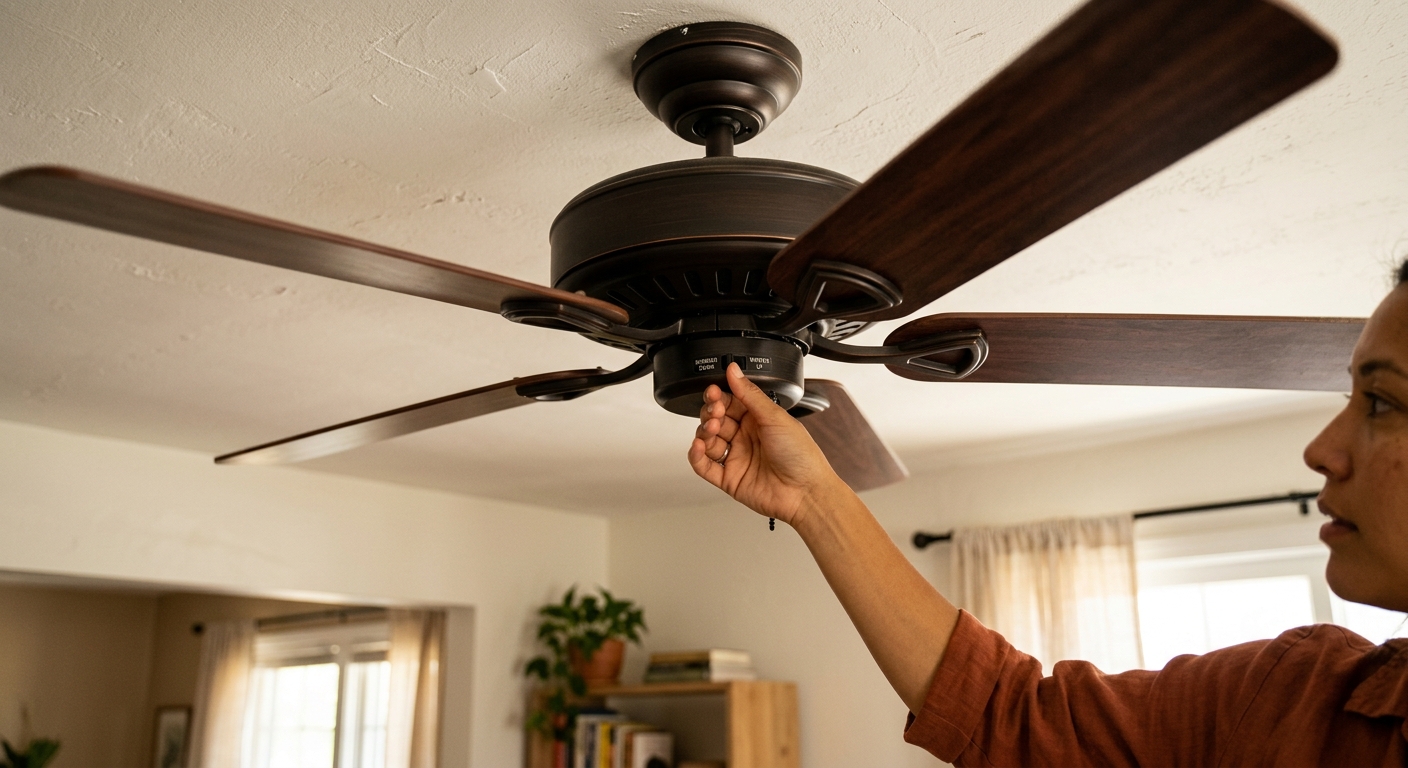
Most homeowners leave ceiling fans running all day in empty rooms, wasting electricity without saving a dime. Used correctly, ceiling fans can make a room feel 4 degrees cooler and cut your AC runtime by up to 15%.
If your neighbor pays $40 to $80 less per month on energy despite living in a similar home, the gap usually comes down to a handful of fixable problems. This post walks through the most common culprits and gives you a clear plan to close that gap starting today.