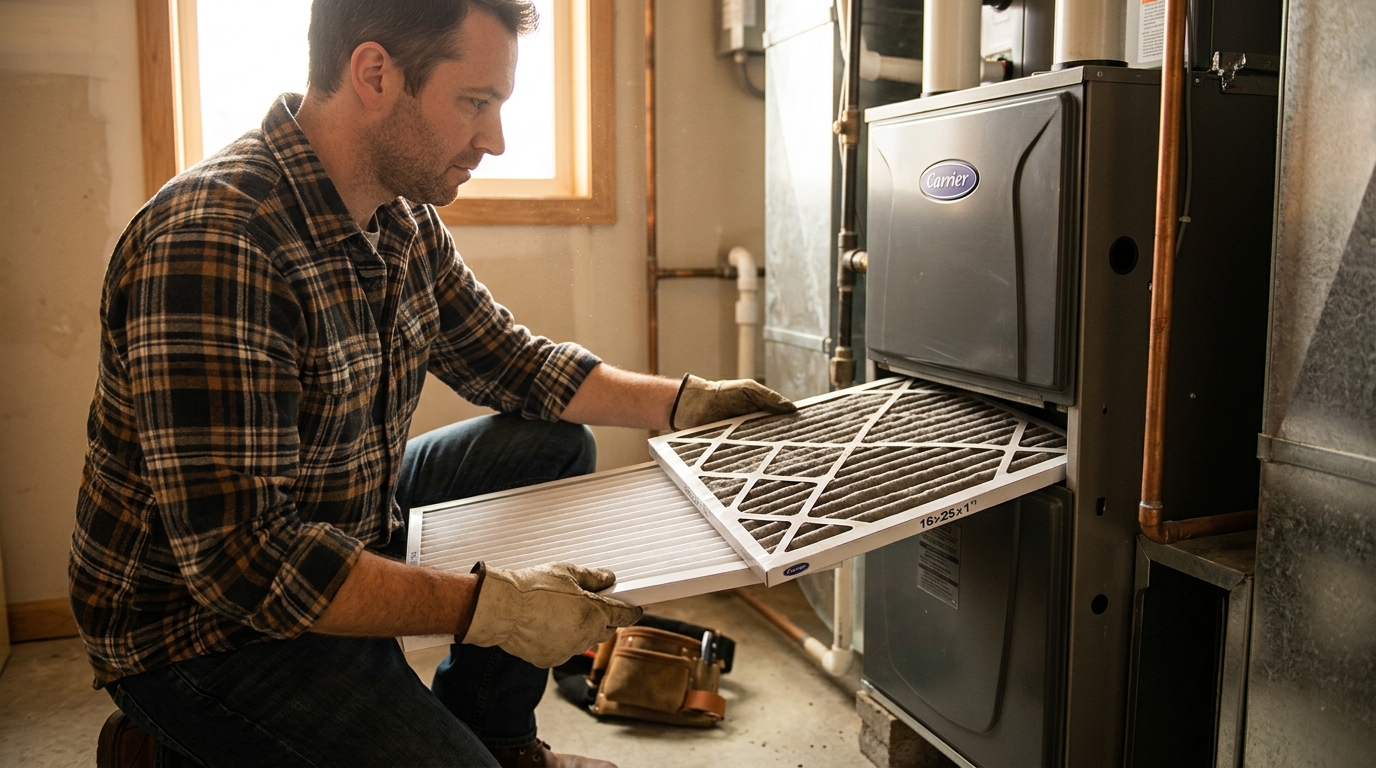
A clogged or wrong-sized HVAC filter forces your system to work harder, driving up energy bills by 15% or more. Learn how to check your filter, choose the right MERV rating, and fix the problem in under 15 minutes.
Read More →
Tools We Recommend
As an Amazon Associate, we earn from qualifying purchases.
Running the AC all night is one of the biggest drivers of summer energy bills, but most homeowners don’t realize how much of that cooling is simply lost to poor nighttime habits and easy-to-fix heat sources. With a few targeted changes, you can sleep comfortably at 75 to 78°F instead of blasting your system to 68°F, cutting overnight cooling costs by 20 to 40%.
Read More →
Tools We Recommend
As an Amazon Associate, we earn from qualifying purchases.
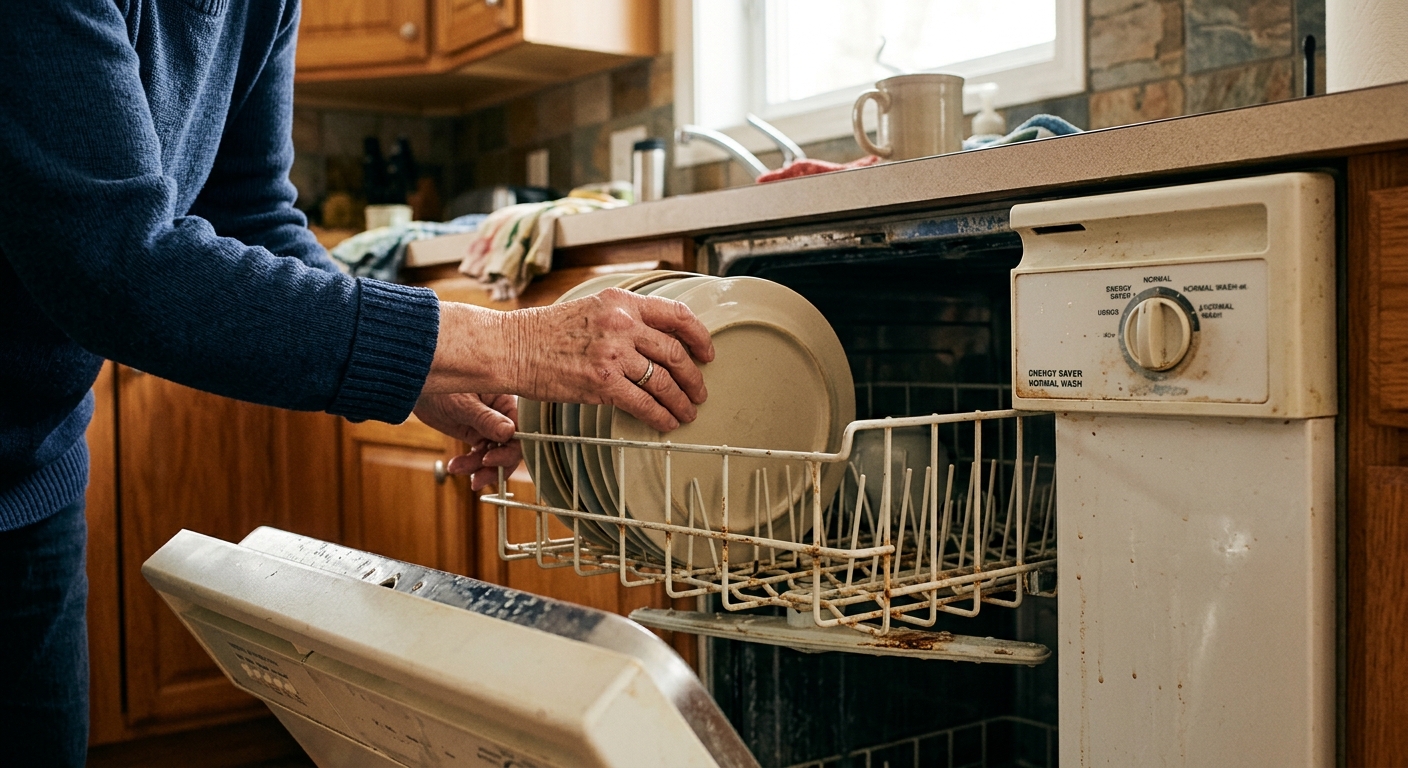
Dishwashers more than 10 years old can use 3 to 4 times more water and energy per cycle than modern ENERGY STAR models. If you’re running yours daily, the math might surprise you: a new dishwasher could pay for itself in utility savings within 3 to 5 years.
Read More →
Tools We Recommend
As an Amazon Associate, we earn from qualifying purchases.
If your neighbor pays $40 to $80 less per month on energy despite living in a similar home, the gap usually comes down to a handful of fixable problems. This post walks through the most common culprits and gives you a clear plan to close that gap starting today.
Read More →
Most homeowners pay their electric bill without ever questioning why it is so high. Studying a full year of bills reveals seasonal patterns, hidden loads, and waste points that can cut your annual energy spending by 20 to 35%.
Read More →
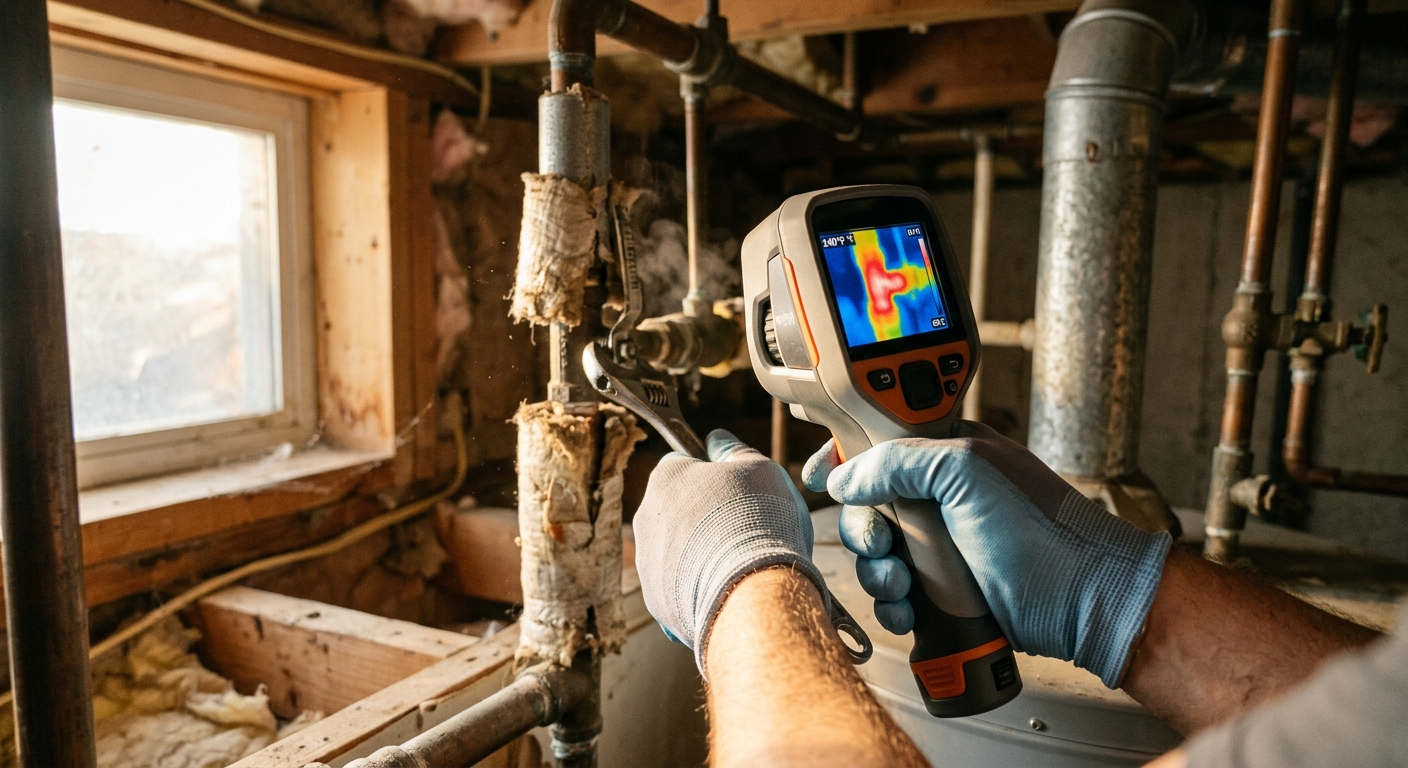
Your energy bills contain hidden clues that can reveal exactly where your home is losing heat or letting it in. Learn how to decode usage patterns, spot red flags, and determine whether poor insulation is quietly inflating your monthly costs.
Read More →
Tools We Recommend
As an Amazon Associate, we earn from qualifying purchases.