If you have ever walked into your basement and been hit by that damp, earthy smell, you are not alone. Nearly 60% of U.S. homes with basements experience moisture problems, according to the American Society of Home Inspectors. That odor is caused by mold and mildew colonies thriving in humid conditions, and it rarely stays in the basement. Your HVAC system, stairwell, and open doors pull that air into your living spaces every day.
Beyond the smell, chronic basement moisture is a structural and health concern. Wood rot can weaken floor joists, mold spores circulate through your home, and high humidity forces your air conditioner to work harder, raising your energy bills. The EPA estimates that indoor moisture problems contribute to roughly 21% of asthma cases in the U.S., making this more than a comfort issue.
The good news is that most musty basements share the same handful of root causes, and most of those causes are fixable over a single weekend without calling a contractor. This post walks you through exactly why basements get musty, how to diagnose your specific problem, and the steps to fix it from zero cost up to a proper DIY upgrade.
What You’ll Need
Click on an item below to shop for the recommended items for this recipe on Amazon.
As an Amazon Associate, we earn from qualifying purchases.
How to Do It
- Buy or borrow a hygrometer and measure your basement relative humidity. Readings above 60% confirm a moisture problem. Note the reading as your baseline.
- Walk the perimeter of your basement and look for white chalky stains (efflorescence) on walls, rust streaks, or visible cracks. Mark them with tape. These are your moisture entry points.
- Go outside and inspect the grading around your foundation. The soil should slope away from the house at least 6 inches over the first 10 feet. If it slopes inward or is flat, this is likely your primary moisture source.
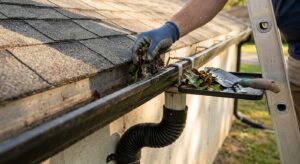
- Check every downspout extension. Downspouts should discharge water at least 4 to 6 feet from the foundation. If yours dump water right at the wall, redirect them immediately using inexpensive plastic extensions.
- Close basement windows during humid months (typically May through September in most of the U.S.). Opening windows to air out a basement actually introduces more moisture in summer than it removes.
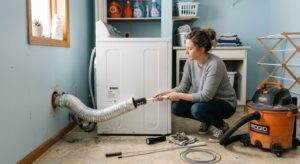
- Check your dryer vent if it passes through the basement. A disconnected or leaking dryer vent dumps warm, humid air directly into the space. Reconnect any loose sections with foil tape.
- Seal the rim joist with cut-and-cobble rigid foam (2-inch polyiso or XPS) cut to fit between each joist bay and sealed around the perimeter with canned spray foam. This eliminates the single largest air leakage point in most basements and can reduce basement humidity by 5 to 10 percentage points alone.
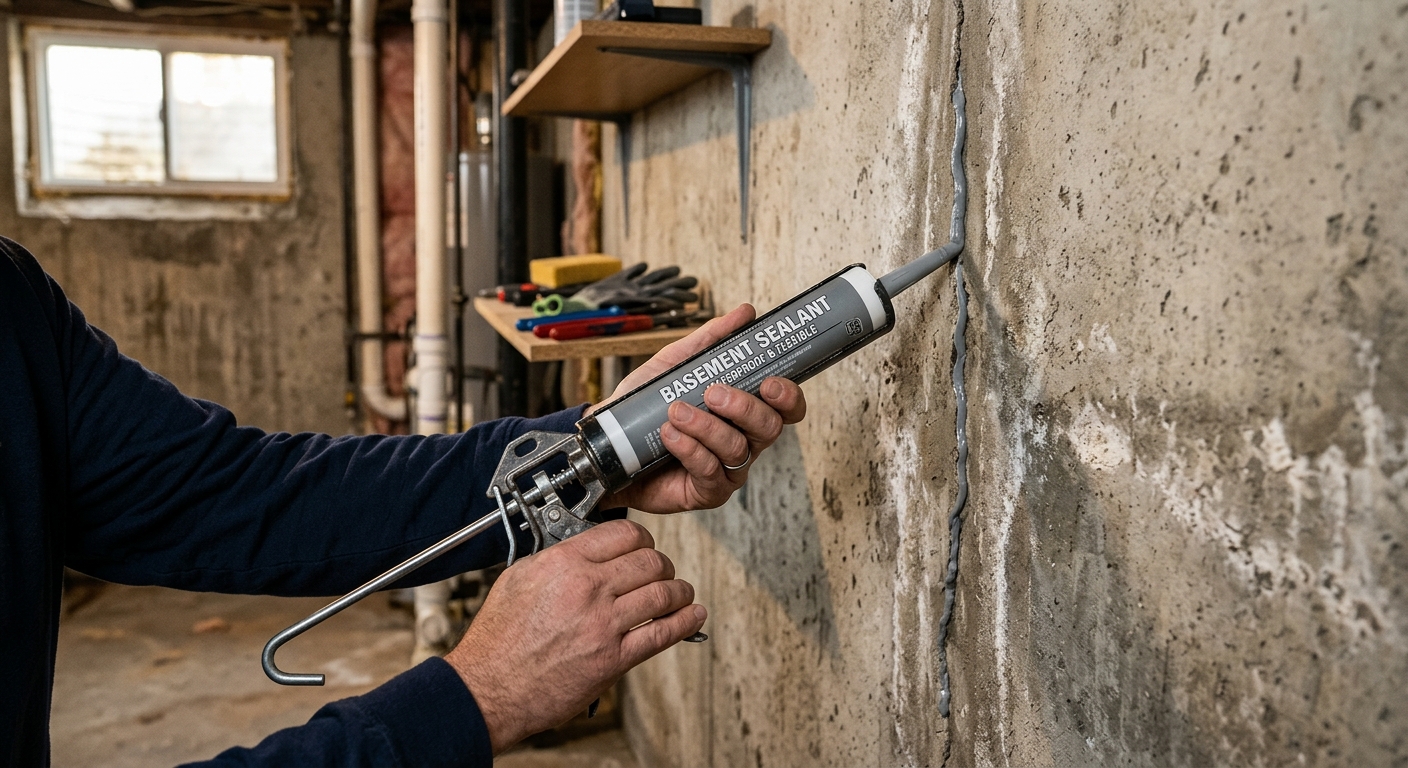
- Caulk all visible cracks in the foundation walls and floor using hydraulic cement for active leaks or masonry caulk for dry cracks. Apply a penetrating masonry waterproofer to porous block or poured concrete walls to reduce vapor diffusion.
- Apply 6-mil polyethylene sheeting to any exposed dirt floor areas, overlapping seams by 12 inches and taping with seam tape. Secure edges to the walls. A bare dirt floor can contribute 10 to 100 pints of moisture per day to a basement.
- Install a properly sized Energy Star certified dehumidifier. Size for your square footage: 30-pint units work for spaces up to 1,000 square feet with moderate moisture, 50-pint units for 1,000 to 2,500 square feet or high moisture. Set the target to 45 to 50% RH and connect a drain hose so you never need to empty a bucket.
- Clean any existing mold on hard surfaces using a solution of 1 cup of borax per gallon of water, scrubbing thoroughly and allowing to dry. Do not paint over mold without cleaning first. For areas larger than 10 square feet, consult an indoor air quality professional.
- Recheck your hygrometer reading after one week of running the dehumidifier. If humidity is still above 55% after consistent operation, you likely have an active water intrusion issue that requires exterior drainage work or interior drain tile.
- Have a waterproofing contractor assess whether your moisture source is vapor diffusion (manageable with DIY) or hydrostatic pressure from a high water table or poor drainage (requires mechanical intervention).
- Interior drain tile systems install a perforated pipe in a gravel trench around the basement perimeter, below the slab, routing water to a sump pit. This relieves hydrostatic pressure rather than trying to stop it.
- A battery-backup sump pump ensures the system works during power outages, which often coincide with heavy storms. Budget an additional $300 to $600 for a quality battery-backup unit.
- After waterproofing work is complete, follow up with the DIY rim joist sealing and dehumidifier installation to address the remaining vapor and air leakage moisture pathways.
Why It Works: The Benefits
Dropping basement relative humidity below 50% stops active mold and mildew growth, which removes the biological source of the smell within one to two weeks. No amount of air freshener accomplishes this without addressing the root cause.
Every pint of water vapor your AC must condense adds to its workload. Controlling basement moisture at the source reduces the whole-home humidity load, cutting cooling energy use by 10 to 25% in humid climates where the basement is a major moisture entry point.
Studies show homes with controlled basement moisture have significantly lower airborne mold spore counts throughout the house, reducing allergy and asthma triggers that affect up to 1 in 13 Americans.
Chronic moisture above 19% wood moisture content causes wood rot in floor joists and sill plates. Fixing basement humidity now avoids repairs that can cost $3,000 to $10,000 or more if structural members are compromised.
A dry basement that maintains 45 to 55% RH year-round becomes storage-safe and potentially livable space, adding functional square footage without a costly addition.
💰 Savings Impact by Action
Air sealing the rim joist eliminates the largest single air leakage point in most basements, reducing conditioned air loss and humid air infiltration by up to 15%.
A continuous poly vapor barrier over exposed soil or sealed masonry walls can reduce moisture vapor entry by up to 20%, directly lowering dehumidifier run time and AC load.
Controlling basement humidity at the source reduces whole-home AC humidity load, cutting cooling energy use by 10 to 15% in humid climates.
Properly extending downspouts 4 to 6 feet from the foundation reduces soil saturation near the wall, cutting moisture infiltration by an estimated 10% in many homes.
🏠 Key Concepts Explained
The Science Behind It
The musty smell itself comes from microbial volatile organic compounds (MVOCs), gases released by actively metabolizing mold and mildew colonies. The most common culprits are species like Cladosporium and Penicillium, which thrive at relative humidity above 60% and temperatures between 50 and 86 degrees Fahrenheit. These organisms do not need standing water. They can extract sufficient moisture from the air alone, which is why a basement that has never flooded can still develop a serious mold problem.
Basements are uniquely vulnerable because of the stack effect and soil vapor dynamics working together. In summer, warm outdoor air is drawn into the basement through every crack and gap by the pressure difference created as indoor air rises and exits at the top of the house. That warm, humid air then contacts cool foundation walls and concrete, which stay near ground temperature (around 55 degrees Fahrenheit in most of the U.S.), causing immediate condensation. Simultaneously, moisture in the surrounding soil migrates inward as vapor through concrete, which is a porous material. Together these two pathways can easily introduce gallons of water per day into an unsealed basement.
The fix works by targeting all three physical mechanisms. Air sealing the rim joist and wall penetrations cuts off the convective pathway. Applying vapor barriers and masonry sealers reduces diffusion through the concrete. And a properly sized dehumidifier handles whatever residual moisture remains, keeping the air below the 60% RH threshold where mold growth becomes self-sustaining. Each layer compounds the effect of the others, which is why the complete approach is dramatically more effective than any single measure alone.
Frequently Asked Questions
▼ My dehumidifier runs constantly and the basement is still above 60% humidity. What is wrong?
Either the unit is undersized for the space or you have an active water intrusion source overwhelming the equipment. First, verify the unit capacity against your square footage and actual moisture conditions. Then check during or immediately after a rain event for any water entering through wall cracks, the floor-wall joint, or window wells. If water is physically entering the space, no dehumidifier can keep up and you need exterior drainage work or interior waterproofing first.
▼ I sealed everything I can find but the smell is still there. Did I miss something?
The mold that caused the smell may still be physically present on surfaces even after conditions improve. Active mold colonies continue releasing MVOCs until they are cleaned or die off, which can take several weeks after humidity drops. Inspect behind stored items, under carpet, on the back face of drywall, and on wood framing for visible mold colonies. Clean all affected hard surfaces with a borax or diluted bleach solution and allow them to dry thoroughly.
▼ Can I just paint the walls with waterproofing paint and call it done?
Waterproofing paints like Drylok reduce vapor transmission through porous masonry and work well for seepage, but they cannot stop hydrostatic pressure and will eventually peel if significant water pushes through. They are a useful part of a complete strategy but not a standalone fix. Combine masonry waterproofing paint with proper exterior grading, downspout extensions, rim joist sealing, and a dehumidifier for lasting results.
▼ My basement always smells worse in summer even though nothing looks wet. Why?
This is the classic summer vapor condensation pattern. Outdoor air in summer is much more humid than in winter, and when it enters the basement and contacts cool walls and floors, moisture condenses immediately even without any visible leak. The fix is to stop opening basement windows in summer (counterintuitive but correct), air seal all penetrations, and run a dehumidifier consistently from May through September when outdoor dew points are highest.
▼ Is this safe to DIY if I already have visible black mold?
Small patches under 10 square feet on hard non-porous surfaces can generally be safely cleaned by a homeowner using proper protection including an N95 respirator, gloves, and eye protection. However, if the mold is on drywall, insulation, or wood framing, those materials typically need to be removed and replaced rather than surface-cleaned. For anything over 10 square feet, or any mold on structural wood, hire a certified mold remediation professional to assess the situation first.
Quick Tips
- Set your dehumidifier target to 45 to 50% RH, not lower. Running it below 40% wastes energy with diminishing returns for mold prevention, and the unit will run constantly without reaching setpoint if undersized.
- Check your gutters before blaming the foundation. Clogged or misdirected gutters dump water against the foundation wall and are responsible for a large share of basement moisture problems. Clean gutters twice a year.
- Avoid storing cardboard boxes directly on a concrete basement floor. Cardboard wicks moisture from the slab and creates a perfect mold substrate. Use plastic bins with lids and place them on wire shelving or pallets.
- Test your sump pump every spring before heavy rain season by pouring a bucket of water into the pit to confirm the float triggers the pump. A failed sump pump during a storm can cause thousands of dollars in damage.
- In winter, basement moisture issues often appear as condensation or frost on rim joist framing. If you see this, it confirms air is bypassing your insulation and sealing the rim joist should be your first priority.
Variations for Your Situation
- Apartment or Rental: Renters cannot modify foundation walls or install permanent drainage, but you can still make a significant impact. Purchase a portable 30 to 50-pint dehumidifier ($150 to $250) and set it to 50% RH. Keep basement windows closed in summer, notify your landlord in writing about any visible water intrusion or mold (creating a paper trail for required repairs), and avoid storing anything in direct contact with concrete floors. Document moisture readings with your hygrometer to support any habitability requests.
- Tight Budget (under $50): Focus first on the free fixes that have the biggest impact. Redirect downspouts, fix grading by regrading soil away from the foundation with a shovel, close basement windows in summer, and seal the dryer vent with foil tape if it runs through the basement. A basic hygrometer costs around $10 to $15 and lets you verify whether these steps move your humidity below 60%. Many homeowners find grading and downspout fixes alone drop basement humidity by 10 to 15 percentage points.
- Older Home (pre-1980): Homes built before 1980 often have uninsulated rim joists, no vapor barrier on dirt crawl space floors (if partially below grade), and foundation walls made of stone rubble or unreinforced block that are far more porous than modern poured concrete. Prioritize rim joist sealing and adding a continuous 6-mil poly vapor barrier to any exposed soil before spending money on a dehumidifier. Also have the home tested for radon, since the same soil vapor pathways that bring moisture into older basements also bring radon, and mitigation systems address both problems simultaneously.