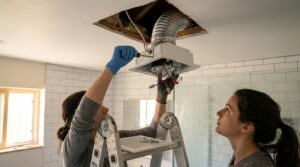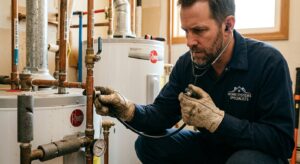
It’s easy to tell yourself you’ll schedule HVAC maintenance next season. Life gets busy, the system is still running, and the $100 to $150 tune-up fee feels optional when the budget is tight. But every month a dirty, under-maintained system runs, it works harder than it should, burns more fuel or electricity, and moves closer to a costly breakdown. According to the U.S. Department of Energy, a neglected HVAC system can lose 5% of its operating efficiency every year without maintenance, and that loss compounds season after season.
The real kicker is that the costs rarely show up all at once. Instead, you see slightly higher utility bills each month, a compressor that struggles on hot days, and refrigerant levels that quietly drop until the system can no longer keep up. By the time a major repair bill arrives, usually a failed compressor, a seized blower motor, or a cracked heat exchanger, the deferred maintenance has already cost far more than a dozen tune-ups would have.
This post breaks down the real financial impact of skipping maintenance, from monthly energy waste to emergency repair premiums. More importantly, it gives you two clear paths forward: a fast DIY reset you can do today, and a professional tune-up approach with specific tasks, costs, and timelines so you know exactly what to expect and what to ask for.
What You’ll Need
Click on an item below to shop for the recommended items for this recipe on Amazon.
As an Amazon Associate, we earn from qualifying purchases.
How to Do It
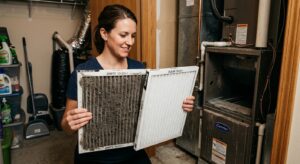
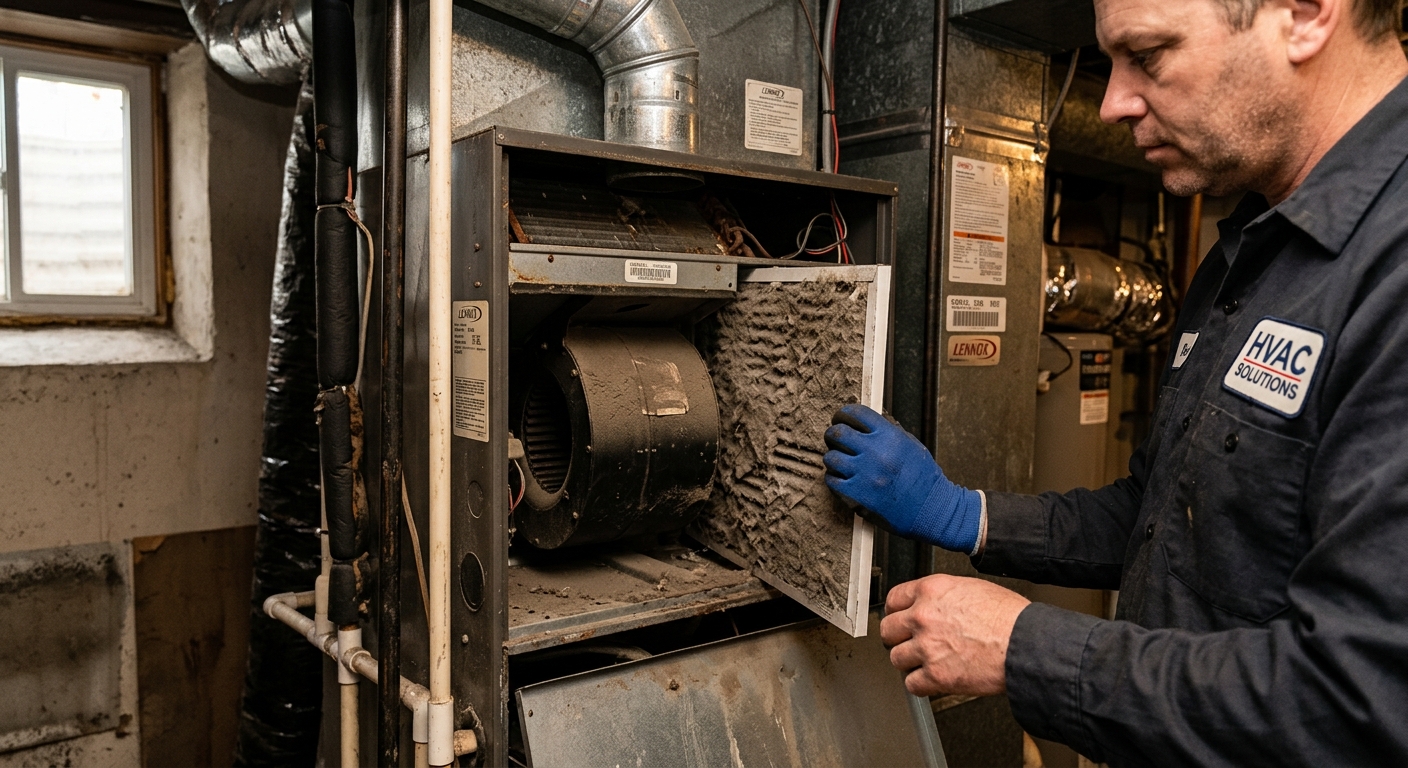
- Replace the air filter with a fresh MERV 8 to 11 filter. Check the filter slot for the arrow indicating airflow direction before inserting. Set a phone reminder to check it again in 30 days.
- Turn off power to the outdoor condenser unit at the disconnect box, then use a garden hose to gently rinse the condenser coil fins from the inside out to remove debris, grass clippings, and dust buildup.
- Clear a 2-foot perimeter around the outdoor unit of any vegetation, mulch, or stored items that restrict airflow to the condenser.
- Locate the condensate drain line (the white PVC pipe near the indoor air handler) and pour a cup of diluted white vinegar down the access port to prevent mold and algae clogs that cause water damage and shutdowns.
- Check all supply and return vents in the home. Open any that were partially closed and make sure none are blocked by furniture or rugs, since blocked vents increase static pressure and reduce system efficiency.
- Set your thermostat fan to AUTO rather than ON. Running the fan continuously adds $15 to $25 per month in electricity with little comfort benefit in most climates.
- Call two or three local HVAC companies and ask specifically for a seasonal tune-up or preventive maintenance visit. Ask what is included in writing, a legitimate tune-up covers coil cleaning, refrigerant check, electrical connections, and blower inspection.
- Before the technician arrives, write down any symptoms you have noticed: rooms that won’t cool, unusual sounds, higher bills, or how long the system runs per cycle. This helps them diagnose faster.
- Ask the technician to measure supply and return air temperature difference (delta-T). A healthy system reads 14 to 22 degrees Fahrenheit. If it reads below 12, ask for an explanation and written diagnosis.
- Request a refrigerant level check. If the system is low, ask the tech to identify the source of the leak before adding refrigerant, since topping off a leaking system is a short-term fix that costs you again in 12 to 18 months.
- Ask for a written summary of findings, any parts replaced, and current filter size. Keep this in a home maintenance folder or photo it and store in your email. This documentation protects your warranty and helps the next technician.
- If the technician recommends a maintenance agreement ($150 to $300 per year for two visits), evaluate it: if your system is 8 or more years old, it typically pays for itself in discounted parts and priority service during peak seasons.
Why It Works: The Benefits
Restoring a neglected system to clean, properly charged, and calibrated condition typically cuts HVAC energy use by 10 to 25%, which on an average U.S. home spending $130 per month on heating and cooling translates to $13 to $32 in monthly savings.
Most catastrophic HVAC failures, including compressor seizure and heat exchanger cracks, are preceded by detectable warning signs that a professional tune-up catches early. Preventive maintenance reduces unplanned repair frequency by up to 70% according to industry service data.
Annual maintenance keeps a central AC or heat pump running for 15 to 20 years instead of the 10 to 12 years typical of neglected systems, deferring a $5,000 to $8,000 replacement by up to a decade.
A clean filter and coil remove significantly more particulates, allergens, and mold spores from circulating air. This matters most for households with asthma or allergy sufferers, where HVAC-related air quality improvements can be immediate and noticeable within 24 to 48 hours.
Many HVAC equipment warranties require documented annual maintenance. Skipping it can void coverage on components like compressors and heat exchangers that cost $800 to $2,800 to replace out of pocket.
💰 Savings Impact by Action
Replacing a clogged filter restores proper airflow and reduces blower energy consumption by up to 10% immediately.
Cleaning fouled evaporator and condenser coils restores heat transfer capacity and can cut cooling energy use by 10 to 15%.
Restoring a refrigerant charge that is 10% low can reduce compressor electricity consumption by up to 20%.
A comprehensive professional tune-up addressing all system components restores a neglected system to near-rated efficiency, saving 15 to 25% on annual HVAC energy costs.
A miscalibrated thermostat can cause the system to run 10 to 20 minutes longer per cycle, and recalibration or replacement saves approximately 5% on heating and cooling costs.
🏠 Key Concepts Explained
The Science Behind It
Your HVAC system is essentially a large heat pump, moving thermal energy from one place to another using a refrigerant that cycles between liquid and gas states. When any component in that cycle is compromised, whether it’s restricted airflow across the evaporator coil, a partially fouled condenser coil, or a low refrigerant charge, the entire thermodynamic cycle becomes less efficient. The compressor has to run at higher pressures and temperatures to accomplish the same heat transfer, consuming more electricity per unit of cooling or heating delivered.
The efficiency loss is not linear. A system that is 10% low on refrigerant does not lose 10% efficiency; it can lose up to 20% because the compressor is now doing disproportionately more work to maintain the pressure differential the cycle requires. Similarly, a condenser coil that is 30% fouled with debris forces the discharge pressure to rise, which increases compressor head pressure and heat, accelerating wear on seals and bearings. Each degrading factor amplifies the others, which is why a system that has gone two or three seasons without maintenance can be running at 60 to 70% of its rated efficiency even if it still technically cools the house.
Heat exchangers in gas furnaces face a different but equally serious issue. A cracked heat exchanger allows combustion gases, including carbon monoxide, to enter the air distribution system. This is not an efficiency problem; it is a safety emergency. Annual furnace inspections specifically check for heat exchanger cracks, and this is the single most important reason not to skip professional maintenance on any gas-fired heating system. A $120 annual inspection is a small price relative to both the health risk and the $1,500 to $3,500 cost of heat exchanger replacement.
Frequently Asked Questions
▼ My HVAC is still running but my energy bill jumped 20% this month. Could deferred maintenance be the cause?
Yes, this is one of the clearest signs of a degraded system. Start by replacing the air filter and checking that all vents are open and unobstructed. If the bill does not normalize within one billing cycle, schedule a professional inspection to check refrigerant charge, coil condition, and blower motor current draw, all common culprits behind sudden efficiency drops.
▼ How do I know if my system is low on refrigerant without calling a technician?
You cannot accurately measure refrigerant charge without gauges and EPA certification, but there are warning signs: the system runs for very long cycles without reaching setpoint, ice forms on the refrigerant line or evaporator coil, or air coming from supply vents is noticeably less cold than it used to be. Any of these symptoms warrants a professional refrigerant check, and do not let a technician simply top it off without finding and fixing the leak first.
▼ Can I do these maintenance steps for a heat pump the same way I would for a central AC?
Most of the DIY steps apply directly to heat pumps: filter replacement, condenser coil rinsing, and condensate drain cleaning all apply. One difference is that heat pumps run year-round in both directions, so the outdoor unit should be inspected in fall as well as spring. Also ensure the outdoor unit is never covered or boxed in during winter since heat pumps must pull outdoor air even in freezing temperatures.
▼ My system is 15 years old. Is it worth paying for a professional tune-up or should I just replace it?
The rule of thumb is to multiply the repair or tune-up cost by the system age. If that number exceeds $5,000, replacement is often smarter. A $150 tune-up on a 15-year-old system is almost always worth it if the system is otherwise running. However, if the technician finds a refrigerant leak, failing compressor, or cracked heat exchanger, get a replacement quote alongside the repair estimate since modern systems with SEER2 ratings of 16 or higher can cut your HVAC energy costs by 20 to 40% compared to an older 10 SEER unit.
▼ What happens if I skip maintenance just one more season?
One skipped season on a system already behind on maintenance typically adds $40 to $100 in unnecessary energy costs and measurably increases the probability of a peak-season failure. More importantly, small problems like a slightly bent contactor or a partially clogged drain line that cost $50 to $100 to fix preventively can cascade into a $400 to $800 repair or water damage event if left unaddressed through a full heating or cooling season.
Quick Tips
- Change your filter on the first of every month during heavy-use seasons (June to August and December to February). Mark it on your calendar like a bill payment.
- Keep the area around your outdoor condenser unit clear of shrubs and mulch year-round, not just when the system is running. Debris accumulates in the off-season and gets pulled into the coil at startup.
- If your energy bill spikes more than 15% in a month when weather patterns have not changed significantly, treat it as an HVAC warning sign and schedule an inspection rather than waiting for a visible failure.
- Take a photo of your filter size when you replace it. Next time, you can order a three-pack online in 30 seconds instead of making a hardware store trip and guessing at the dimensions.
Variations for Your Situation
- Apartment/Rental: Renters typically cannot access central HVAC equipment but can legally replace air filters in their unit and should do so every 30 to 60 days. Ask your landlord or property manager in writing for documentation of the last professional HVAC service. If the system seems inefficient or is not maintaining temperature, a written maintenance request creates a paper trail and in many states triggers a legal obligation for the landlord to respond within 30 days.
- Tight Budget (under $50): Start with a fresh MERV 8 filter ($8 to $15), a bottle of white vinegar for the condensate drain ($2), and a garden hose rinse of the outdoor coil (free). These three steps alone address the most common efficiency drains at under $20. Then call two HVAC companies and ask if they offer any off-season specials or first-time customer discounts, many companies offer $20 to $30 off during spring or fall shoulder seasons.
- Older Home (pre-1980): Homes built before 1980 often have original or once-replaced ductwork with significant leakage, sometimes 25 to 35% of conditioned air is lost before it reaches living spaces. In these homes, HVAC maintenance alone may not close the efficiency gap. Ask a technician to perform a duct leakage assessment or blower door test referral. Sealing accessible duct connections with mastic sealant ($10 to $20 per tube) before a tune-up can amplify the efficiency gains significantly.