If your neighbor pays $40 to $80 less per month on energy despite living in a similar home, the gap usually comes down to a handful of fixable problems. This post walks through the most common culprits and gives you a clear plan to close that gap starting today.
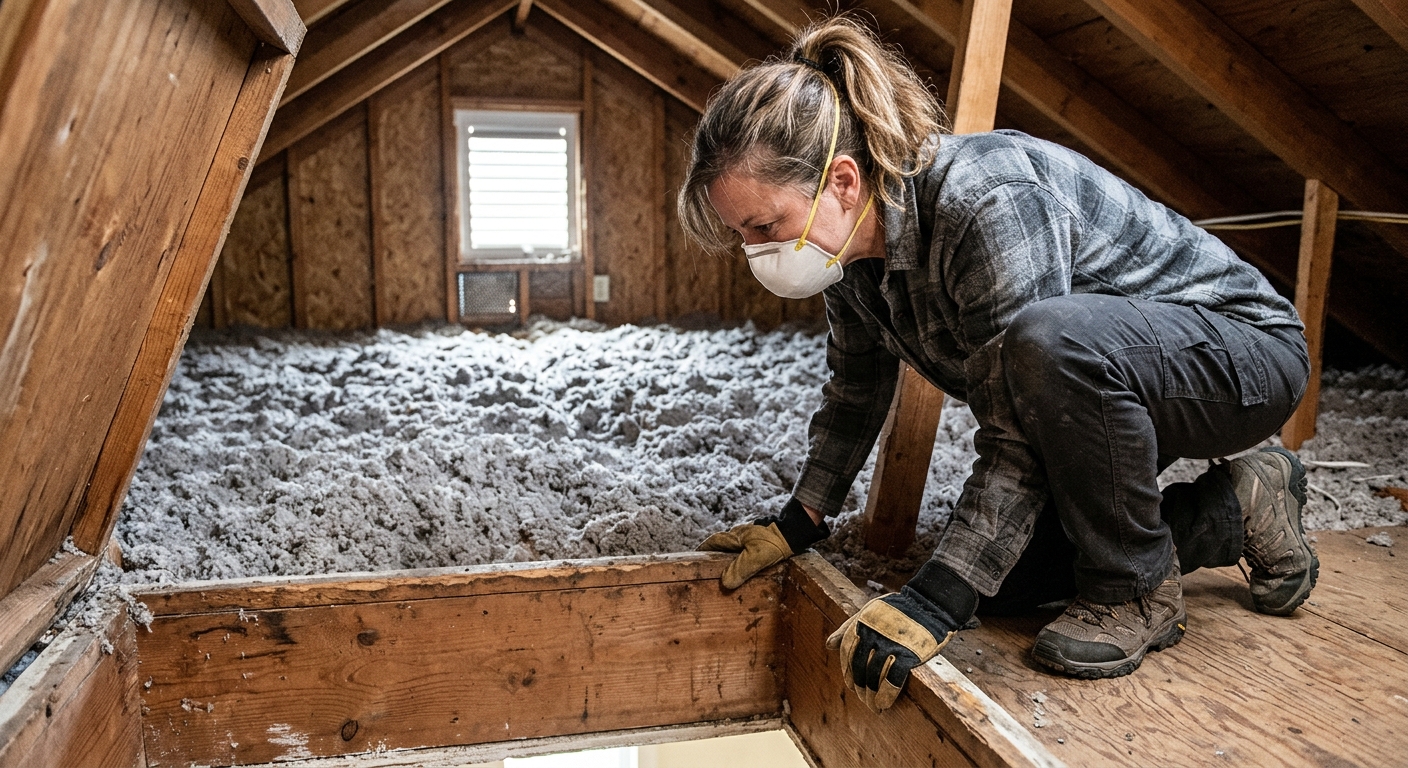
Most homeowners waste money insulating the wrong spaces first, leaving the biggest energy leaks untouched. Prioritizing attic insulation before walls or crawl spaces can cut heating and cooling bills by 15 to 25% and pay for itself in as little as 2 years.
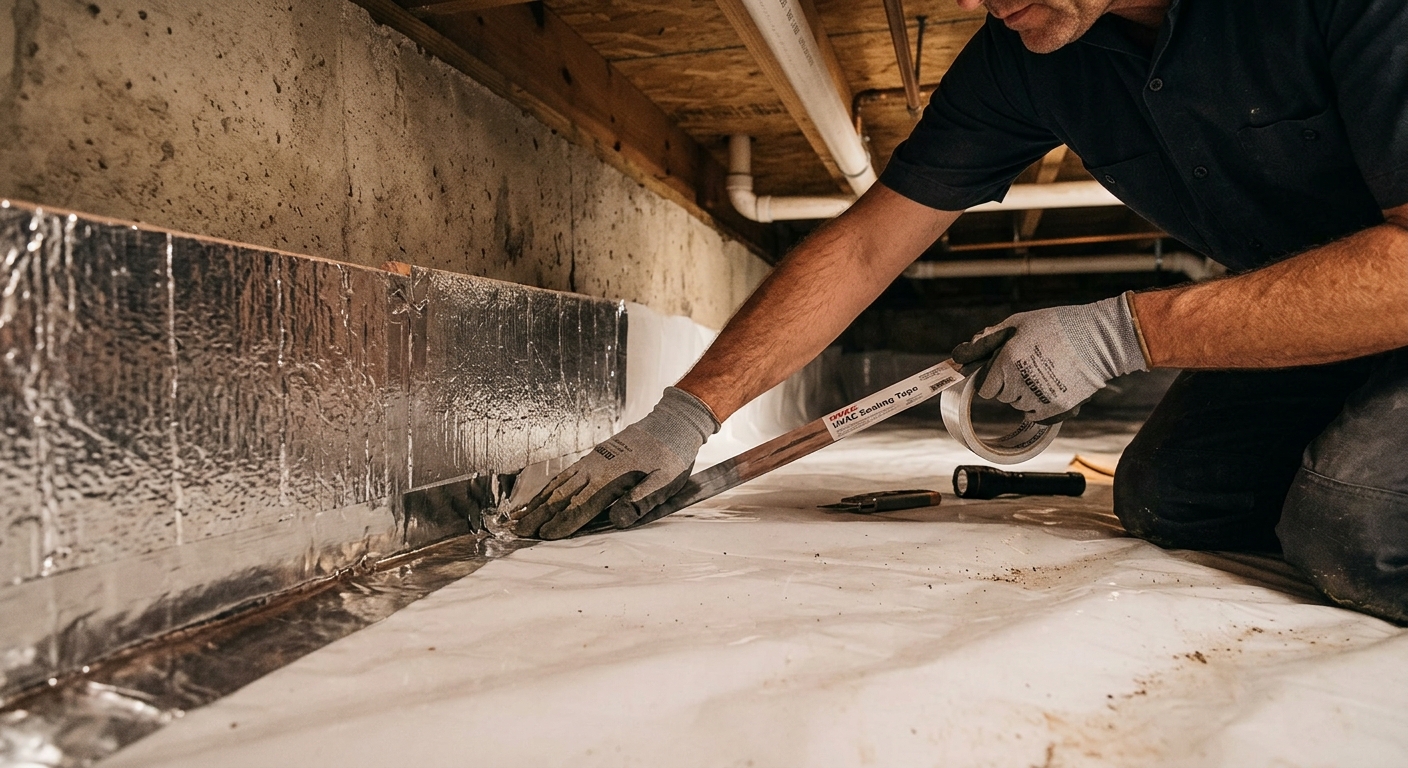
An unsealed, uninsulated crawl space acts like a giant energy drain beneath your feet, pulling conditioned air out and letting cold, damp air in year-round. Sealing and insulating your crawl space is one of the highest-return upgrades a homeowner can make, often paying for itself in under three years.
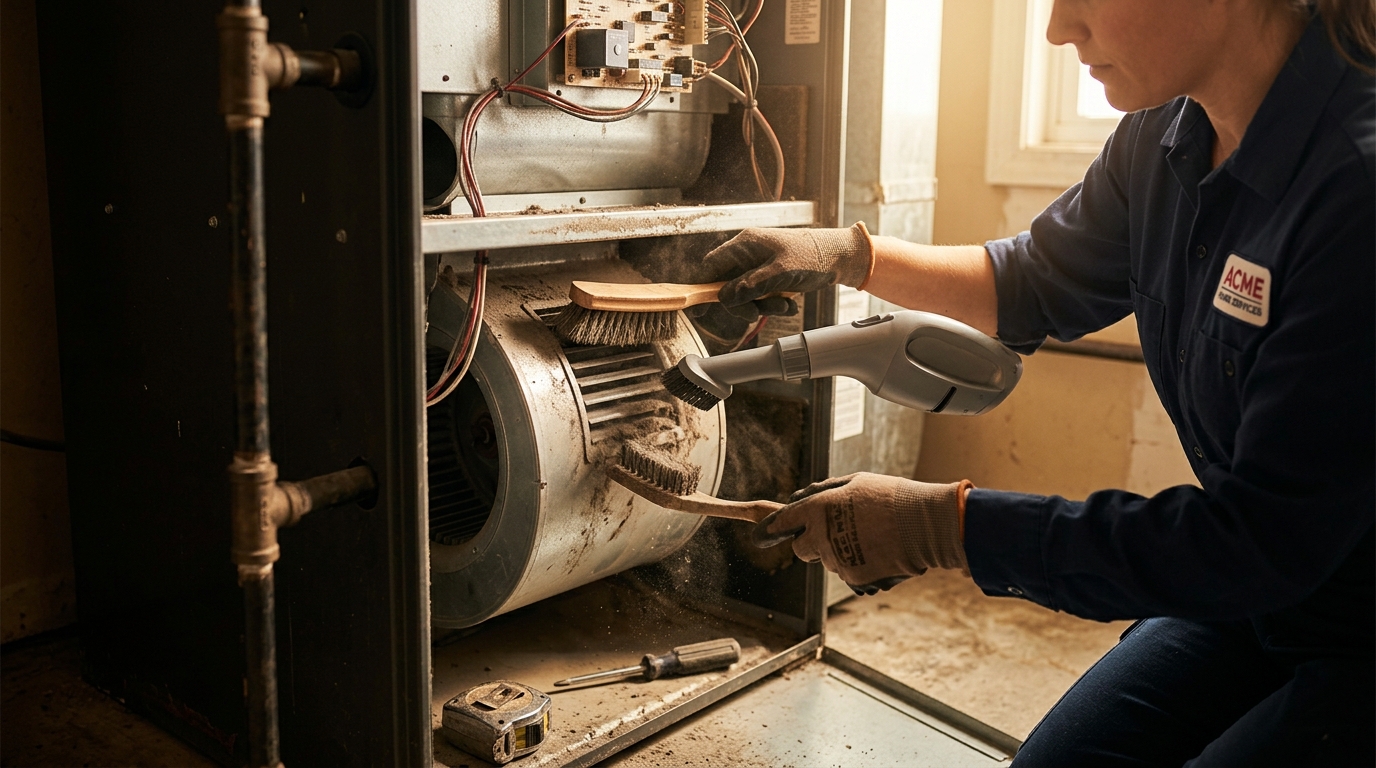
Skipping routine HVAC maintenance is one of the costliest mistakes homeowners make, with neglected systems failing earlier and running 25% less efficiently. A simple annual checklist can prevent the most common breakdowns and keep your energy bills from quietly climbing.
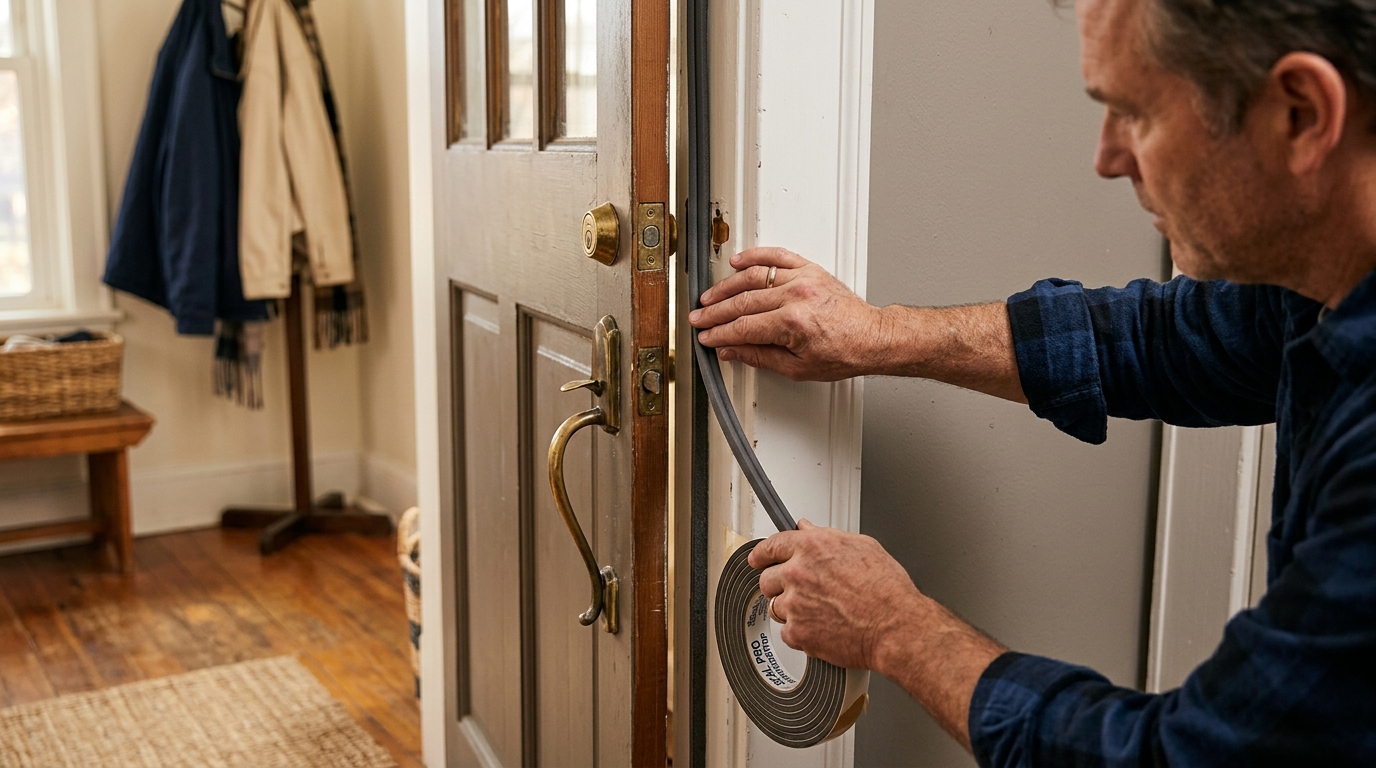
Most homeowners focus on windows and attic insulation while ignoring the single most-used air leak in the house: the front door and entryway. Sealing and improving your entryway can reduce drafts, cut heating and cooling losses by up to 15%, and make every room in your home feel more comfortable year-round.
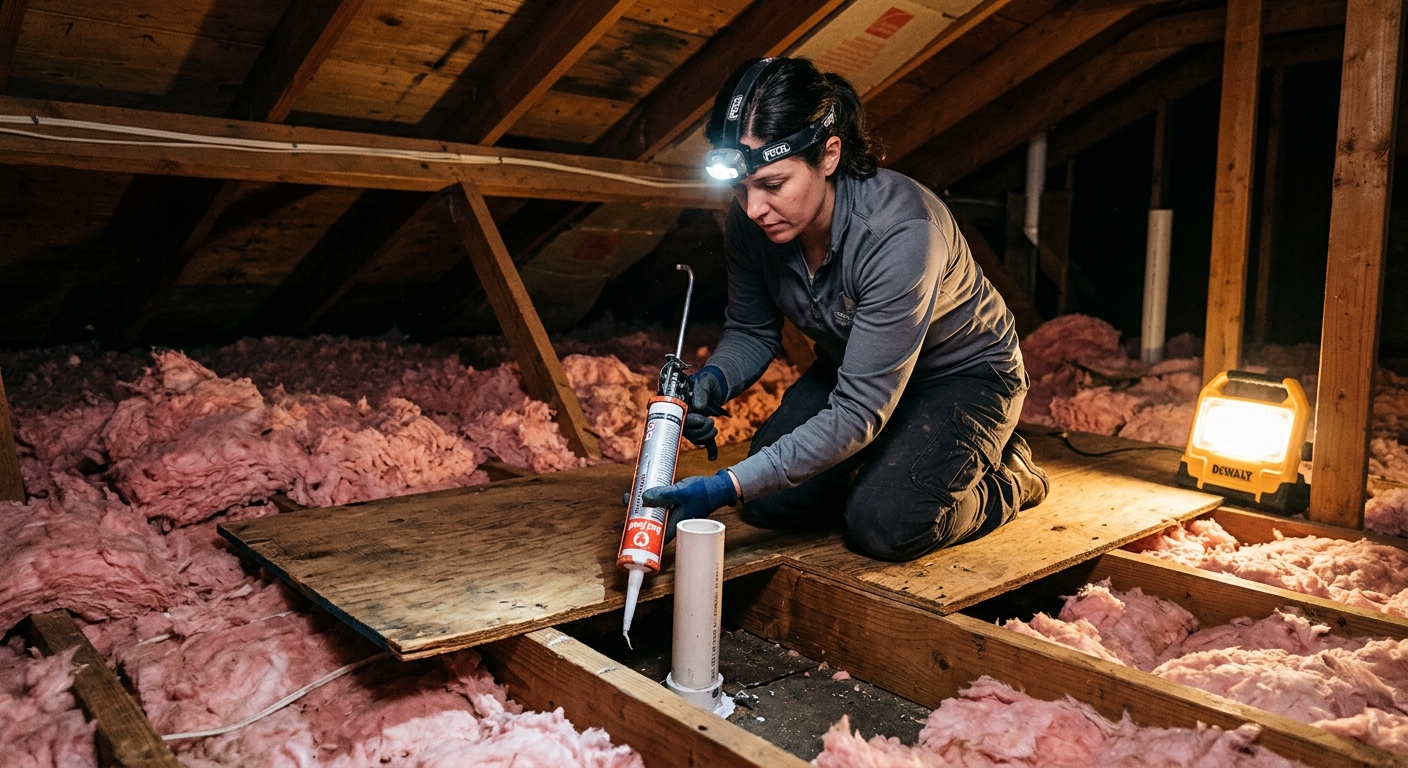
Most homeowners insulate their attics and call it done, but hidden air pathways called attic bypasses can cancel out much of that insulation’s benefit. Sealing these gaps before adding insulation is the single most impactful thing you can do to lower heating and cooling bills.
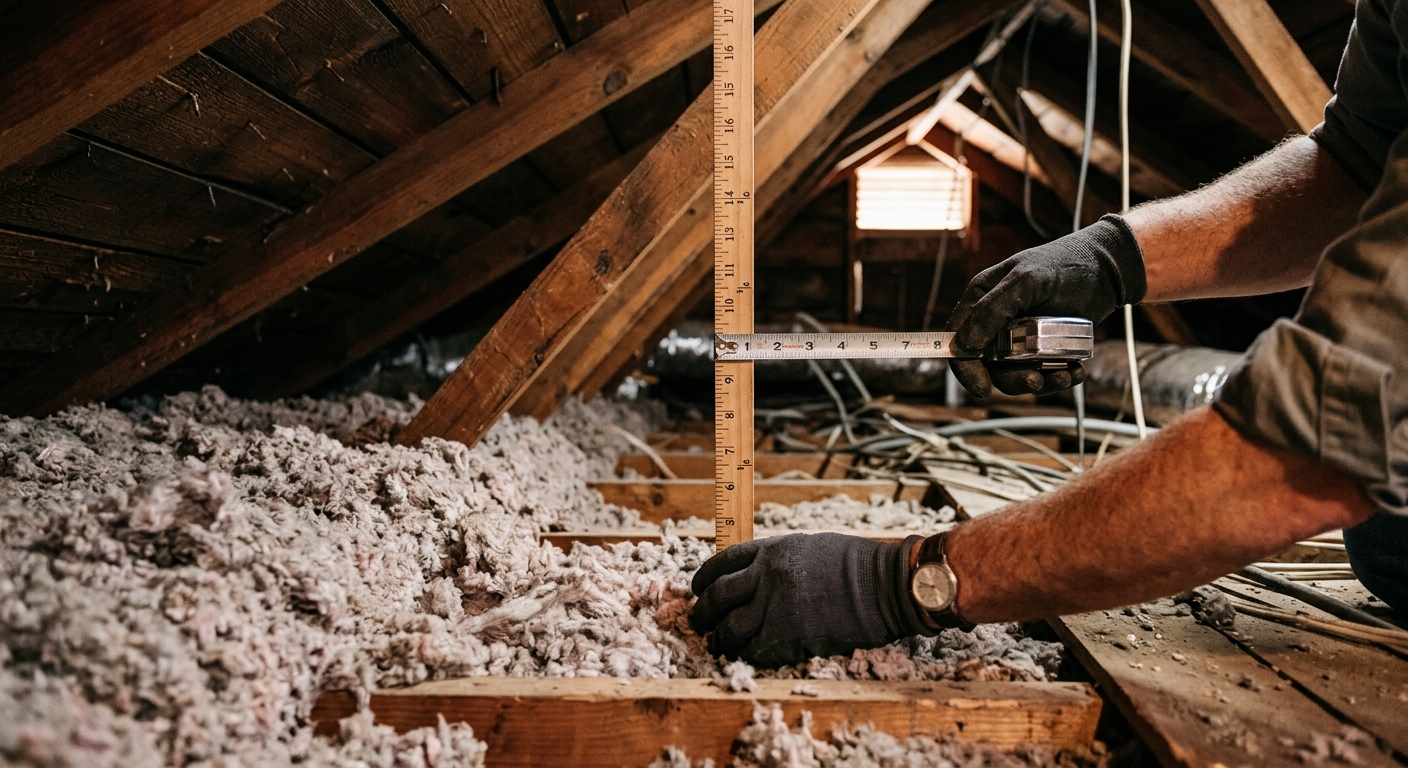
Most homeowners assume their attic insulation is fine until they see a sky-high energy bill or feel uncomfortable rooms. Here is how to test it yourself in under an hour and know exactly what action to take next.
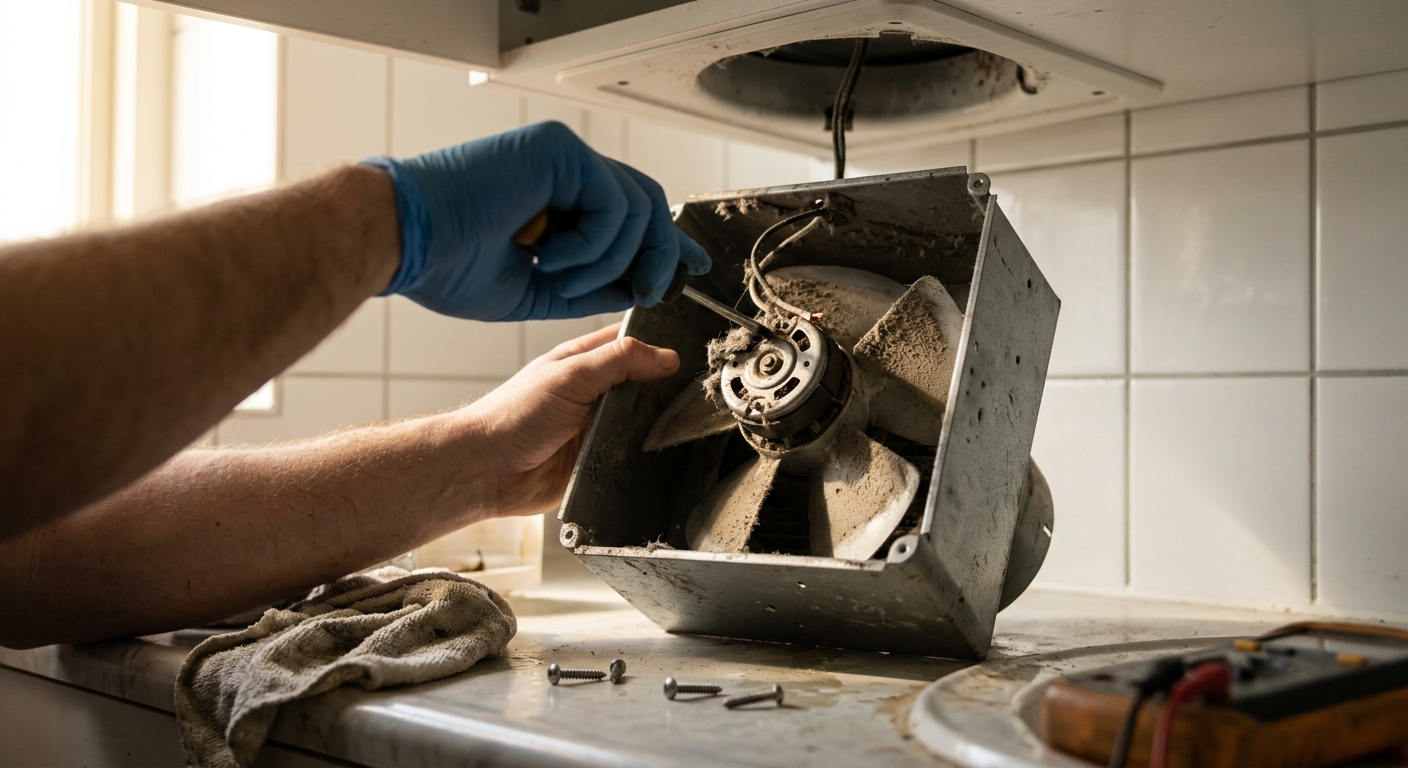
Most homeowners never think twice about their bathroom exhaust fan, but a poorly chosen or improperly used fan can quietly drain energy and comfort year-round. The right fan, sized and used correctly, pays for itself in lower bills, fewer mold problems, and a more comfortable home.
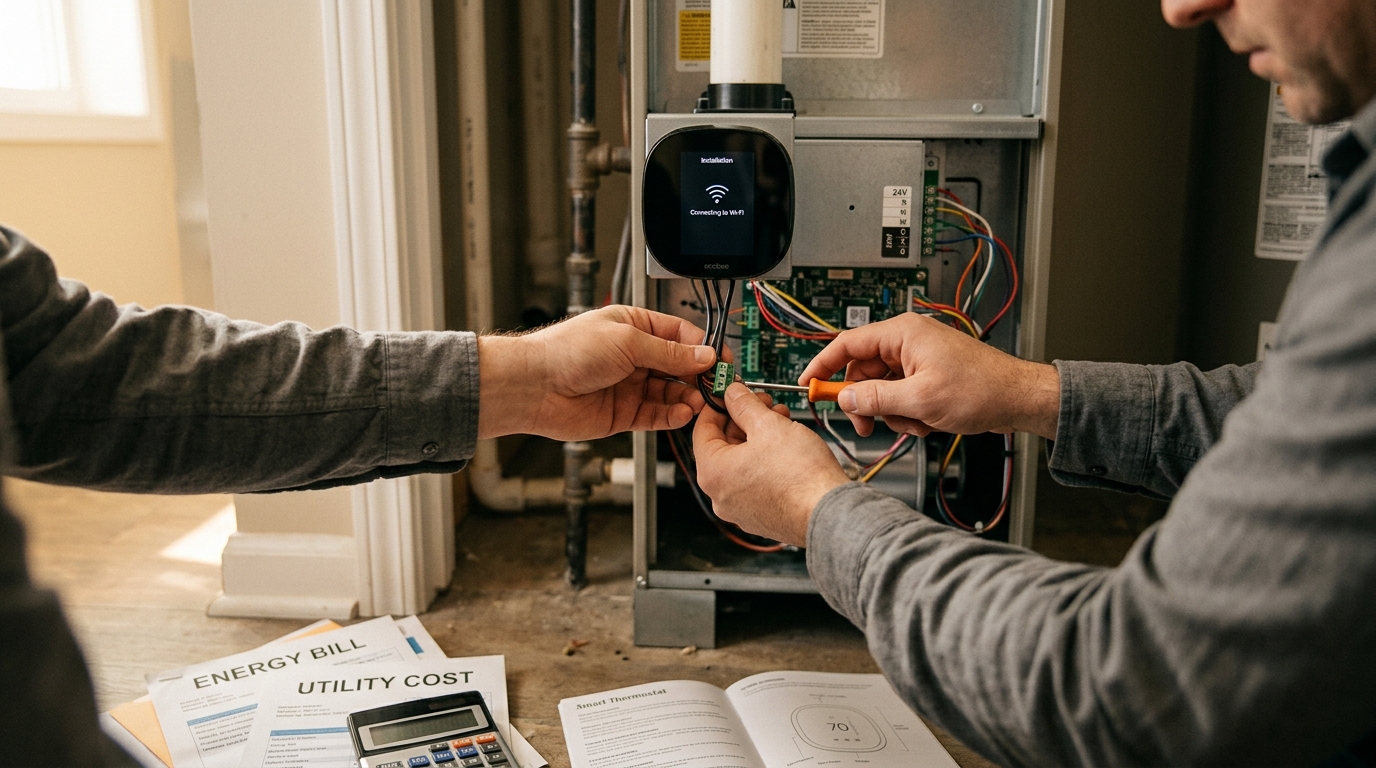
Most ‘smart home’ gadgets are novelties that add convenience without saving money, but a handful of targeted upgrades genuinely cut energy bills by 15 to 30% annually. This post breaks down exactly which five upgrades deliver real payback, what they cost, and how to install them yourself.
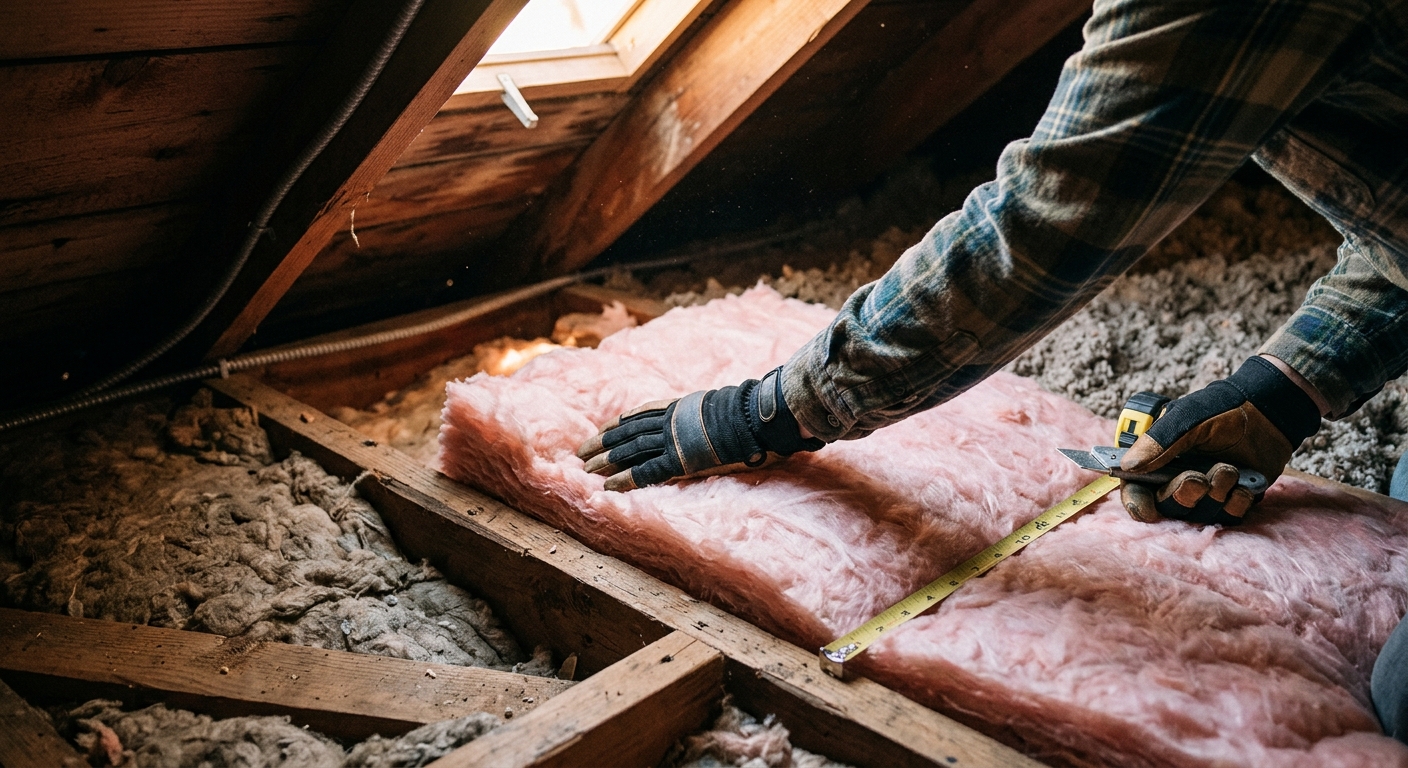
Attic insulation is one of the highest-impact upgrades a homeowner can make, yet millions of homes are running on levels that were considered adequate in the 1970s. Adding insulation to reach the recommended R-38 to R-60 can cut heating and cooling bills by 15 to 25% annually, with payback periods as short as 2 to 3 years.