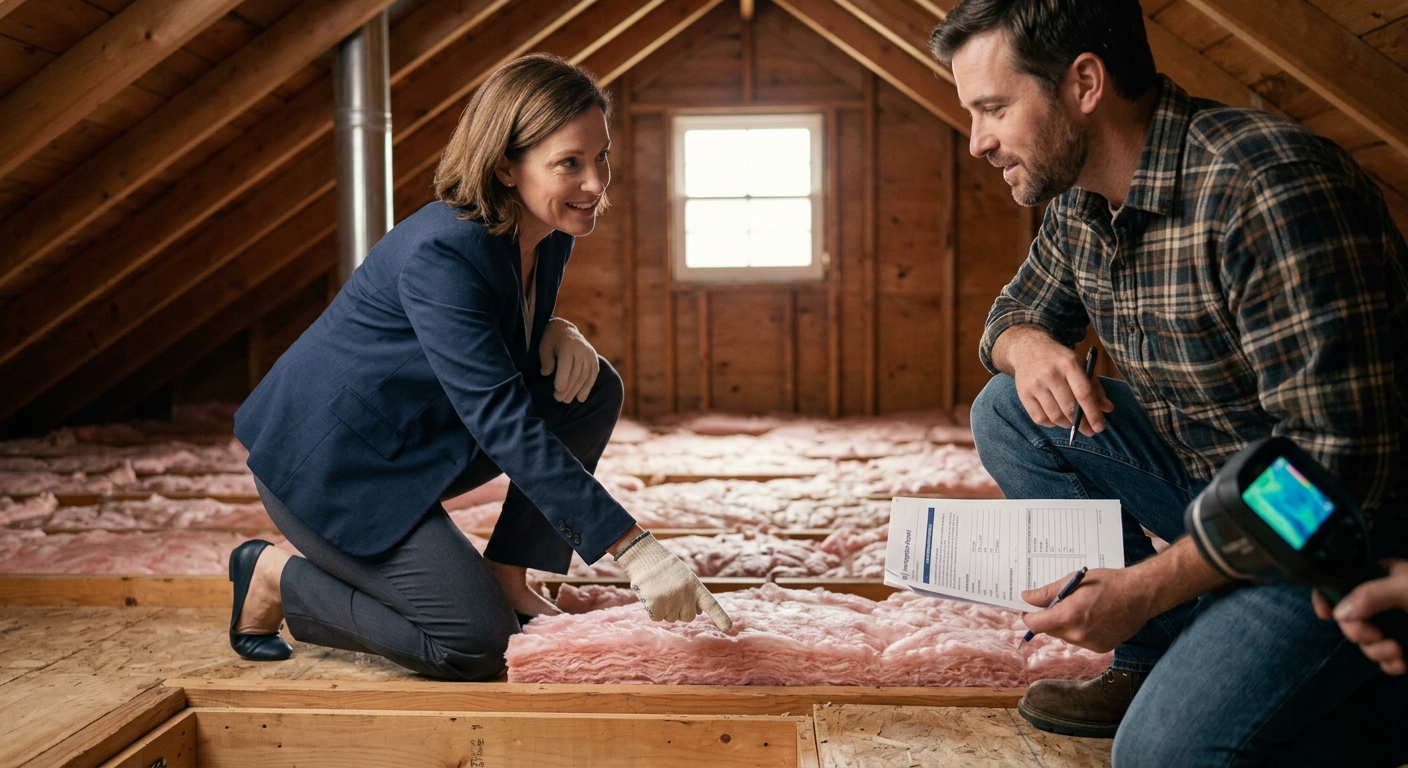
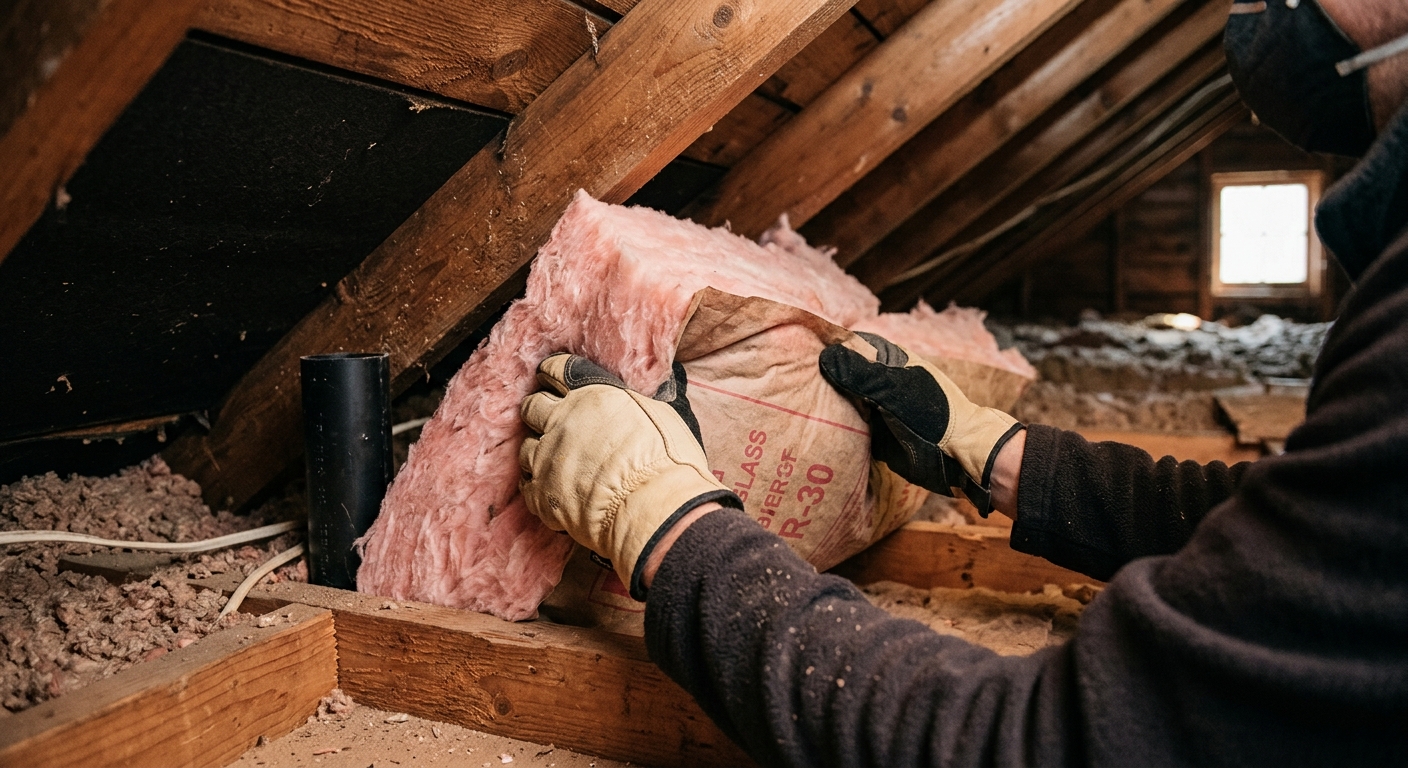
Outdated or missing insulation quietly costs sellers thousands in negotiating power and buyers thousands in future energy bills. Upgrading your insulation before listing can add 2 to 6 percent to your home’s value while making it far more attractive to today’s energy-conscious buyers.
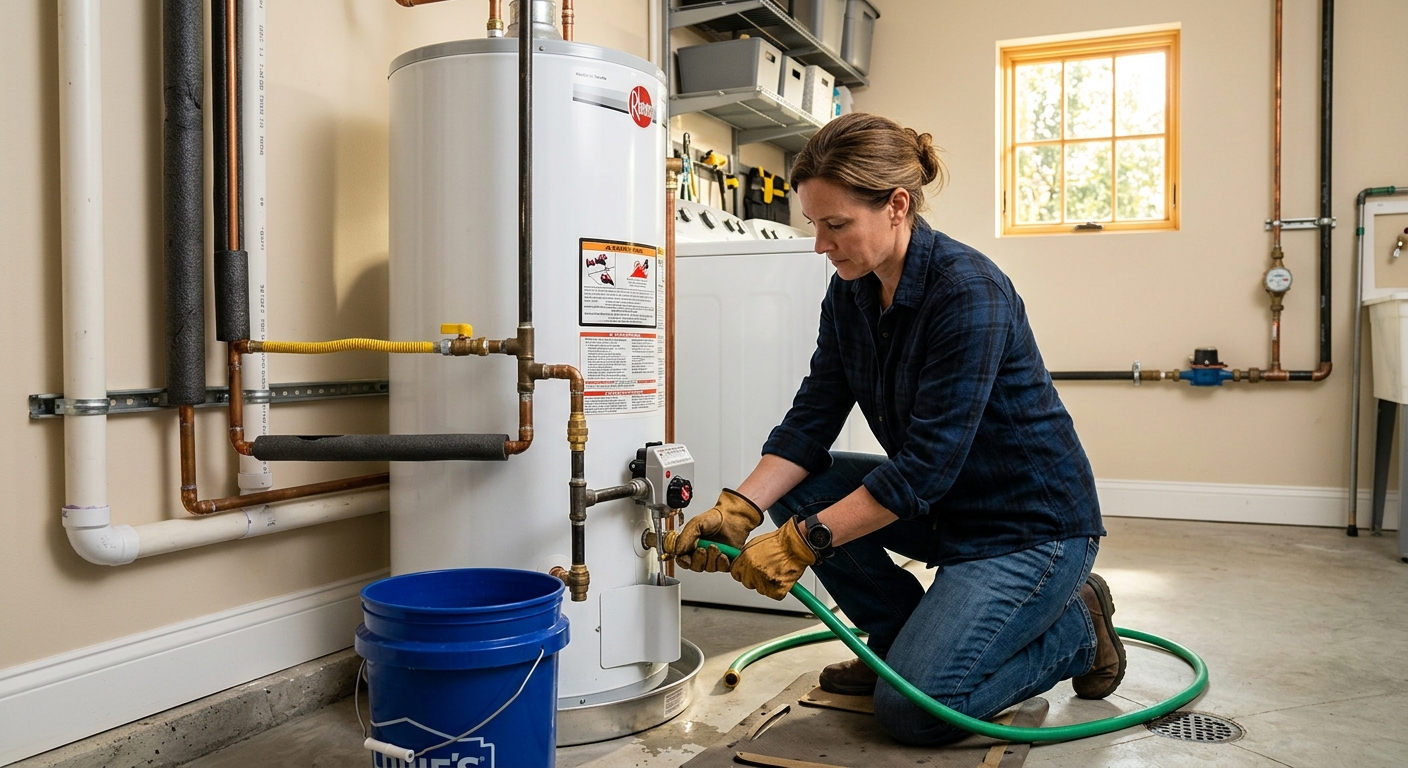
Sediment buildup silently kills water heaters early and drives up energy bills by up to 25%. A simple 30-minute flush once a year can restore efficiency, extend tank life by 3 to 5 years, and save you hundreds in premature replacement costs.
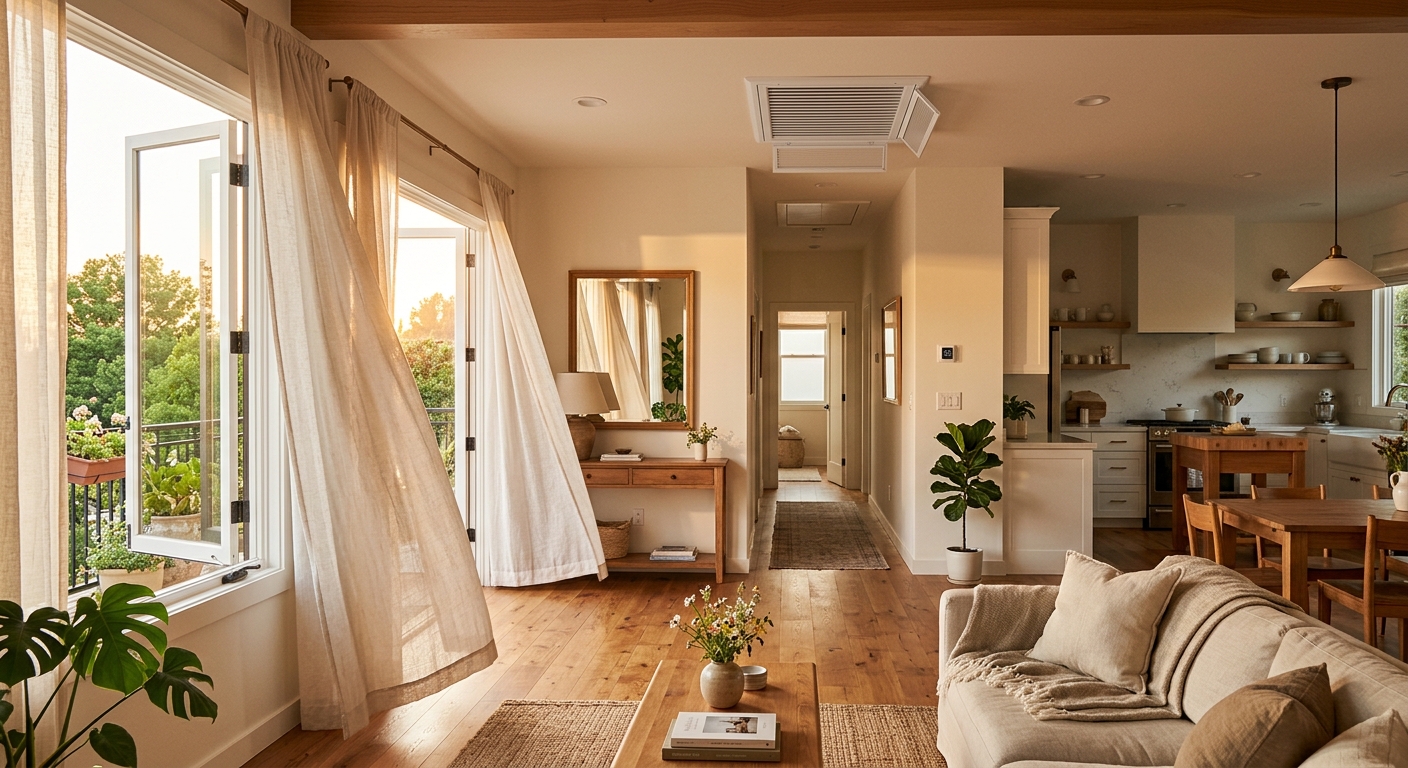
Running your AC all evening when outdoor temps have already dropped is one of the most common and costly cooling mistakes homeowners make. A whole-house fan flushes hot indoor air out in minutes and can cut your cooling bills by 25 to 50% during mild weather.
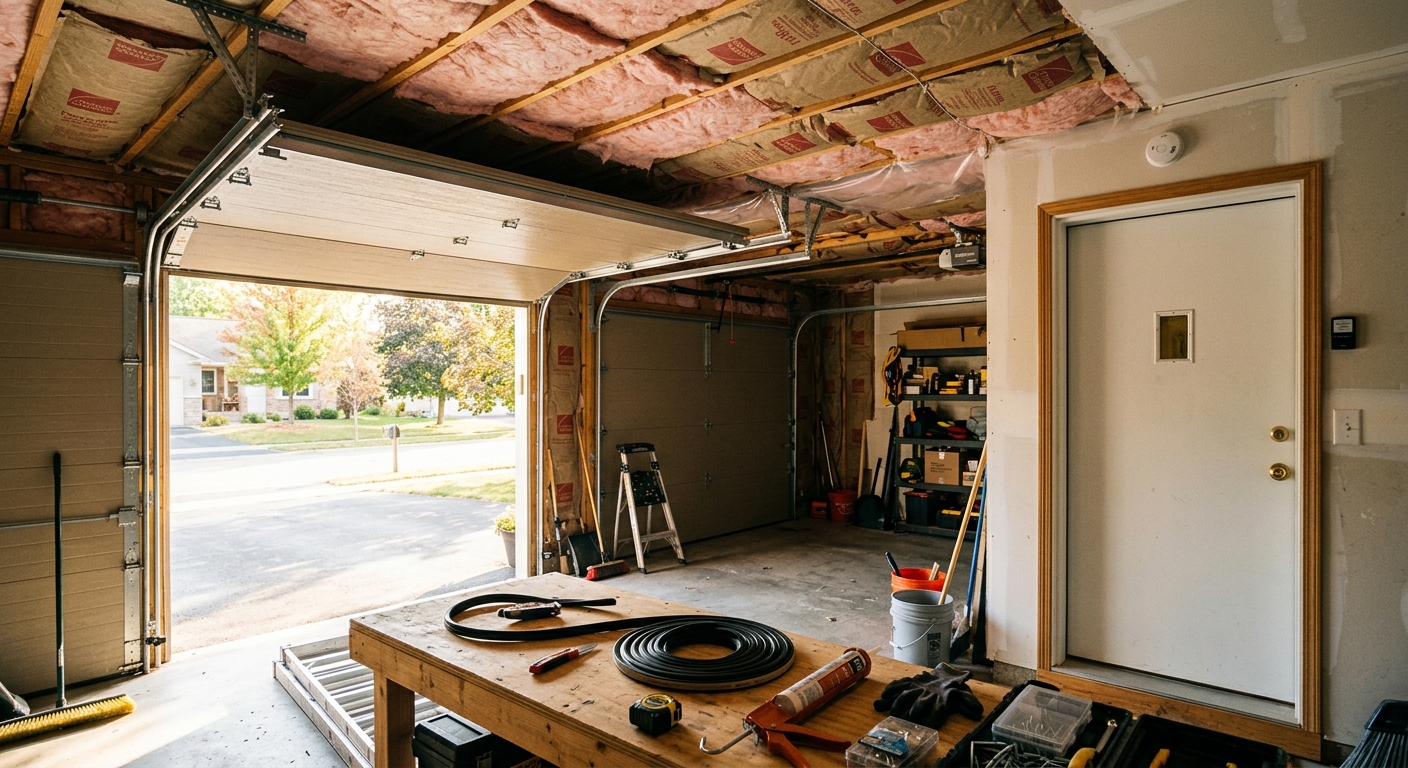
Most homeowners focus on windows, attic insulation, and HVAC upgrades while ignoring one of the biggest thermal weak points in their home: the attached garage. Sealing and insulating your garage properly can cut heating and cooling costs by 10 to 20% and dramatically improve comfort in adjacent rooms.
When temperatures plunge overnight, poorly insulated homes can lose heat so fast that furnaces run nearly nonstop, driving bills sky high. A few targeted checks and upgrades done before a cold snap arrives can slash heating costs by 15 to 30% and keep every room noticeably warmer.
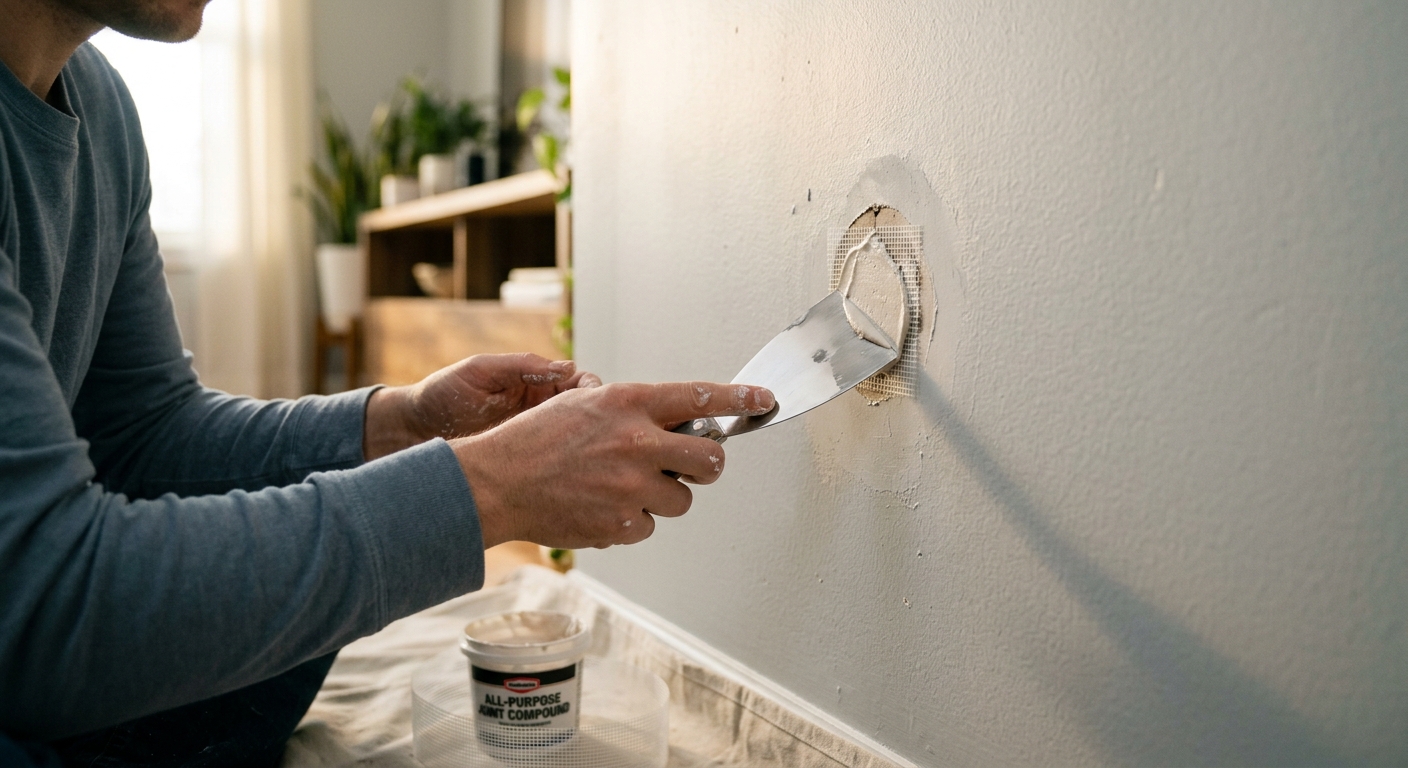
Small holes in drywall are more than an eyesore – they can quietly leak conditioned air and hurt your home’s energy efficiency. With the right approach, even a first-timer can patch a hole cleanly in under 30 minutes for just a few dollars.
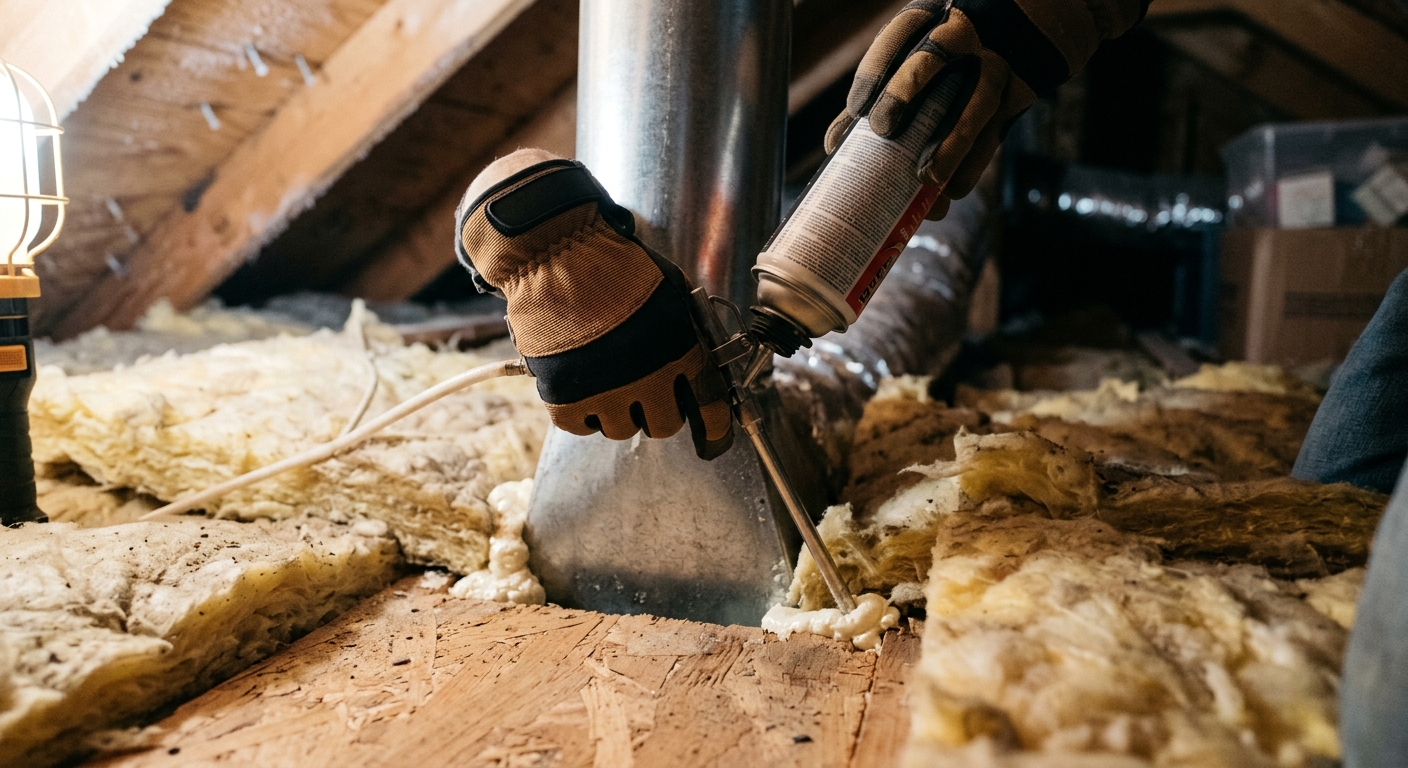
A brand-new furnace or heat pump that still struggles to warm your home is not a system problem, it is a building envelope problem. Sealing air leaks and upgrading insulation gives your HVAC the backup it needs to finally keep up on the coldest days.
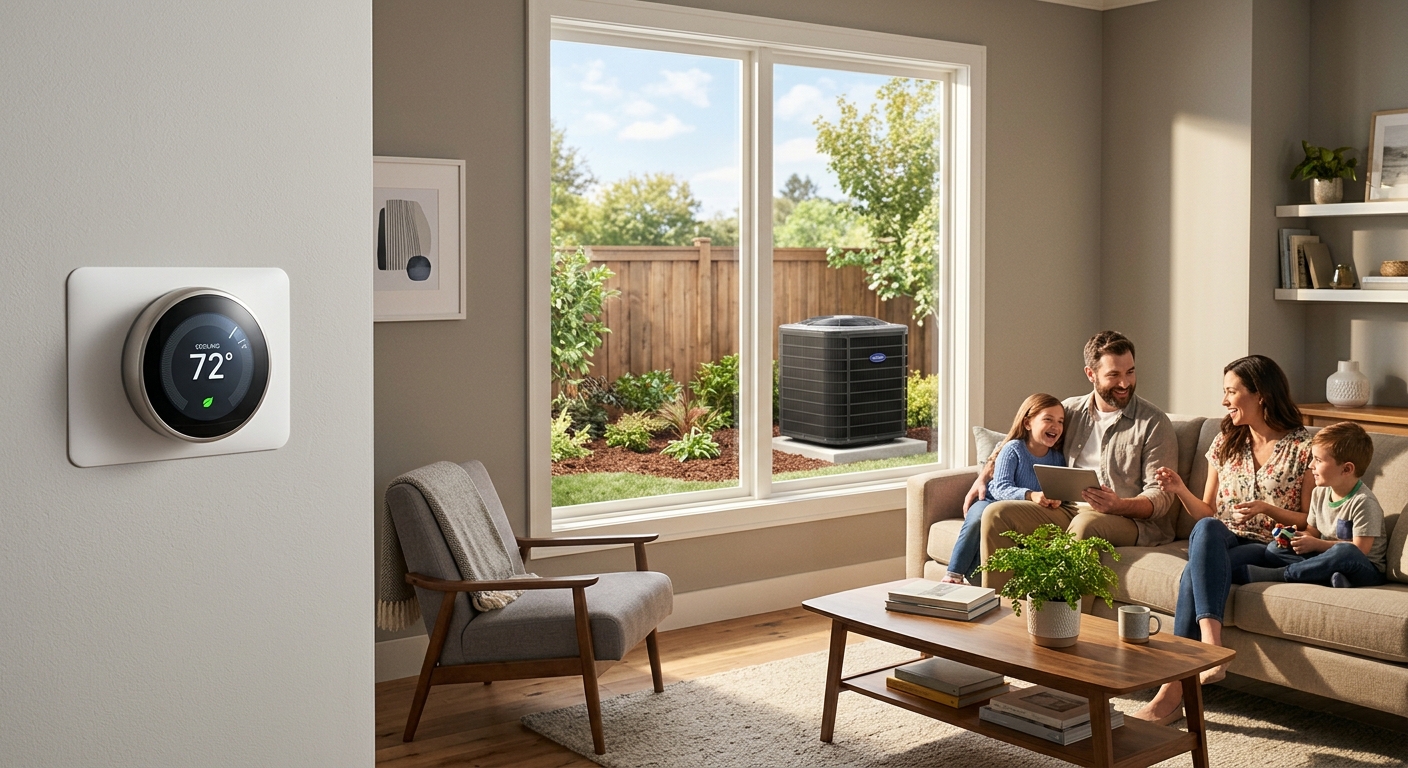
Single-speed HVAC systems blast on at full power, then shut off abruptly, leaving your home with temperature swings, humidity problems, and higher bills. Upgrading to a variable-speed system lets your HVAC modulate its output to match your home’s actual needs, delivering steadier temperatures, lower humidity, and real energy savings.
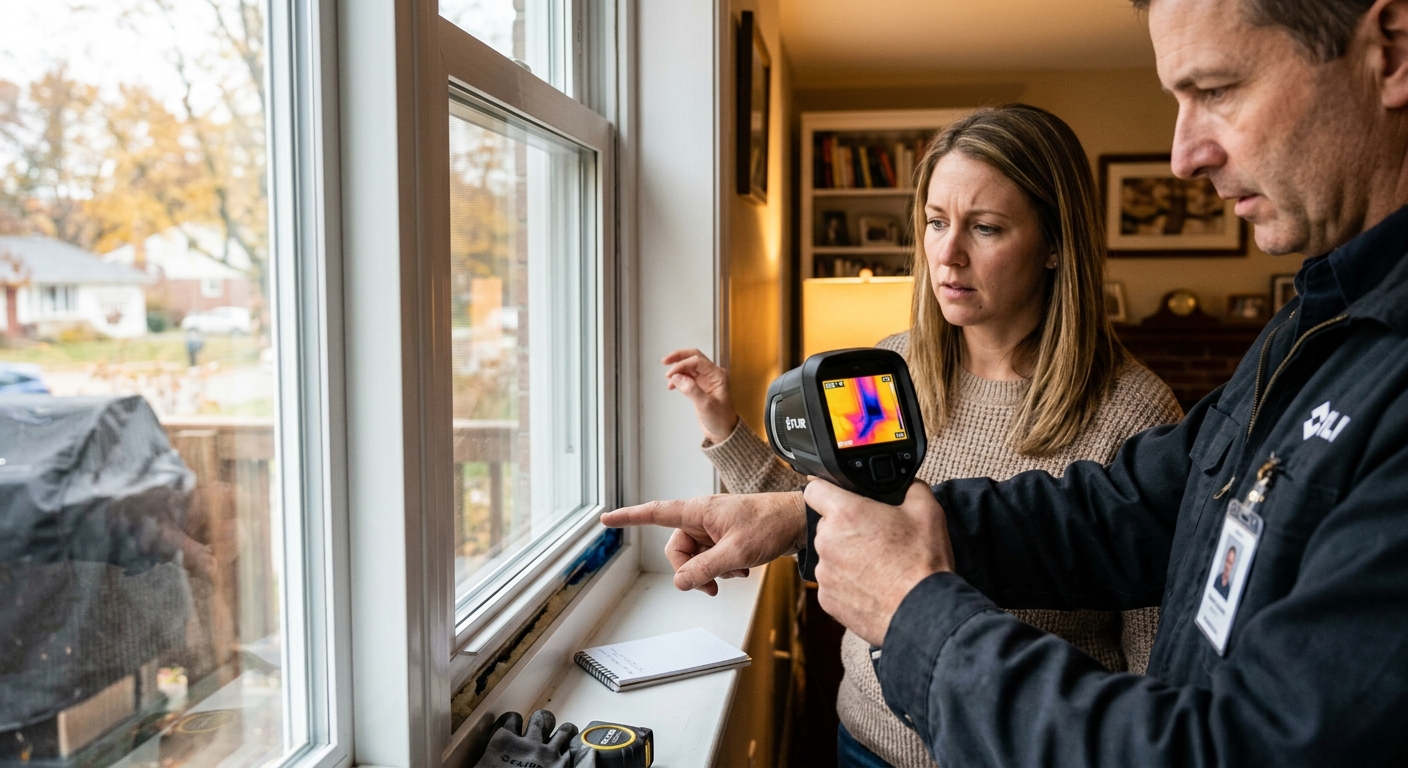
Replacing windows is one of the most common home upgrades, yet most homeowners are disappointed by the actual savings on their energy bills. The problem usually isn’t the windows themselves – it’s everything around them that was overlooked during installation.
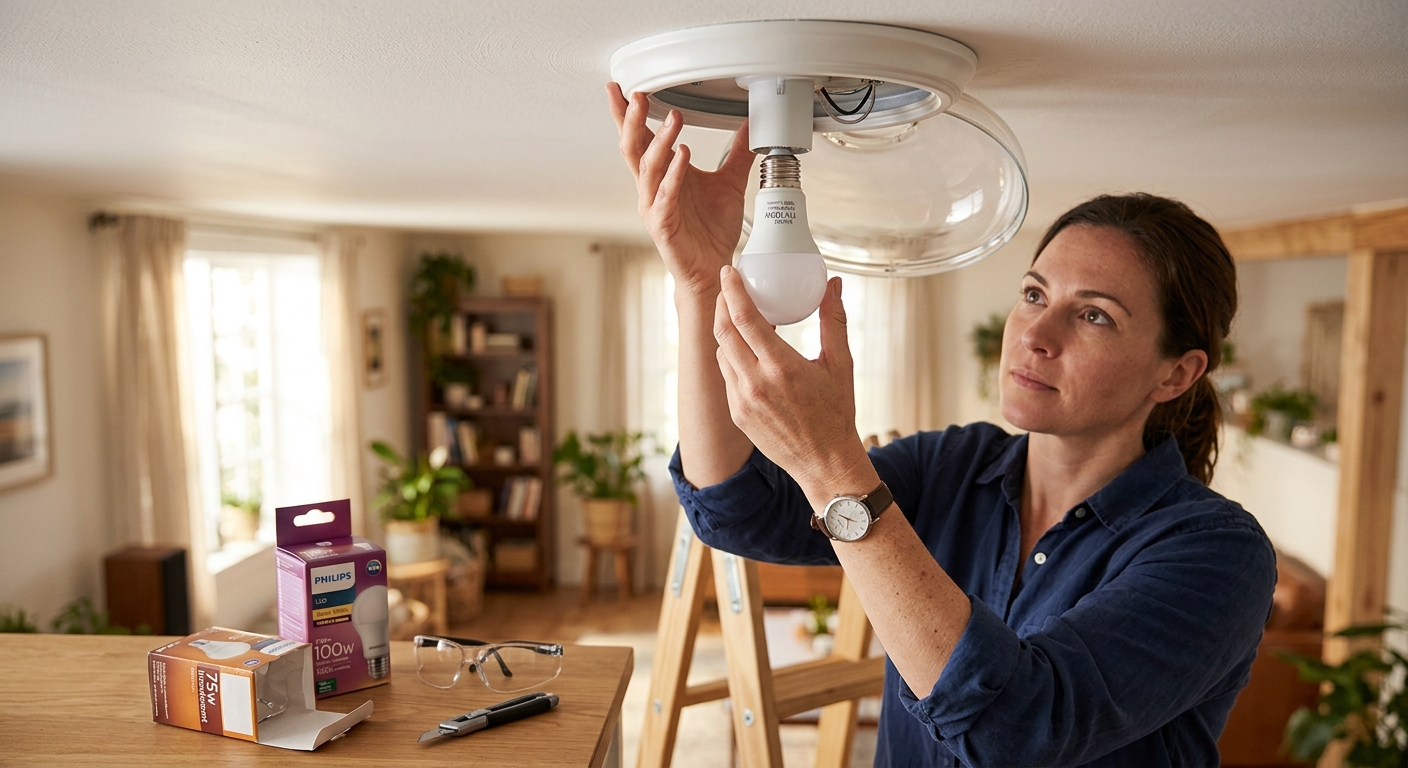
Lighting accounts for about 15% of the average home’s electricity use, yet most households still run a mix of inefficient bulbs and outdated fixtures. Switching to a fully optimized LED lighting system can slash your lighting energy costs by 50 to 75% with payback periods as short as 6 months.