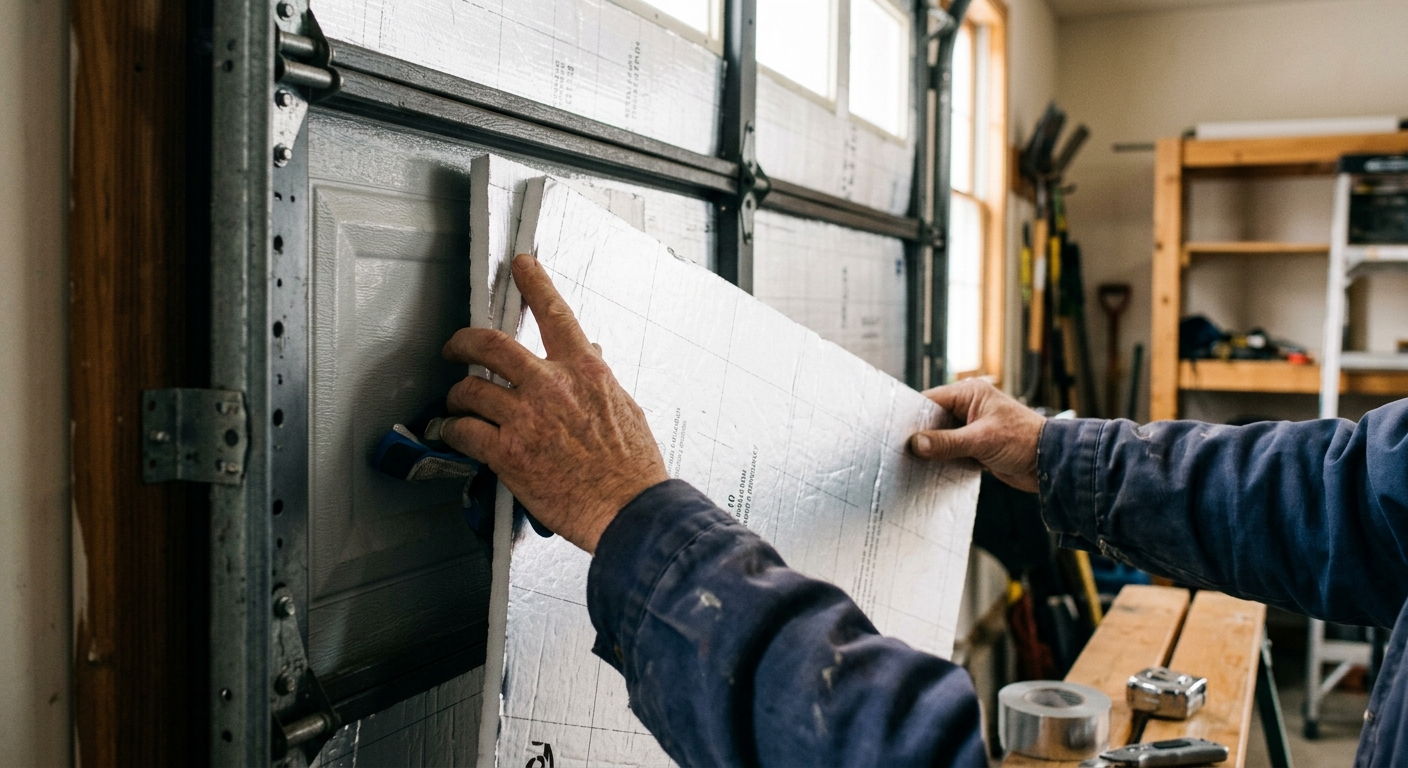
An uninsulated garage door is one of the most overlooked sources of heat loss in attached garages, letting cold air pour into your home every winter. Adding insulation to your garage door can cut heating bills by $100 to $180 annually with a payback period as short as one to two years.
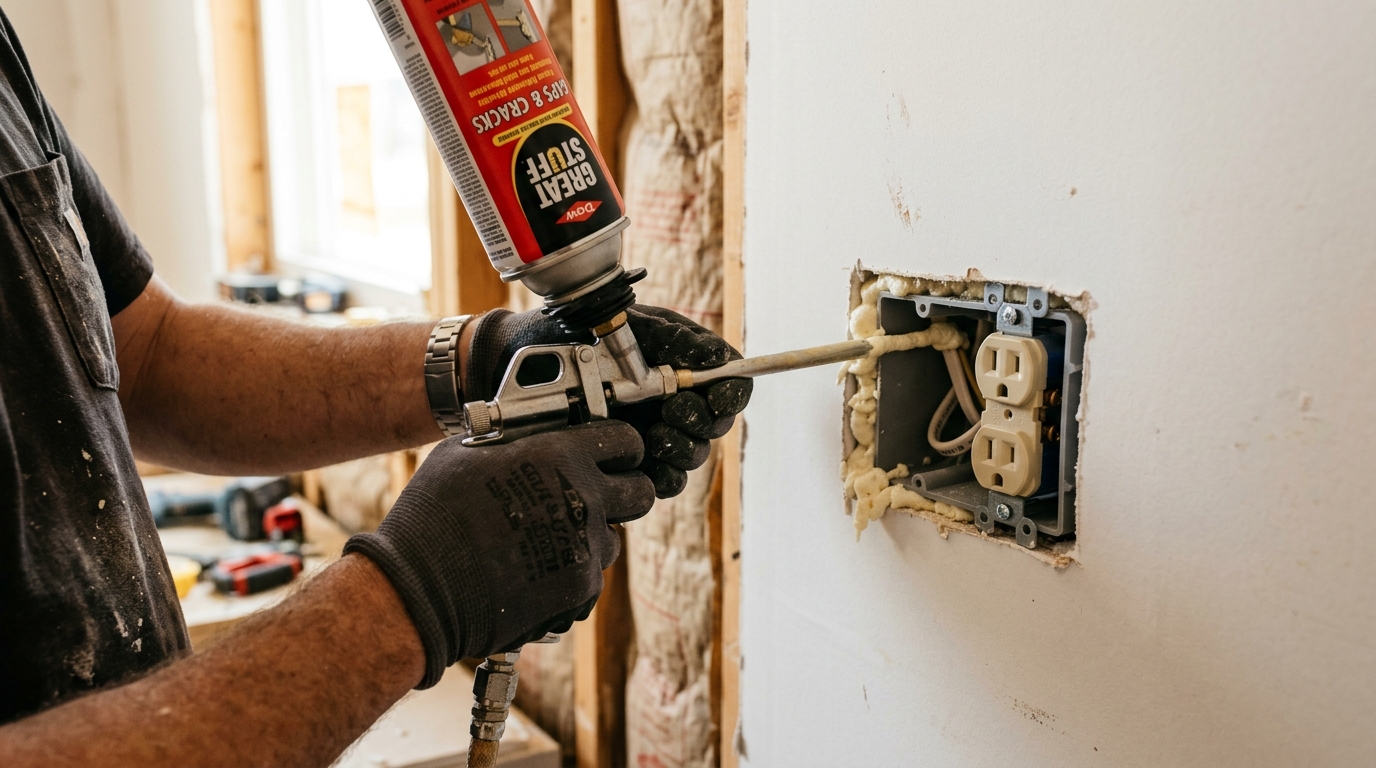
Electrical outlets on exterior walls are among the most overlooked air leaks in a home, quietly draining your heating and cooling budget year-round. A few dollars of foam and gaskets can seal these gaps and cut your energy bills by up to 20% with no tools required.
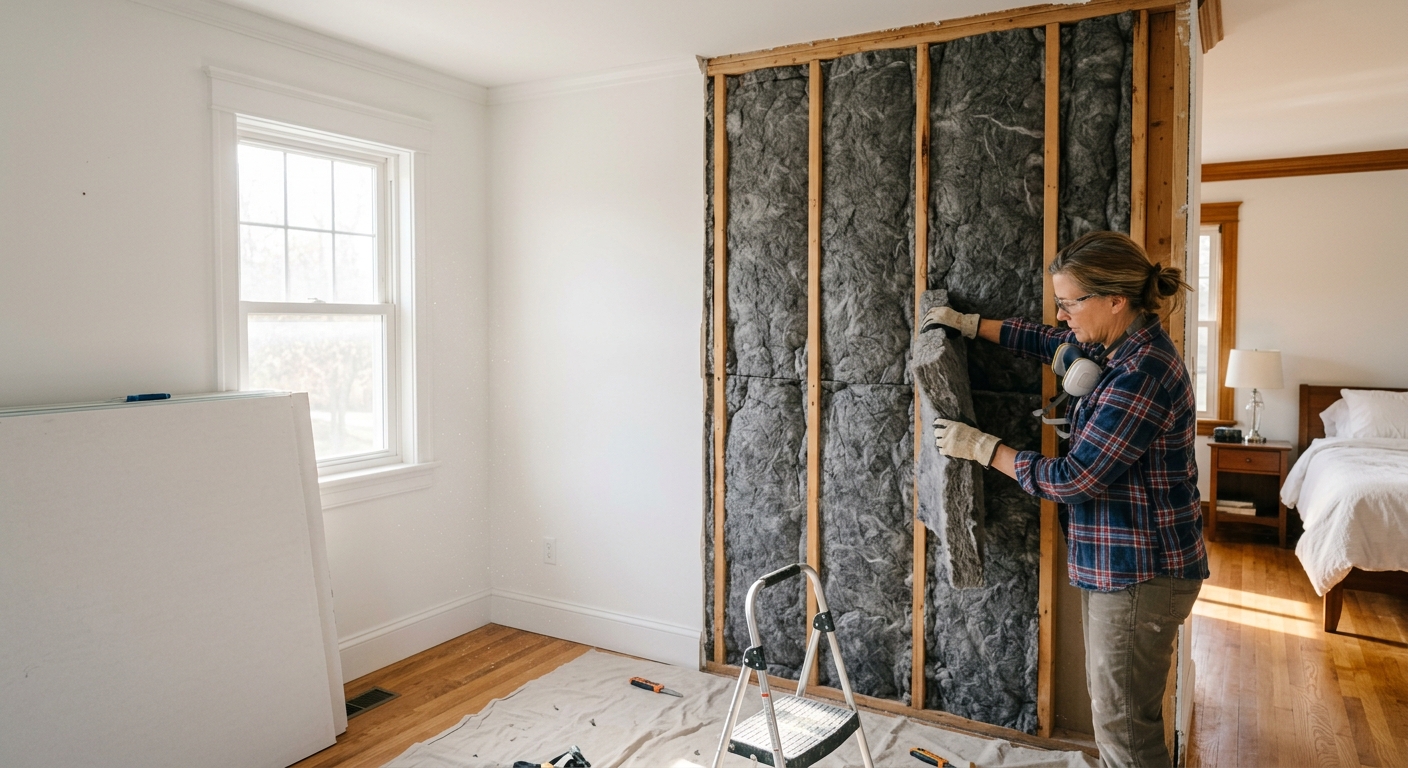
Thin, uninsulated interior walls let sound travel freely between rooms and allow temperature imbalances to persist throughout your home. Adding insulation to interior walls reduces noise transfer by up to 50%, evens out room temperatures, and can trim your overall heating and cooling costs by 5 to 15%.
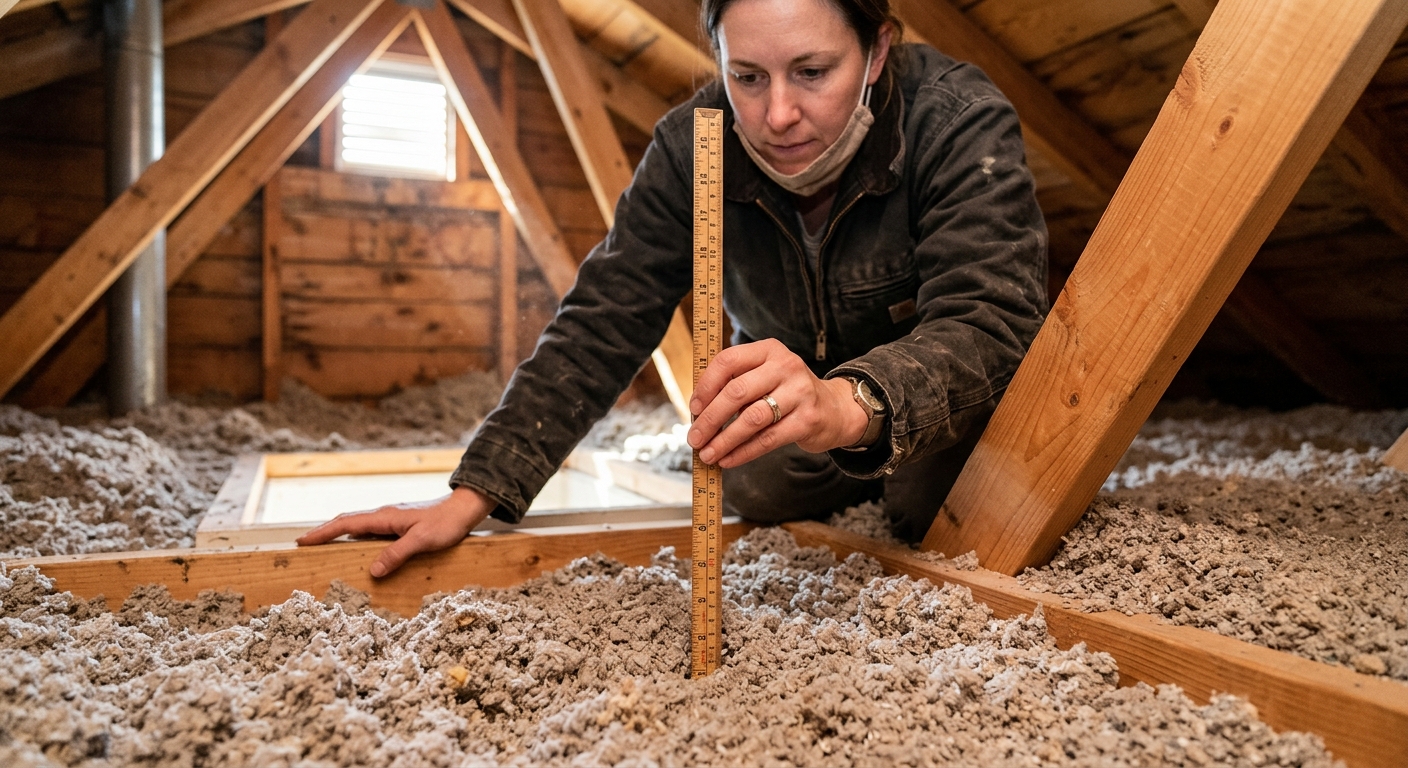
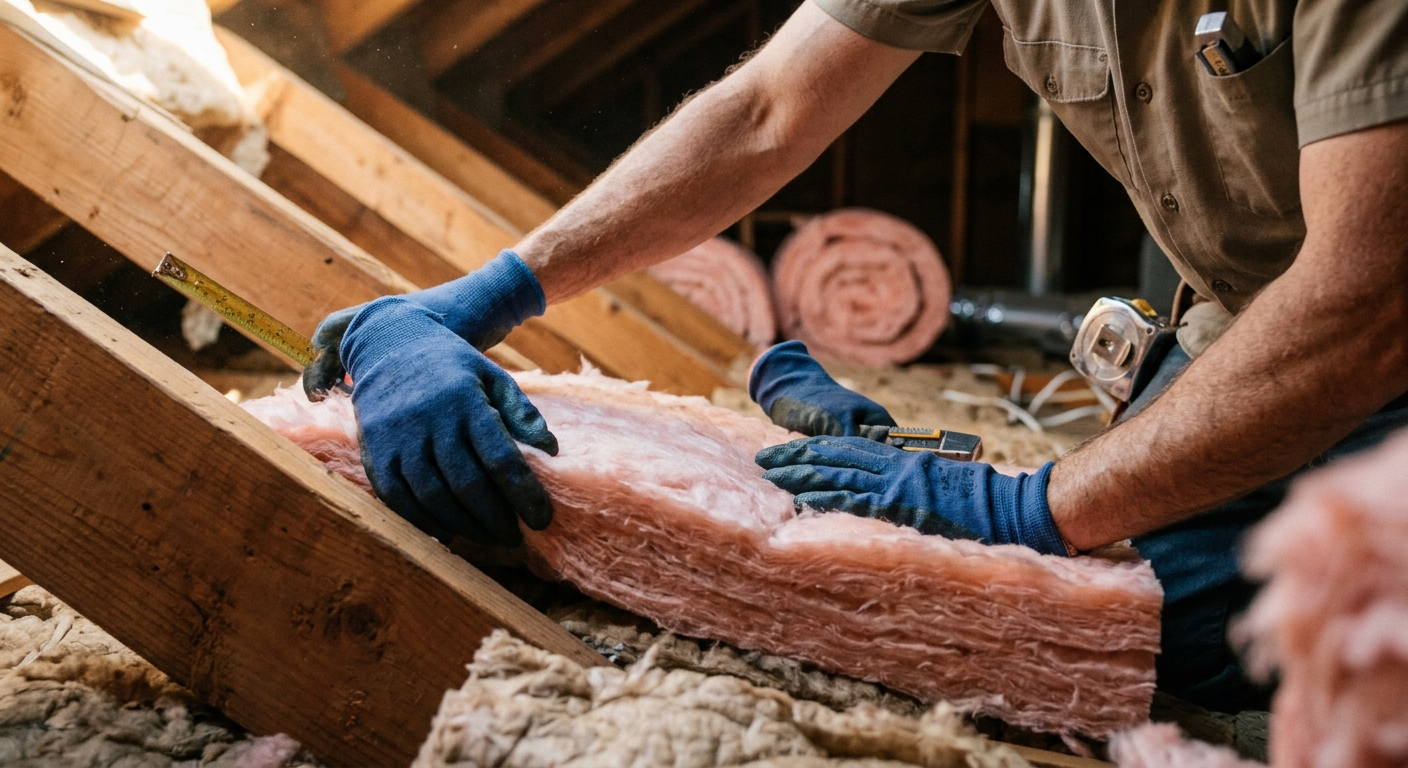
Most homes lose 25 to 30% of their heating and cooling energy through an under-insulated attic, yet most homeowners have never once looked up there to check. This guide shows you how to measure what you have, compare it to DOE recommendations for your climate, and decide whether adding more insulation makes financial sense.
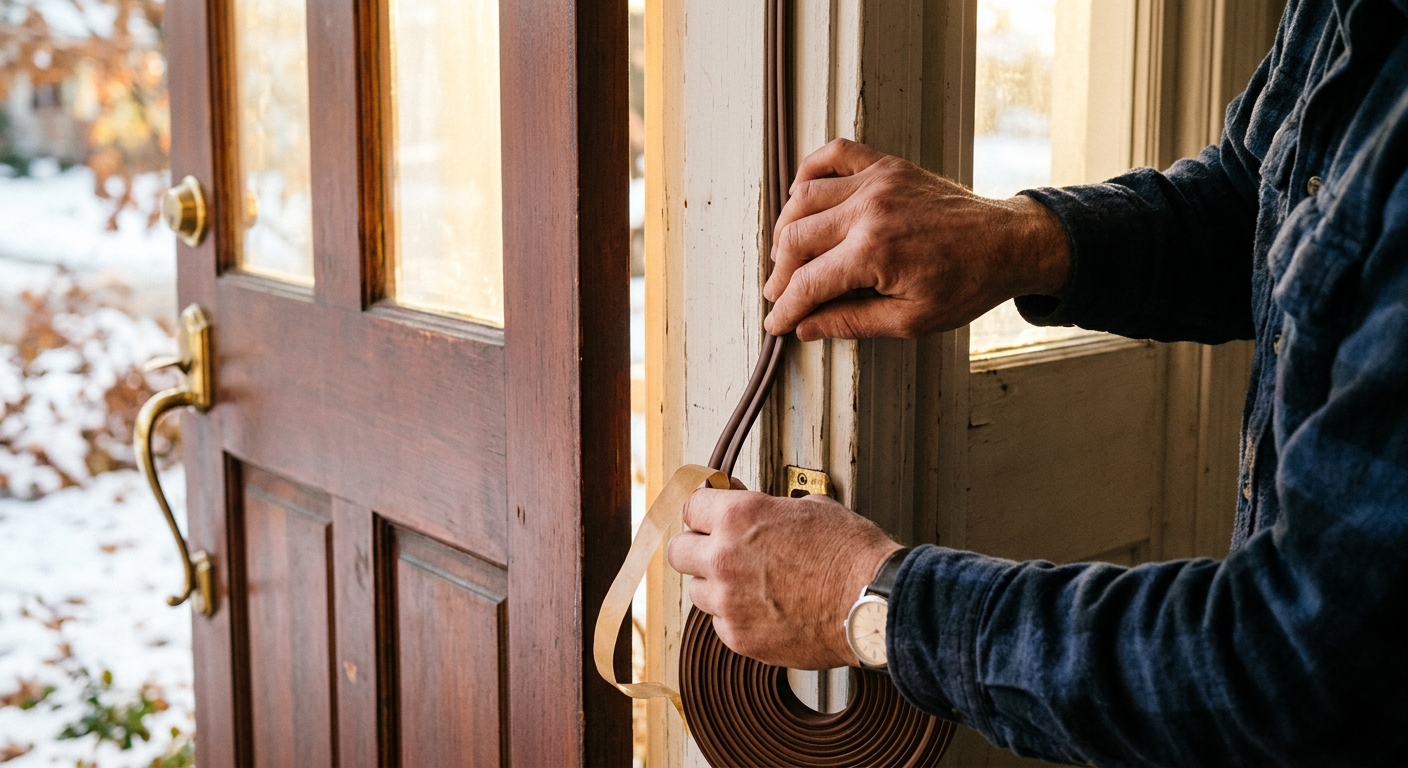
Drafty exterior doors are one of the biggest and most overlooked sources of heat loss in a home, costing homeowners hundreds of dollars each year. In about 3 hours and for under $50, you can seal them up and feel the difference the same day.
Most homeowners leave hundreds of dollars in utility rebates unclaimed simply because they don’t know which insulation upgrades qualify. This guide breaks down the most rebate-eligible projects, how to find your local program, and how to stack rebates with federal tax credits for maximum savings.