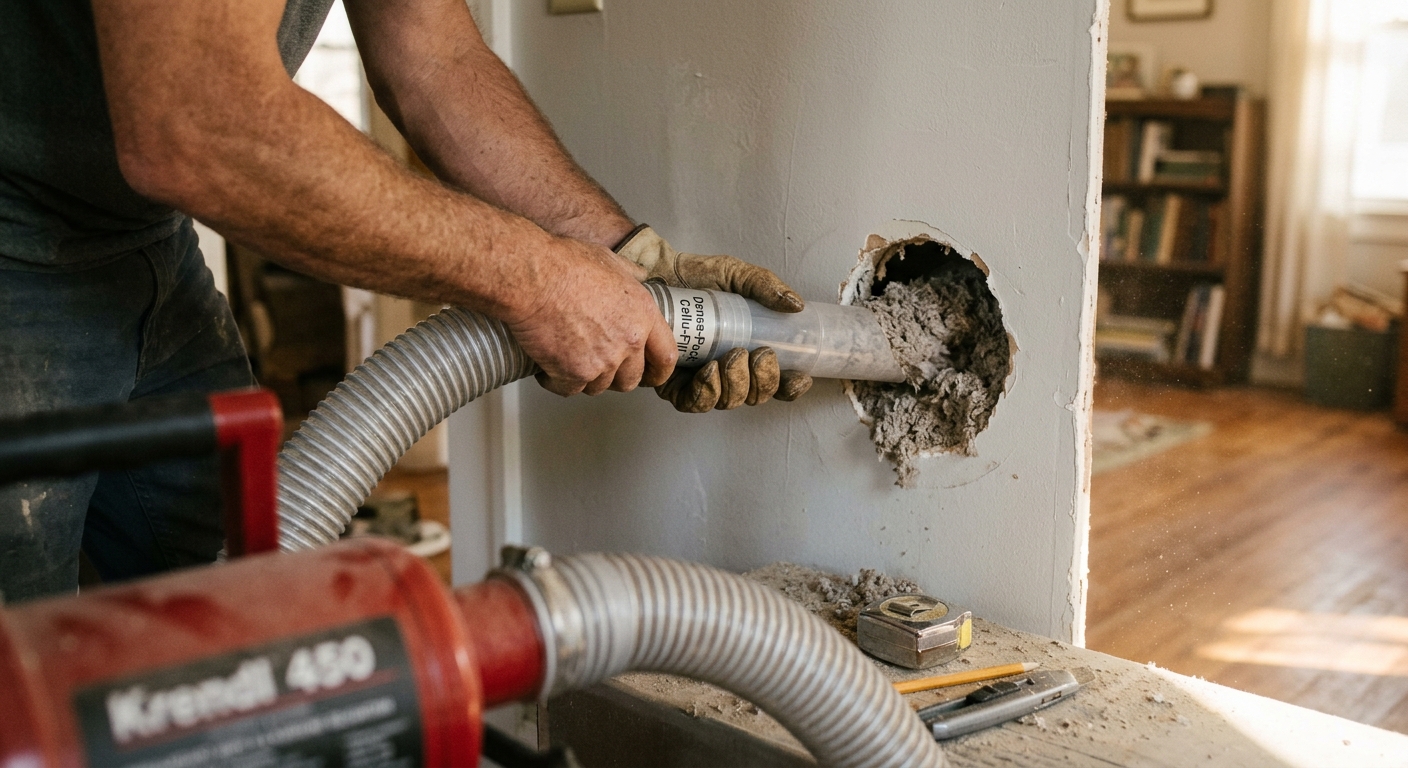
Wall insulation does not last forever. Fiberglass batts sag, cellulose settles, and foam degrades, quietly driving up your energy bills year after year without a single visible sign inside your home.
Most homeowners assume their AC is underperforming because it’s old or undersized, but an energy audit often tells a very different story. Hidden air leaks, missing insulation, and duct losses are usually the real culprits stealing your comfort and driving up your cooling bills.
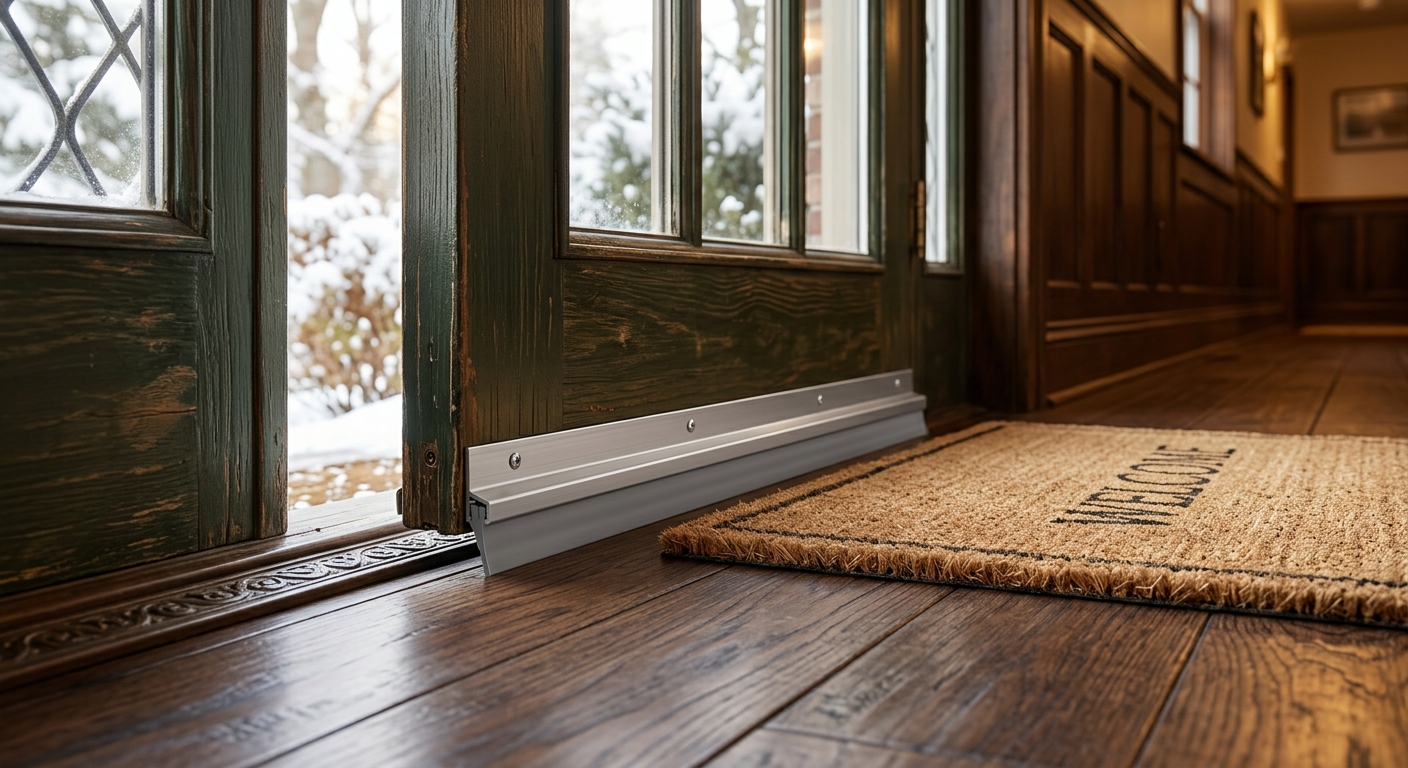
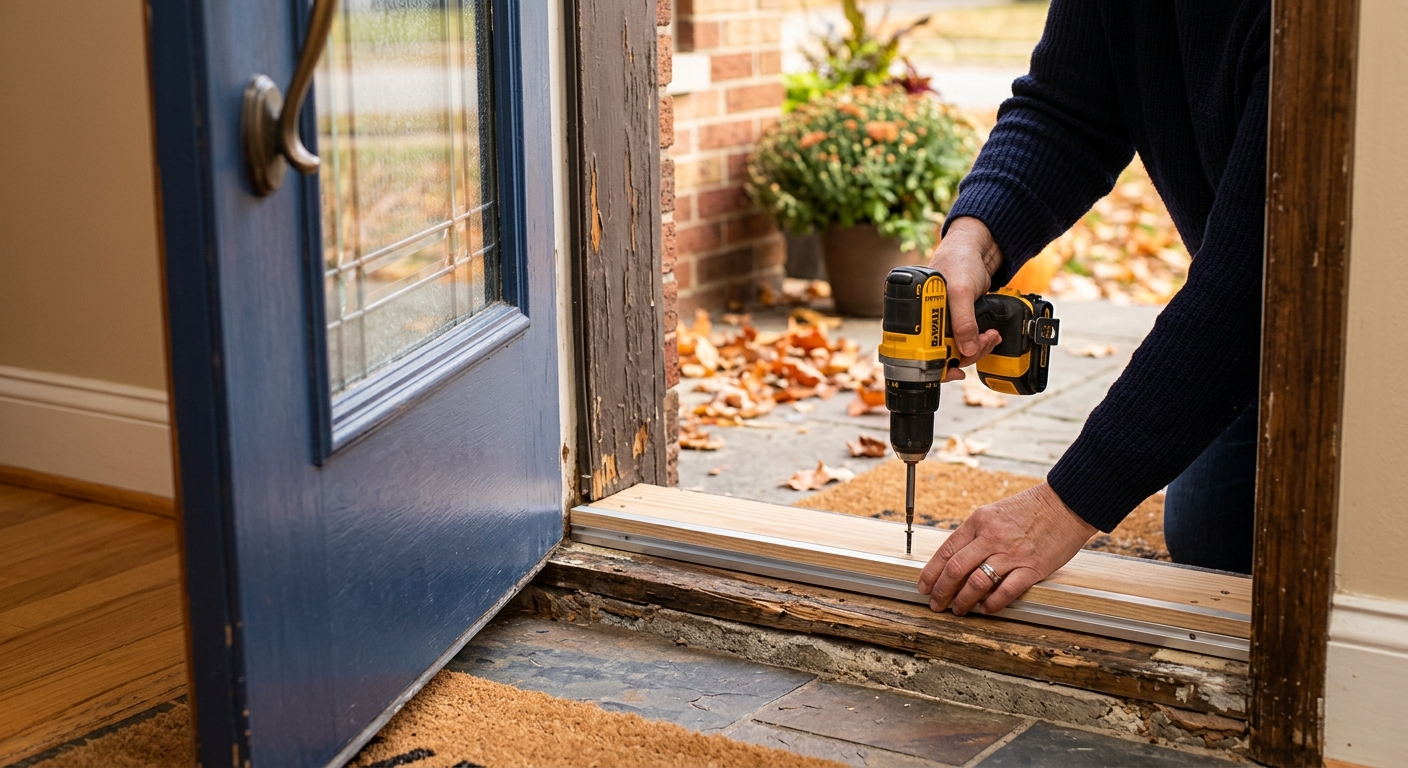
A gap under your front door can leak as much conditioned air as leaving a window cracked open all winter. A $15 door sweep or threshold seal installs in under 30 minutes and can cut your heating bill by up to 10% on its own.
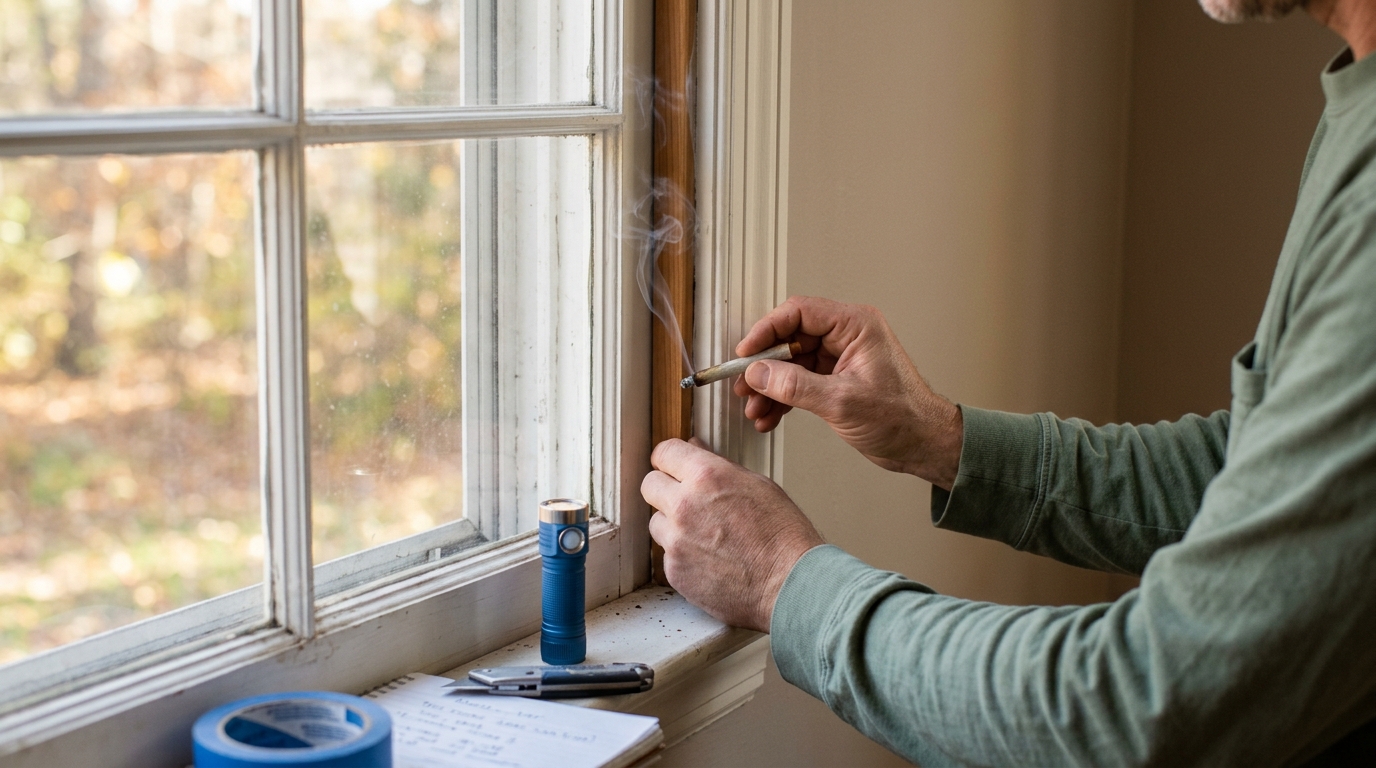
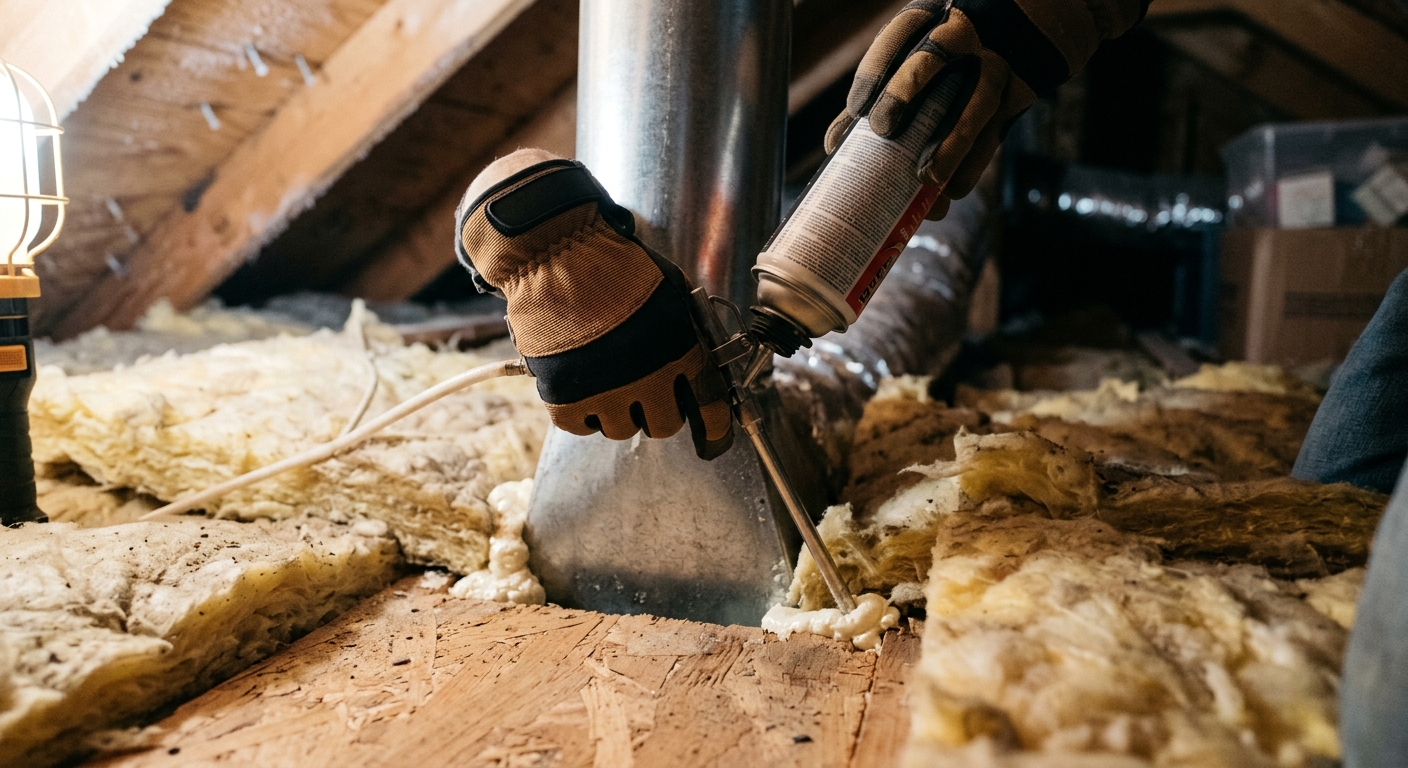
Air leaks can account for 25 to 40% of your heating and cooling costs, yet most homeowners have no idea where they are. A single afternoon of detective work can pinpoint the gaps draining your comfort and your wallet.
A brand-new furnace or heat pump that still struggles to warm your home is not a system problem, it is a building envelope problem. Sealing air leaks and upgrading insulation gives your HVAC the backup it needs to finally keep up on the coldest days.
A damaged or worn door threshold can let in cold drafts, moisture, and pests while silently inflating your heating bill by hundreds of dollars each winter. Replacing it takes under two hours and typically pays for itself within the first heating season.
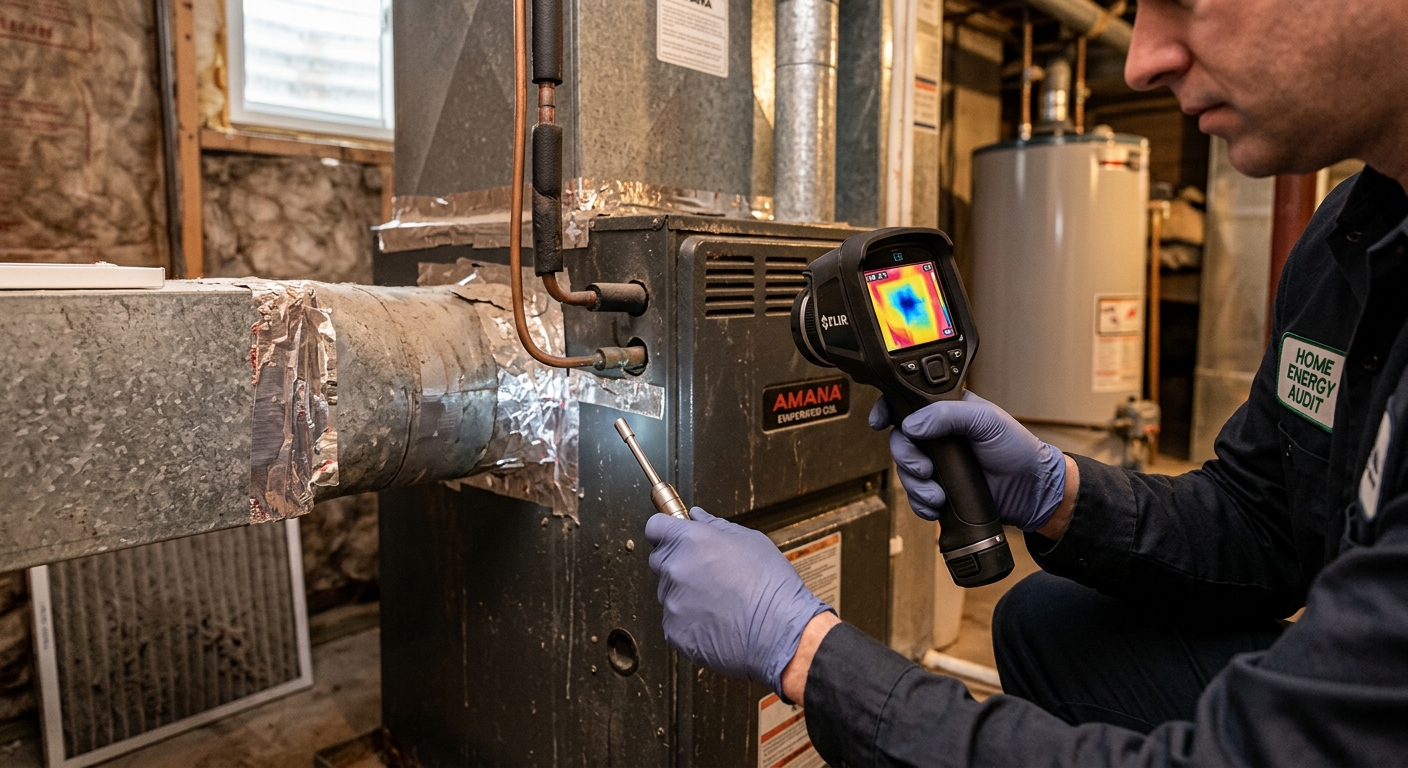
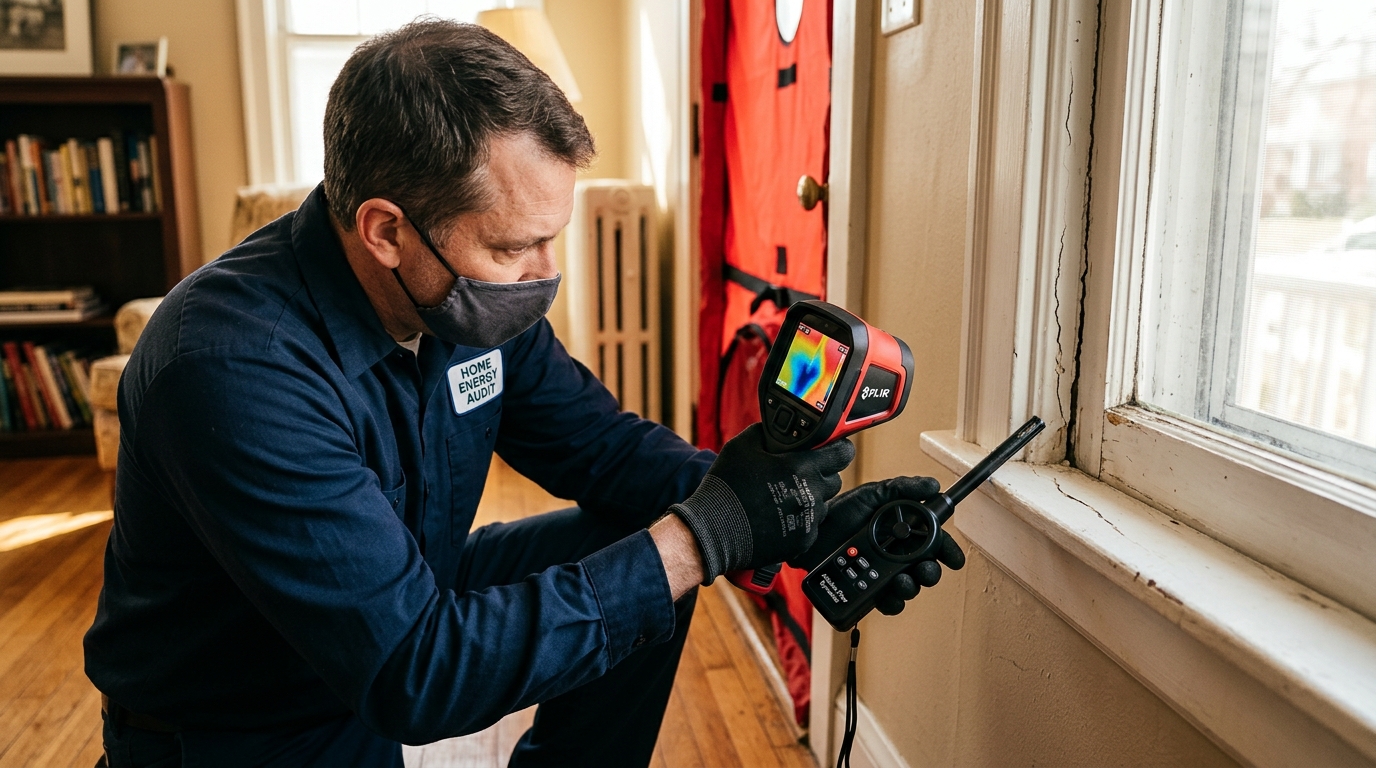
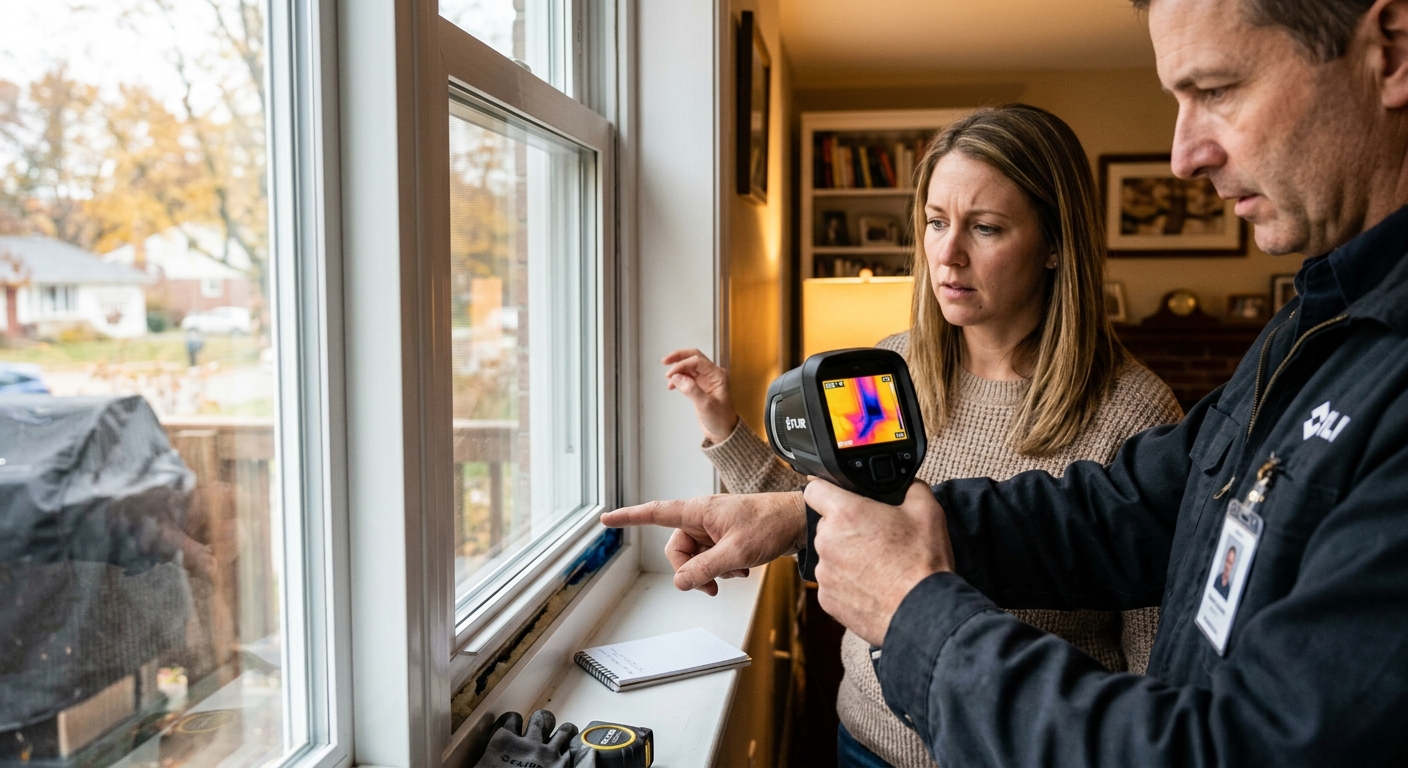
Most homeowners have no idea where their energy dollars are actually escaping, because the biggest culprits are invisible without the right tools. A professional home energy audit uses blower door tests, infrared cameras, and combustion analysis to uncover hidden leaks, insulation gaps, and equipment failures that can cut your bills by 20 to 30% once fixed.
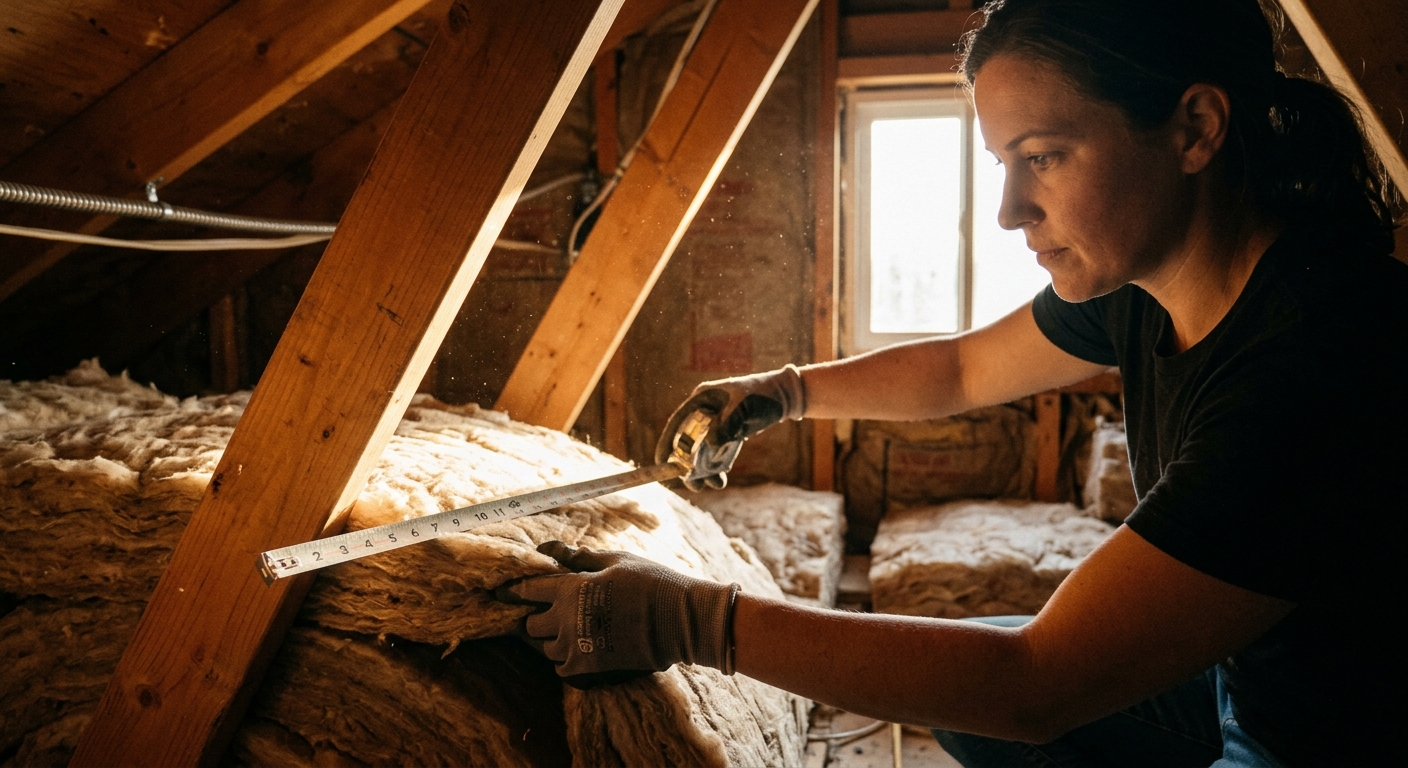
Most homeowners have no idea their insulation is underperforming until they see a sky-high energy bill. These simple self-inspection techniques can reveal the truth in under an hour, no professional required.
Uneven heating leaves some rooms freezing while others overheat, and most homeowners assume the only fix is an expensive new HVAC system. In reality, a combination of targeted air sealing, duct balancing, and smart thermostat strategies can eliminate cold spots and cut heating bills by 15 to 30% without replacing a single major component.
Replacing windows is one of the most common home upgrades, yet most homeowners are disappointed by the actual savings on their energy bills. The problem usually isn’t the windows themselves – it’s everything around them that was overlooked during installation.