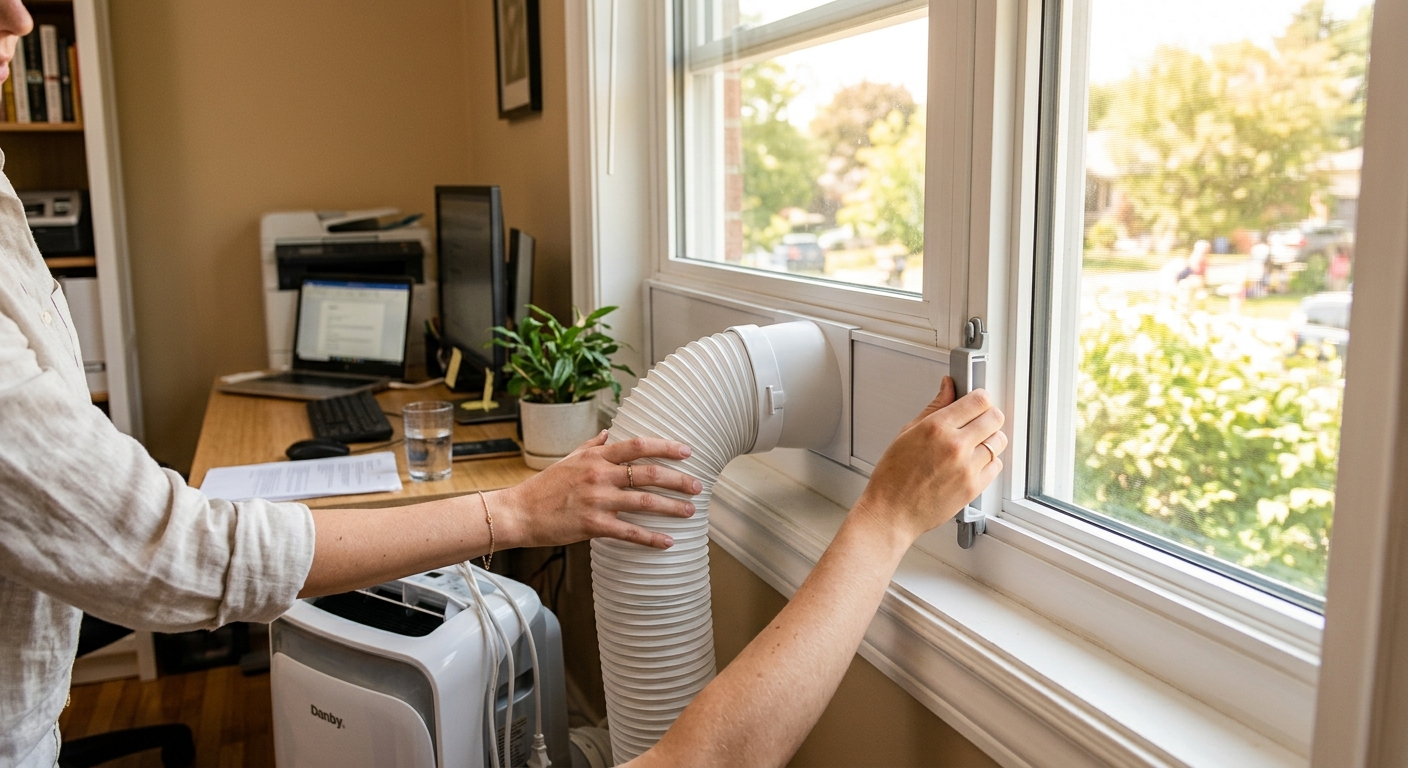
A home office during a heat wave can turn into a productivity-killing sauna, especially if it sits at the end of a duct run or faces west. These targeted cooling strategies will bring your workspace down to a comfortable 72 to 76 degrees without running your central AC into the ground.
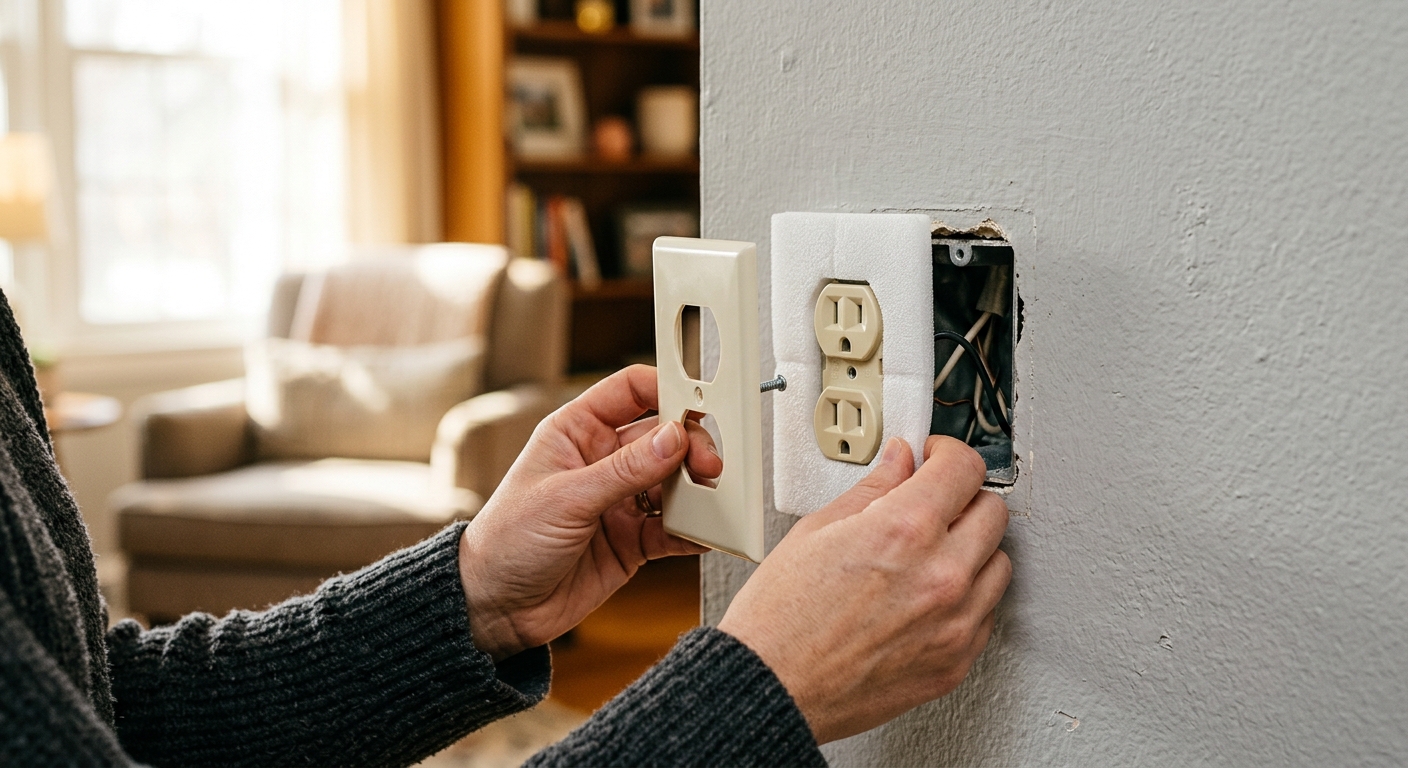
Electrical outlets and switch plates on exterior walls are surprisingly common sources of cold air infiltration, quietly driving up your heating bill all winter. Foam gaskets and a few minutes of work can seal these gaps and noticeably reduce drafts for almost no cost.
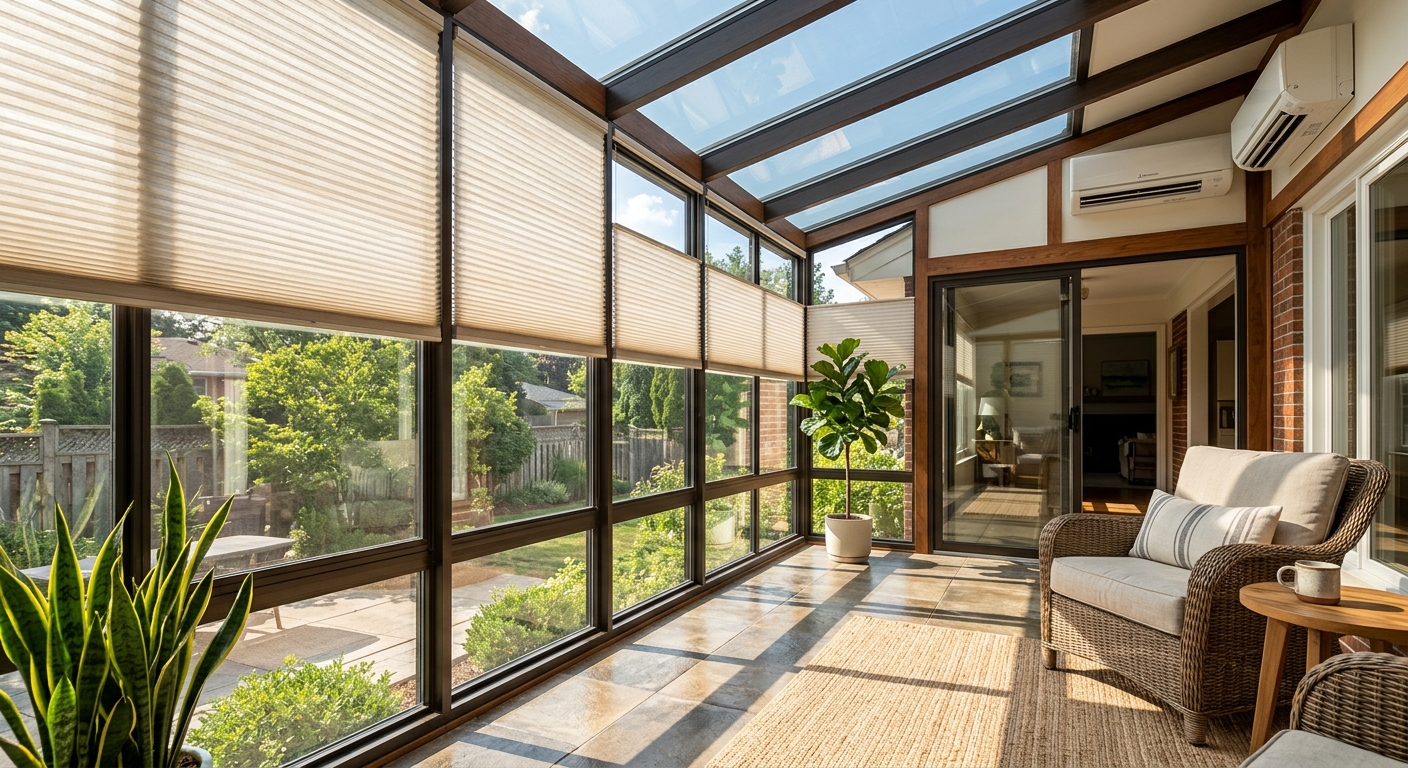
Sunrooms are one of the most requested home additions, but they’re also one of the biggest sources of surprise energy bill spikes. Before you break ground, here’s what building science actually says about keeping your new space comfortable without wrecking your monthly budget.
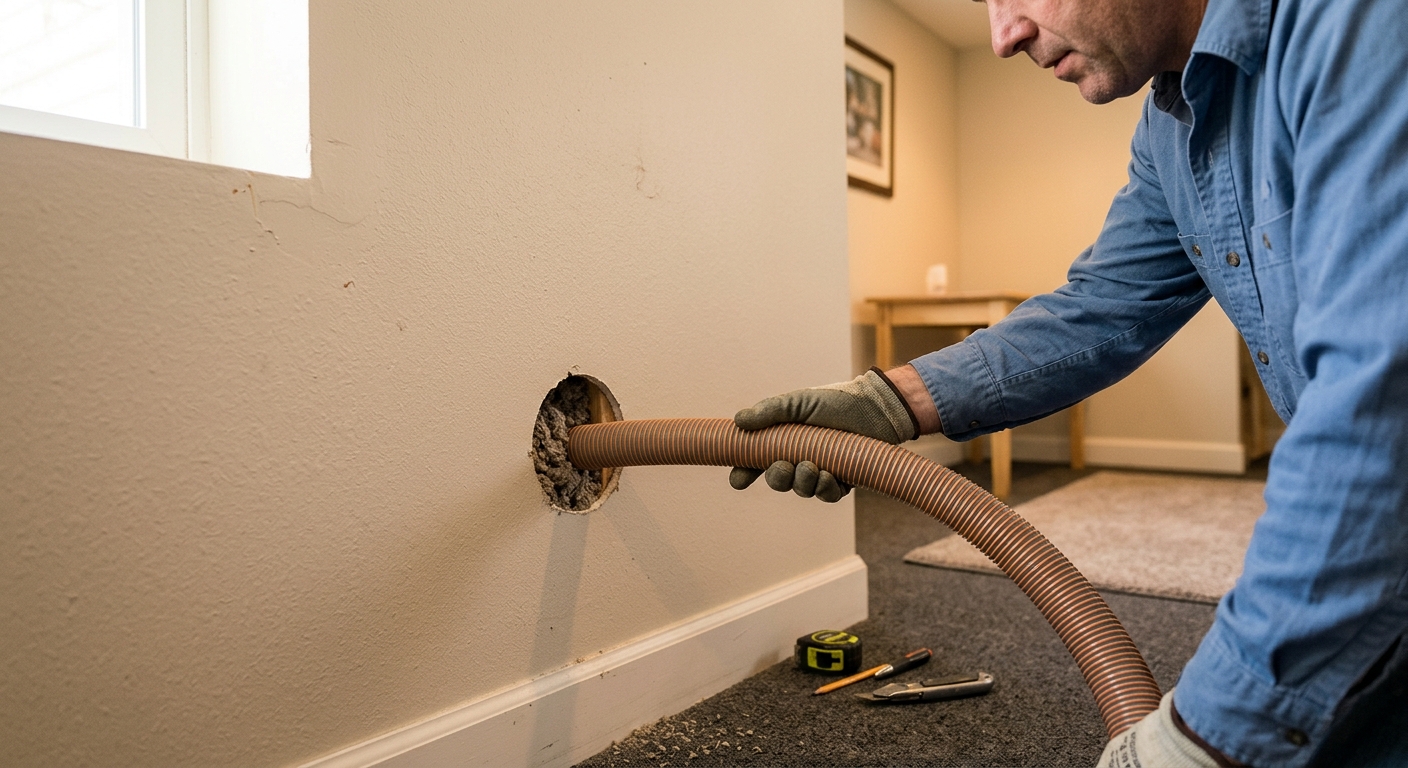
A finished basement can quietly drain your heating and cooling budget if the walls and rim joists are poorly insulated, but ripping out drywall is not the only solution. This guide walks you through practical, minimally invasive approaches that add meaningful insulation without a full demolition.
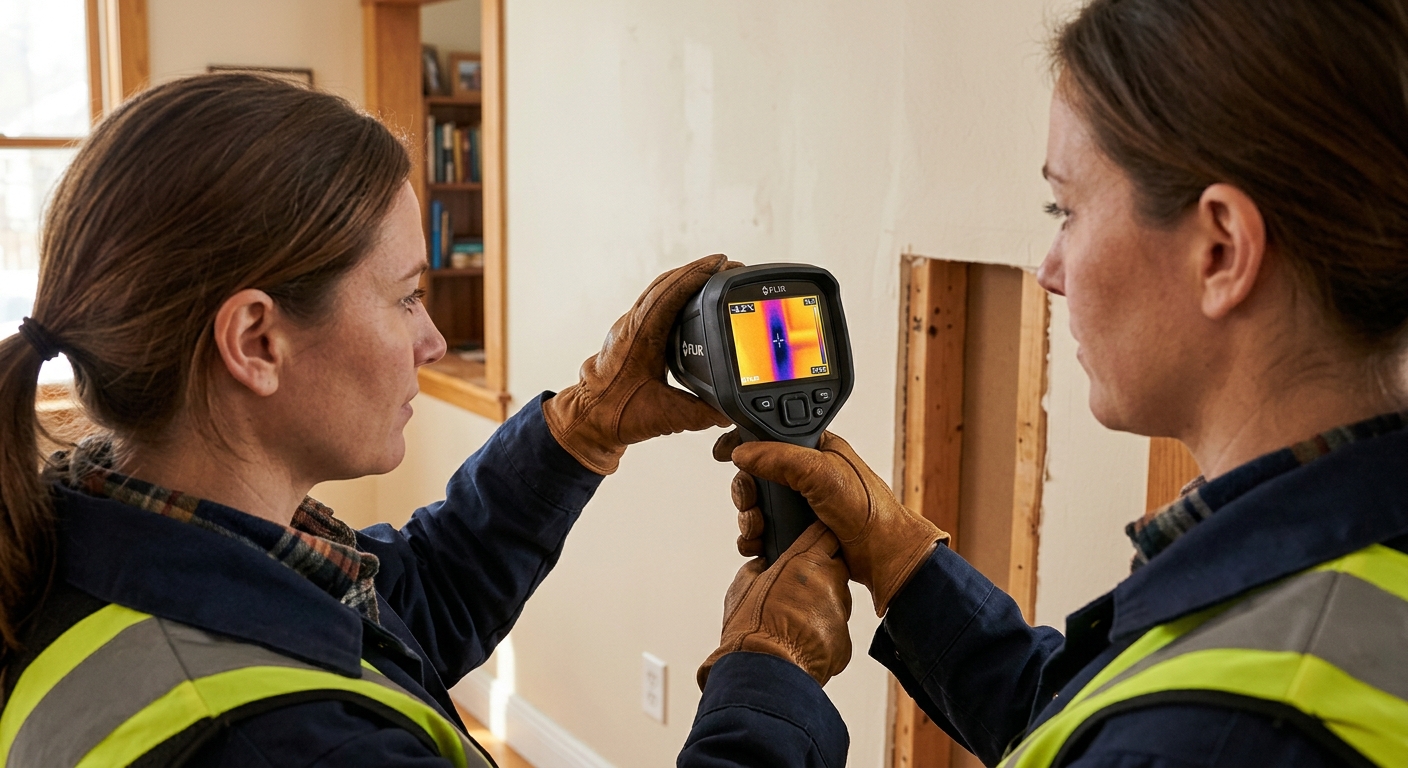
Thermal bridging silently drains energy through your walls, floor joists, and window frames even when insulation looks perfect. Understanding where it happens and how to stop it can cut heating and cooling losses by 20 to 30 percent in affected areas.
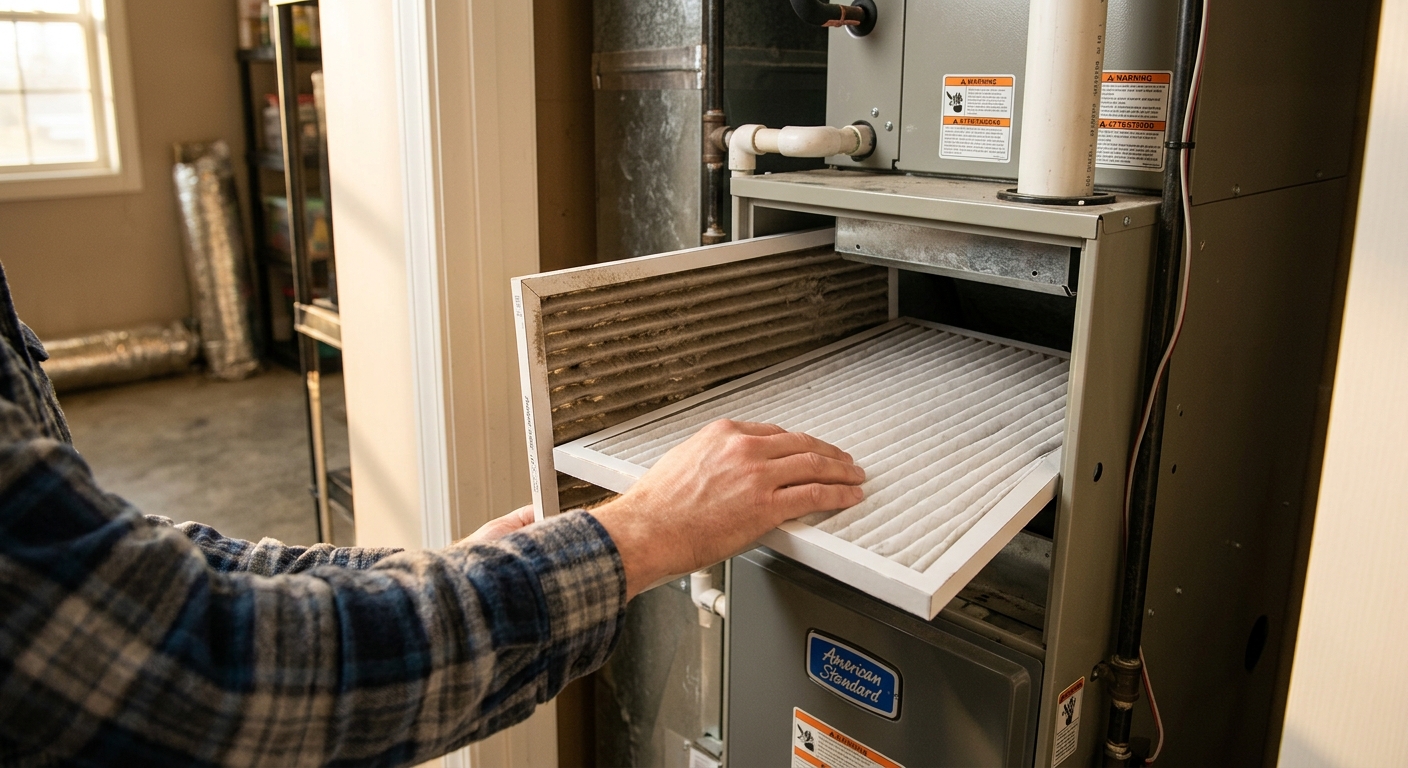
Most homeowners set their thermostat and forget it, but three common HVAC mistakes are quietly inflating energy bills by hundreds of dollars a year. Learn which settings to fix first and exactly how to adjust them for immediate, measurable savings.
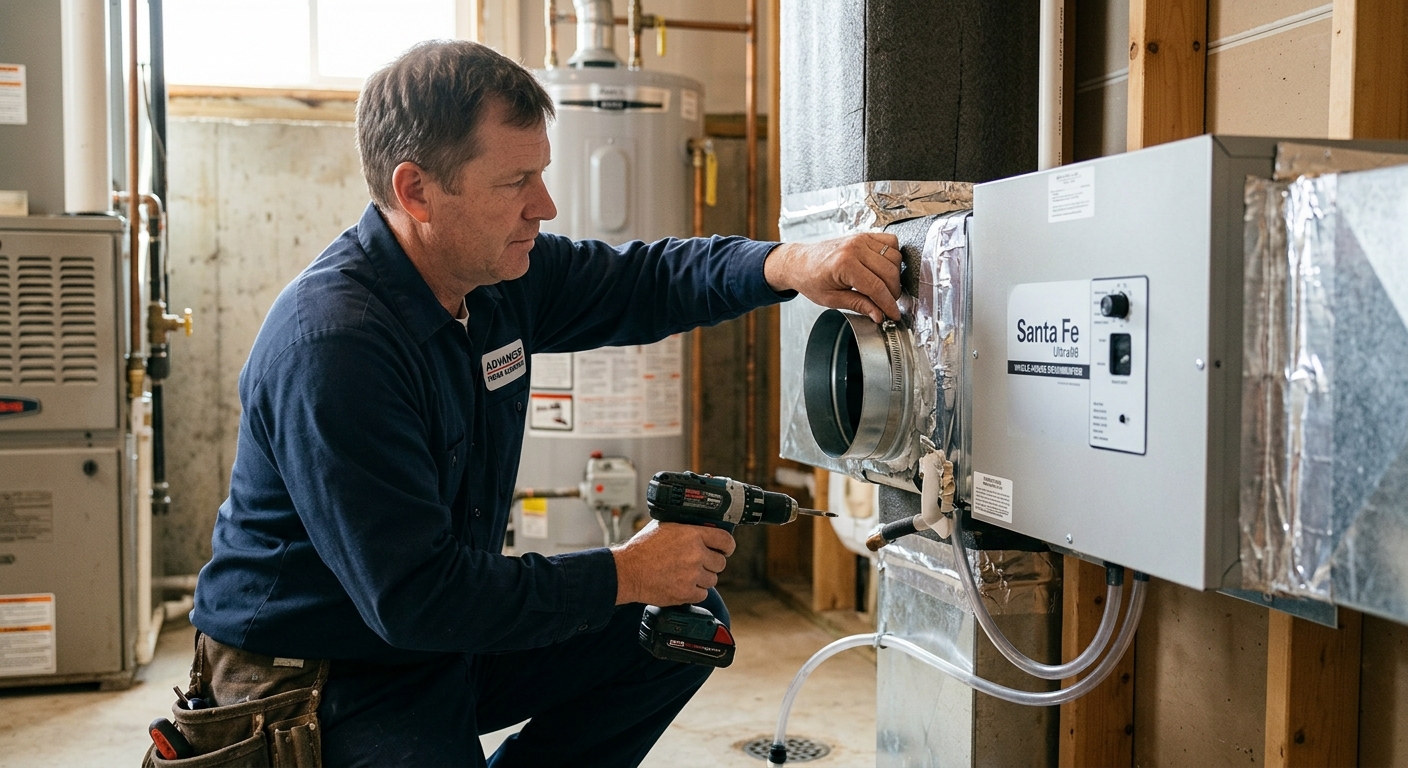
High indoor humidity quietly drives up energy bills, damages your home, and makes your AC work harder than it should. A whole-house dehumidifier solves all three problems, and the math shows most homeowners break even in 2 to 3 years.
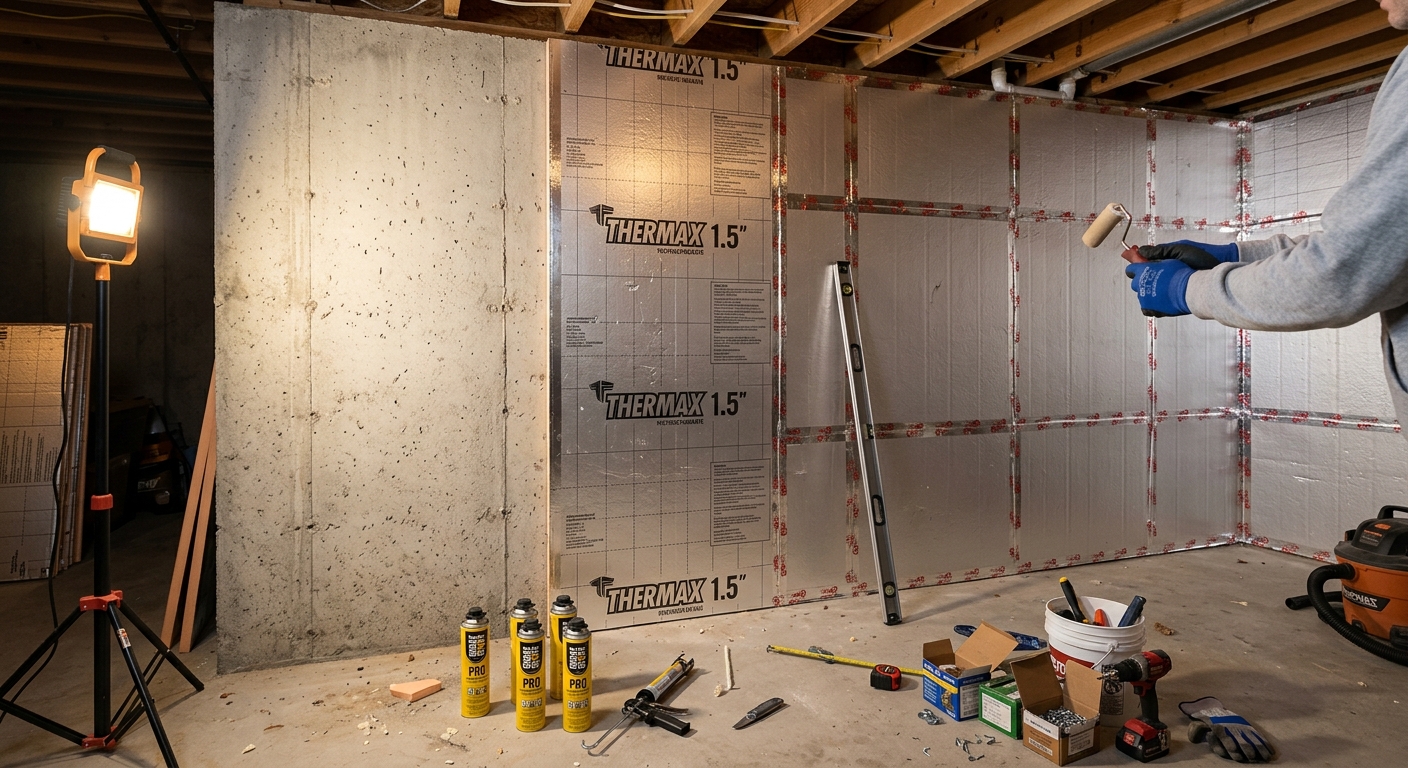
Homeowners often waste money insulating the wrong part of their basement first, leaving major heat loss untouched. Understanding whether to insulate your basement walls or ceiling can mean the difference between a 15% and a 30% reduction in heating bills.
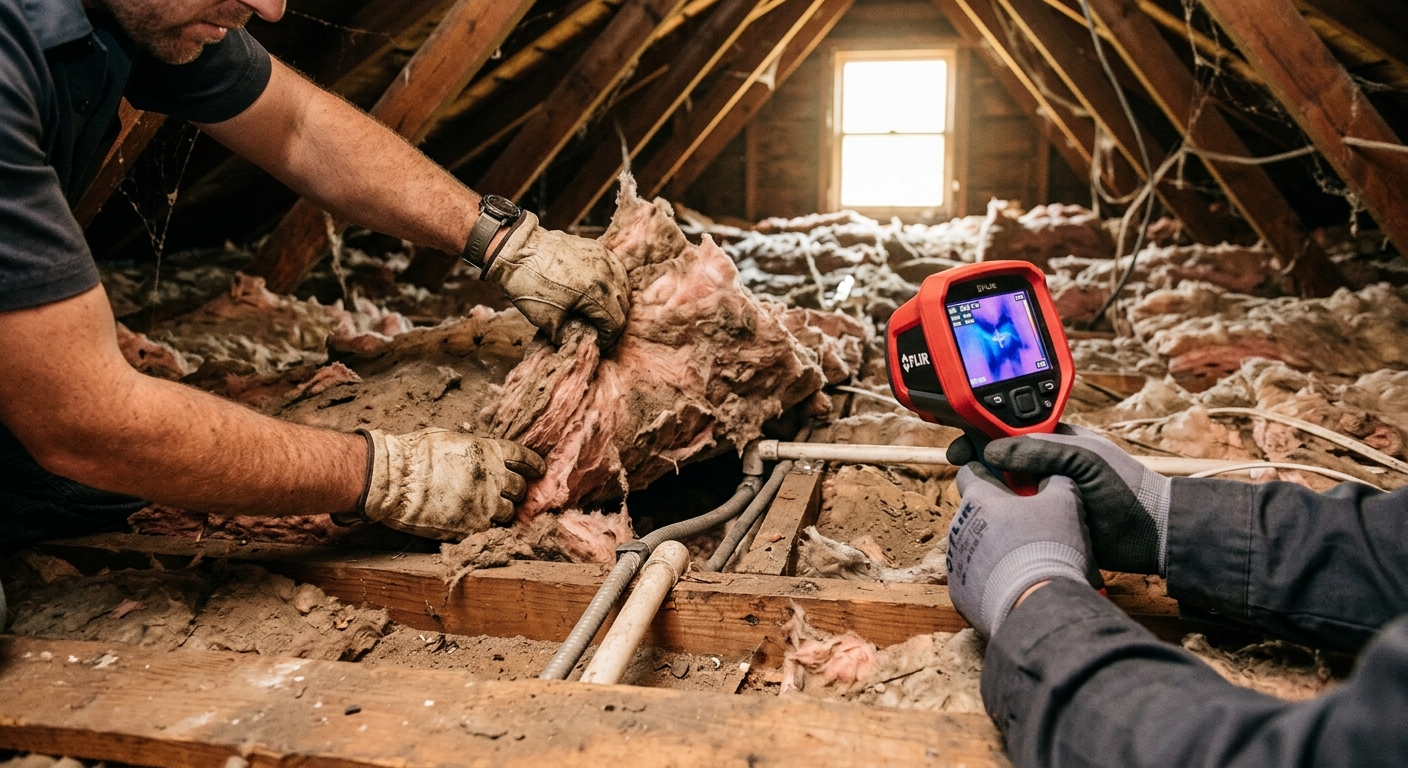
If your upstairs is always too hot in summer and too cold in winter, your attic is almost certainly the culprit. Poor attic insulation and ventilation create a thermal battery effect that overwhelms your HVAC system and drives up energy bills every single month.
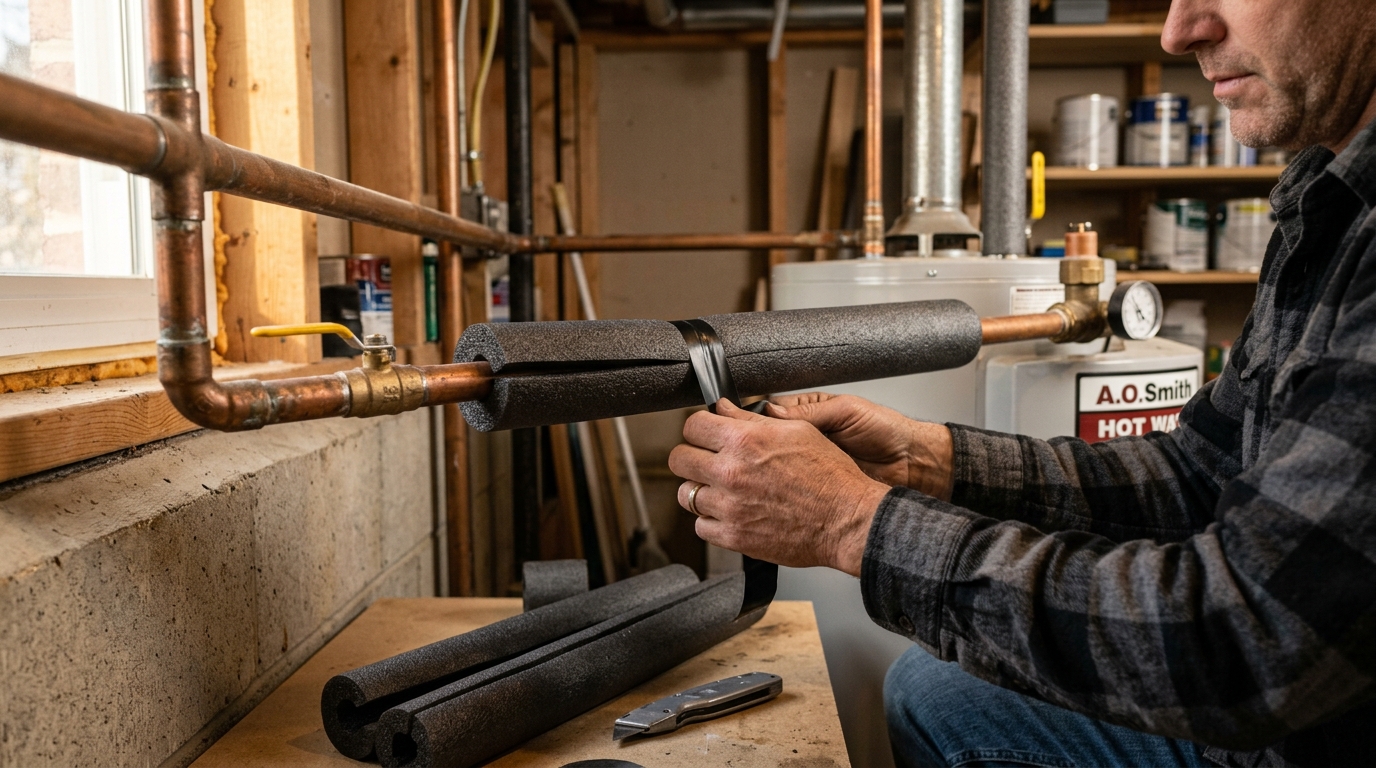
A burst pipe in January can cost $5,000 or more in water damage – and most of it is preventable with $30 worth of foam. This guide walks you through insulating your pipes the right way, from quick garage fixes to whole-house protection.