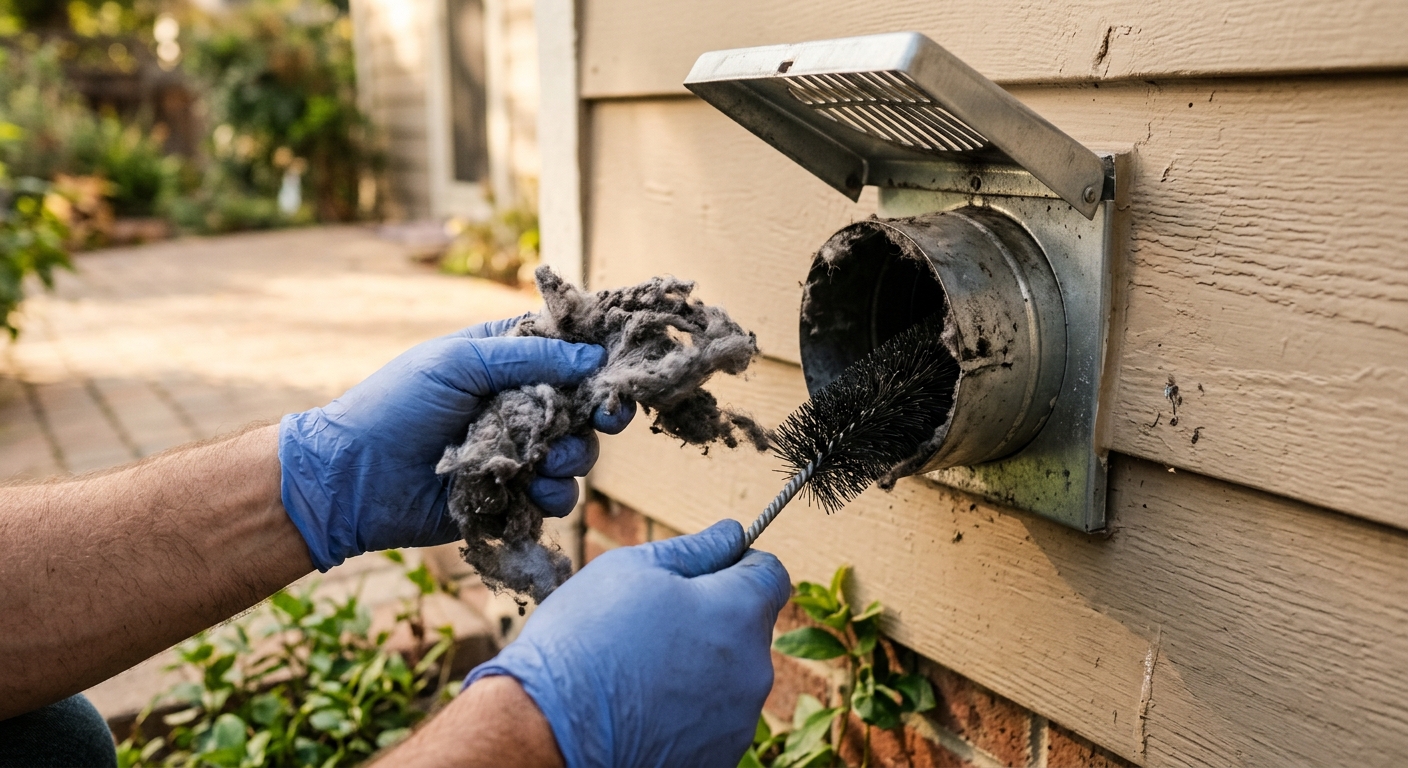
A clogged dryer vent is one of the leading causes of house fires, responsible for over 15,000 fires annually in the US. Cleaning it yourself takes about an hour, can cut drying time by 25 to 40%, and could save you $40 or more per year on energy bills.
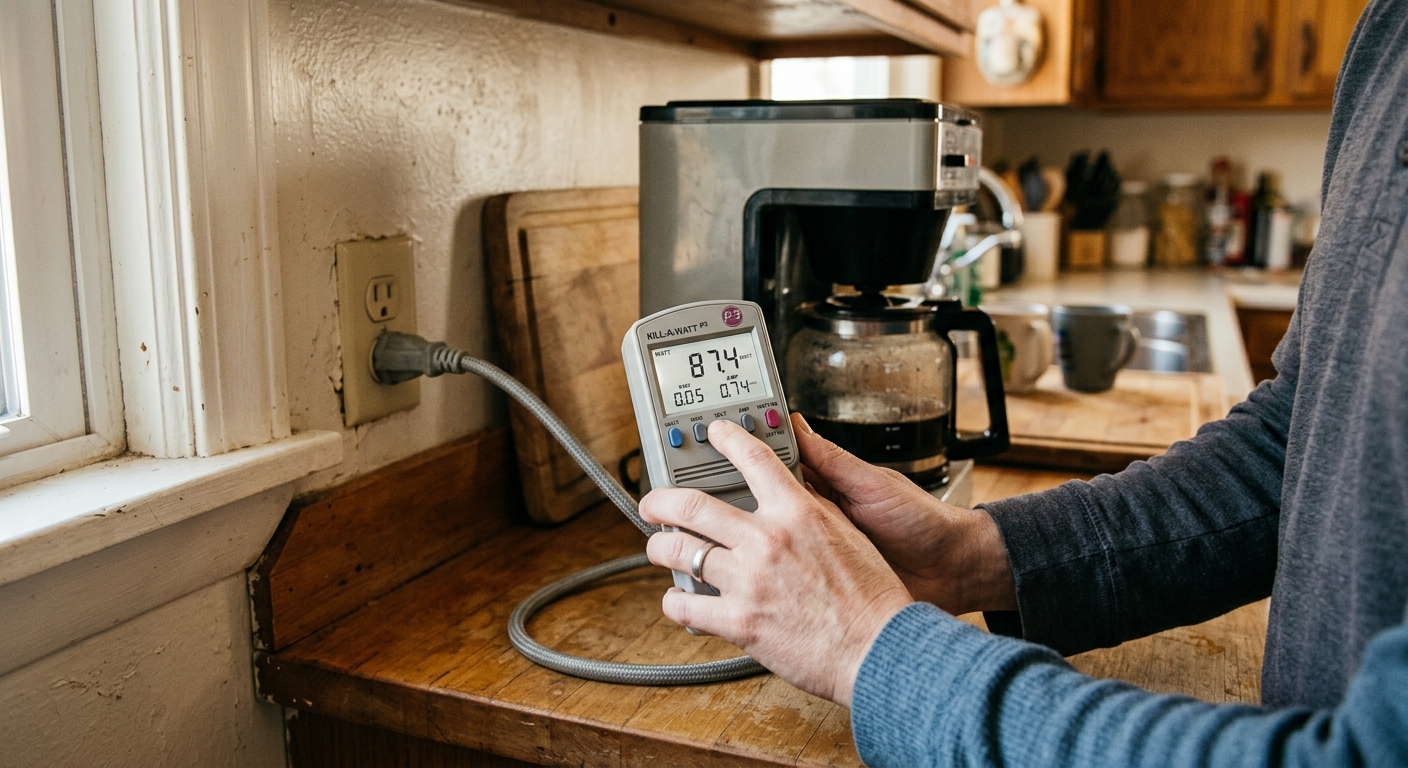
Most homeowners have no idea which appliances are silently draining power 24 hours a day. A $25 Kill-A-Watt meter can pinpoint exactly where your electricity dollars are going and pay for itself in the first month.
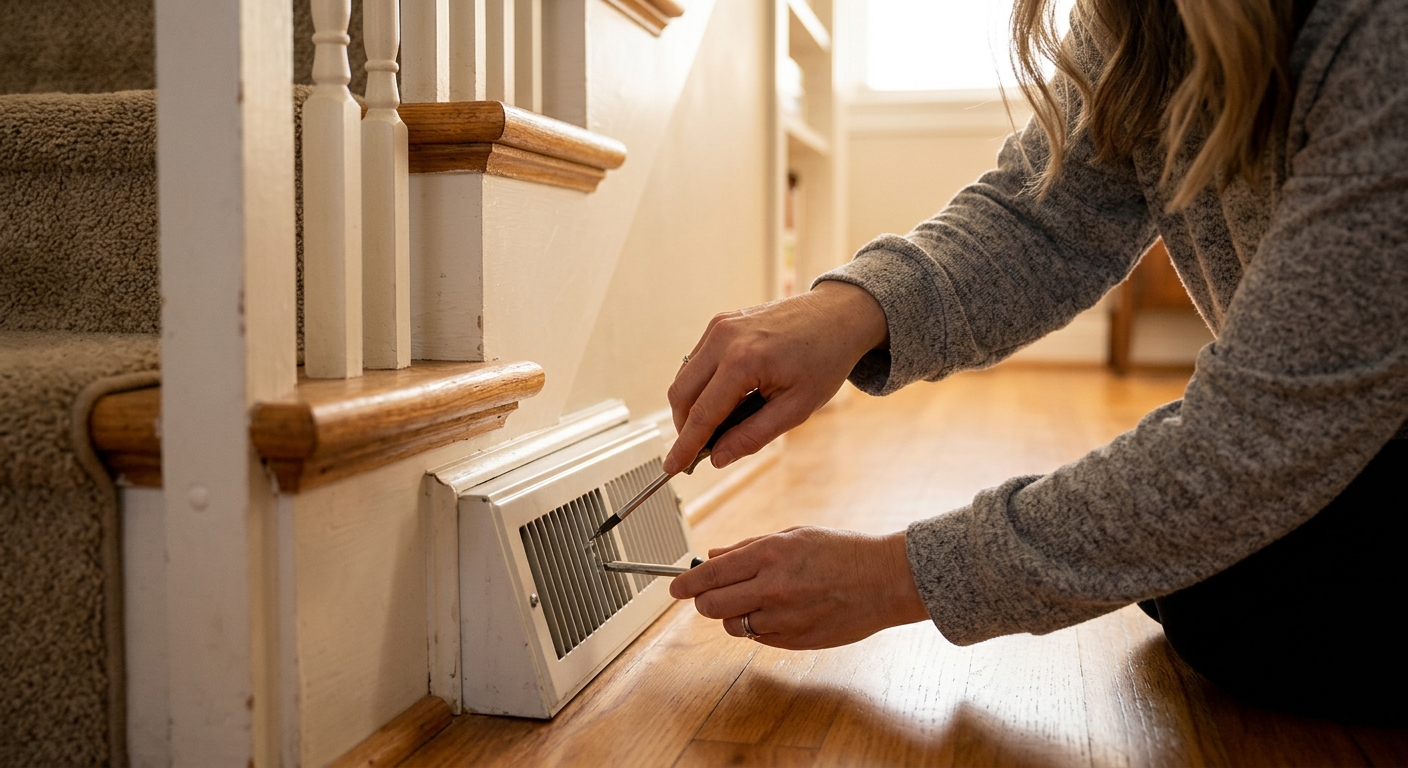
If your upstairs roasts while your downstairs freezes, your HVAC system is working harder than it needs to and still failing you. A few targeted vent adjustments and airflow tweaks can balance temperatures between floors and cut your heating bills by 10 to 20%.
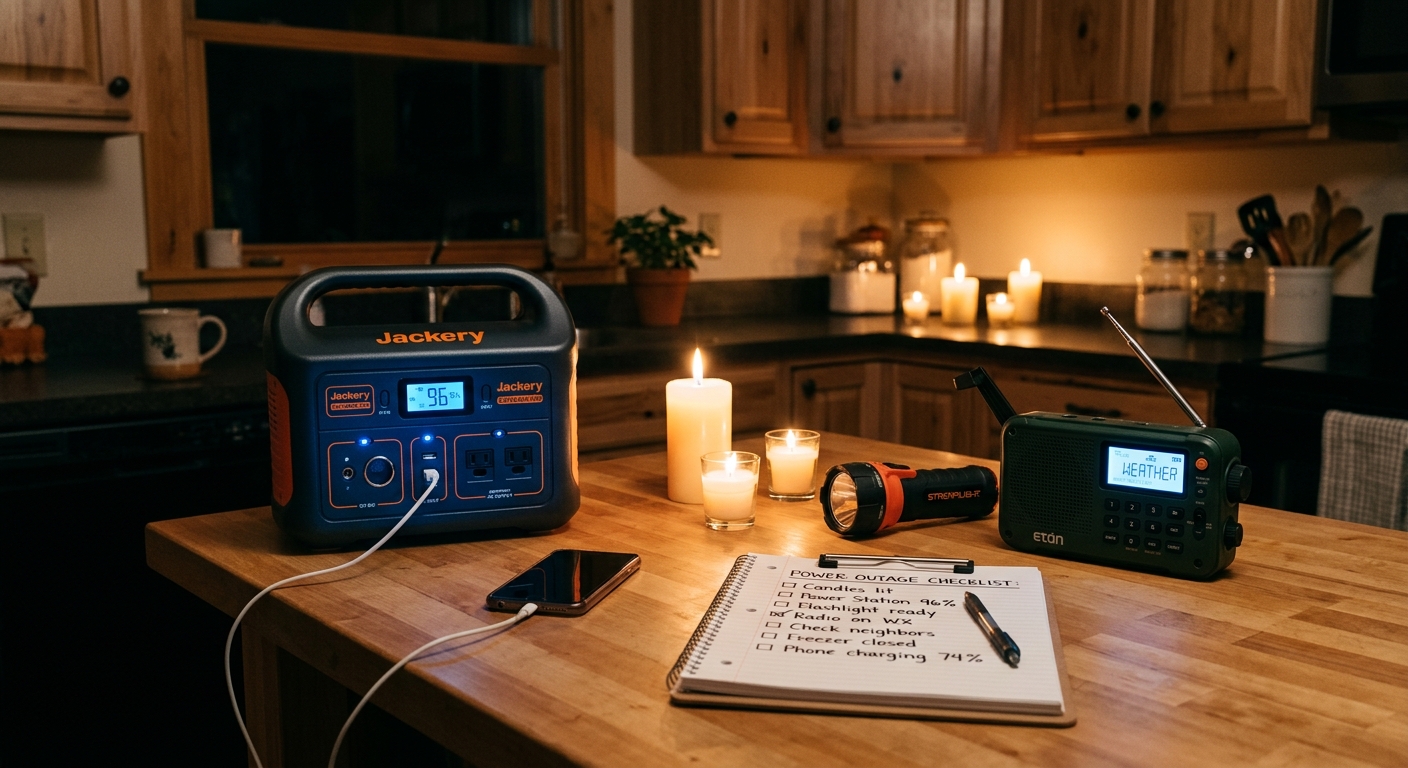
Most homeowners only think about power outages after the lights go out, leaving them scrambling with dead phones and spoiled food. Preparing your home systems in advance takes a few hours and under $200, and it can save you thousands in food loss, hotel stays, and equipment damage.
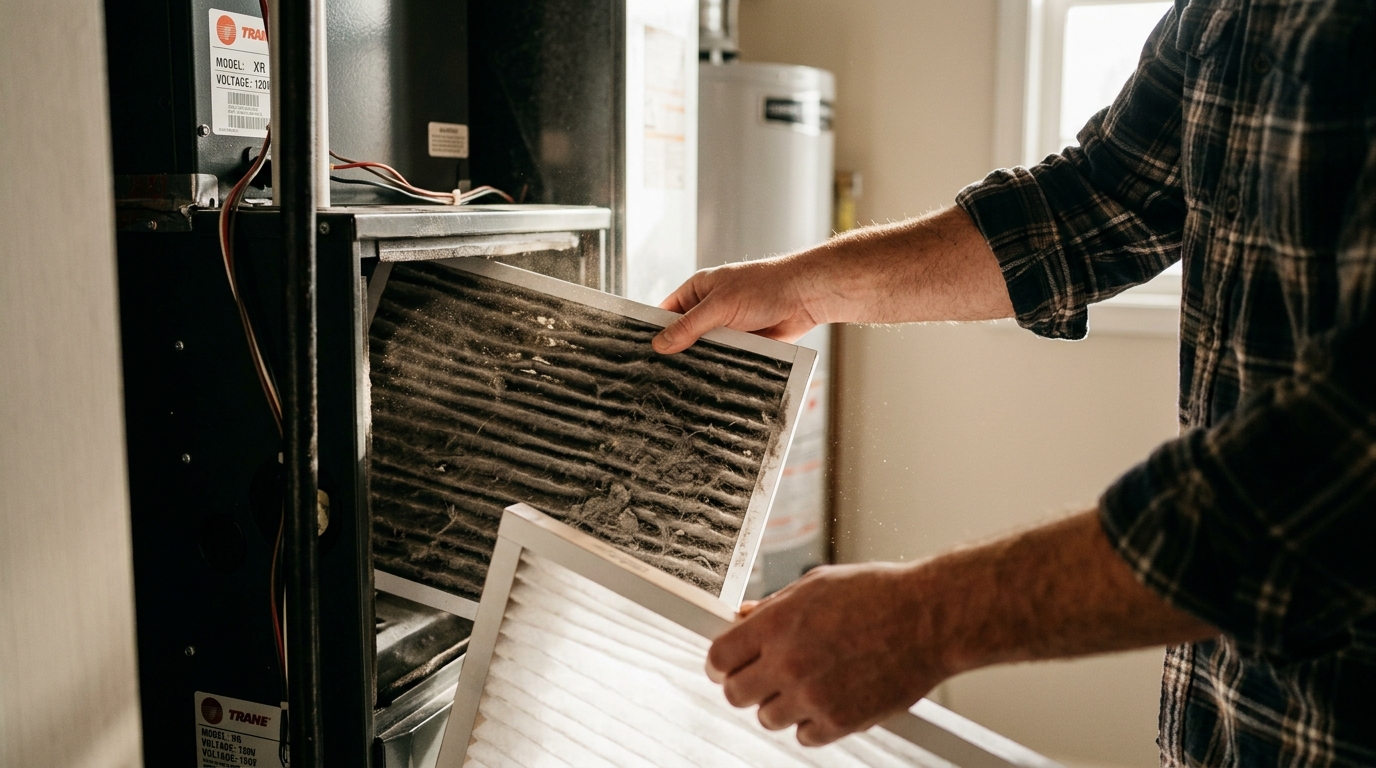
Most homeowners follow the generic ’90-day rule’ for HVAC filter changes, but that schedule is almost always wrong for your specific home. Replacing filters on the right schedule for your household can improve air quality, reduce allergy symptoms, and cut HVAC energy use by up to 15%.
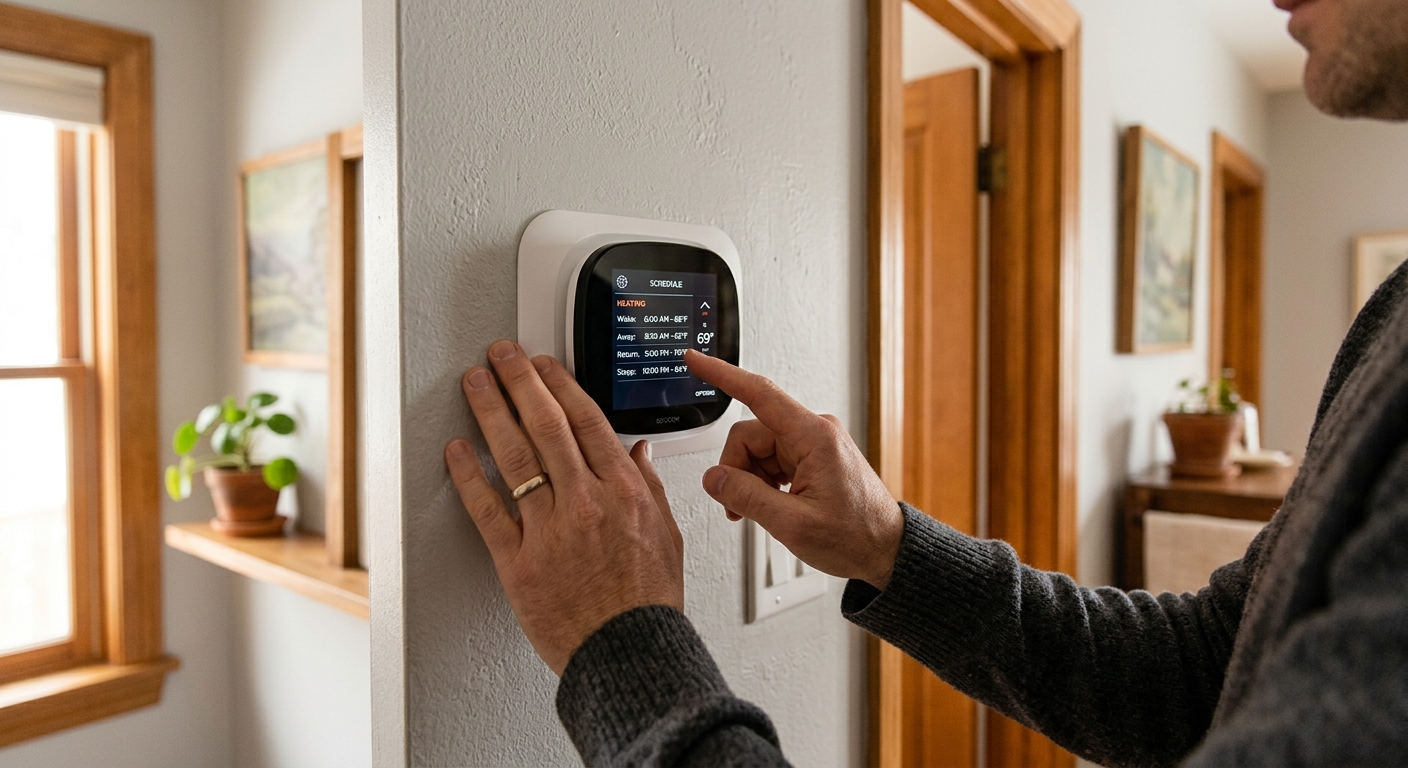
Most homeowners install a smart thermostat and never move past the default settings, leaving hundreds of dollars in savings on the table. Programming your thermostat with the right schedules and setbacks can cut heating and cooling costs by 10 to 23% annually.
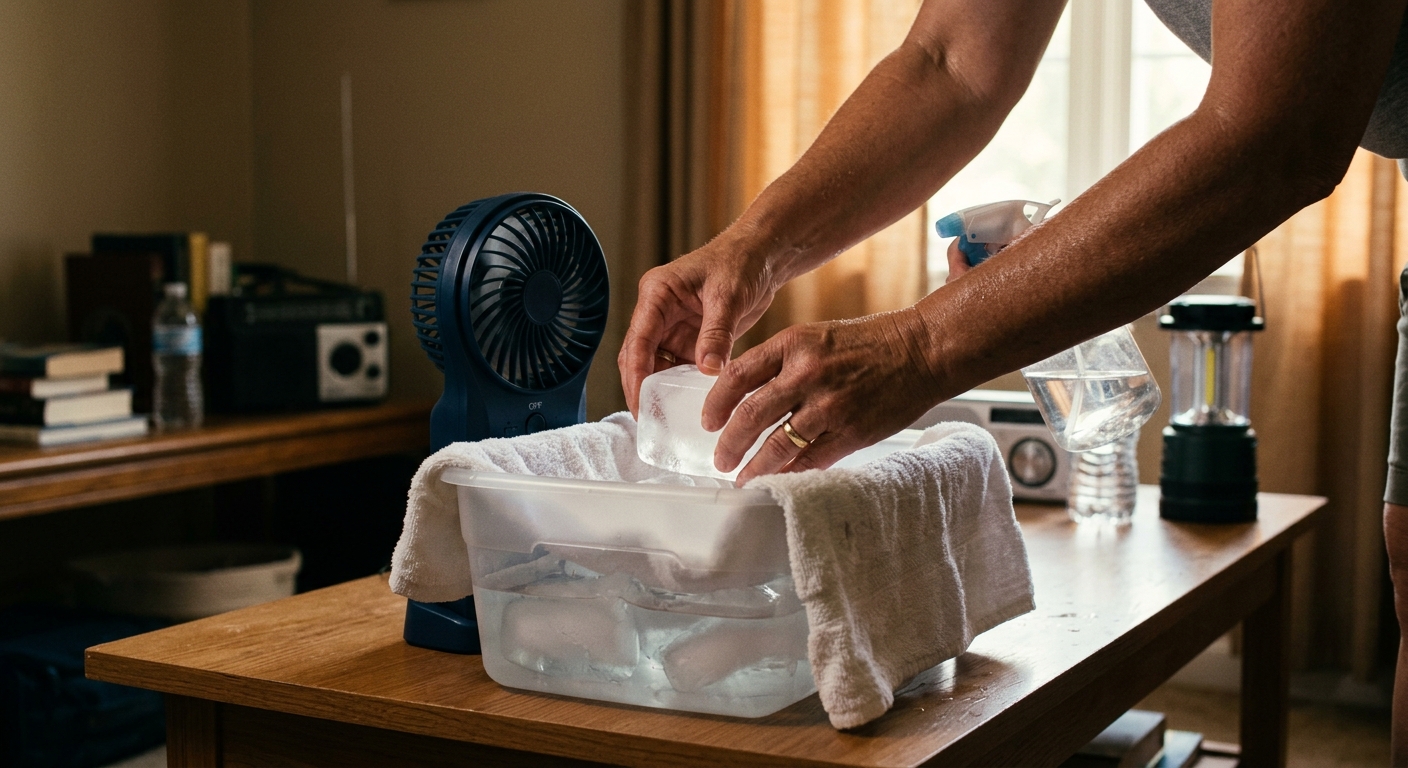
When the grid goes down in peak summer heat, indoor temperatures can climb to dangerous levels within hours. This guide gives you a prioritized, room-by-room plan to stay safe, cool, and comfortable without fleeing to a hotel.
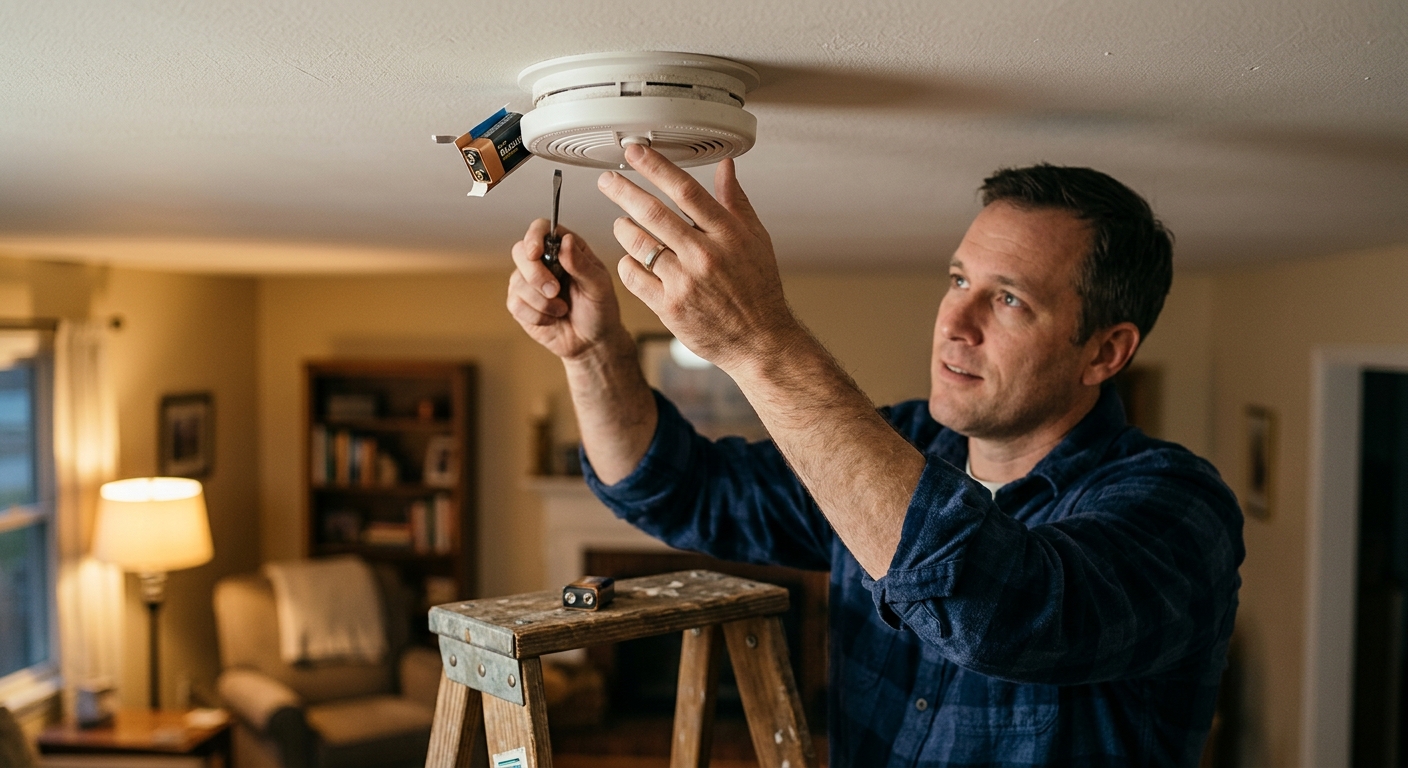
That maddening chirp in the middle of the night is almost always a low battery or end-of-life sensor, not a real emergency. Learn exactly why it happens, how to silence it fast, and what to do so it never wakes you up again.
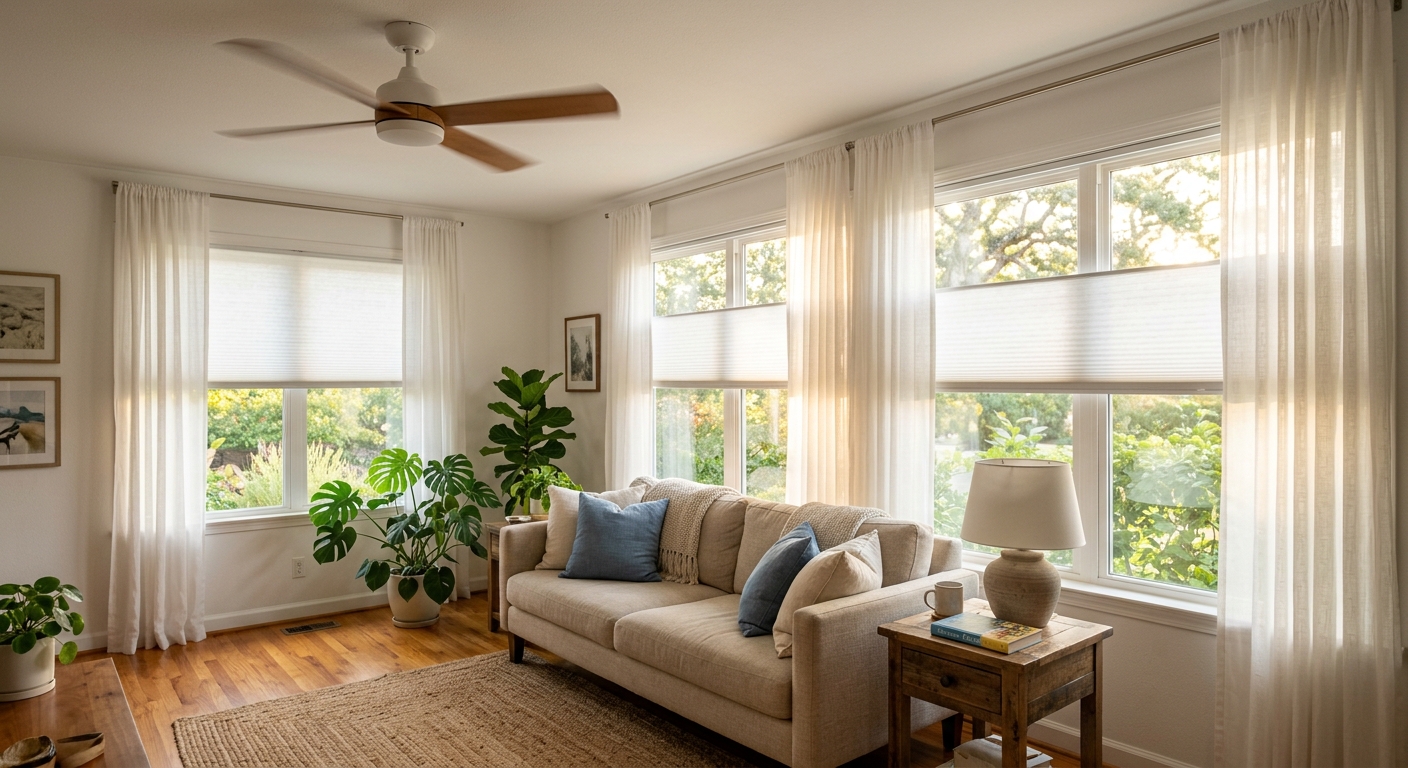
A stuffy, overheated room is one of the most common comfort complaints homeowners have, and cranking the AC is rarely the best solution. By targeting heat sources, airflow, and solar gain directly, you can drop a room’s felt temperature by 8 to 12 degrees without spending a dime on extra cooling.
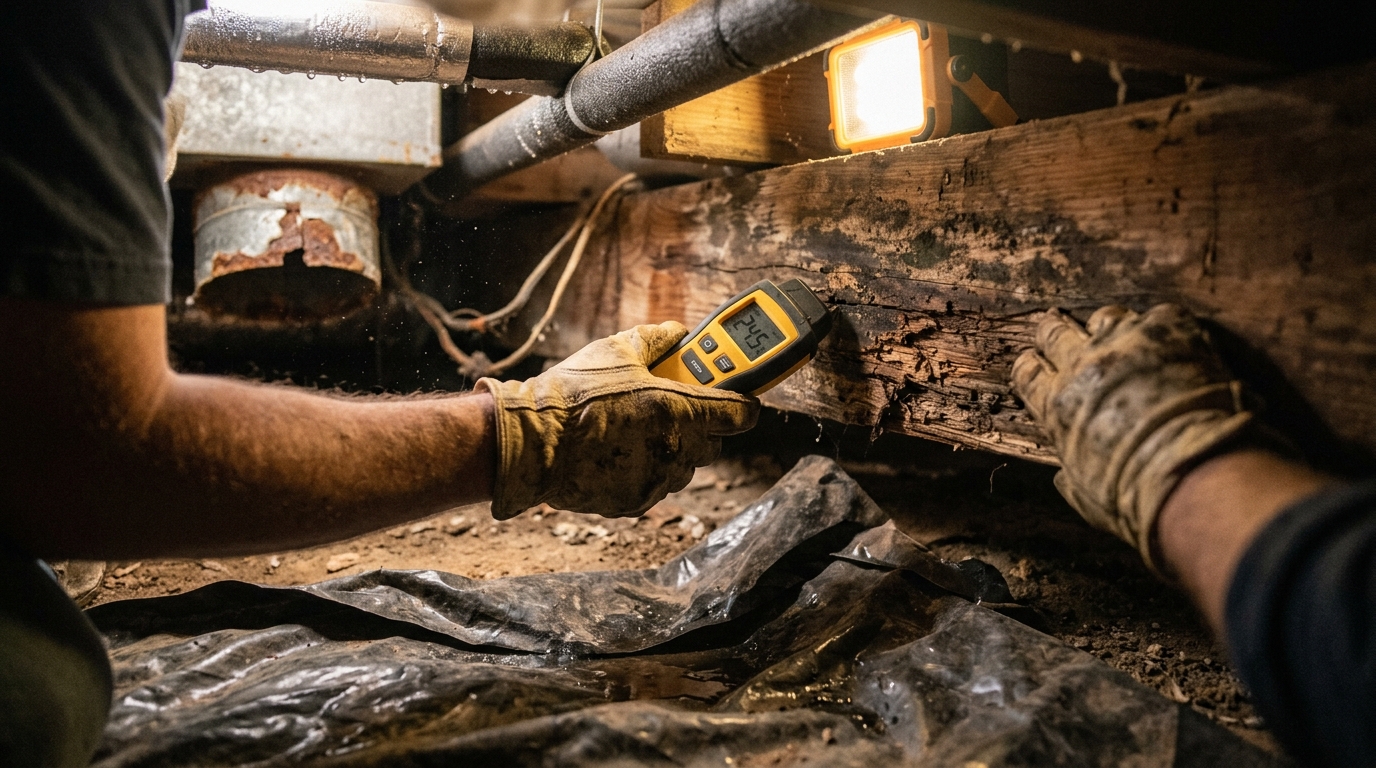
A damp crawl space silently rots floor joists, corrodes HVAC equipment, and spikes your energy bills before you ever notice a problem. Controlling moisture at the source with vapor barriers and ventilation fixes can cut heating and cooling costs by 15 to 25% while protecting tens of thousands in structural and mechanical assets.