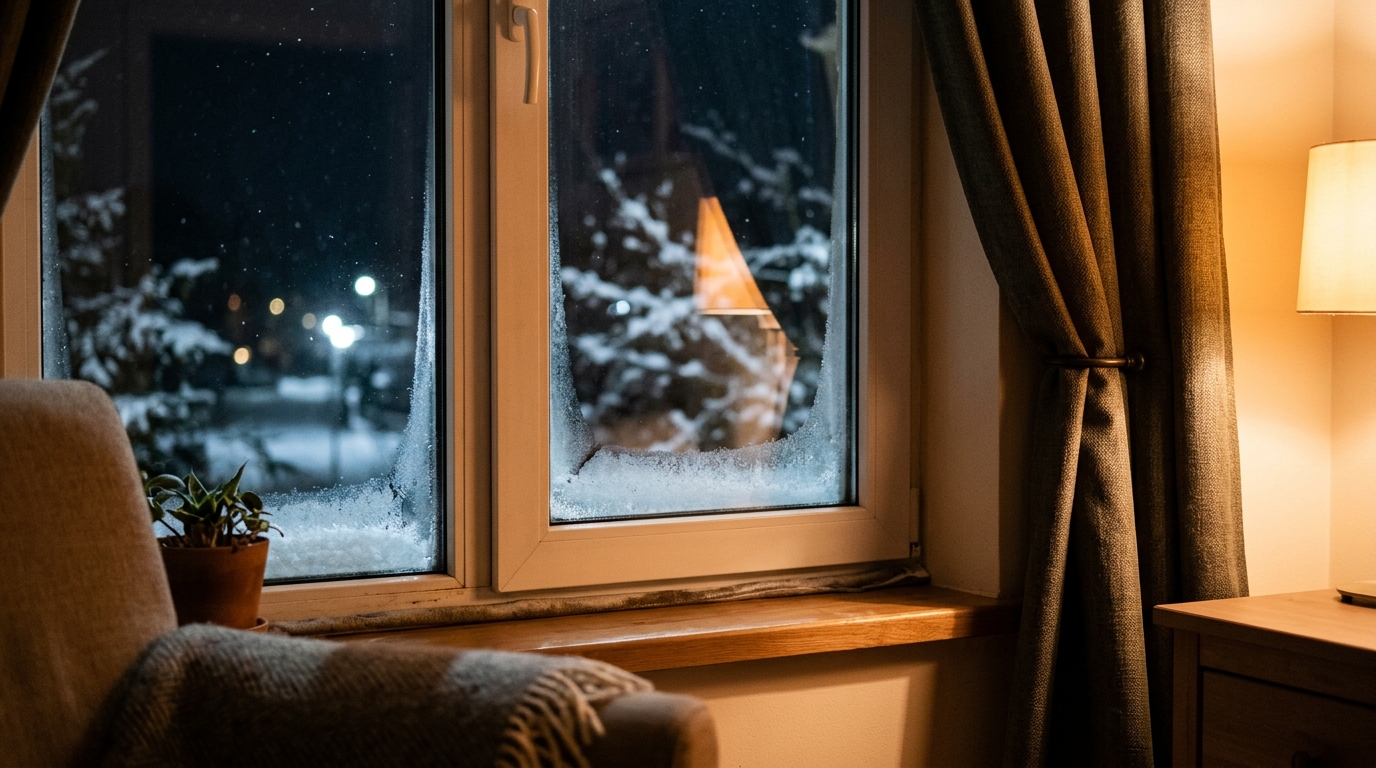
Double-pane windows are better than single-pane, but a typical one still loses 3 to 4 times more heat than the insulated wall around it, especially after dark when there is no solar gain to offset the loss. The good news is that cheap fixes like thermal curtains, window film, and proper sealing can cut that heat loss by 10 to 40 percent, often for under $100.
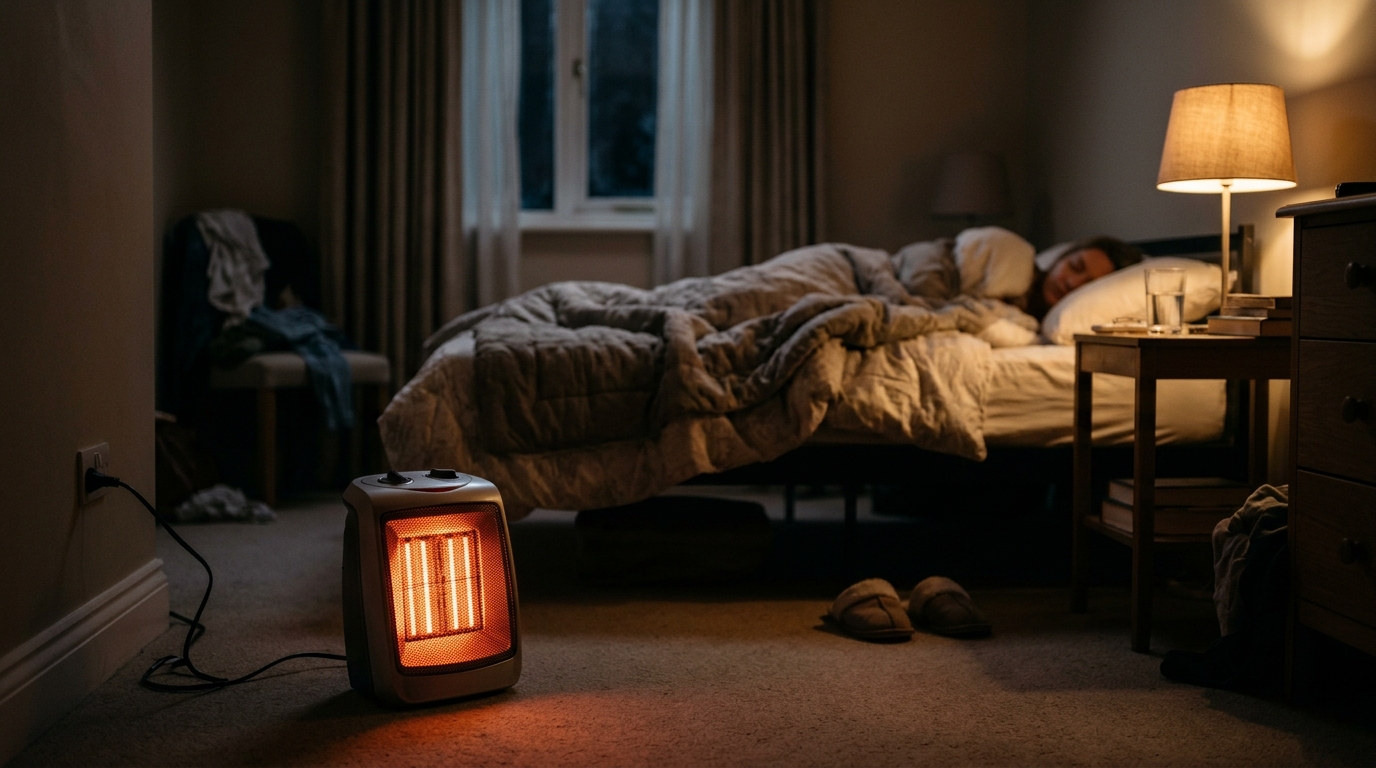
Running a space heater all night in the bedroom feels like a smart way to avoid heating the whole house, but a 1,500-watt unit left on for 8 hours can add $40 to $60 a month by itself. Pairing a smarter nighttime thermostat strategy with targeted draft and bedding fixes gives you the same comfort for a fraction of the cost.
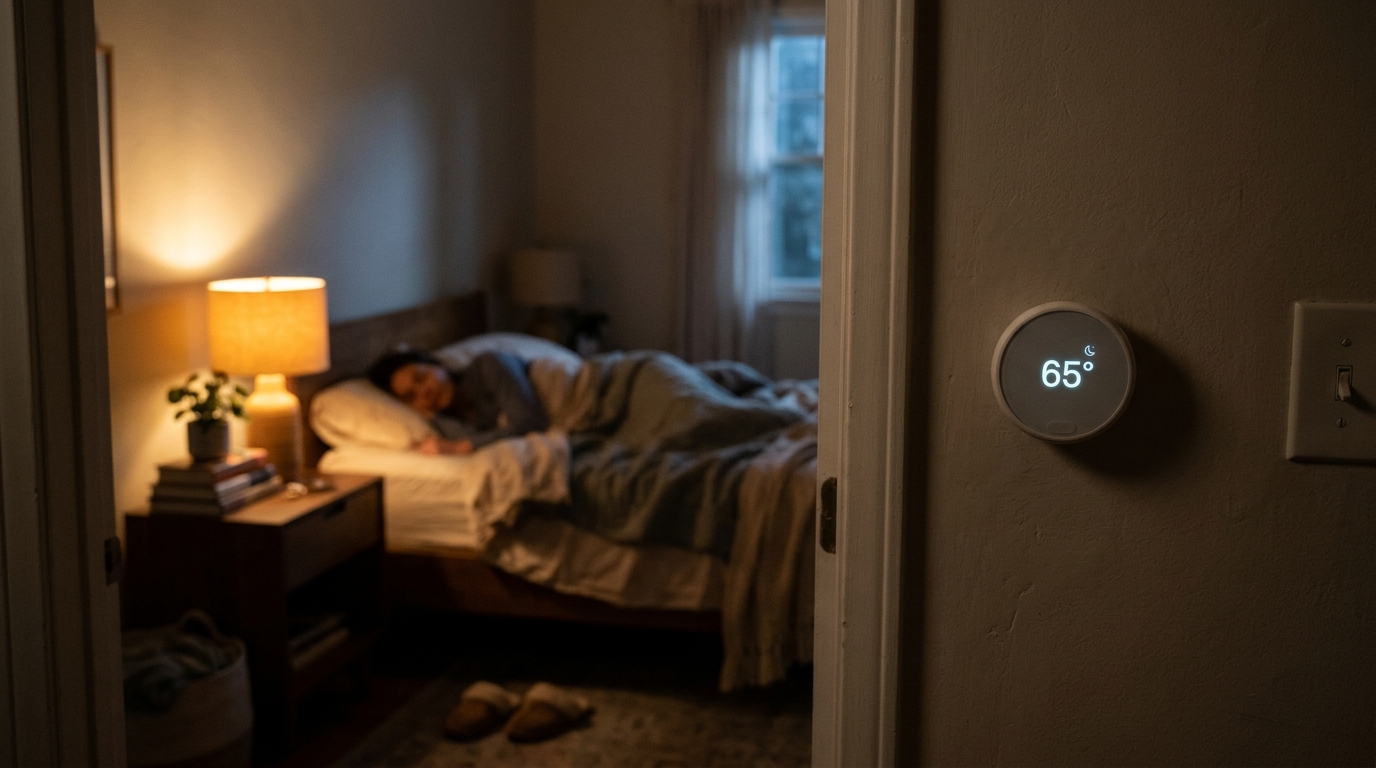
Most smart thermostats ship with a generic schedule that wastes energy overnight and leaves you tossing and turning at the wrong temperature. A sleep-optimized schedule that cools your bedroom to the 60 to 67 degree range at night and eases back up before you wake can improve rest while trimming heating and cooling costs by 10 to 15 percent.
You can set your bedroom to a textbook 68 degrees and still wake up sweaty, stuffy, or with a dry throat because relative humidity is quietly working against you. Keeping bedroom humidity between 40 and 50 percent can improve sleep comfort and even let you raise the thermostat a few degrees to cut cooling costs.
Sharing a bed means sharing a microclimate, but your bodies rarely agree on what that climate should be, thanks to metabolism, hormones, and bedding differences. The fix is usually not a compromise on one number, but zoning the temperature around each sleeper and setting the room to a smart baseline.
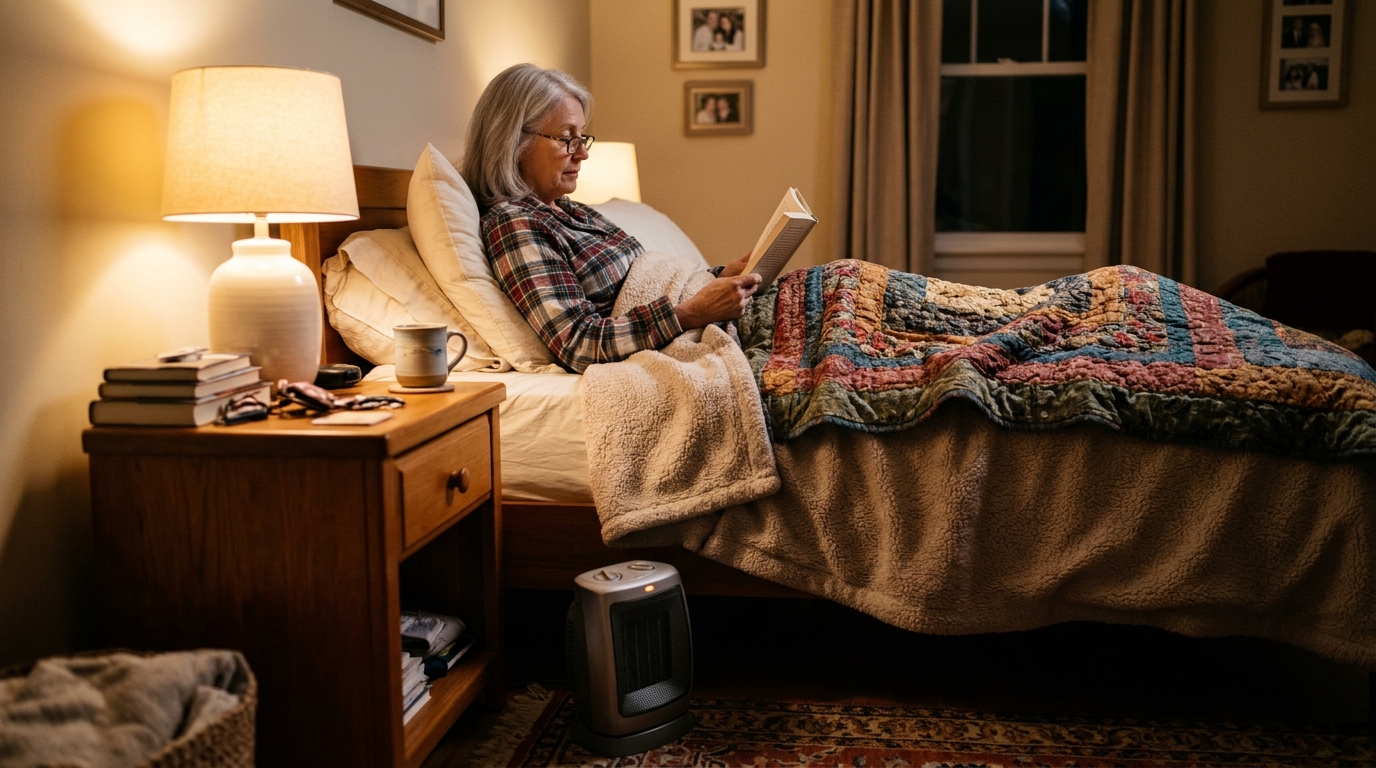
As we age, our bodies lose the ability to regulate temperature as well, which is why a bedroom that felt fine at 40 can feel chilly at 70. Targeting warmth at the bed and the bedroom itself costs far less than turning up the whole-house thermostat, and it can improve sleep and safety at the same time.
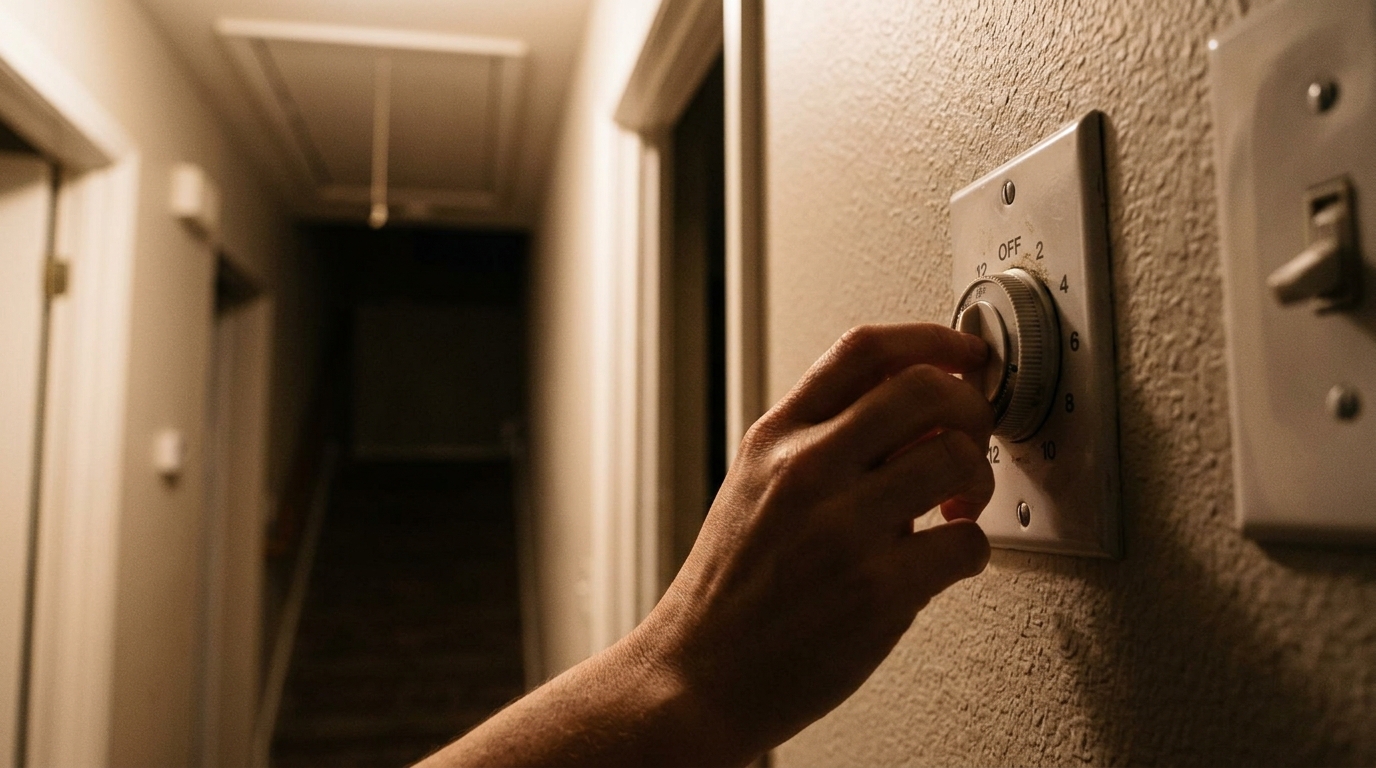
Your attic can hold onto 120 to 150 degree air long after the sun goes down, slowly radiating heat into your bedrooms all night. A simple timer on an attic fan flushes that heat out during the coolest hours, often for pennies per night.
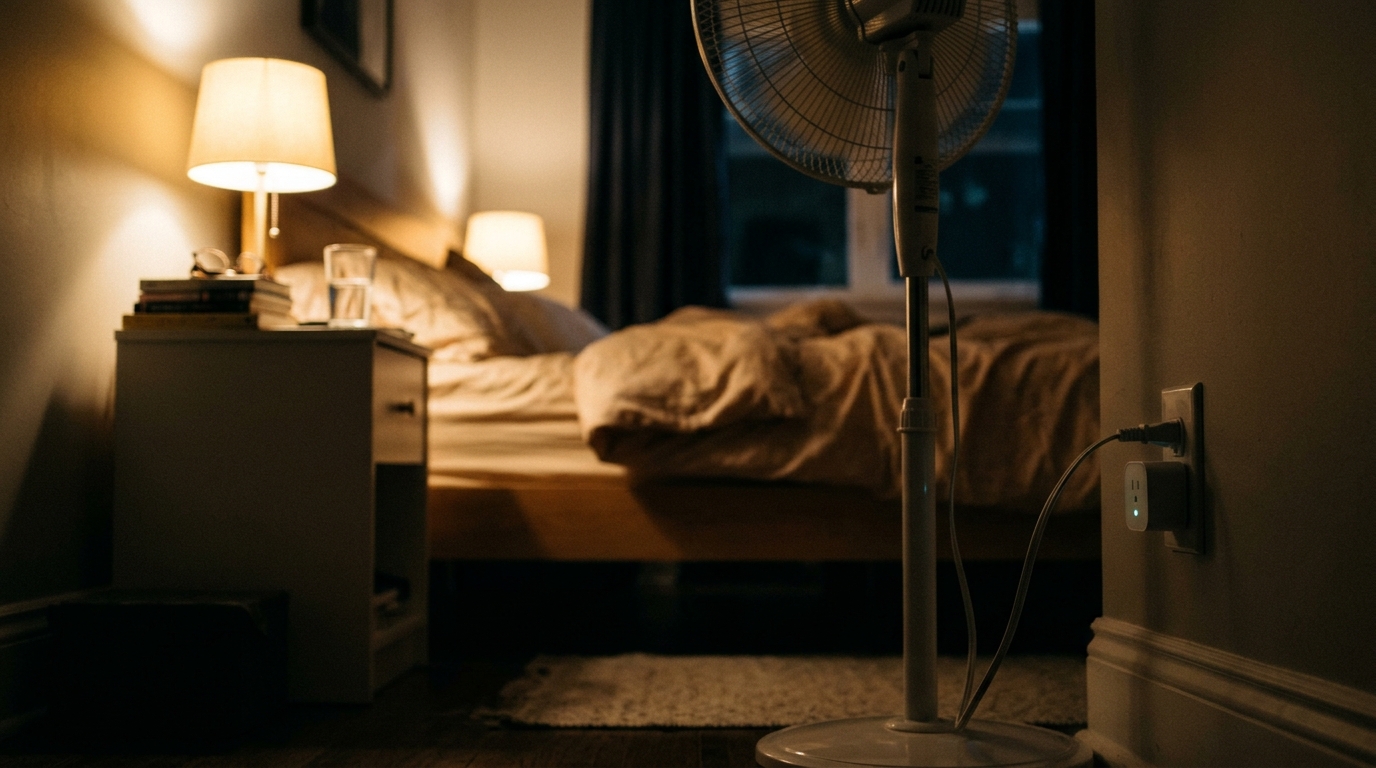
On many summer nights the outdoor air is cooler than your indoor air by 8 to 15 degrees, but most homeowners keep running the AC anyway. A $12 smart plug and a pair of fans can pull that free cool air through your house on a schedule, so your air conditioner runs less the next day.
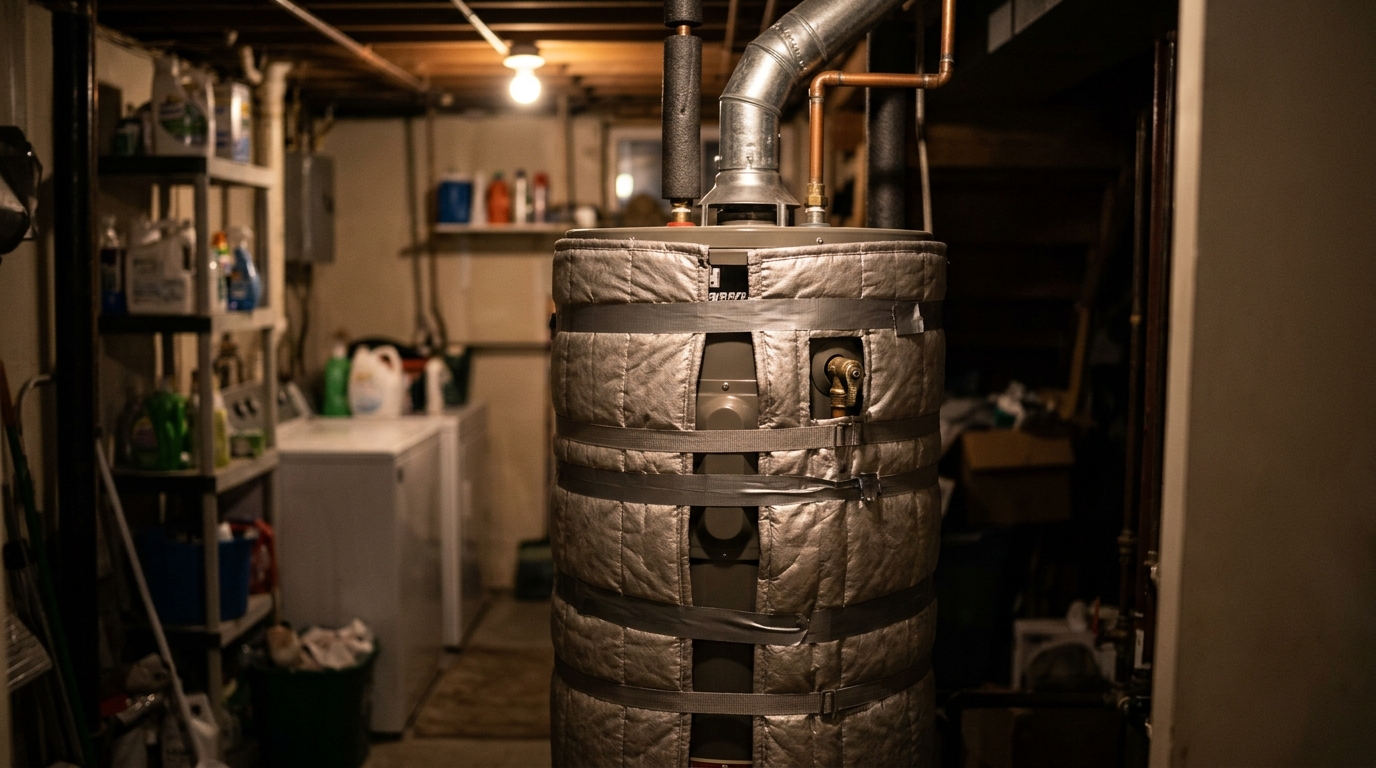
Your tank water heater keeps 40 to 60 gallons of water hot around the clock, and while you sleep, heat is quietly leaking through the tank walls and your furnace room floor. Wrapping the tank in insulation can cut that standby loss by 25 to 45 percent, saving roughly $20 to $45 a year for a project that often costs under $40.
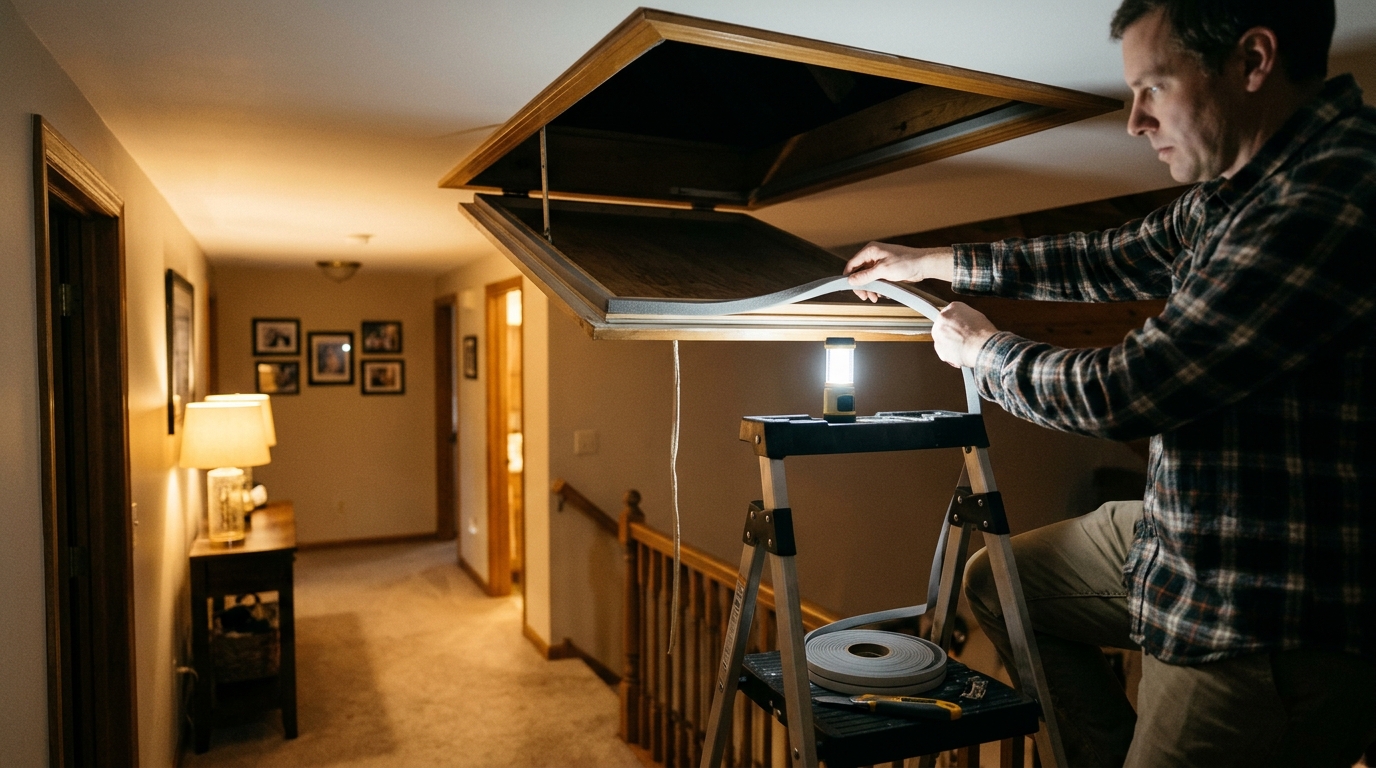
Your attic hatch is basically a 2-square-foot hole in your ceiling with almost no insulation and a leaky seal, letting heated air escape all winter. A weekend afternoon and about $30 to $75 in materials can cut that loss dramatically and pay for itself in a single heating season.