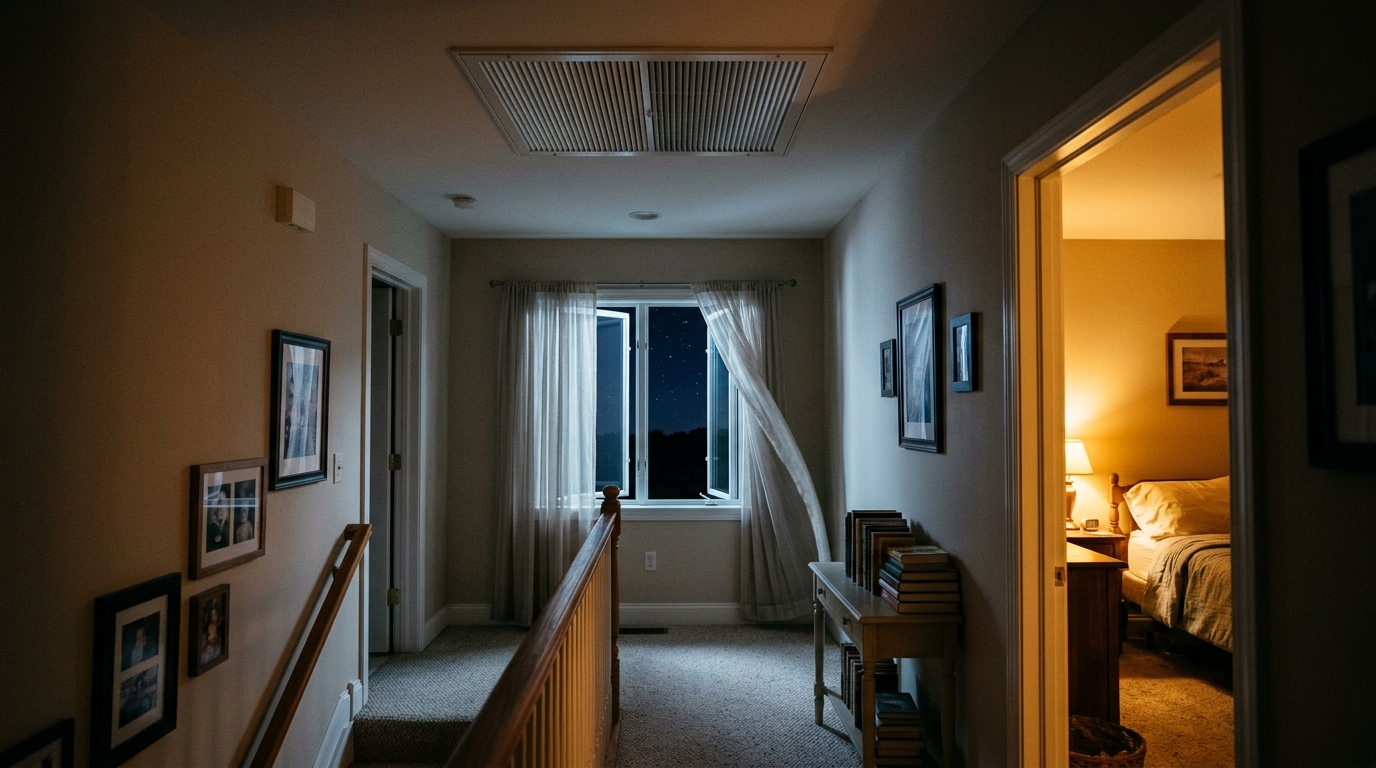
Running your air conditioner all night to fight stored daytime heat is one of the most expensive habits in summer. A properly sized whole-house fan, or even a smart window fan strategy, can flush that heat out for about a tenth of the electricity and cut cooling bills by 30 to 50% in the right climate.
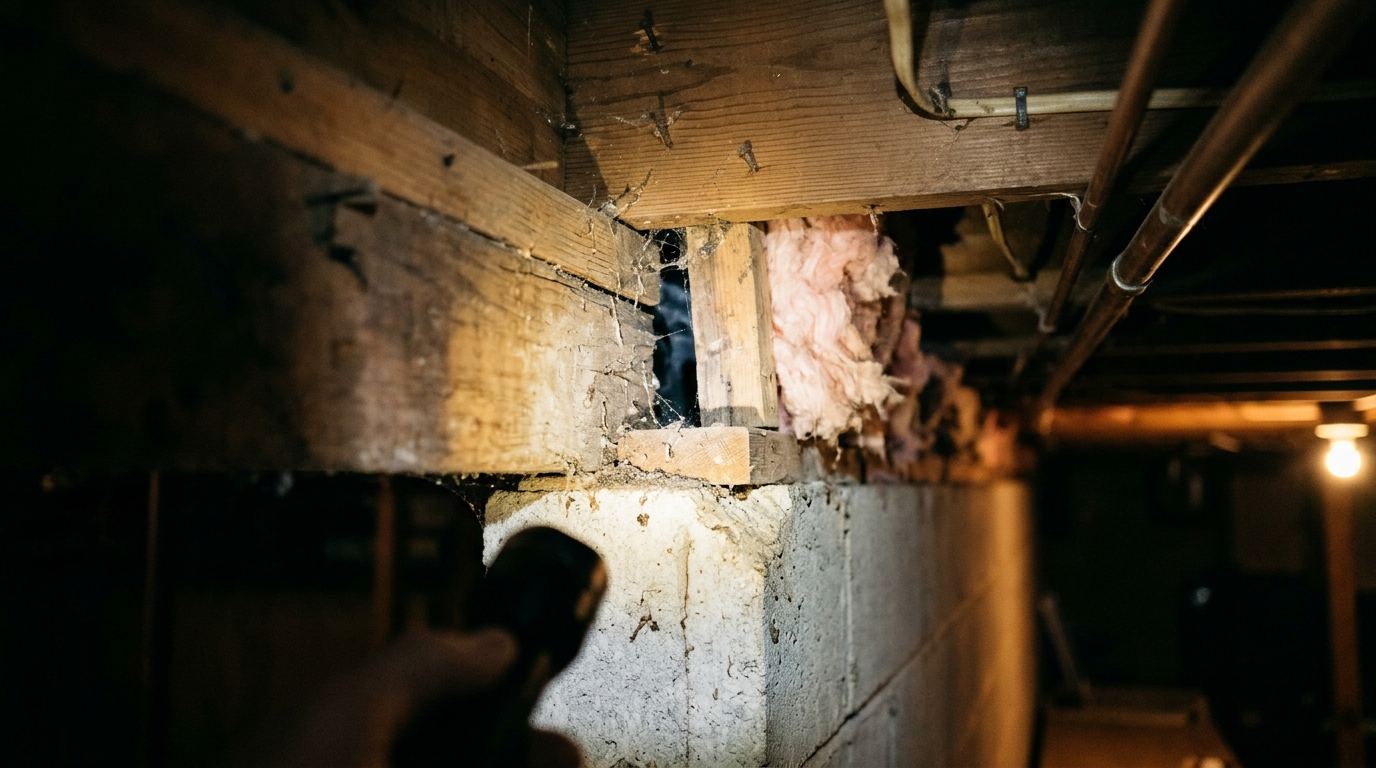
The rim joist, the band of wood sitting on top of your foundation wall, is one of the leakiest and least insulated spots in the average home. Sealing and insulating it takes a weekend afternoon, costs under $300, and typically pays for itself in one to three years.
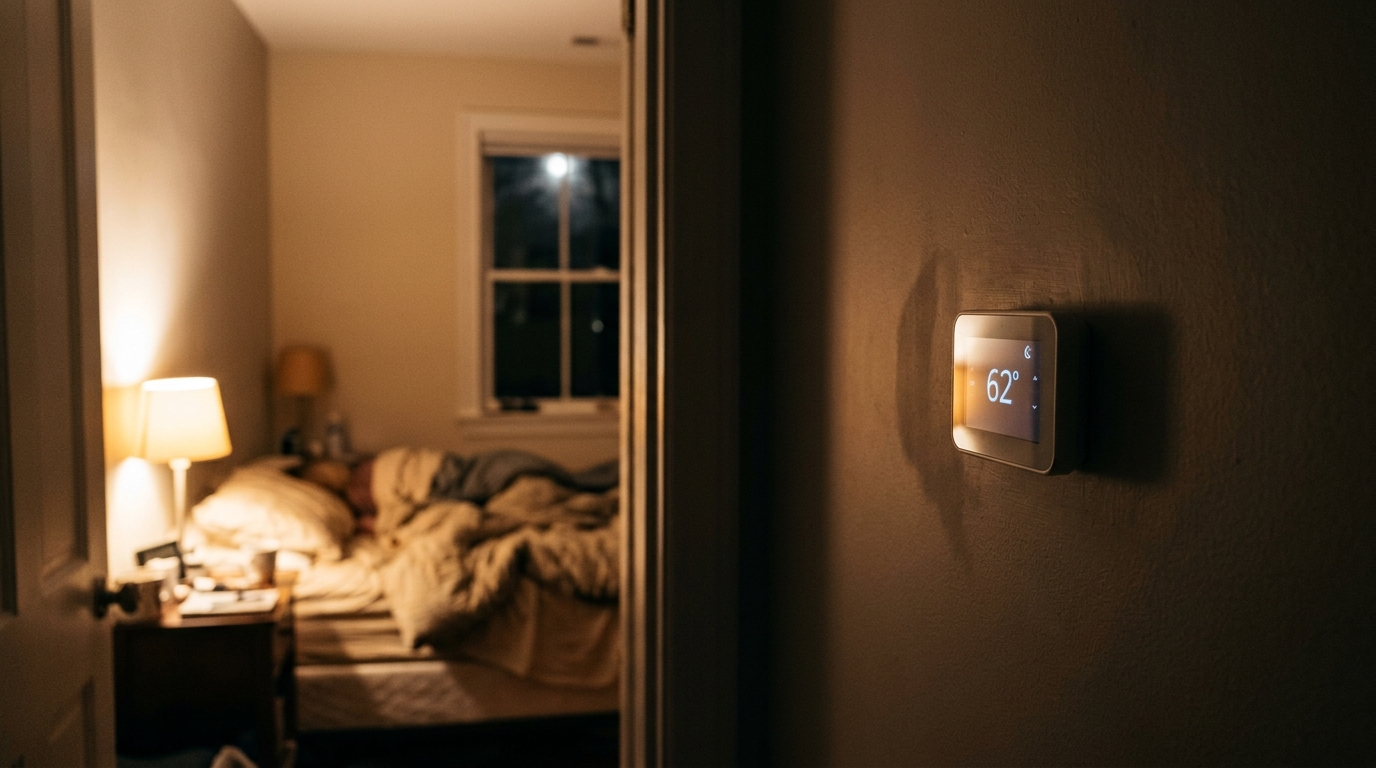
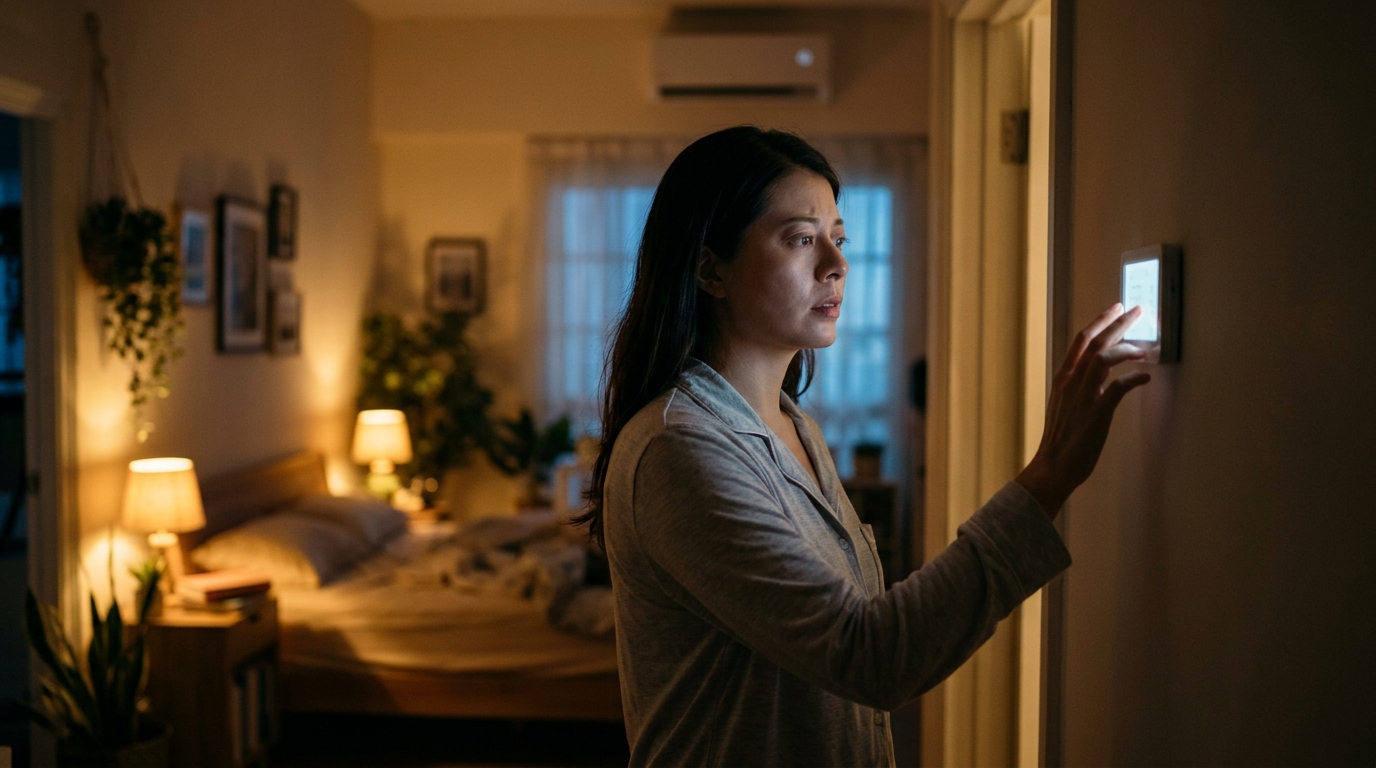
Many homeowners keep their boiler at one temperature around the clock, wasting fuel while everyone sleeps under blankets. A well-designed nighttime setback of 5 to 8 degrees can trim 5 to 10% off heating bills without leaving you shivering at breakfast.
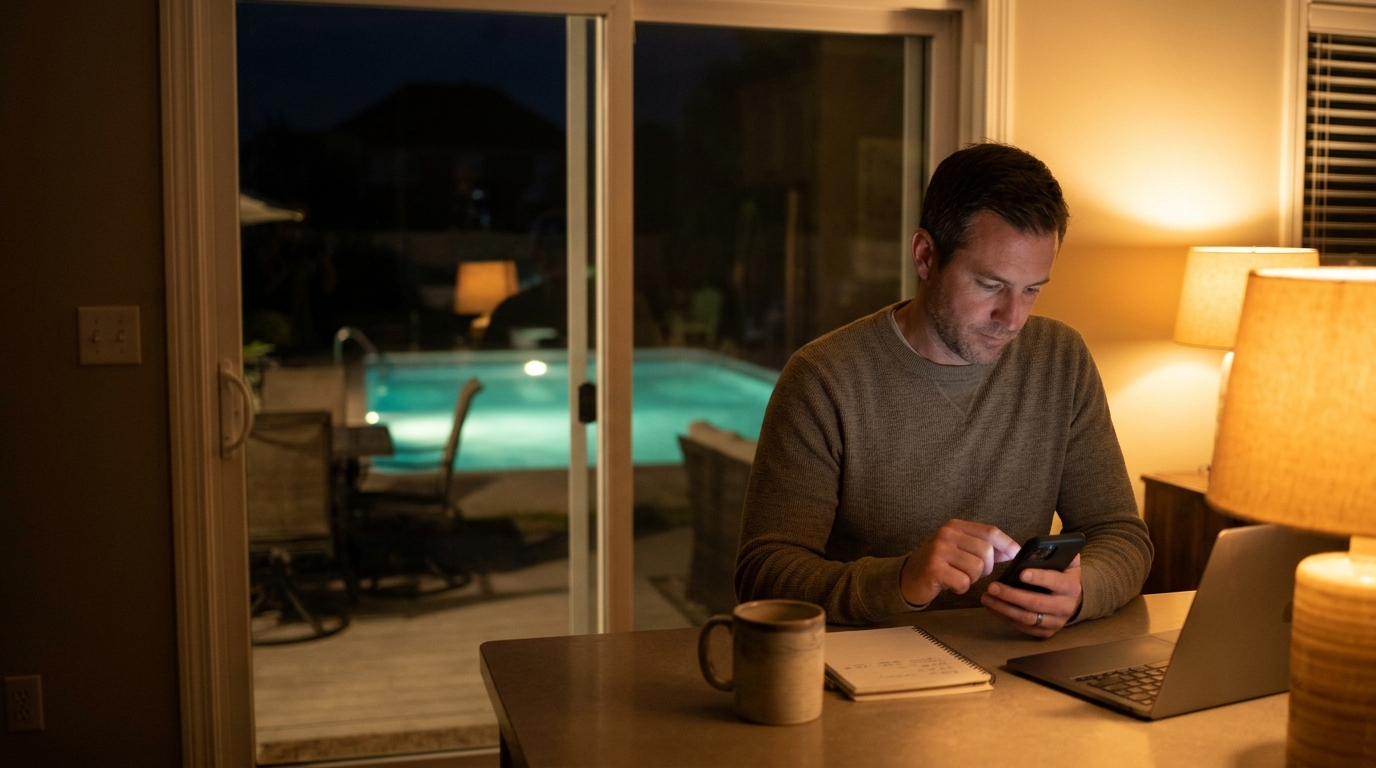
A single-speed pool pump running 12 hours a day can cost $600 to $900 a year in electricity, often for water that only needs about half that much filtering. Trimming run time, shifting it to off-peak hours, and adding a variable-speed pump can cut that bill by 50 to 90 percent.
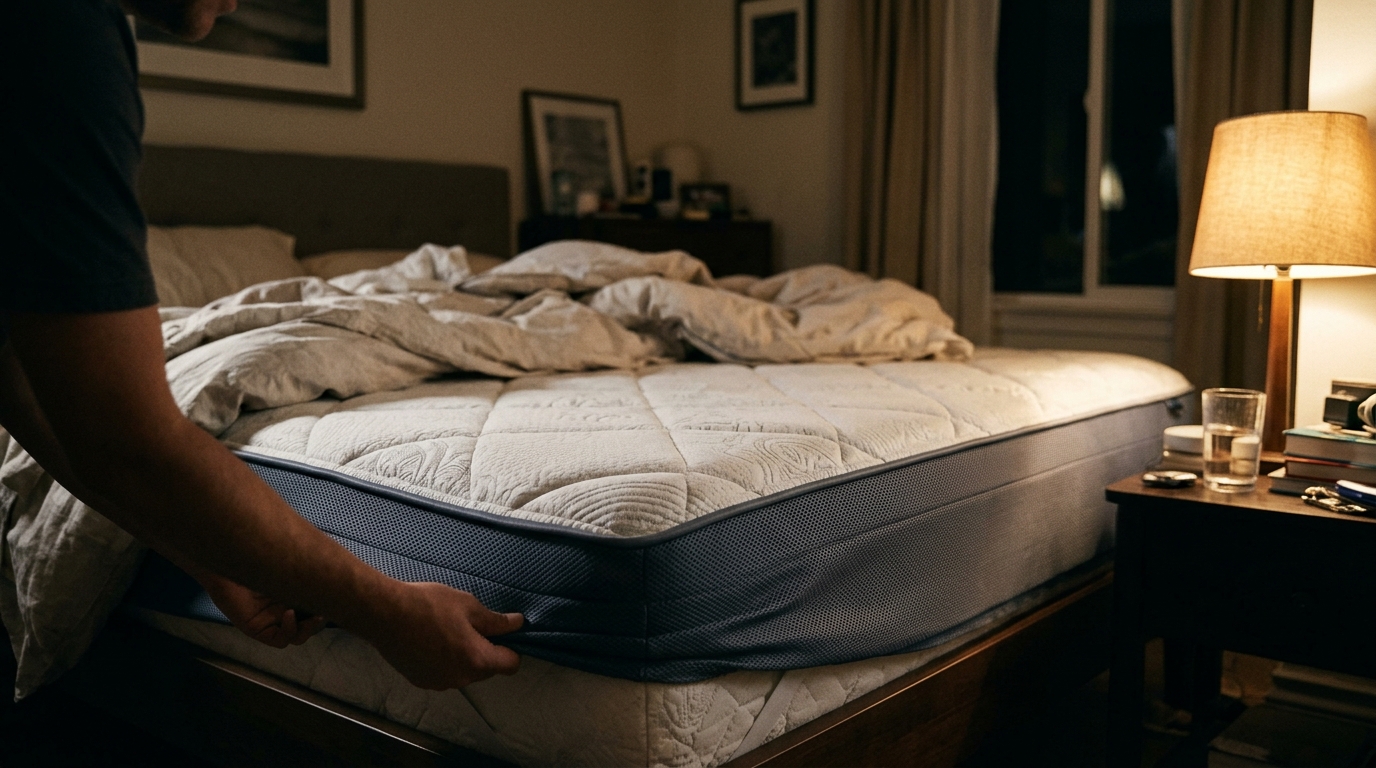
Cooling your whole house to 66 degrees just so you can sleep comfortably wastes energy on 2,000 square feet of empty rooms. Water-circulating and active-airflow mattress pads cool only your bed, letting you raise the thermostat 4 to 6 degrees overnight and still sleep better.
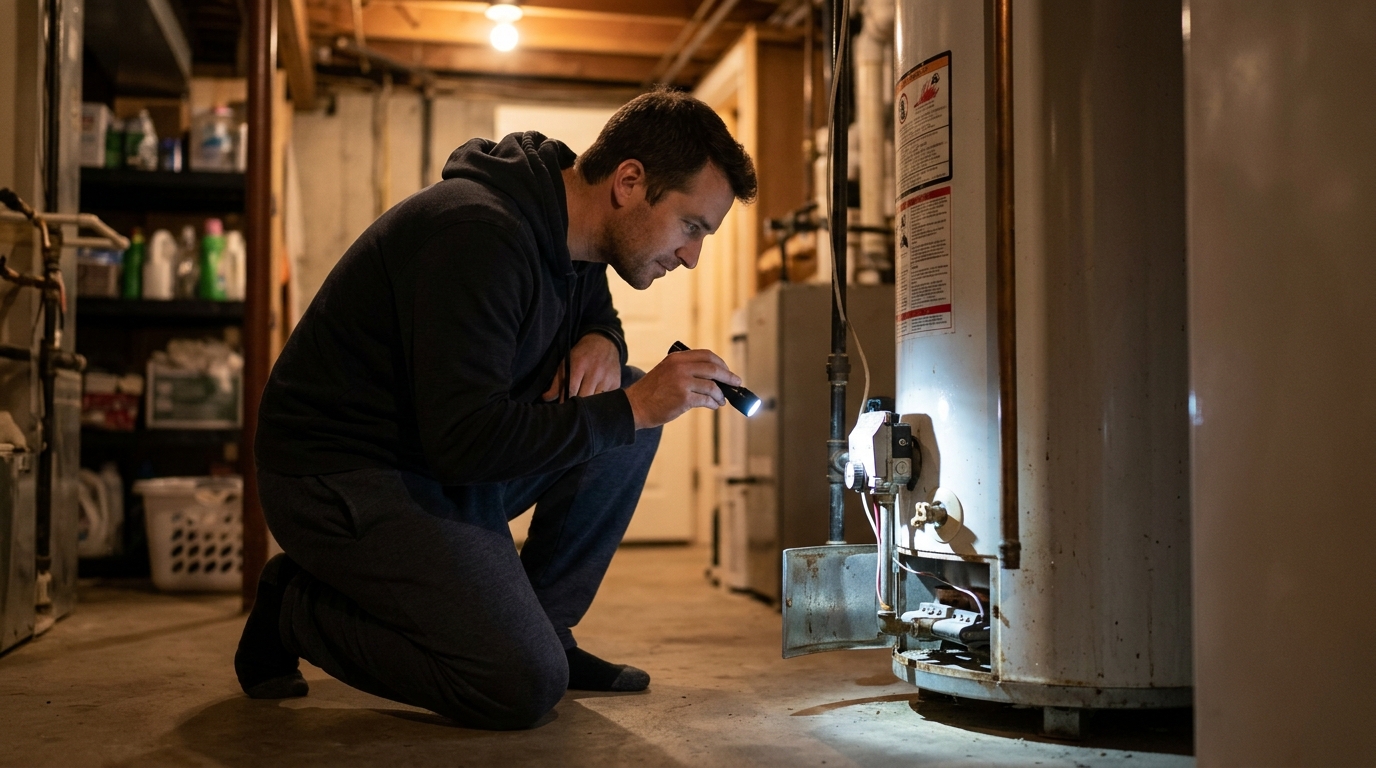
A pilot light that keeps dying overnight is annoying, and it can feel alarming, but the cause is often a dirty pilot orifice, a failing thermocouple, or a nighttime draft rather than a dangerous gas problem. Knowing how to tell a simple nuisance from a real hazard can save you a $150 to $300 service call and the cost of cold showers.
Many homeowners switch their thermostat to Fan On or Fan Only at night, hoping to save money while keeping air moving. But in humid climates this habit can raise indoor humidity, make bedrooms feel clammy, and even encourage mold growth, so here is what is really happening and how to fix it.
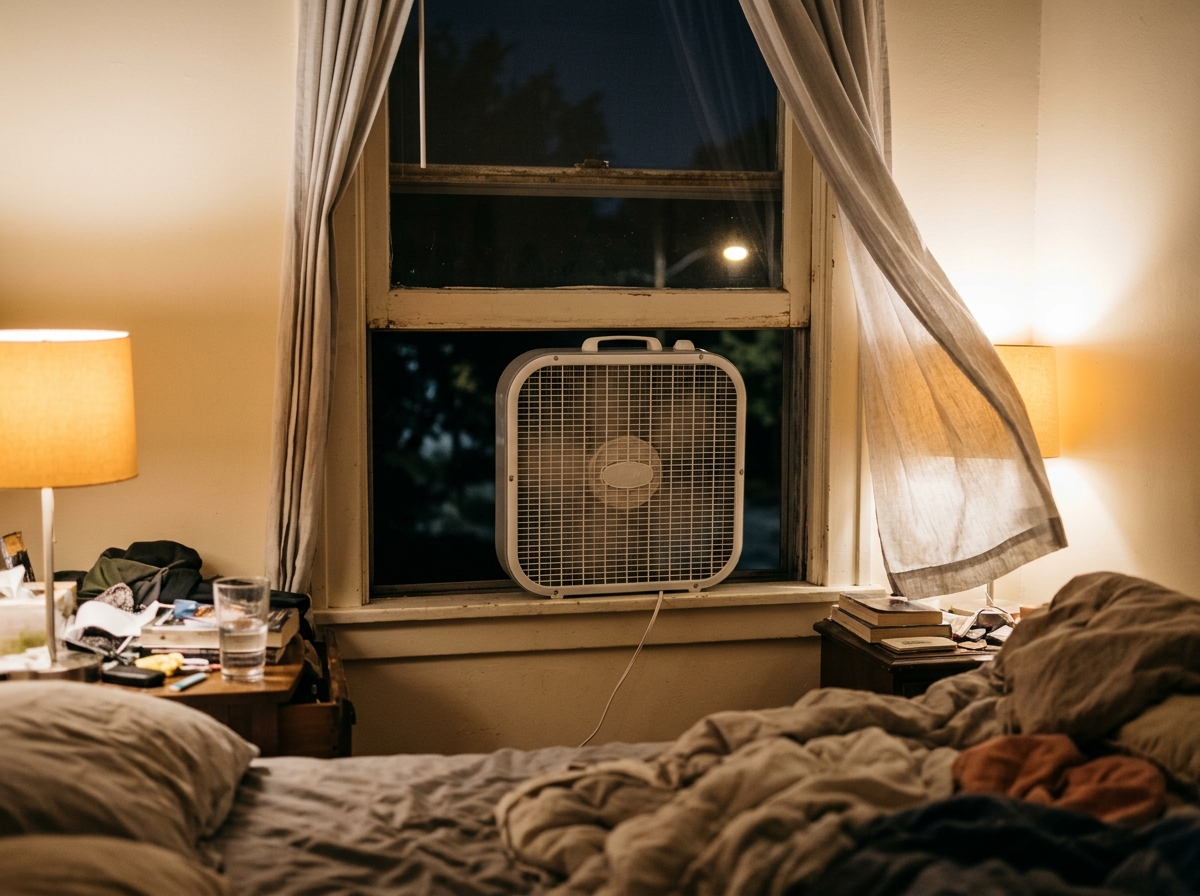
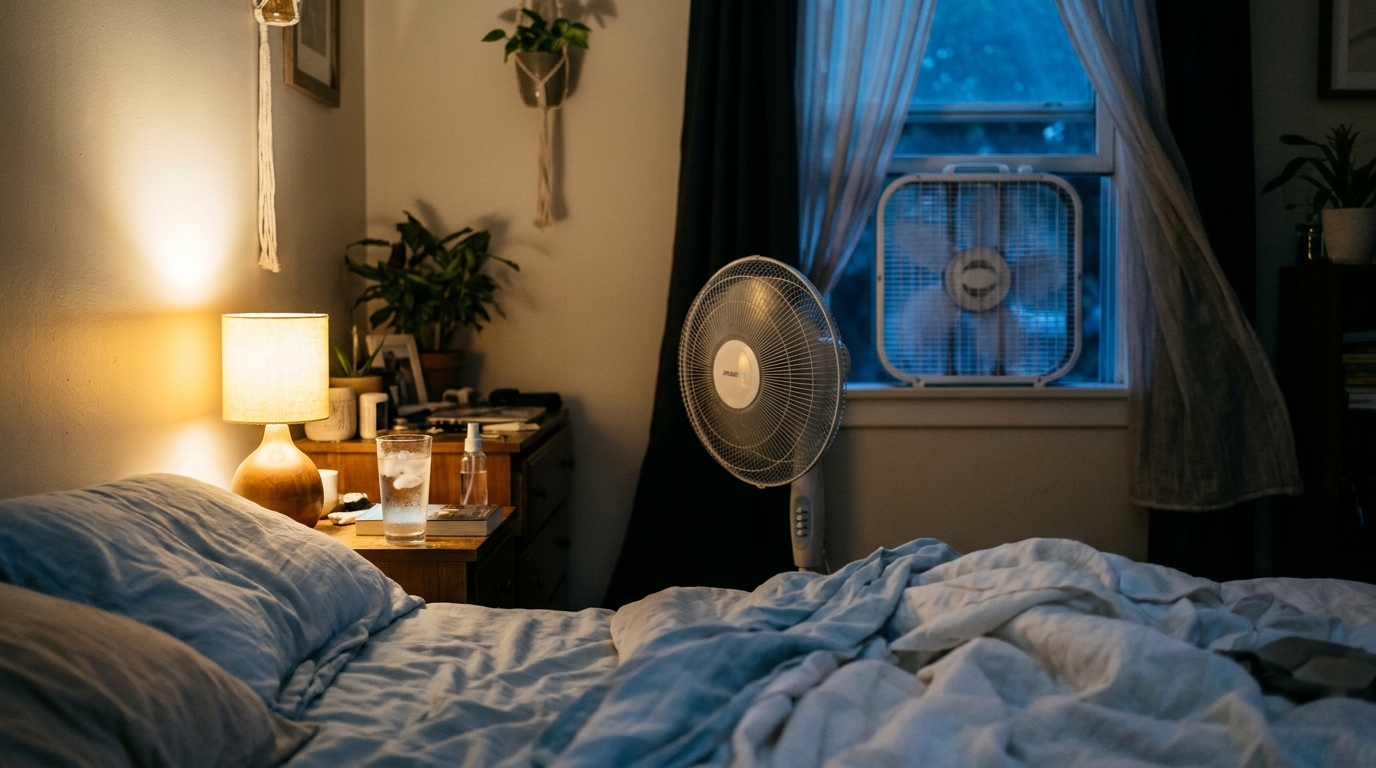
Most people put a box fan in the window facing inward, hoping to push cool night air into the house, but that setup often leaves heat trapped inside. Pointing the fan outward exhausts hot indoor air and pulls cooler air in through other openings, cooling your home faster for just pennies per night.
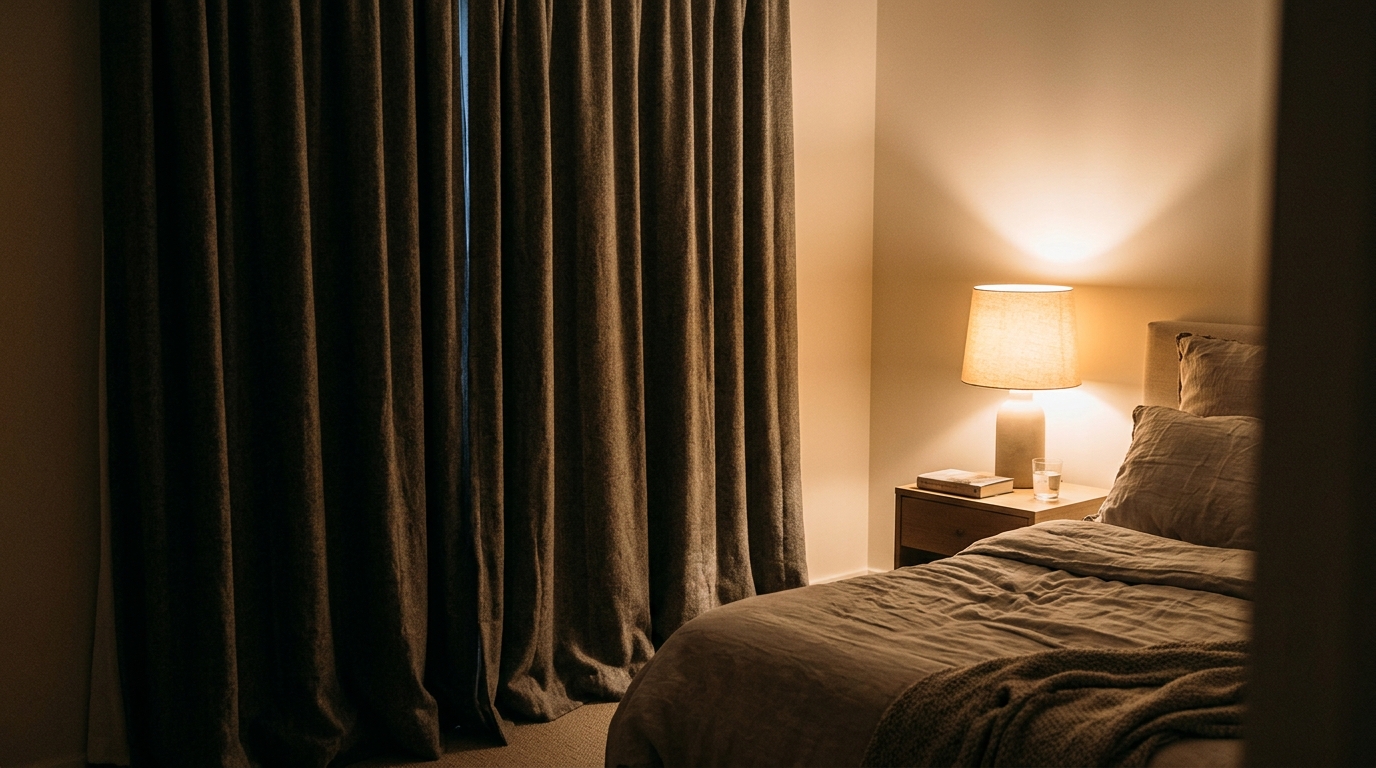
Most of the heat that makes your house miserable at 9 p.m. actually entered through your windows at 2 p.m. Closing the right window coverings at the right time can cut solar heat gain by up to 33 percent and keep your AC from fighting an uphill battle all evening.
Heat that builds up all day makes bedrooms miserable at night, and cooling a whole house without central air is expensive and often impossible. The smart fix is to cool only the room where you sleep, using shade, airflow, and a right-sized cooling source to hold the bedroom 5 to 15 degrees below the rest of the house.