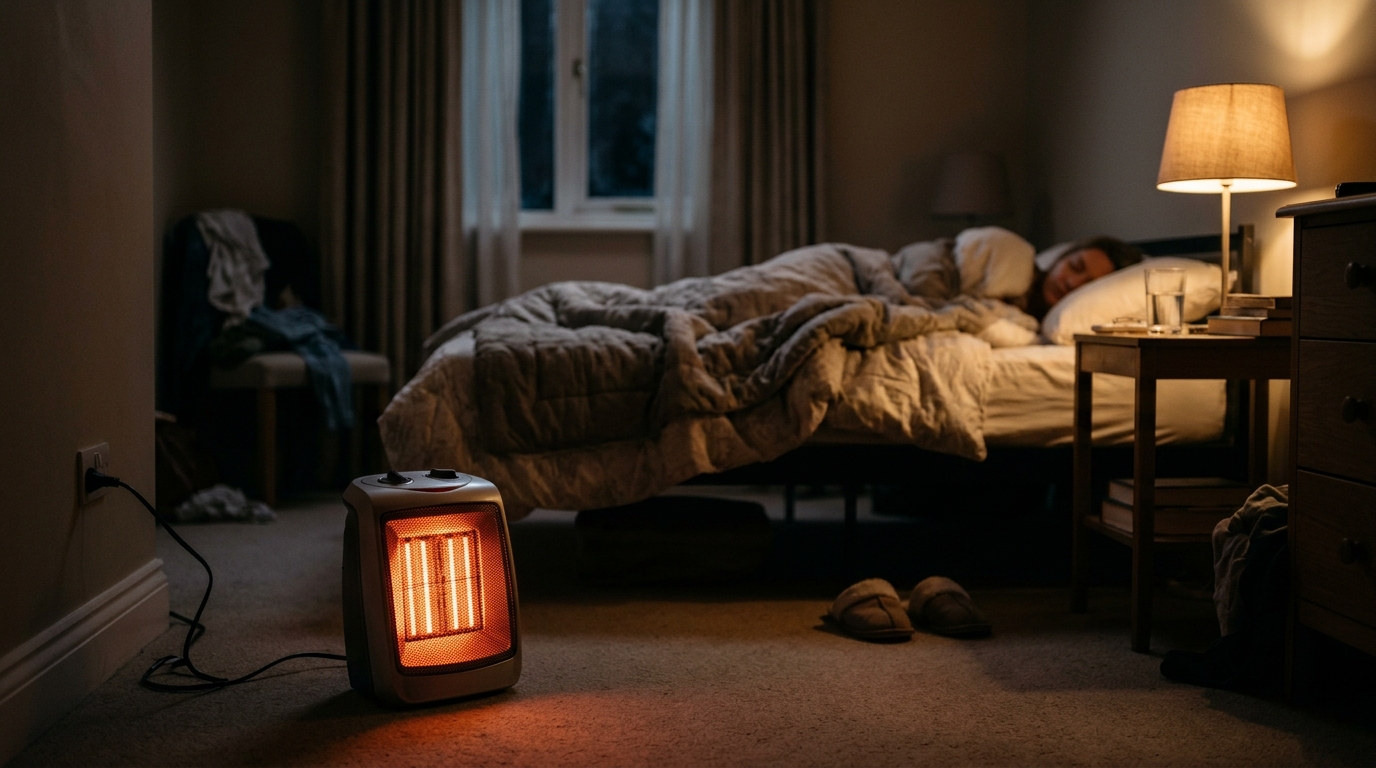
Here is a scene that plays out in millions of homes every winter: the thermostat gets turned down to save money, the bedroom feels chilly, and a space heater gets plugged in and left running until morning. It feels frugal. You are only heating one room, after all. But the math tells a different story. A standard 1,500-watt space heater uses 1.5 kilowatt-hours every hour it runs at full output. Over an 8-hour night, that is 12 kWh. At the U.S. average of roughly 16 cents per kWh, that is about $1.90 per night, or around $57 over a 30-night month, for one room.
The trap is that many people run the heater on top of a furnace that is still cycling, or they leave the thermostat set higher than it needs to be because the rest of the house still feels cold. Electric resistance heat is also about as expensive as home heating gets. A gas furnace delivers heat at roughly a third to half the cost per unit of energy, and a heat pump can deliver two to three times more heat per dollar than a space heater. When a space heater replaces cheap heat with expensive heat, your bill goes up, not down.
This post breaks down why the habit costs so much, how to get the same nighttime comfort for far less, and when a space heater actually does make sense. You will find a no-cost quick fix you can start tonight, a more permanent DIY upgrade, and answers to the questions homeowners ask most.
What You’ll Need
Click on an item below to shop for the recommended items for this recipe on Amazon.
As an Amazon Associate, we earn from qualifying purchases.
How to Do It
- Stop running the heater on full overnight. Use it for just 30 to 45 minutes before bed to take the chill off, then turn it off when you get in.
- Set your central thermostat to 62 to 66 degrees F at night instead of compensating with a heater. Dropping 7 degrees for 8 hours saves roughly 10% on annual heating costs.
- Layer your bed with a flannel or wool blanket and a comforter. A heated mattress pad or electric blanket uses only 50 to 200 watts, about 10% of a space heater, and costs roughly 5 cents a night.
- Close the bedroom door and blinds at night, and place a rolled towel at the bottom of the door to block cold air.
- If you must keep a heater on, choose one with a real thermostat and a tip-over shutoff, set it to 62 to 65 degrees F, and keep it at least 3 feet from bedding and curtains.
- Find the leaks. On a windy day, hold a stick of incense or a lit candle near window frames, outlets on exterior walls, and the baseboards. A wavering flame or smoke shows where cold air sneaks in.
- Seal windows with removable rope caulk or weatherstripping ($10 to $20) and apply a window insulation film kit ($15 to $25 per couple of windows). Window film can reduce heat loss through glass by 10 to 25%.
- Add foam gasket sealers behind outlet and switch plates on exterior walls ($5 to $10). These are cheap and surprisingly effective at stopping drafts.
- Install a door sweep on the bedroom door and any exterior door ($10 to $20), and add thermal-lined curtains over cold windows ($30 to $80 per window).
- Check that the bedroom supply vent is open and unblocked, and that furniture or rugs are not covering the return. Poor airflow is a common reason one room runs cold.
- Consider adding a programmable or smart thermostat ($25 to $150) so the whole house drops at night and warms before you wake, rather than relying on plug-in heat.
- Book an HVAC technician or energy auditor to check airflow to the cold room. Leaky, disconnected, or undersized ducts are common causes and often fixable in a single visit.
- Ask for a duct leakage test and a blower door test if the room sits over a garage or crawl space, since uninsulated floors and rim joists lose a lot of heat.
- Have insulation added where needed, such as in the attic above the room or the floor cavity below it, aiming for the recommended R-value for your climate zone.
- Ask about a ductless mini-split heat pump for a stubborn room. It can deliver 2 to 3 times more heat per dollar than a resistance heater and often qualifies for rebates or the federal efficiency tax credit.
Why It Works: The Benefits
Cutting an all-night 1,500-watt heater can save $40 to $60 a month, which adds up to $160 to $240 over a typical 4-month heating season.
The National Fire Protection Association reports that space heaters are involved in roughly 40% of home heating fires and the vast majority of heating-related fire deaths. Not running one unattended while you sleep removes the biggest risk.
Sleep researchers generally find that a bedroom around 60 to 67 degrees F supports deeper sleep. Overheated rooms and dry heater air can cause restless nights and morning congestion.
Resistance heaters dry out indoor air, dropping humidity that is already low in winter. Moving away from all-night use helps keep humidity in the comfortable 30 to 45% range.
Sealing drafts and improving bedding can raise perceived comfort by 5 to 8 degrees, often making the heater unnecessary for most of the night.
💰 Savings Impact by Action
Replacing 8 hours of all-night heater use with a 100-watt heated mattress pad cuts that nighttime electric load by about 85%.
Lowering the thermostat 7 to 10 degrees F for 8 hours a night saves up to 10% on annual heating costs, per the Department of Energy.
Sealing windows, outlets, and door gaps can cut heat loss in a leaky room by 10 to 20%, reducing how much heat you need to add.
Insulating film over single-pane or older windows reduces heat loss through the glass by roughly 10 to 25%.
Bringing attic insulation up to R-38 or more can lower whole-house heating costs by 10 to 15%, with the biggest gains in older homes.
🏠 Key Concepts Explained
The Science Behind It
The reason a space heater is so costly comes down to how much heat each dollar buys. Electric resistance heaters are close to 100% efficient at turning electricity into heat, but electricity itself is expensive per unit of energy. Natural gas, by comparison, often costs about a third as much per BTU delivered, even after accounting for furnace efficiency of 80 to 96%. A heat pump goes further by moving heat rather than generating it, delivering a coefficient of performance of 2 to 3 in typical winter conditions, which means every unit of electricity buys 2 to 3 units of heat. A space heater can never beat 1 to 1.
The second piece is heat loss. A room loses heat in proportion to the temperature difference between inside and outside, multiplied by how leaky and poorly insulated its surfaces are. A single-pane window or a drafty gap can lose heat so quickly that a 1,500-watt heater just keeps up with the loss rather than raising the temperature. Every degree you try to add costs more when the room is leaking heat out at the same time. Sealing the leaks reduces the load, so the same heat goes much further.
Finally, there is the sleep effect. Your body naturally lowers its core temperature to fall asleep and stay asleep, which is why a cooler room of roughly 60 to 67 degrees F tends to support better rest. Warm bedding handles the local heat your body needs without heating thousands of cubic feet of room air. That is why a heated mattress pad drawing 100 watts can feel warmer than a 1,500-watt heater blowing into a cold room.
Frequently Asked Questions
▼ Why is my electric bill still high even after I stopped using the space heater all night?
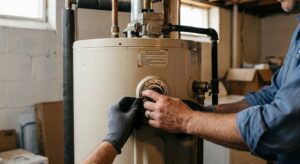
Check whether your furnace or heat pump is running longer to compensate, and look for other big winter loads like electric water heating or holiday lighting. Compare your kWh usage, not just the dollar amount, to the same month last year. If usage is still high, a home energy audit can pinpoint the cause.
▼ Can renters do these fixes without landlord permission?
Yes, most of them. Removable window film, rope caulk, door sweeps with adhesive backing, thermal curtains, foam outlet gaskets, and heated mattress pads all install without tools or permanent changes. Save the duct and insulation work for your landlord to handle.
▼ How long before I actually notice savings on my bill?
You will see the difference on your next bill, since a space heater is a measurable load. If you cut a 1,500-watt heater running 8 hours a night, expect roughly $40 to $60 less per month. Weatherization savings show up gradually across the whole season.
▼ What if my home is older than 30 years?
Older homes usually have more air leakage and less insulation, so the cold room problem is often worse and the DIY upgrade pays back faster. Start with air sealing and window treatments, then consider an energy audit, since many utilities offer free or discounted ones for older homes.
▼ Is a space heater ever the right choice?
Yes. If you only use a single room for a few hours, such as a home office, and you want to keep the rest of the house cooler, a thermostat-controlled heater can save money. The savings disappear when it runs all night or on top of a furnace that is already heating the same space.
Quick Tips
- Check your actual heater wattage on the label. Most are 1,500 watts at high and 750 watts at low, and the low setting costs half as much to run.
- Calculate your own cost with this formula: watts divided by 1,000, times hours, times your rate per kWh. Seeing the dollar figure often ends the habit on its own.
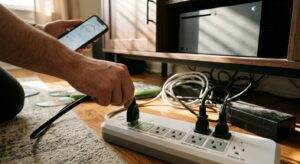
- Use a plug-in outlet timer to shut the heater off automatically after 45 to 60 minutes of pre-bed warming.
- Open the bedroom curtains on sunny winter days to let solar heat in, then close them at dusk to hold it.
- Keep your bed away from exterior walls and windows if possible, since cold surfaces make you feel colder through radiant heat loss.
Variations for Your Situation
- Apartment/Rental: Focus on removable fixes. Use window film kits ($15 to $25), rope caulk ($8 to $12), a door draft stopper ($10 to $15), and a heated mattress pad ($40 to $80). Together these cost under $120 and take no permanent changes. If you pay your own electric bill, a heated mattress pad can replace a space heater and cut roughly $40 a month.
- Tight Budget (under $50): Lower the thermostat 5 to 7 degrees at night, add an extra blanket, roll a towel along the door gap, close curtains at dusk, and limit the heater to 30 minutes before bed using a $10 outlet timer. These steps are close to free and can still save $30 or more a month.
- Older Home (pre-1980): Expect higher baseline leakage and lighter insulation. Prioritize air sealing around windows, attic hatches, and outlets before anything else, then check attic insulation depth. Adding insulation to reach R-38 or higher in the attic often saves 10 to 15% on heating and makes bedrooms noticeably warmer.
- Home Office or Basement Room: If the space heater is for a work area, use a thermostat-controlled model sized to the room, run it only while you are there, and add a rug and weatherstripping to hold heat. Never leave it on when you leave the room.