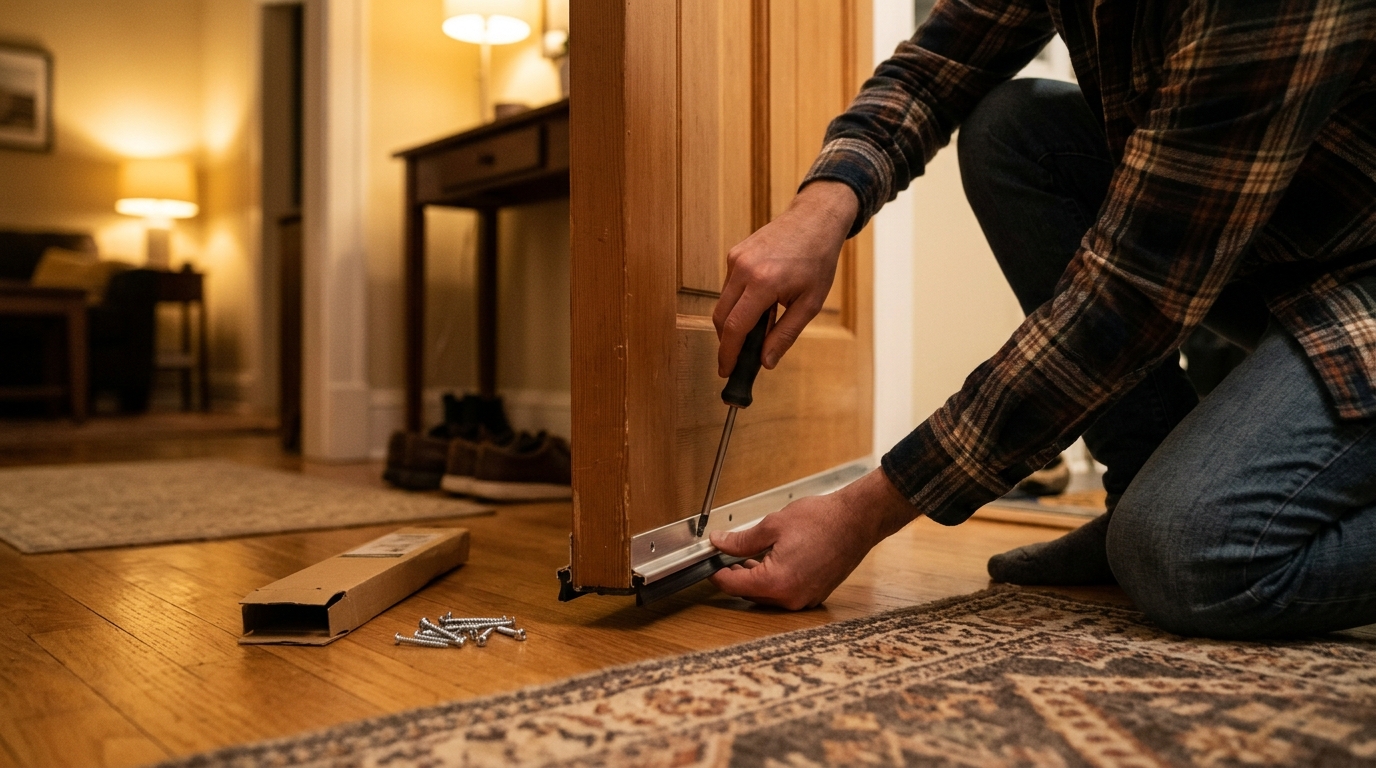
That thin strip of daylight under your exterior door is quietly leaking conditioned air, letting in drafts, dust, and even pests. A $10 to $25 door sweep closes the gap in under ten minutes and typically pays for itself within a single heating or cooling season.
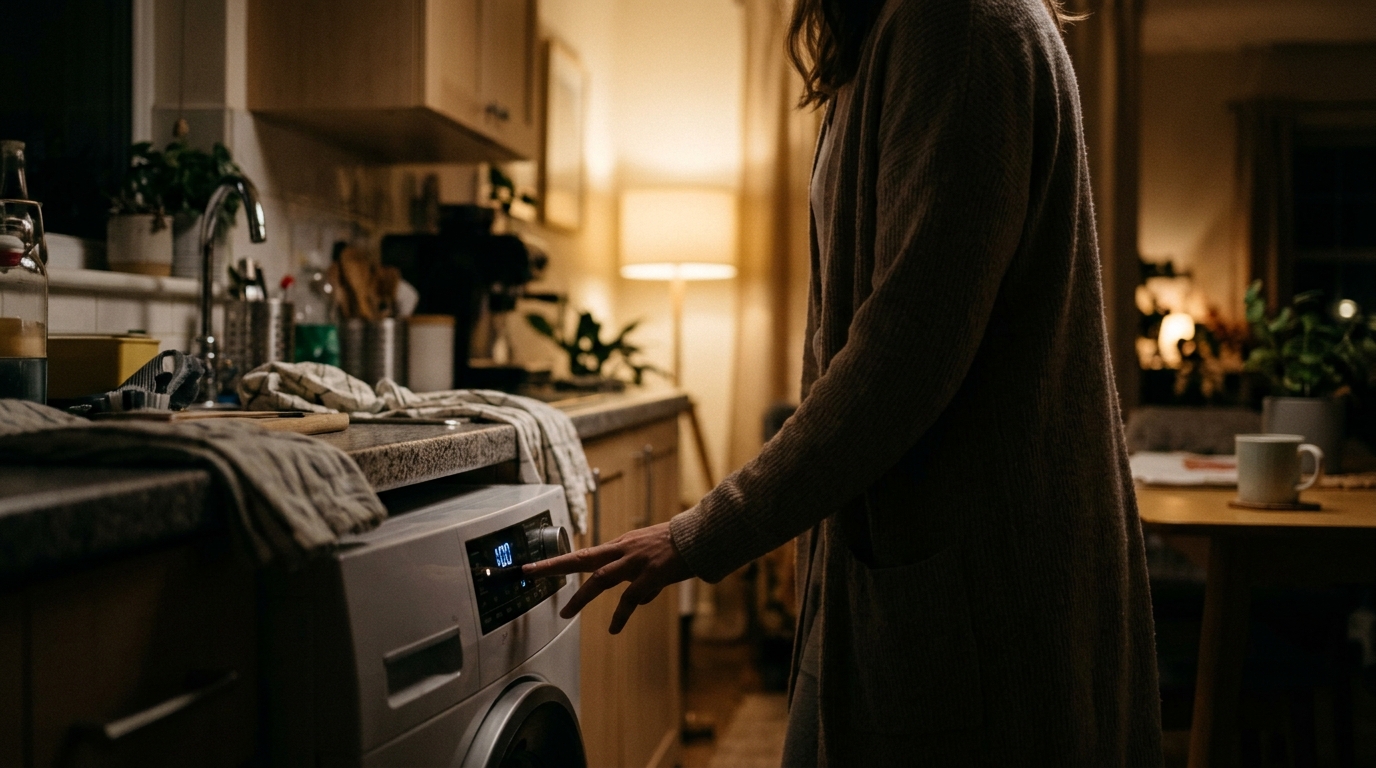
Many utilities now bill you not just for how much electricity you use, but for how fast you use it at your peak moment, and that single 15-minute spike can drive a large share of your bill. By understanding demand charges and moving big loads like EV charging, laundry, and dishwashing to overnight hours, most homeowners on these rates can trim their bills noticeably without using less energy overall.
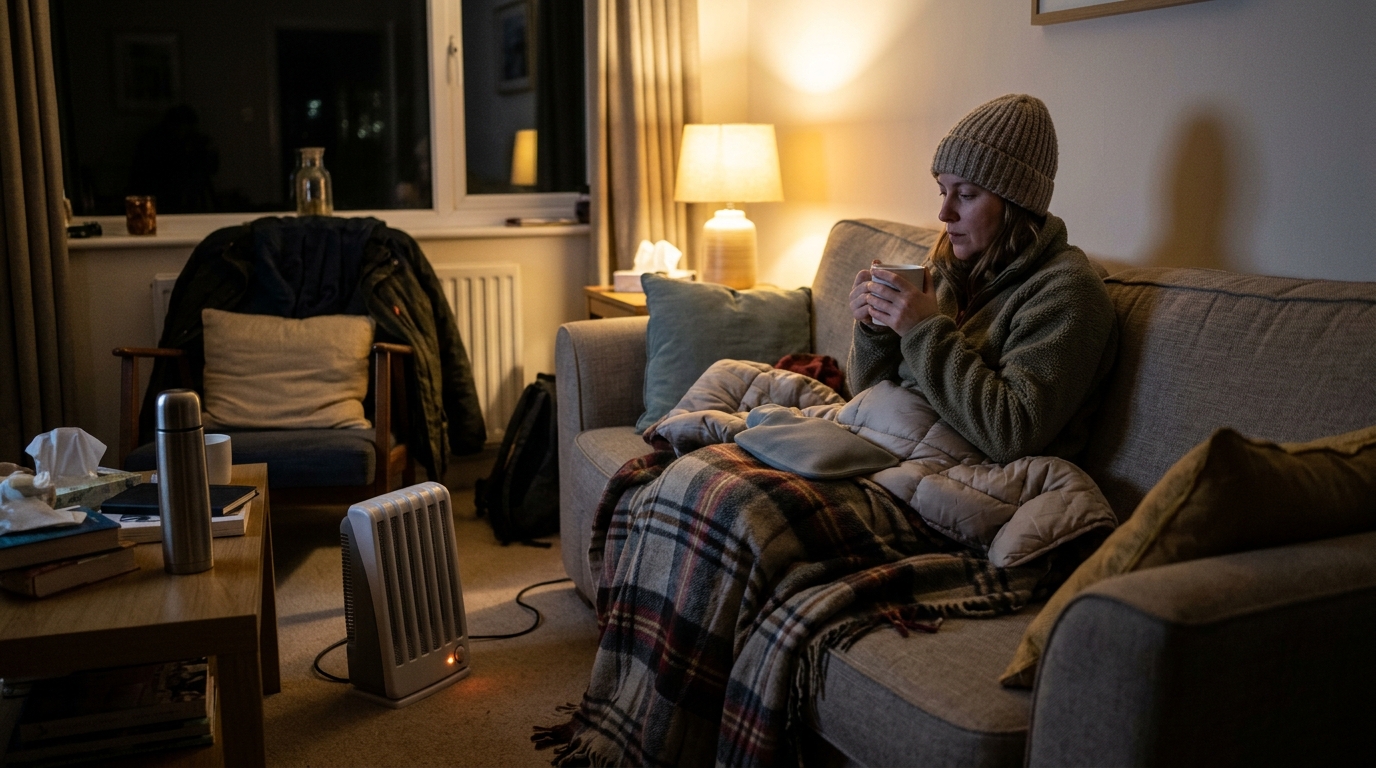
When your furnace quits at 10 p.m. and the earliest repair slot is tomorrow morning, a few smart moves can keep your home livable and your pipes safe. This guide covers fast checks that might restore heat in minutes and a step-by-step plan to hold in warmth until help arrives.
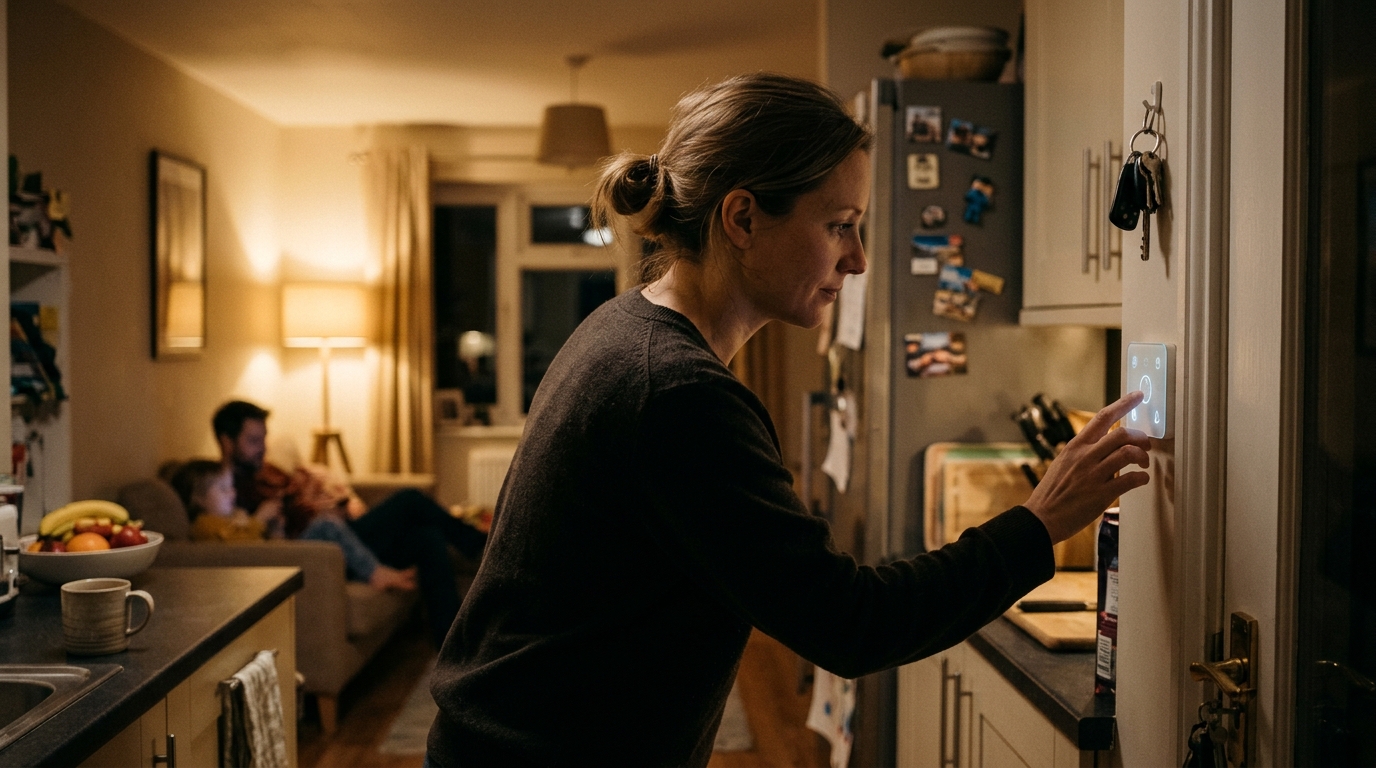
Many utilities charge two to four times more per kilowatt-hour during late afternoon and early evening, yet most households use the most power right then. By shifting a handful of big appliances and your thermostat schedule, you can cut your electric bill 10 to 20% without using less energy overall.
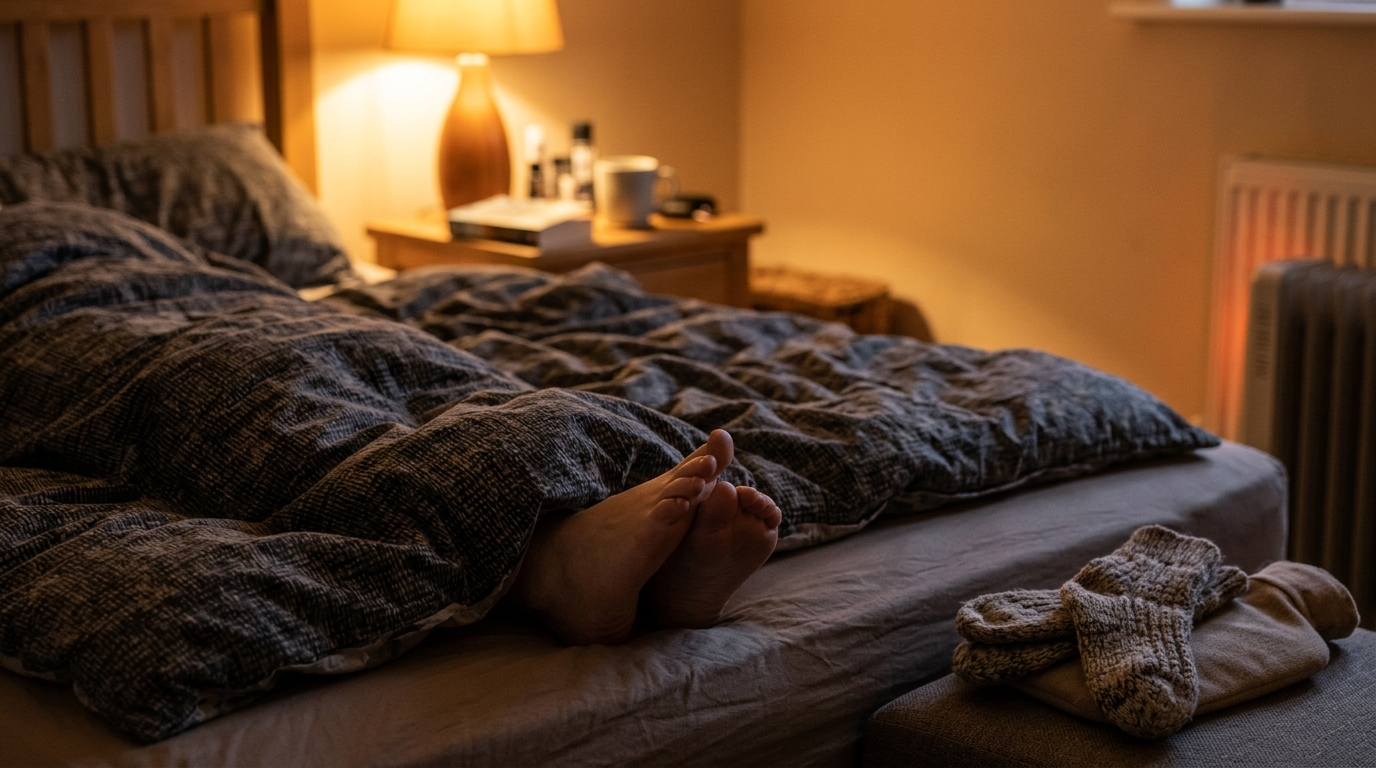
Your thermostat says 70 degrees, yet your feet feel like ice under the covers. The cause is usually a mix of cold floor surfaces, air stratification, drafts at floor level, and how your body shifts blood flow at night, and most of it can be fixed for under $200.
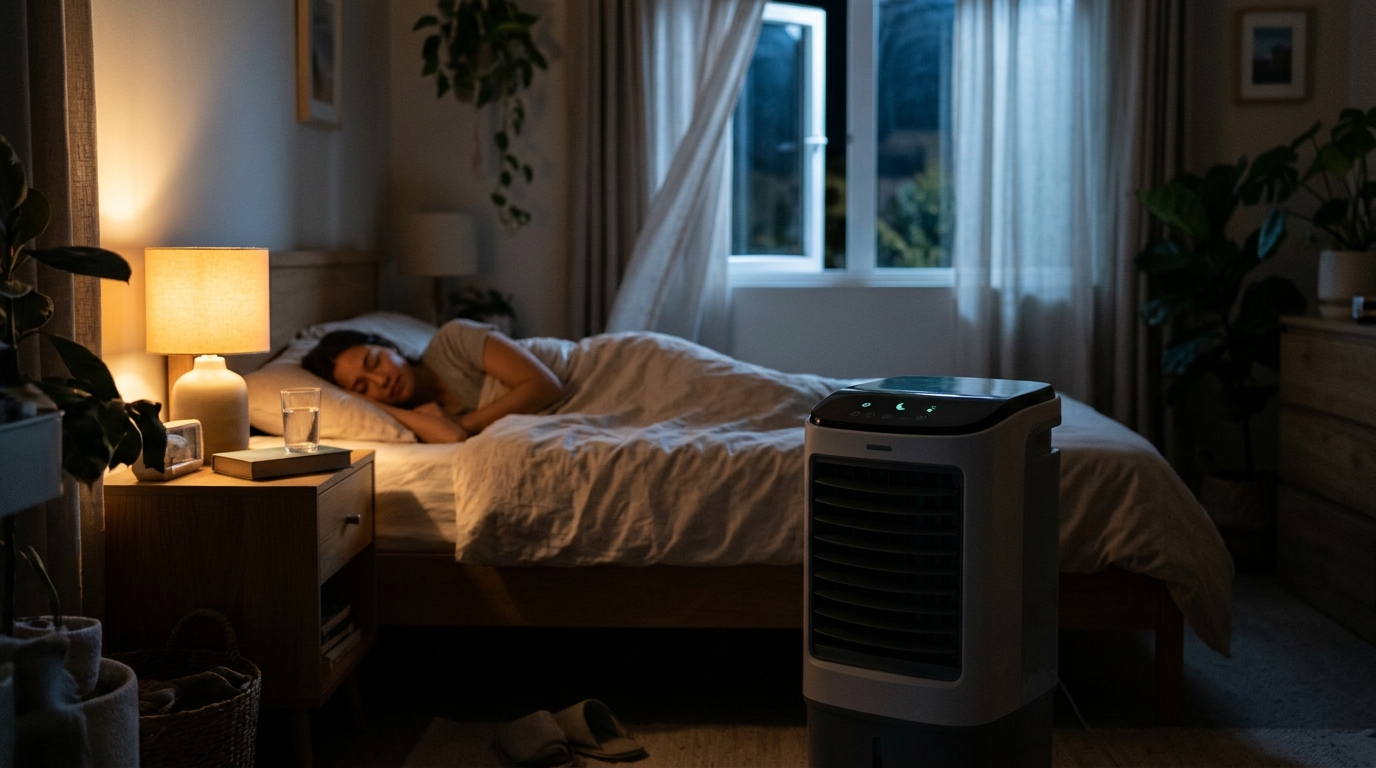
Most swamp cooler owners run their units the same way all day and night, wasting water and electricity during the hours when outdoor air is already cool and dry. Switching to a vent-only or low-speed overnight routine can trim cooling costs by 20 to 30% while keeping your home comfortable and your indoor humidity in check.
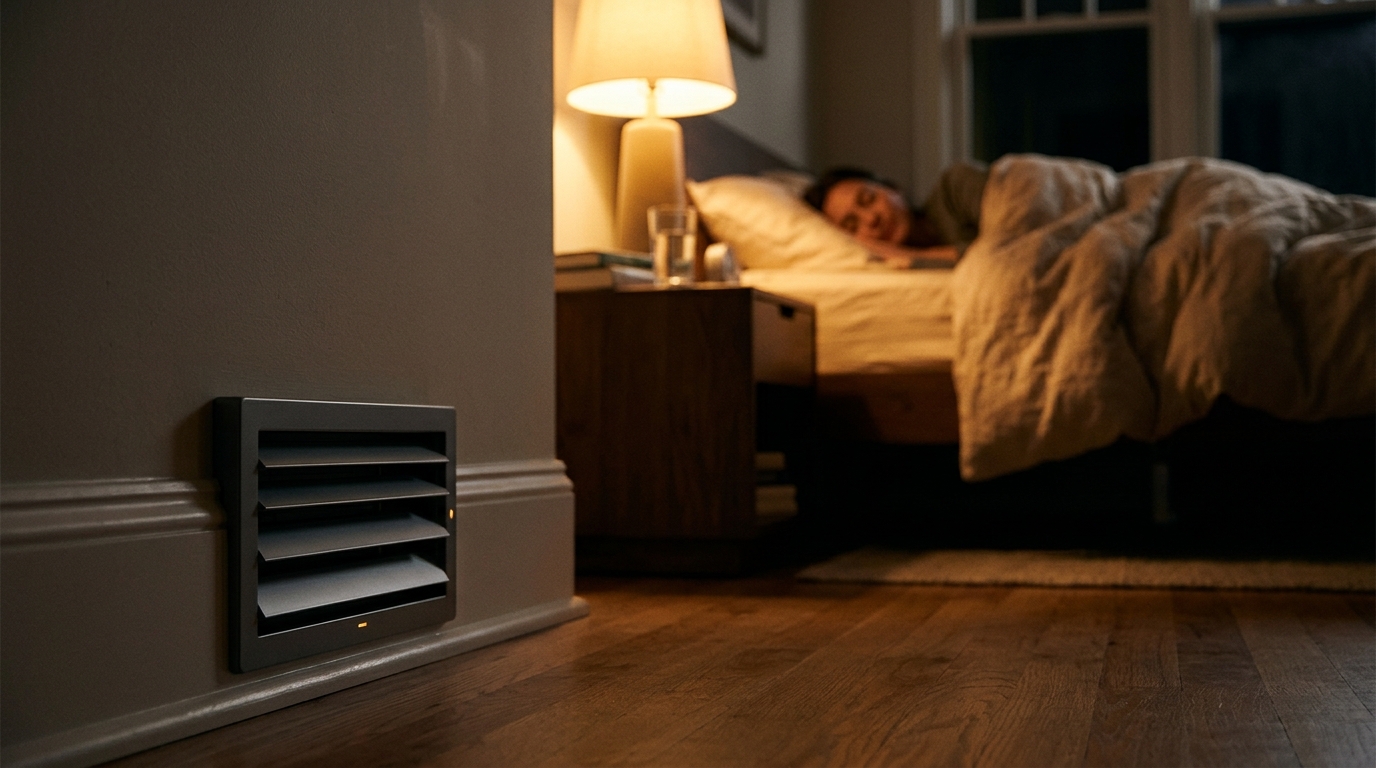
Most homes heat every room equally all night, even though nobody is in the living room, office, or guest bedroom after 10 p.m. Smart vents and zoned airflow redirect warm air to occupied bedrooms, cutting wasted heating and fixing the cold-bedroom problem for roughly $0 to $1,800 depending on the approach you choose.
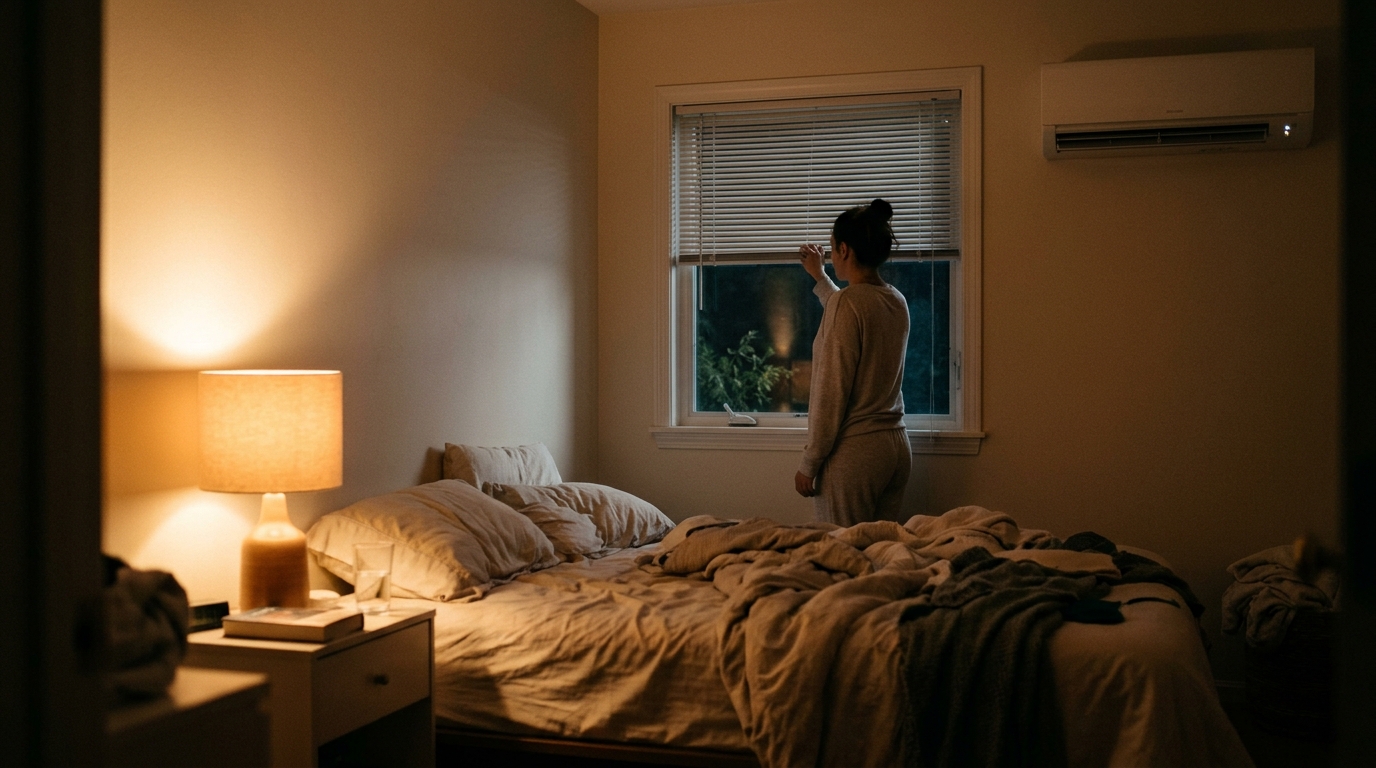
Windows soak up heat all day and keep releasing it into your bedroom long after sunset, forcing your AC to work harder while you sleep. Closing your blinds before bed (and choosing the right window coverings) can trim overnight cooling loads by 10 to 25% for almost no cost.
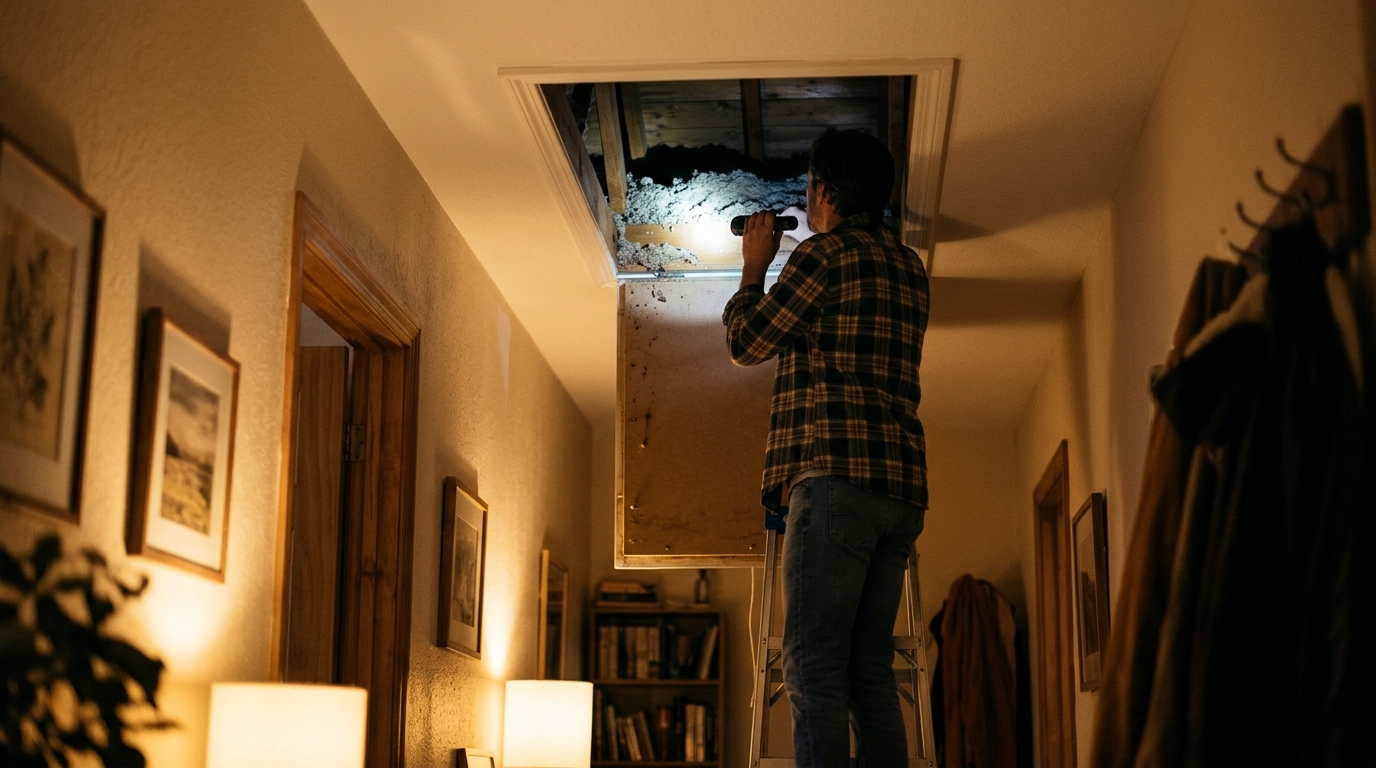
Attic insulation can compress, shift, and thin out over the years, quietly cutting its performance by 20% or more while your energy bills creep upward. A 20-minute inspection with a tape measure and flashlight will tell you whether it is time to top it off.
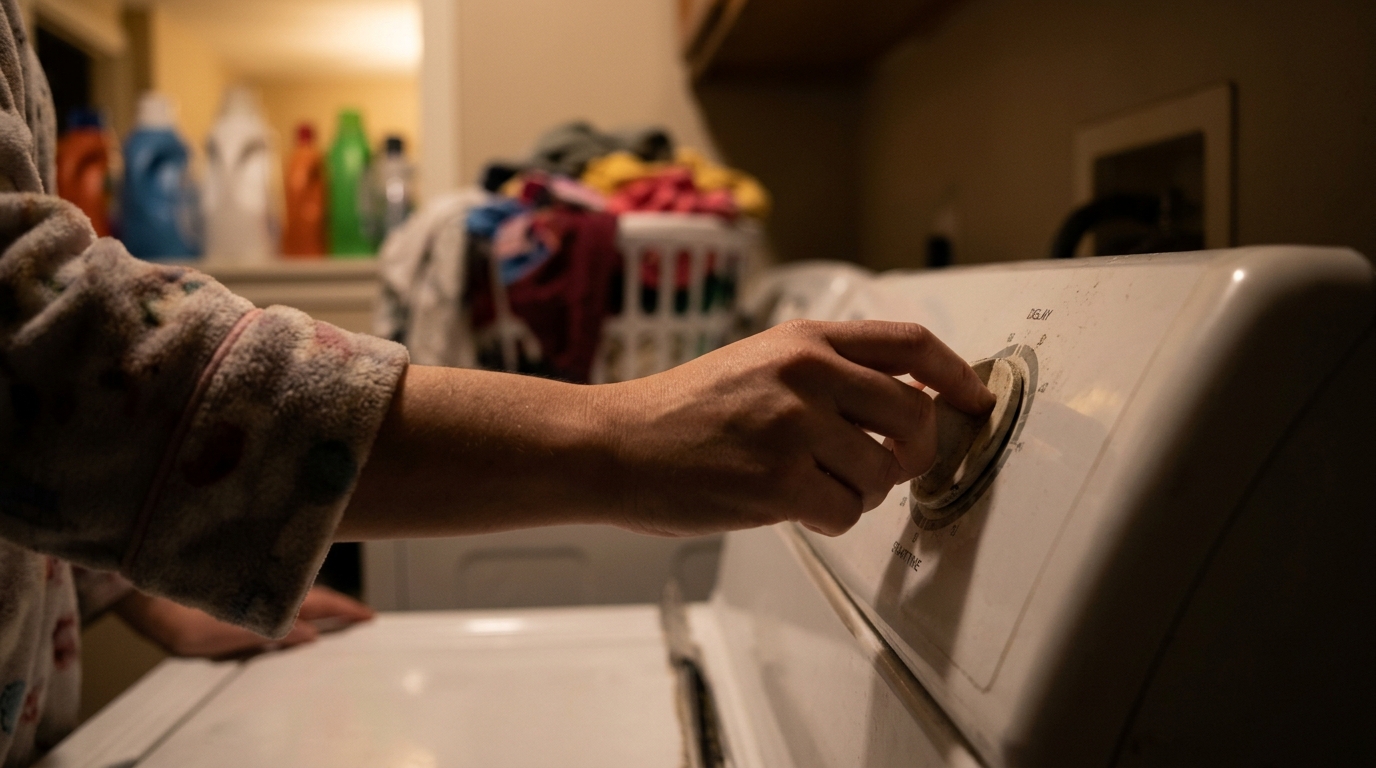
Your electric dryer is one of the most power-hungry appliances in your home, and running it at 5 p.m. can cost two to three times more than running it at midnight on a time-of-use plan. A simple timer, a delay-start setting, or a smart plug (where appropriate) lets you move every load to the cheapest hours without changing how you do laundry.