Spring is the one season when your home naturally needs the least mechanical heating or cooling, yet most homeowners still run their systems out of habit. With a few intentional tweaks, you can slash your energy bill to its annual low point and build habits that pay off all summer.
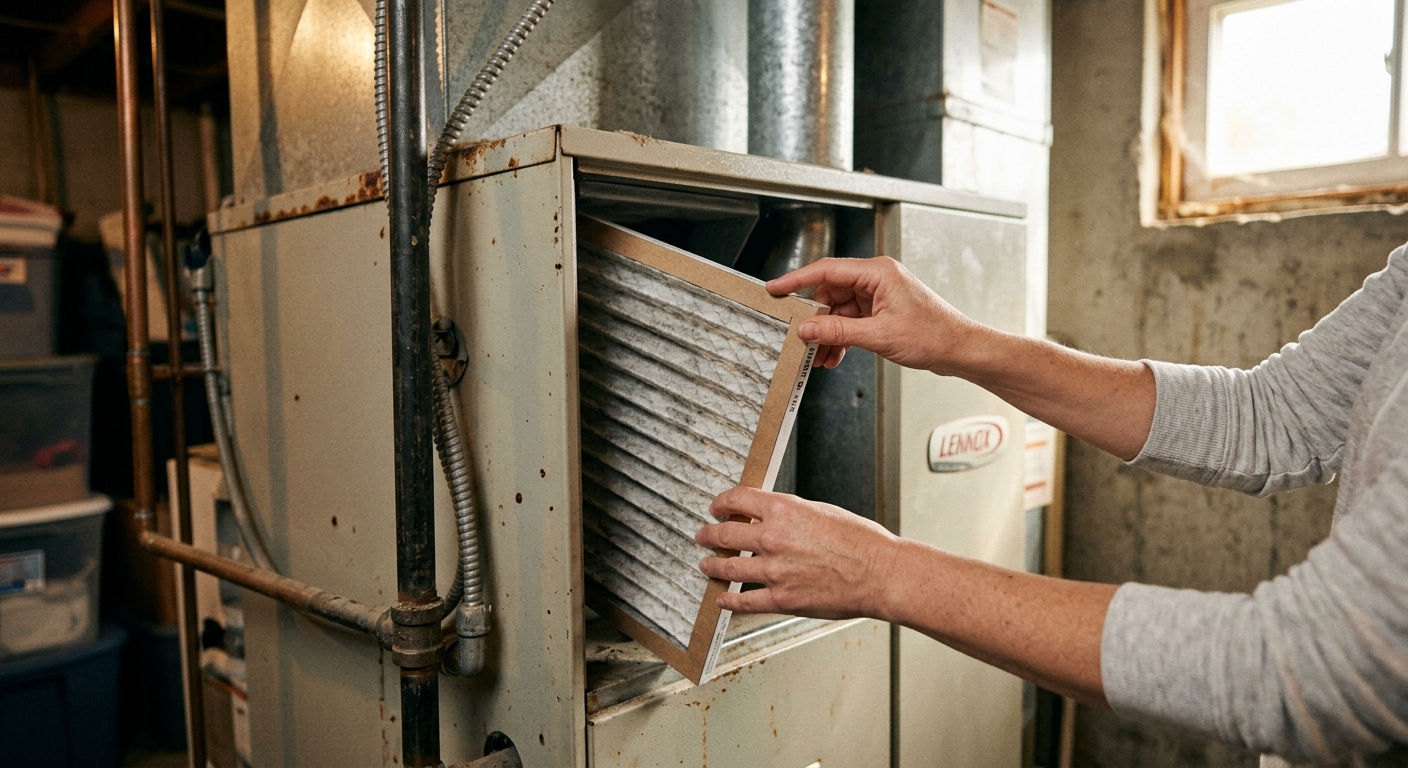
A clogged furnace filter is one of the most common causes of preventable HVAC failures, yet most homeowners never check theirs until something goes wrong. Spending just 20 minutes on a proper filter inspection and replacement can cut energy bills by up to 15% and help you avoid repair bills that routinely run $300 to $1,200.
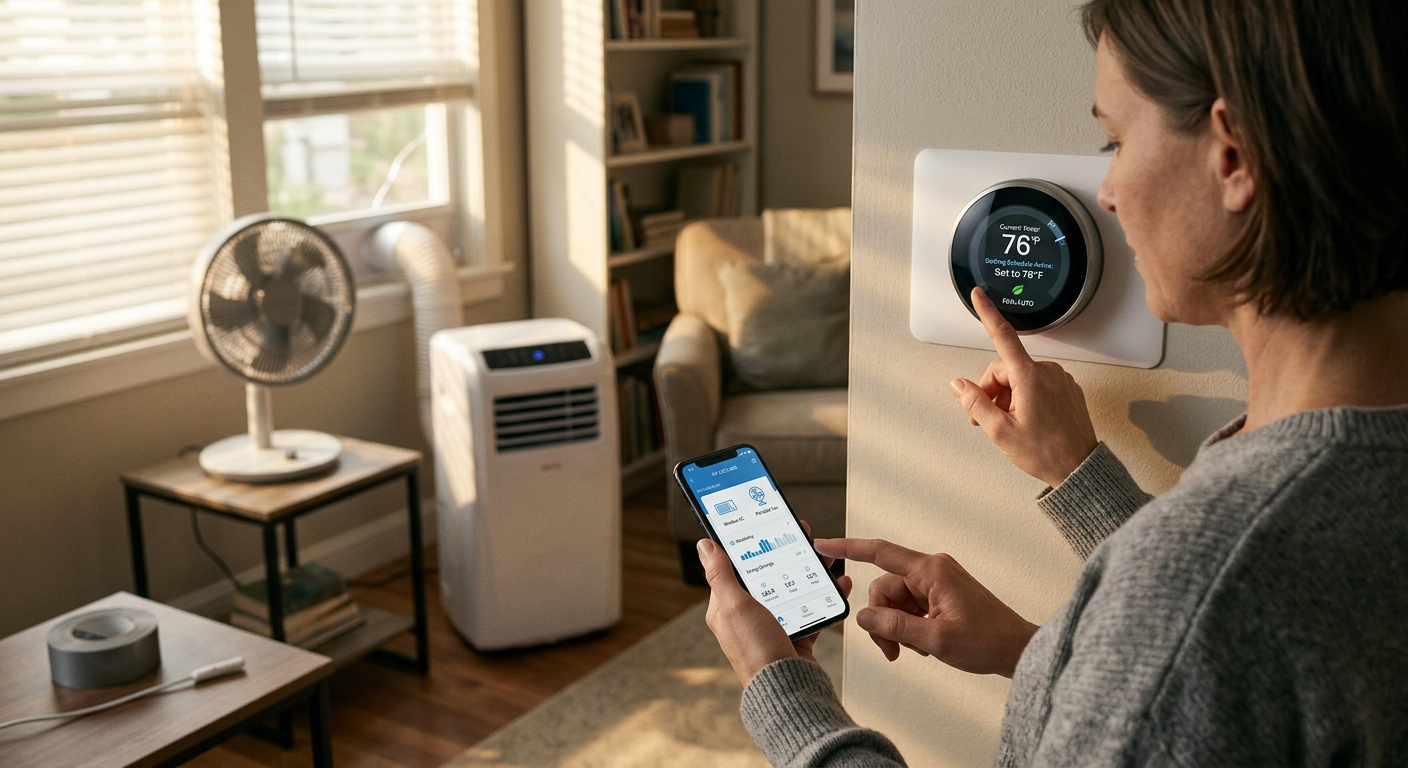
Running a central AC alongside window units or portable coolers often doubles your energy bill instead of doubling your comfort. With the right zoning strategy and coordination, you can keep every room comfortable while cutting cooling costs by 20 to 35%.
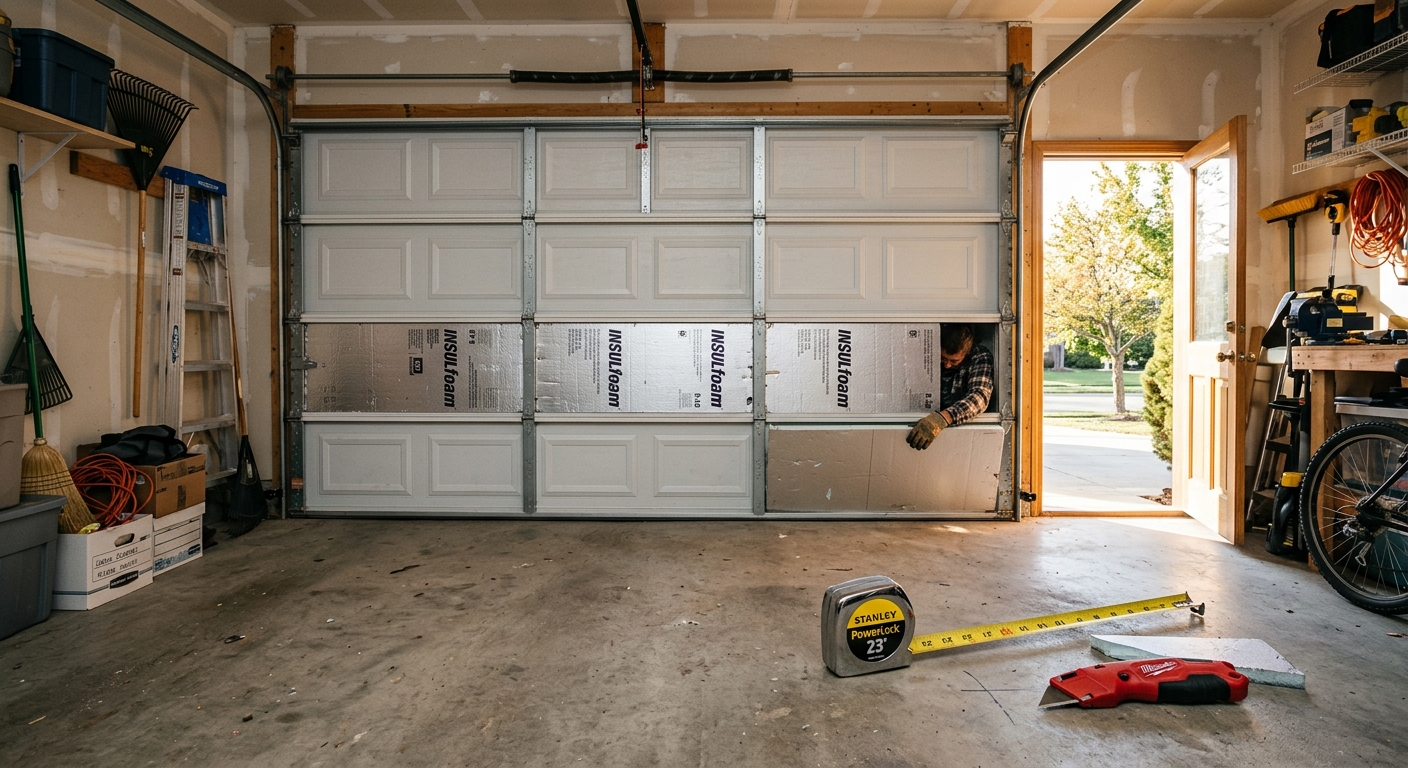
An uninsulated garage door is one of the biggest thermal weak points in your home, letting heat pour in during summer and cold seep in during winter. Add insulation to your garage door this weekend and you can cut garage temperature swings by 20 degrees or more, lower your energy bills, and protect everything stored inside.
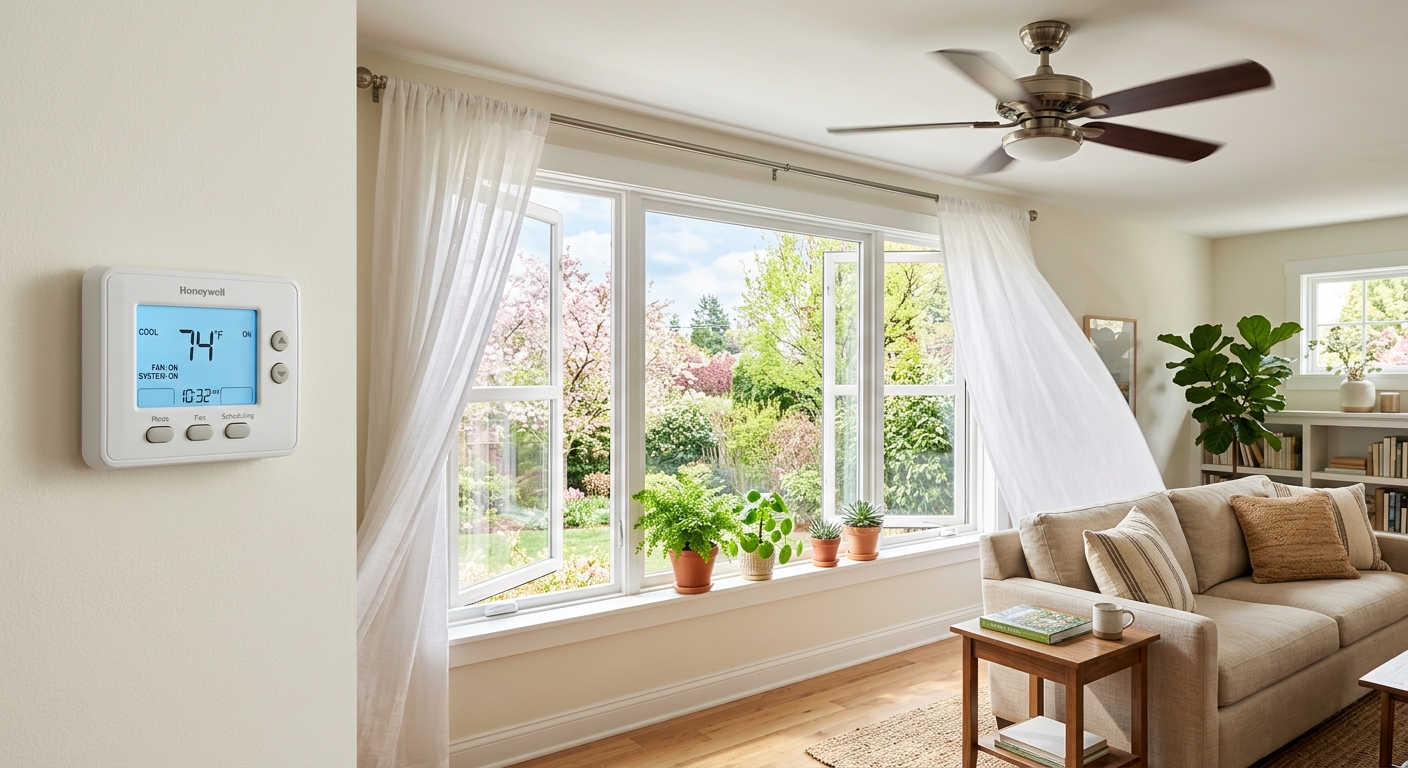
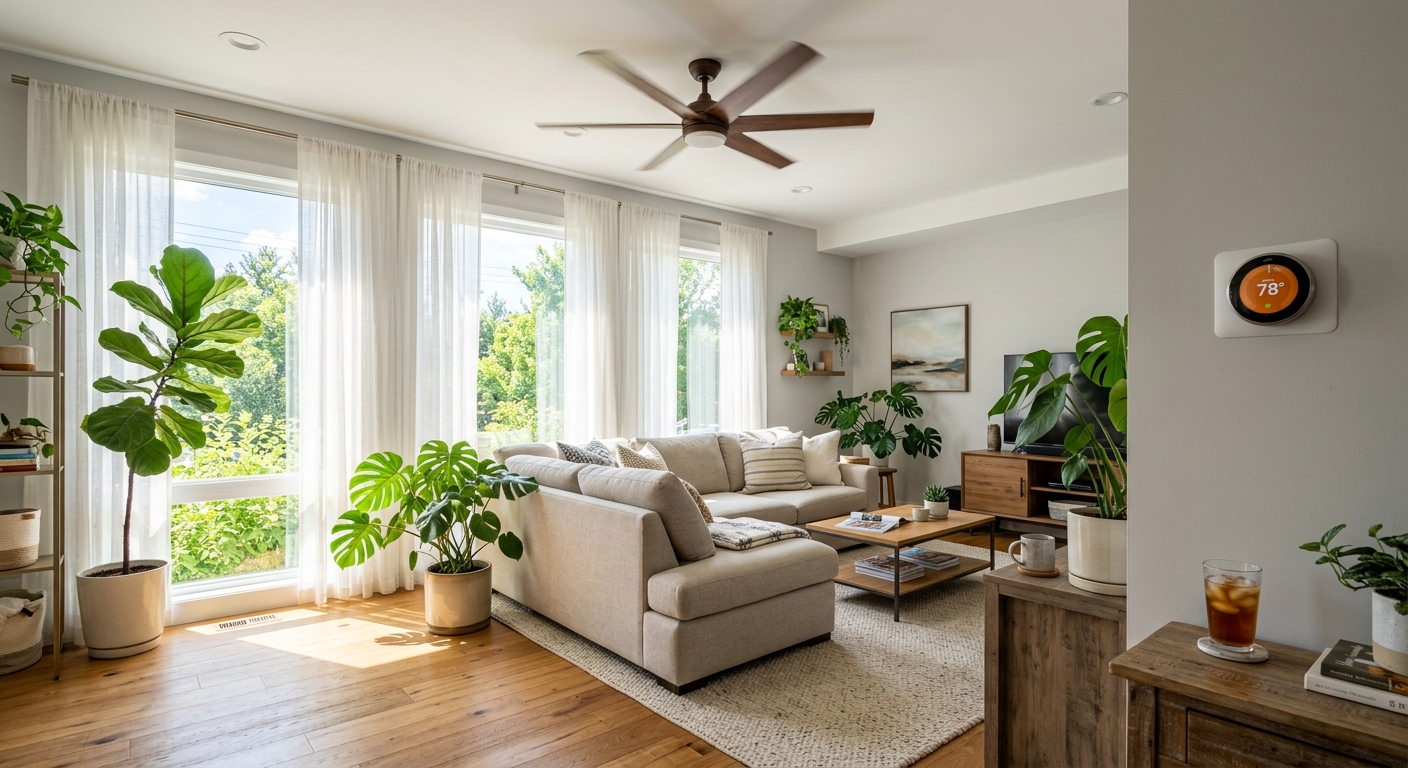
Most homeowners run their ceiling fans in the wrong direction all summer, canceling out the cooling effect entirely. A single switch flip takes 30 seconds and can cut your perceived temperature by 4 degrees Fahrenheit, letting you raise your thermostat and save real money.
Most homeowners overpay for electricity simply because they have never compared rates or explored alternative providers in deregulated markets. Switching to a lower-rate plan or provider takes less than an hour and can realistically save $300 to $600 in year one alone.
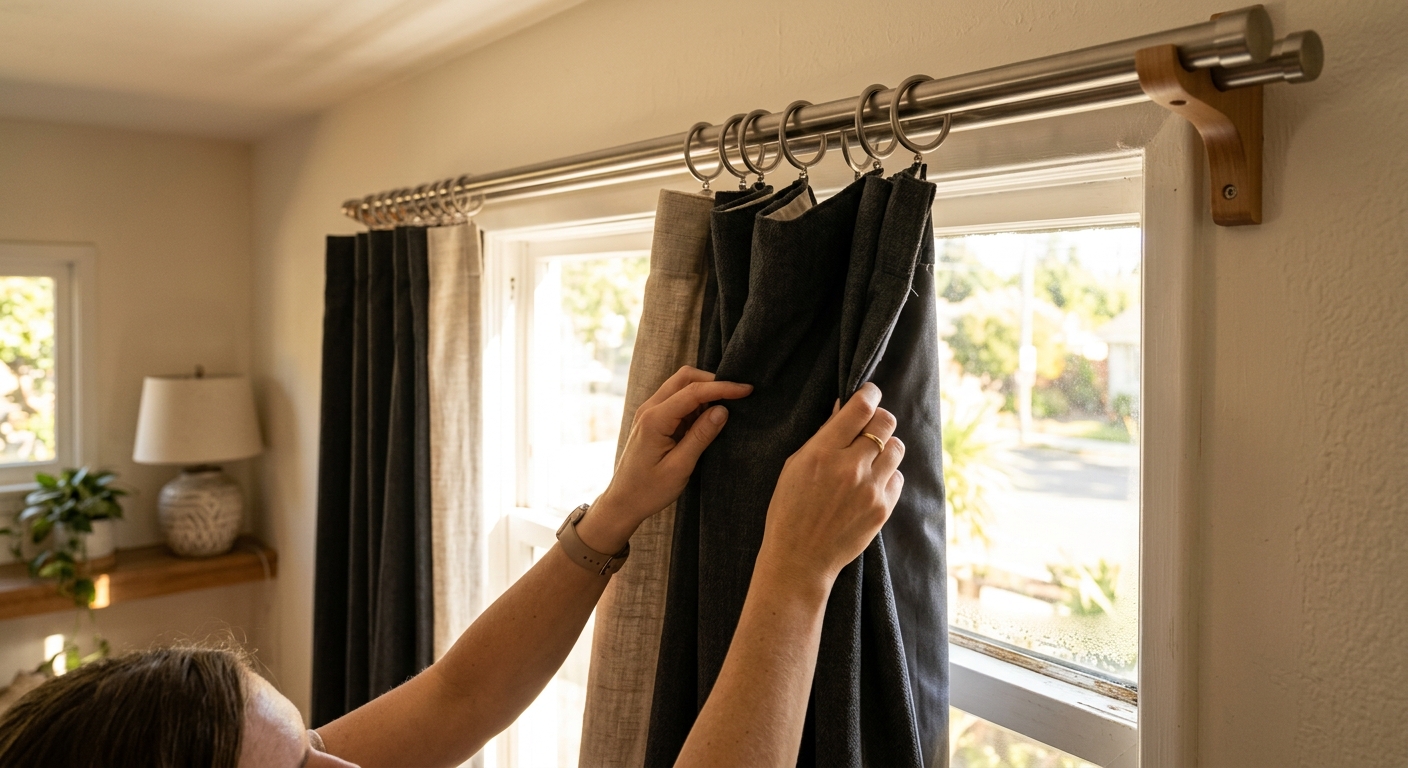
Sunlight streaming through windows can raise a room’s temperature by 10 to 20 degrees, forcing your AC to work harder and driving up your energy bill. The right blackout curtain combinations, paired with the correct layering strategy, can cut solar heat gain by up to 77% and noticeably reduce your cooling costs.
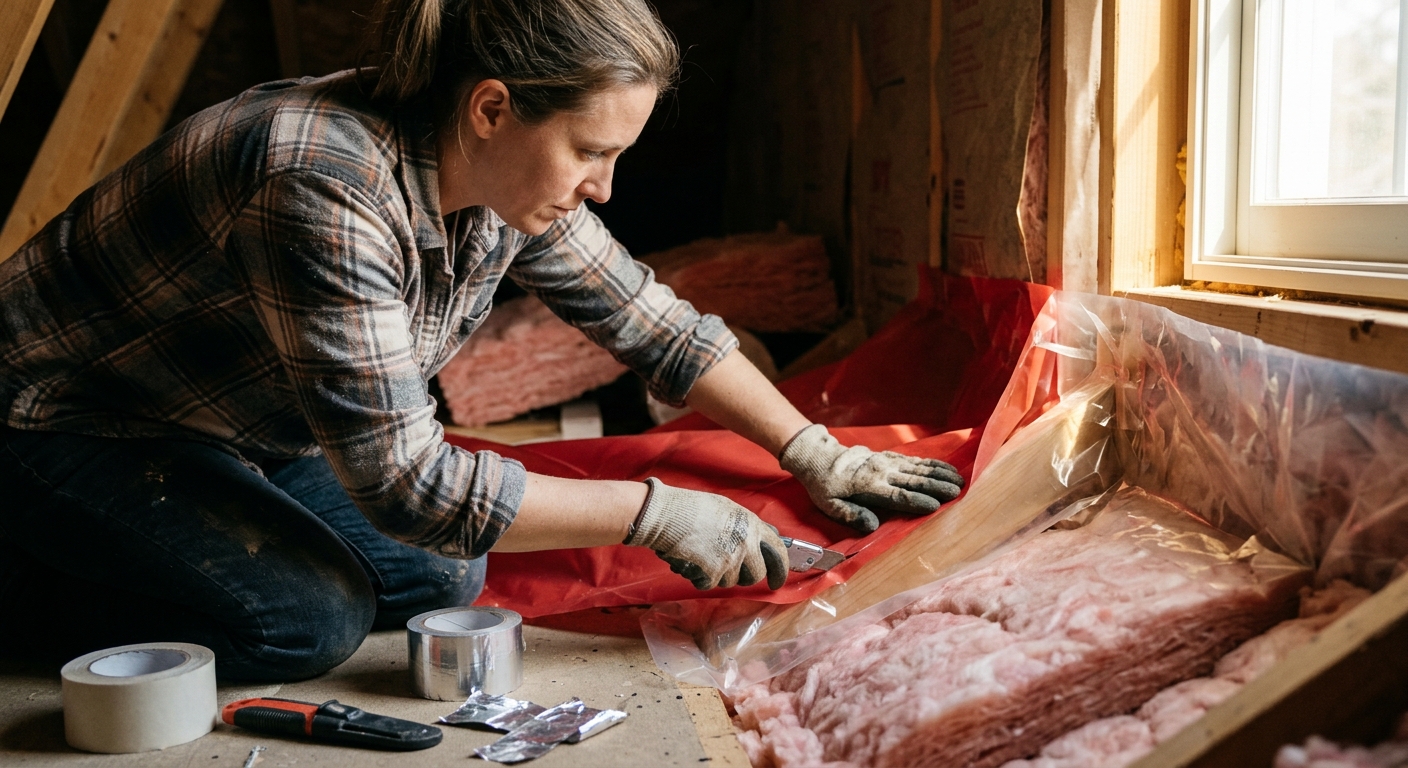
Most homeowners install vapor barriers with good intentions, but placing them on the wrong side of the wall or doubling up on them can trap moisture and rot your home from the inside out. Understanding a few key building science principles will help you get it right and protect both your insulation’s performance and your home’s structure.
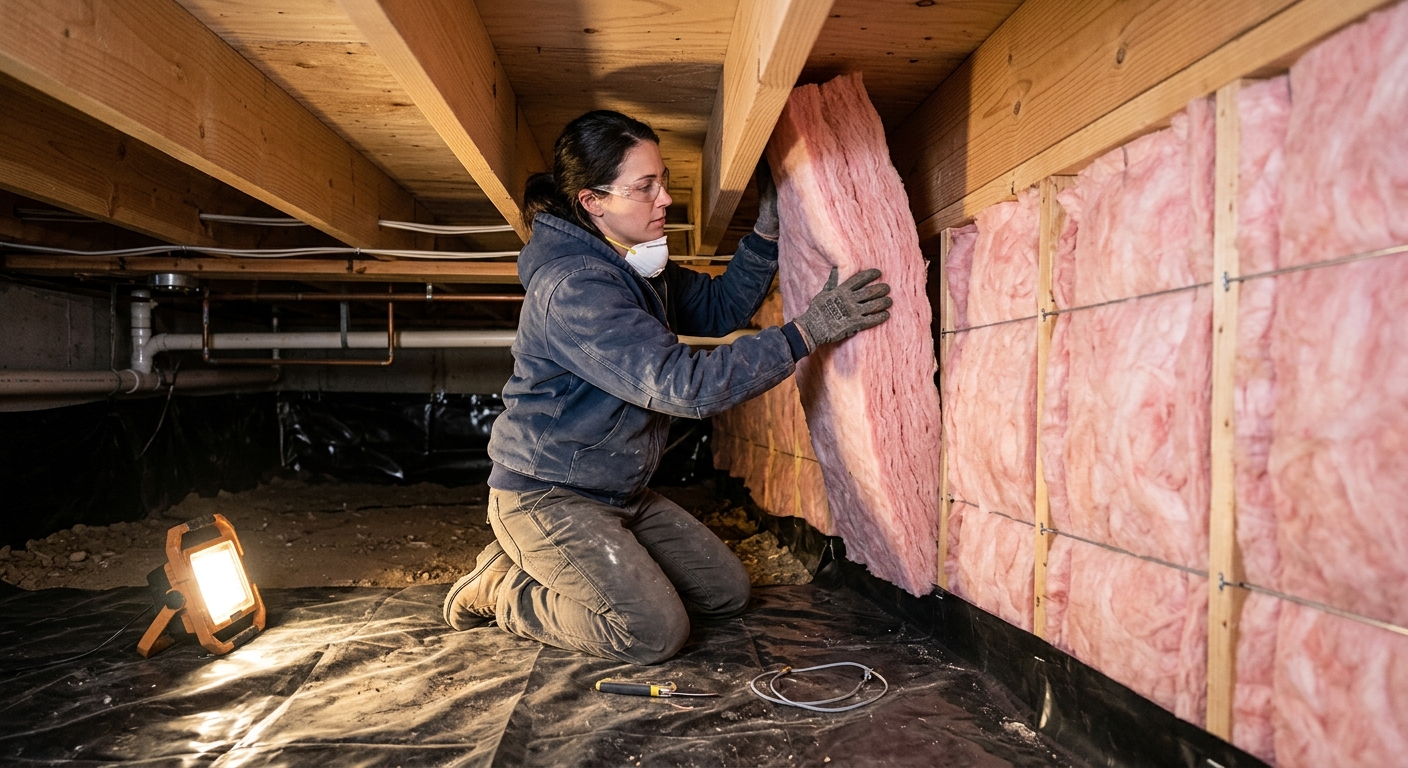
Floors over unheated crawl spaces, garages, and basements are one of the most overlooked sources of heat loss in a home. The right insulation approach can cut heating bills by 10 to 20% and eliminate that cold-floor problem for good.
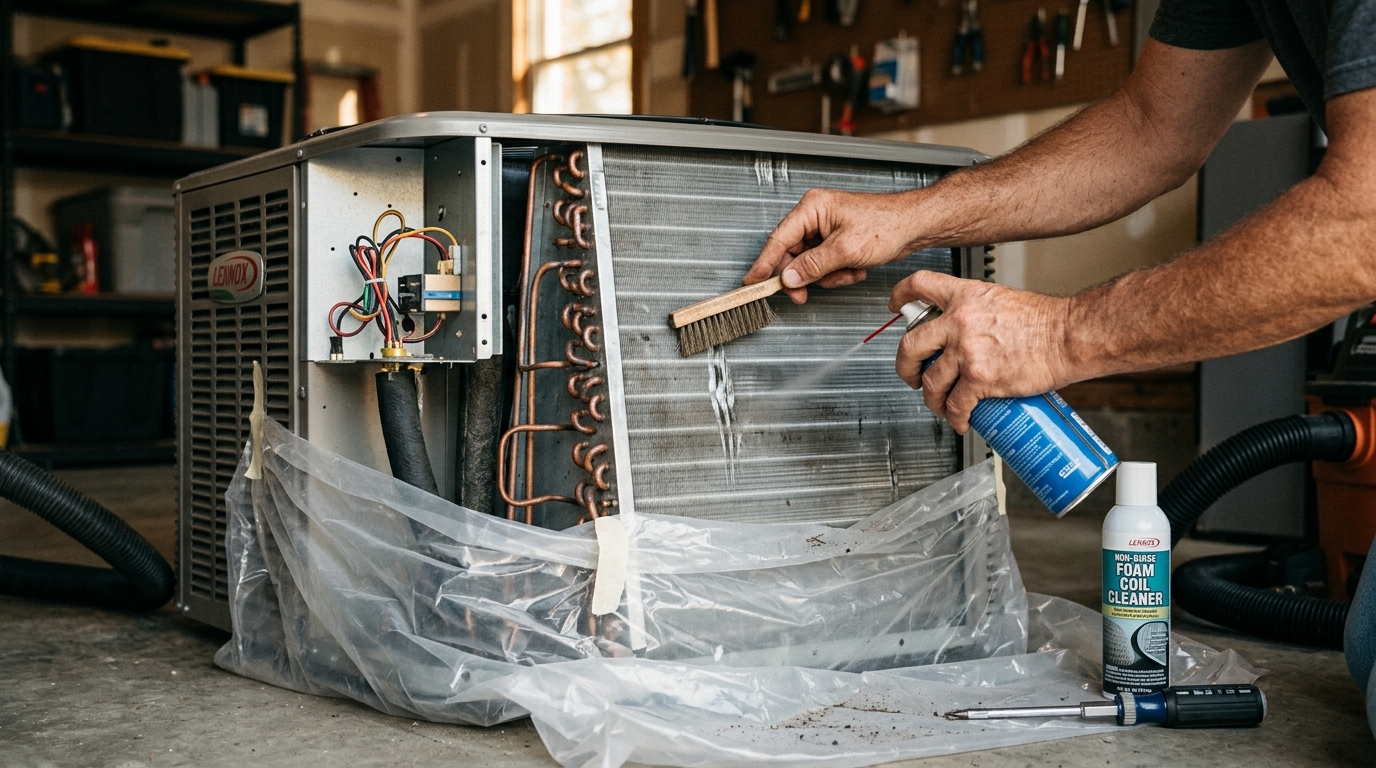
Most AC units fail years before they should, not from bad luck but from skipped maintenance that costs almost nothing to do. A simple seasonal routine can add 5 or more years to your system’s lifespan and cut energy bills by up to 25% along the way.