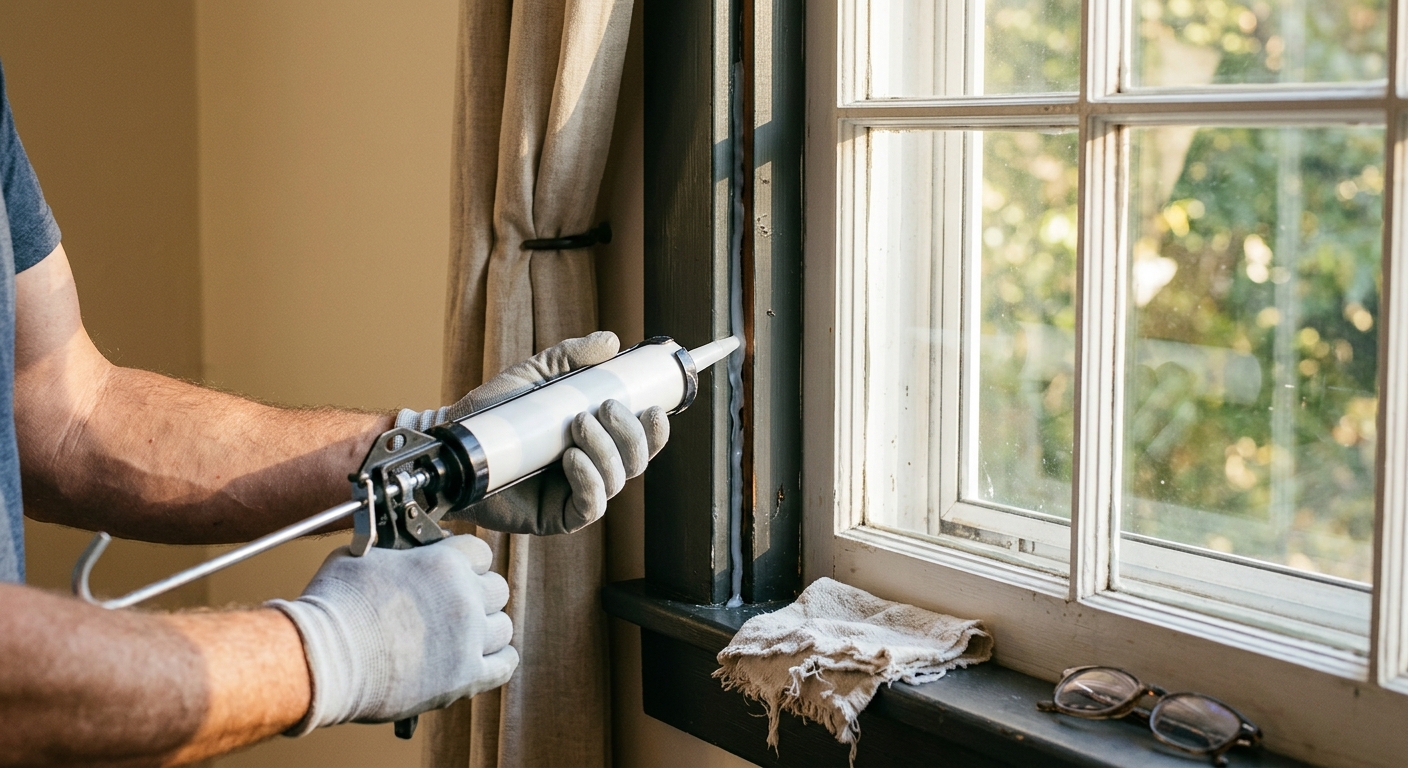
Drafts, cold spots, and stubbornly high energy bills are almost always caused by hidden air leaks that most homeowners never think to address. Spend one afternoon sealing the worst offenders and you can realistically save 10 to 20% on your annual heating and cooling costs.
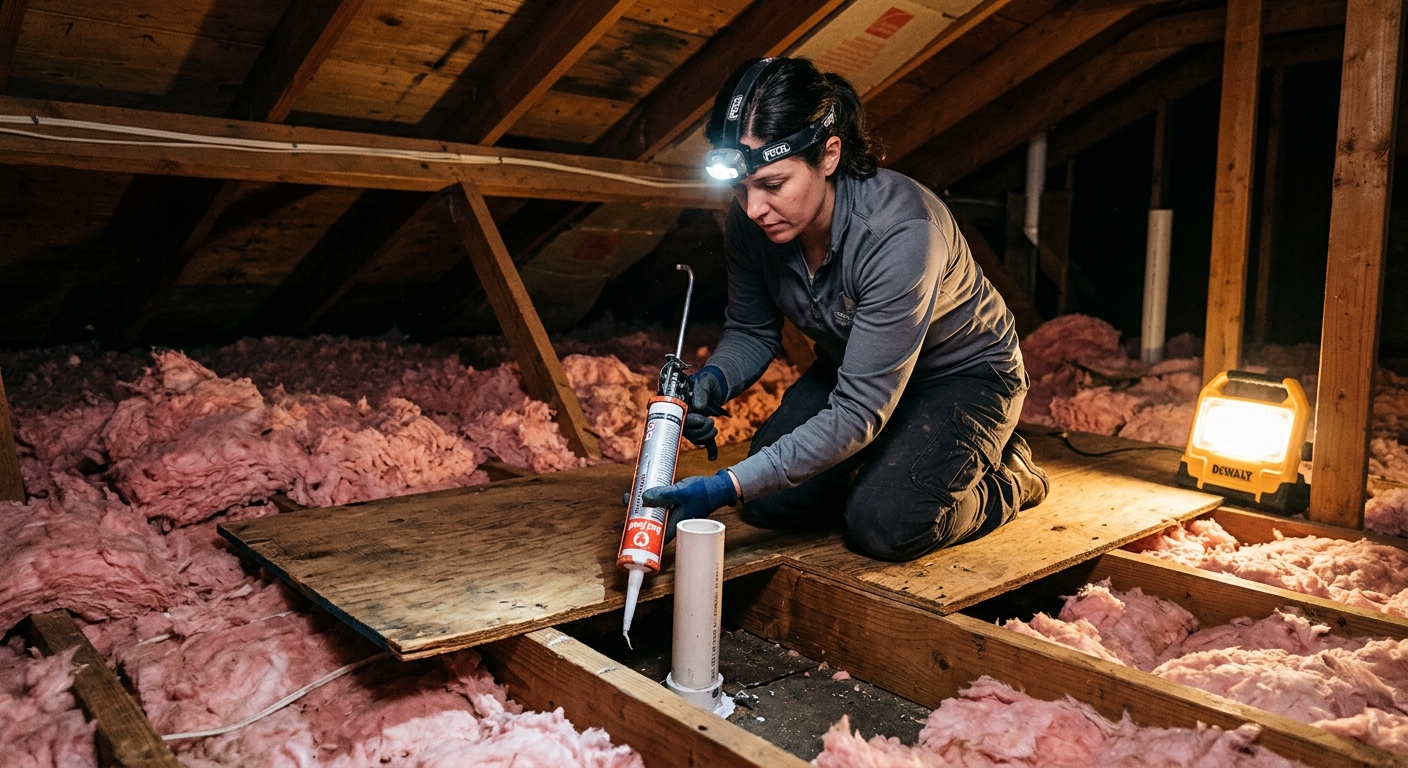
Most homeowners insulate their attics and call it done, but hidden air pathways called attic bypasses can cancel out much of that insulation’s benefit. Sealing these gaps before adding insulation is the single most impactful thing you can do to lower heating and cooling bills.
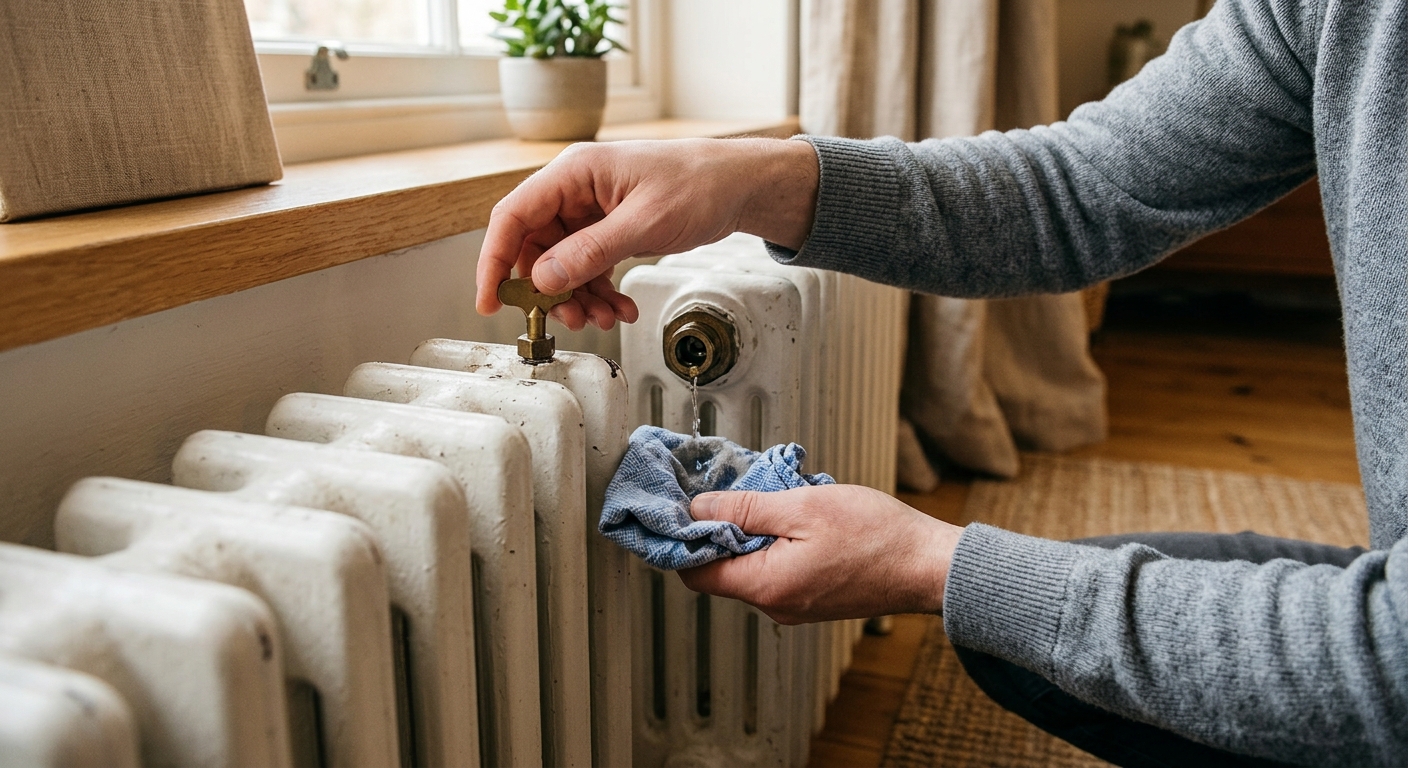
Most homeowners pay for heat that never reaches them, lost through leaky ducts, poor airflow, and an overworked furnace fighting against itself. These targeted fixes help your existing heating system deliver more warmth for every dollar you already spend.
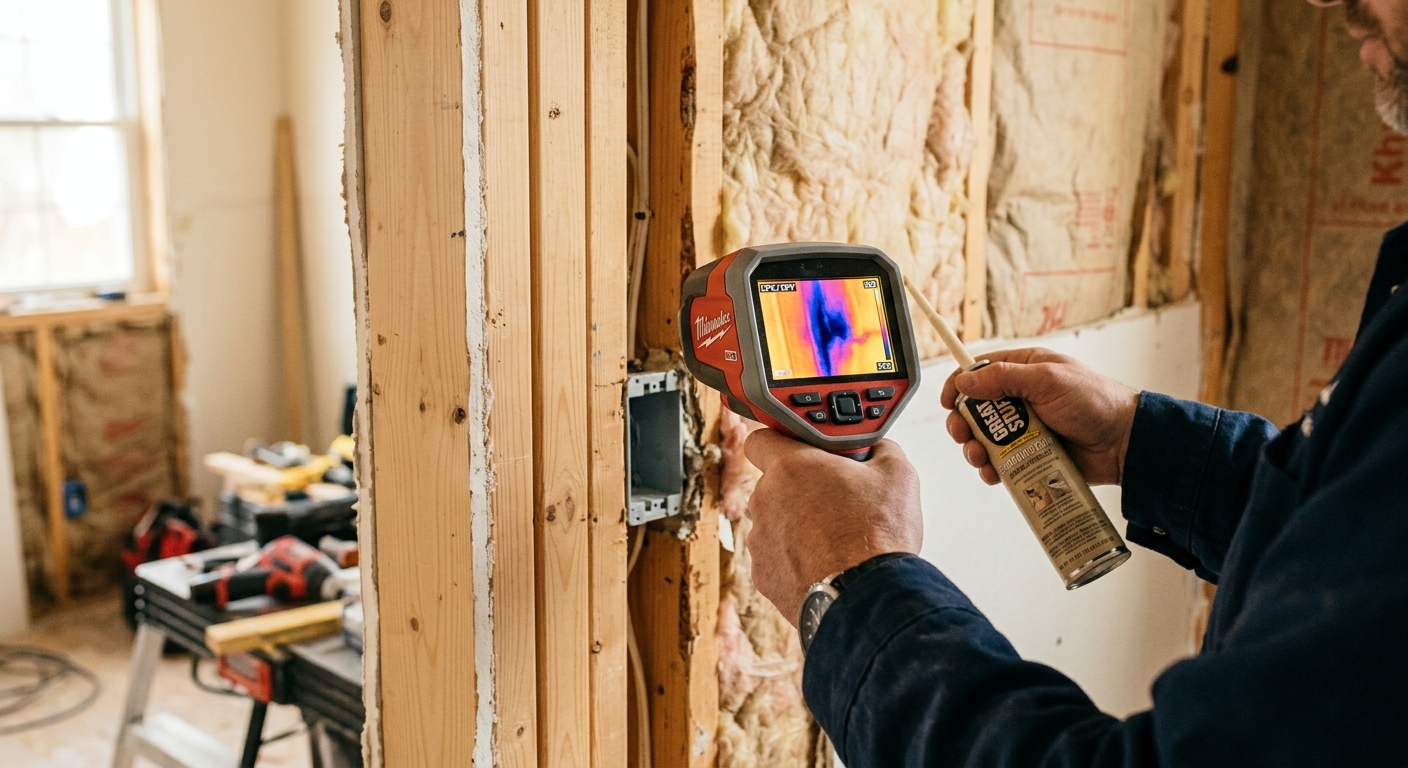
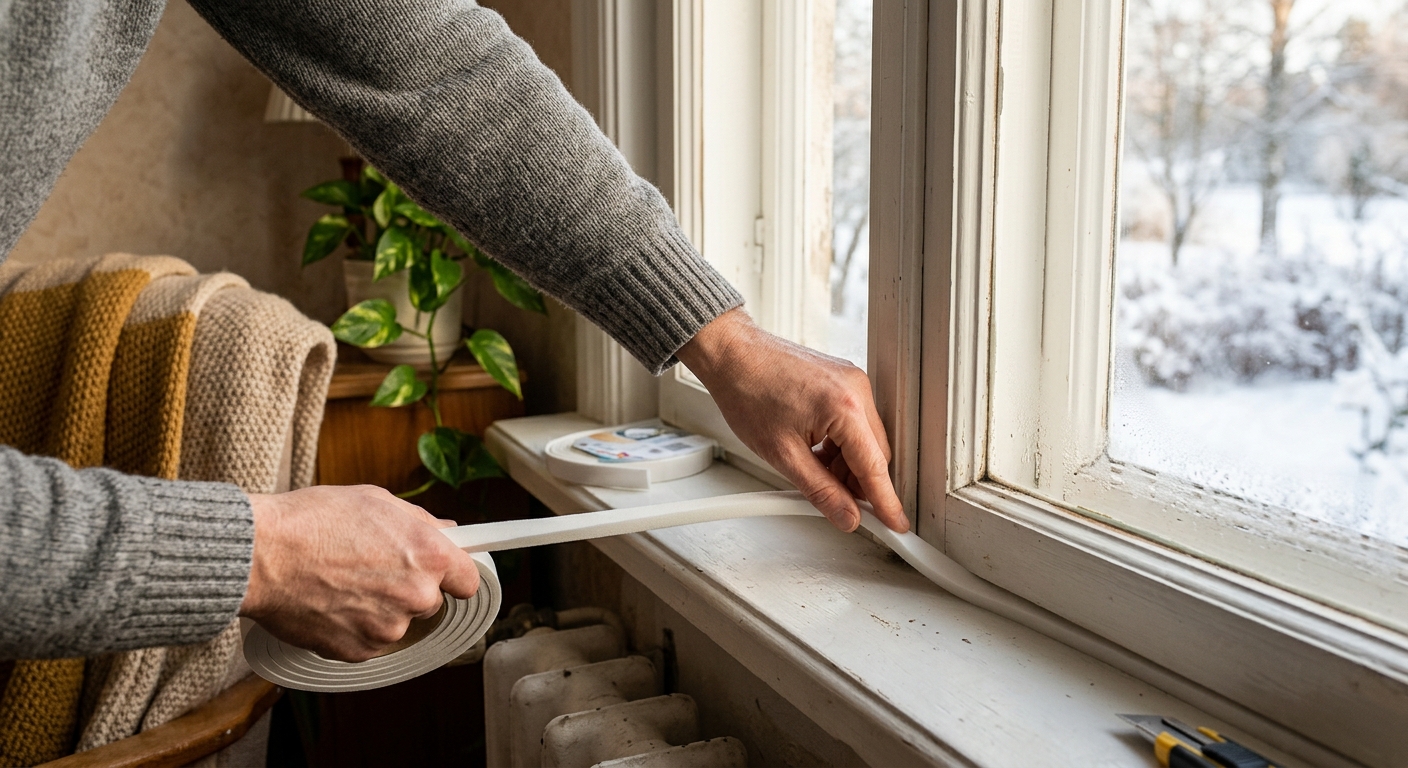
Air leaks are responsible for 25 to 40% of heating and cooling losses in a typical home, yet most homeowners never find them before winter strikes. This guide walks you through a proven process for locating every major leak, from obvious gaps to sneaky hidden ones, so you can seal them before the cold arrives.
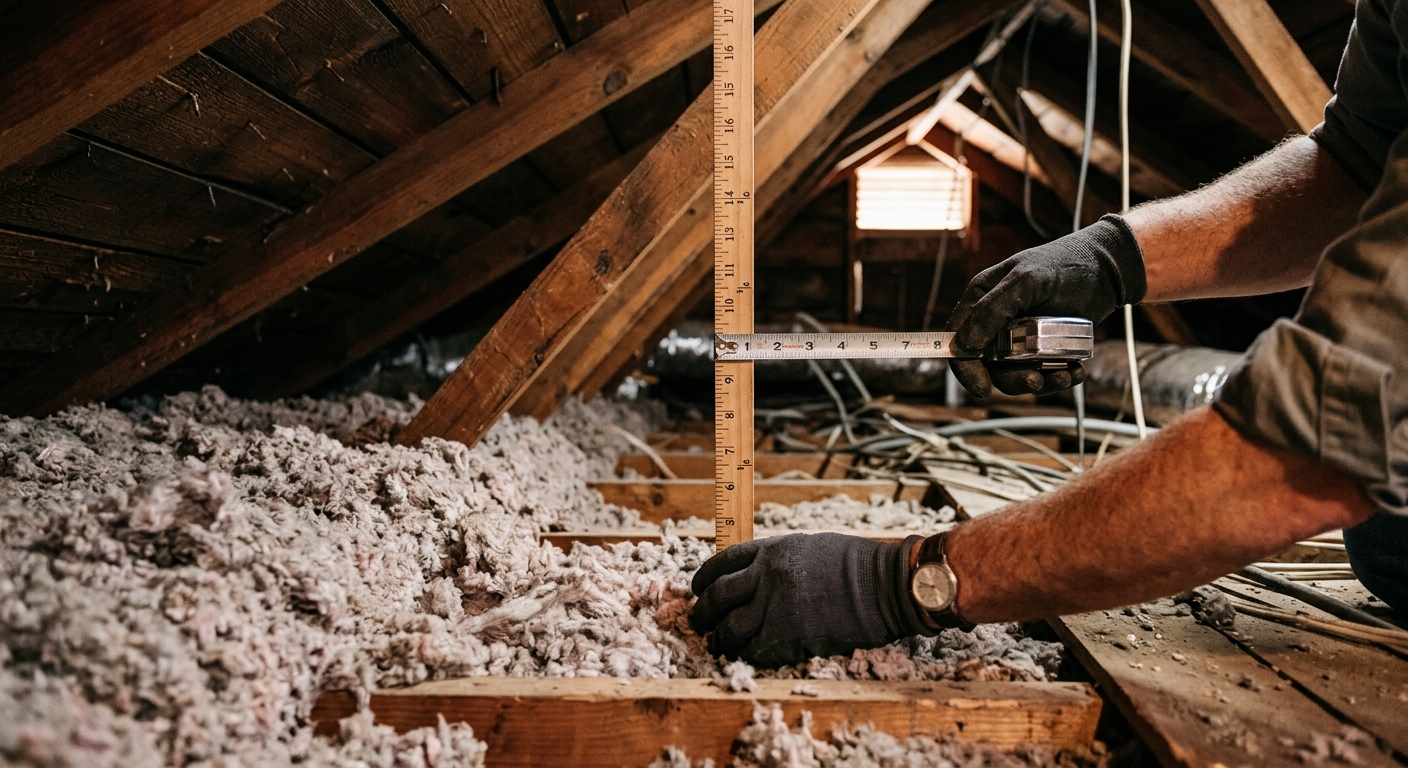
Most homeowners assume their attic insulation is fine until they see a sky-high energy bill or feel uncomfortable rooms. Here is how to test it yourself in under an hour and know exactly what action to take next.
Cold spots in your home are not just uncomfortable, they are a sign that heat is escaping or being blocked before it reaches you. This room-by-room guide shows you exactly where to look, what is causing the problem, and how to fix it for good.
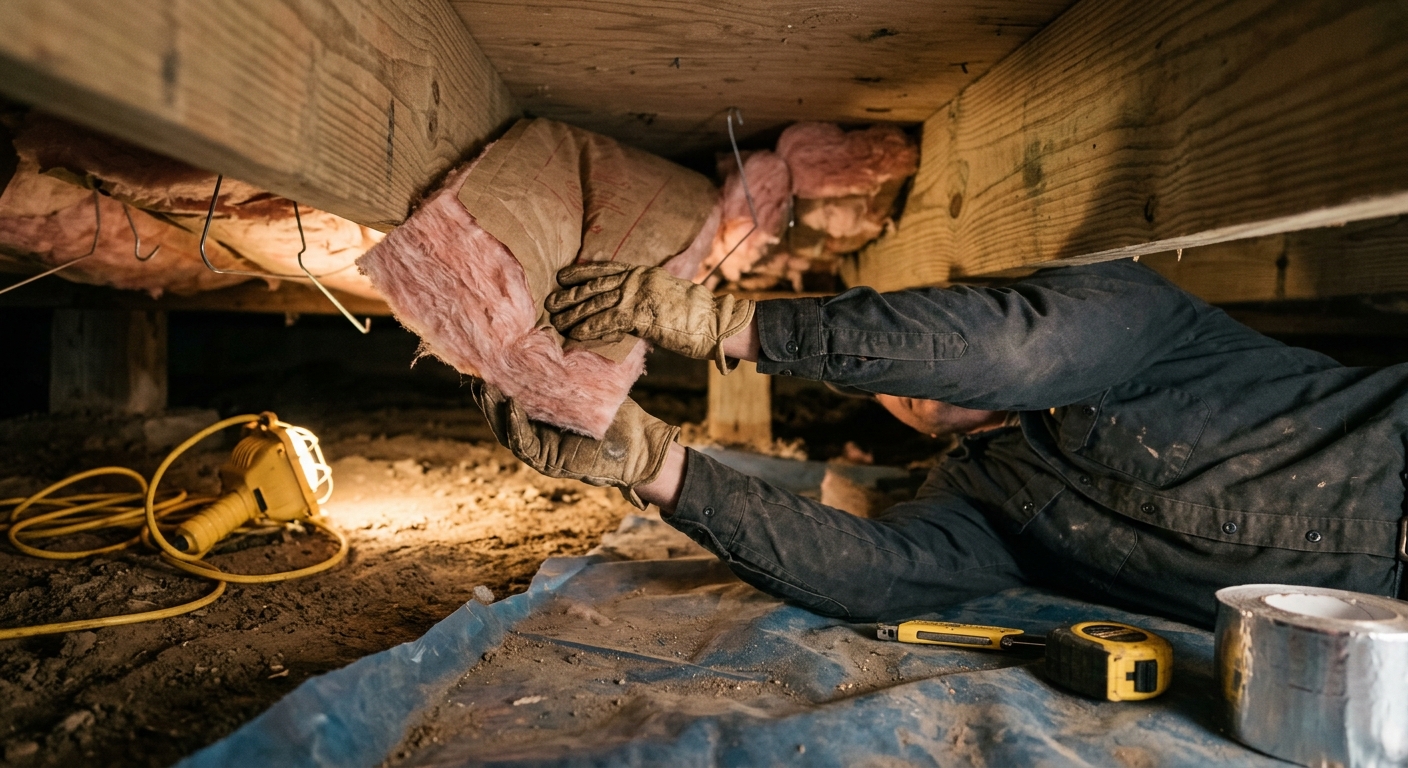
A poorly insulated crawl space silently drives up heating and cooling bills while letting moisture, pests, and cold floors into your home. This guide breaks down the two main approaches, vented batt insulation and full encapsulation, with real costs, savings numbers, and step-by-step instructions.
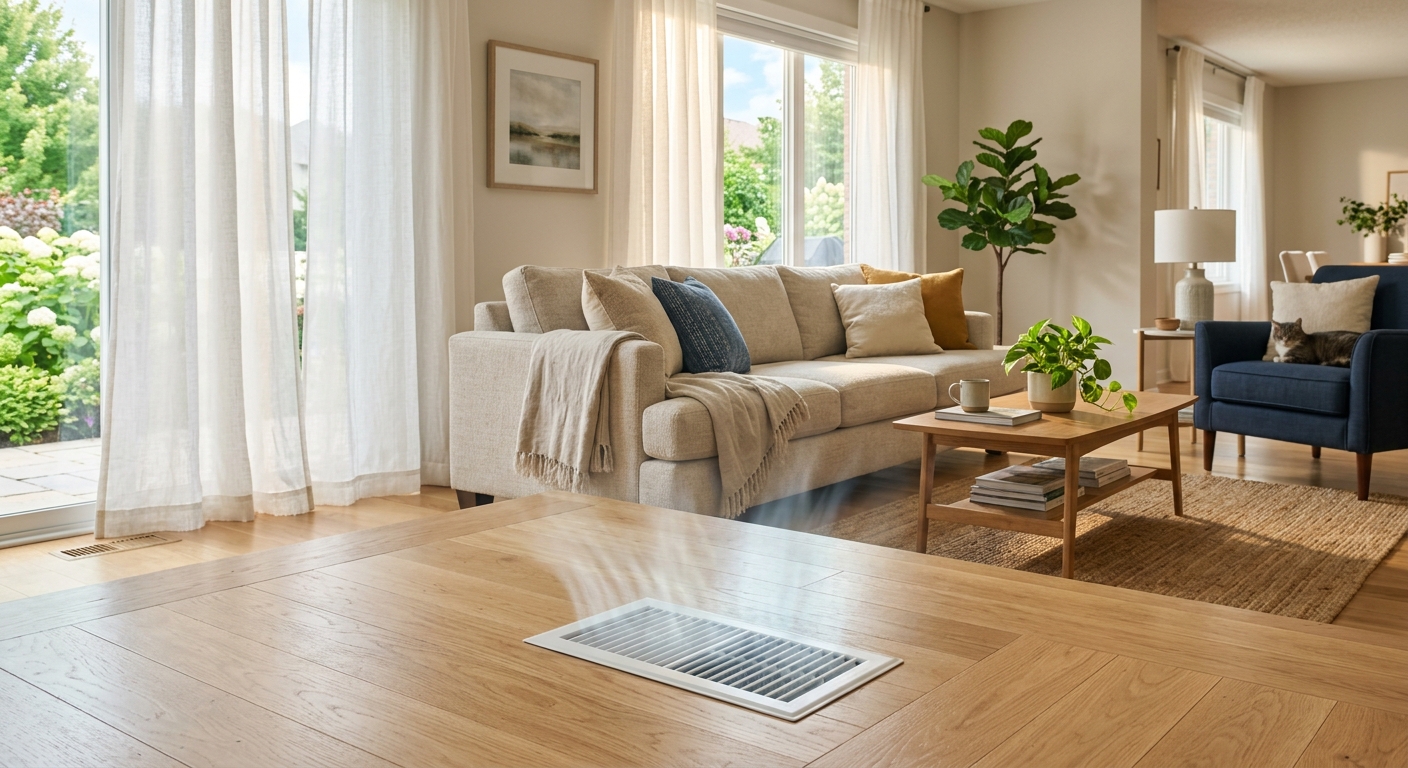
Closing vents to save energy seems logical, but it actually increases static pressure in your duct system and forces your AC to work harder. Learn how to balance airflow properly and cut cooling costs by up to 20% without touching those vent levers.
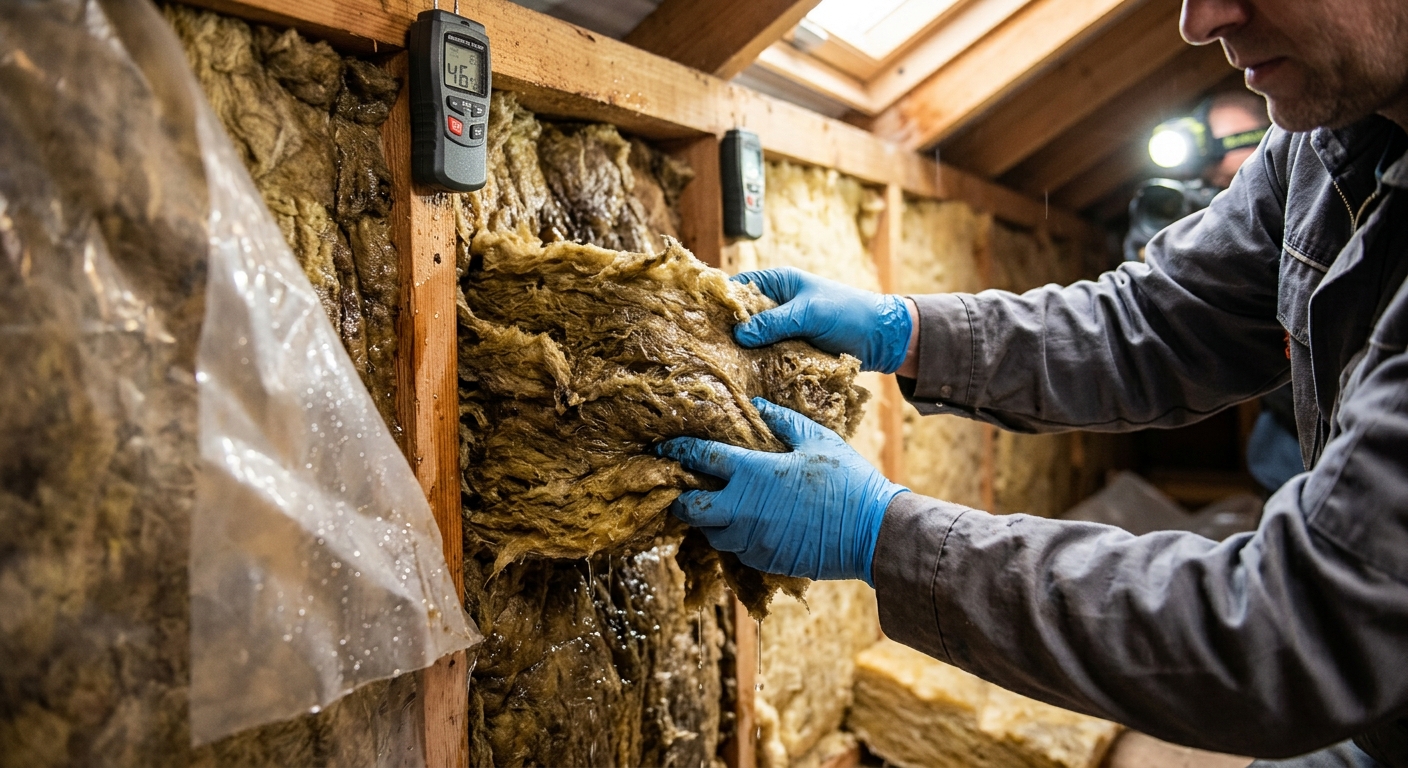
Wet insulation can lose up to 40% of its thermal performance almost immediately, and most homeowners never know until mold, rot, or sky-high energy bills show up. Learn how to spot moisture damage early, what each insulation type does when wet, and how to fix it before a small leak becomes a major renovation.
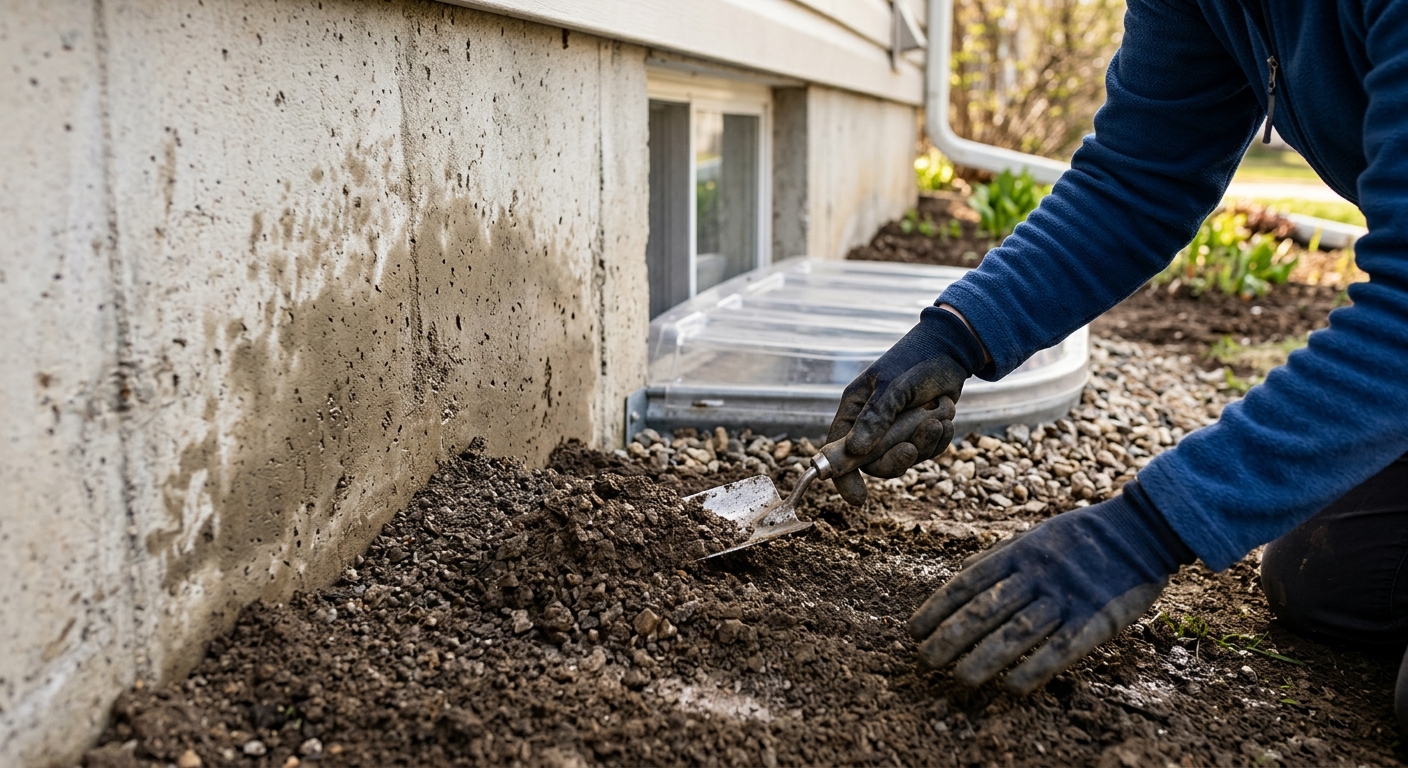
Wet basement walls in spring are almost always caused by water pooling against your foundation after snowmelt and rain. Fixing the slope of the soil around your home, called grading, is the single most effective low-cost step you can take to redirect that water before it ever reaches your walls.