Most homeowners assume insulation works the same way year-round, but heat moves through your home by completely different mechanisms depending on the season. Understanding this seasonal shift can help you target upgrades that cut both heating and cooling bills by 15 to 30%.
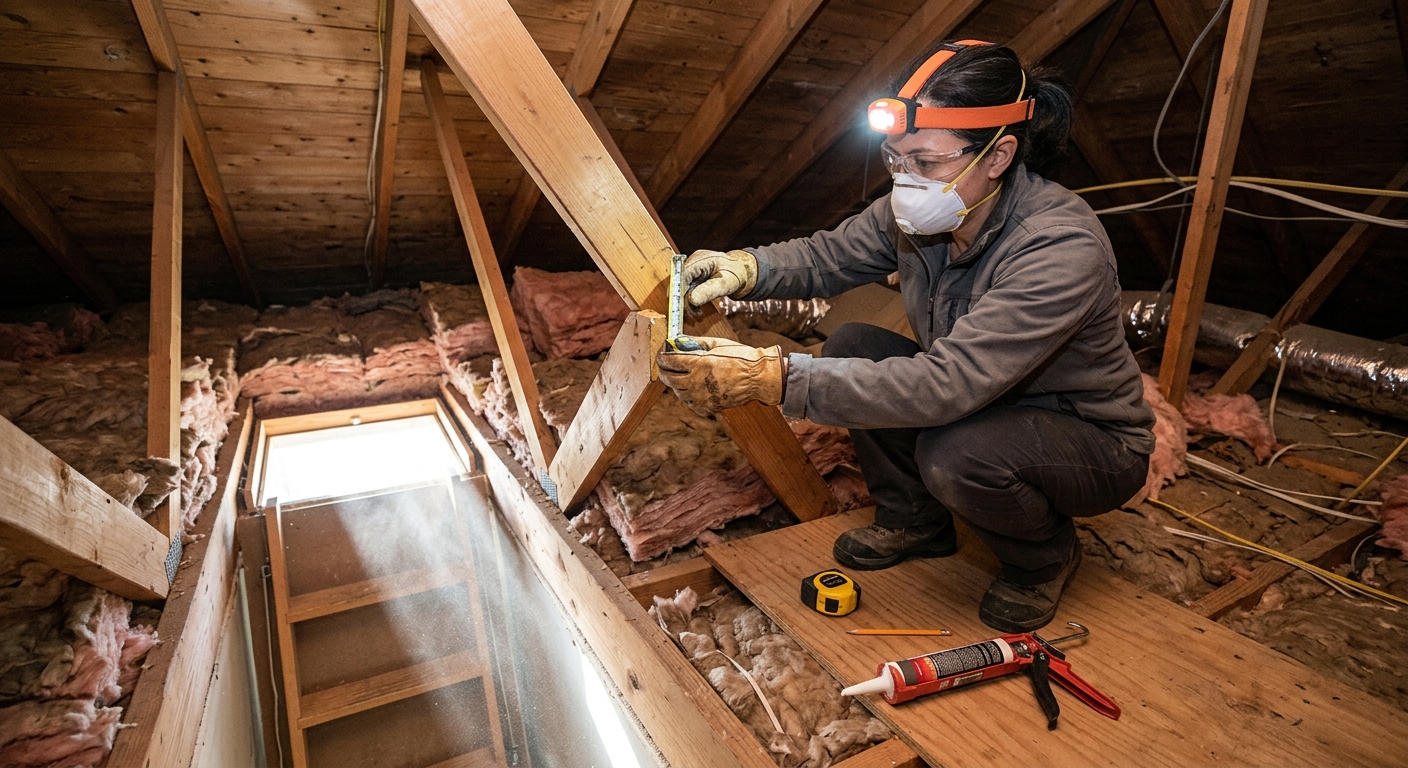
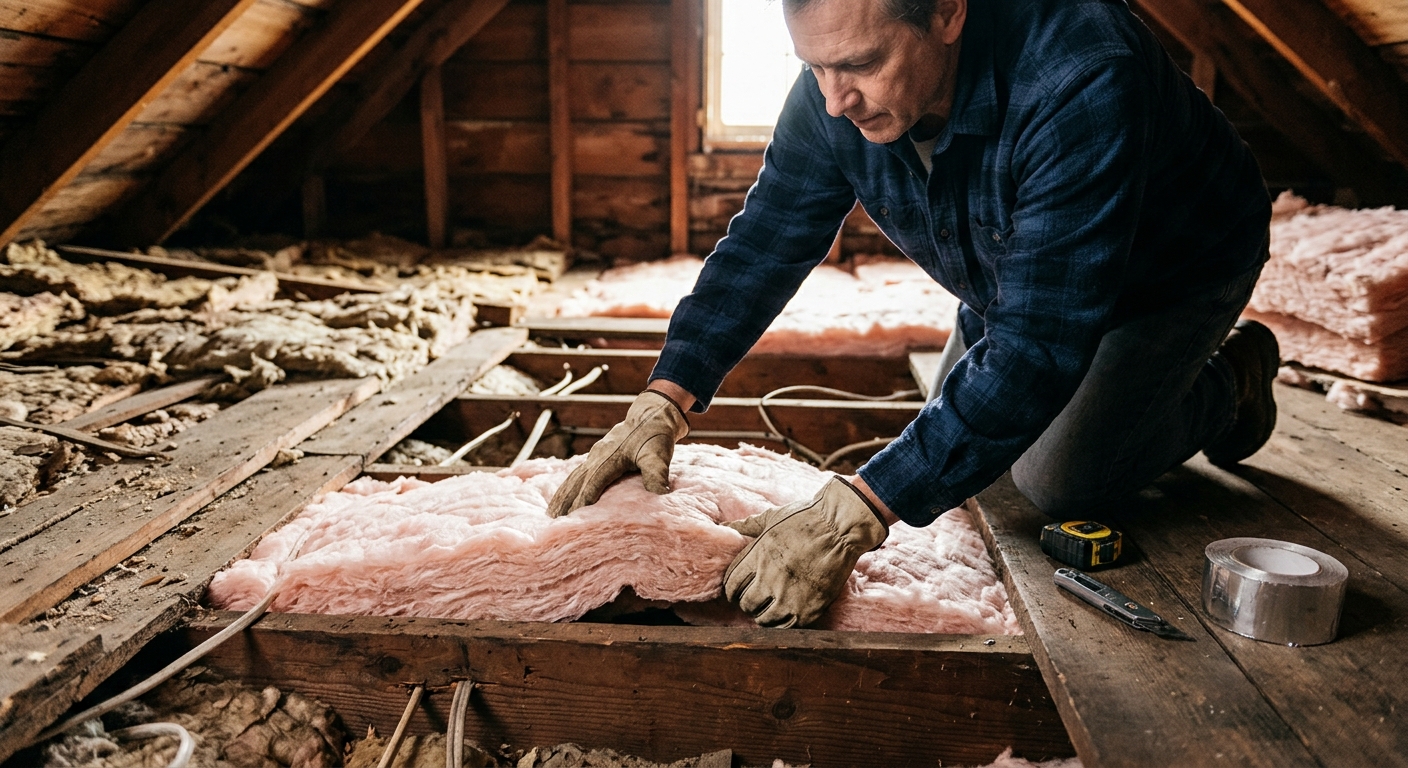
Most homeowners never look up, and that neglect costs an average of $300 to $500 in wasted heating every winter. A single afternoon in your attic, armed with the right checklist, can identify the leaks, gaps, and insulation problems that are quietly draining your budget.
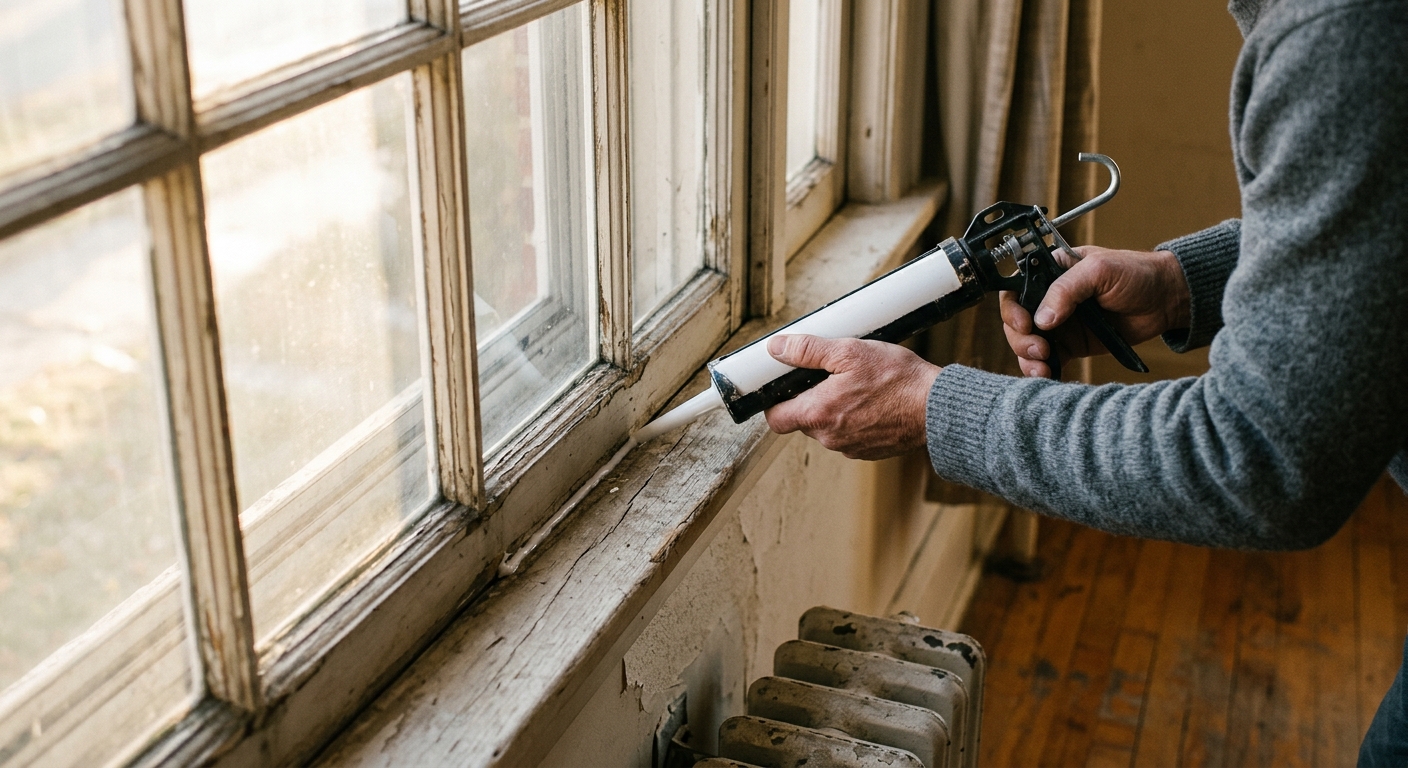
Winter is hard on your home’s thermal envelope, and spring is the ideal time to catch damage before cooling season drives your bills up. This checklist walks you through every zone of your home so you can spot gaps, fix what you can, and know when to call a pro.
Failing insulation is one of the most expensive and least visible problems in a home, silently inflating energy bills month after month. Learn the seven warning signs and what you can do to stop the drain on your wallet.
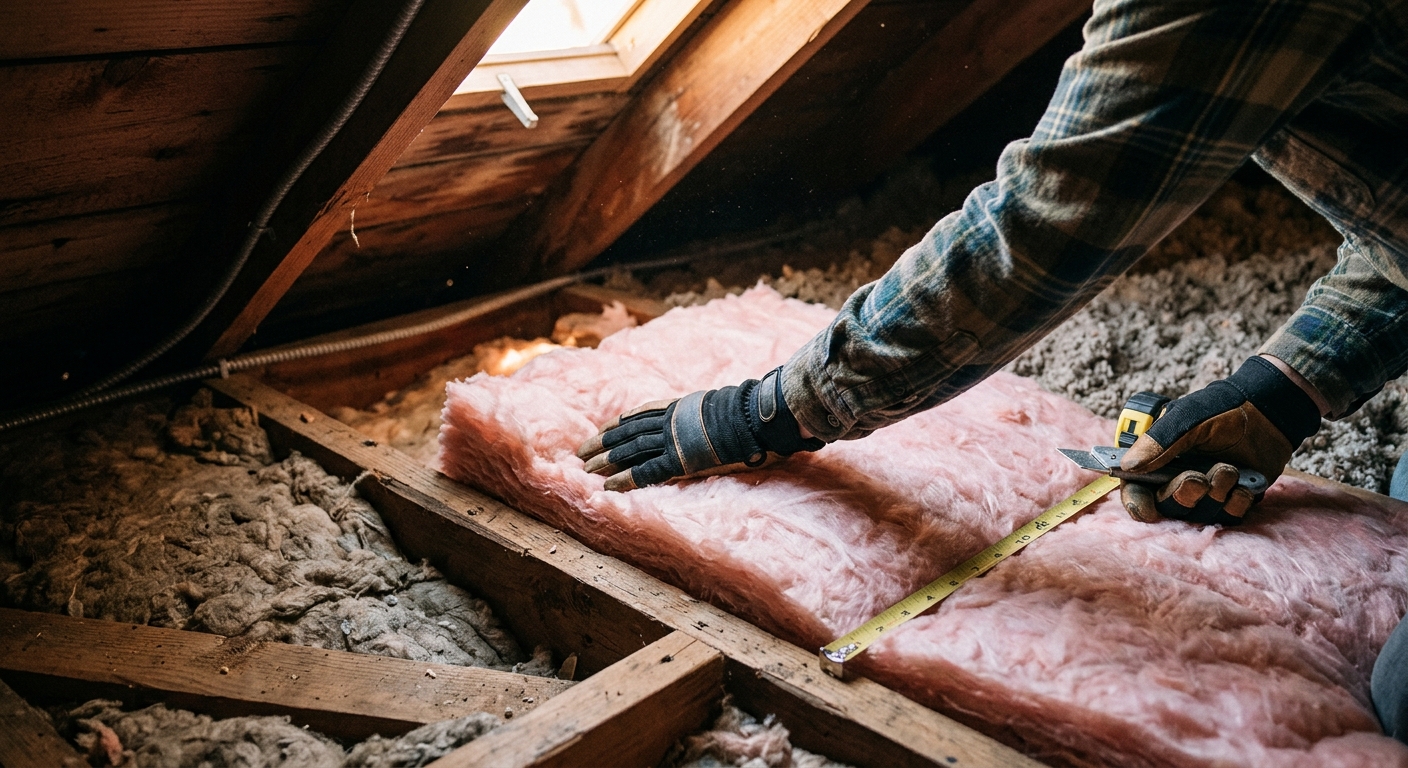
Attic insulation is one of the highest-impact upgrades a homeowner can make, yet millions of homes are running on levels that were considered adequate in the 1970s. Adding insulation to reach the recommended R-38 to R-60 can cut heating and cooling bills by 15 to 25% annually, with payback periods as short as 2 to 3 years.
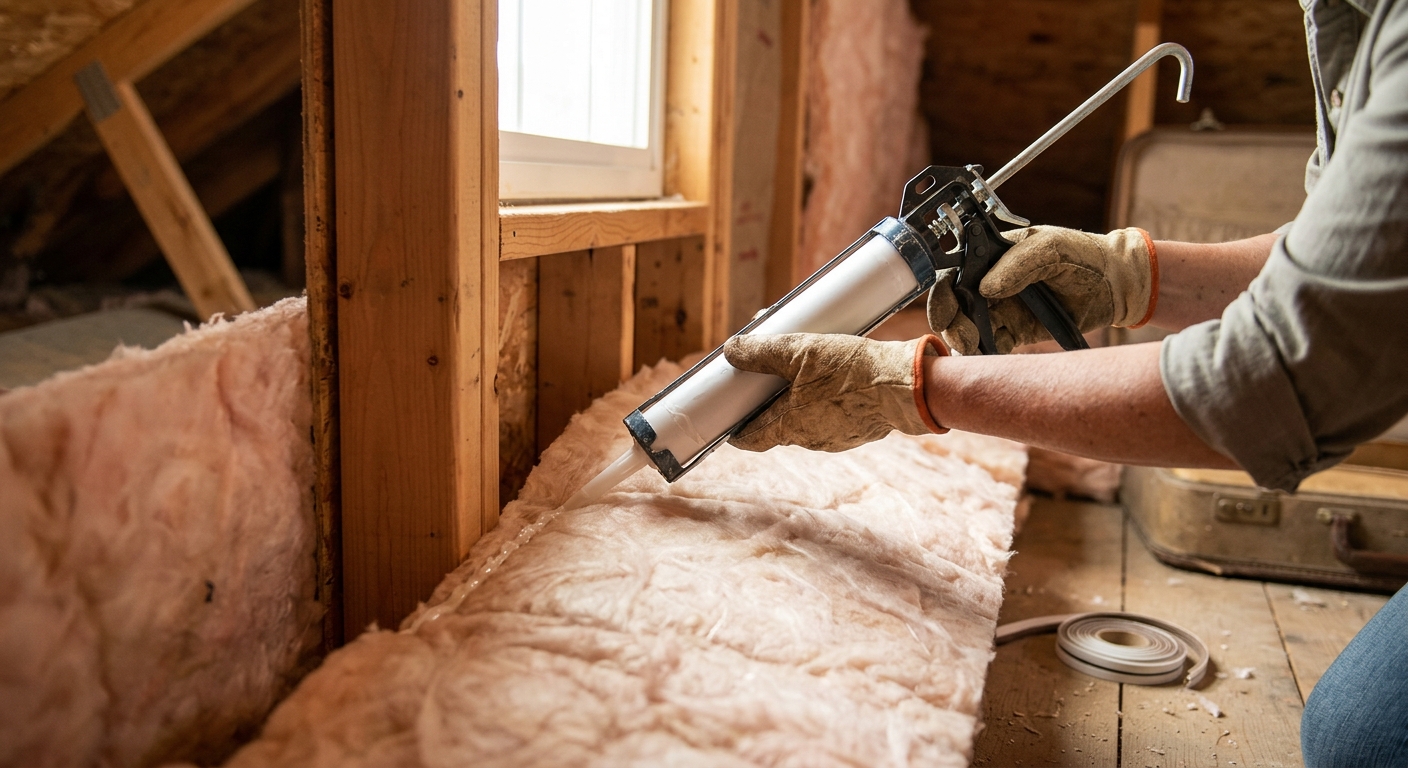
Many homeowners add attic insulation expecting dramatic improvements, only to find their rooms are still drafty, hot, or uneven in temperature. The real culprit is almost always air leakage, and without sealing it first, even R-60 insulation will underperform.
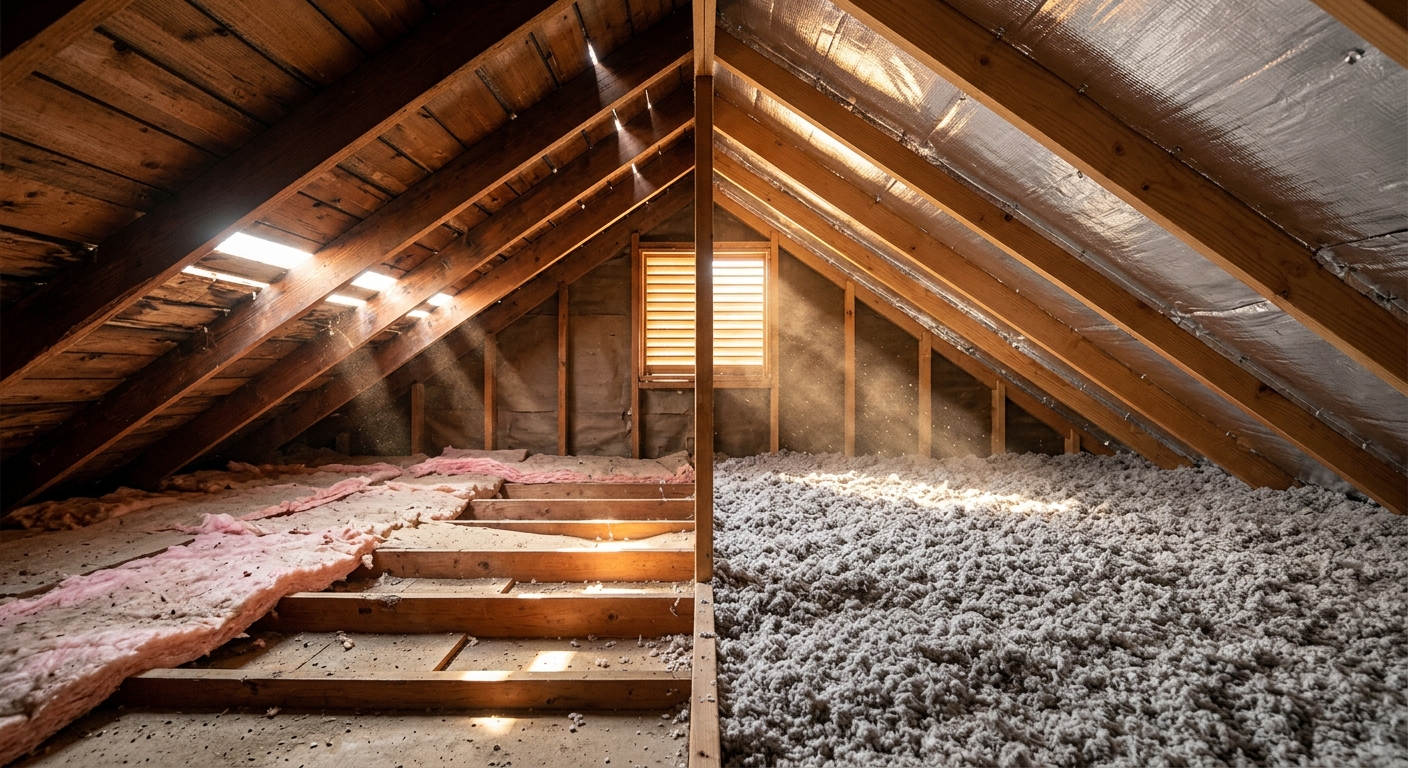
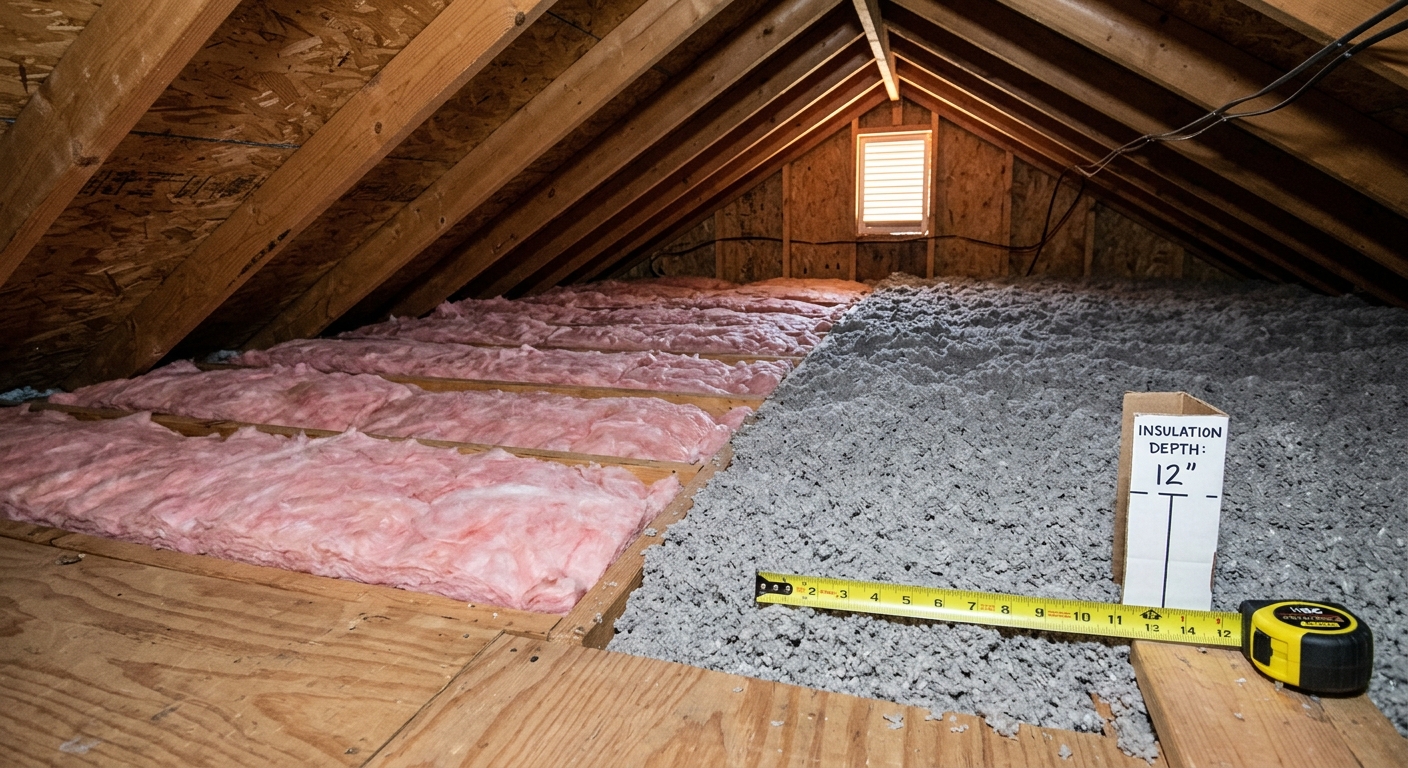
Choosing the wrong insulation type for your attic or walls can leave hundreds of dollars in savings on the table every year. This guide breaks down when blown-in insulation wins, when batt is the smarter choice, and exactly how much each can save based on your home type.
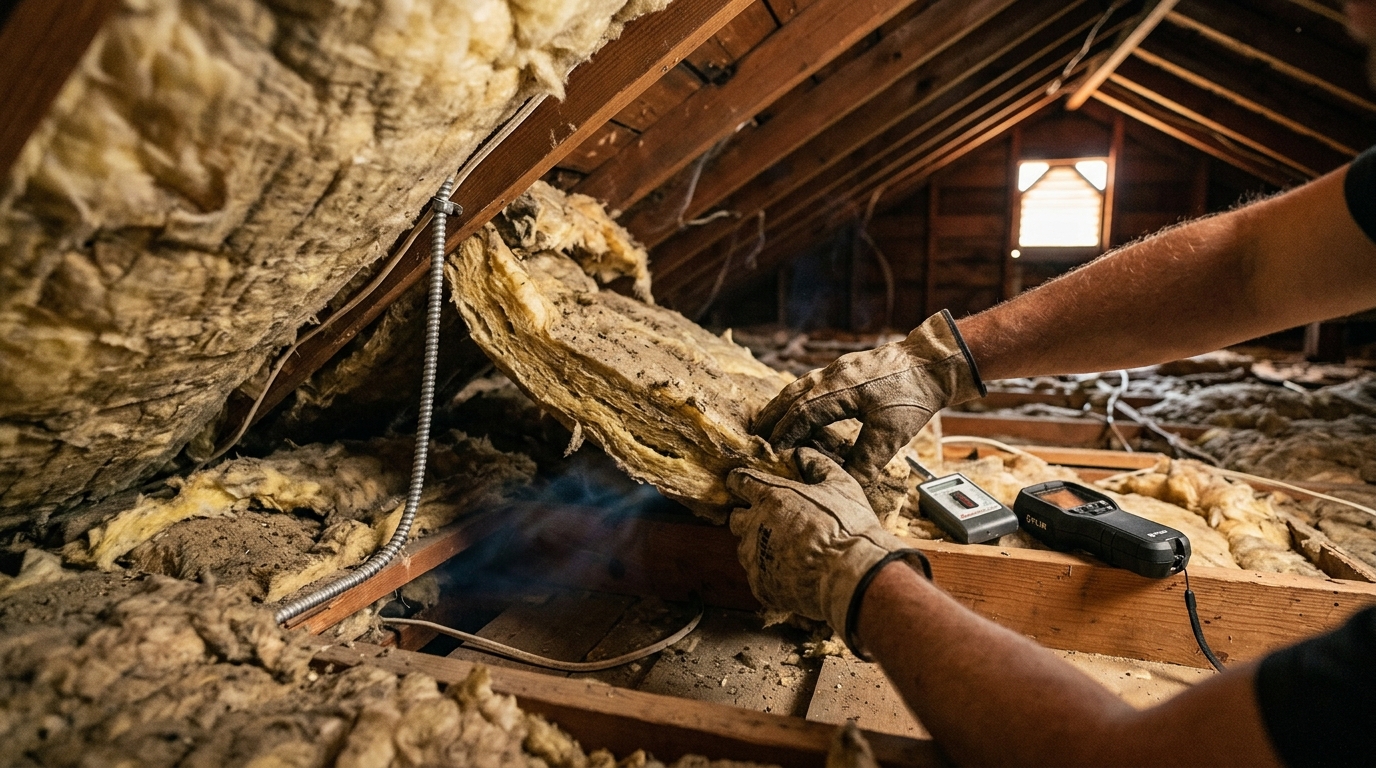
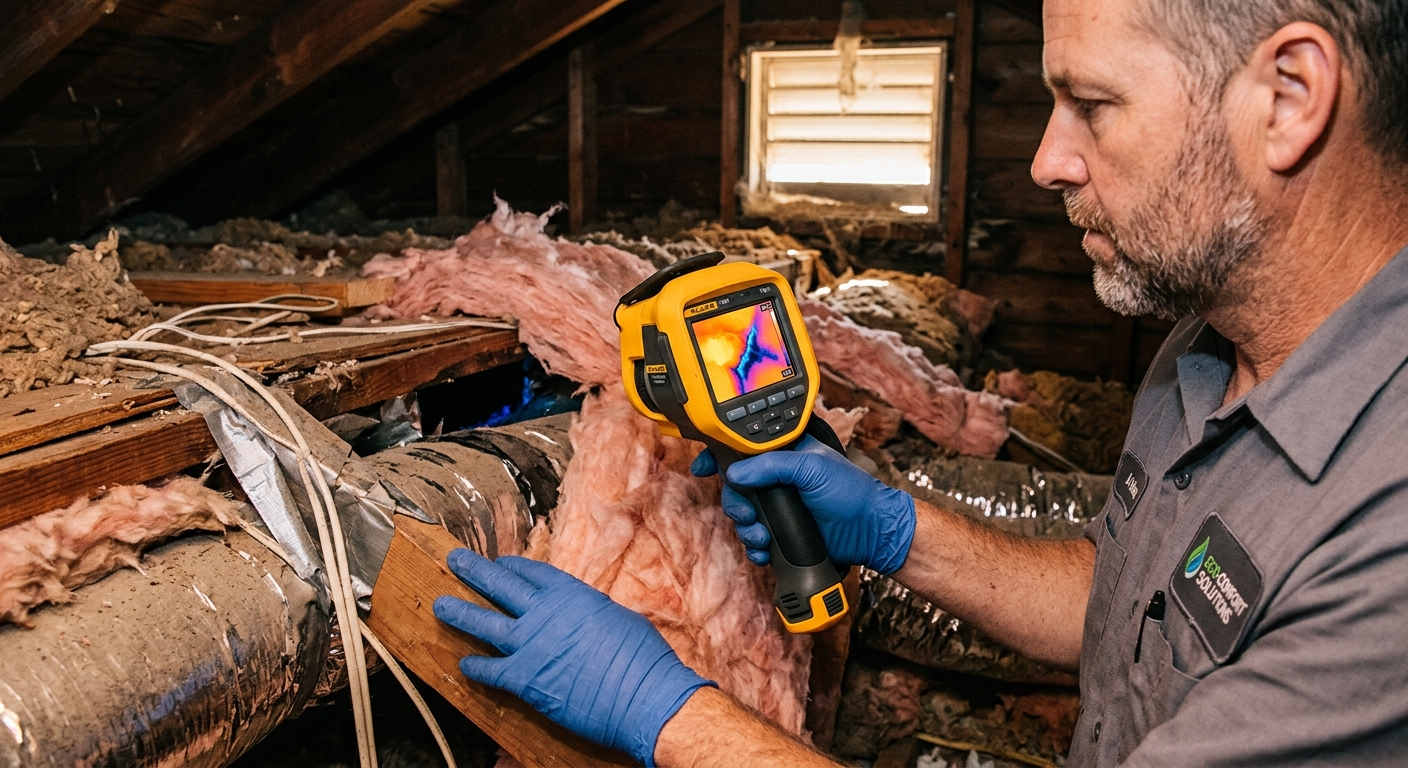
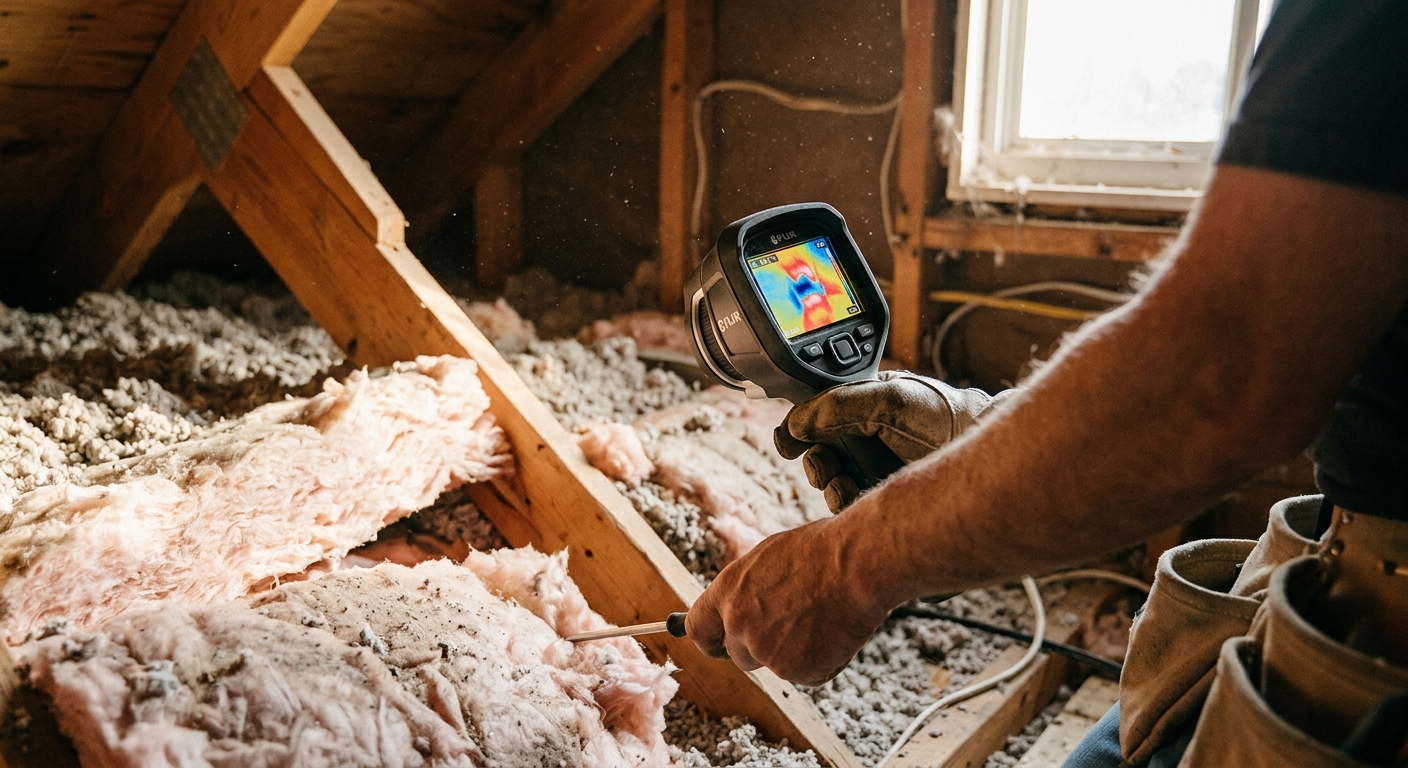
Most homeowners have no idea where their insulation is failing until they see it on an energy bill. A home energy audit gives you a precise, room-by-room picture of where heat is escaping and exactly what to fix first.
Older homes charm us with character, but they often hide decades of energy inefficiency in their walls, attics, and mechanical systems. Learn how to find the biggest money drains in an aging home and fix them in order of payback.
Homes built before 1980 were constructed with little to no insulation standards, leaving walls, attics, and basements as open conduits for heat loss. The good news is that targeted upgrades can cut heating bills by 20 to 40% and make your home noticeably more comfortable within a single season.