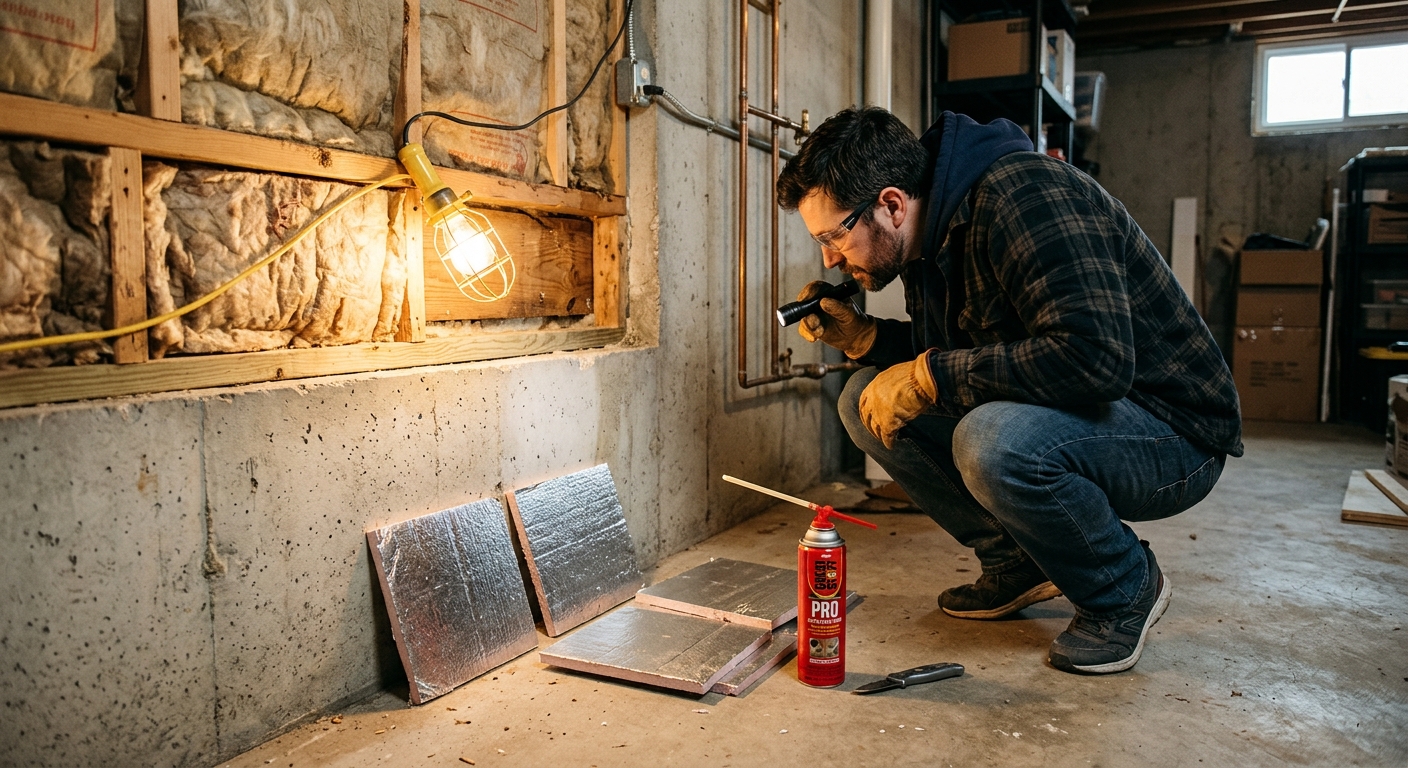
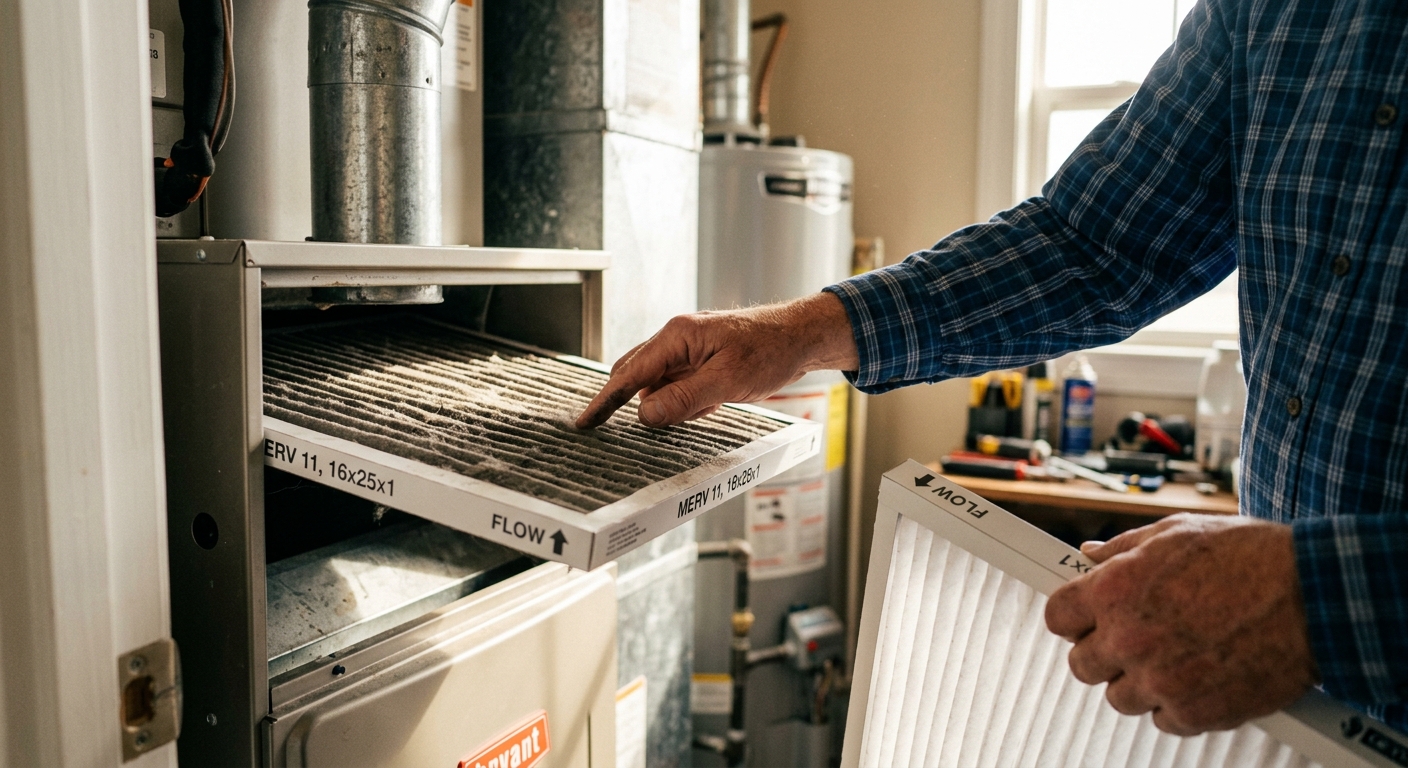
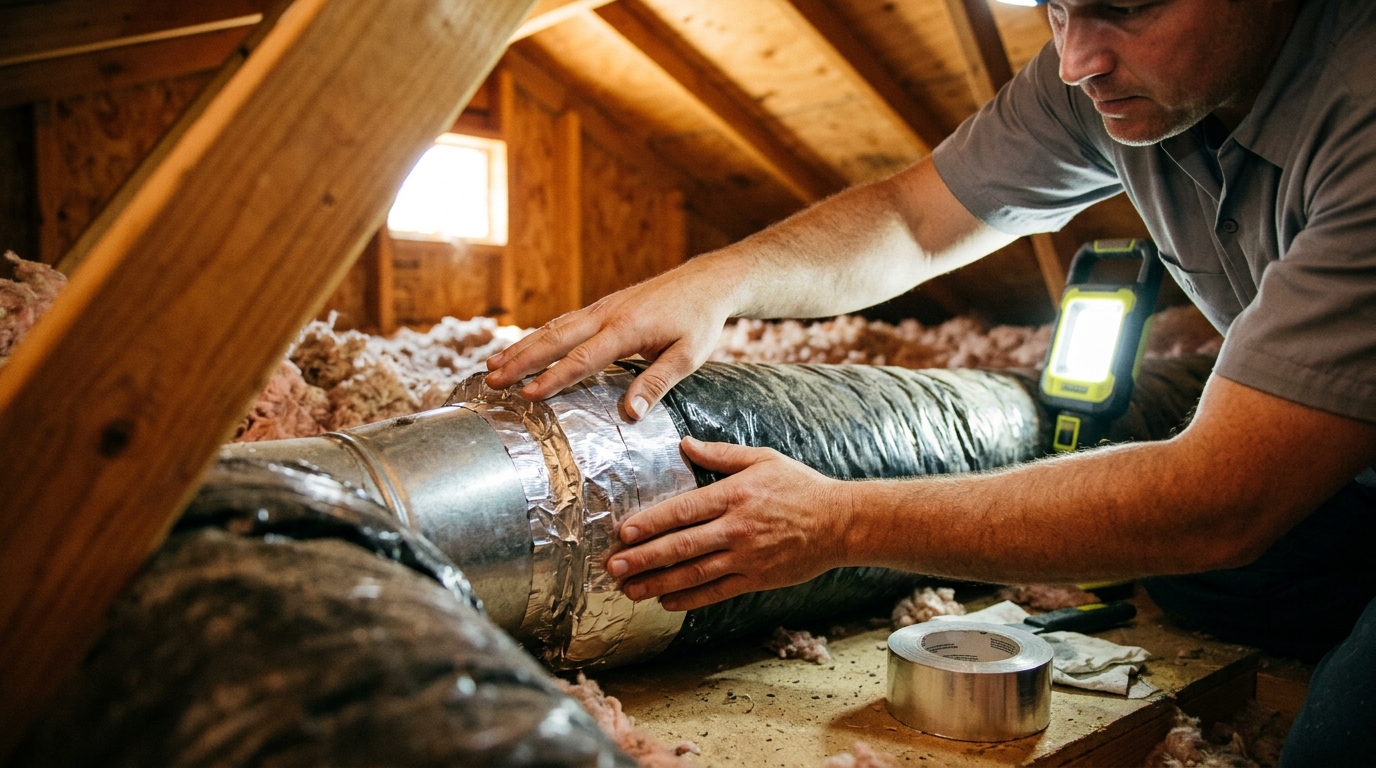
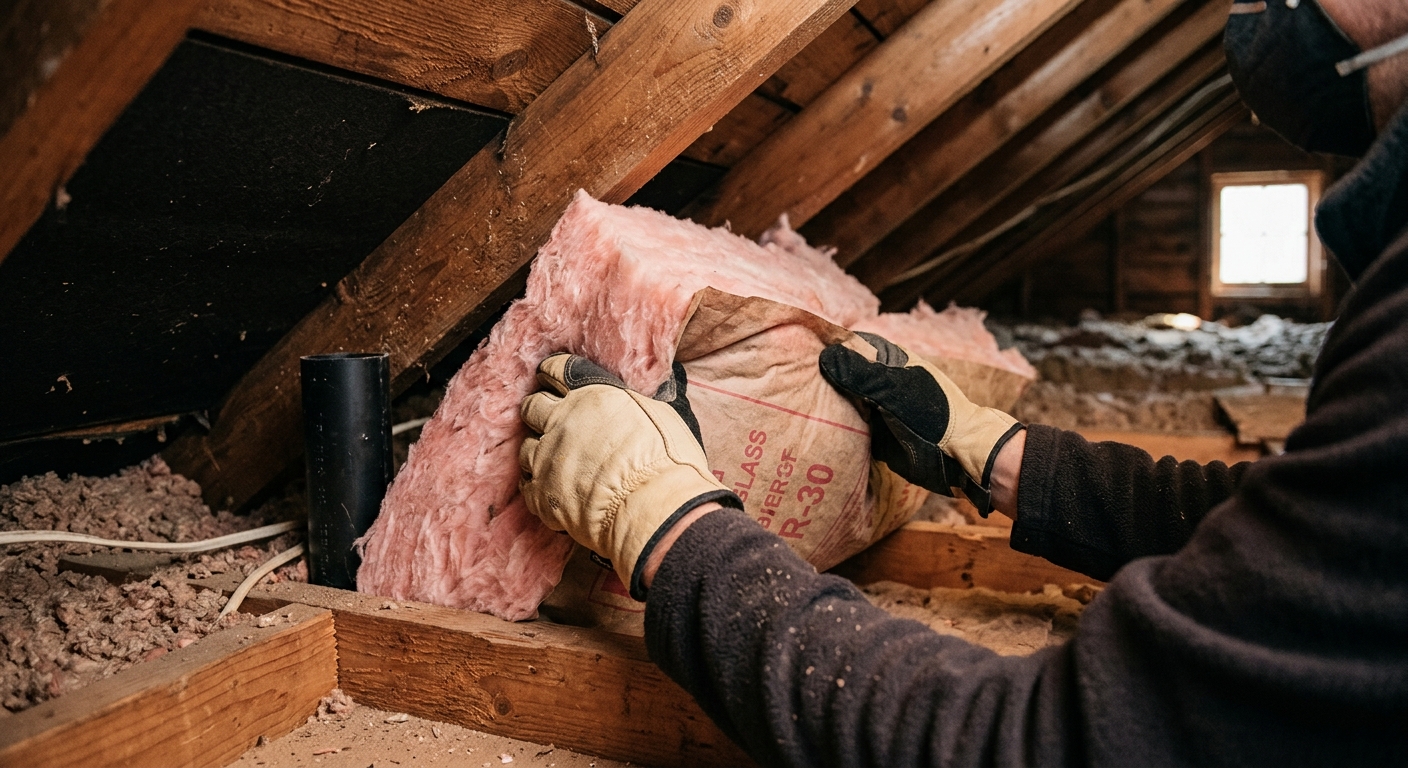
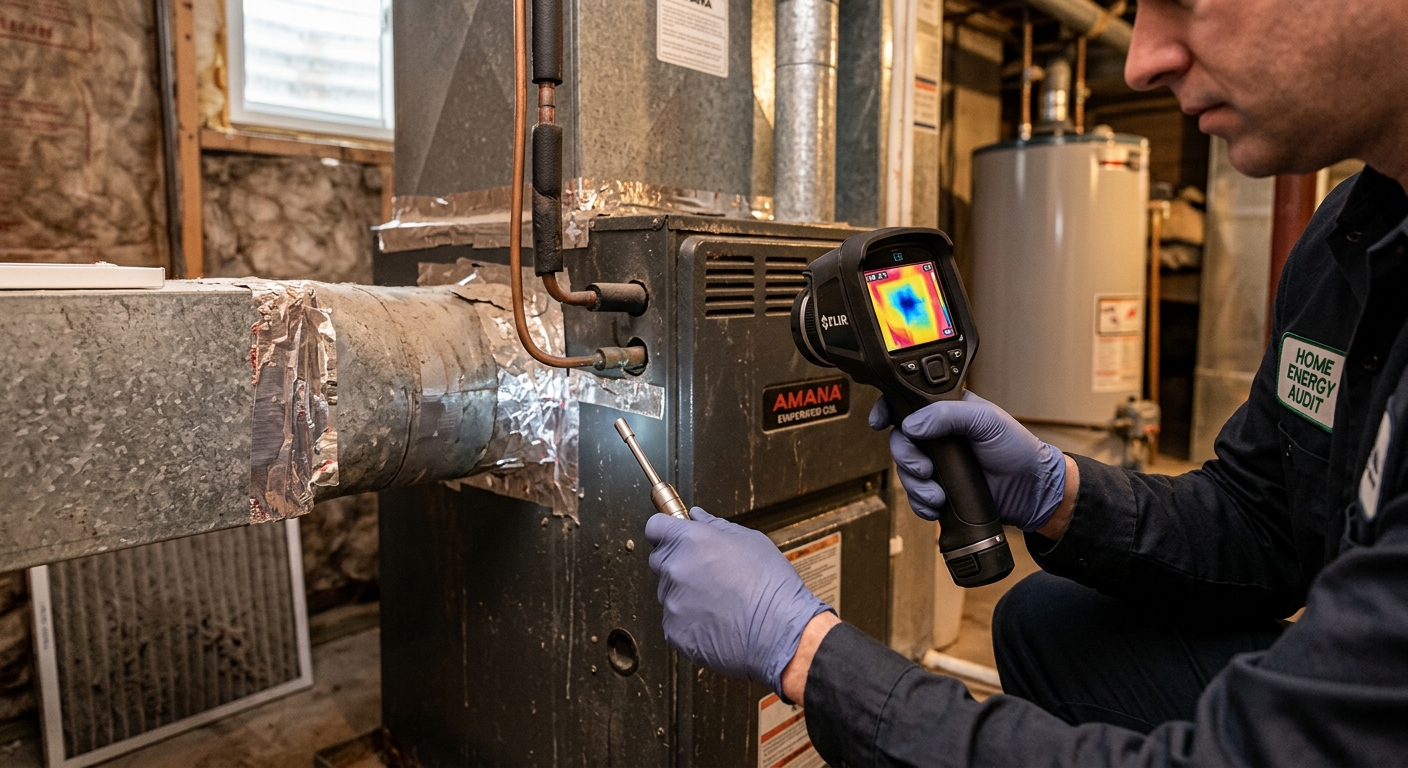
Most homes lose a surprising amount of heating and cooling through a handful of spots that builders routinely skip or underinsulate. Targeting these six areas can cut your energy bills by 20 to 30% without touching your HVAC system.
If your AC runs for hours while your neighbor’s house reaches a comfortable temperature in half the time, your home has a heat gain problem, not just an equipment problem. This post breaks down the six most common reasons a house holds heat too long and gives you a clear plan to fix them.
Most homeowners blame their HVAC system when the upstairs stays stuffy and hot, but the real culprit is usually a combination of attic heat, poor airflow, and duct problems. Fix the right things in the right order and you can close that temperature gap by 3 to 5 degrees without replacing your AC.
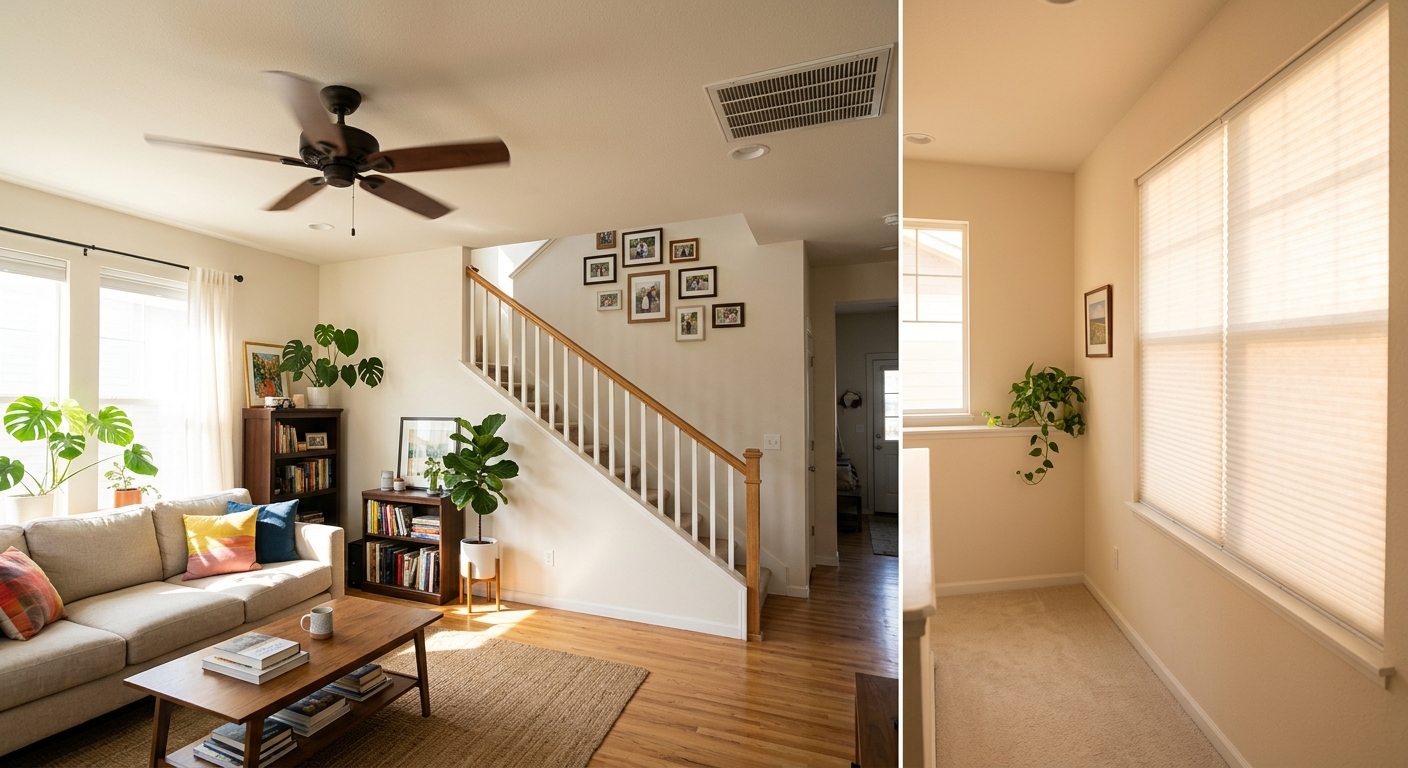
Two-story homes are notorious for wild temperature swings between floors, leaving the upstairs sweltering while the first floor turns into a freezer. With the right combination of airflow adjustments, thermostat strategy, and targeted upgrades, you can balance temperatures within 2 to 4 degrees across both floors without cranking up the AC.
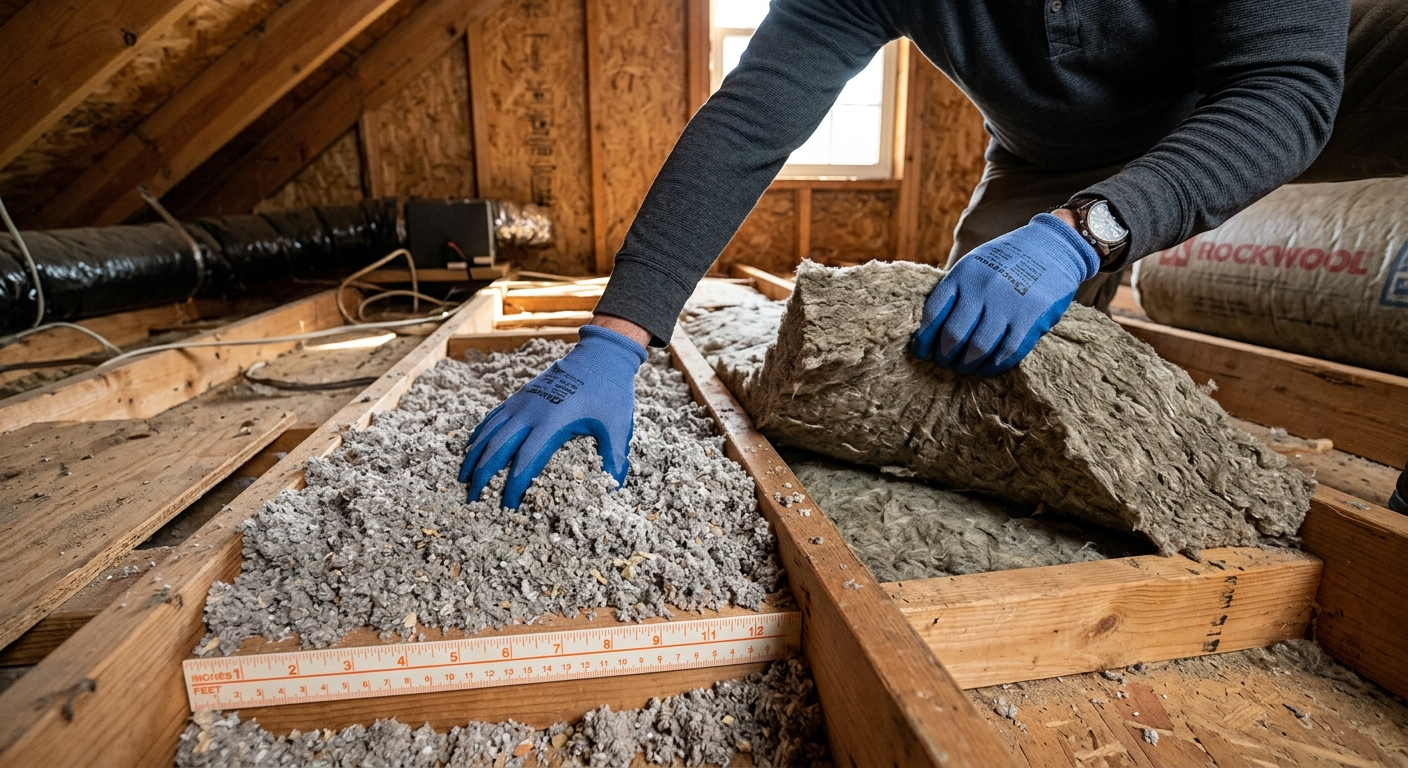
Most homeowners have no idea what type of insulation is in their walls or attic, and that gap in knowledge can lead to costly mistakes when upgrading or air sealing. Learn how to identify cellulose, fiberglass, and mineral wool insulation by sight, touch, and simple tests, so you can make smarter decisions about your home’s thermal envelope.
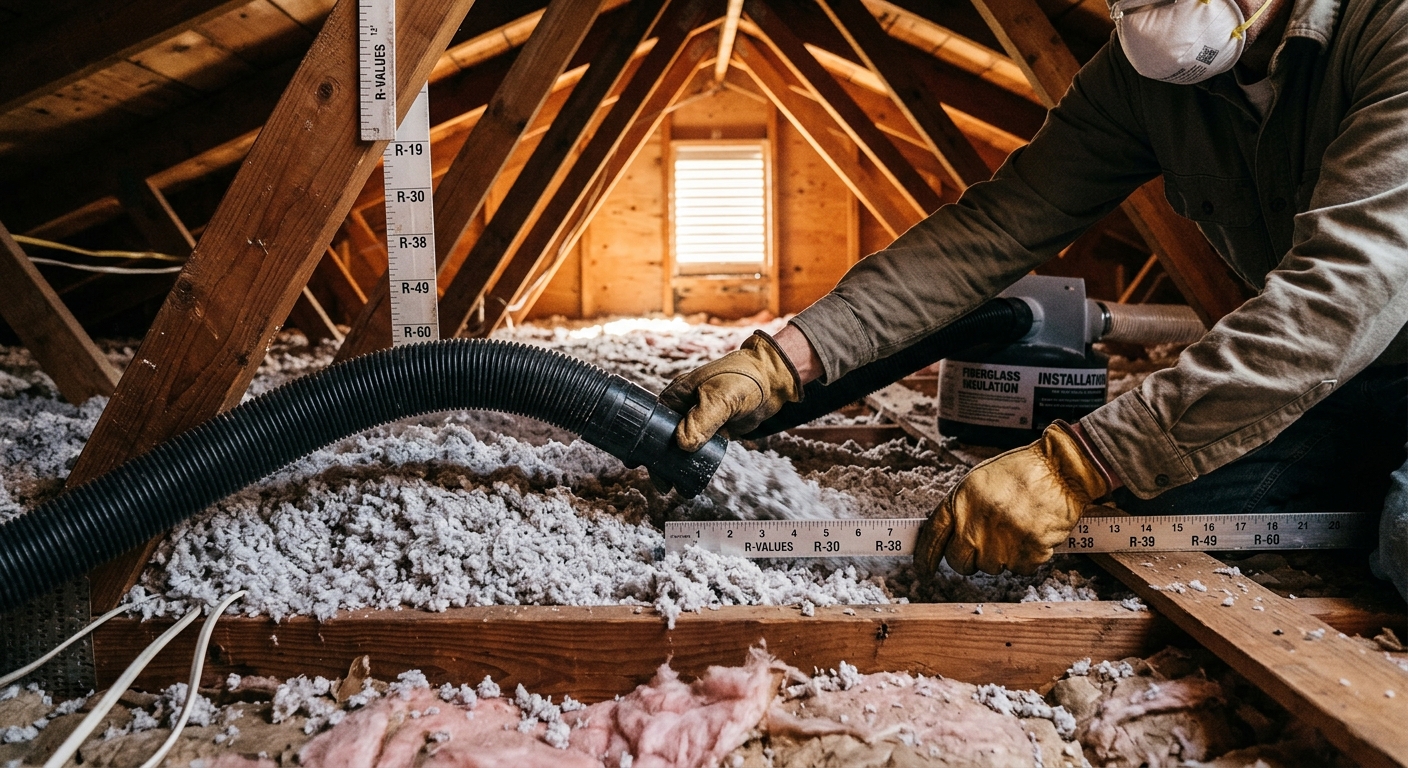
Most homes are under-insulated by 30 to 50%, and homeowners often have no idea what R-value they actually need for their climate. This guide breaks down DOE-recommended R-values by zone and shows you exactly how to close the gap, whether you rent, own, or are working with a tight budget.
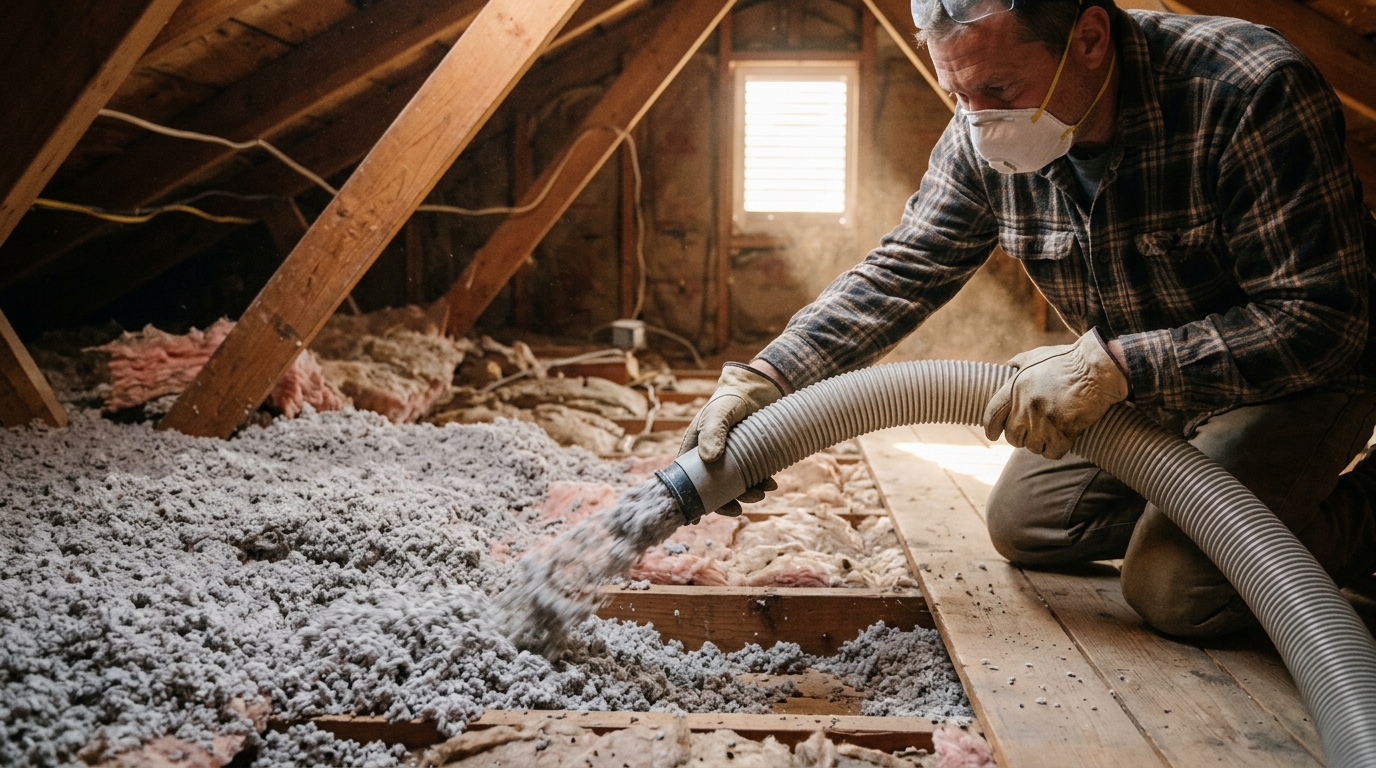
A poorly insulated attic is one of the biggest sources of energy loss in most homes, responsible for up to 25% of total heating and cooling waste. This step-by-step guide walks you through adding blown-in insulation yourself, with real cost numbers, payback timelines, and professional tips to get it right the first time.
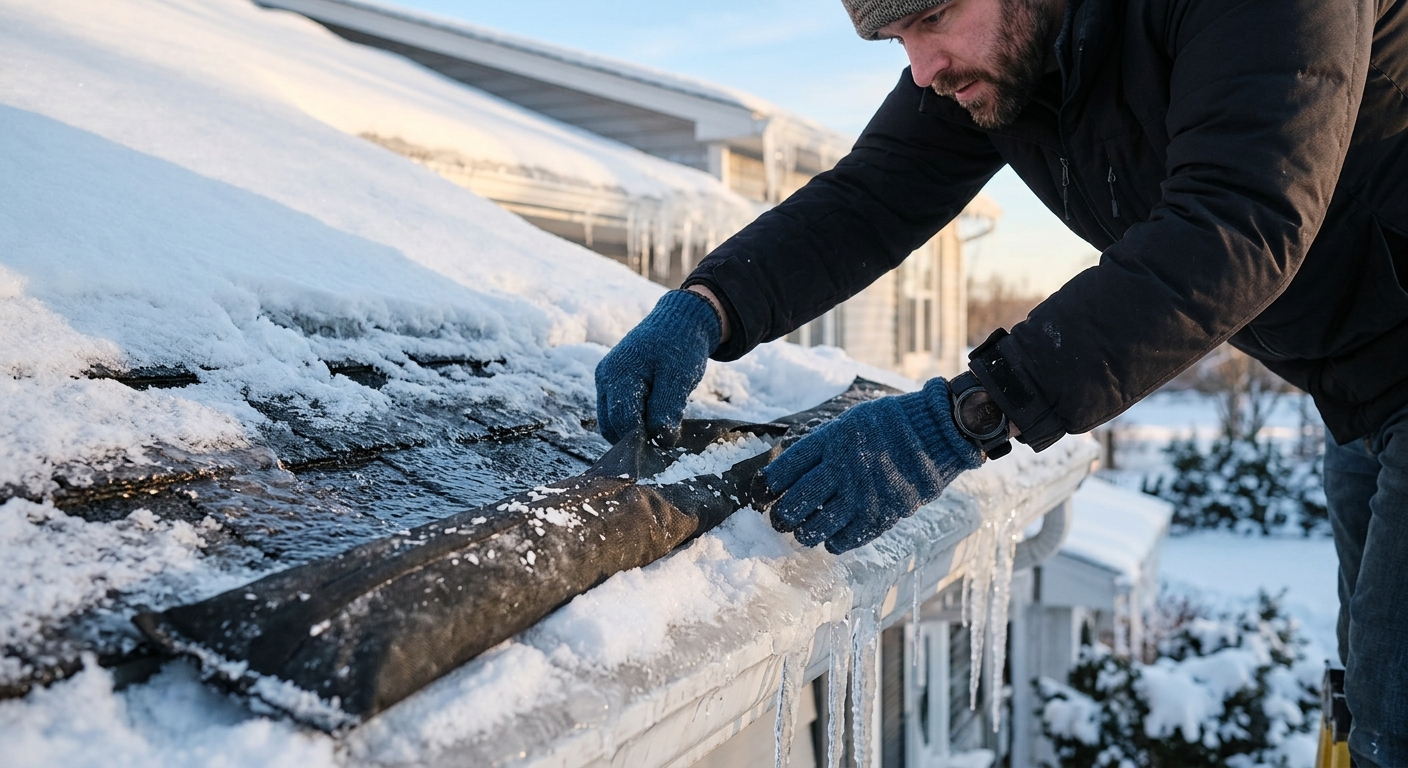
Ice dams cause billions in home damage every year, but most of them are preventable with the right insulation and ventilation strategy. This guide walks you through exactly what causes ice dams and how to stop them before they destroy your roof, gutters, and ceilings.
When temperatures plunge overnight, poorly insulated homes can lose heat so fast that furnaces run nearly nonstop, driving bills sky high. A few targeted checks and upgrades done before a cold snap arrives can slash heating costs by 15 to 30% and keep every room noticeably warmer.
Most homeowners assume their AC is underperforming because it’s old or undersized, but an energy audit often tells a very different story. Hidden air leaks, missing insulation, and duct losses are usually the real culprits stealing your comfort and driving up your cooling bills.