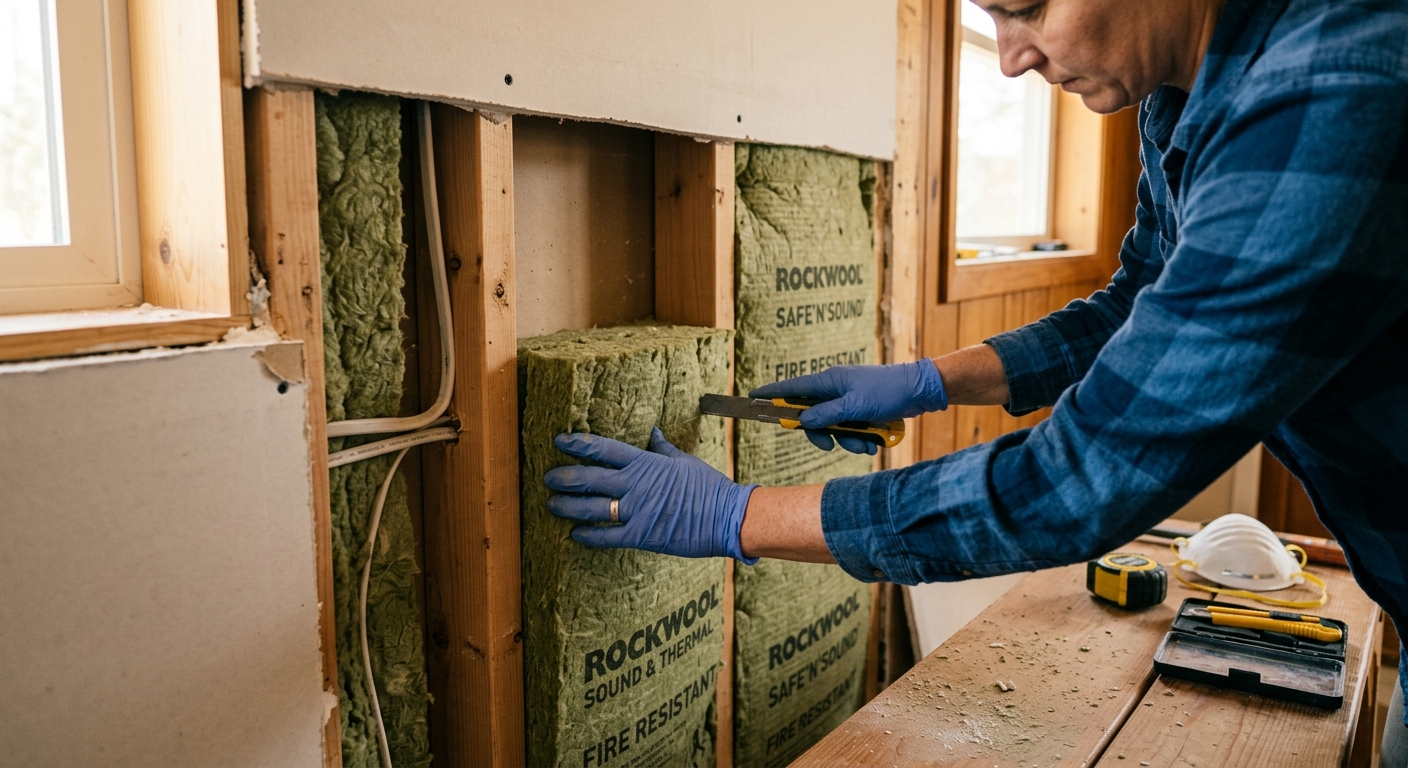
Many homeowners assume that adding insulation will also quiet their home, or that soundproofing products will lower their energy bills. These are two distinct sciences with very different solutions, and confusing them leads to wasted money and disappointing results.
If your AC runs for hours while your neighbor’s house reaches a comfortable temperature in half the time, your home has a heat gain problem, not just an equipment problem. This post breaks down the six most common reasons a house holds heat too long and gives you a clear plan to fix them.
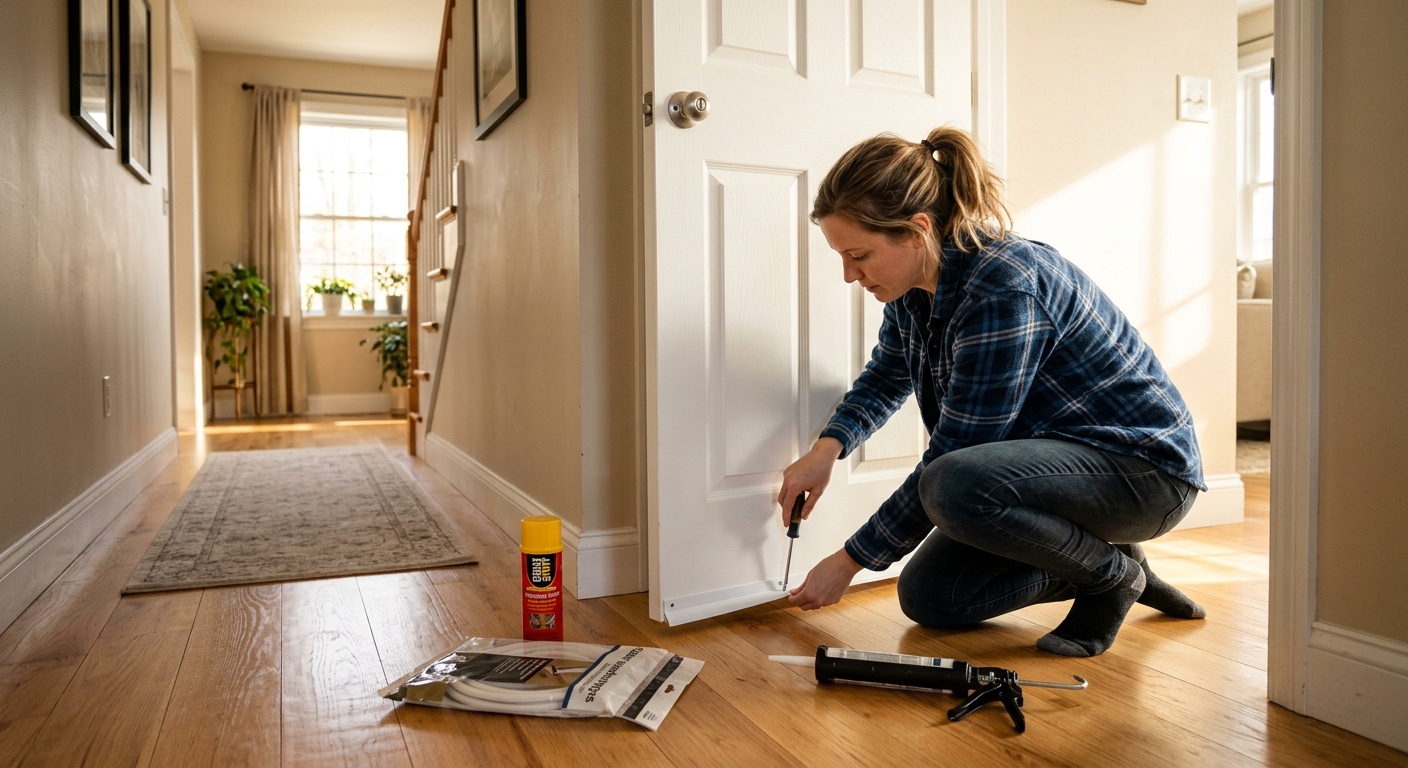
Drafts aren’t just annoying – they’re quietly draining 20 to 30% of your heating and cooling budget through gaps you can’t always see. A single weekend of air sealing with basic materials can eliminate most of them and pay back the investment in as little as 60 days.
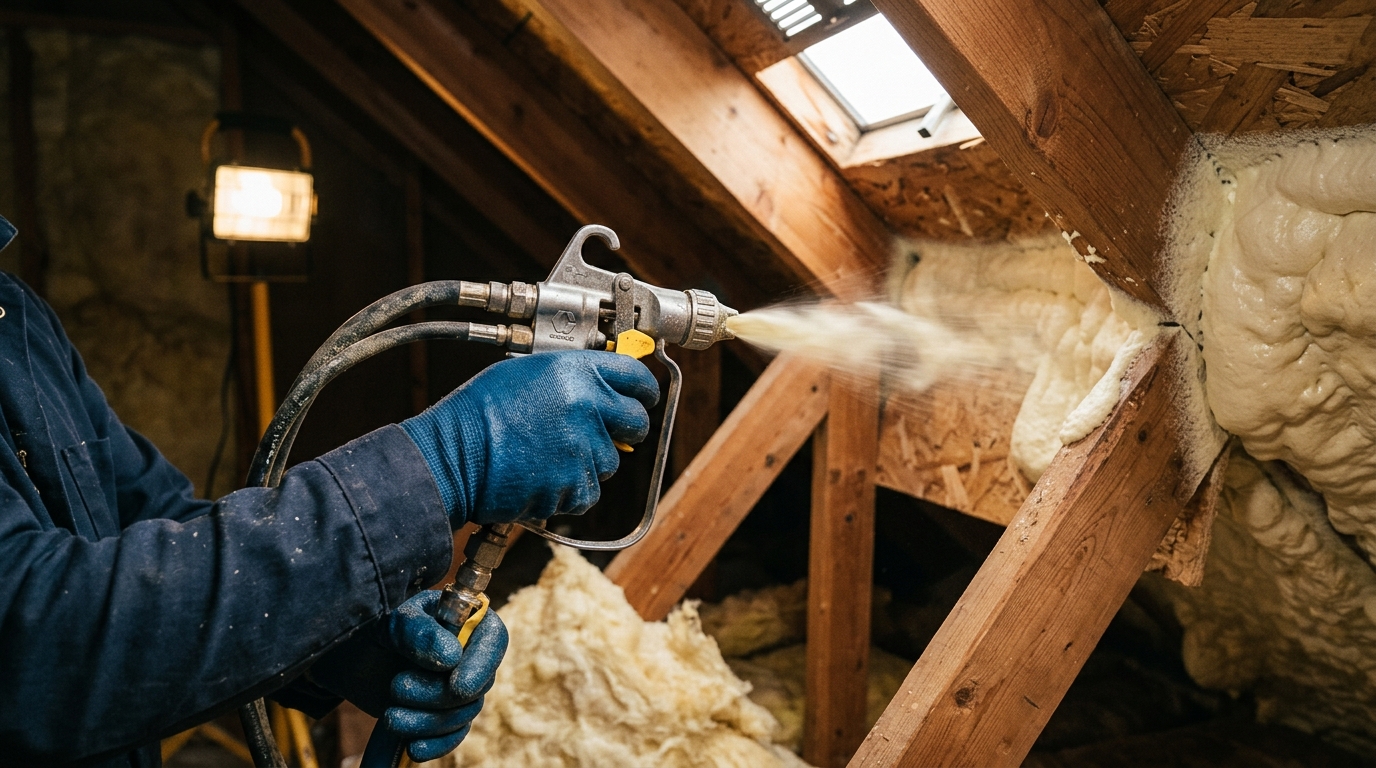
Spray foam insulation comes in two very different formulas, and choosing the wrong one can cost you thousands in wasted material or missed savings. This guide breaks down exactly when to use each type, what real-world savings look like, and how to make the smartest call for your home.
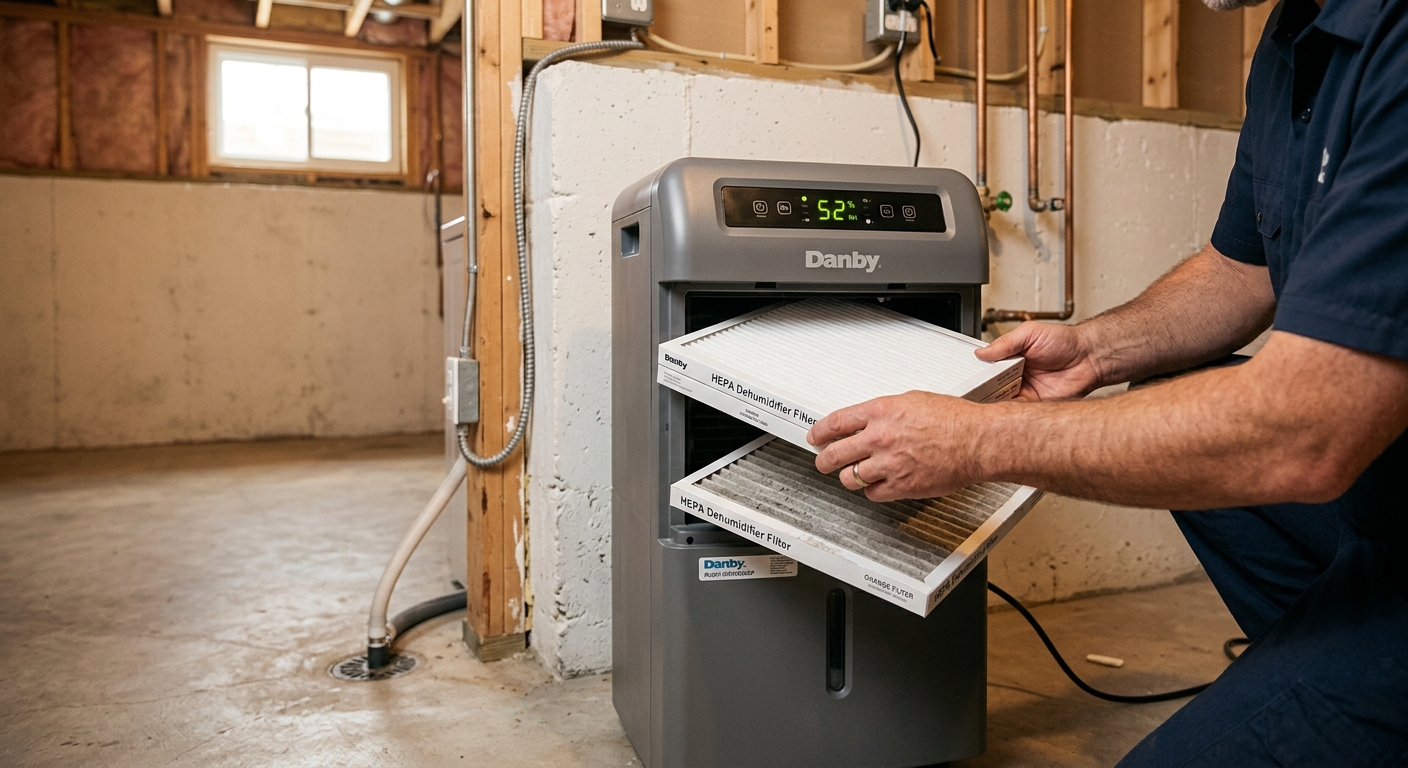
Summer humidity turns basements into clammy, musty spaces that can damage belongings and grow mold within 48 hours. Understanding why moisture enters and which fixes actually work can save you hundreds in repairs and slash cooling costs by up to 15%.
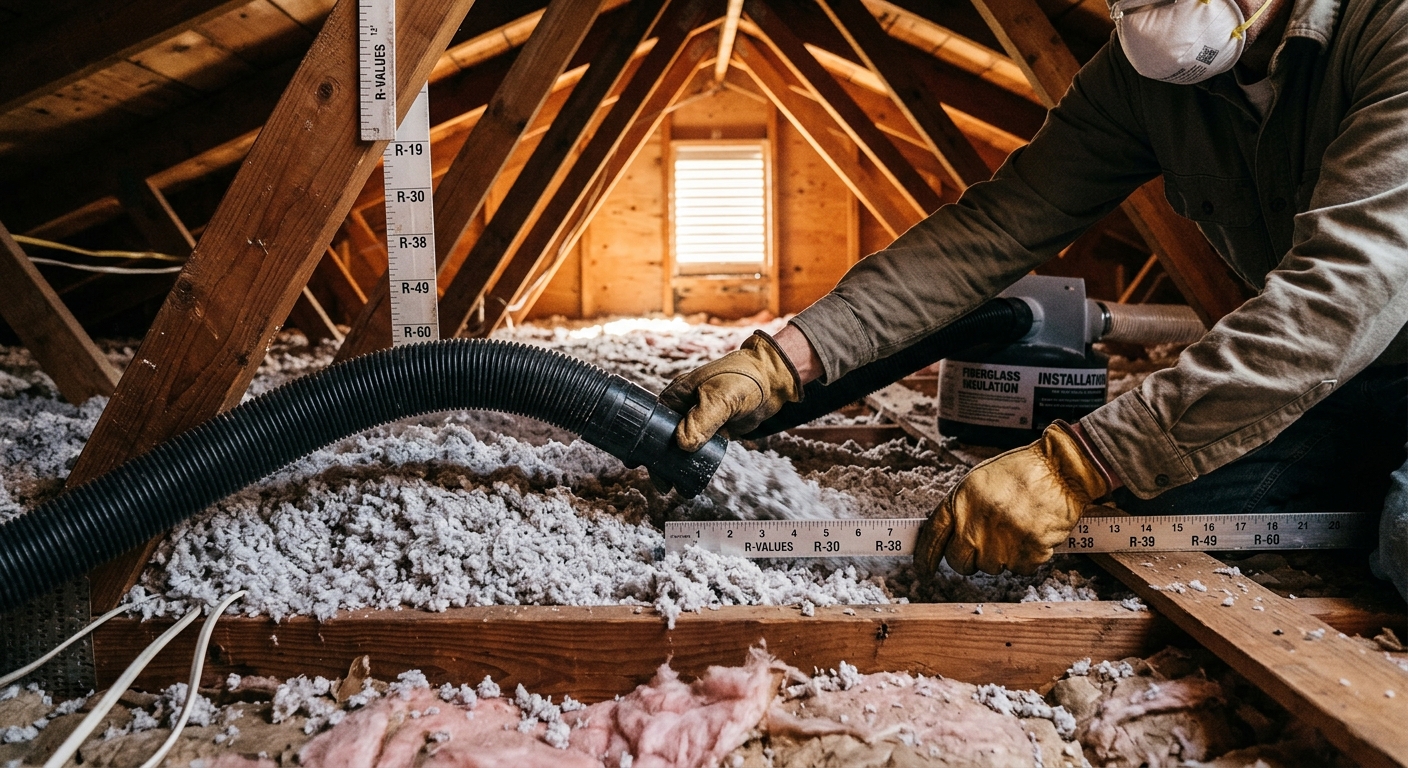
Most homes are under-insulated by 30 to 50%, and homeowners often have no idea what R-value they actually need for their climate. This guide breaks down DOE-recommended R-values by zone and shows you exactly how to close the gap, whether you rent, own, or are working with a tight budget.
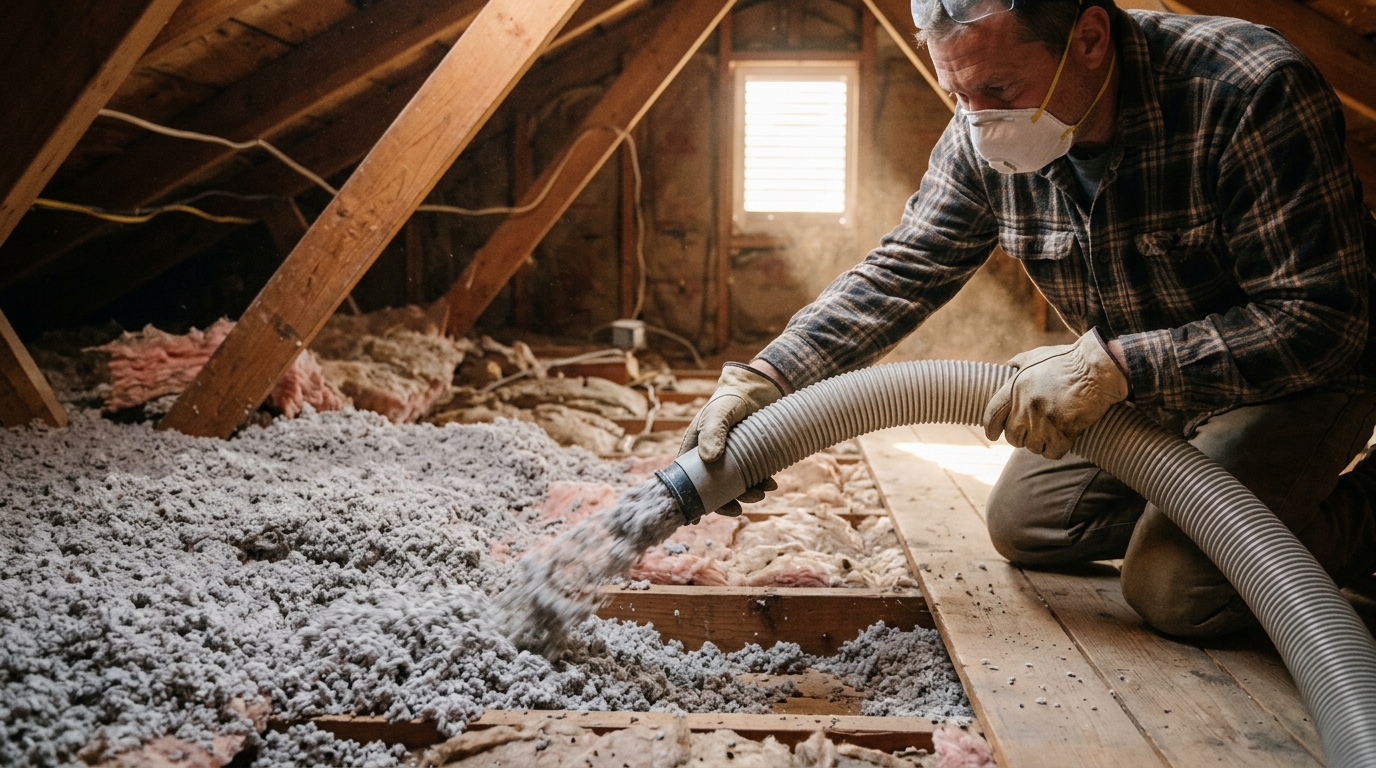
A poorly insulated attic is one of the biggest sources of energy loss in most homes, responsible for up to 25% of total heating and cooling waste. This step-by-step guide walks you through adding blown-in insulation yourself, with real cost numbers, payback timelines, and professional tips to get it right the first time.
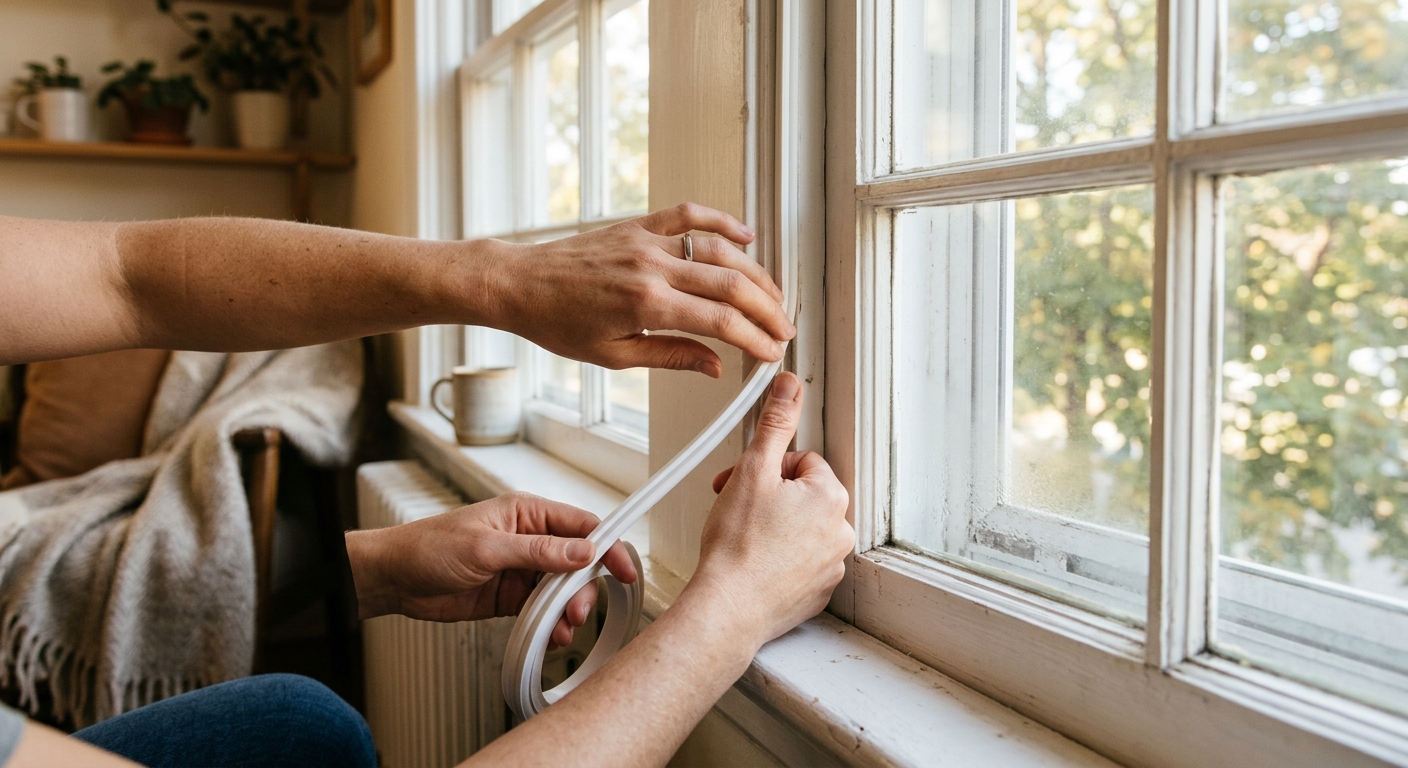
Drafty windows can account for 25 to 30% of a home’s heating and cooling loss, quietly inflating your energy bills every month. With about $30 in materials and a free weekend afternoon, you can seal most window drafts yourself and start seeing savings on your next bill.
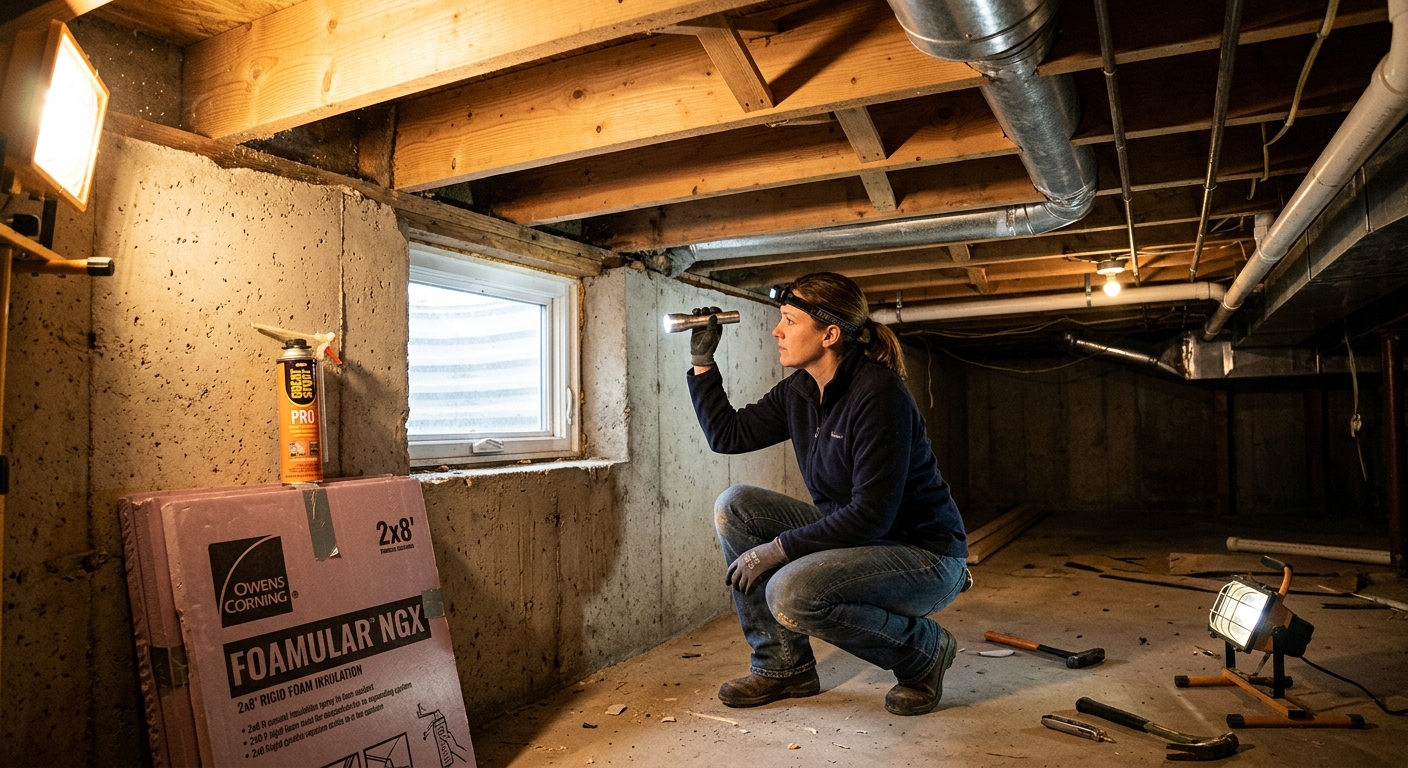
Your basement is one of the most energy-wasteful spaces in your home, yet most homeowners never think to look there first. From uninsulated rim joists to leaky ducts and bare pipes, a simple basement walkthrough can uncover hundreds of dollars in annual savings.
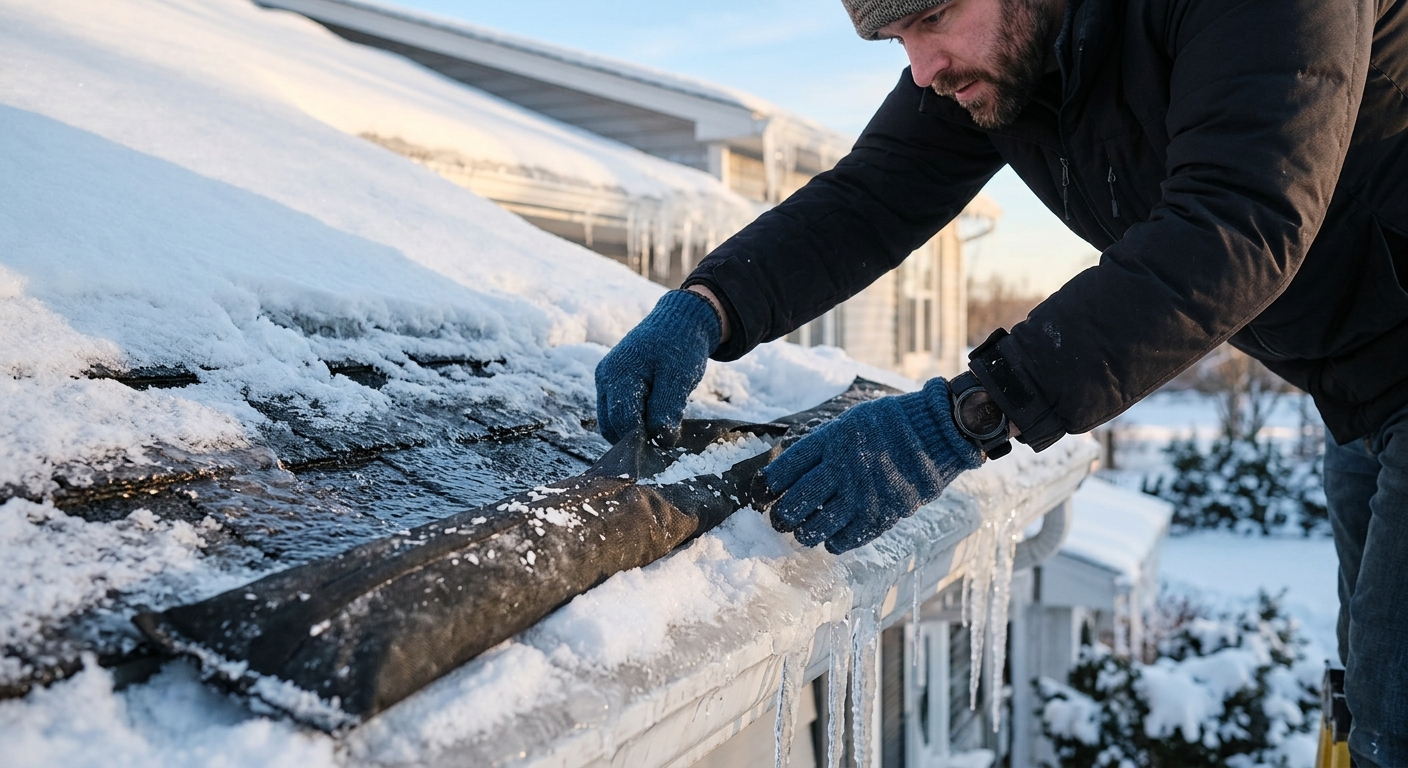
Ice dams cause billions in home damage every year, but most of them are preventable with the right insulation and ventilation strategy. This guide walks you through exactly what causes ice dams and how to stop them before they destroy your roof, gutters, and ceilings.