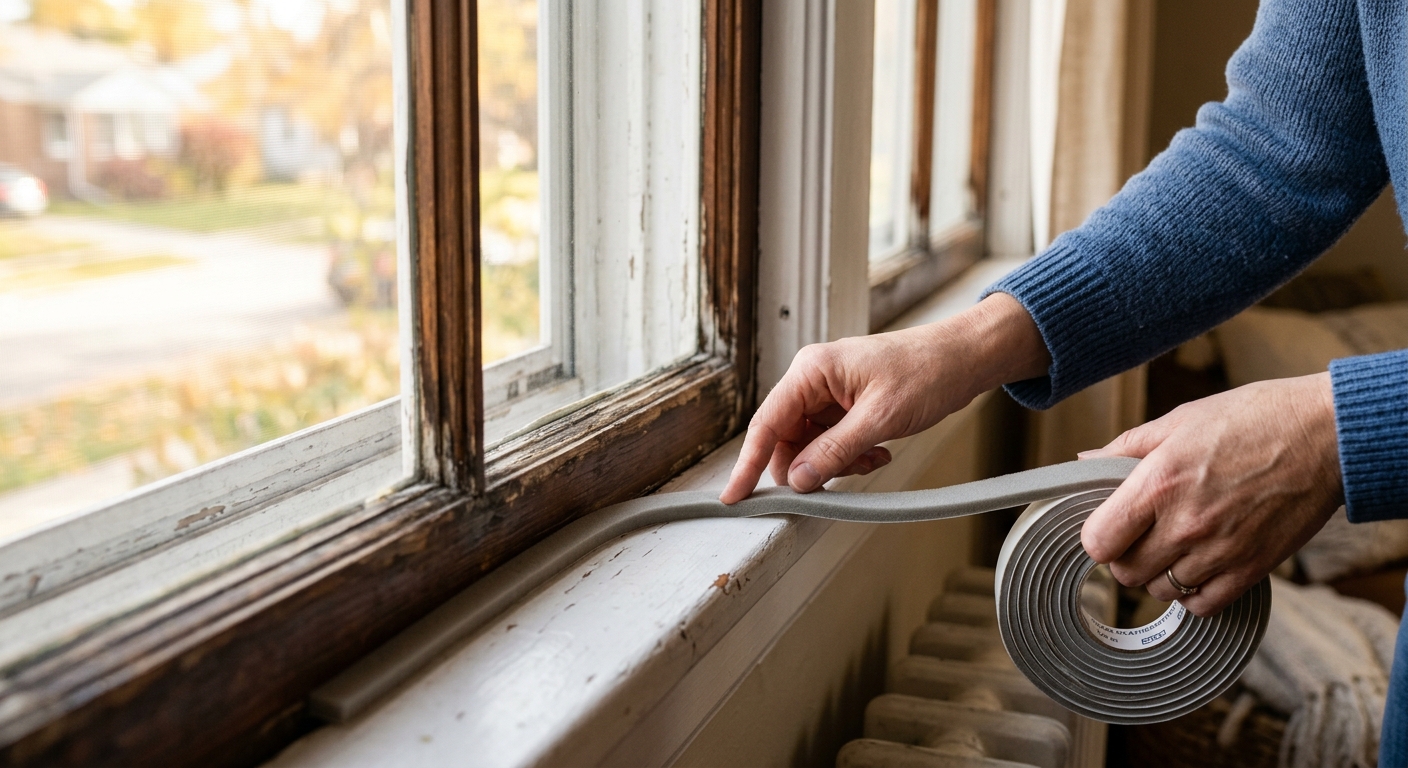
Leaky windows can account for 25 to 30% of your home’s heating and cooling loss, driving up energy bills season after season. The good news is you can fix most drafts yourself in an afternoon for under $50, no replacement windows required.
A full home energy retrofit costing $50,000 sounds like a luxury, but the real question is what it pays back every month. When you stack insulation, air sealing, HVAC upgrades, and windows together, many homeowners see $200 to $500 in monthly savings and a dramatically more comfortable home.
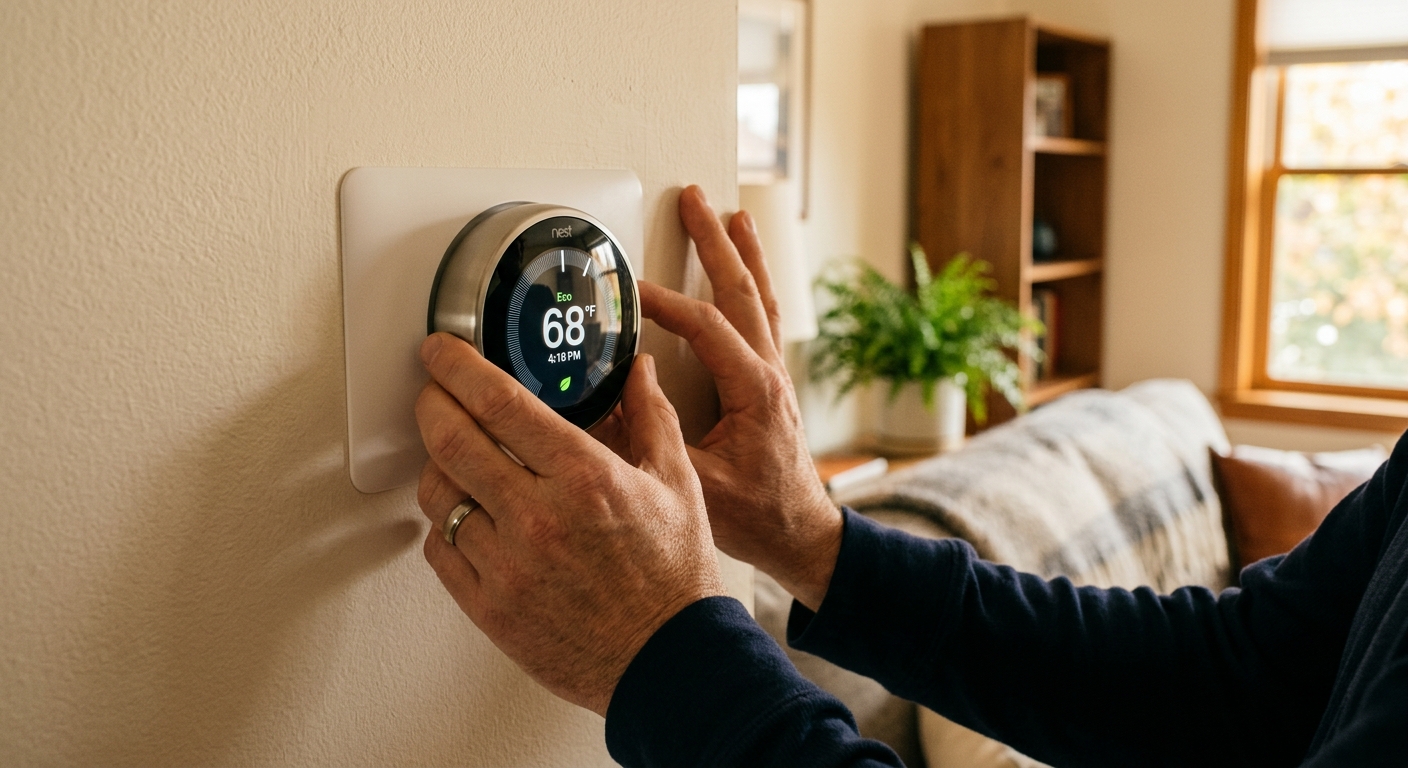
When your utility raises rates, your old habits suddenly cost more, but cutting back does not have to mean sweating through summer or shivering in winter. With a few targeted changes to how and when you use energy, most homeowners can trim 15 to 30% off their bills without noticing any drop in comfort.
Ice dams on your roof are not just a winter nuisance – they are a warning sign that heat is escaping through your attic and melting snow unevenly. Fixing the underlying insulation and air sealing problem can eliminate ice dams permanently while cutting heating bills by 15 to 30%.
Most homeowners assume insulation works the same way year-round, but heat moves through your home by completely different mechanisms depending on the season. Understanding this seasonal shift can help you target upgrades that cut both heating and cooling bills by 15 to 30%.
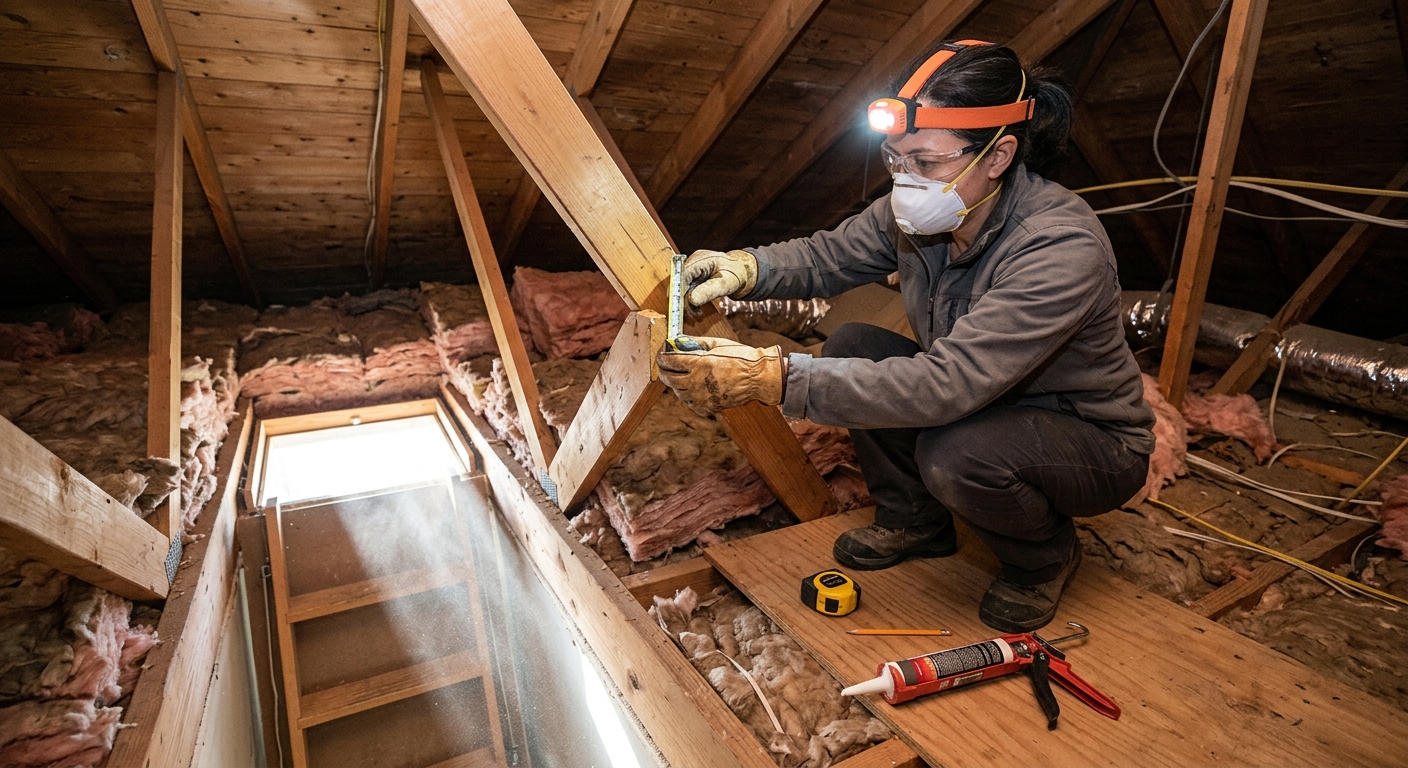
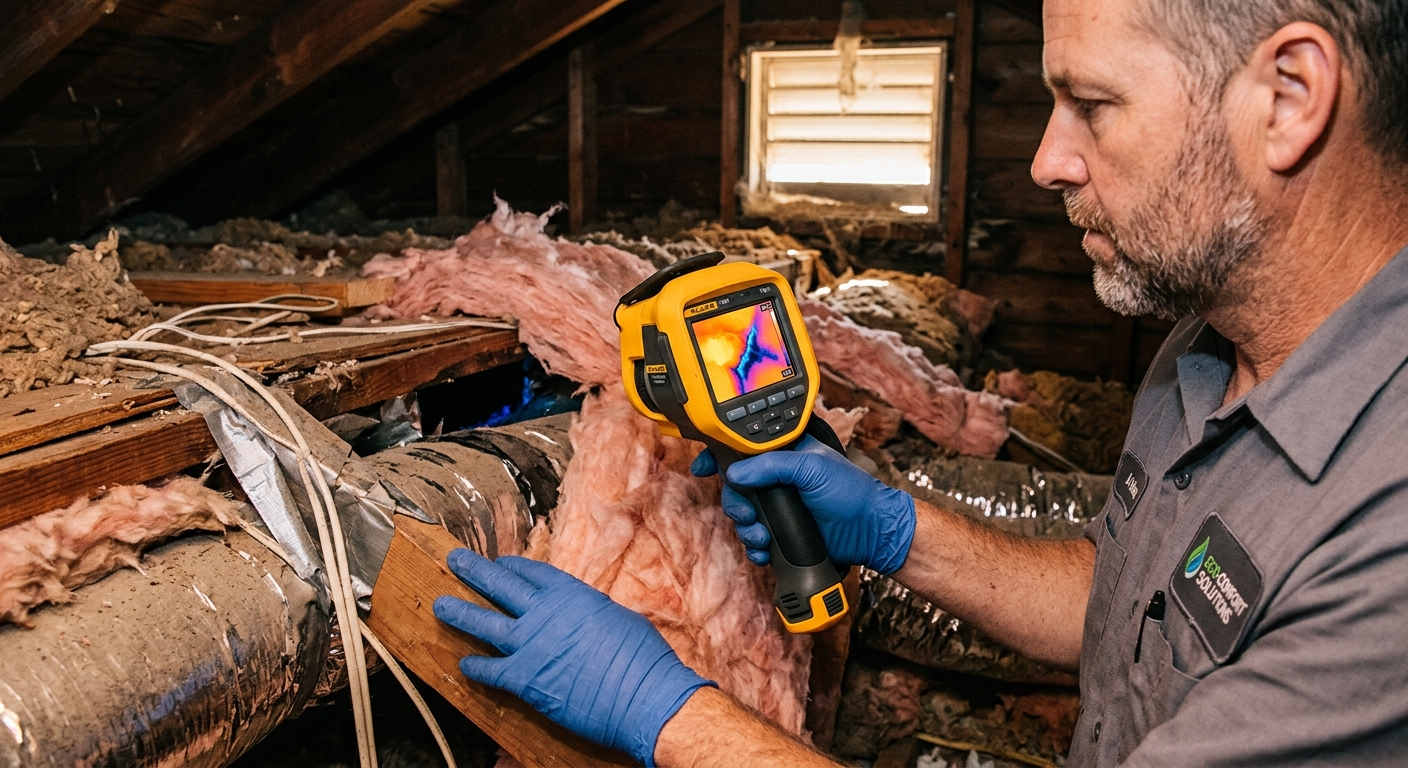
Most homeowners never look up, and that neglect costs an average of $300 to $500 in wasted heating every winter. A single afternoon in your attic, armed with the right checklist, can identify the leaks, gaps, and insulation problems that are quietly draining your budget.
Winter is hard on your home’s thermal envelope, and spring is the ideal time to catch damage before cooling season drives your bills up. This checklist walks you through every zone of your home so you can spot gaps, fix what you can, and know when to call a pro.
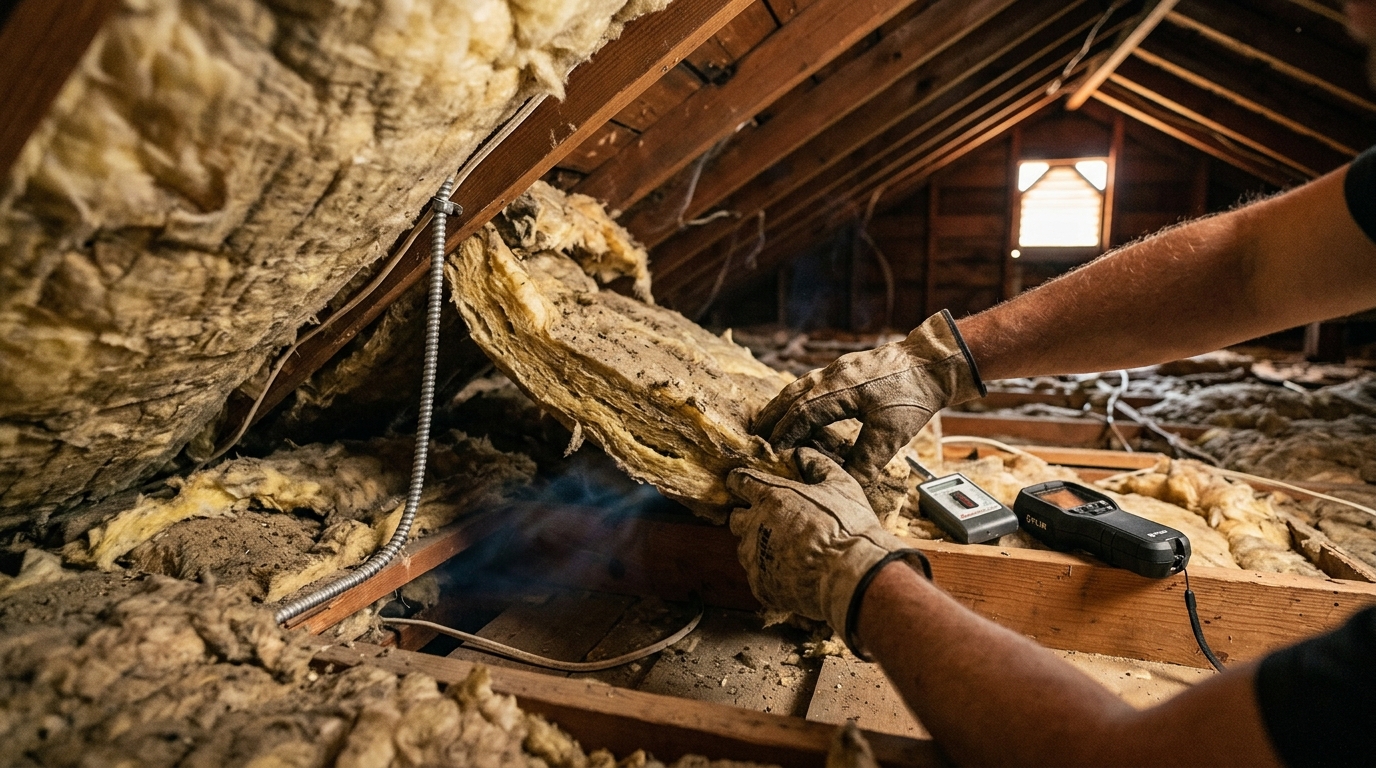
Failing insulation is one of the most expensive and least visible problems in a home, silently inflating energy bills month after month. Learn the seven warning signs and what you can do to stop the drain on your wallet.
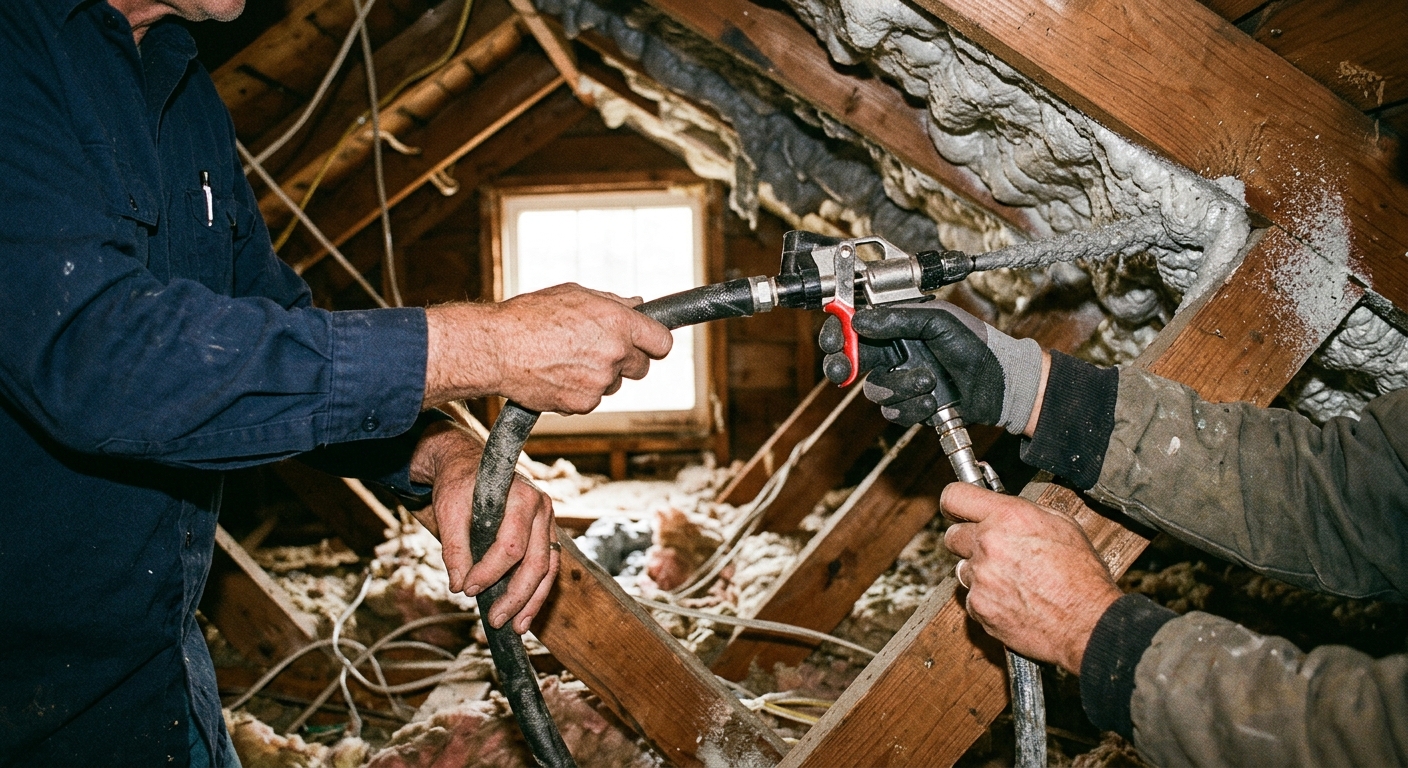
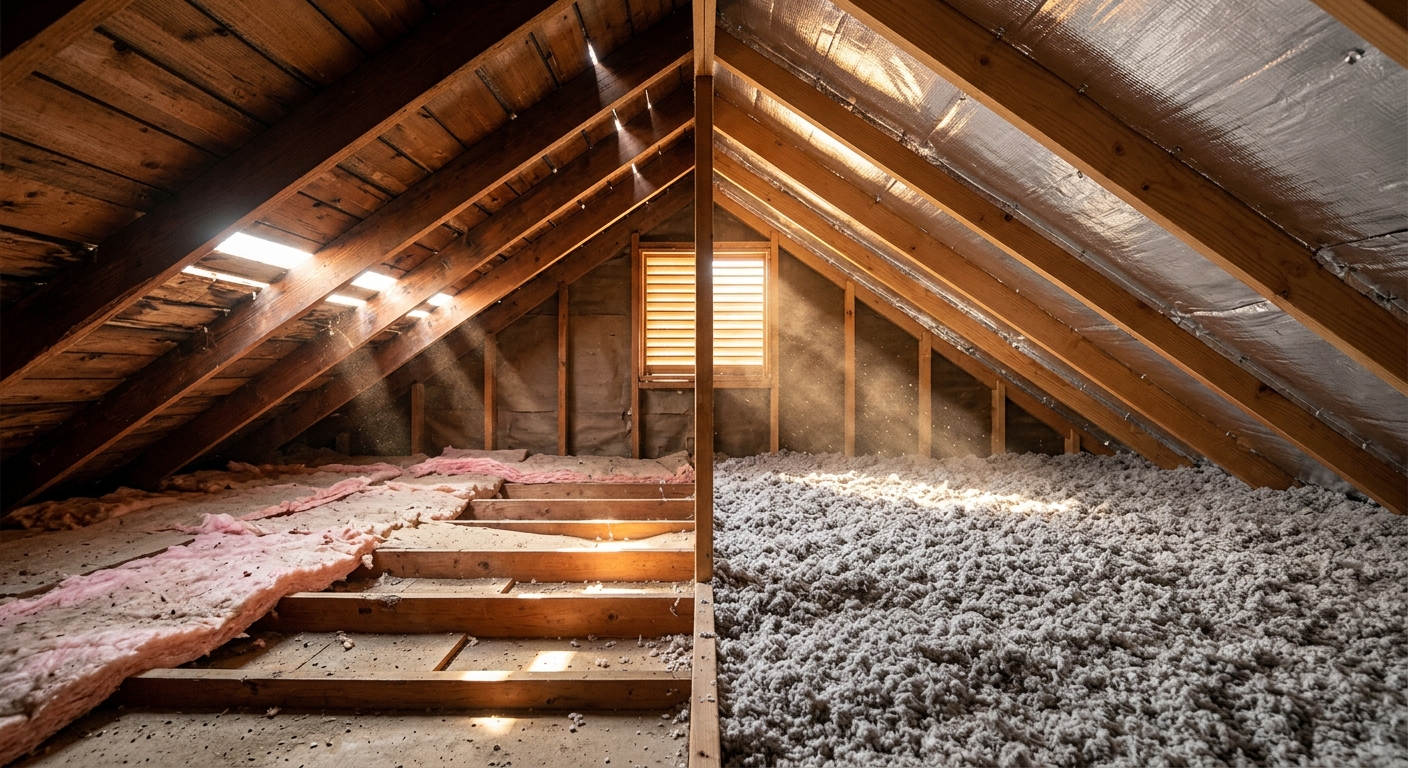
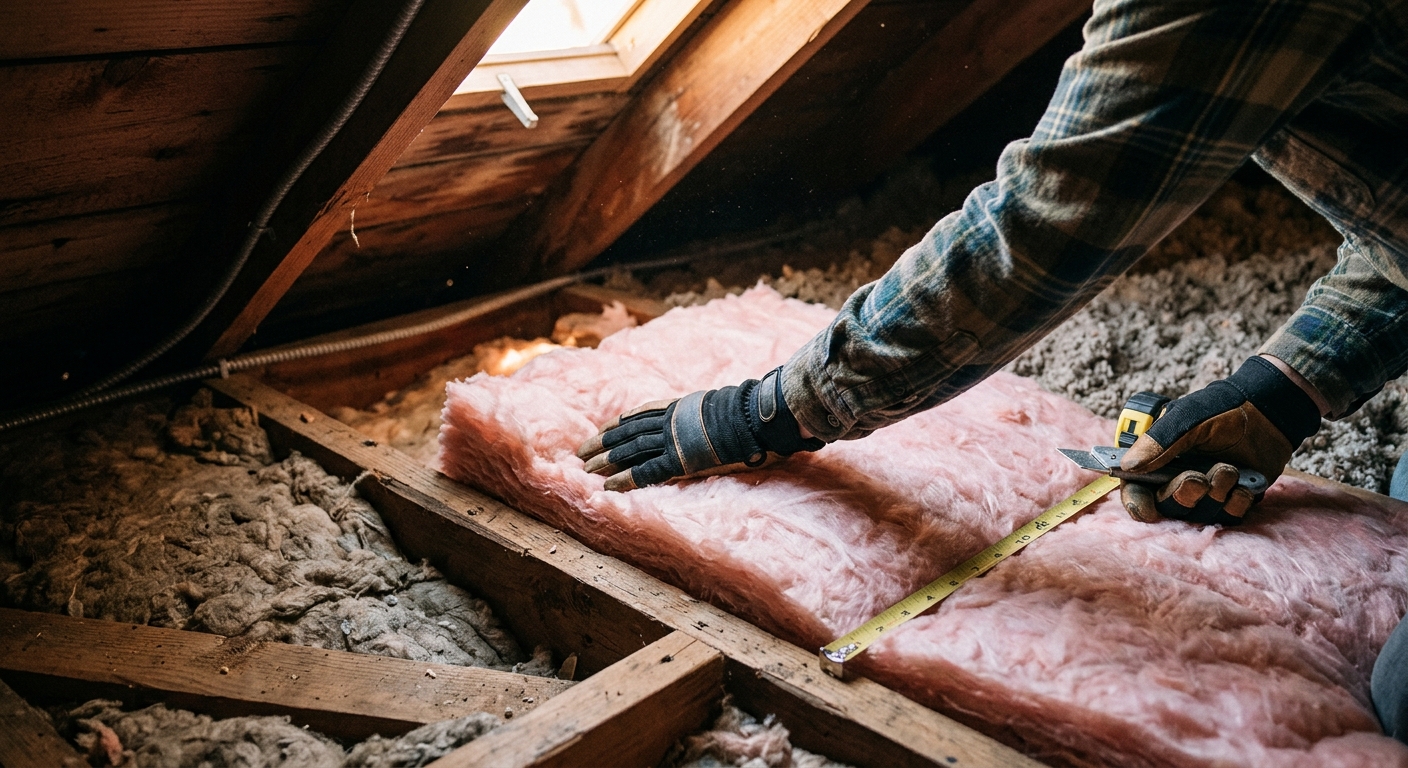
Attic insulation is one of the highest-impact upgrades a homeowner can make, yet millions of homes are running on levels that were considered adequate in the 1970s. Adding insulation to reach the recommended R-38 to R-60 can cut heating and cooling bills by 15 to 25% annually, with payback periods as short as 2 to 3 years.
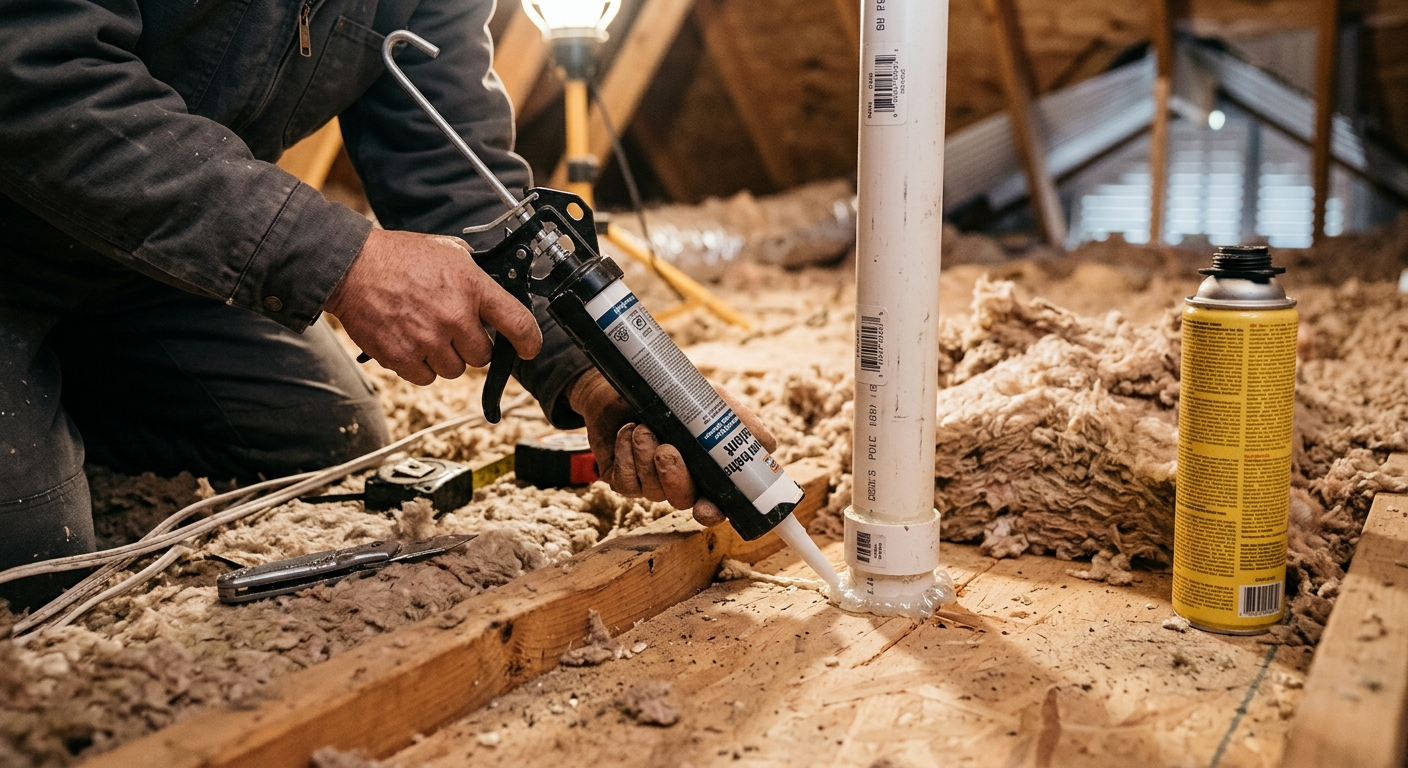
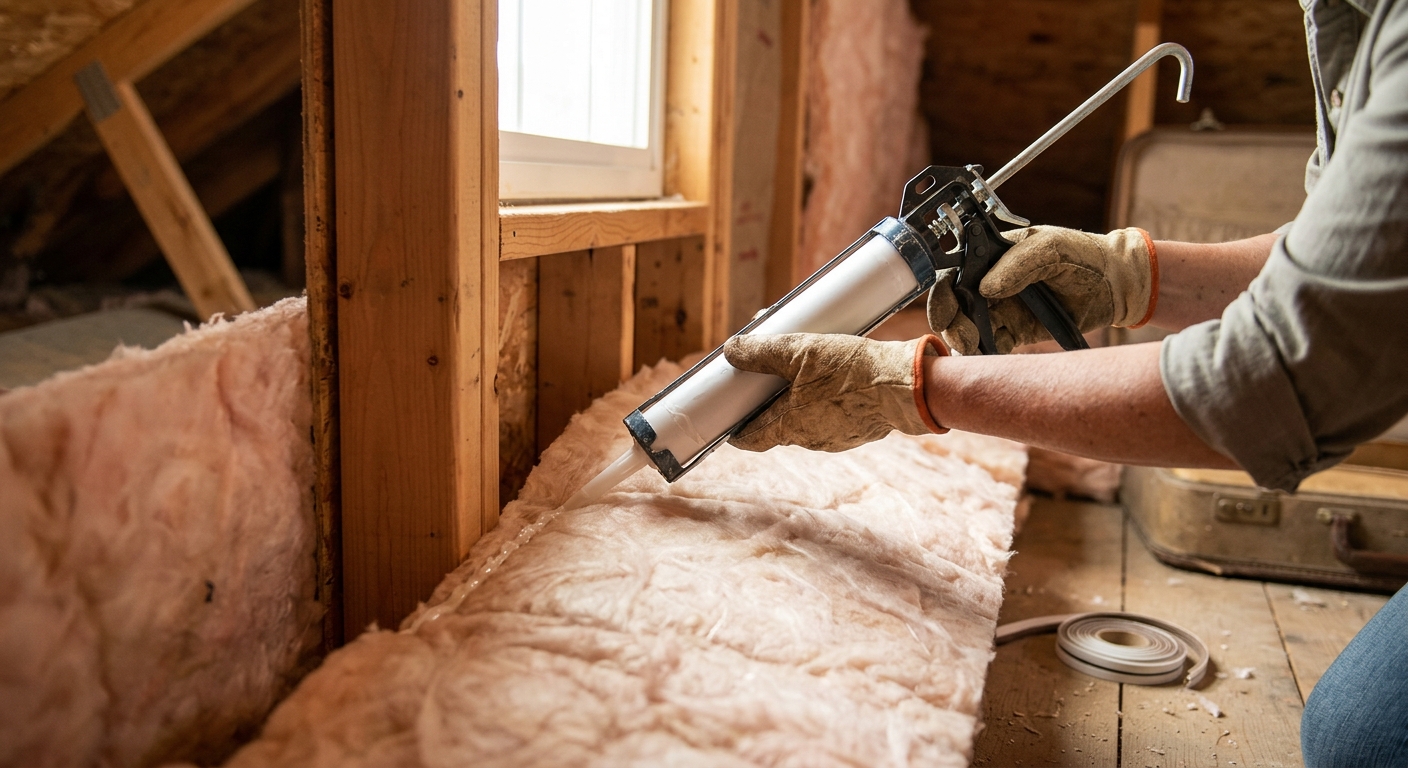
Many homeowners add attic insulation expecting dramatic improvements, only to find their rooms are still drafty, hot, or uneven in temperature. The real culprit is almost always air leakage, and without sealing it first, even R-60 insulation will underperform.