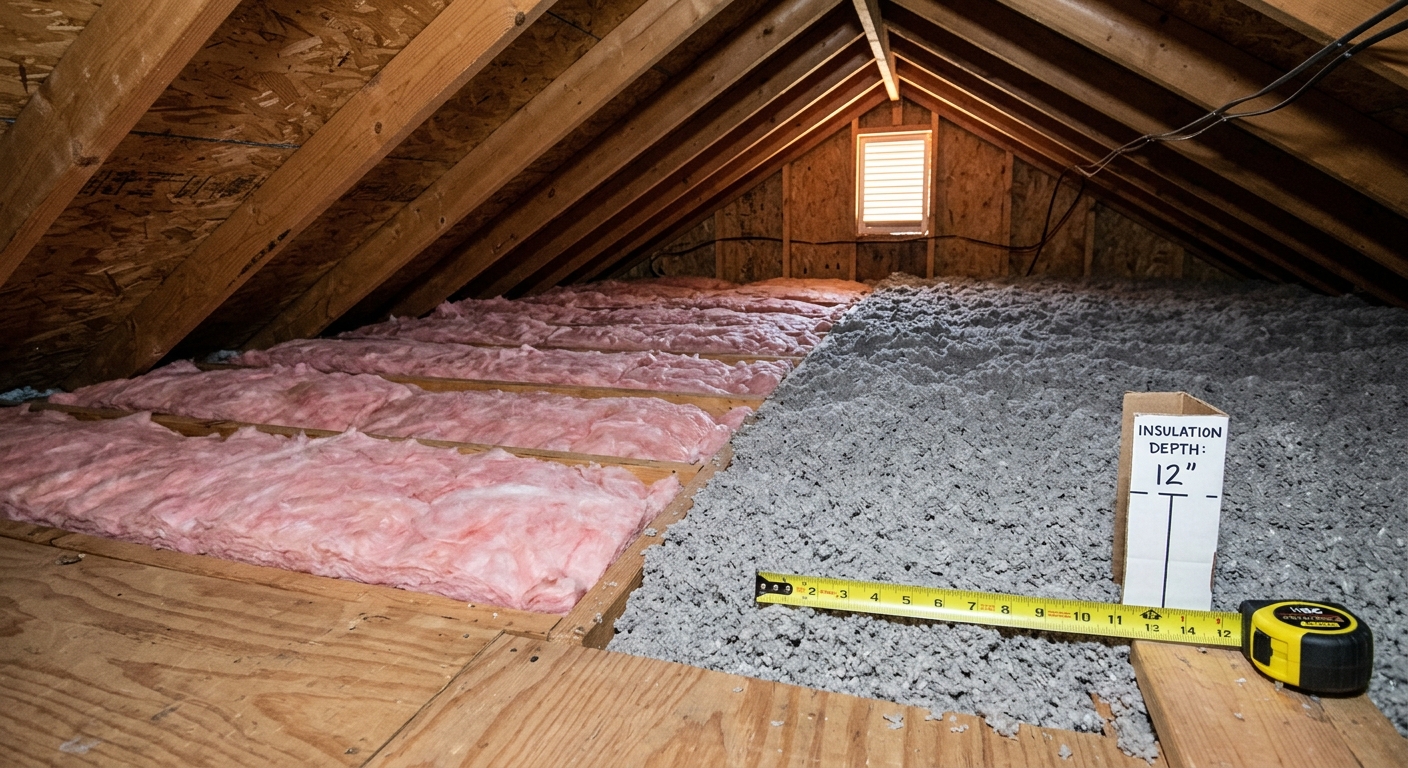
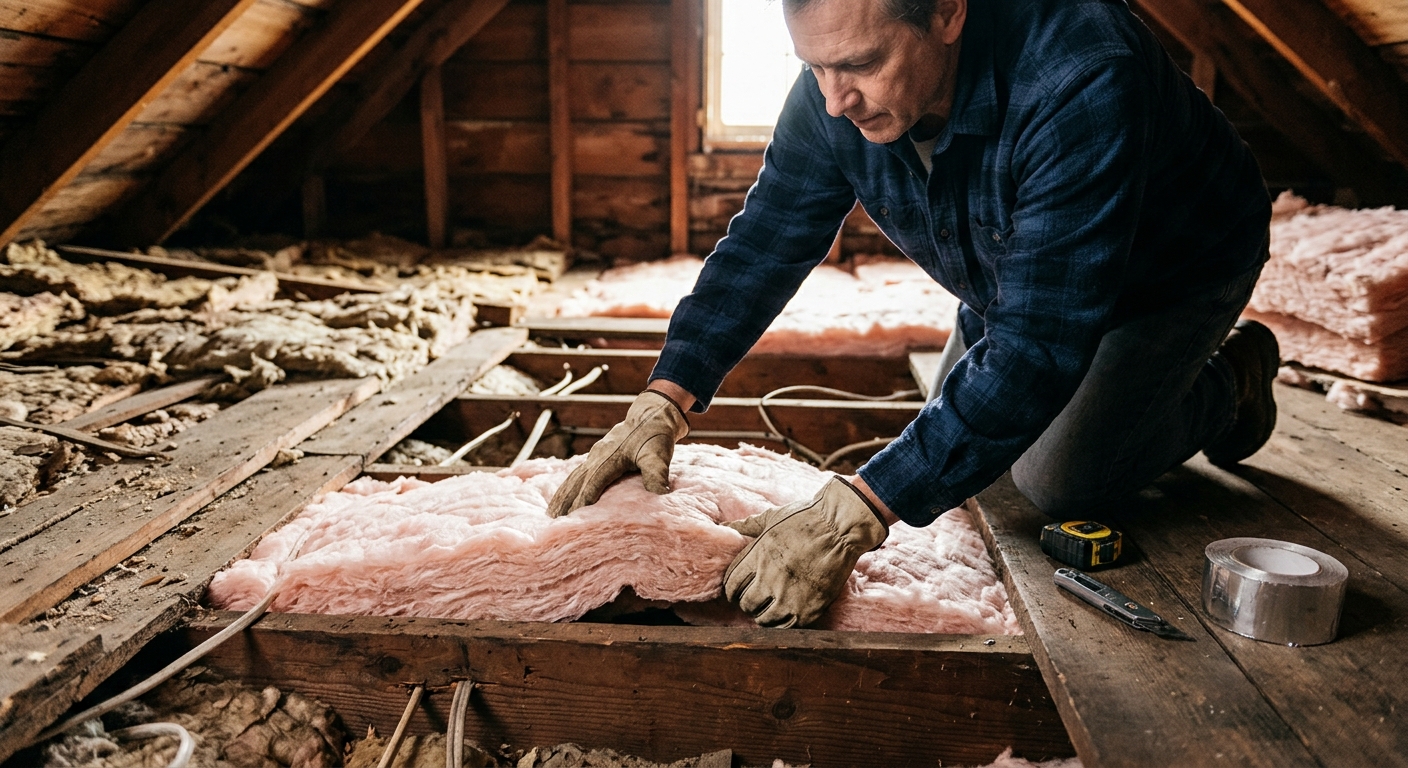
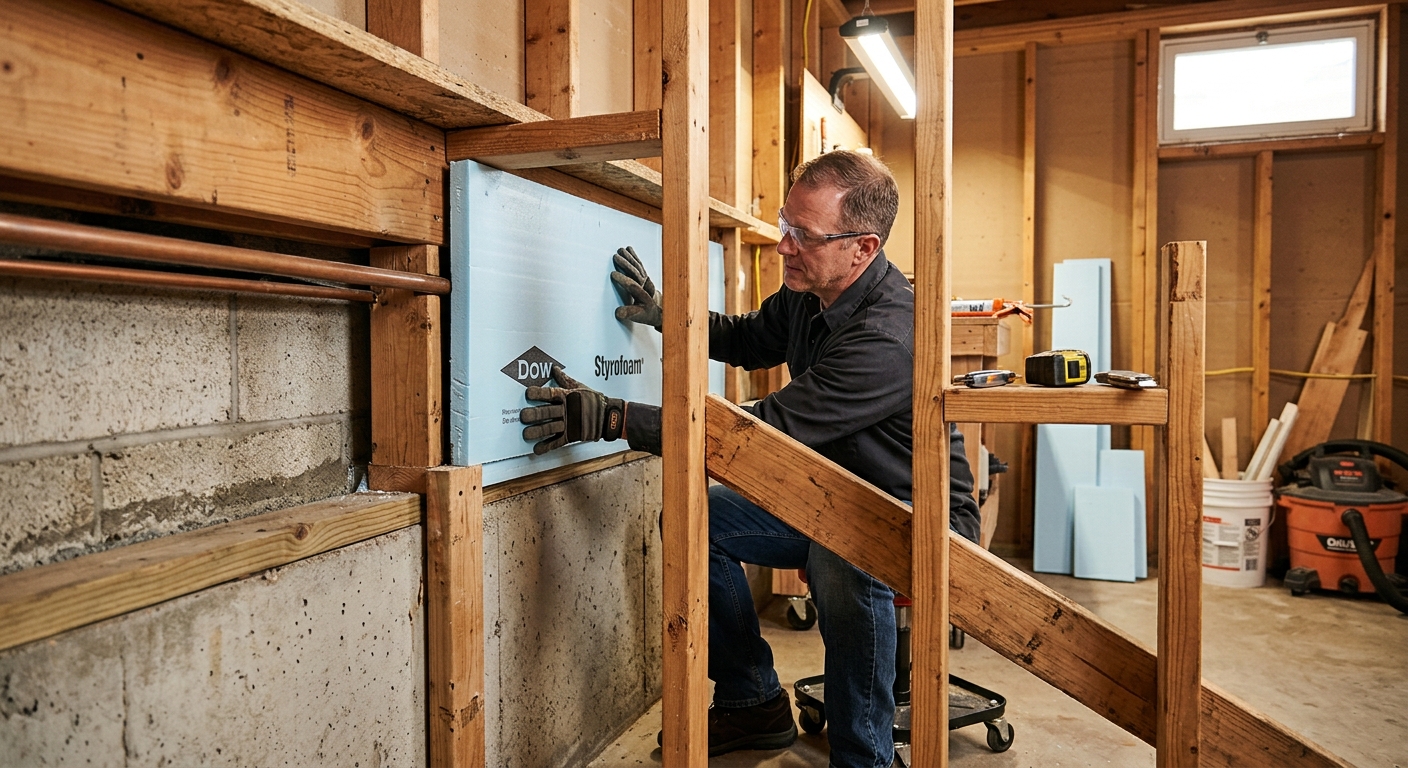
Choosing the wrong insulation type for your attic or walls can leave hundreds of dollars in savings on the table every year. This guide breaks down when blown-in insulation wins, when batt is the smarter choice, and exactly how much each can save based on your home type.
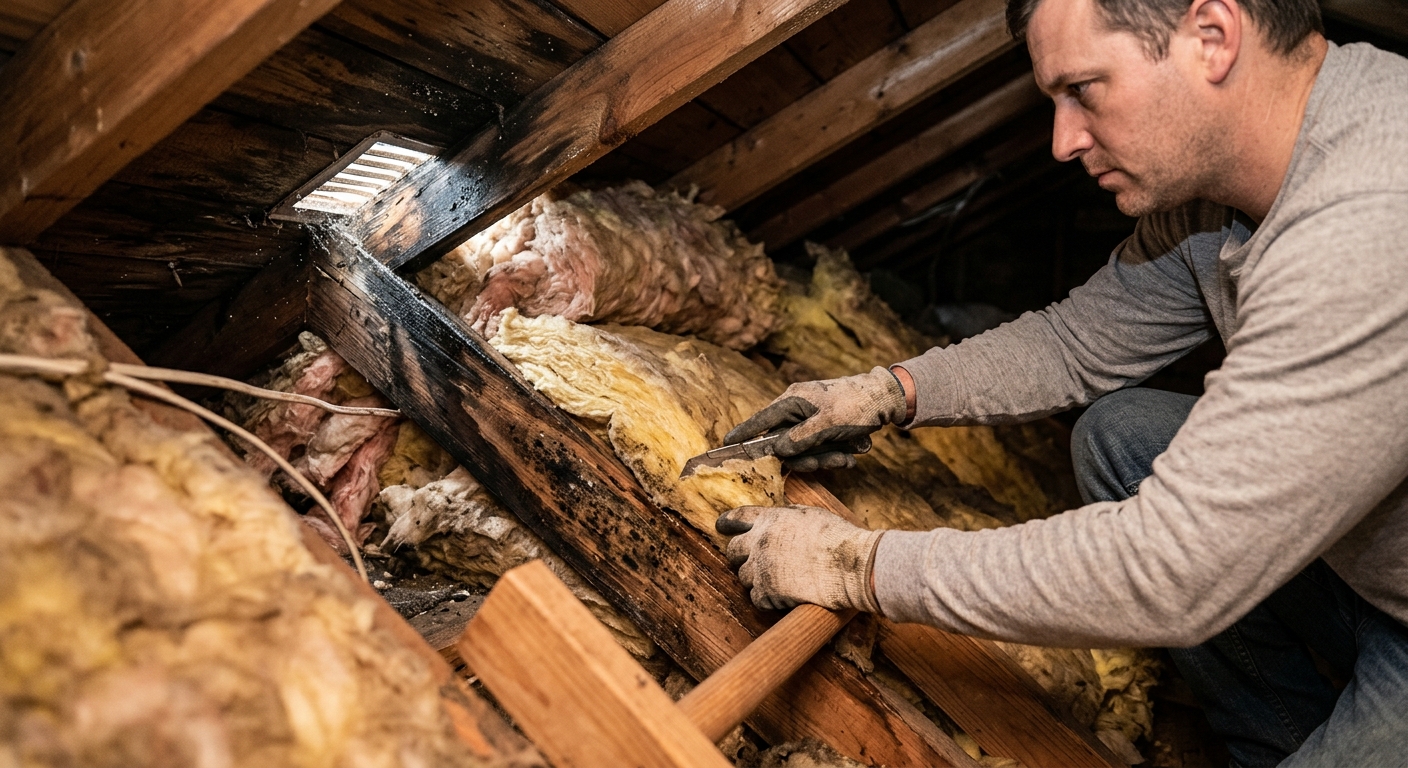
Most homeowners worry about too little insulation, but adding too much without addressing ventilation and air sealing can create serious moisture, air quality, and structural problems. Understanding the point of diminishing returns helps you insulate smarter, not just thicker.
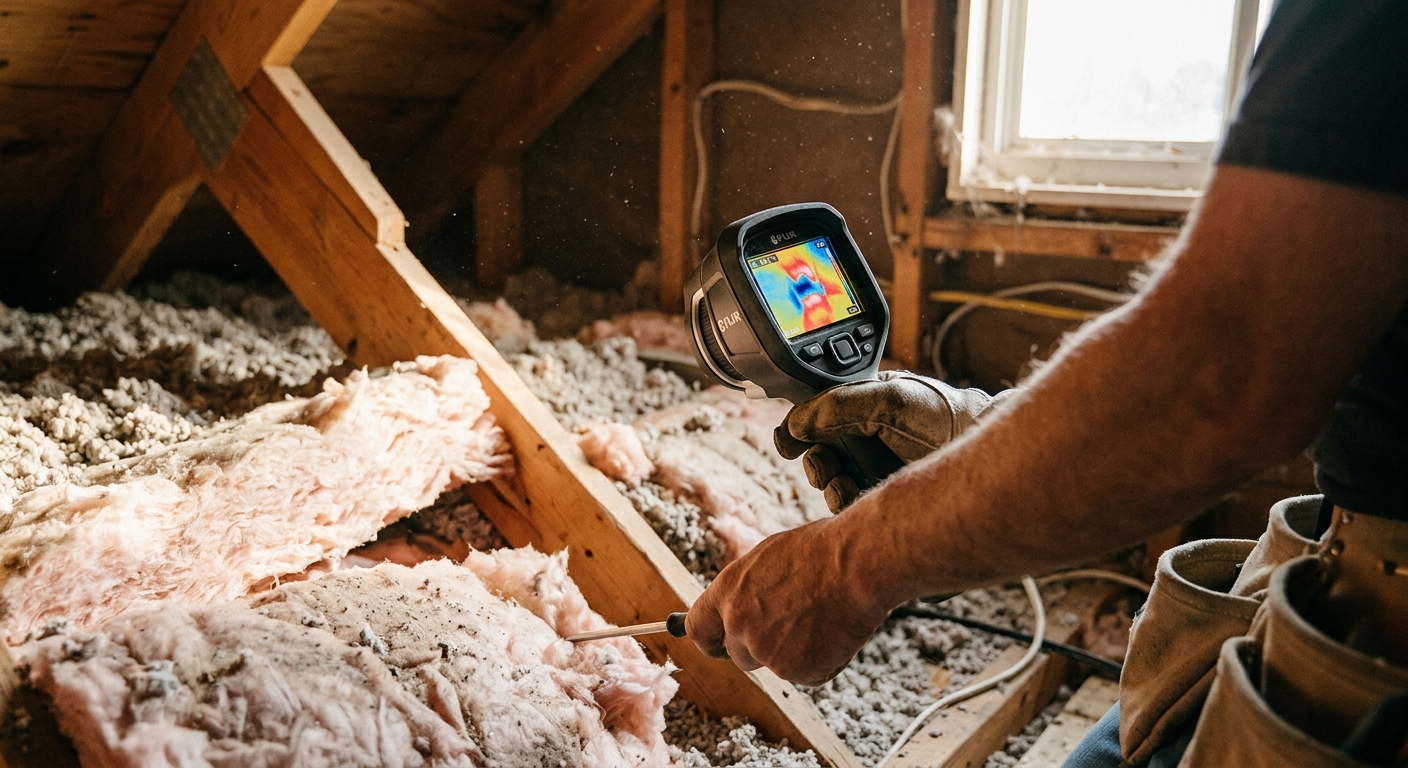
Most homeowners have no idea where their insulation is failing until they see it on an energy bill. A home energy audit gives you a precise, room-by-room picture of where heat is escaping and exactly what to fix first.
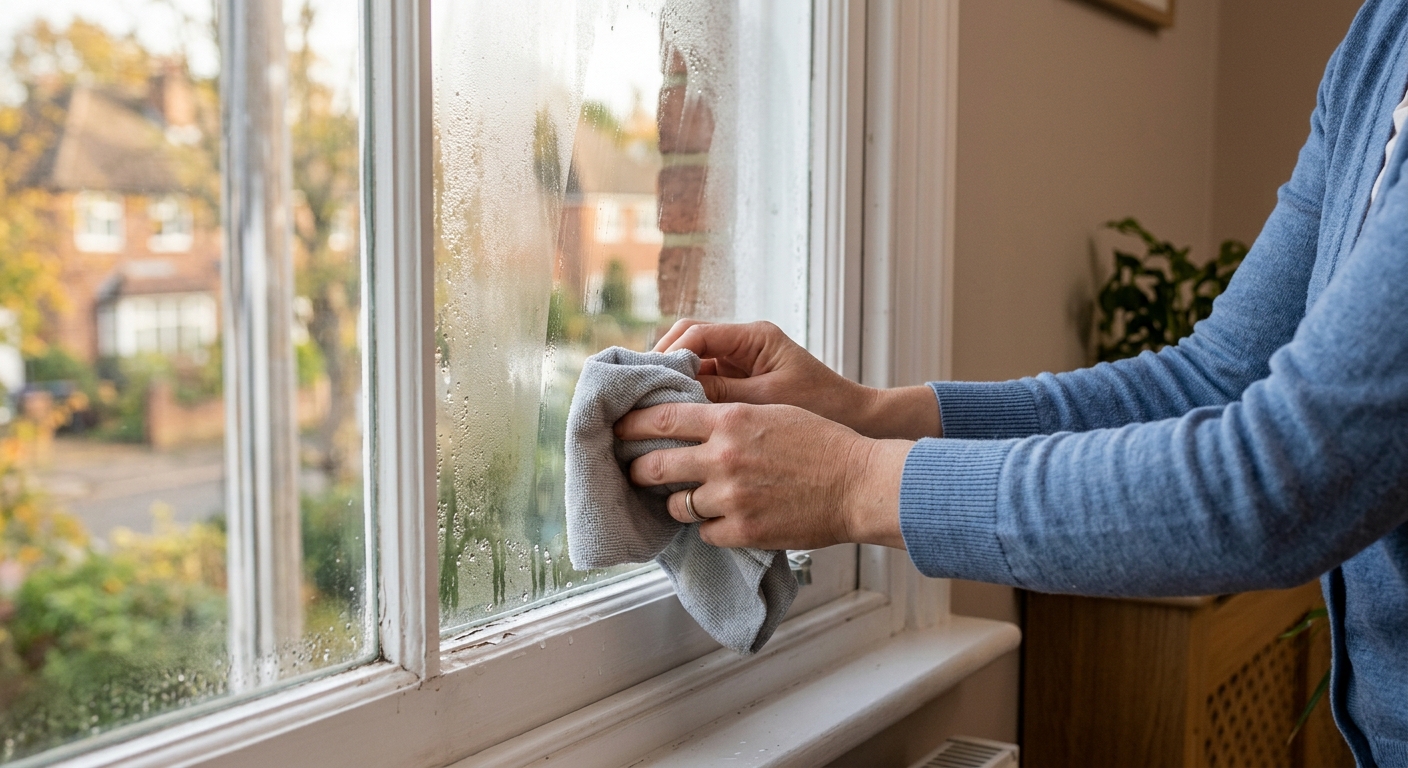
Window condensation looks harmless but it signals excess indoor humidity that can rot framing, feed mold, and peel paint within months. Learn how to identify the cause, stop the moisture at the source, and protect your home with fixes ranging from free to a few hundred dollars.
Older homes charm us with character, but they often hide decades of energy inefficiency in their walls, attics, and mechanical systems. Learn how to find the biggest money drains in an aging home and fix them in order of payback.
Homes built before 1980 were constructed with little to no insulation standards, leaving walls, attics, and basements as open conduits for heat loss. The good news is that targeted upgrades can cut heating bills by 20 to 40% and make your home noticeably more comfortable within a single season.
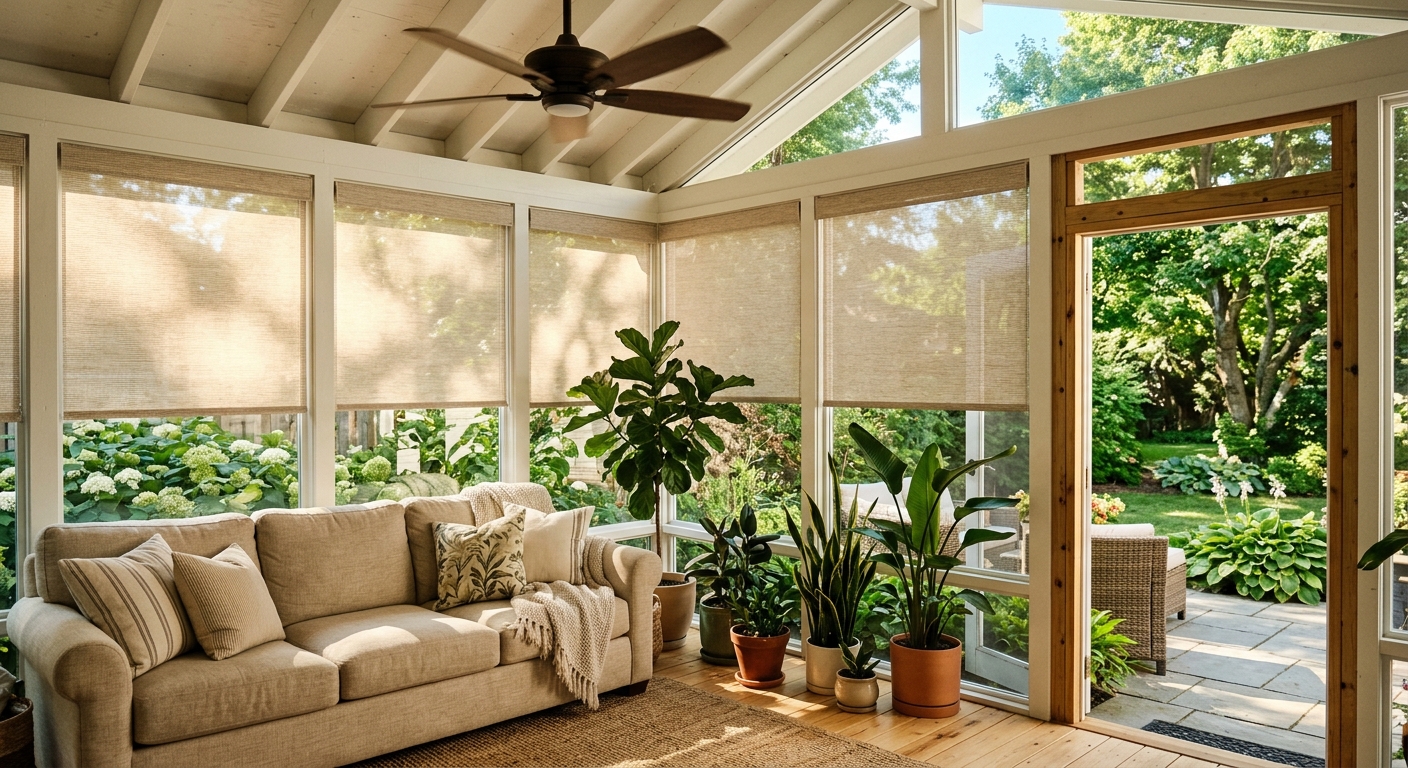
Most sunrooms turn into ovens in summer and freezers in winter because of unchecked solar gain, poor insulation, and no dedicated climate control. Fix the right problems in the right order and your sunroom can become the most comfortable room in the house year-round.
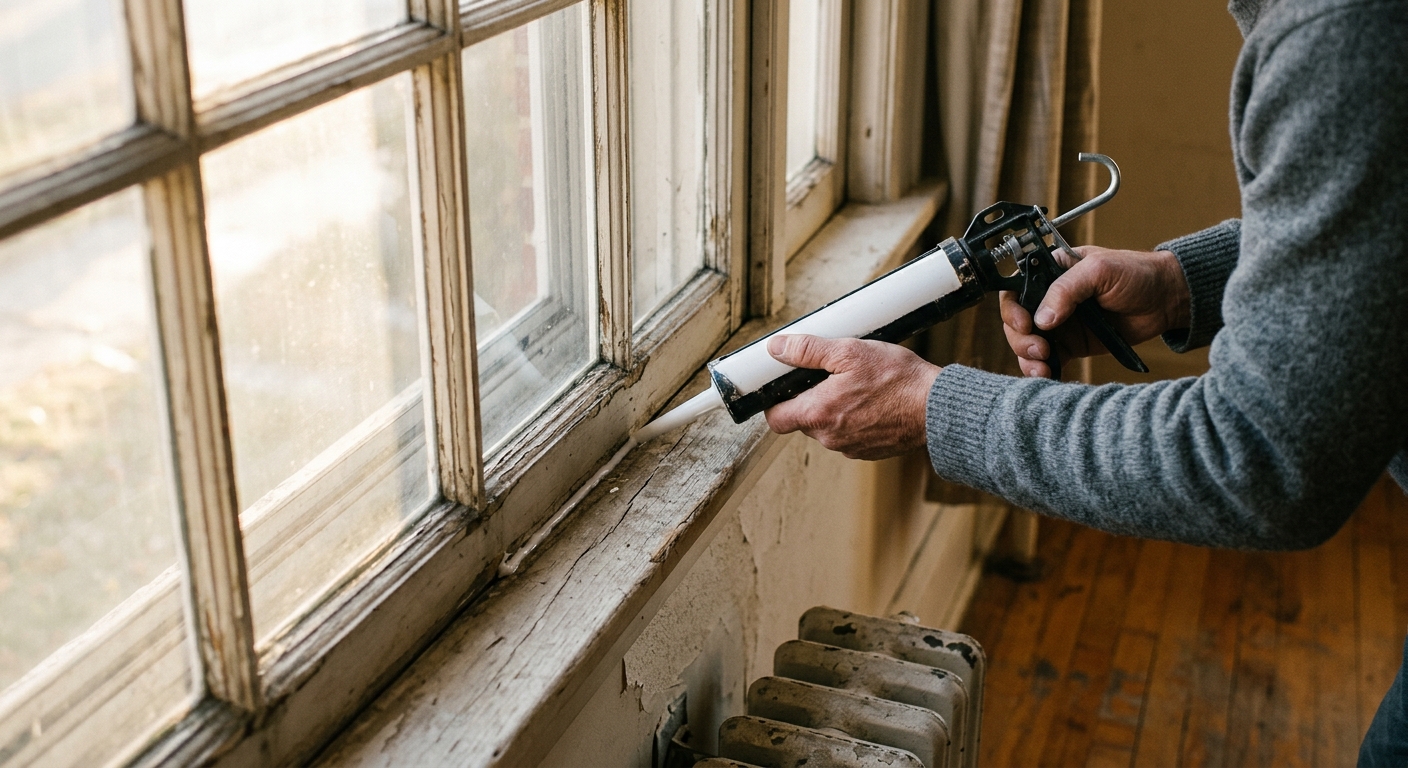
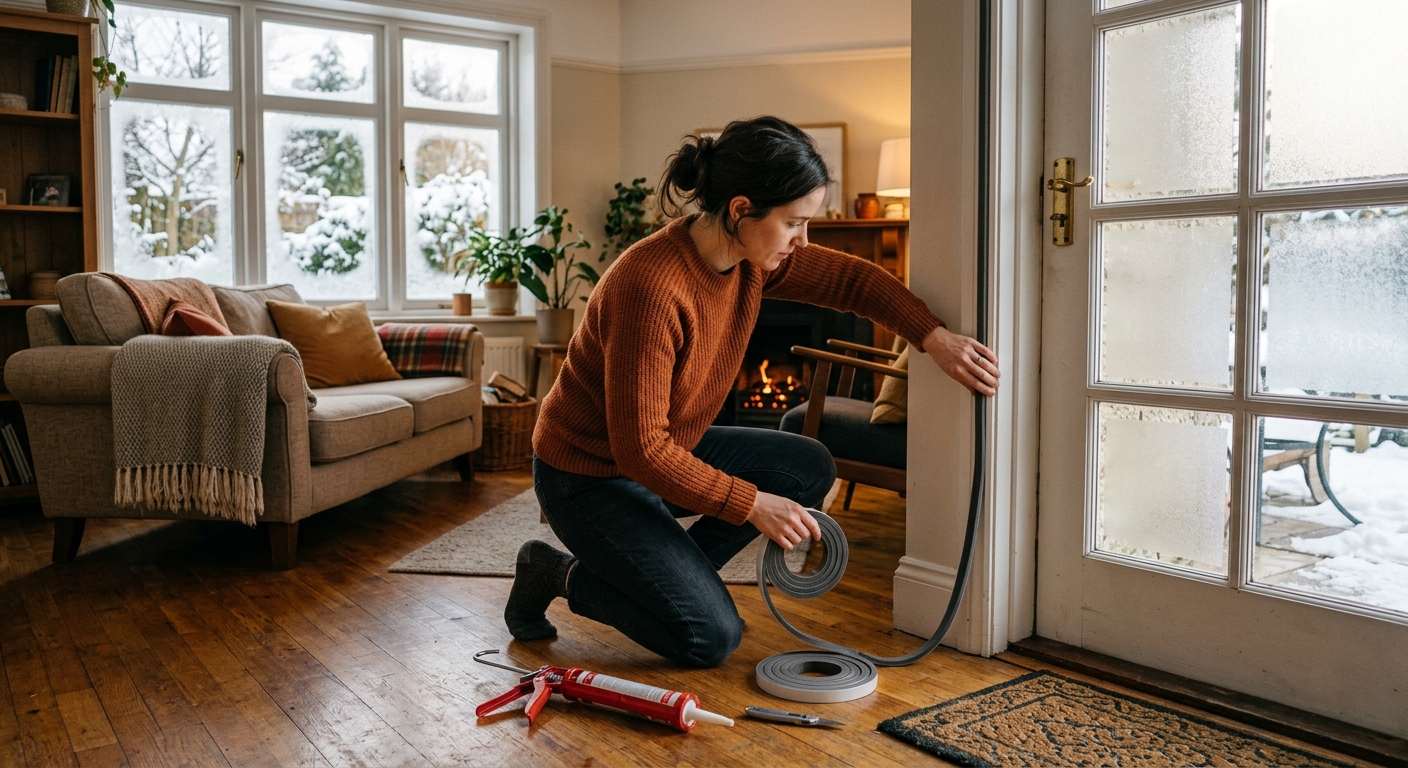
Most homes lose a significant portion of their heating dollars through gaps and cracks that are cheap and easy to seal. A $15 investment in weatherstripping and caulk can realistically save $150 to $200 per year on heating bills.
Most homeowners blame their furnace when heating bills spike, but the real culprit is usually a handful of overlooked gaps and weak spots letting warm air pour outside. Sealing these eight common heat escape routes can cut heating bills by 15 to 30% and make every room feel warmer without touching the thermostat.
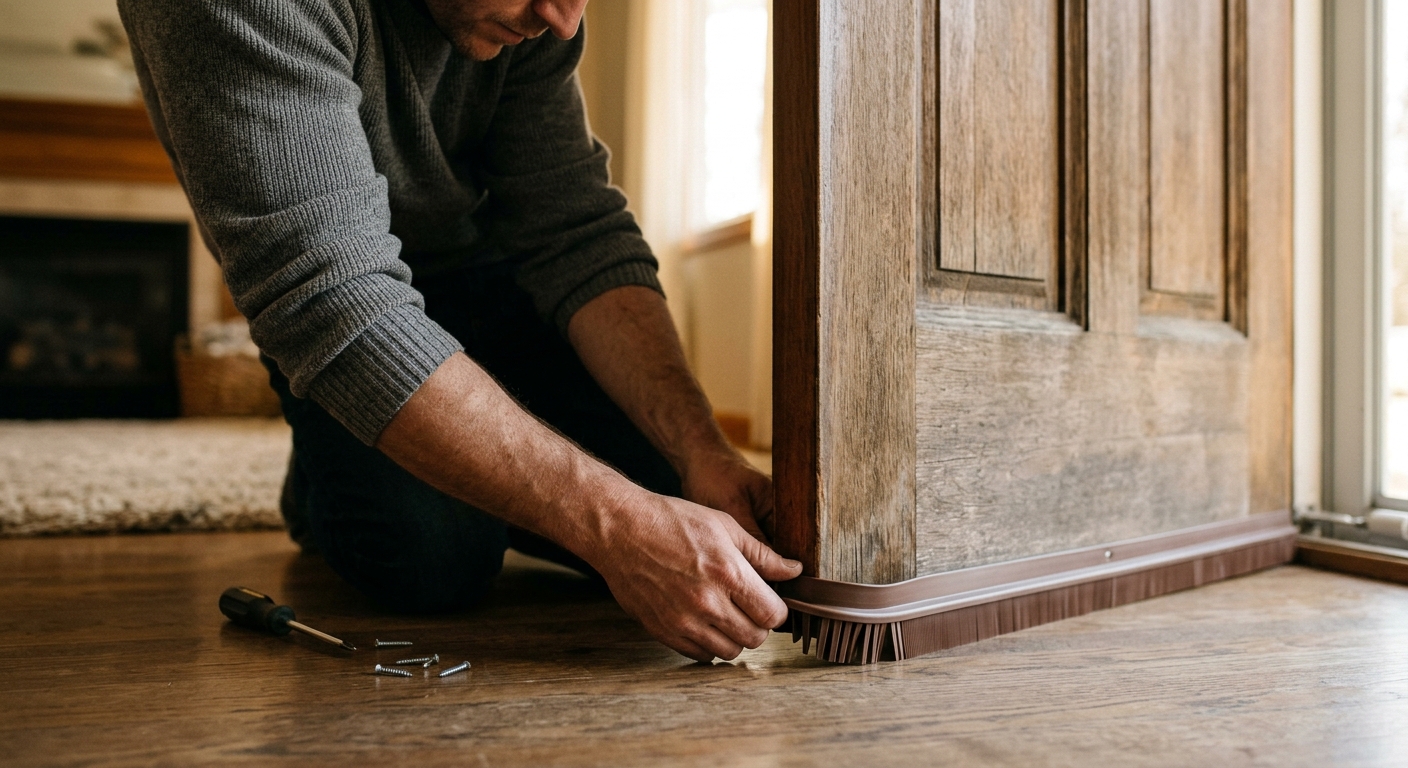
Cold air sneaking under your exterior doors can account for a surprising share of your home’s heat loss, driving up energy bills and leaving floors uncomfortably chilly. A $15 door sweep installed in under 30 minutes can seal that gap and deliver immediate, measurable savings.