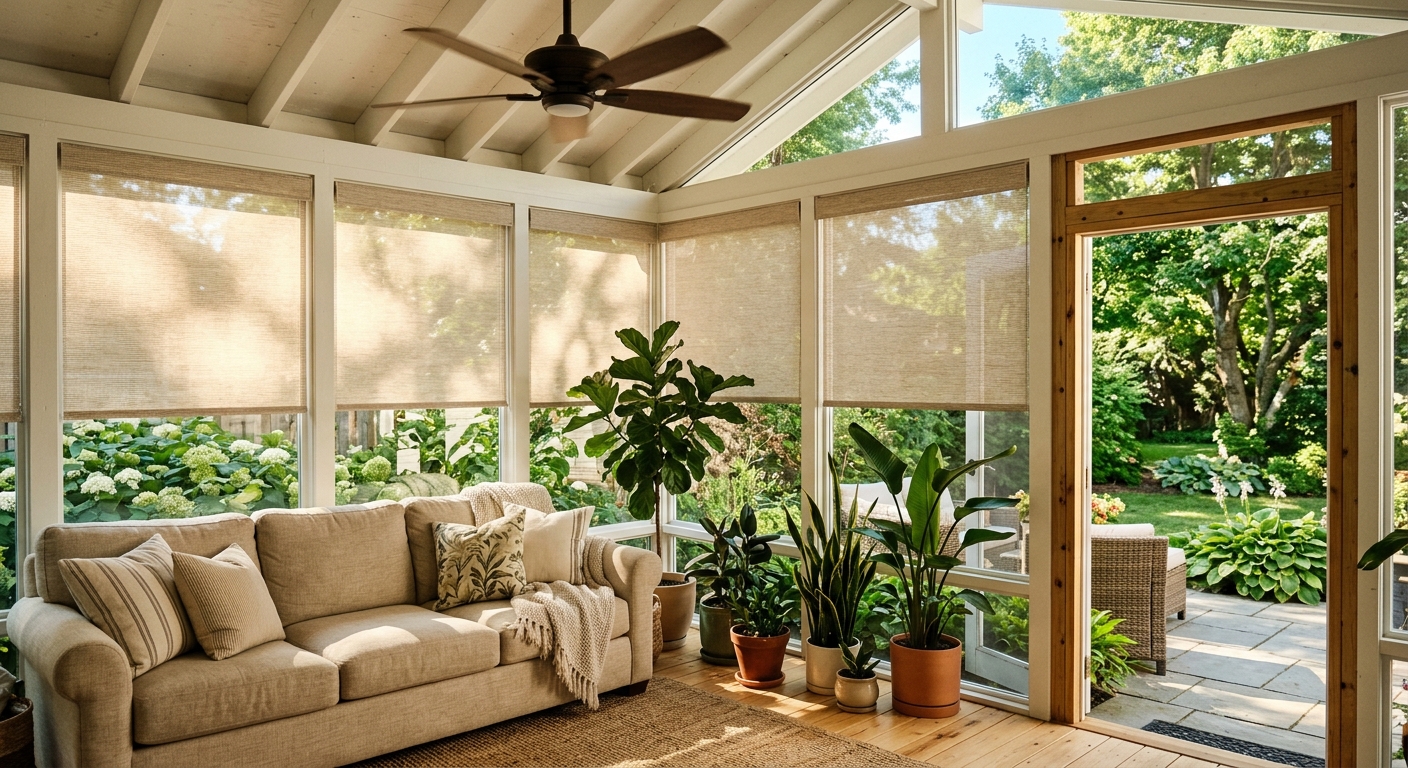
Most sunrooms turn into ovens in summer and freezers in winter because of unchecked solar gain, poor insulation, and no dedicated climate control. Fix the right problems in the right order and your sunroom can become the most comfortable room in the house year-round.
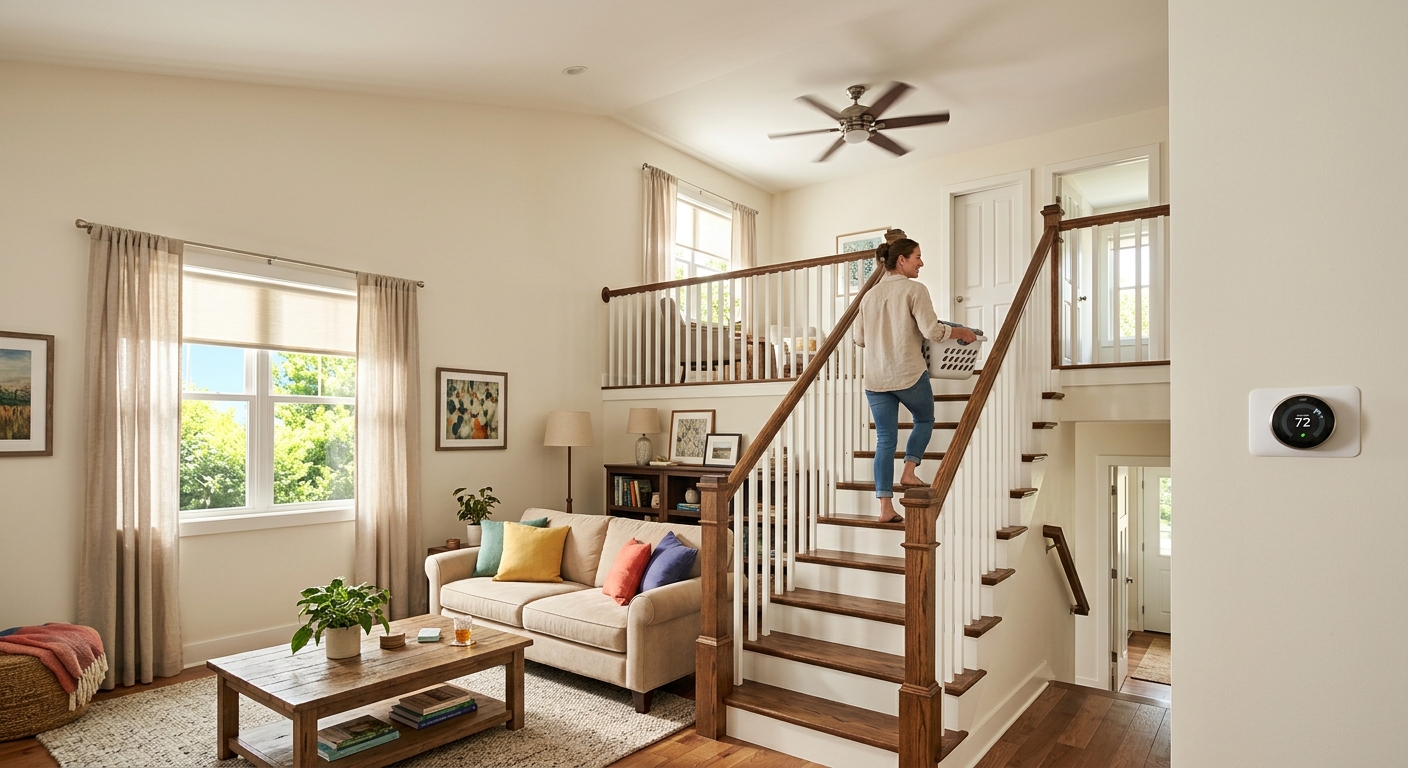
Two-story homes are notorious for uneven cooling, with upper floors staying stuffy while the ground floor turns into a meat locker. The fix involves understanding heat physics and making a few strategic adjustments to how your system runs.
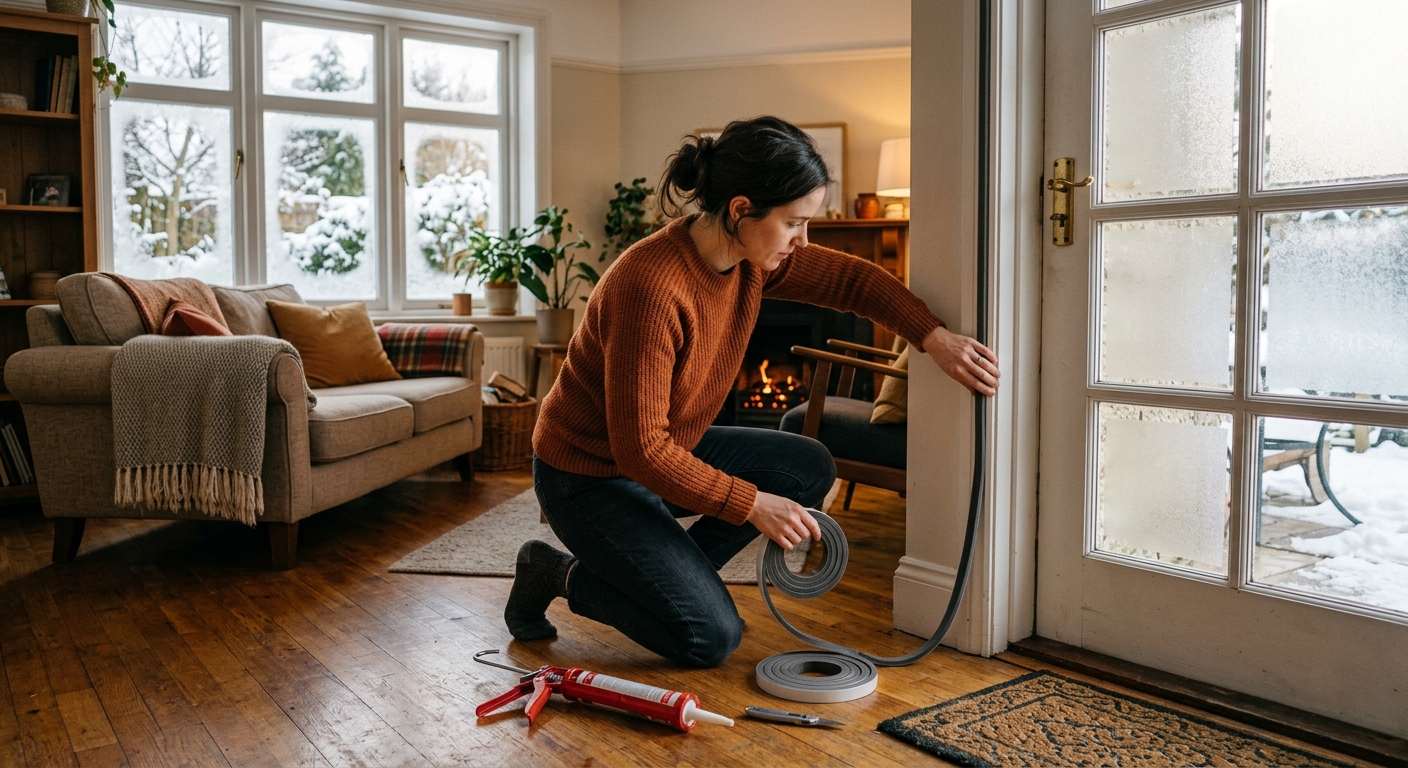
Most homes lose a significant portion of their heating dollars through gaps and cracks that are cheap and easy to seal. A $15 investment in weatherstripping and caulk can realistically save $150 to $200 per year on heating bills.
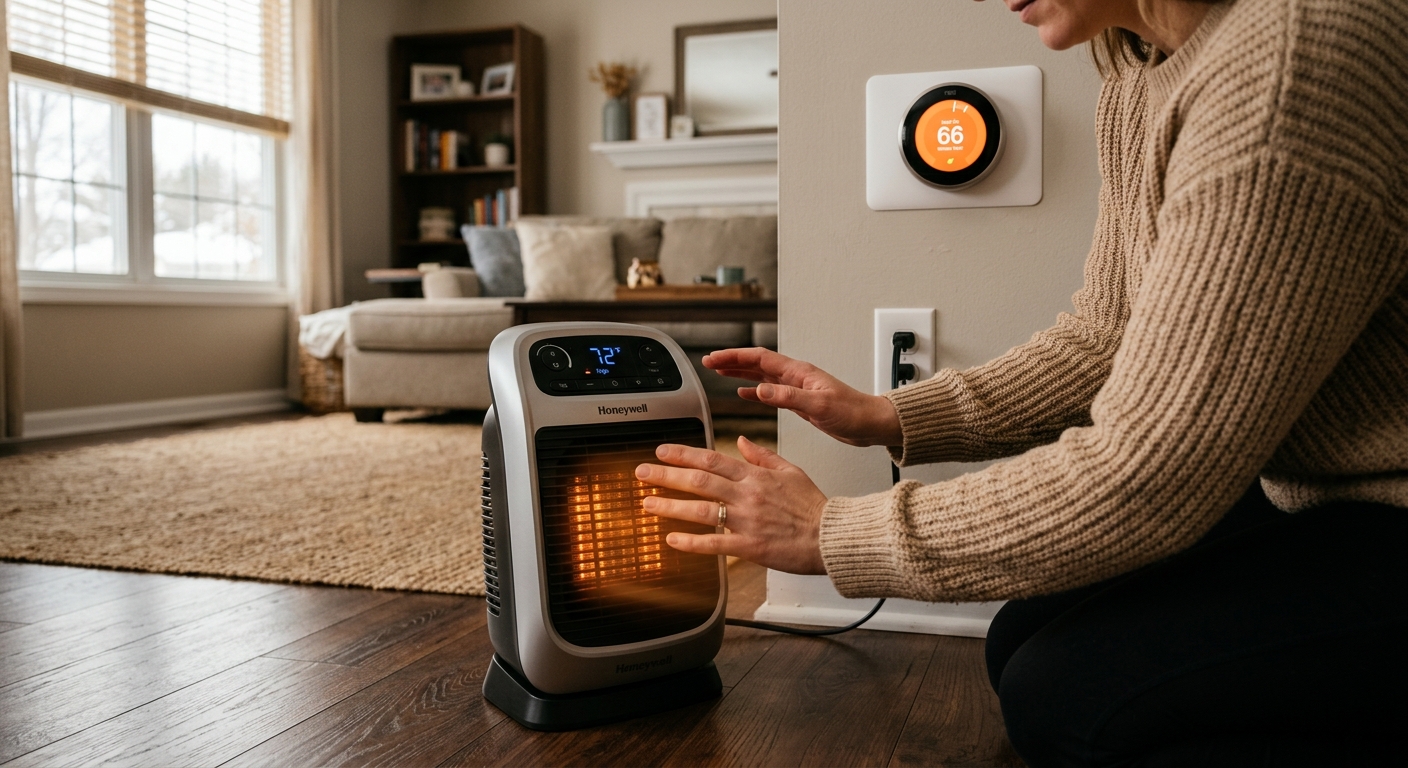
Many homeowners assume plugging in a space heater saves money compared to cranking the central heat, but the real answer depends on how many rooms you heat and for how long. This post breaks down the math, the myths, and the situations where space heaters genuinely win.
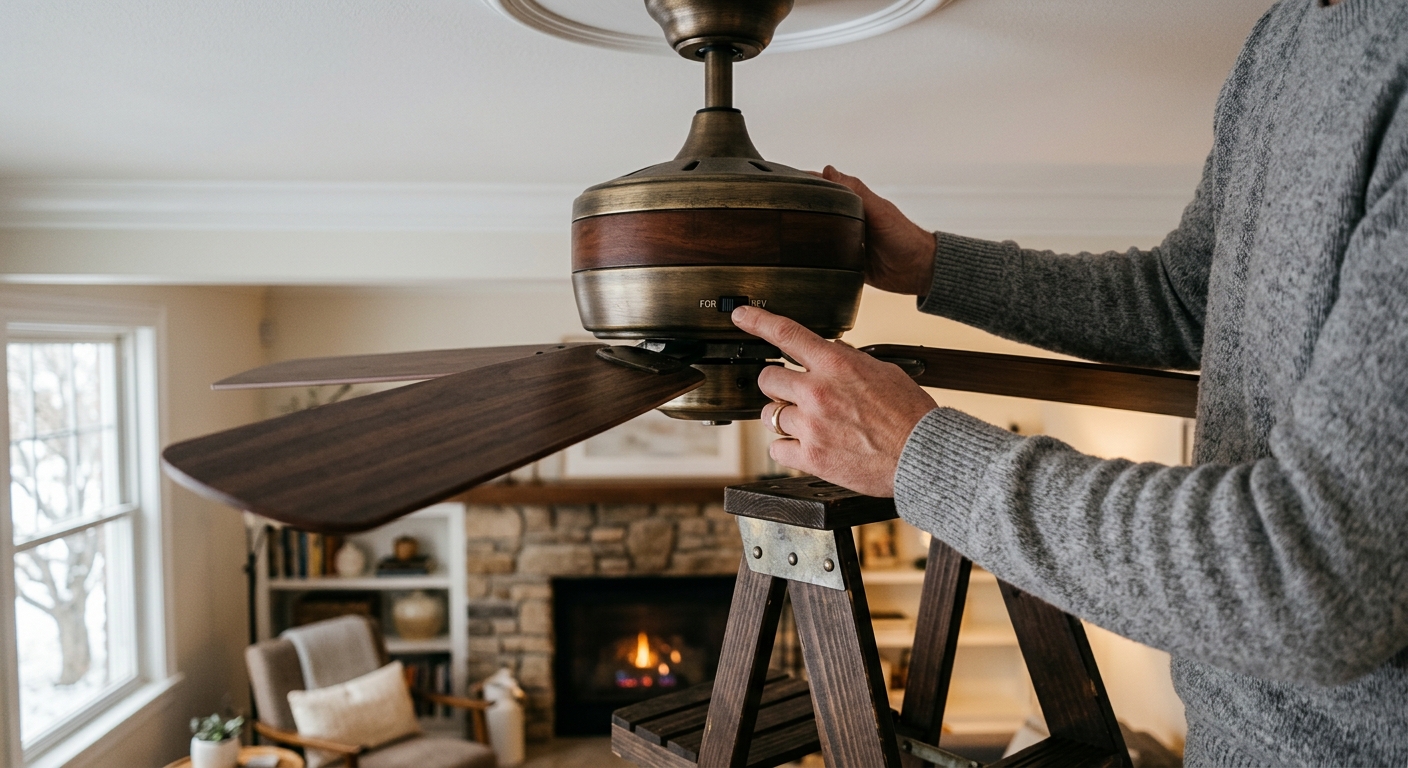
Most homeowners leave their ceiling fans spinning the same direction year-round, unknowingly making their heating system work harder every single winter. Reversing your ceiling fan to spin clockwise at low speed in winter pushes warm air down from the ceiling, reducing heating costs by up to 15%.
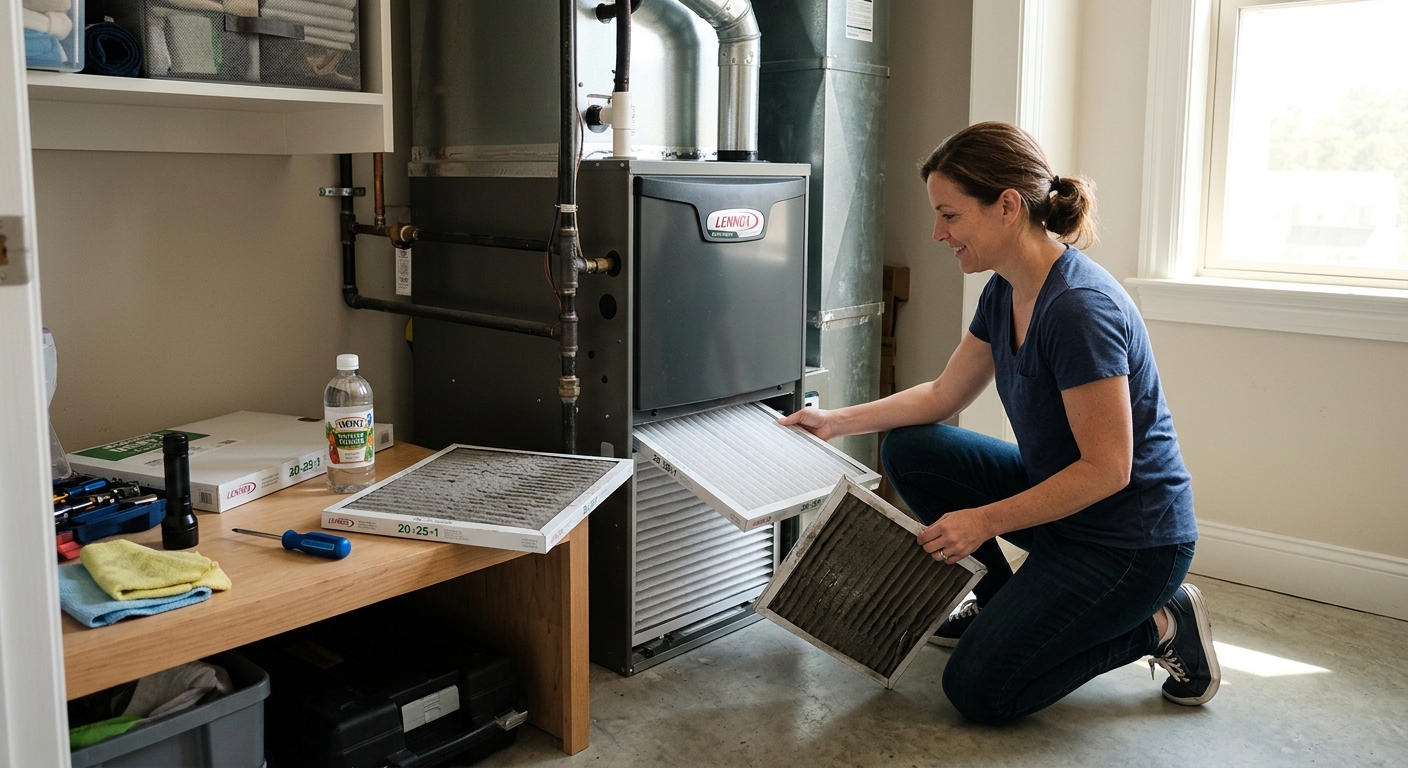
Most HVAC systems fail years before they should, not from bad luck, but from neglected maintenance that costs almost nothing to prevent. Four consistent habits can extend your system’s life by 5 to 10 years and reduce your energy bills by up to 25%.
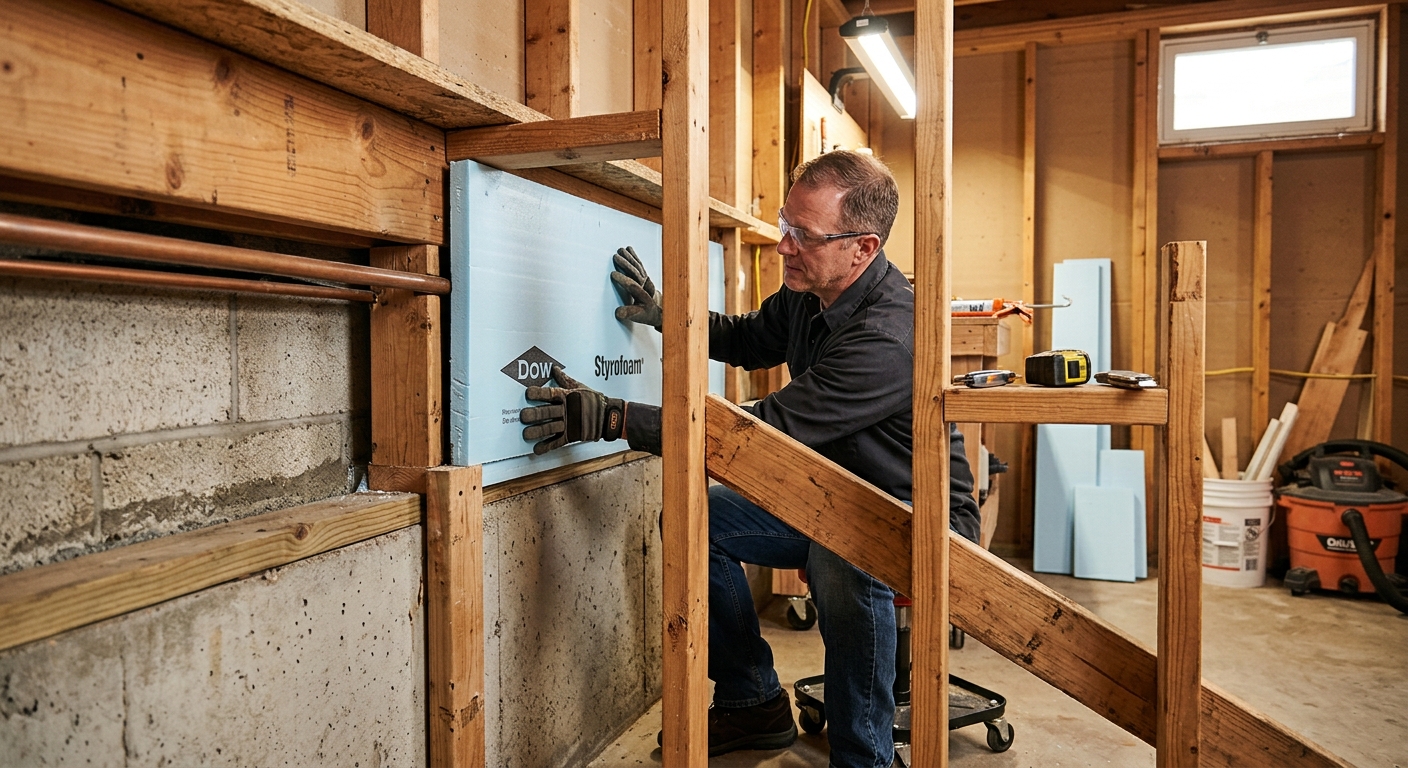
Most homeowners blame their furnace when heating bills spike, but the real culprit is usually a handful of overlooked gaps and weak spots letting warm air pour outside. Sealing these eight common heat escape routes can cut heating bills by 15 to 30% and make every room feel warmer without touching the thermostat.
Cooking in summer can spike your kitchen temperature by 10 to 20 degrees and force your AC to work overtime across the entire first floor. With the right combination of ventilation, heat management, and cooking habits, you can cut that heat gain dramatically and lower your cooling bills.
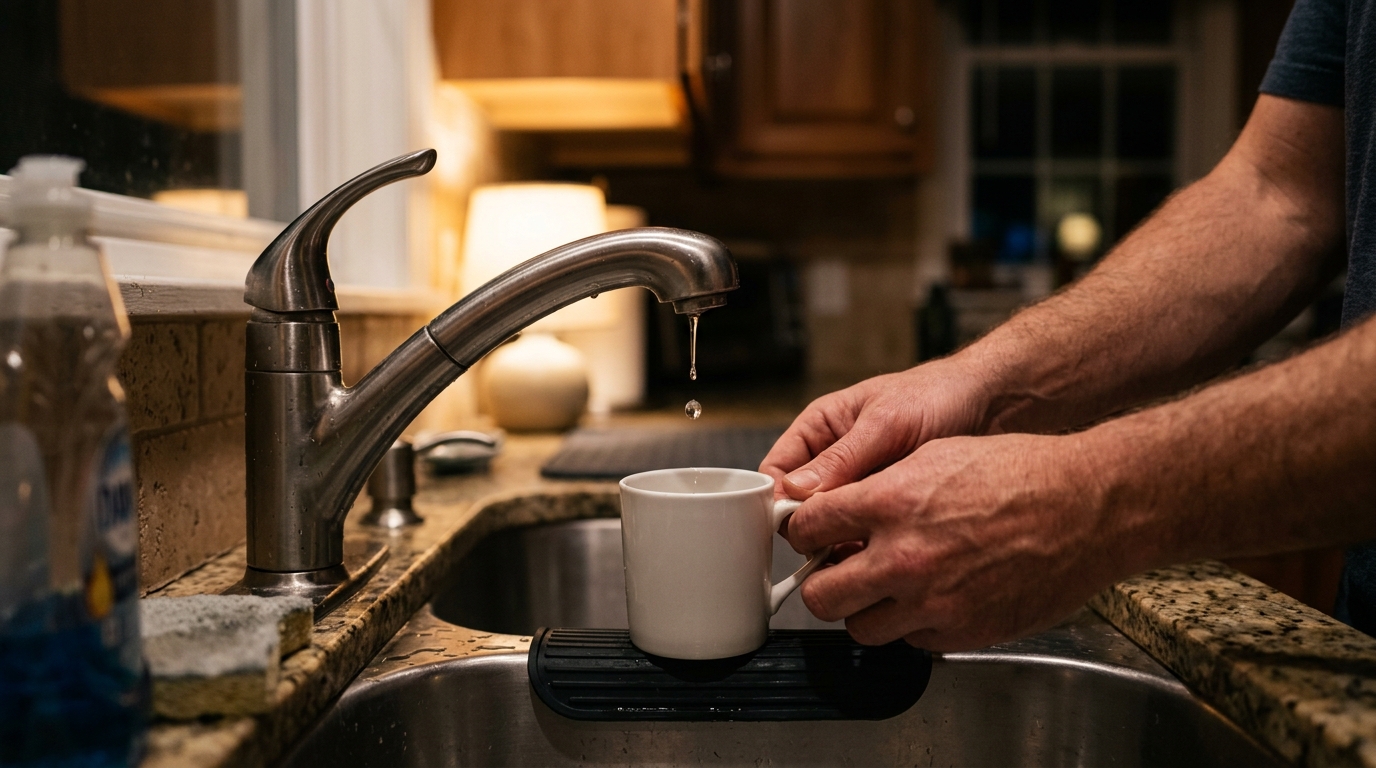
A dripping faucet is more than an annoyance – it can waste over 3,000 gallons of water per year and add real dollars to your utility bill. This guide walks you through immediate, no-tool fixes and a simple DIY repair that most homeowners can complete in under an hour.
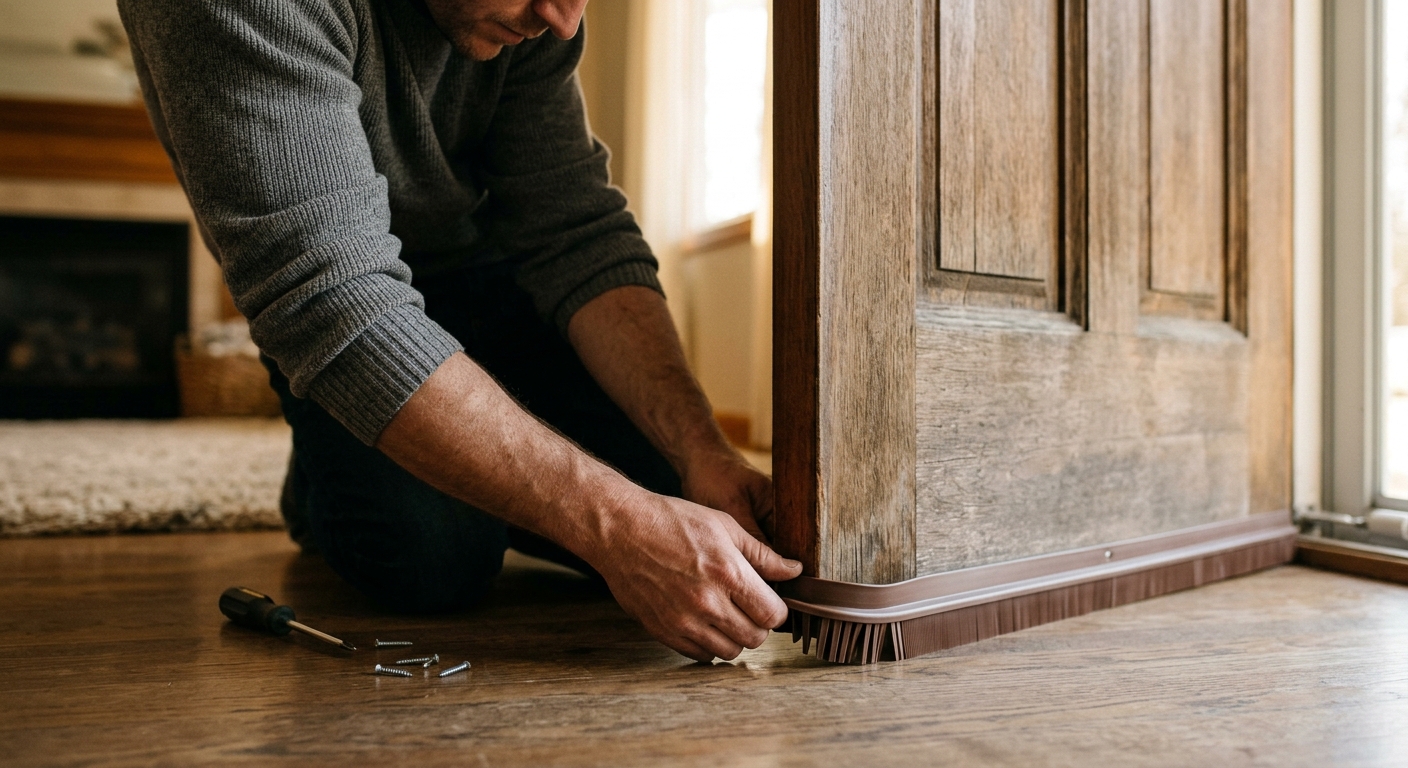
Cold air sneaking under your exterior doors can account for a surprising share of your home’s heat loss, driving up energy bills and leaving floors uncomfortably chilly. A $15 door sweep installed in under 30 minutes can seal that gap and deliver immediate, measurable savings.