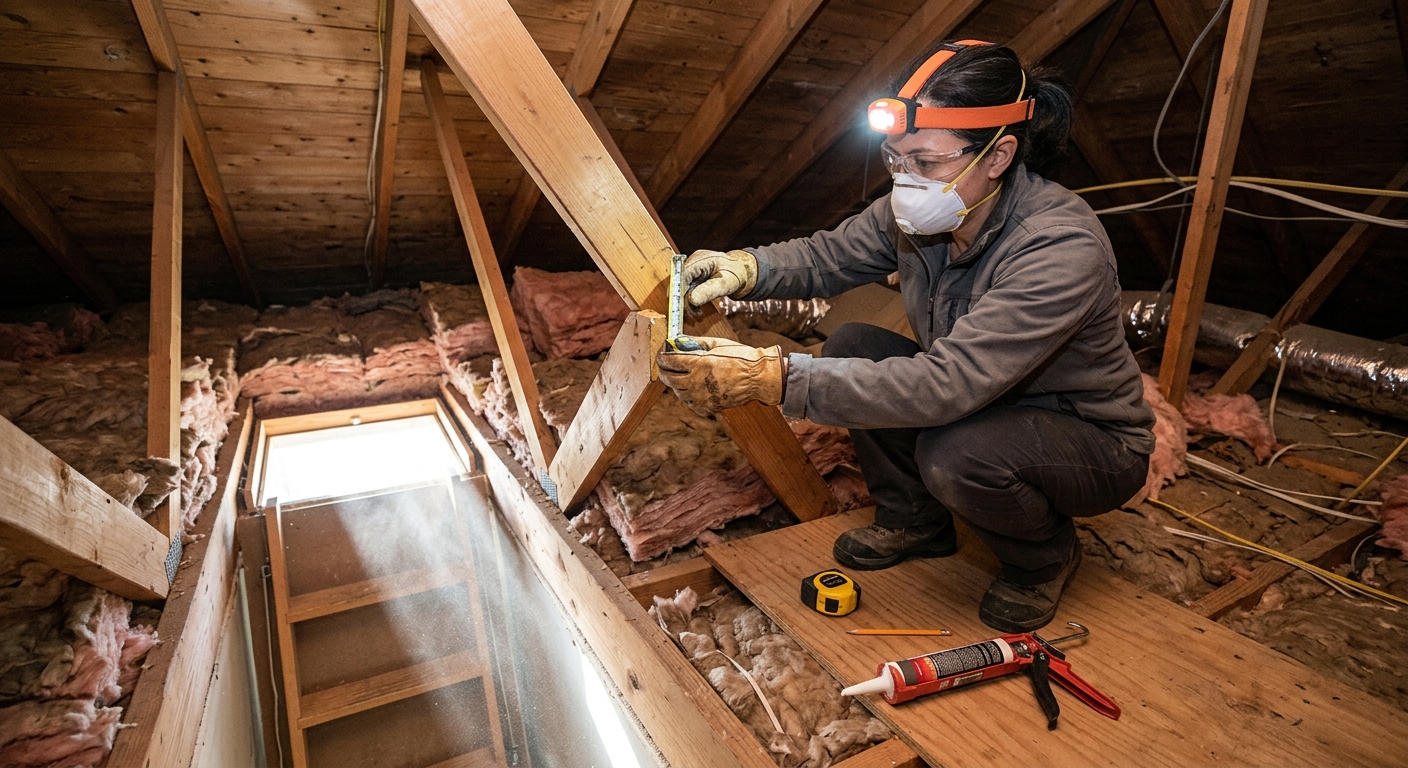
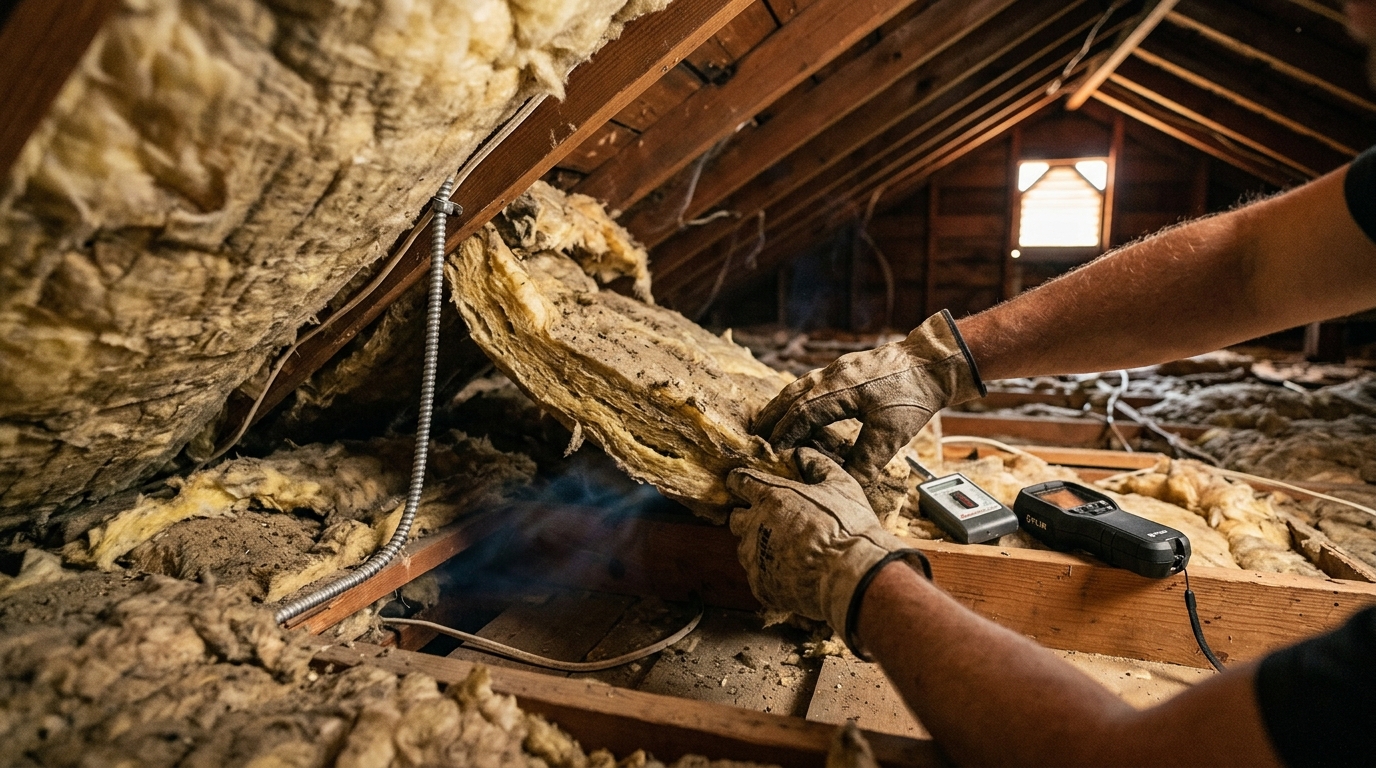
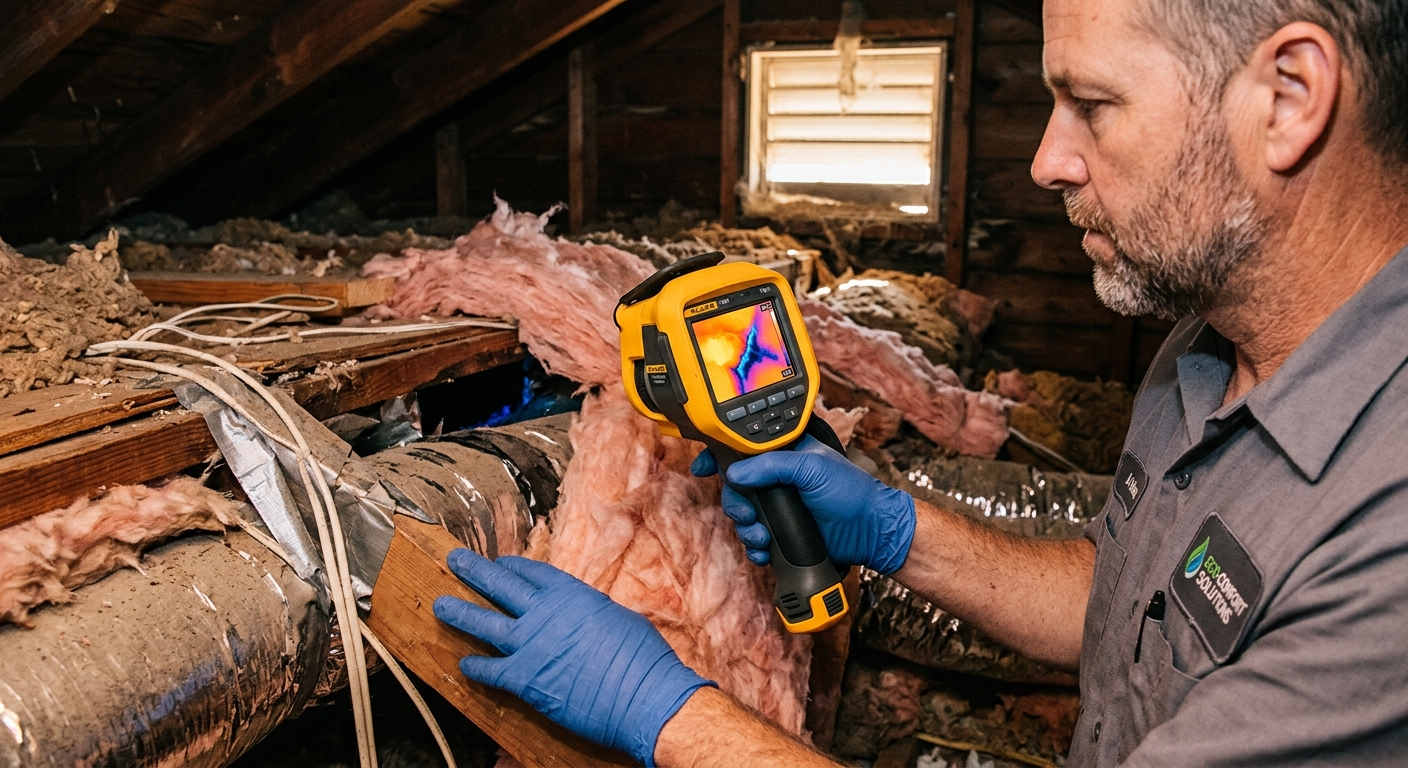
Most homeowners never look up, and that neglect costs an average of $300 to $500 in wasted heating every winter. A single afternoon in your attic, armed with the right checklist, can identify the leaks, gaps, and insulation problems that are quietly draining your budget.
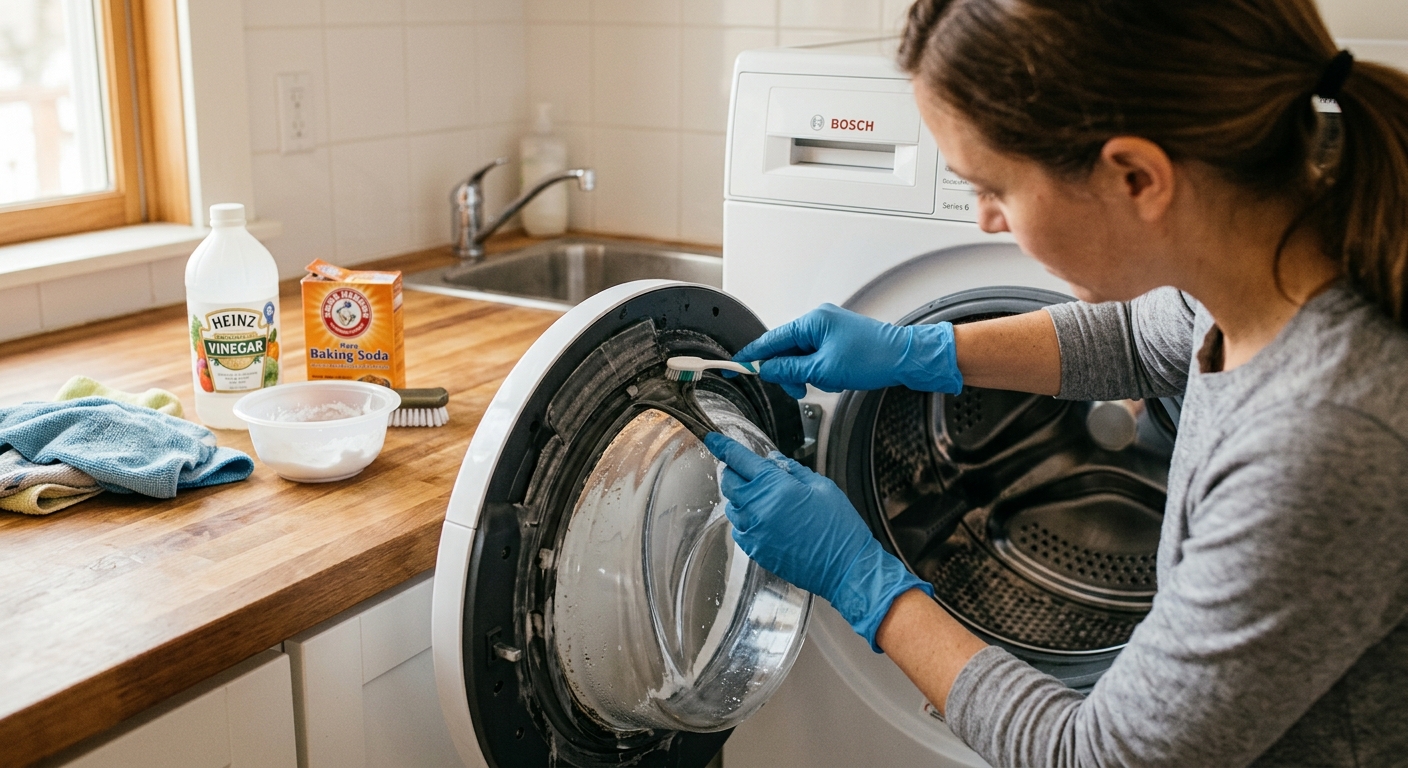
That musty, sour odor coming from your washing machine is caused by mold, mildew, and detergent buildup hiding in places you rarely think to clean. A 20-minute deep clean using common household supplies eliminates the smell and can extend your machine’s lifespan by years.
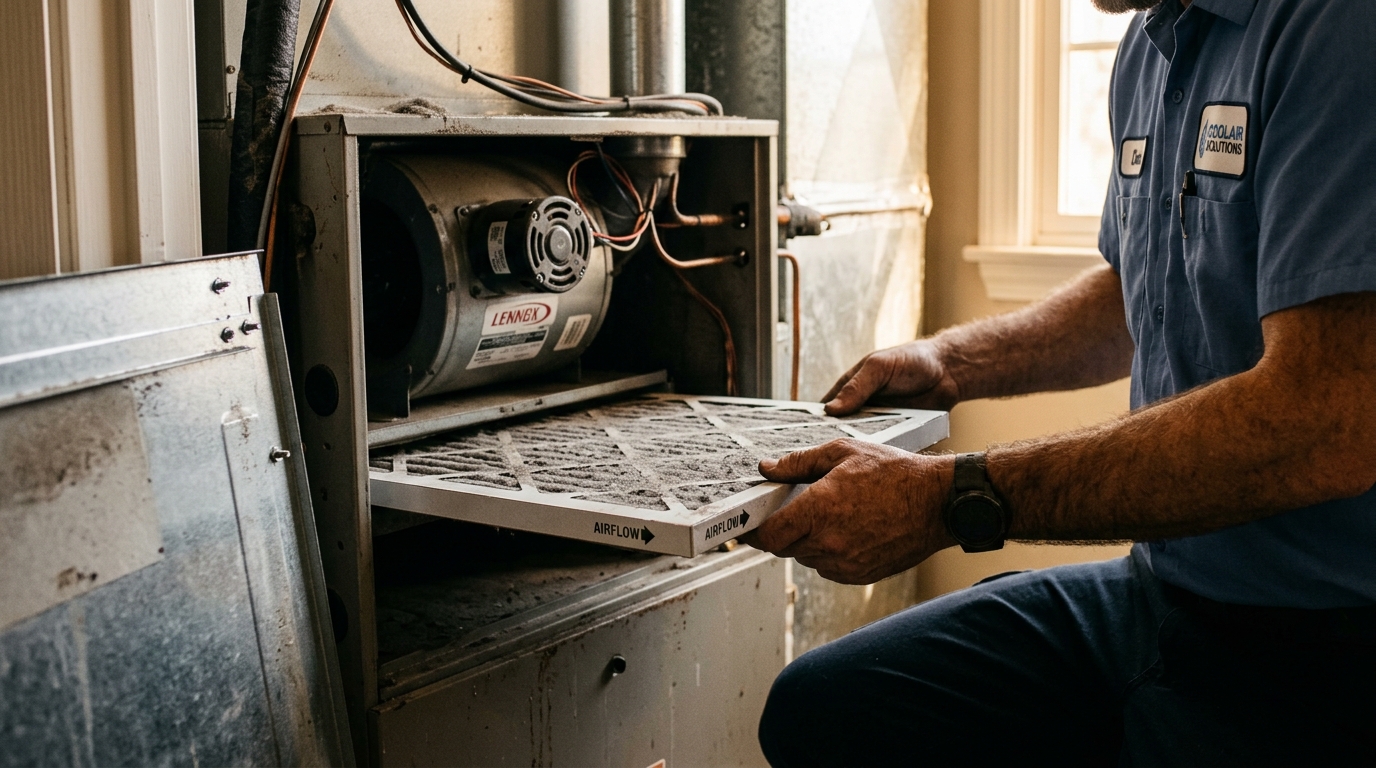
Few things are more frustrating than an air conditioner running nonstop while your house stays hot. This guide walks you through the four most common causes of warm air from your AC and exactly how to diagnose and fix each one.
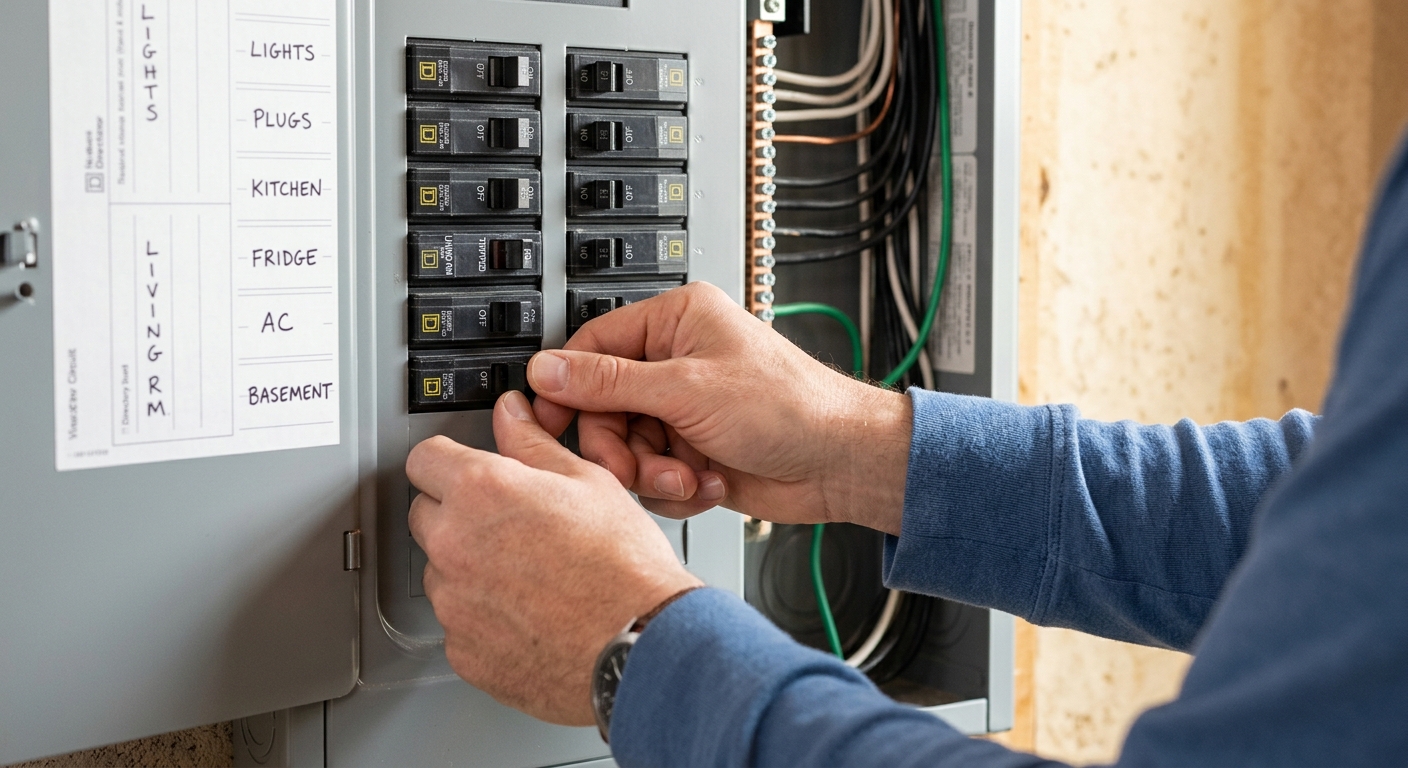
A tripped breaker is one of the most common home electrical issues, but resetting it the wrong way can be dangerous or mask a serious underlying problem. This guide walks you through the safe reset process and shows you exactly how to stop breakers from tripping repeatedly.
Winter is hard on your home’s thermal envelope, and spring is the ideal time to catch damage before cooling season drives your bills up. This checklist walks you through every zone of your home so you can spot gaps, fix what you can, and know when to call a pro.
Failing insulation is one of the most expensive and least visible problems in a home, silently inflating energy bills month after month. Learn the seven warning signs and what you can do to stop the drain on your wallet.
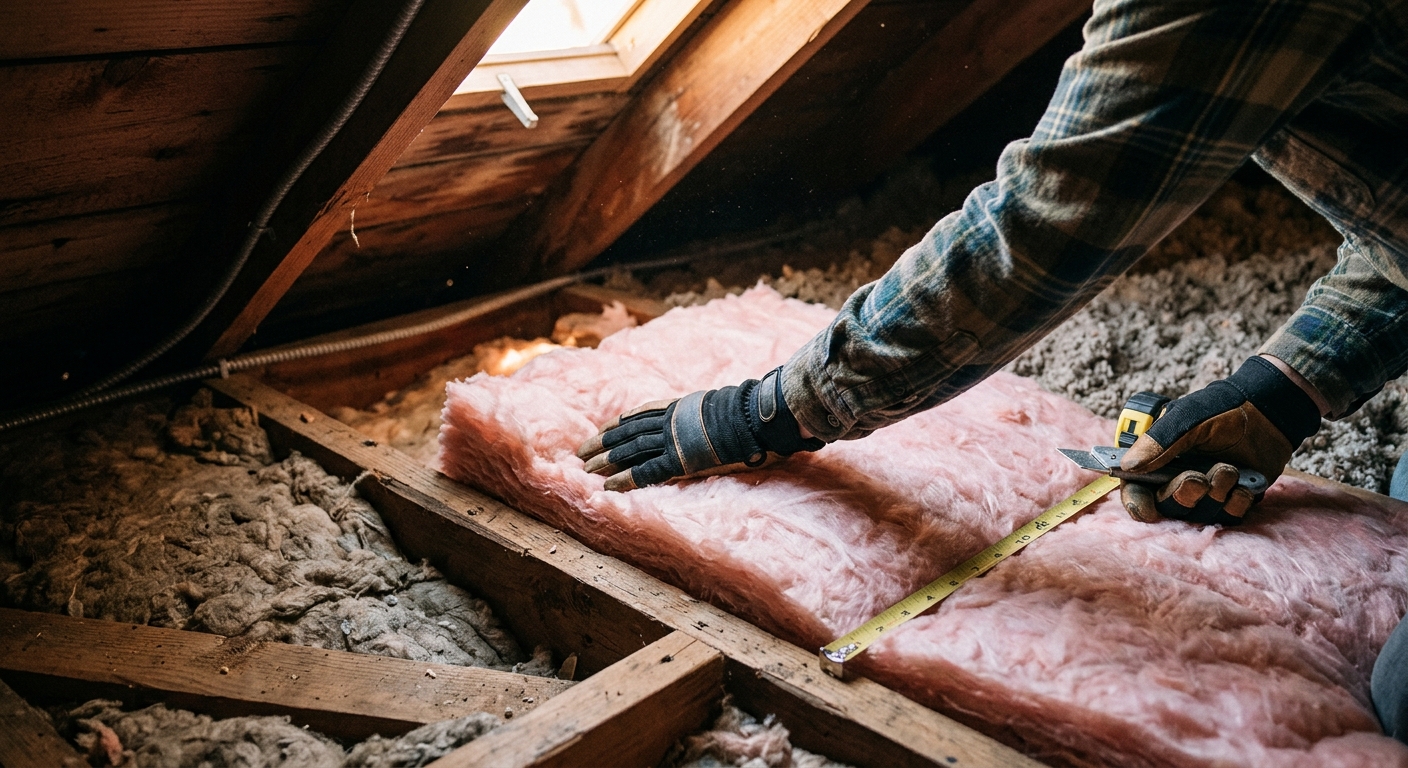
Attic insulation is one of the highest-impact upgrades a homeowner can make, yet millions of homes are running on levels that were considered adequate in the 1970s. Adding insulation to reach the recommended R-38 to R-60 can cut heating and cooling bills by 15 to 25% annually, with payback periods as short as 2 to 3 years.
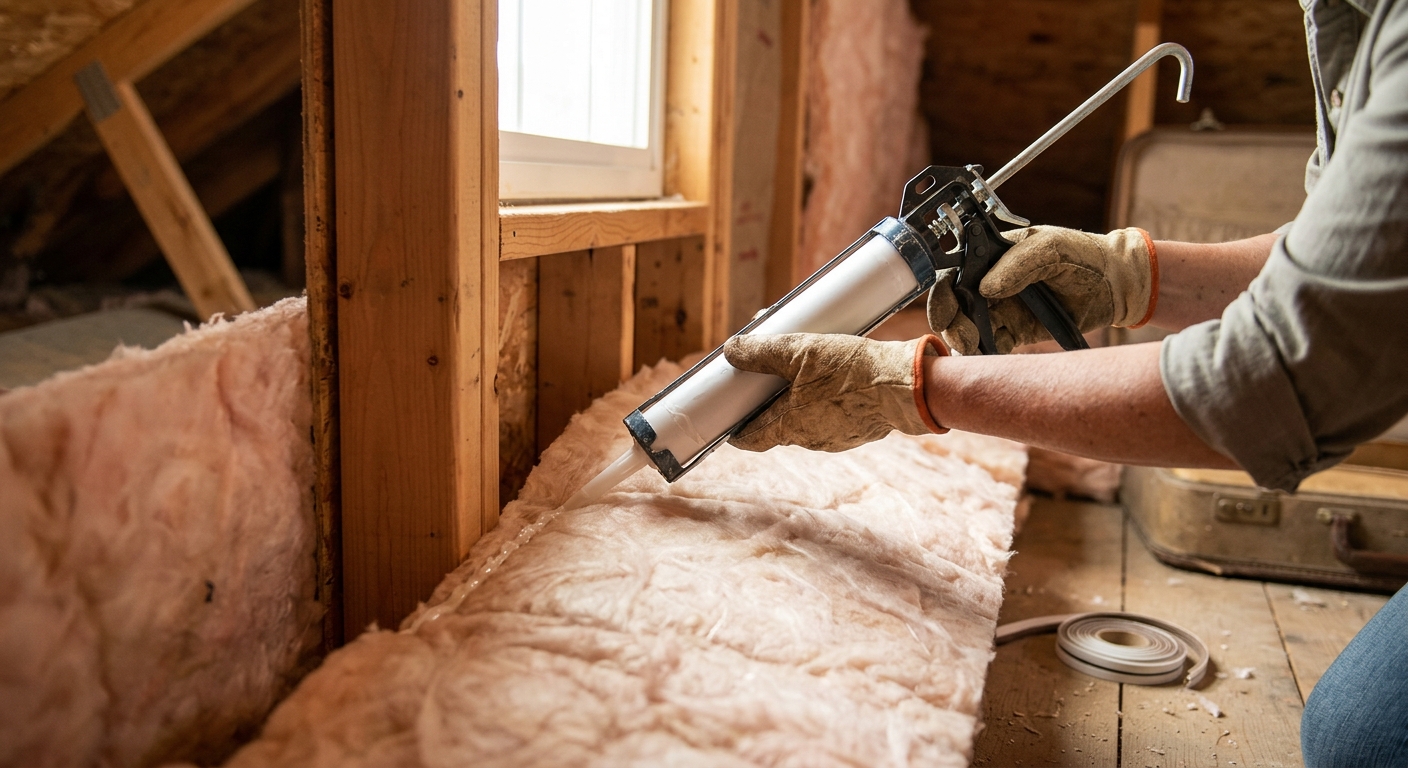
Many homeowners add attic insulation expecting dramatic improvements, only to find their rooms are still drafty, hot, or uneven in temperature. The real culprit is almost always air leakage, and without sealing it first, even R-60 insulation will underperform.
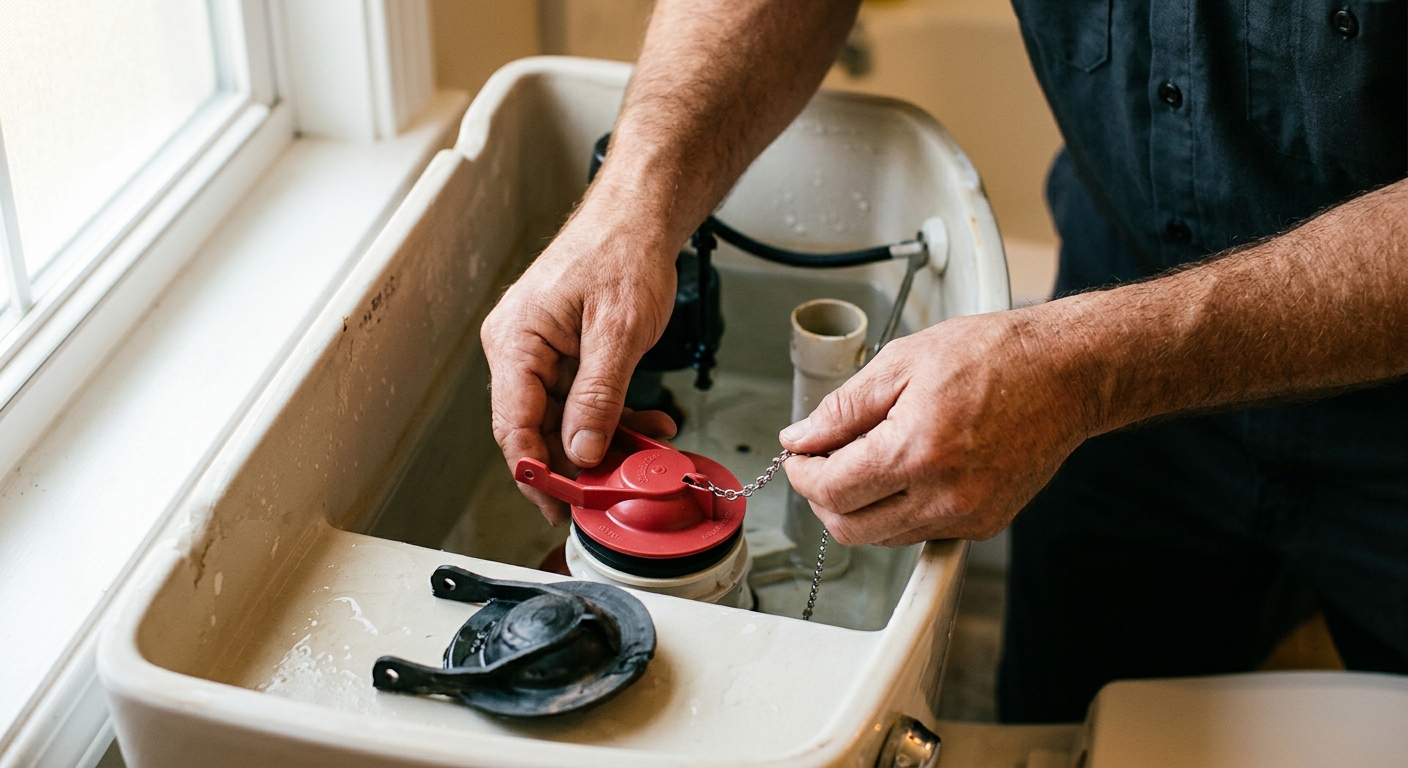
A silently leaking toilet flapper can waste 200 gallons of water per day without a single visible drip. Catching and fixing this common problem takes less than an hour and pays for itself in the first month.
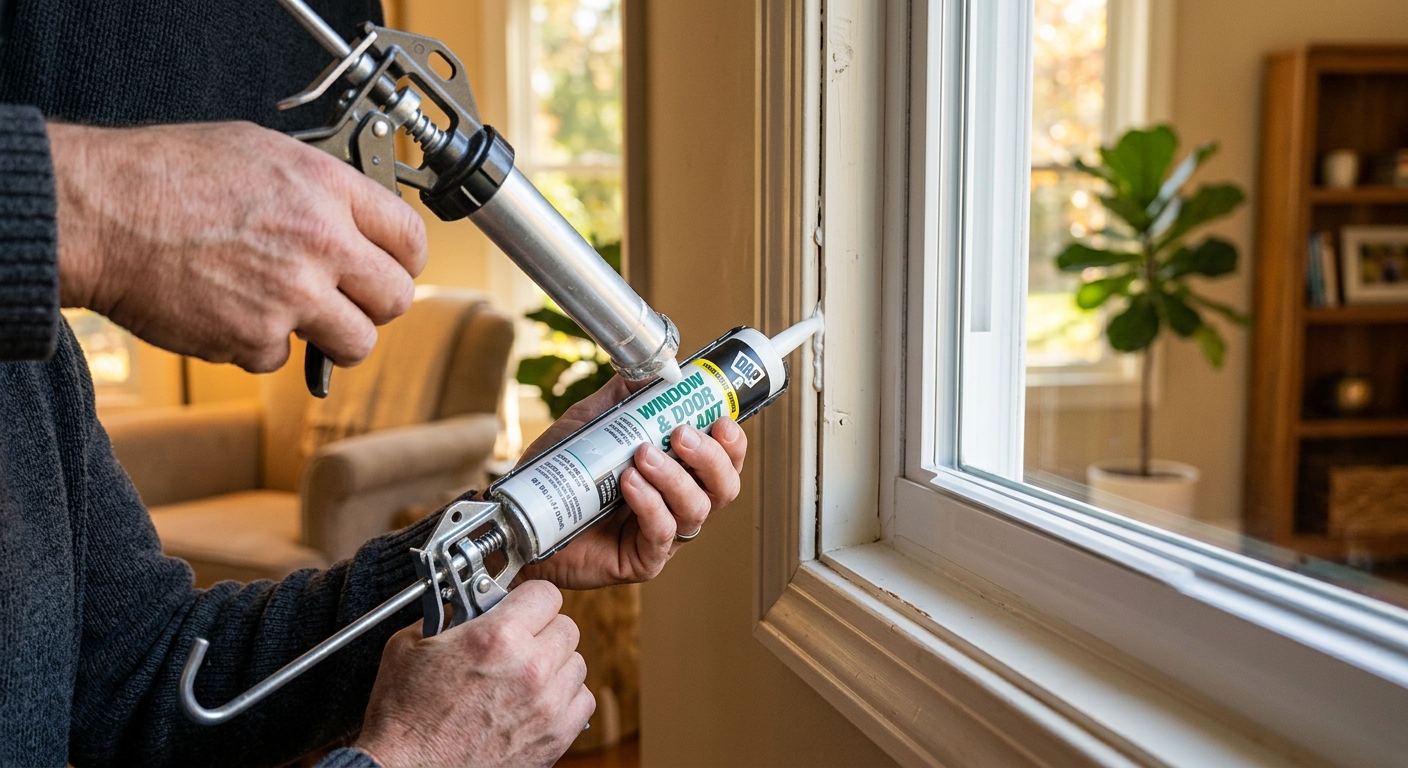
Replacing your windows is a major investment, but new glass alone does not stop drafts if the surrounding installation has gaps, failed caulk, or missing foam. This guide explains the real causes of post-replacement drafts and shows you exactly how to seal them for good.