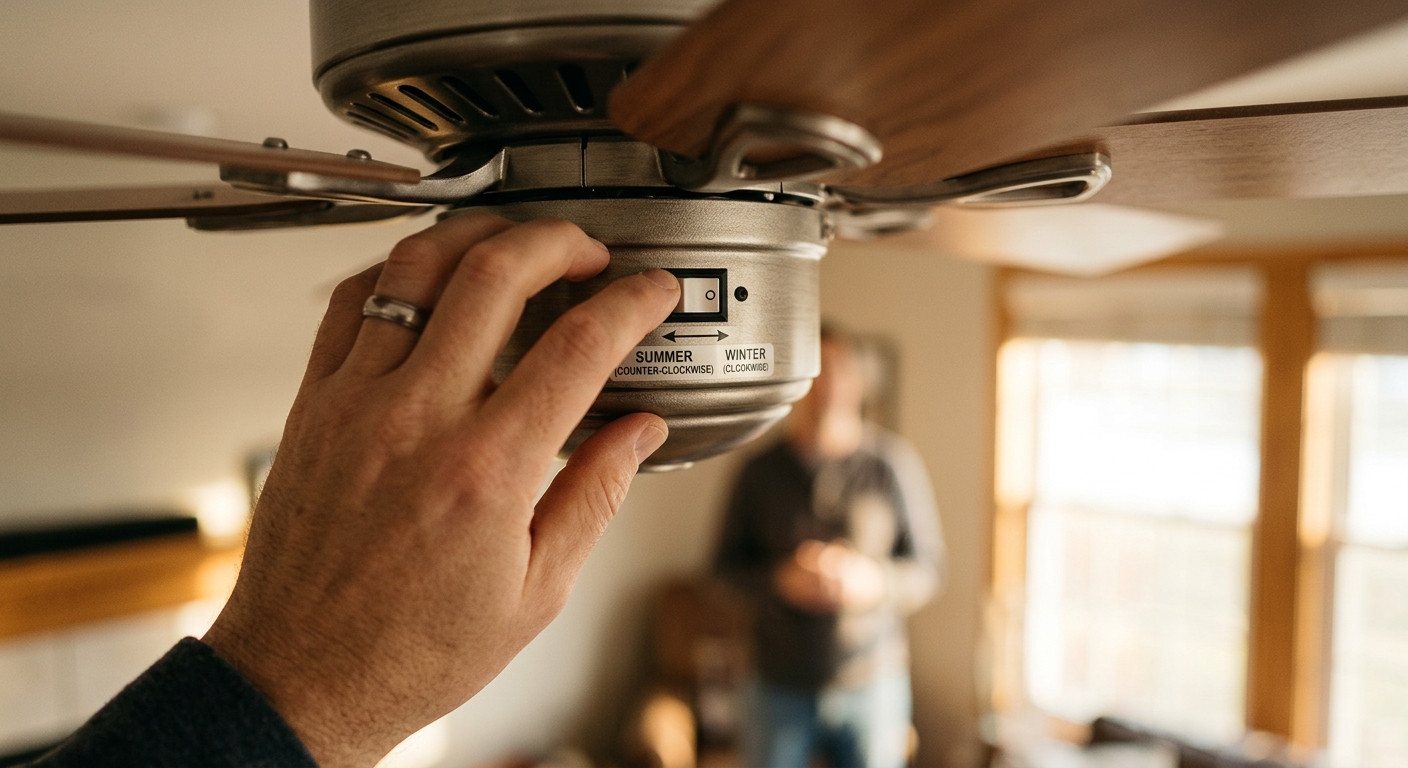
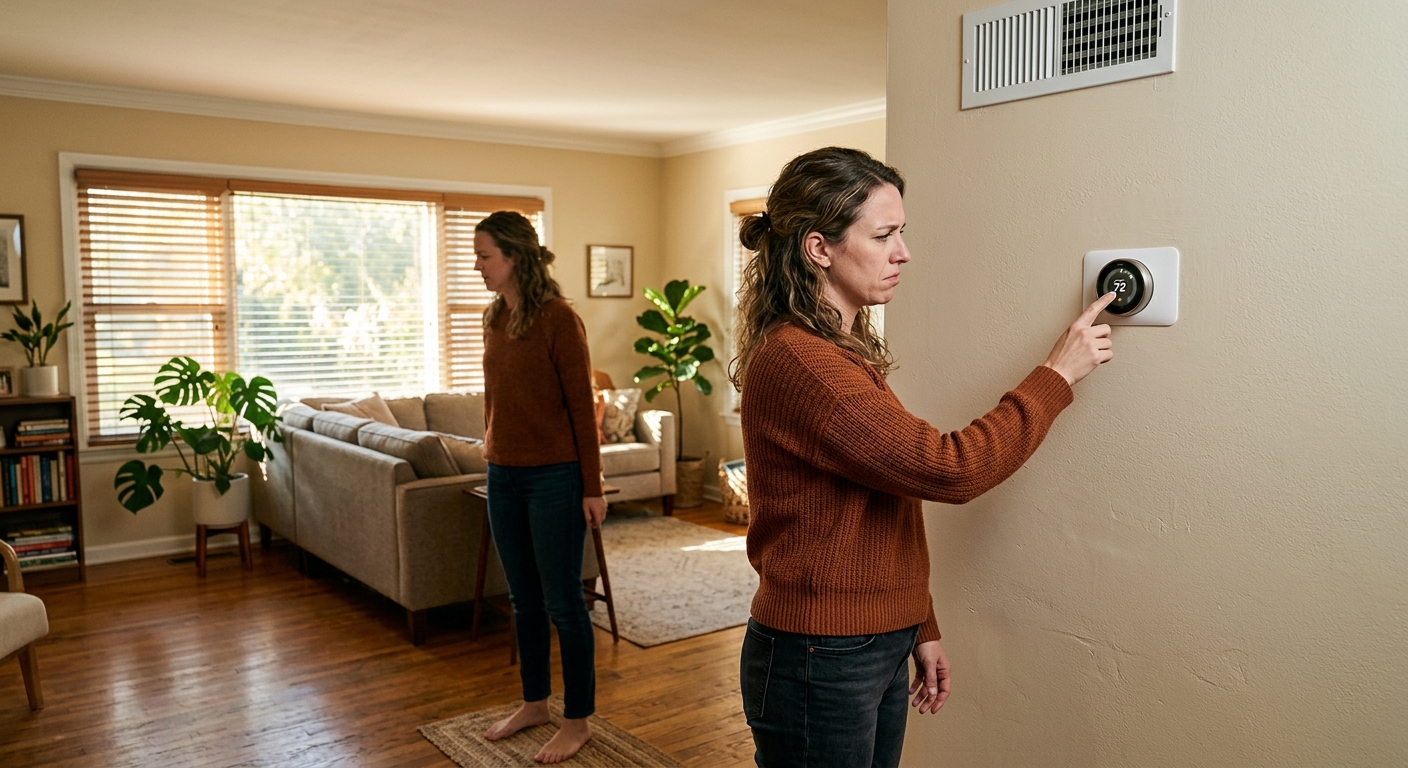
Most homeowners run their ceiling fans the wrong direction half the year, paying to heat or cool rooms less efficiently than they could. Switching fan direction seasonally and pairing fans with smart thermostat setbacks can trim 5 to 15% off annual HVAC bills with zero equipment purchases.
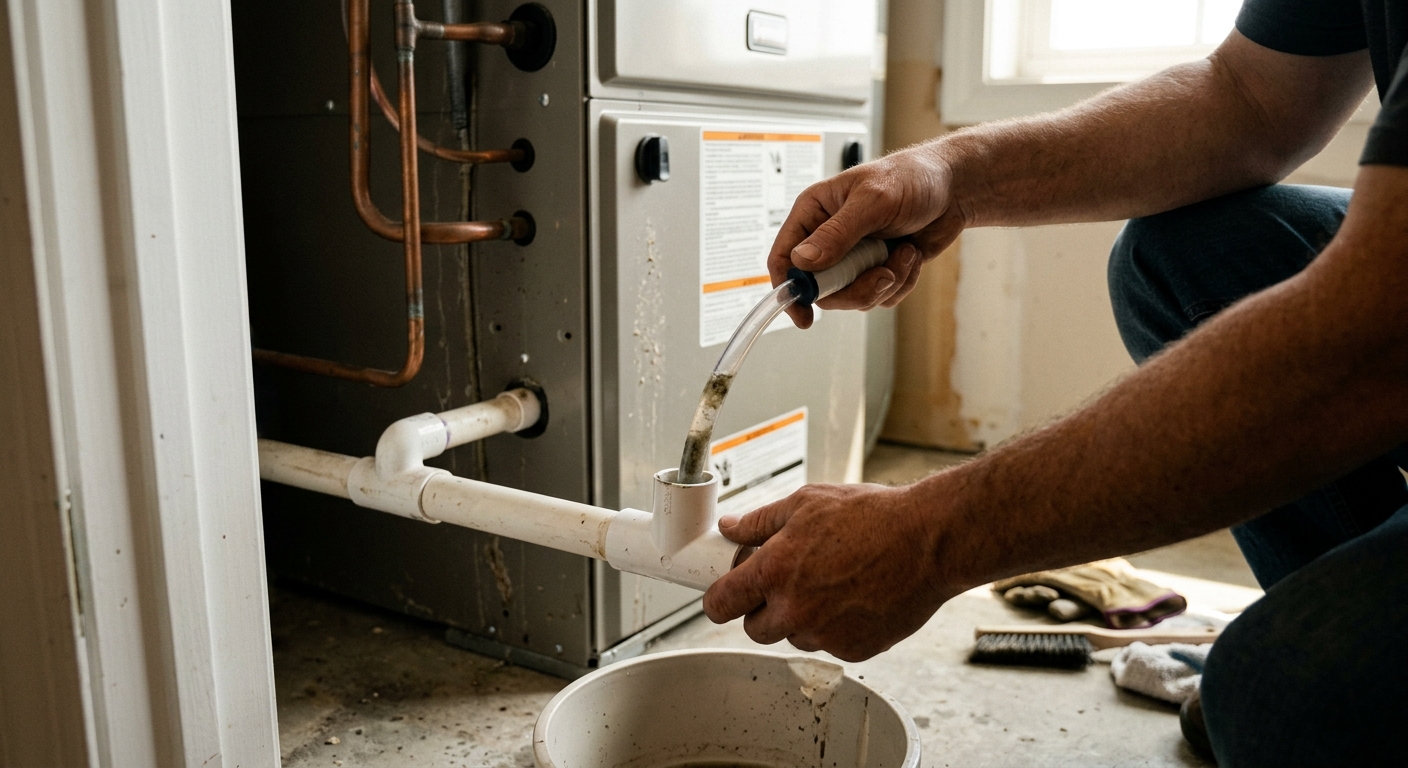
A clogged AC condensate drain line is one of the most common causes of water damage in homes, yet most homeowners never touch it. Spending 30 minutes and less than $20 once or twice a year can prevent ceiling collapses, mold remediation bills, and HVAC shutdowns that routinely cost $500 to $2,000 to fix.
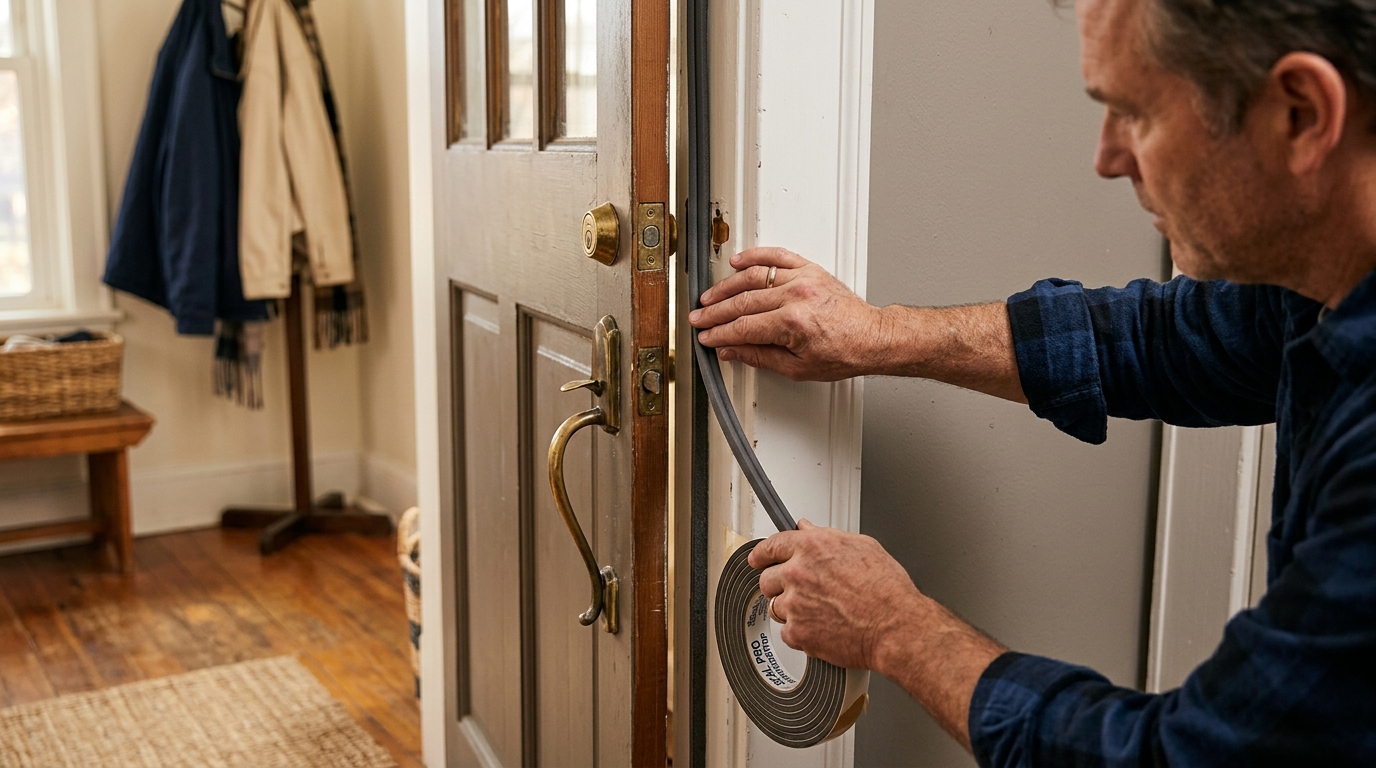
Most homeowners focus on windows and attic insulation while ignoring the single most-used air leak in the house: the front door and entryway. Sealing and improving your entryway can reduce drafts, cut heating and cooling losses by up to 15%, and make every room in your home feel more comfortable year-round.
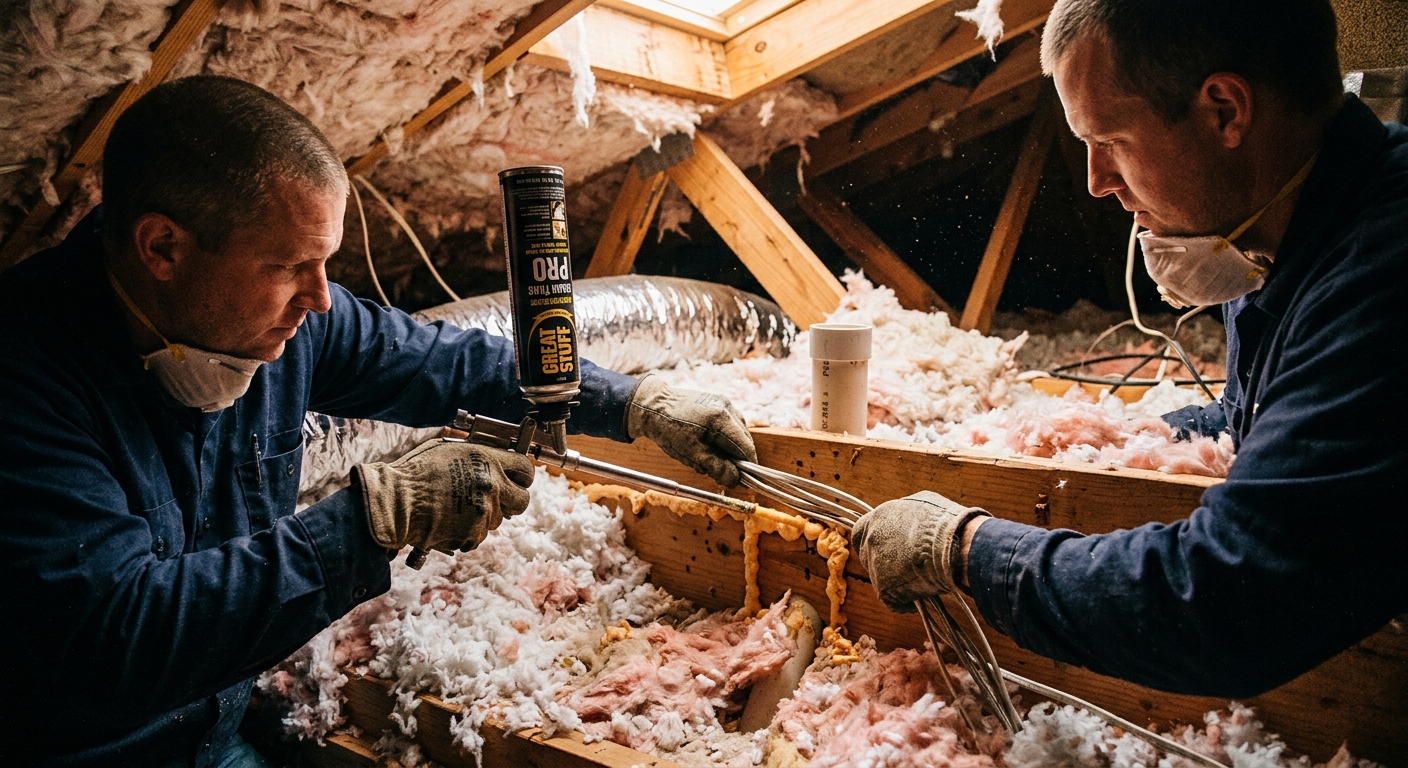
Most homeowners treat air sealing and insulation as separate projects, but doing them together is where the real savings happen. When you seal the leaks first and then add insulation on top, you can cut heating and cooling costs by 30 to 40% compared to either approach alone.
A brand-new AC unit should solve your cooling problems, but thousands of homeowners discover it doesn’t. The culprit is almost never the equipment itself – it’s the house, the ducts, or the installation.
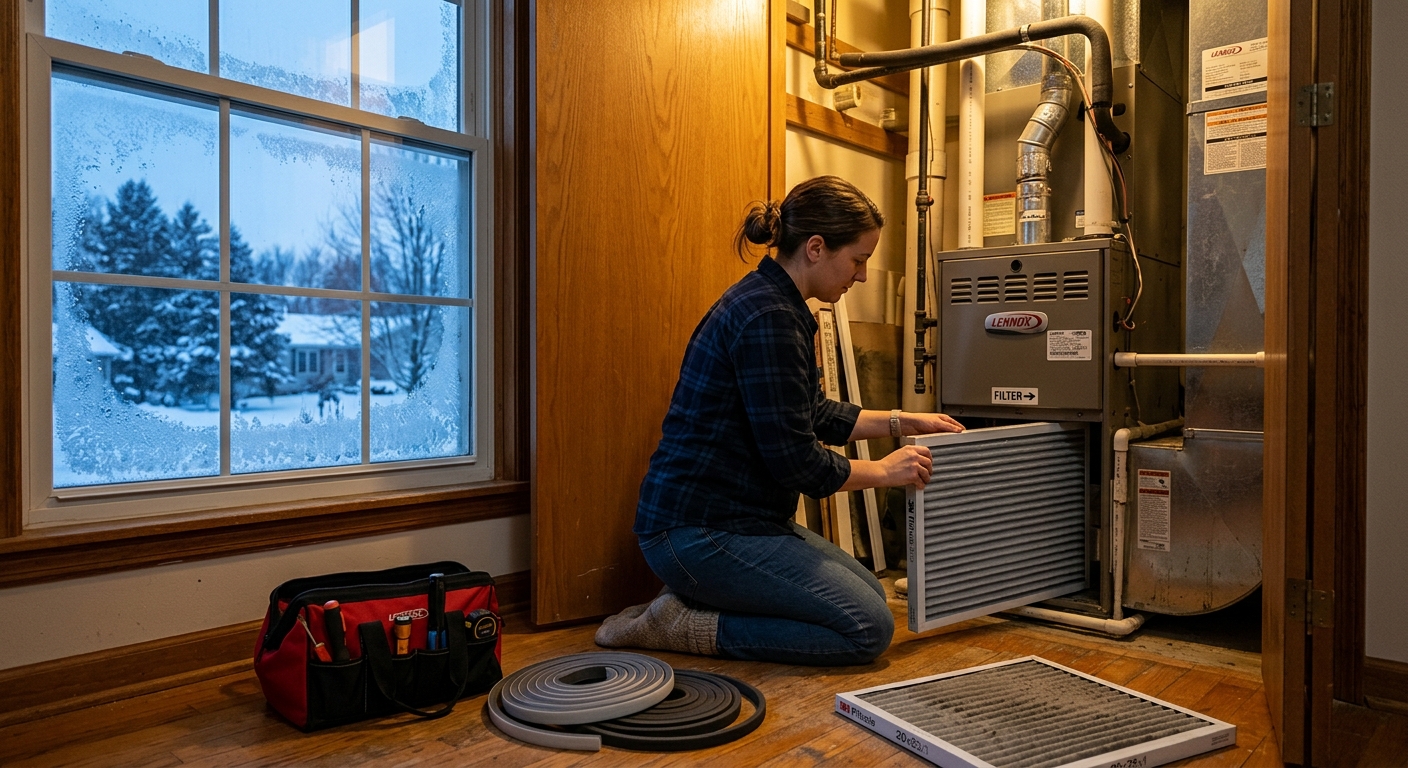
February is statistically the coldest month in most of the U.S., but your heating bill spike is rarely just about the weather. A combination of air leaks, thermostat habits, and neglected maintenance compounds heat loss right when outdoor temperatures hit their lowest point.
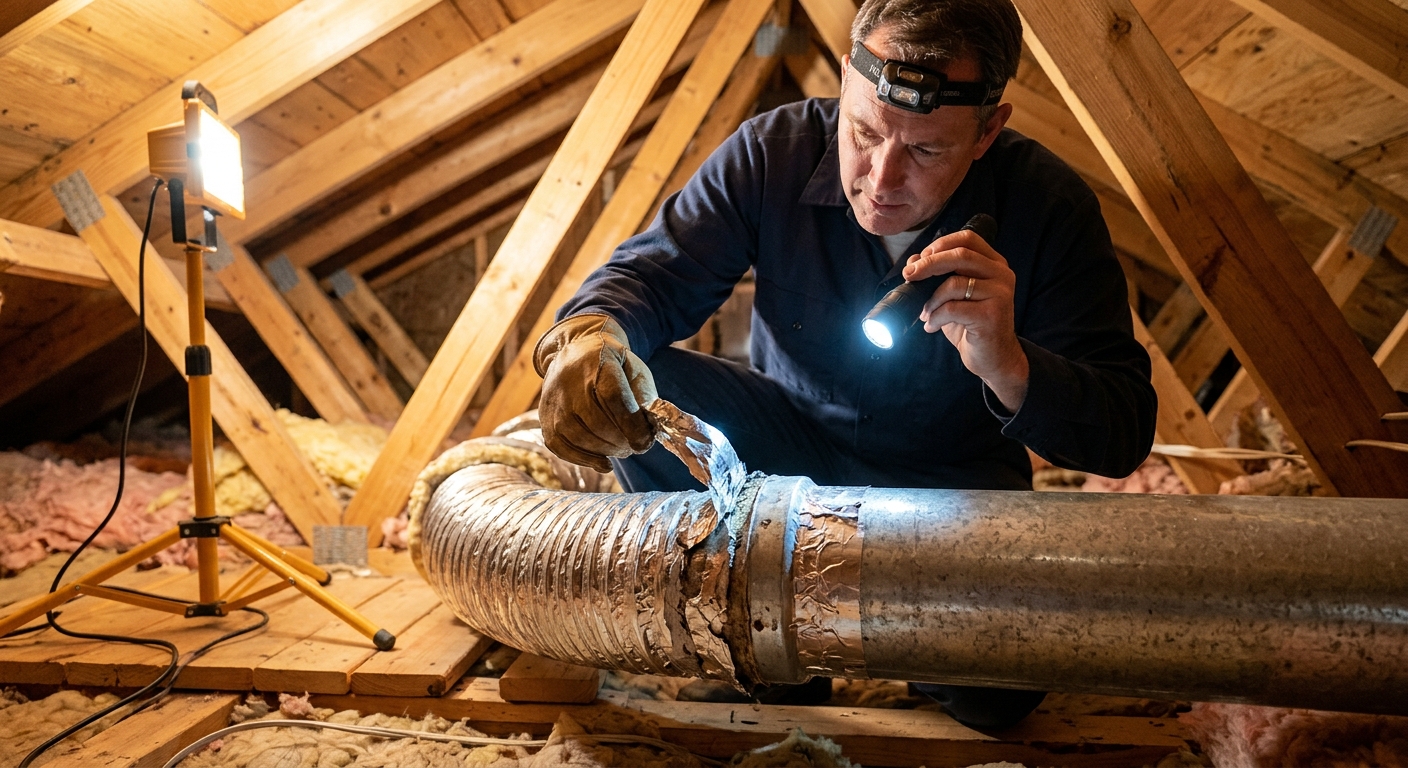
Leaky ducts silently drain 20 to 30% of your conditioned air into attics, crawl spaces, and wall cavities where it does nothing but raise your bills. Before spending $300 to $500 on a professional duct blaster test, a few free checks can tell you whether you have a problem and how serious it is.
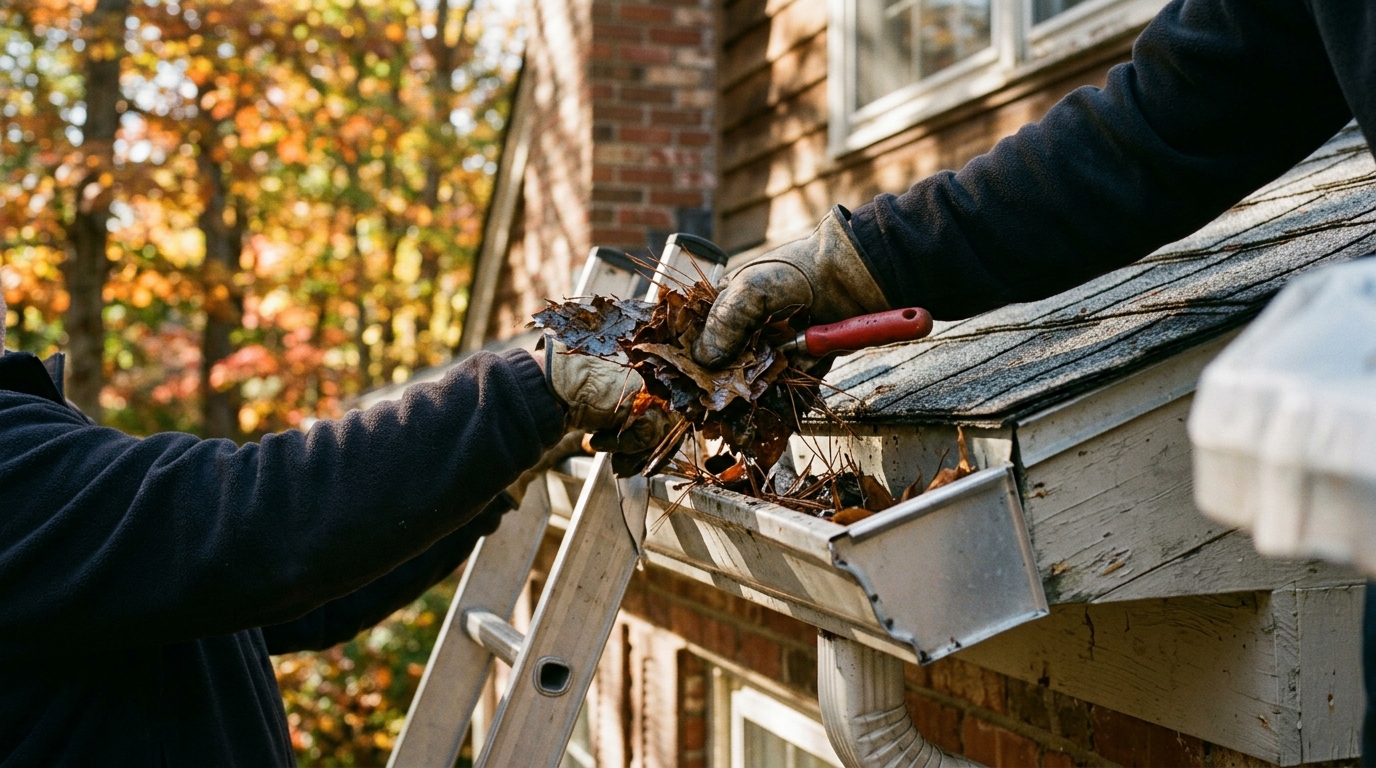
Clogged gutters are one of the most common causes of winter ice dams, roof damage, and water intrusion – and most homeowners don’t realize it until they’re filing an insurance claim. A simple fall cleaning routine done before the first freeze can protect your home from thousands of dollars in damage.
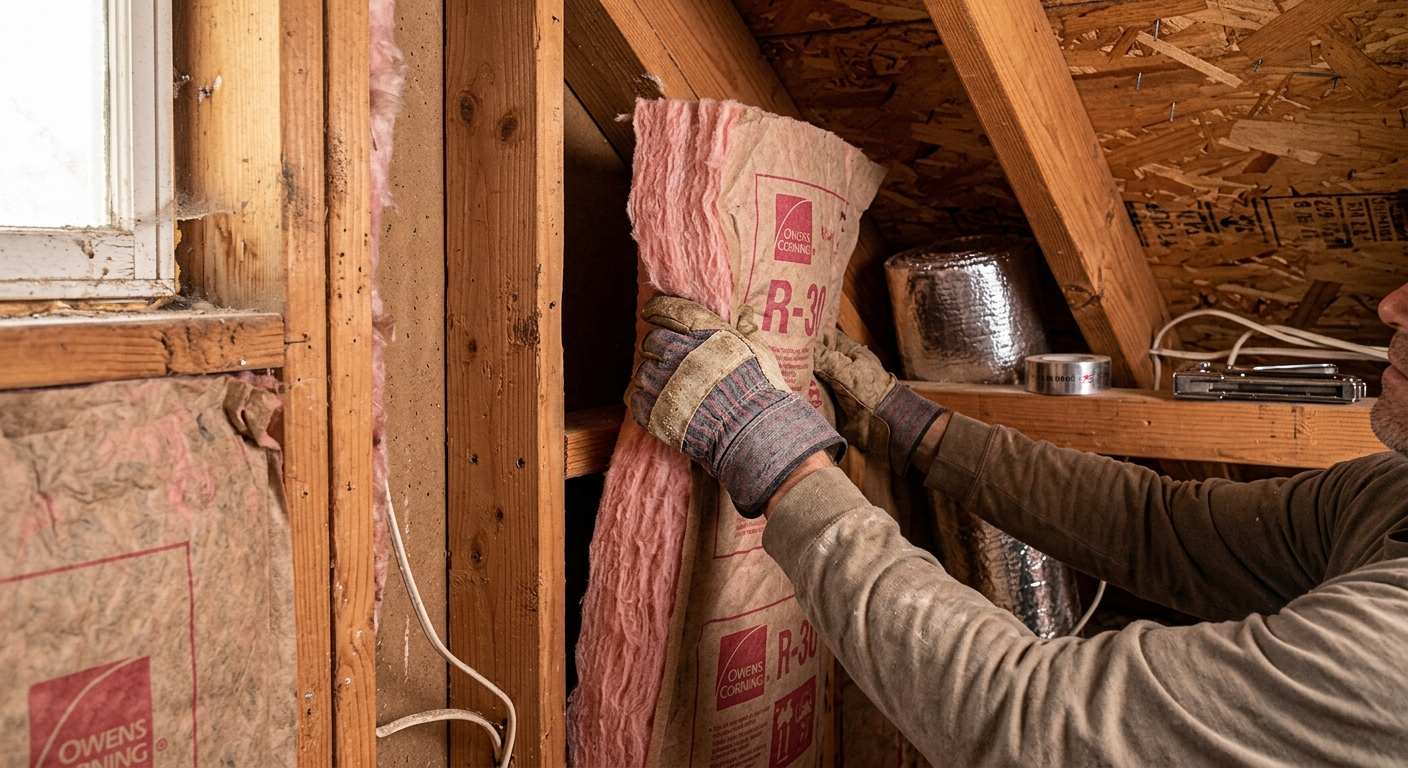
Not all insulation projects are created equal, and tackling the wrong one yourself can cost more than hiring a pro from the start. This guide breaks down exactly which jobs a motivated homeowner can handle safely and which ones require licensed expertise.
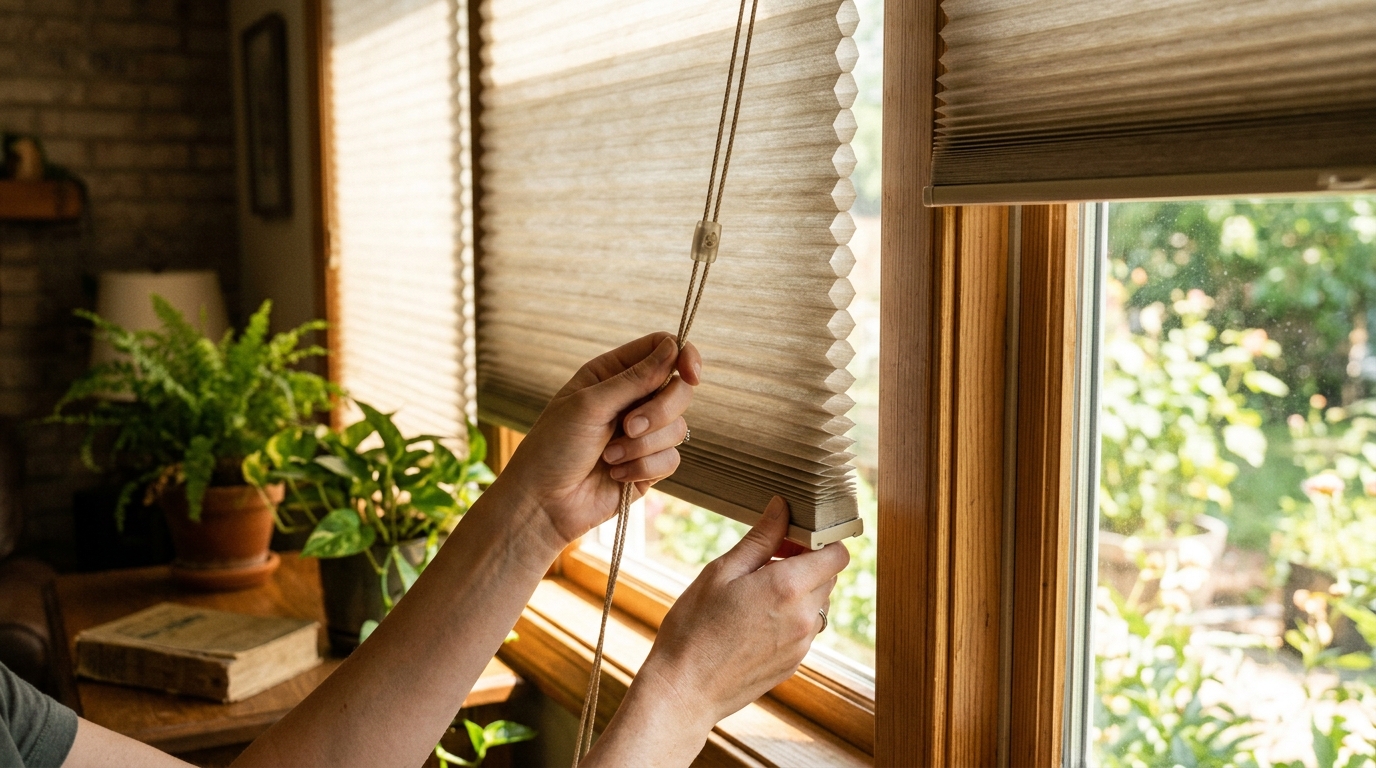
Heat waves push home cooling costs through the roof, and simply turning down the thermostat is often the most expensive solution. A combination of smart heat-blocking strategies, airflow management, and targeted cooling can keep your home comfortable while cutting energy bills by 20 to 40%.