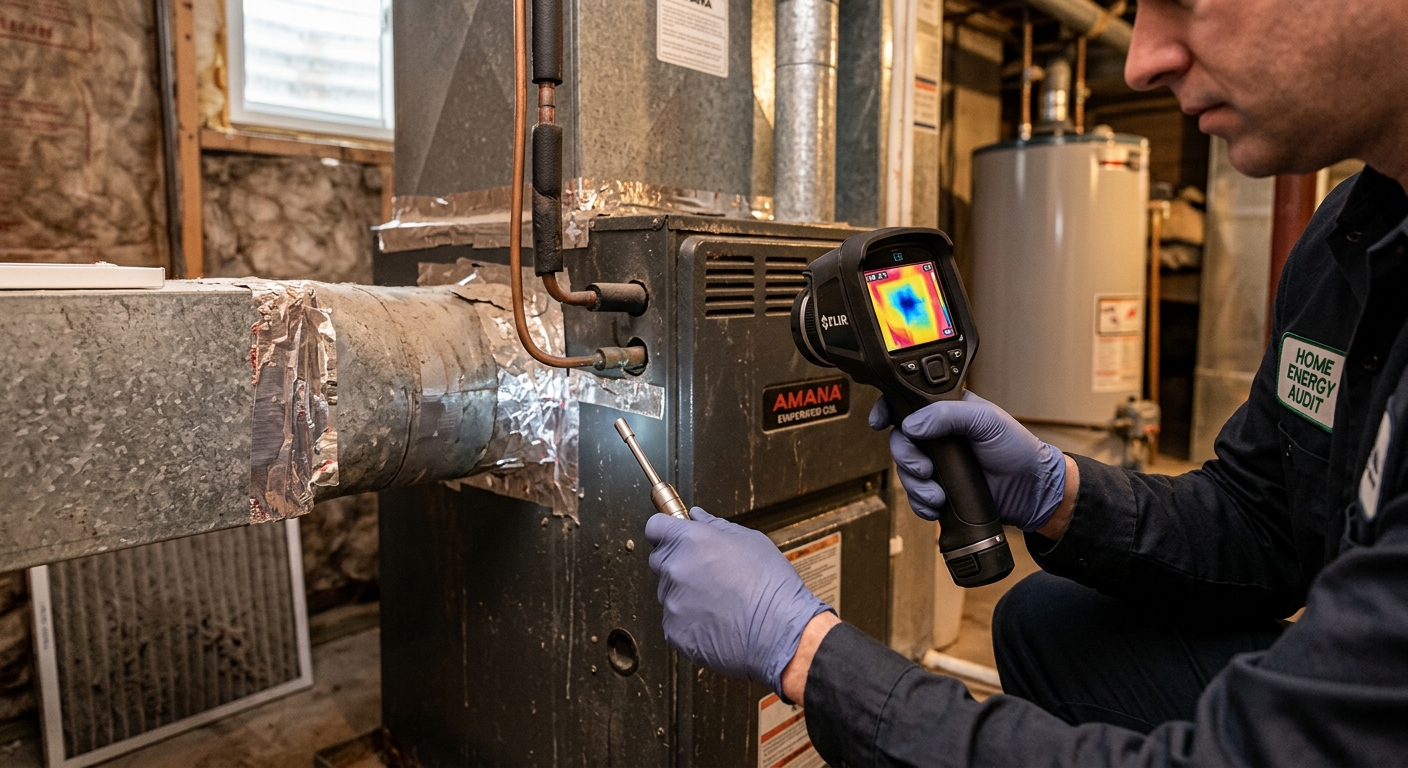
Most homeowners assume their AC is underperforming because it’s old or undersized, but an energy audit often tells a very different story. Hidden air leaks, missing insulation, and duct losses are usually the real culprits stealing your comfort and driving up your cooling bills.
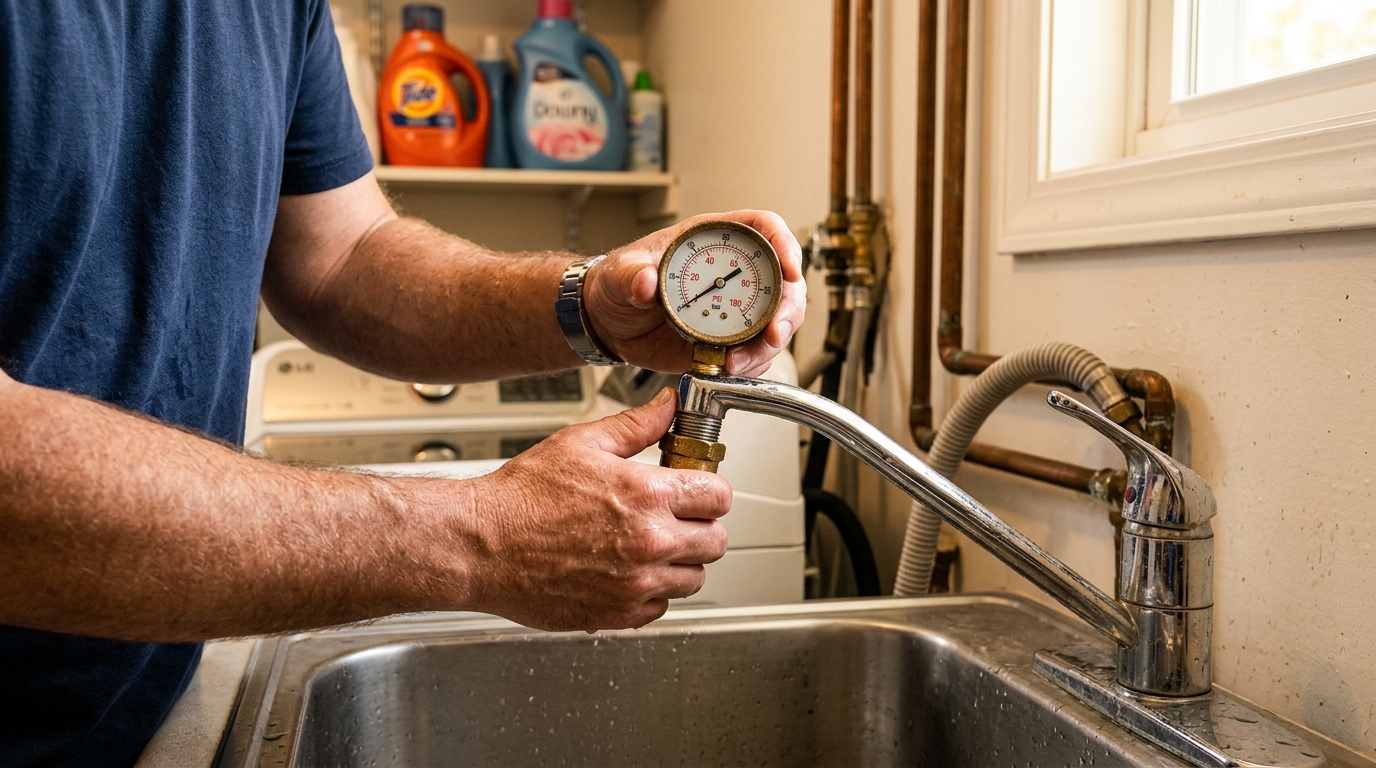
High water pressure silently stresses every pipe, fitting, and appliance in your home, often leading to costly leaks and premature failures. Testing takes less than five minutes and a $10 gauge, and knowing your number can save you thousands in repairs.
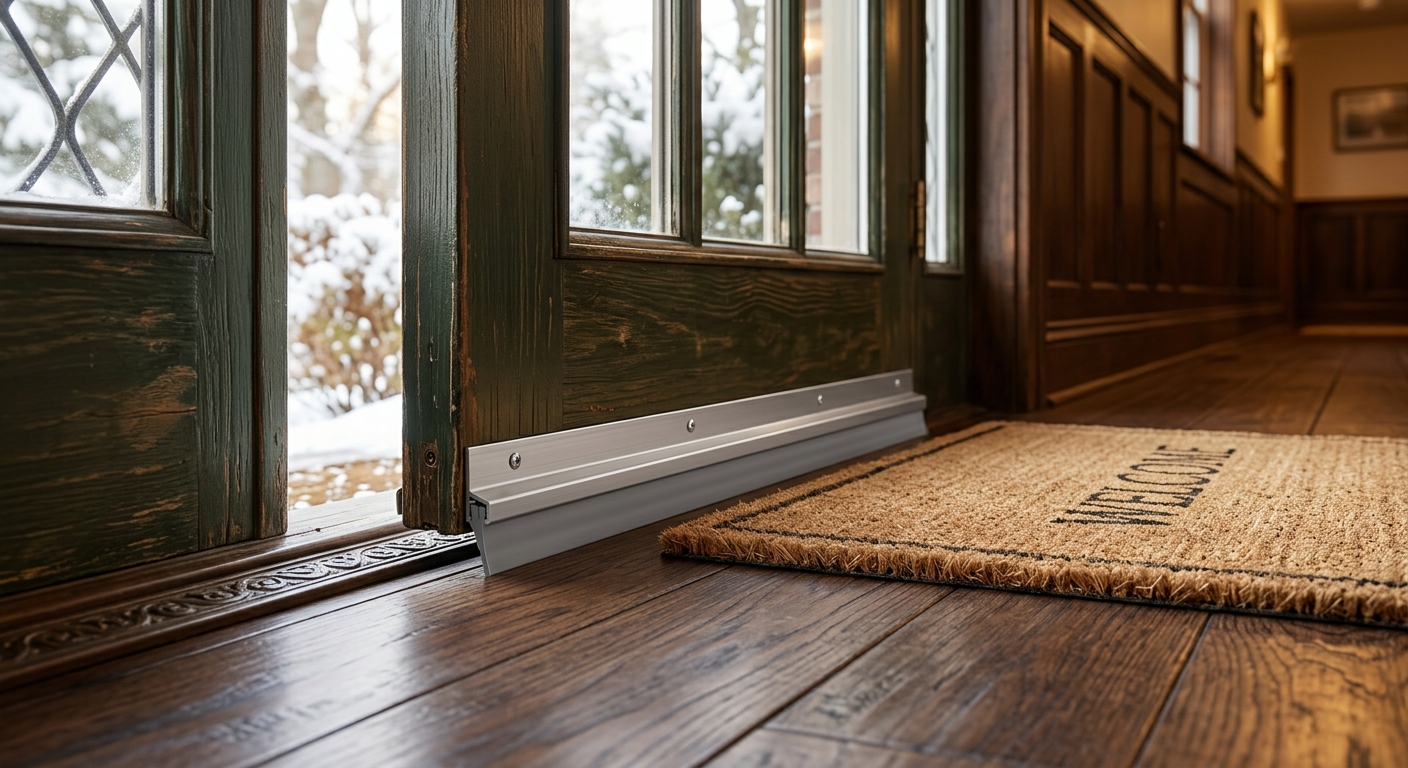
A gap under your front door can leak as much conditioned air as leaving a window cracked open all winter. A $15 door sweep or threshold seal installs in under 30 minutes and can cut your heating bill by up to 10% on its own.
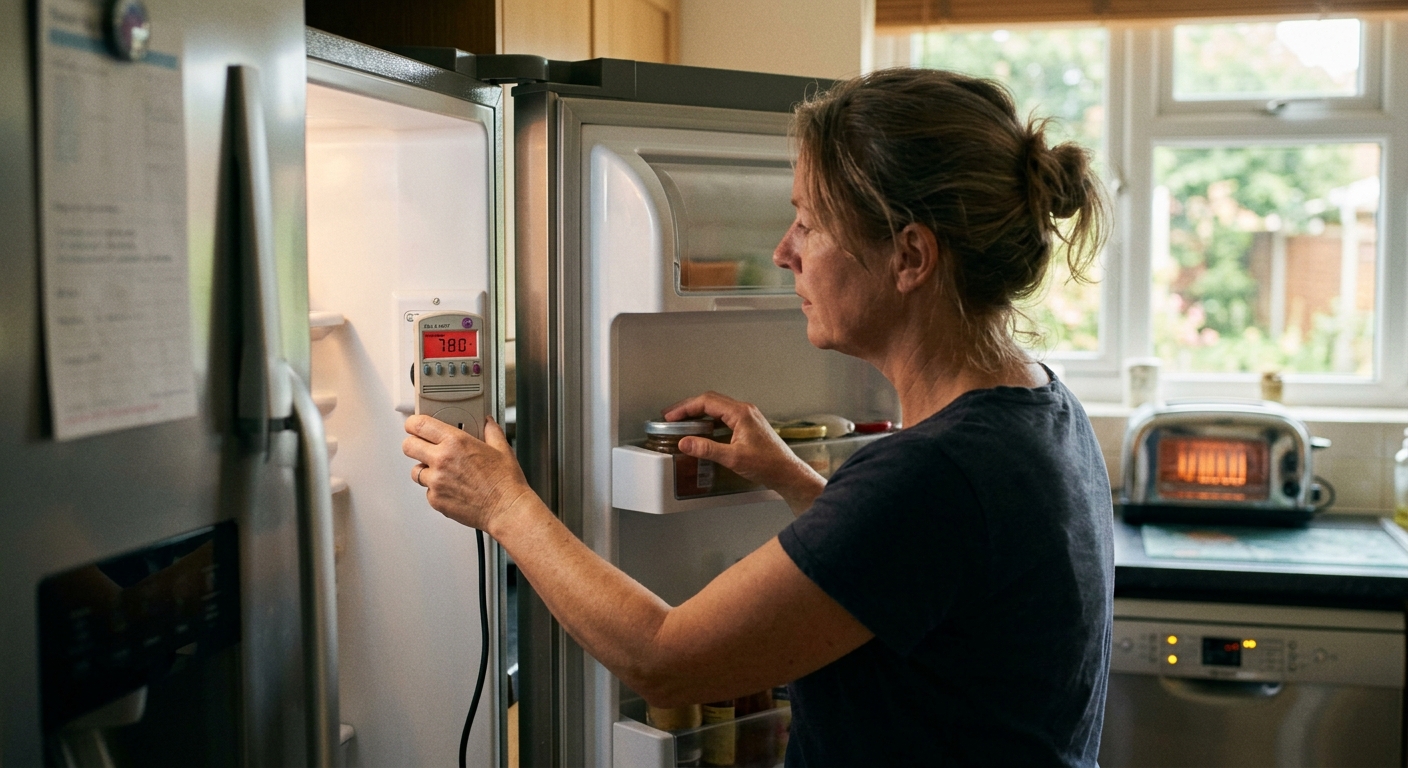
Your kitchen appliances may be working against your AC all summer long, quietly inflating your energy bills by hundreds of dollars. Learn which culprits generate the most heat, which swaps pay off fastest, and how to cook smarter without sacrificing comfort or convenience.
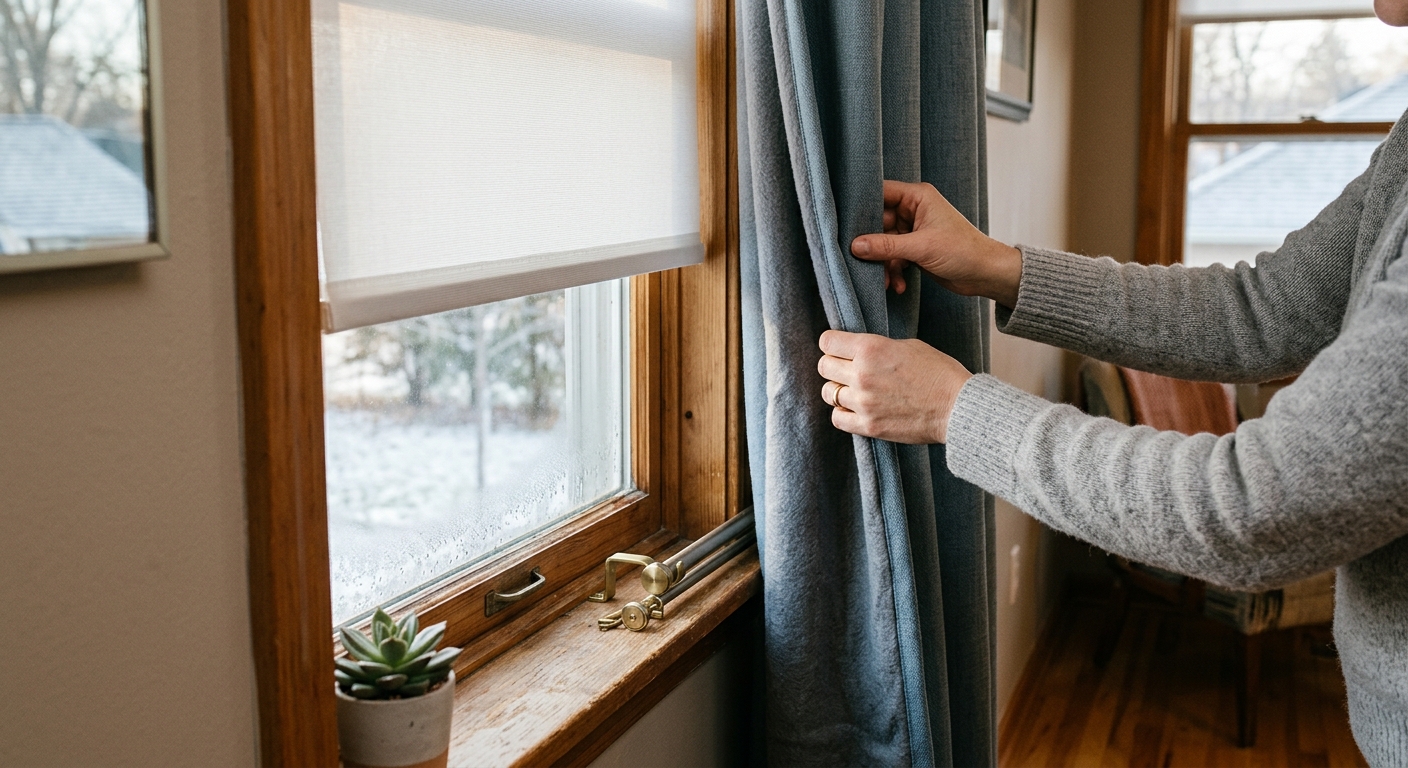
Windows are responsible for 25 to 30% of home heating loss, making them one of the biggest sources of wasted energy in winter. Layering the right window treatments in the right order can dramatically reduce that loss, with some homeowners seeing heating bill reductions of up to 40%.
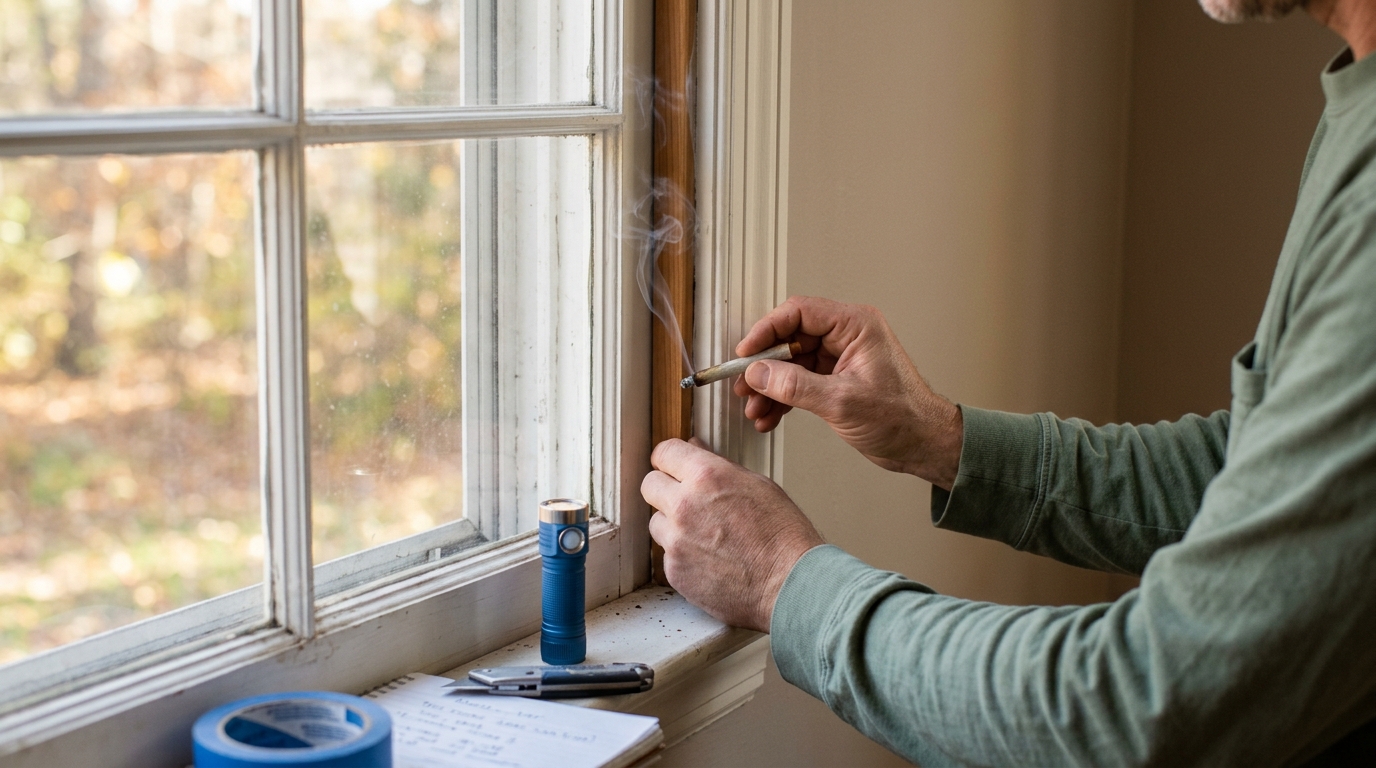
Air leaks can account for 25 to 40% of your heating and cooling costs, yet most homeowners have no idea where they are. A single afternoon of detective work can pinpoint the gaps draining your comfort and your wallet.
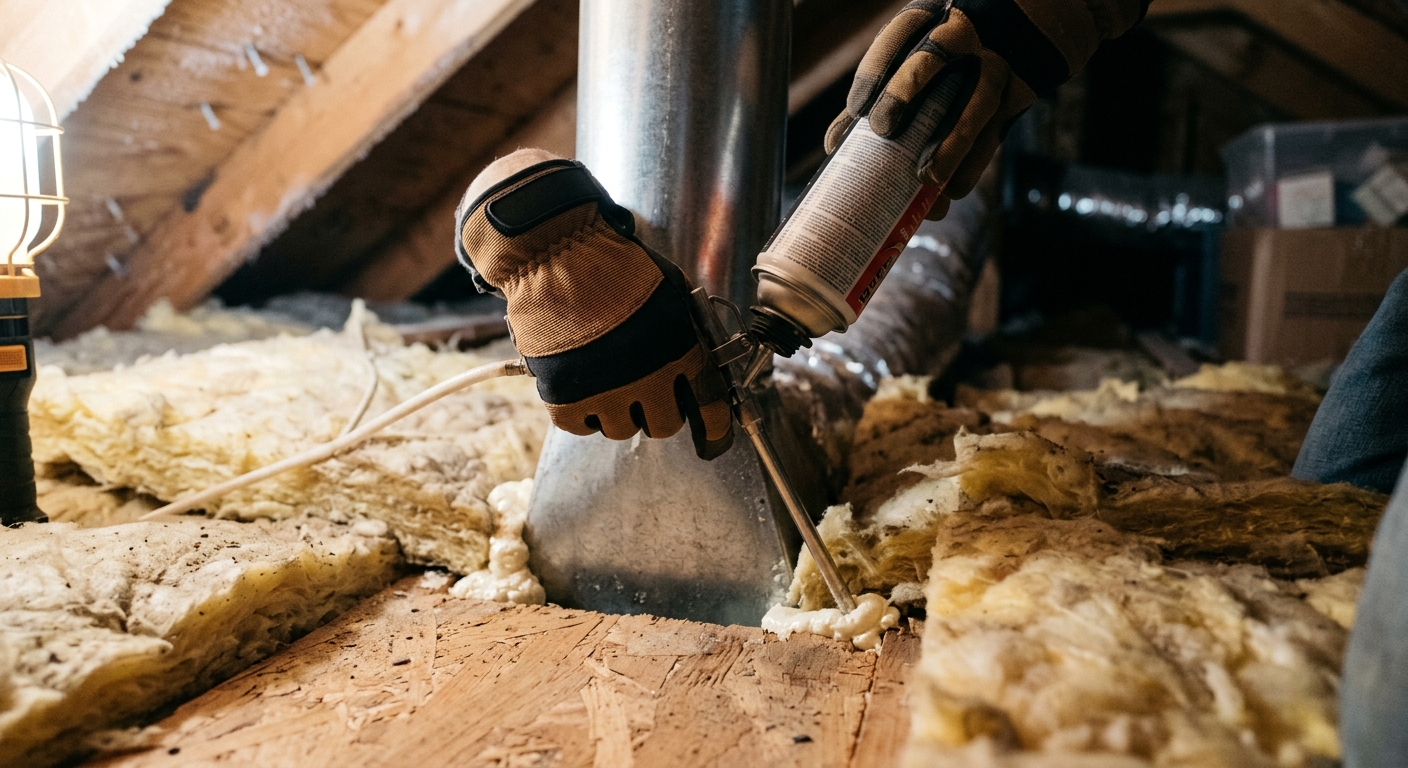
A brand-new furnace or heat pump that still struggles to warm your home is not a system problem, it is a building envelope problem. Sealing air leaks and upgrading insulation gives your HVAC the backup it needs to finally keep up on the coldest days.
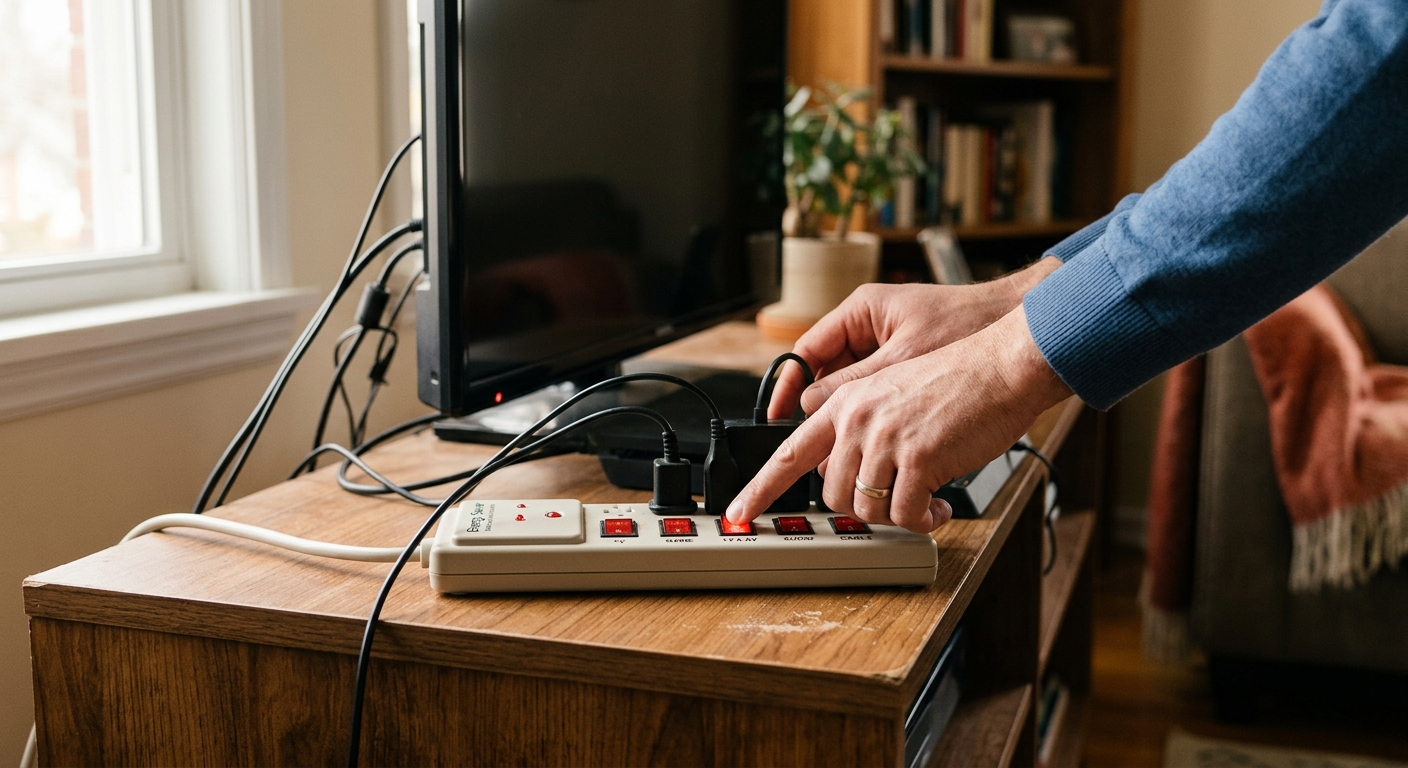
Most homeowners assume a TV in standby mode costs almost nothing, but across a full year that quiet red light can quietly drain $20 to $50 from your wallet. The fix takes under five minutes and costs nothing.
Most homeowners glance at their monthly bill and move on, but their smart meter is recording energy use every 15 to 60 minutes around the clock. Learning to read that data can reveal phantom loads, HVAC inefficiencies, and daily habits costing you hundreds of dollars a year.
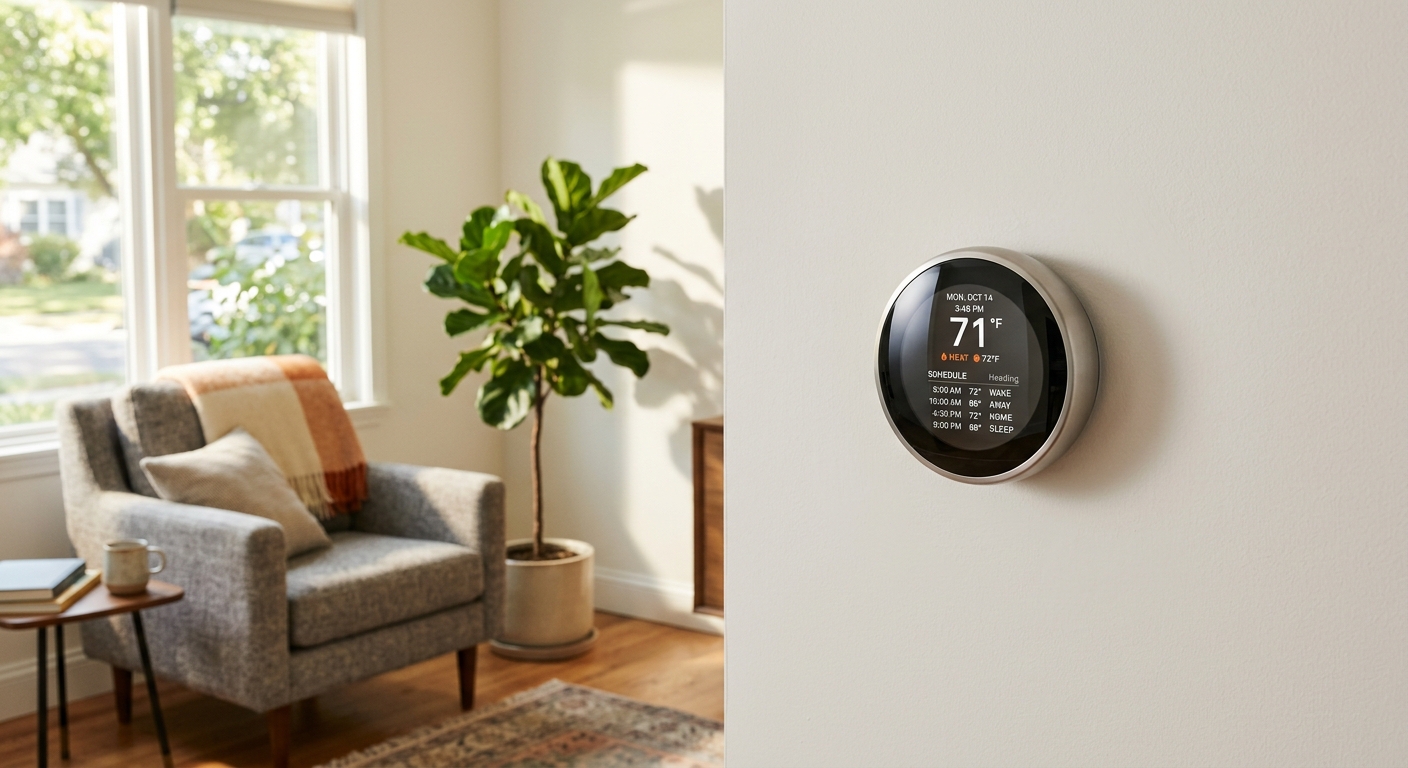
Many homeowners assume their manual thermostat is fine, but leaving it at one temperature all day quietly inflates energy bills. A programmable or smart thermostat pays for itself in under a year for most households, and the math is straightforward once you see it.