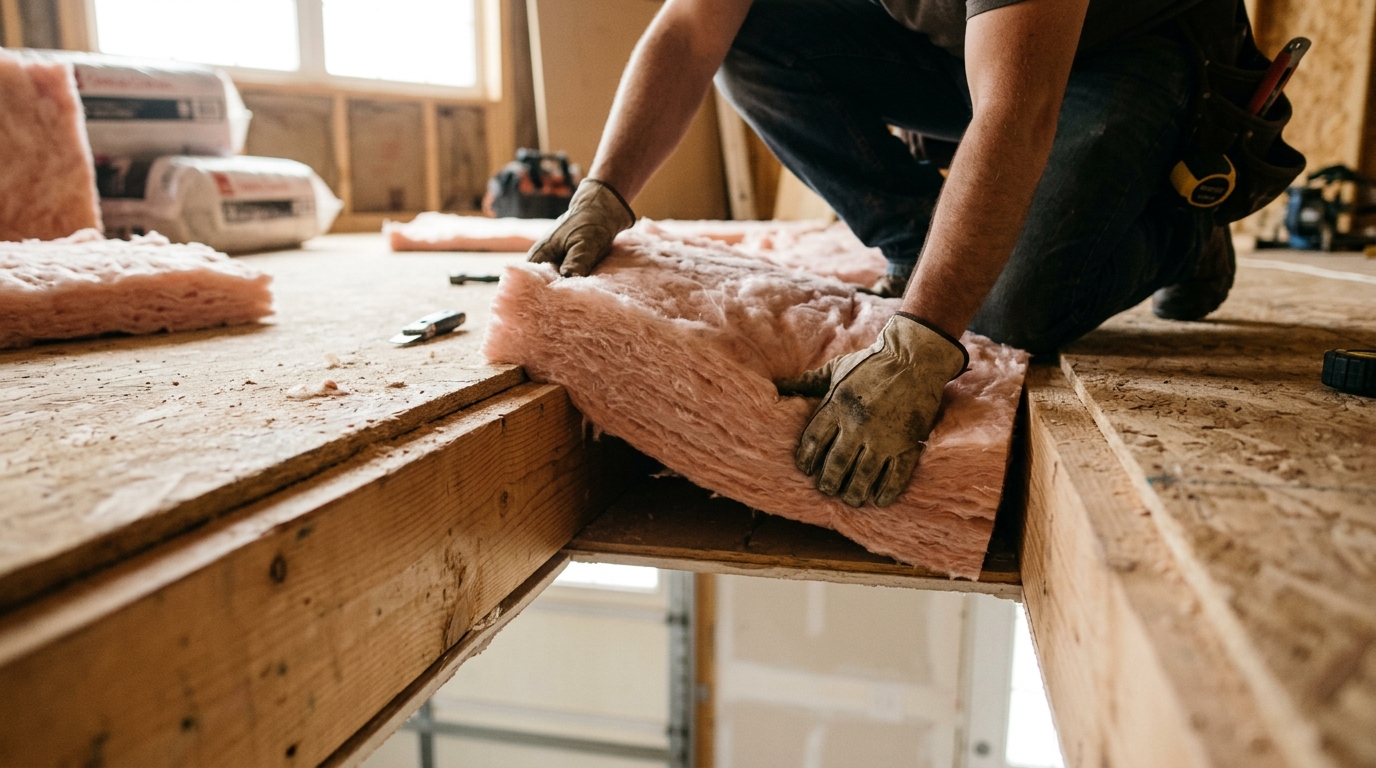
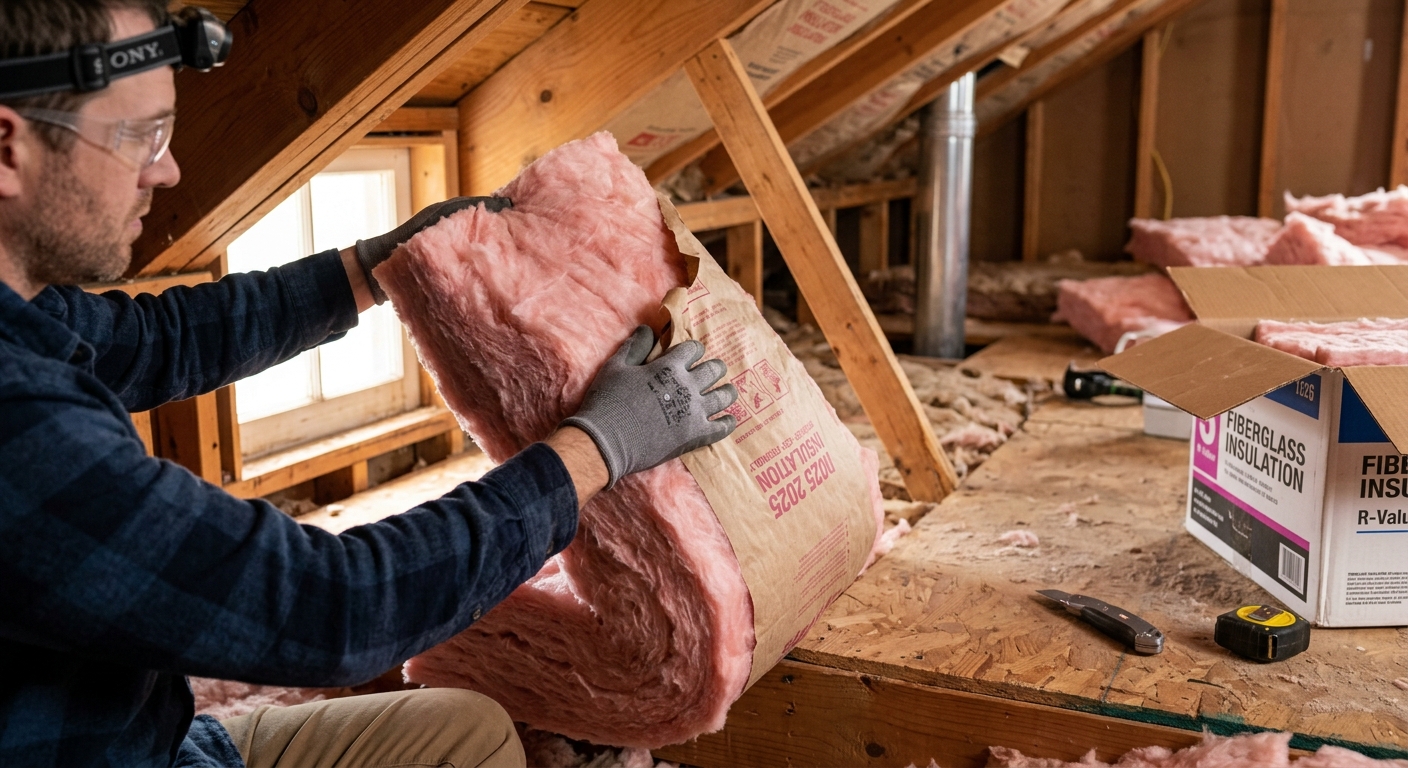
A bonus room above a garage is one of the most uncomfortable and energy-wasteful spaces in a home, thanks to the uninsulated garage ceiling below. Properly insulating the floor, walls, and knee walls of this room can cut heating and cooling costs by 20 to 30% for that zone and make the space genuinely livable year-round.
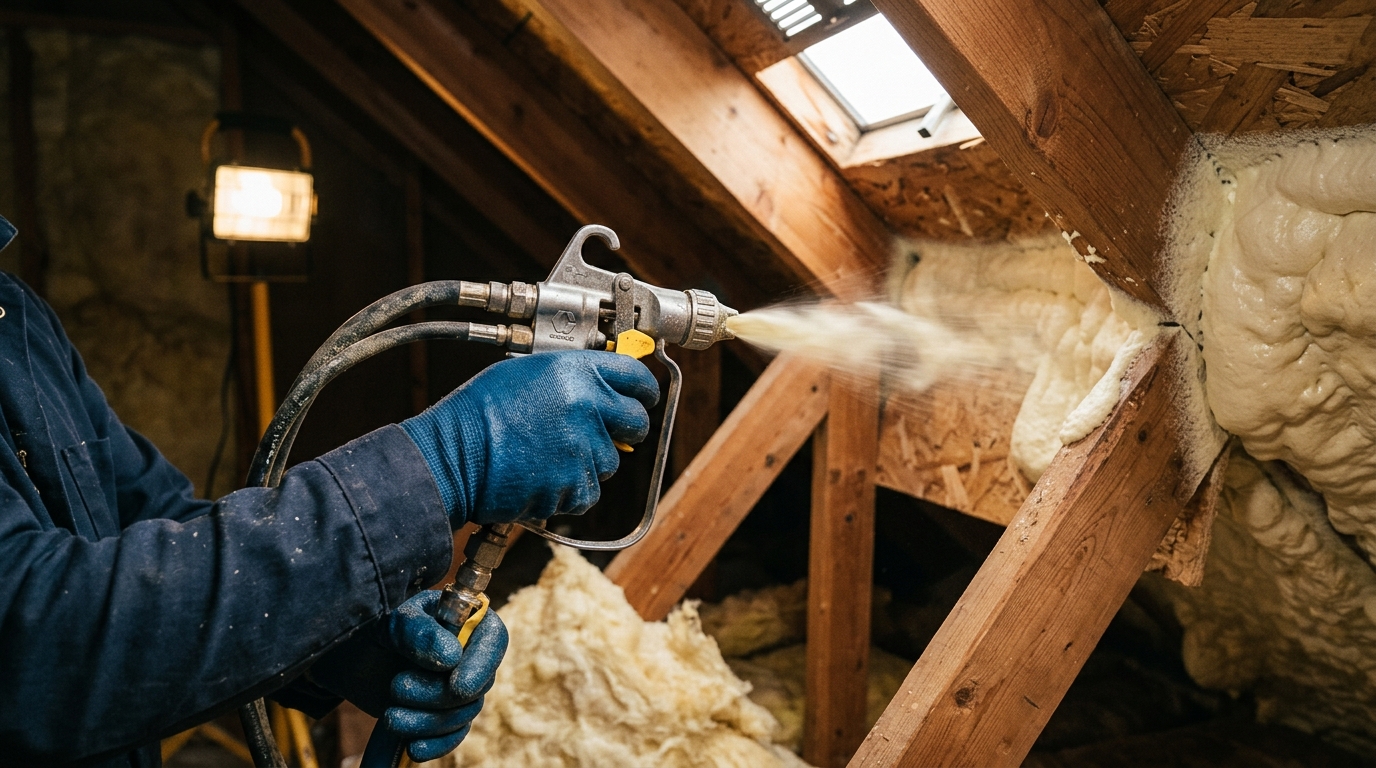
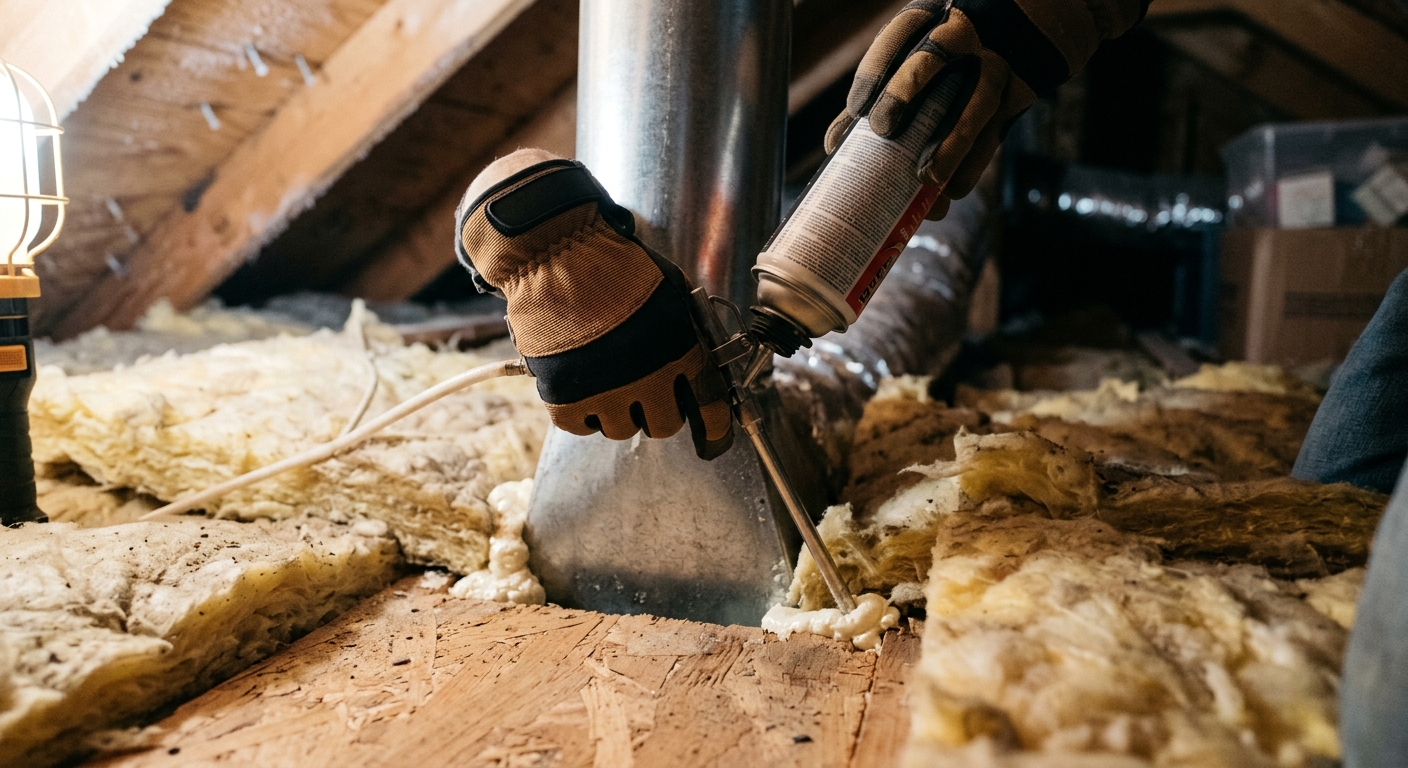
Spray foam insulation comes in two very different formulas, and choosing the wrong one can cost you thousands in wasted material or missed savings. This guide breaks down exactly when to use each type, what real-world savings look like, and how to make the smartest call for your home.
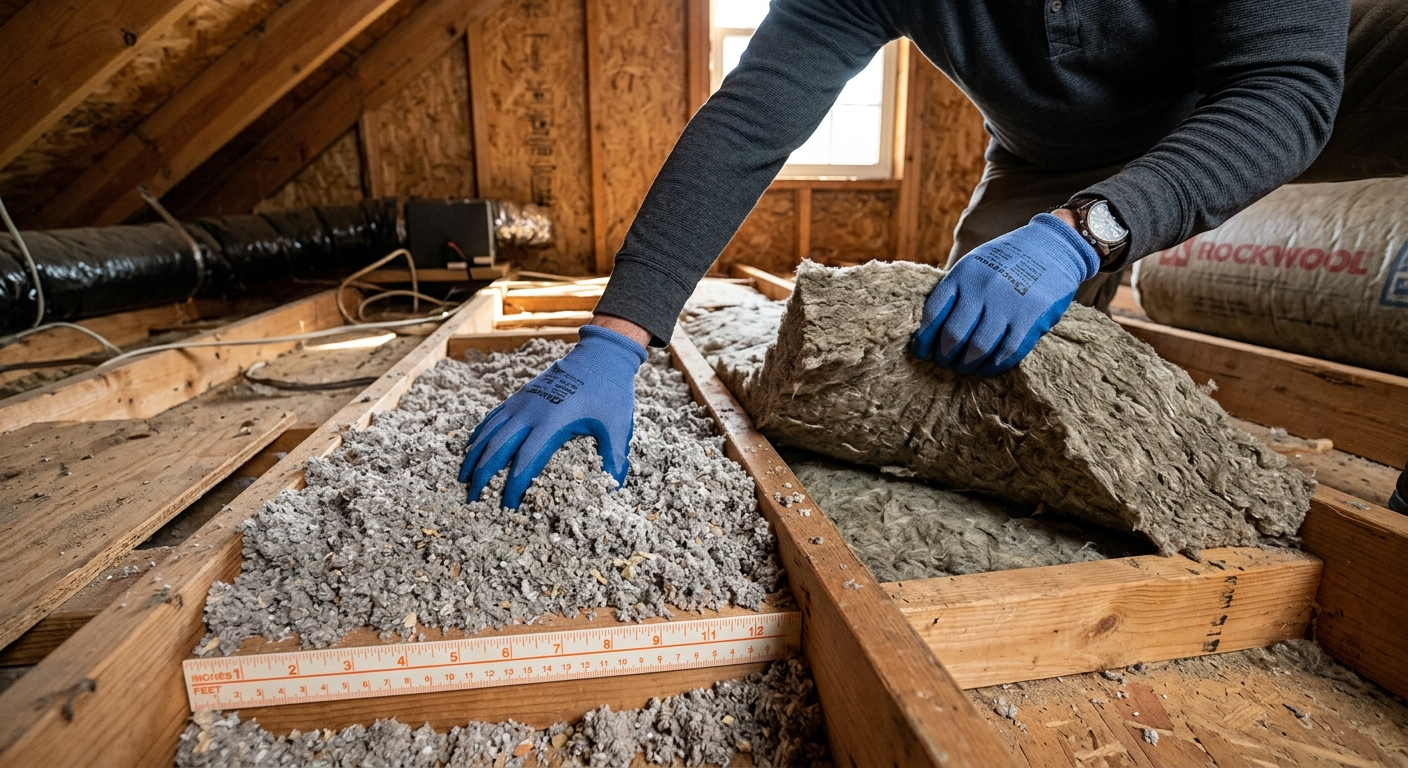
Most homeowners have no idea what type of insulation is in their walls or attic, and that gap in knowledge can lead to costly mistakes when upgrading or air sealing. Learn how to identify cellulose, fiberglass, and mineral wool insulation by sight, touch, and simple tests, so you can make smarter decisions about your home’s thermal envelope.
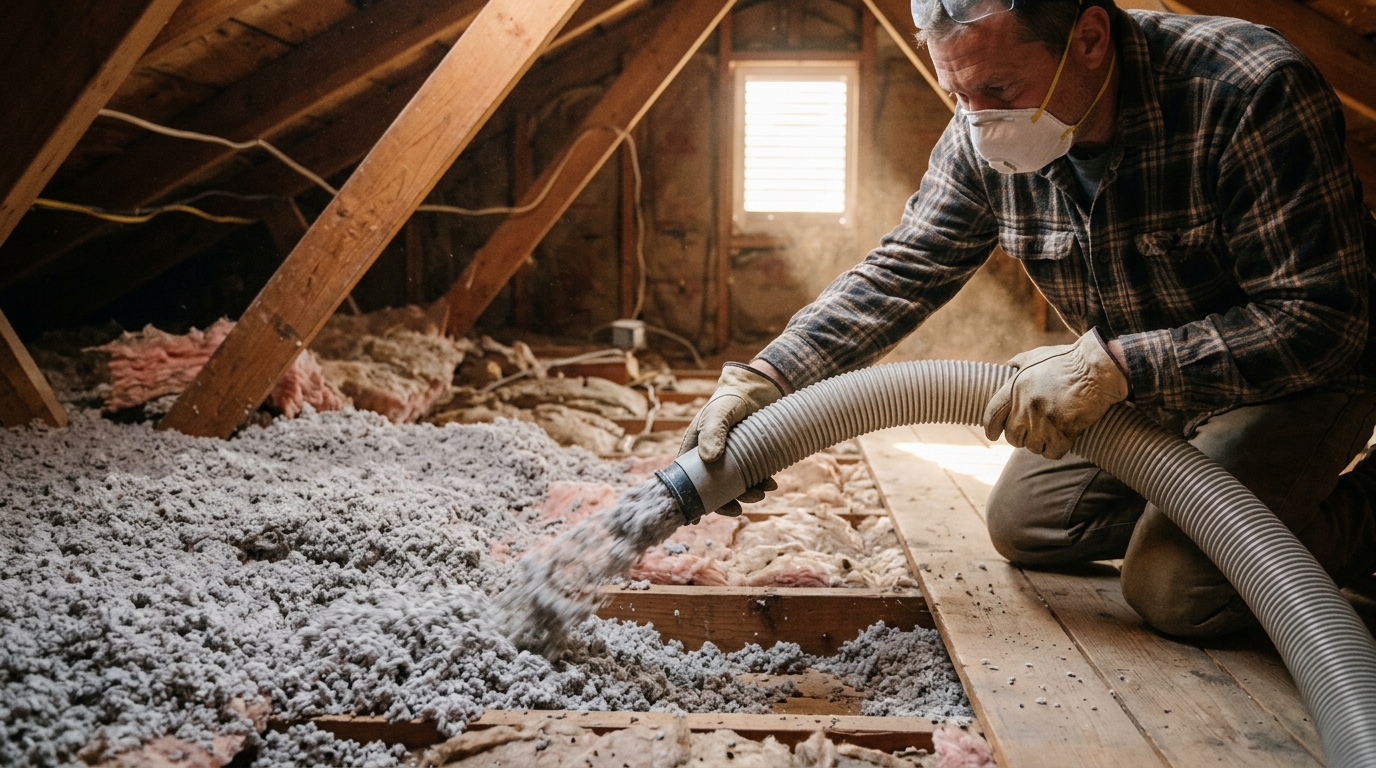
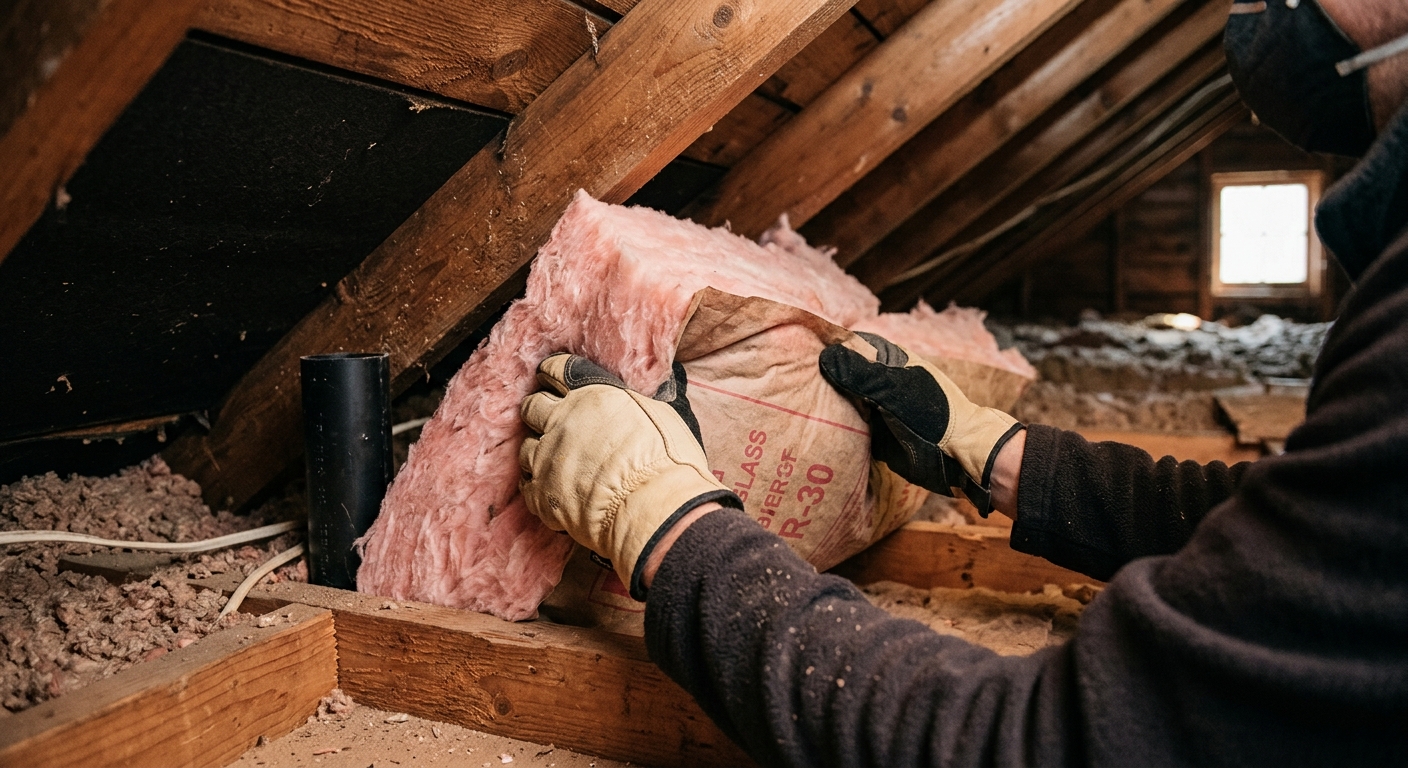
A poorly insulated attic is one of the biggest sources of energy loss in most homes, responsible for up to 25% of total heating and cooling waste. This step-by-step guide walks you through adding blown-in insulation yourself, with real cost numbers, payback timelines, and professional tips to get it right the first time.
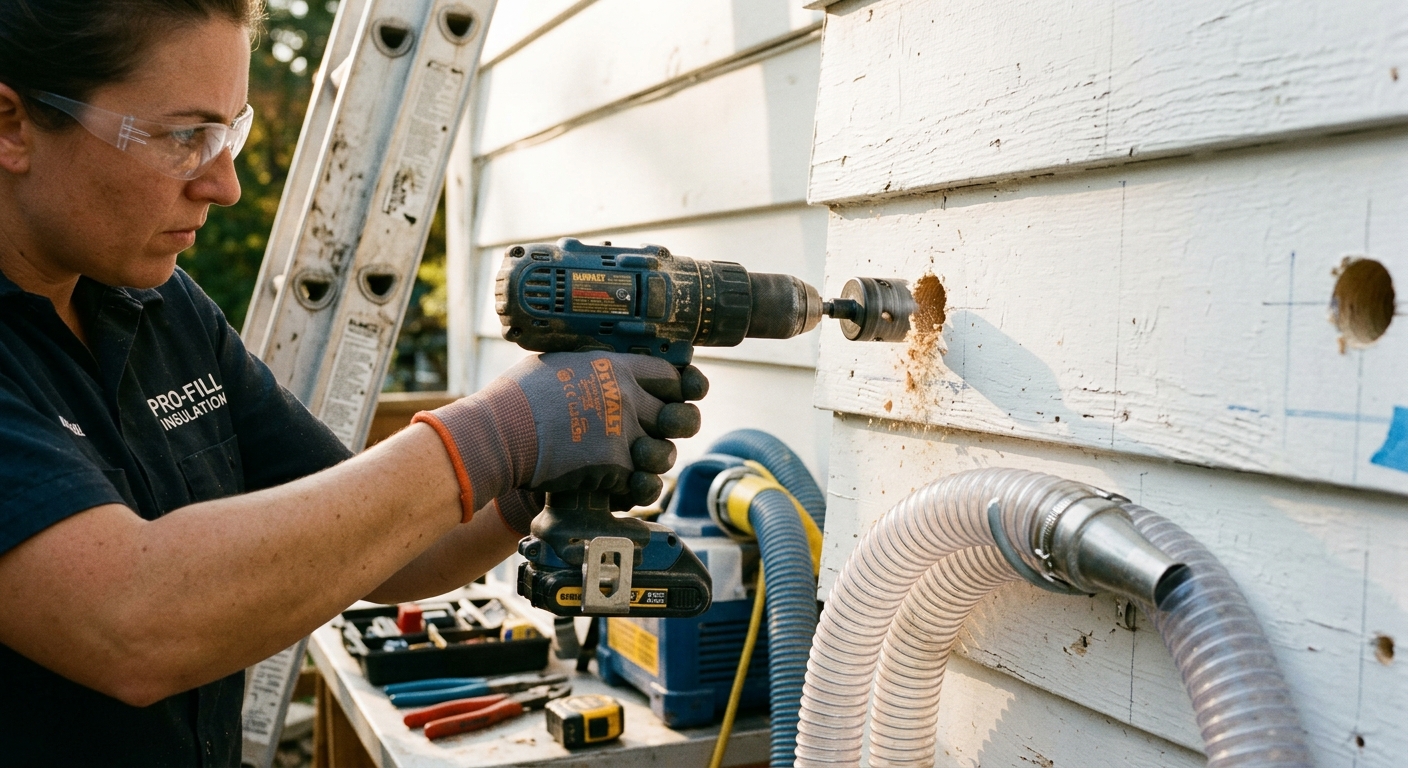
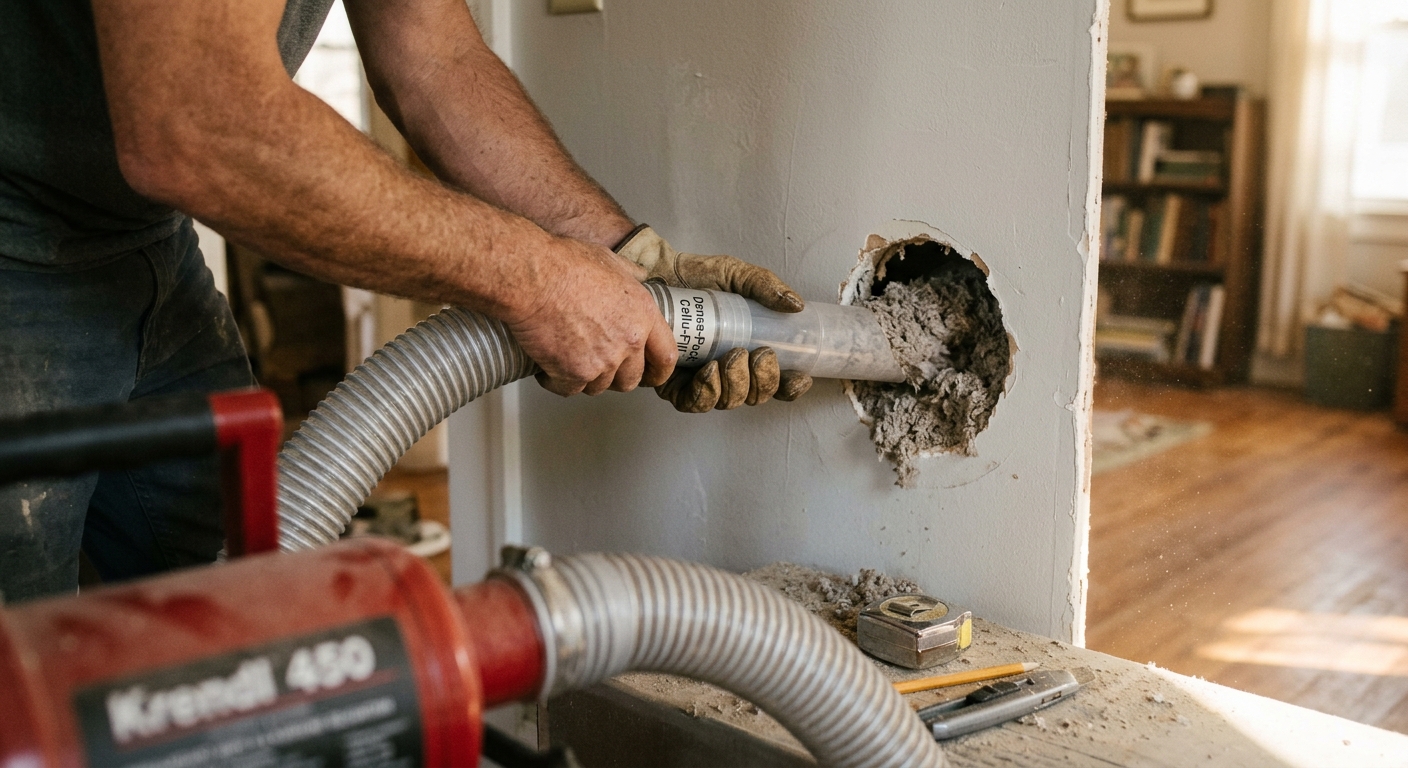
Older homes with plaster walls are notoriously drafty and energy-hungry, but tearing out walls to add insulation is expensive and destructive. There are proven methods to dramatically improve your home’s thermal performance without touching a single inch of original plaster.
When temperatures plunge overnight, poorly insulated homes can lose heat so fast that furnaces run nearly nonstop, driving bills sky high. A few targeted checks and upgrades done before a cold snap arrives can slash heating costs by 15 to 30% and keep every room noticeably warmer.
Wall insulation does not last forever. Fiberglass batts sag, cellulose settles, and foam degrades, quietly driving up your energy bills year after year without a single visible sign inside your home.
A brand-new furnace or heat pump that still struggles to warm your home is not a system problem, it is a building envelope problem. Sealing air leaks and upgrading insulation gives your HVAC the backup it needs to finally keep up on the coldest days.
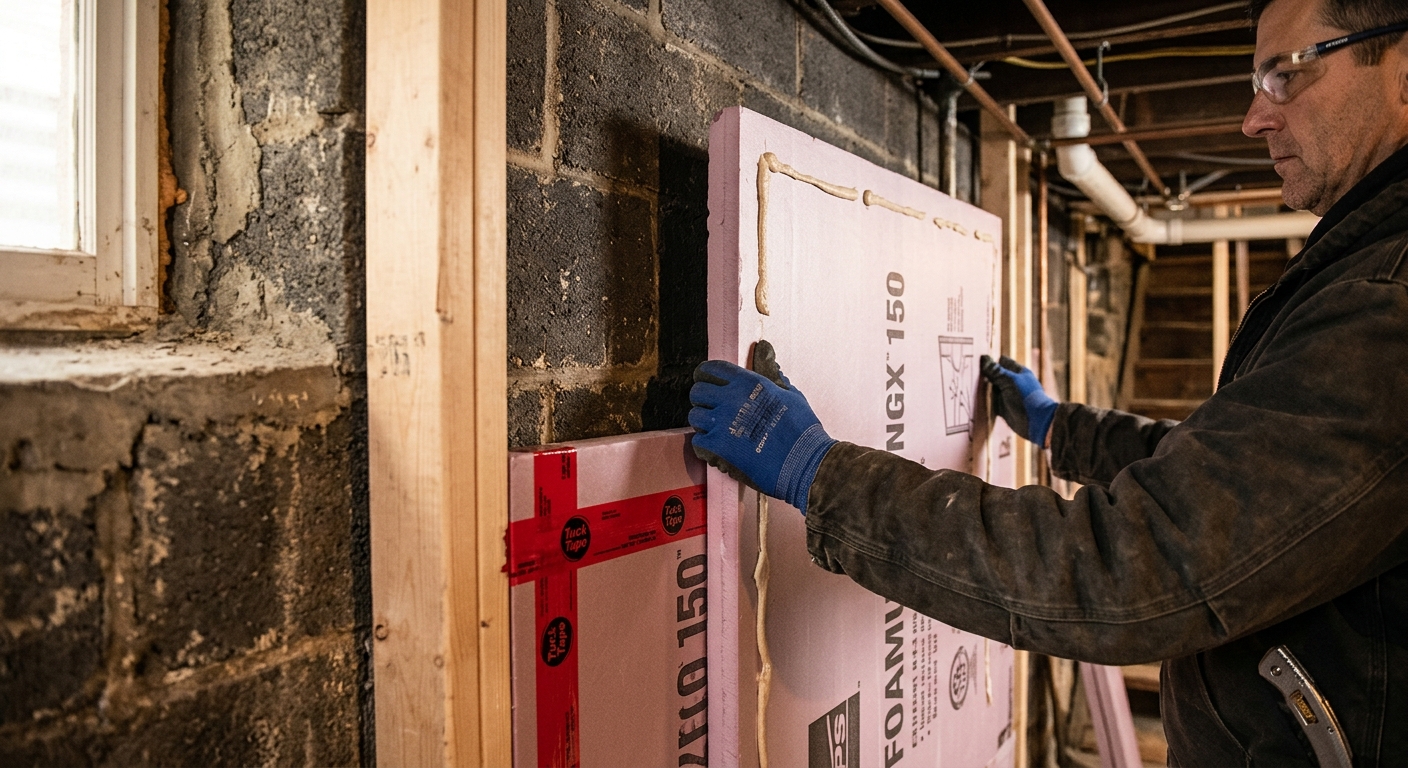
Choosing the wrong insulation for your basement walls can leave you with moisture problems, wasted energy, and a cold floor above. This guide breaks down the real costs, R-values, and payback periods for both rigid foam and spray foam so you can make the smartest choice for your home.
Most homeowners leave hundreds of dollars on the table by not claiming the federal tax credit available for insulation upgrades. The Inflation Reduction Act extended and expanded this credit through 2032, meaning you could get back up to $1,200 on qualifying insulation improvements done in 2025.