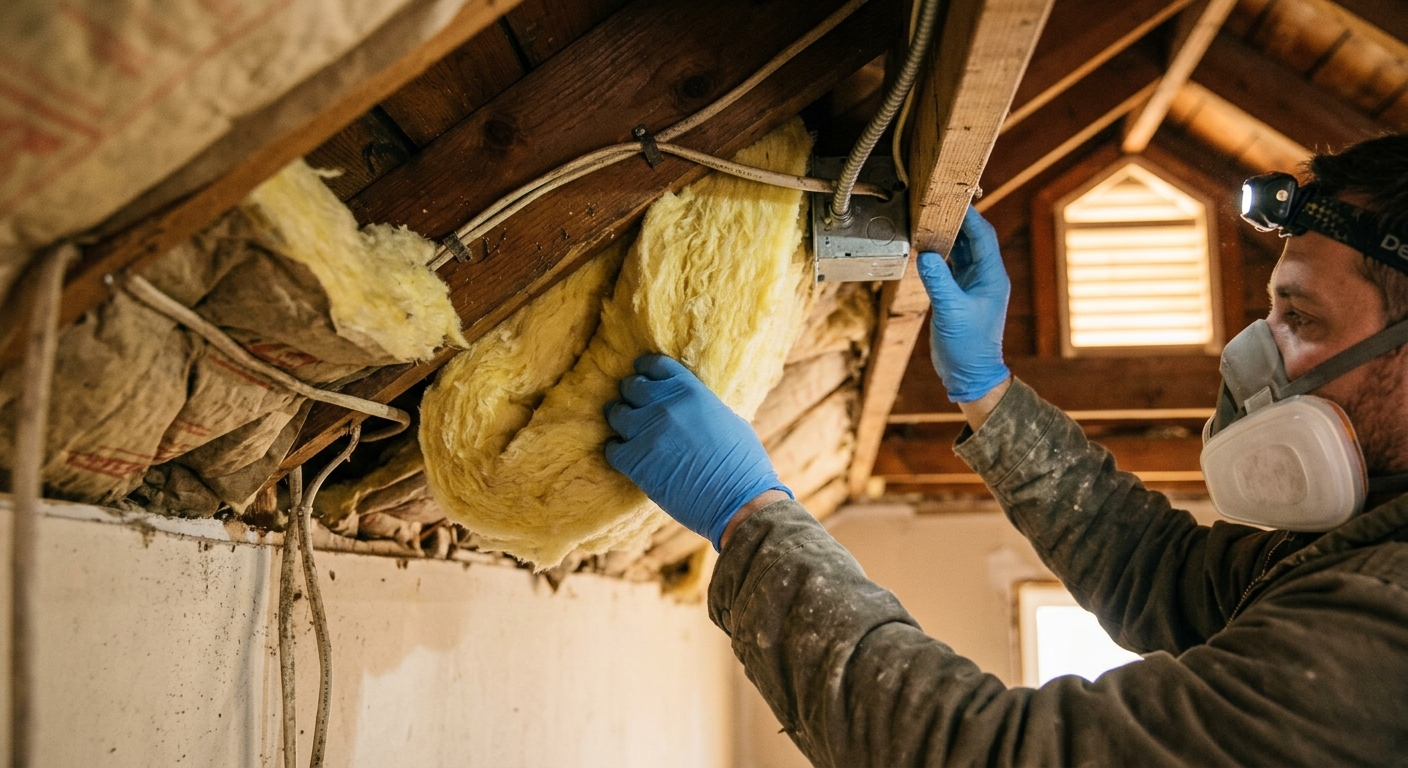
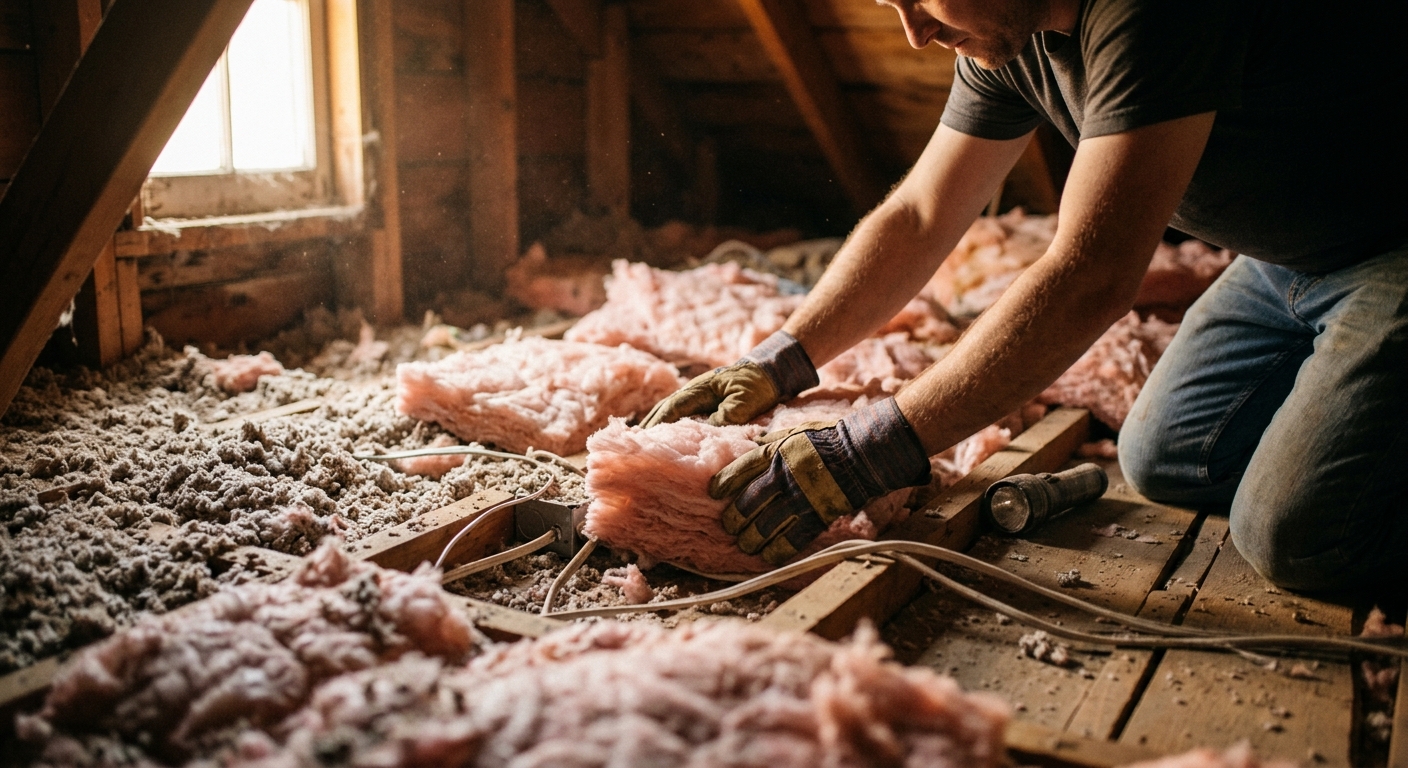
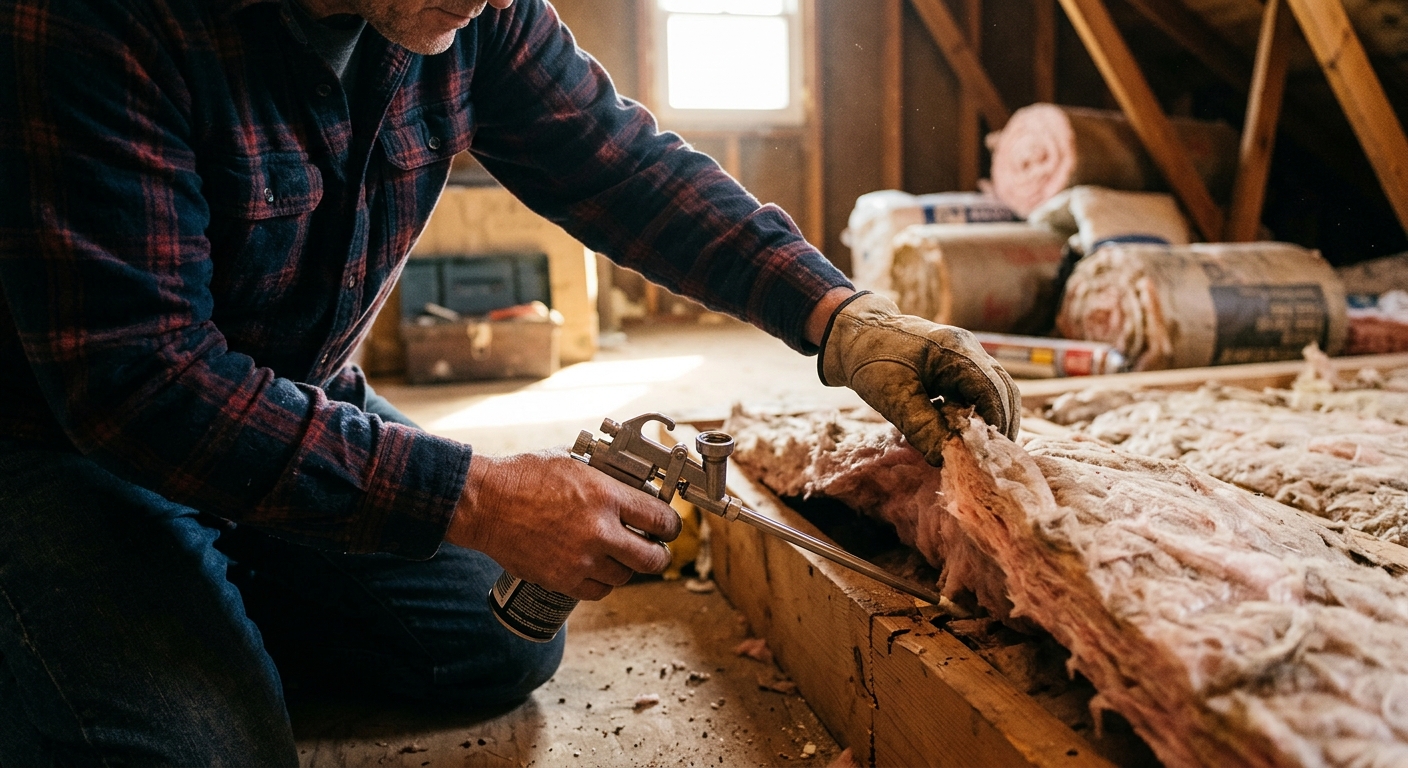
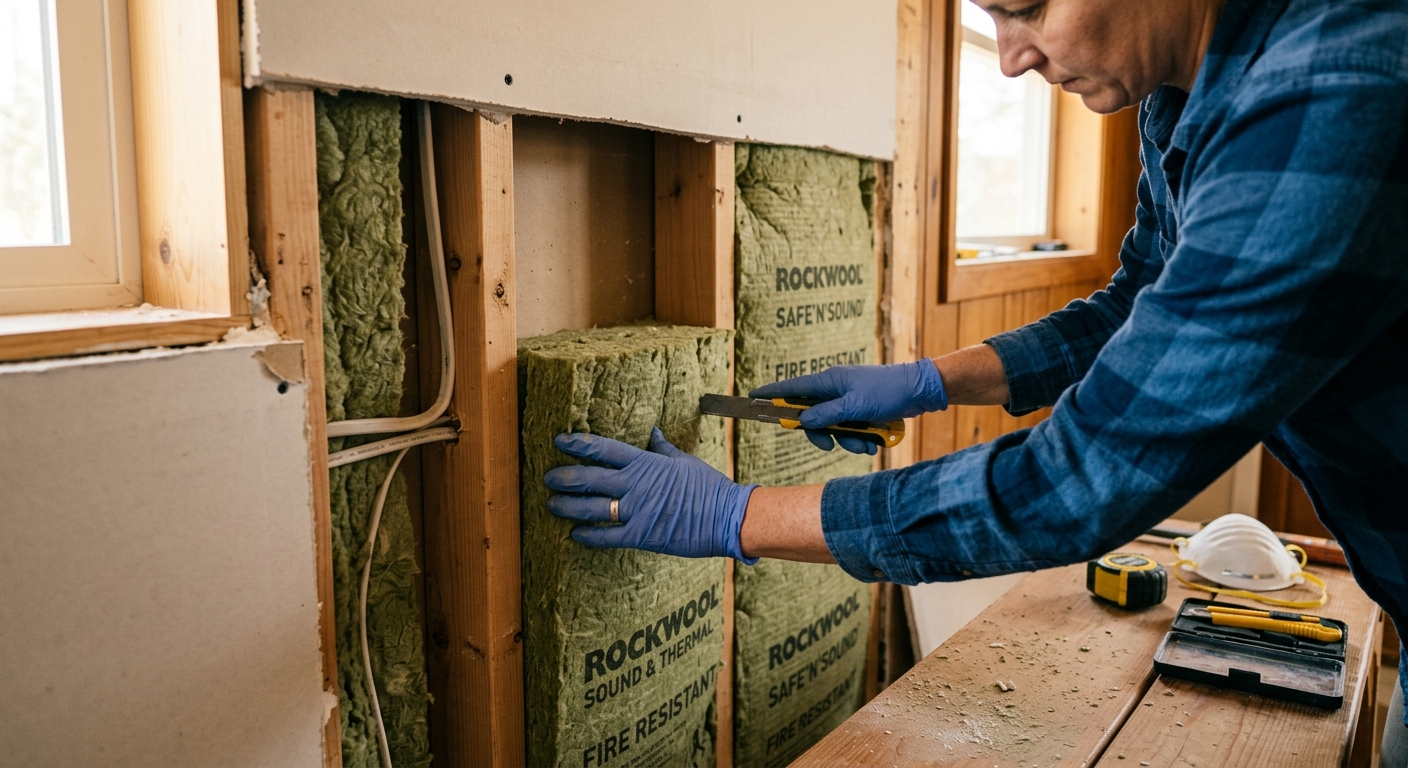
Fiberglass batt insulation is one of the most common materials in American homes, but improper installation can cut its effectiveness by 50% or more. Learn how to spot the mistakes, fix them yourself, and get the R-value you’re actually paying for.
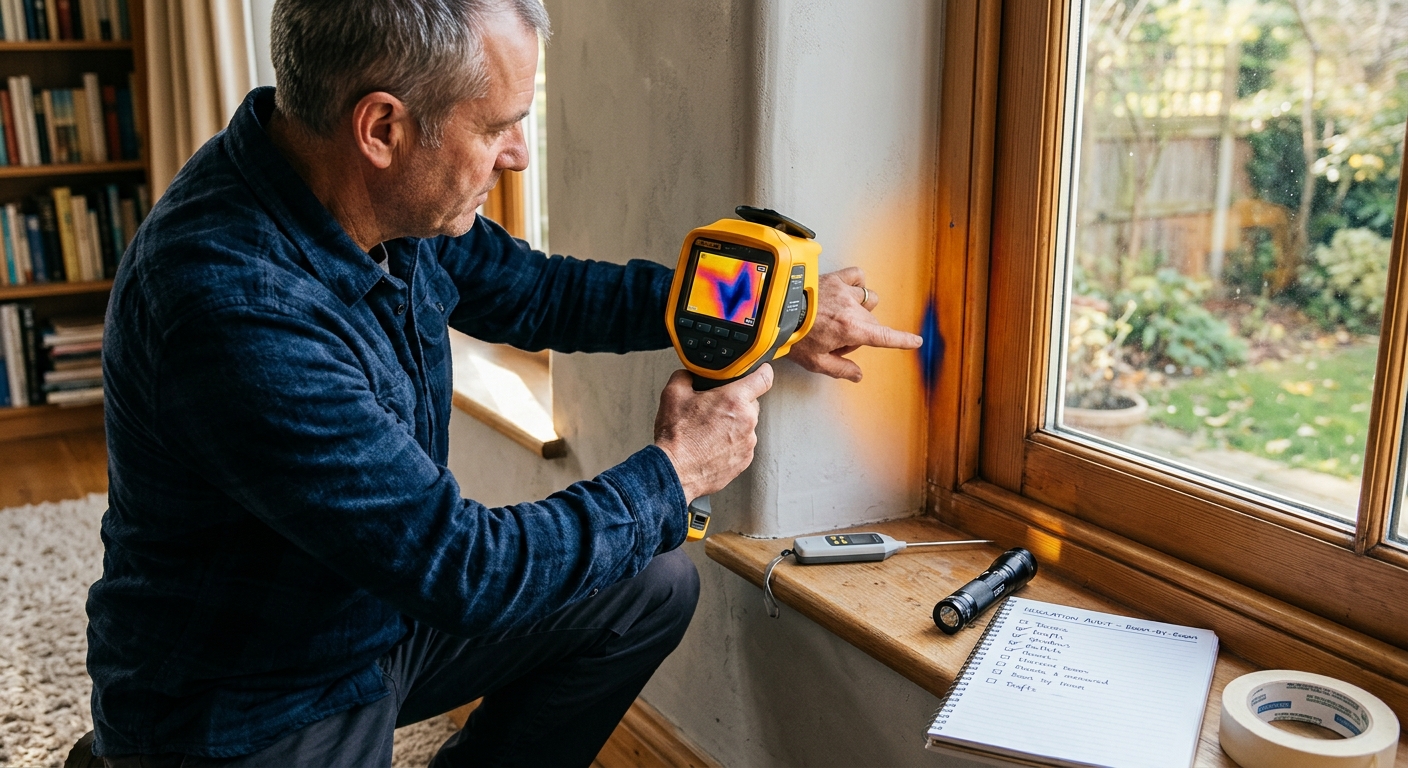
Most homeowners have no idea where their insulation is failing until they see the energy bill. A simple afternoon walkthrough with a few basic tools can reveal exactly where your home is losing heat or letting it in, and which fixes will pay off fastest.
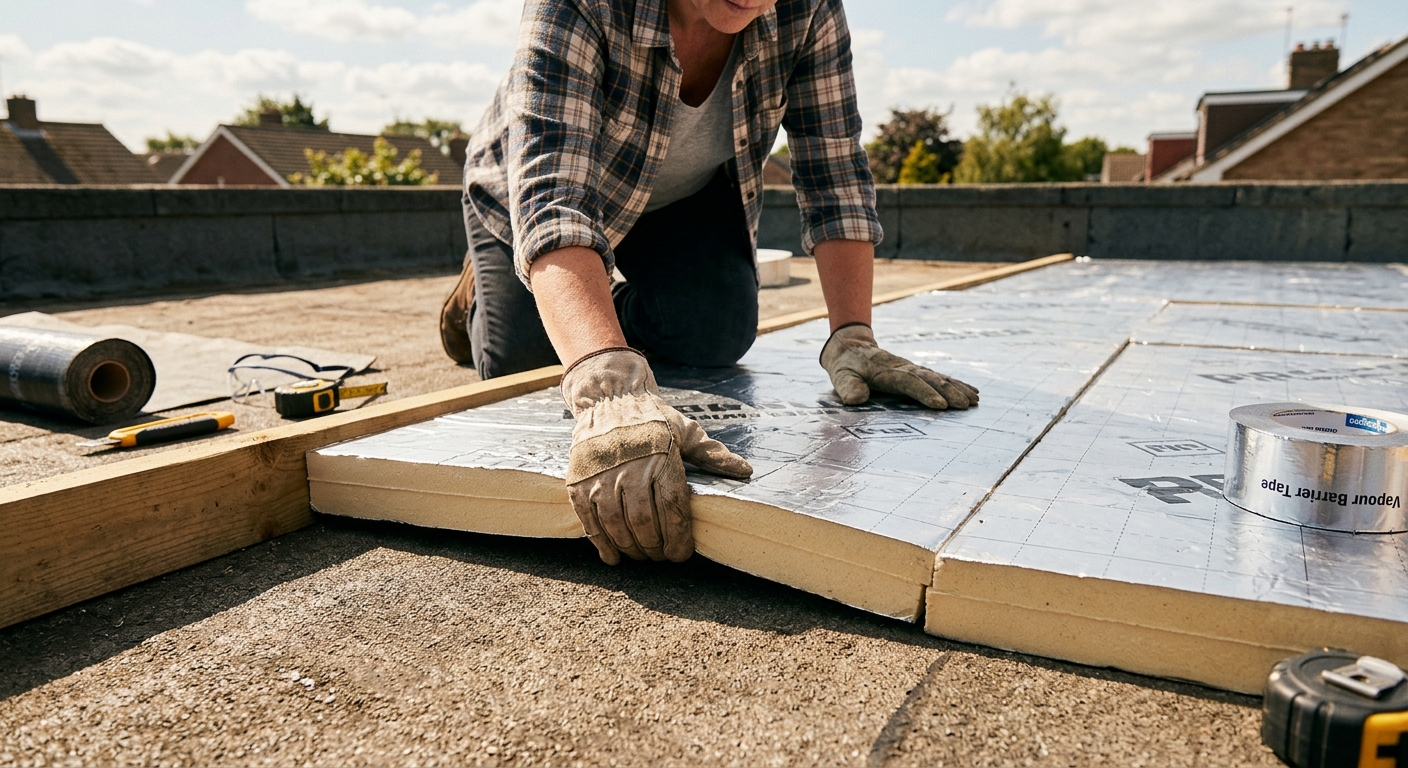
Flat roofs lose more heat per square foot than almost any other building surface, yet most homeowners have no idea how to insulate them properly. This guide covers every approach from low-mess DIY fixes to professional retrofits, with real numbers to help you decide what makes sense for your home.
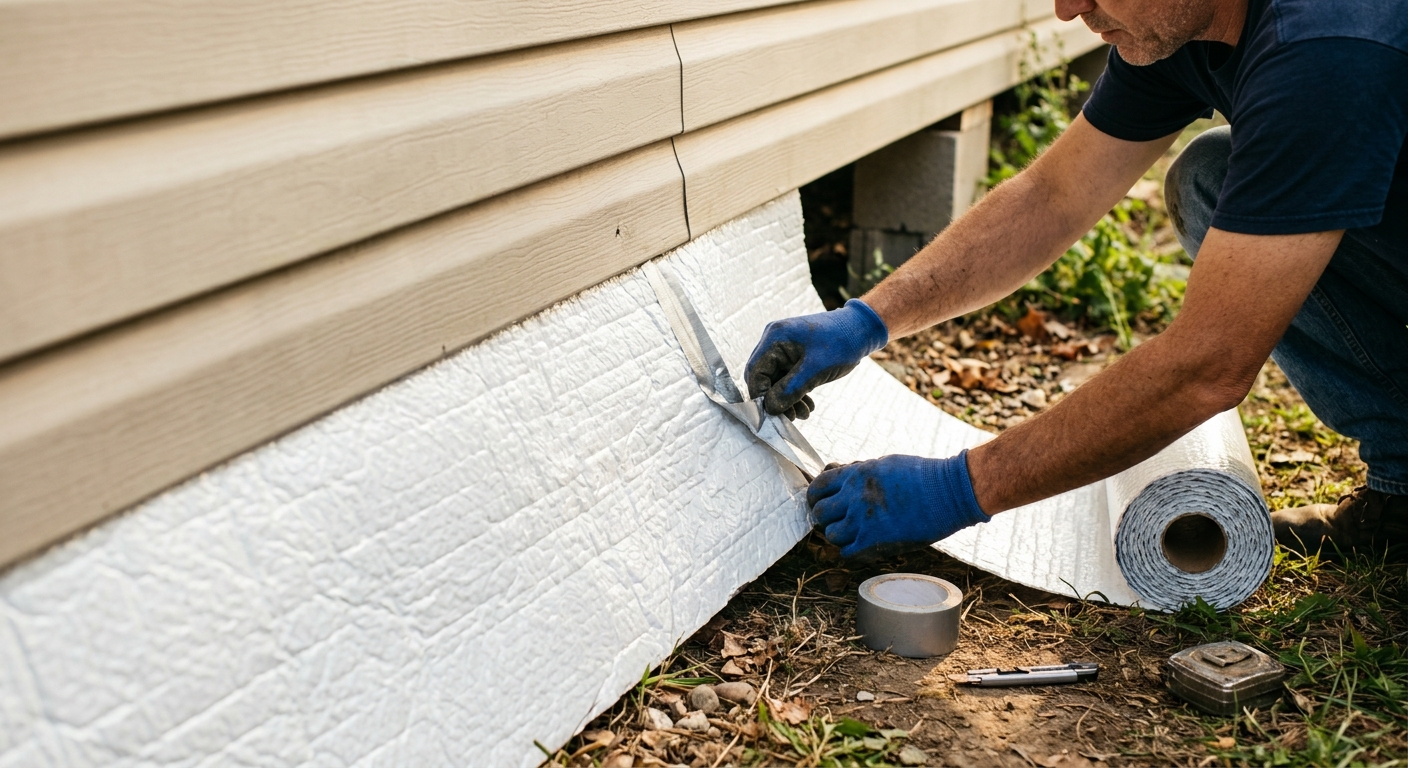
Mobile and manufactured homes lose heat and cooling far faster than site-built homes due to thinner walls, minimal floor insulation, and exposed underbellies. With targeted upgrades costing as little as $50, you can cut energy bills by 20 to 40% and make every room dramatically more comfortable.
Most homeowners assume their insulation is doing its job, but a few common mistakes can quietly drain hundreds of dollars from your energy budget each year. Learn which errors matter most and how to fix them without a full renovation.
If your furnace runs constantly but rooms still feel chilly, the problem is rarely the heating system itself. Air leaks, missing insulation, and radiant heat loss from cold surfaces are stealing your comfort before warmth ever reaches you.
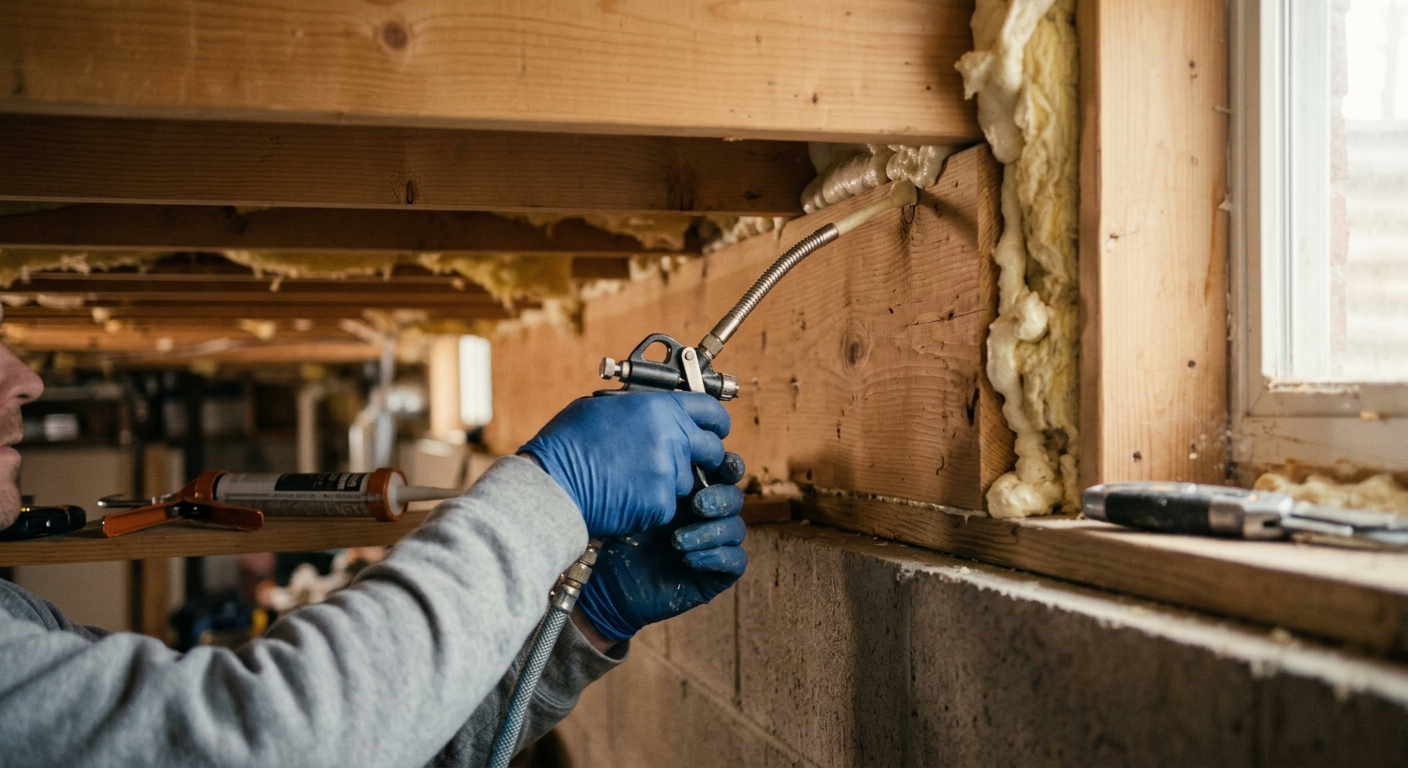
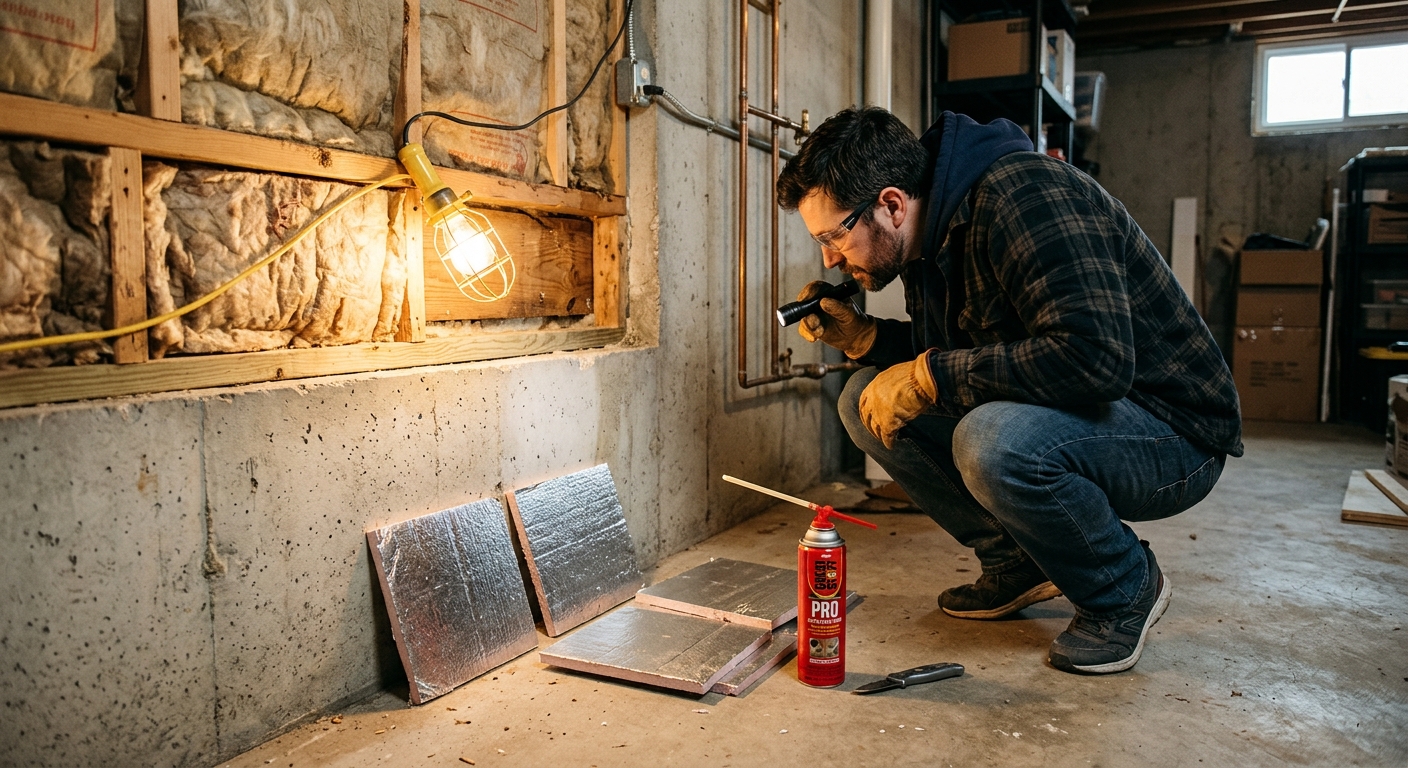
Rim joists are one of the most overlooked air leakage points in a home, responsible for up to 25% of a basement’s total heat loss. Sealing and insulating them with rigid foam takes just a few hours and can pay for itself in a single heating season.
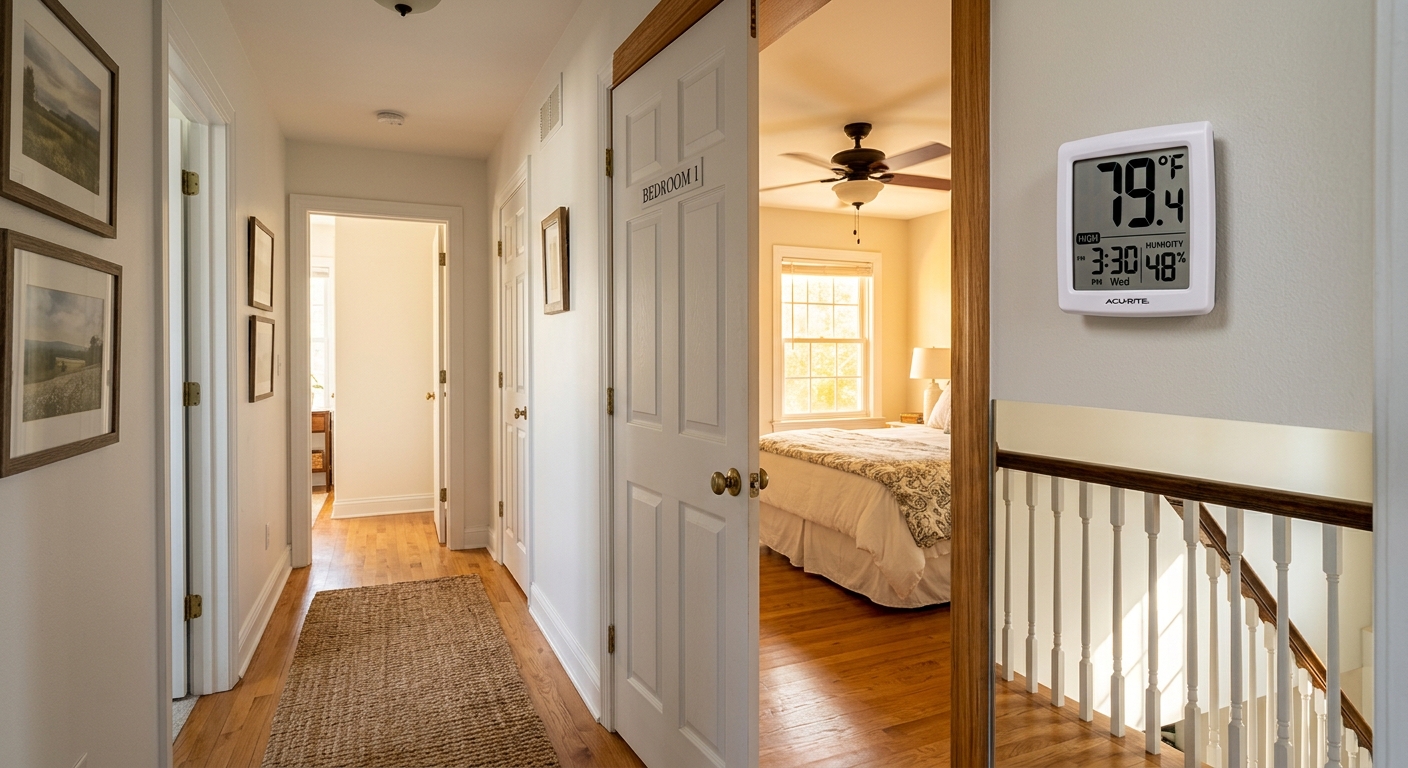
That sweltering upstairs bedroom is not just uncomfortable, it signals serious energy waste hiding in your attic and duct system. Fixing the root causes can cut cooling bills by 20 to 30% and finally make your whole home feel even.
Most homes lose a surprising amount of heating and cooling through a handful of spots that builders routinely skip or underinsulate. Targeting these six areas can cut your energy bills by 20 to 30% without touching your HVAC system.
Many homeowners assume that adding insulation will also quiet their home, or that soundproofing products will lower their energy bills. These are two distinct sciences with very different solutions, and confusing them leads to wasted money and disappointing results.