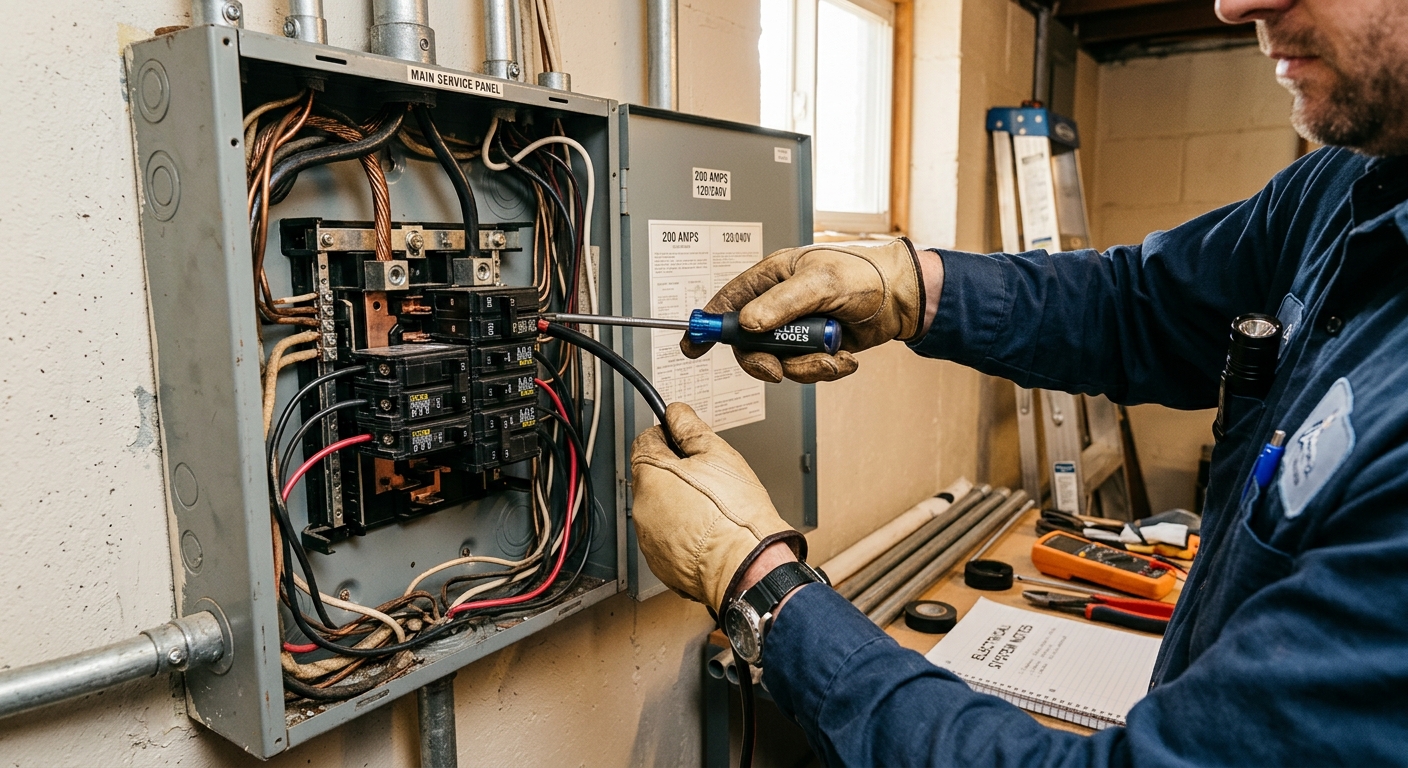
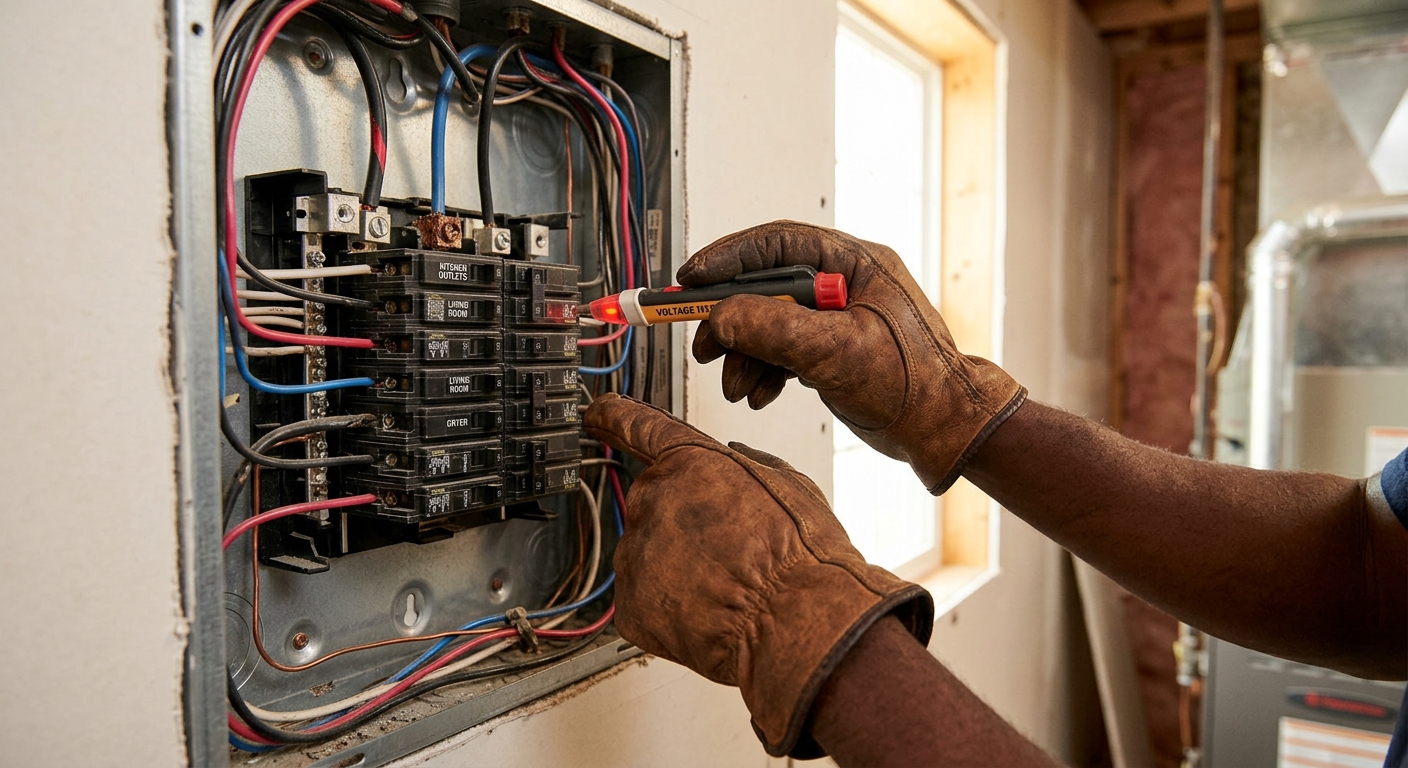
An outdated or undersized electrical panel is one of the most overlooked hazards and efficiency bottlenecks in a home. This guide explains exactly when an upgrade is necessary, what the process involves, and how to budget for it.
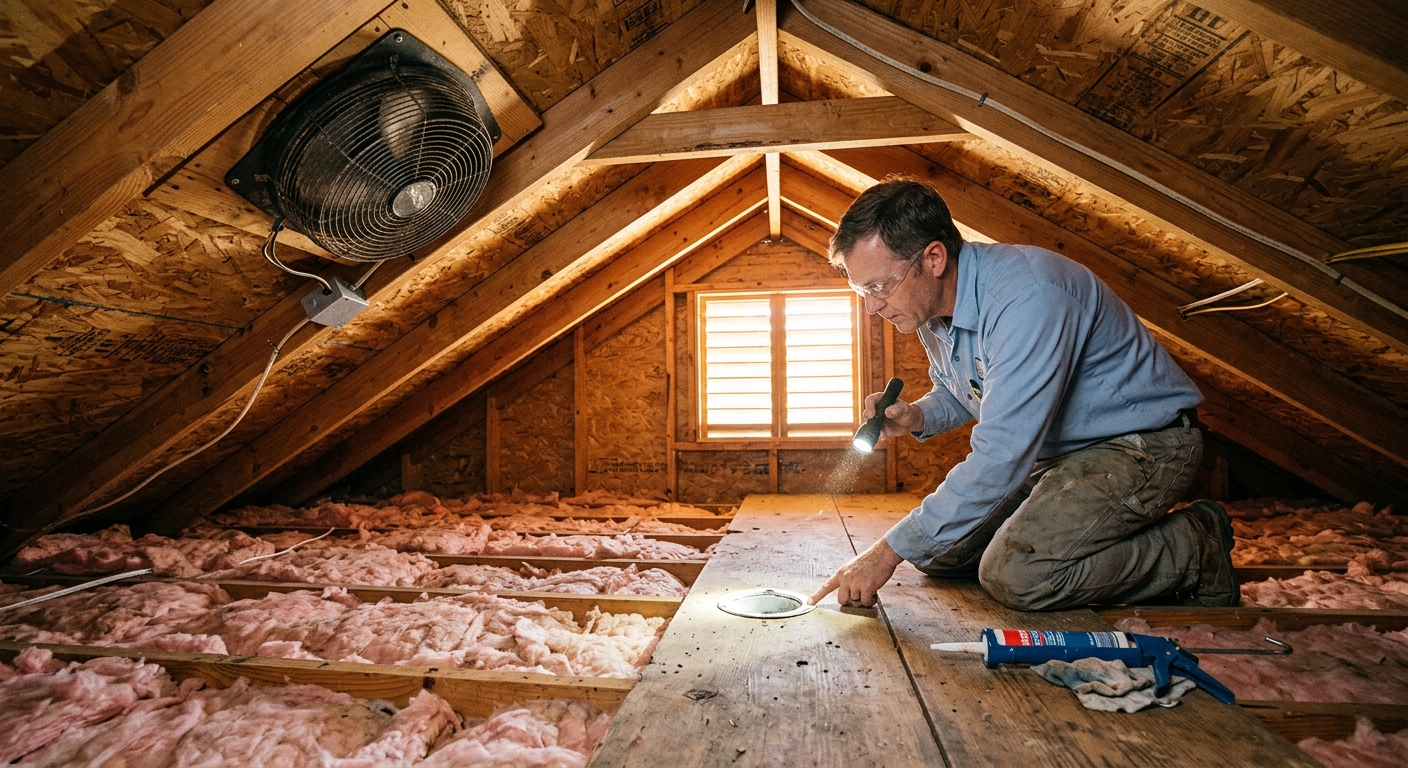
Attic fans are sold as energy savers, but under the wrong conditions they can actually pull expensive conditioned air out of your living space and spike your cooling bills. Learn how to test your setup, correct common mistakes, and decide whether your attic fan is helping or hurting.
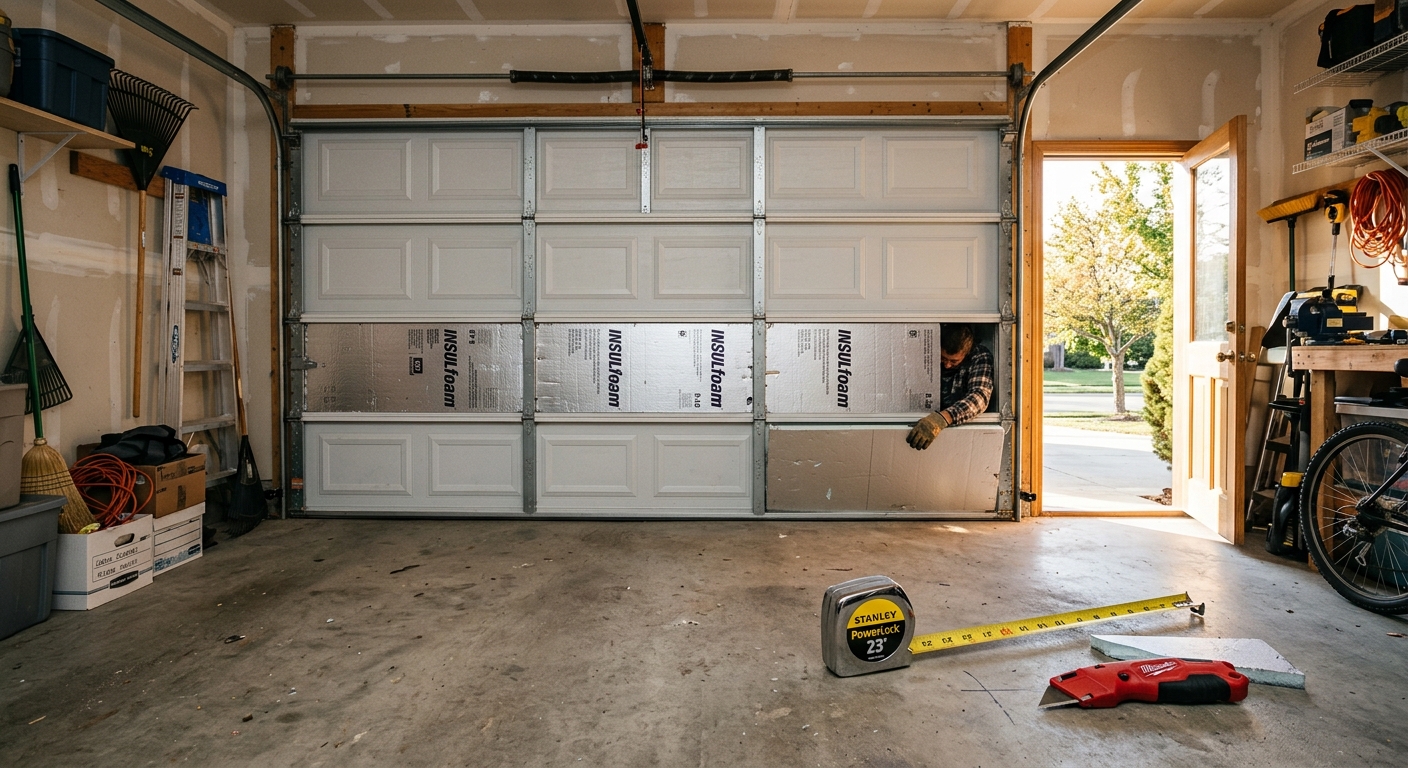
An uninsulated garage door is one of the biggest thermal weak points in your home, letting heat pour in during summer and cold seep in during winter. Add insulation to your garage door this weekend and you can cut garage temperature swings by 20 degrees or more, lower your energy bills, and protect everything stored inside.
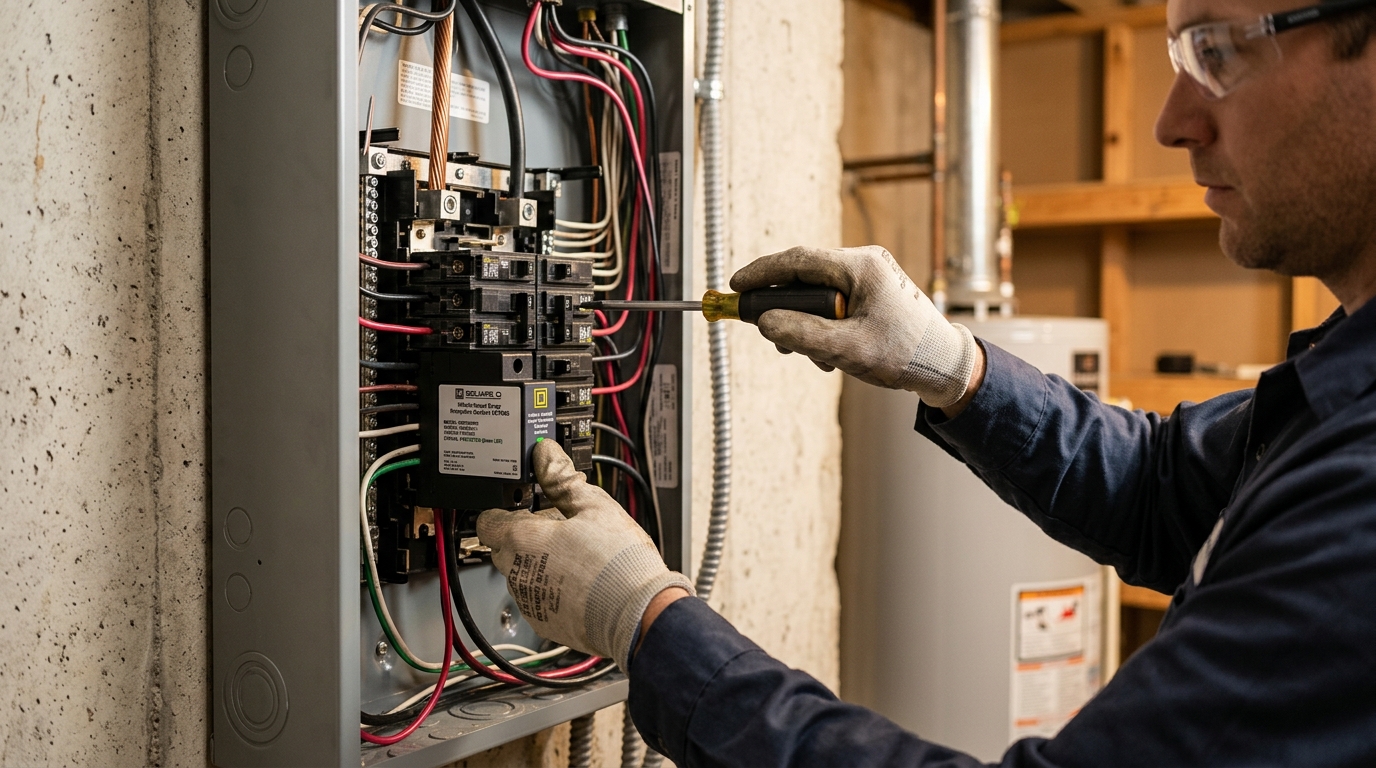
Power surges destroy appliances and electronics silently, often without a visible lightning strike. A whole-house surge protector costs $150 to $400 installed and can protect $10,000 to $50,000 worth of home equipment from a single event.
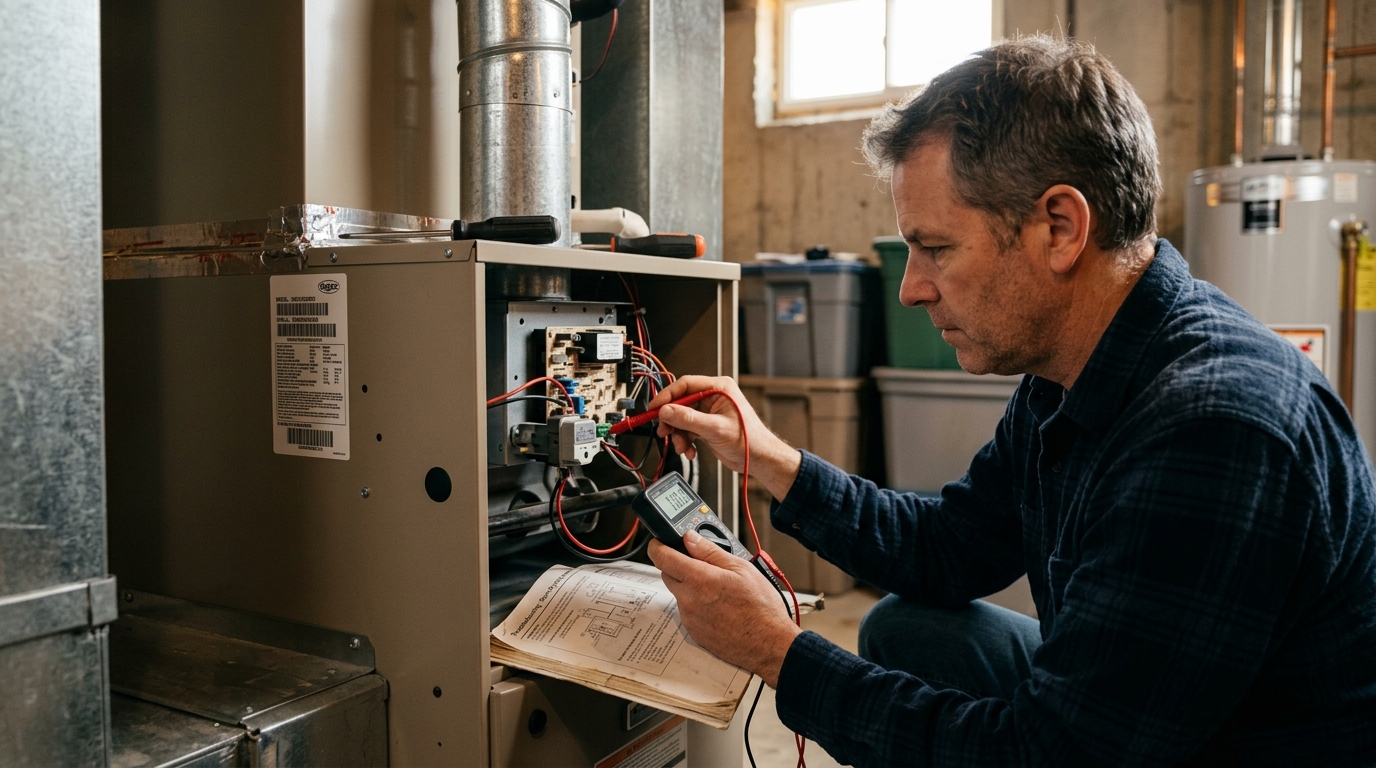
A furnace that turns on and off every few minutes wastes energy, strains components, and signals an underlying problem that will only get worse. Most short cycling causes are diagnosable by a homeowner in under an hour, potentially saving you a $100 to $200 diagnostic fee.
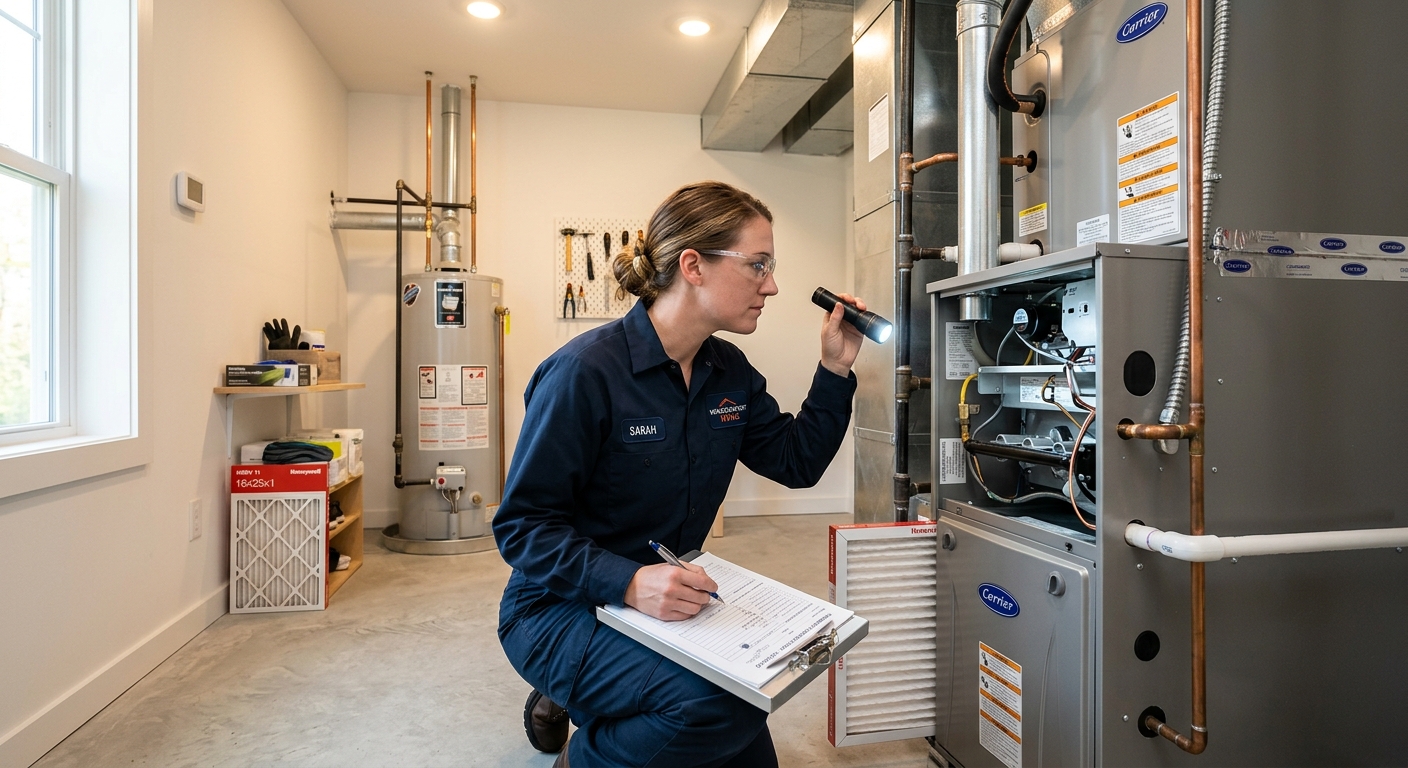
Skipping your furnace tune-up might seem like an easy way to save $100, but a neglected furnace quietly burns more fuel, breaks down at the worst times, and can become a safety hazard. Here is exactly what you risk, what a tune-up actually covers, and how to keep your system running efficiently whether you hire a pro or do part of the work yourself.
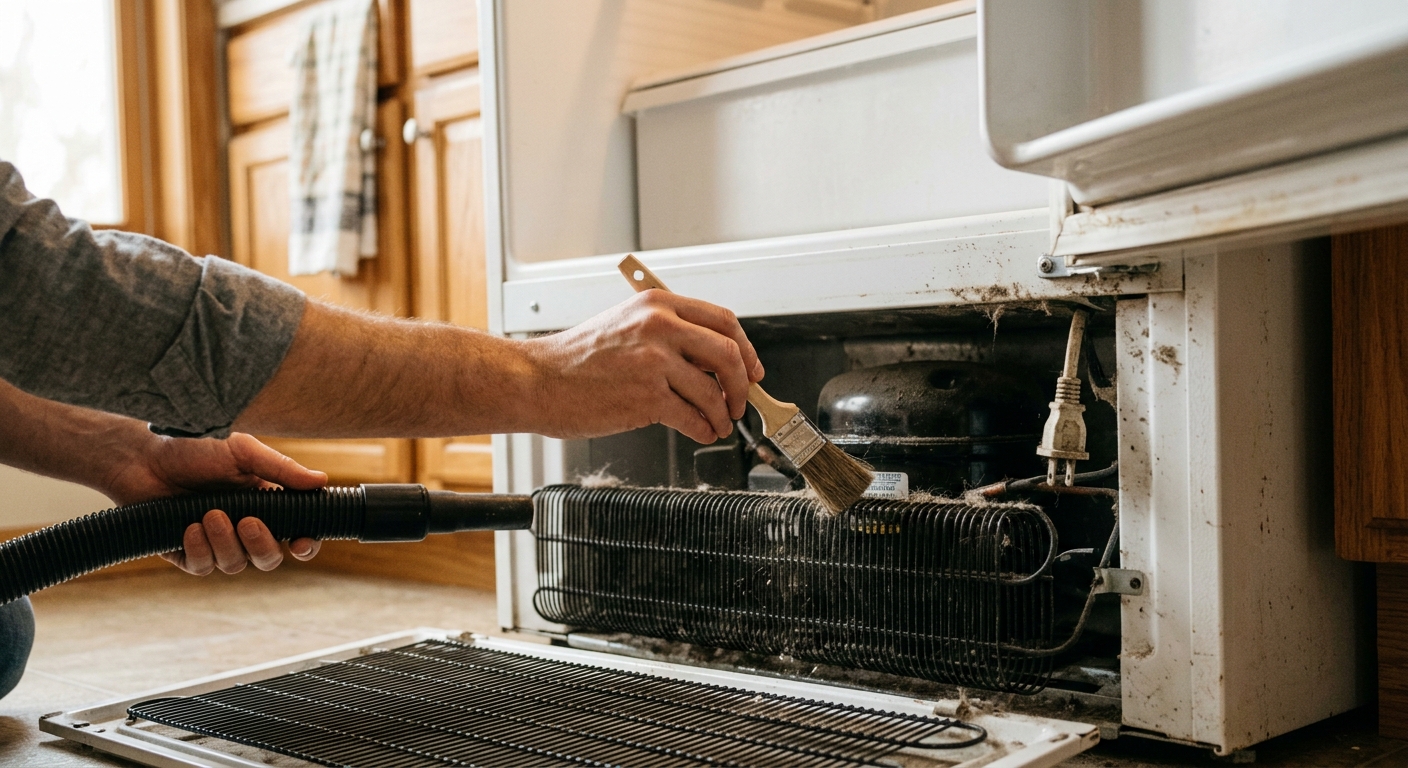
Your refrigerator runs 24 hours a day, 365 days a year, making it one of the top energy consumers in your home. The good news is that a few simple adjustments and upgrades can cut its energy use by 20 to 50%, with some fixes costing nothing at all.
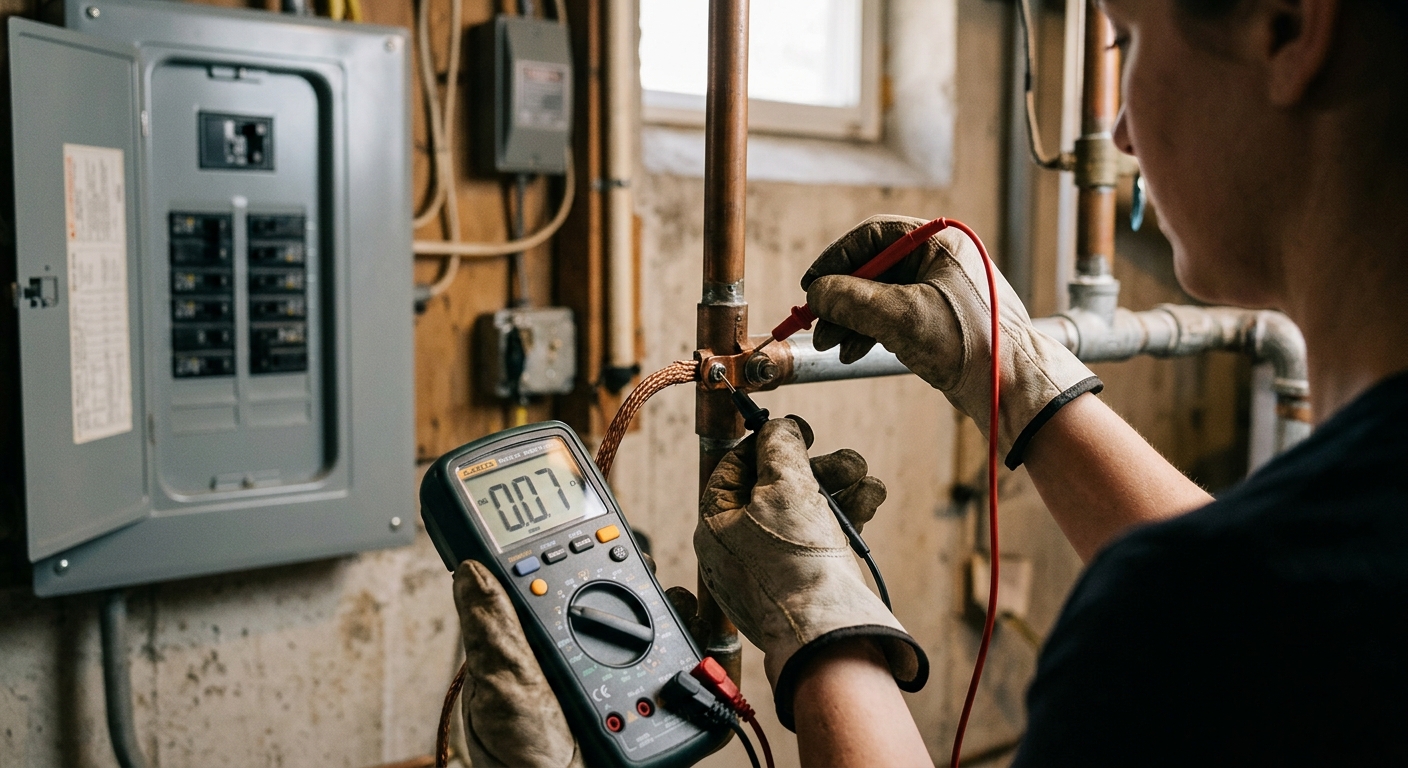
A faulty grounding system is one of the most overlooked electrical hazards in American homes, and most homeowners have no idea there’s a problem until something goes wrong. This guide walks you through exactly how to test, identify, and fix common grounding issues before they become dangerous or expensive.
Faulty wiring is the leading cause of house fires in the US, responsible for over 51,000 fires and $1.3 billion in property damage annually. Learning to spot the early warning signs can protect your home, your family, and your wallet before a minor electrical issue turns catastrophic.
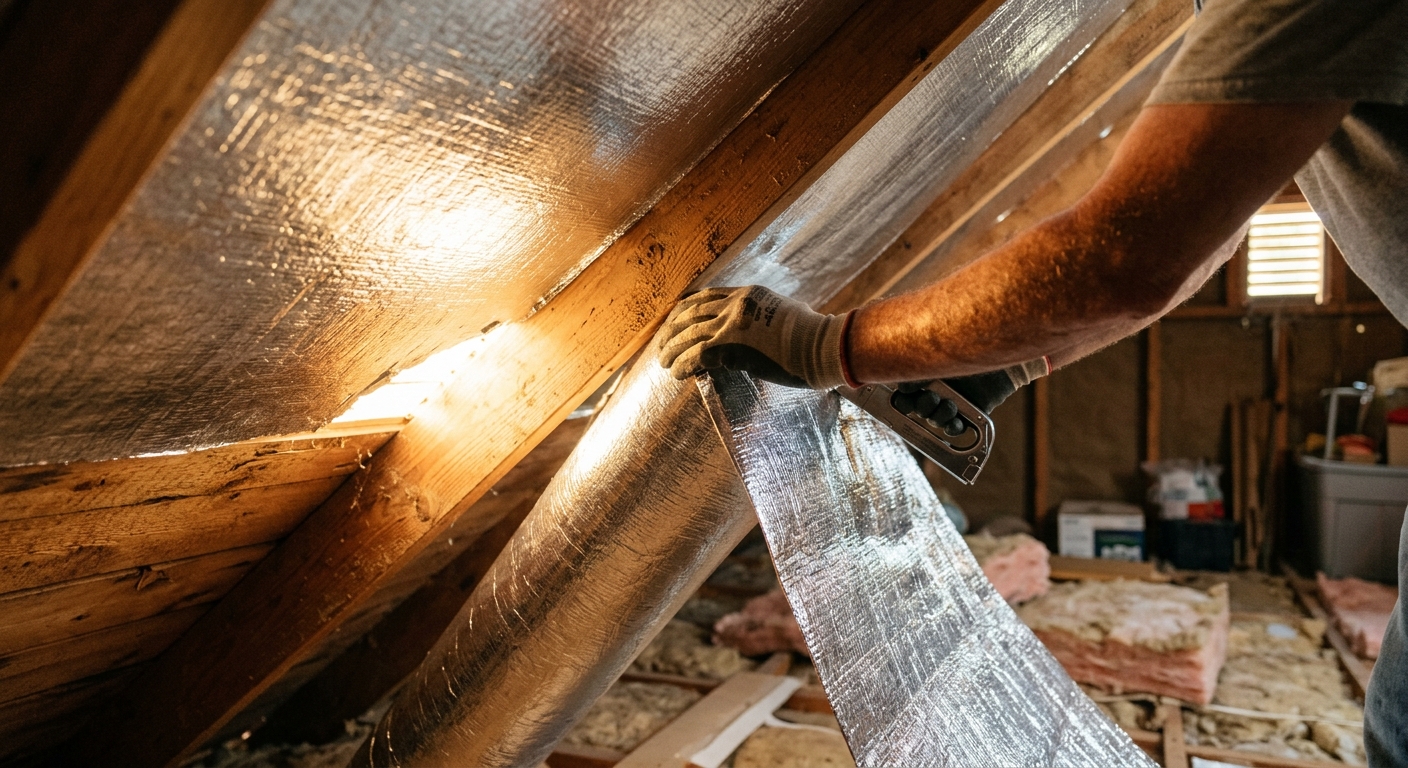
In hot climates, attic temperatures can soar past 150°F and push massive heat loads into your living space, forcing your AC to work overtime. A radiant barrier installed in your attic can reflect up to 97% of that radiant heat, cutting cooling costs by 5 to 15% with a payback period as short as 2 to 3 years.