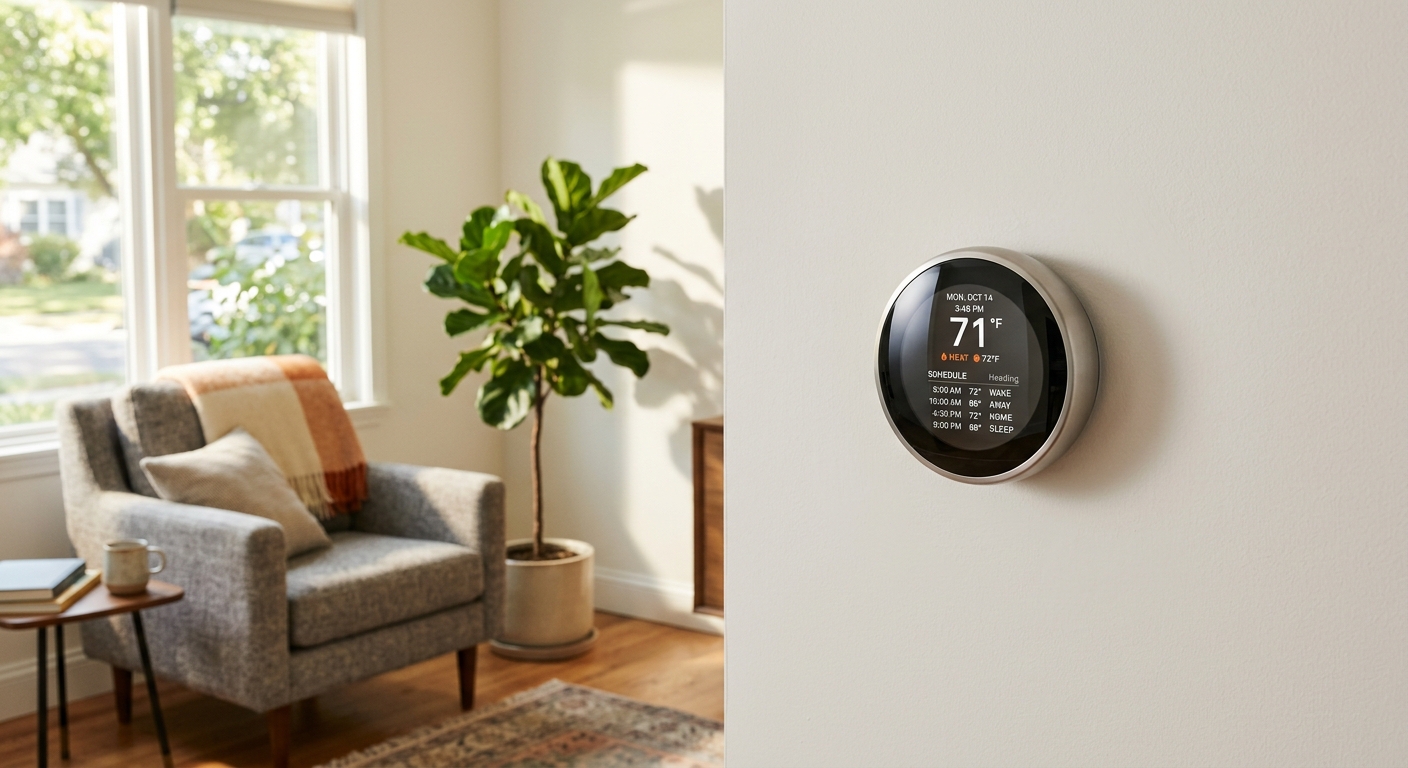
Many homeowners assume their manual thermostat is fine, but leaving it at one temperature all day quietly inflates energy bills. A programmable or smart thermostat pays for itself in under a year for most households, and the math is straightforward once you see it.
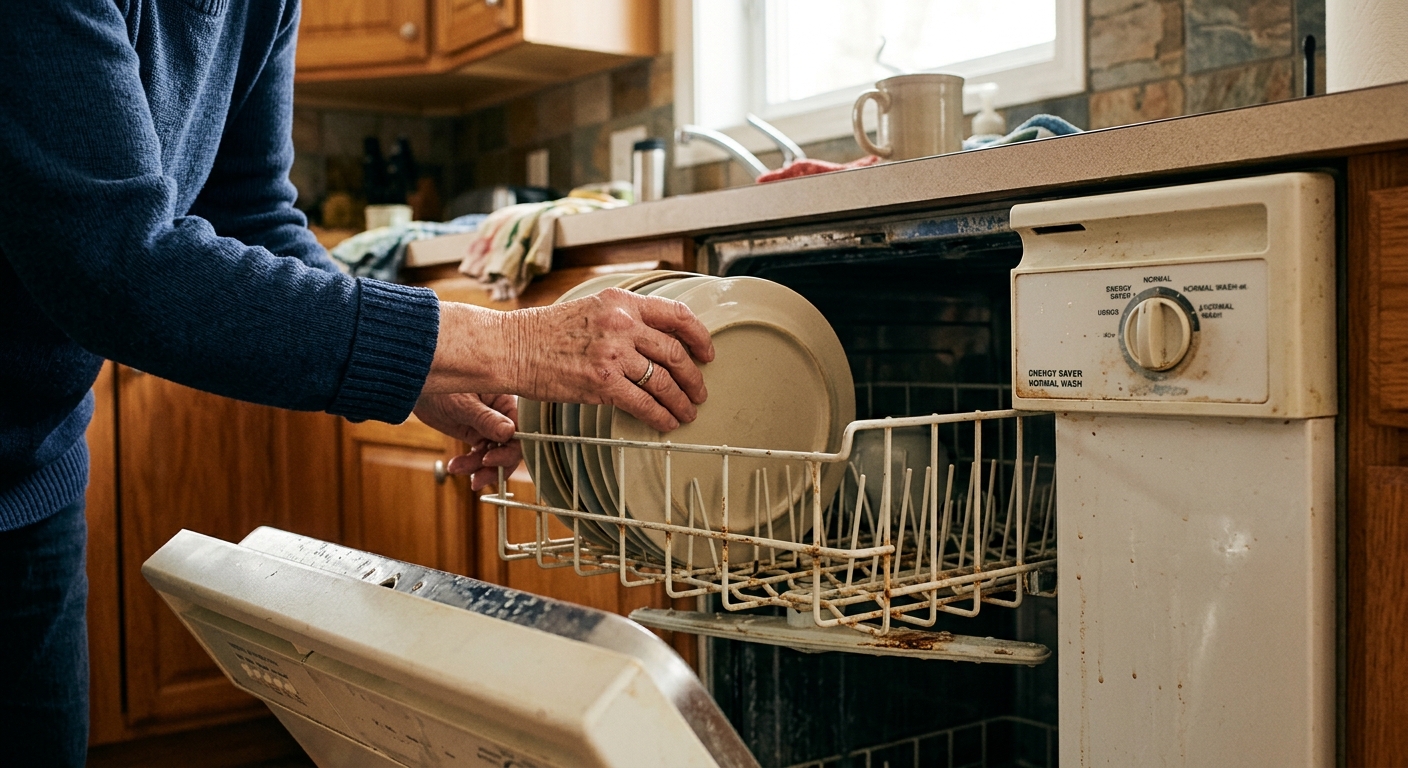
Dishwashers more than 10 years old can use 3 to 4 times more water and energy per cycle than modern ENERGY STAR models. If you’re running yours daily, the math might surprise you: a new dishwasher could pay for itself in utility savings within 3 to 5 years.
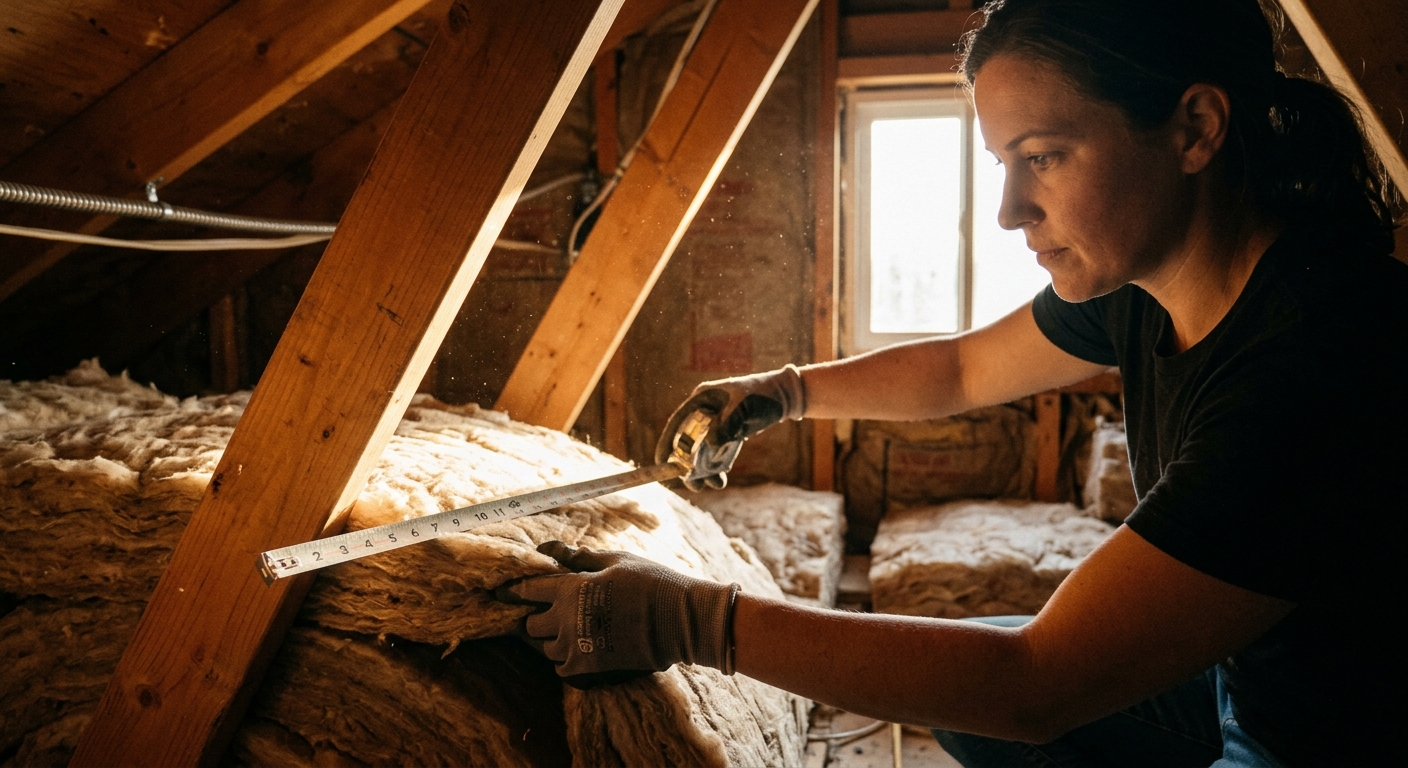
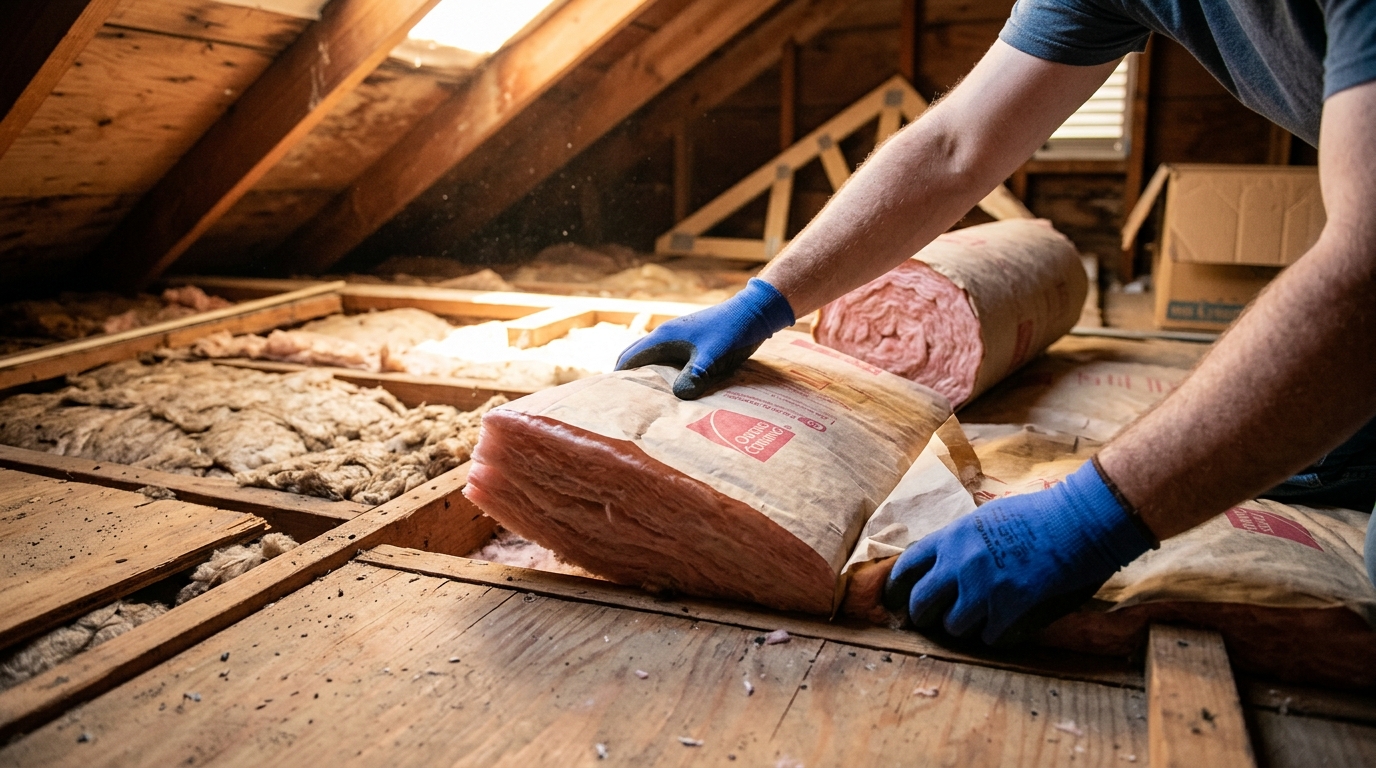
Most homeowners have no idea their insulation is underperforming until they see a sky-high energy bill. These simple self-inspection techniques can reveal the truth in under an hour, no professional required.
Most homeowners buy solar panels based on a sales pitch rather than their own numbers, and end up disappointed when the savings don’t match expectations. Before you sign anything, use this step-by-step payback framework to know exactly when your system pays for itself and whether it makes financial sense for your home.
If your neighbor pays $40 to $80 less per month on energy despite living in a similar home, the gap usually comes down to a handful of fixable problems. This post walks through the most common culprits and gives you a clear plan to close that gap starting today.
Your kitchen is one of the biggest energy hogs in your home, but most of the waste comes from habits and settings, not broken equipment. With a few smart adjustments and low-cost upgrades, you can trim 15 to 30% off your kitchen energy use without replacing anything.
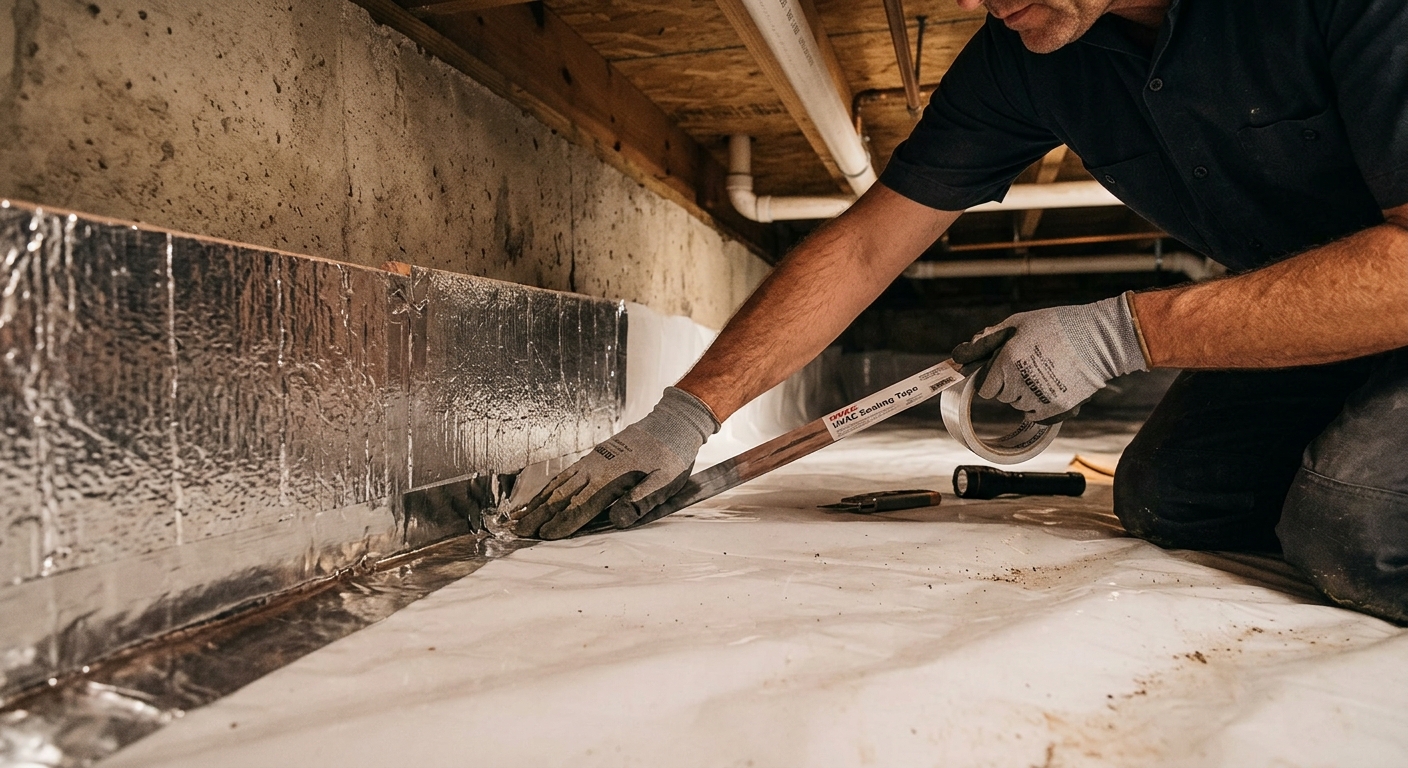
An unsealed, uninsulated crawl space acts like a giant energy drain beneath your feet, pulling conditioned air out and letting cold, damp air in year-round. Sealing and insulating your crawl space is one of the highest-return upgrades a homeowner can make, often paying for itself in under three years.
Most homeowners pay their electric bill without ever questioning why it is so high. Studying a full year of bills reveals seasonal patterns, hidden loads, and waste points that can cut your annual energy spending by 20 to 35%.
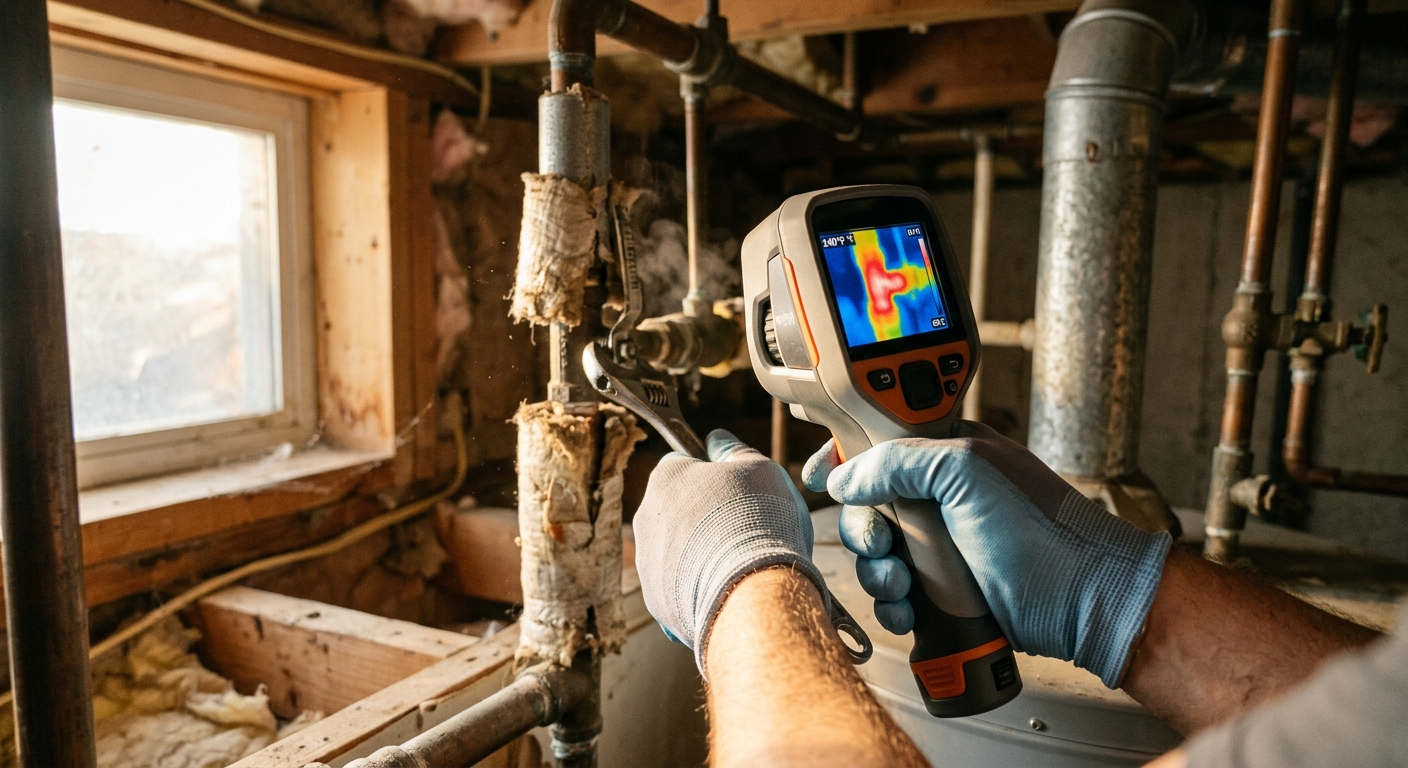
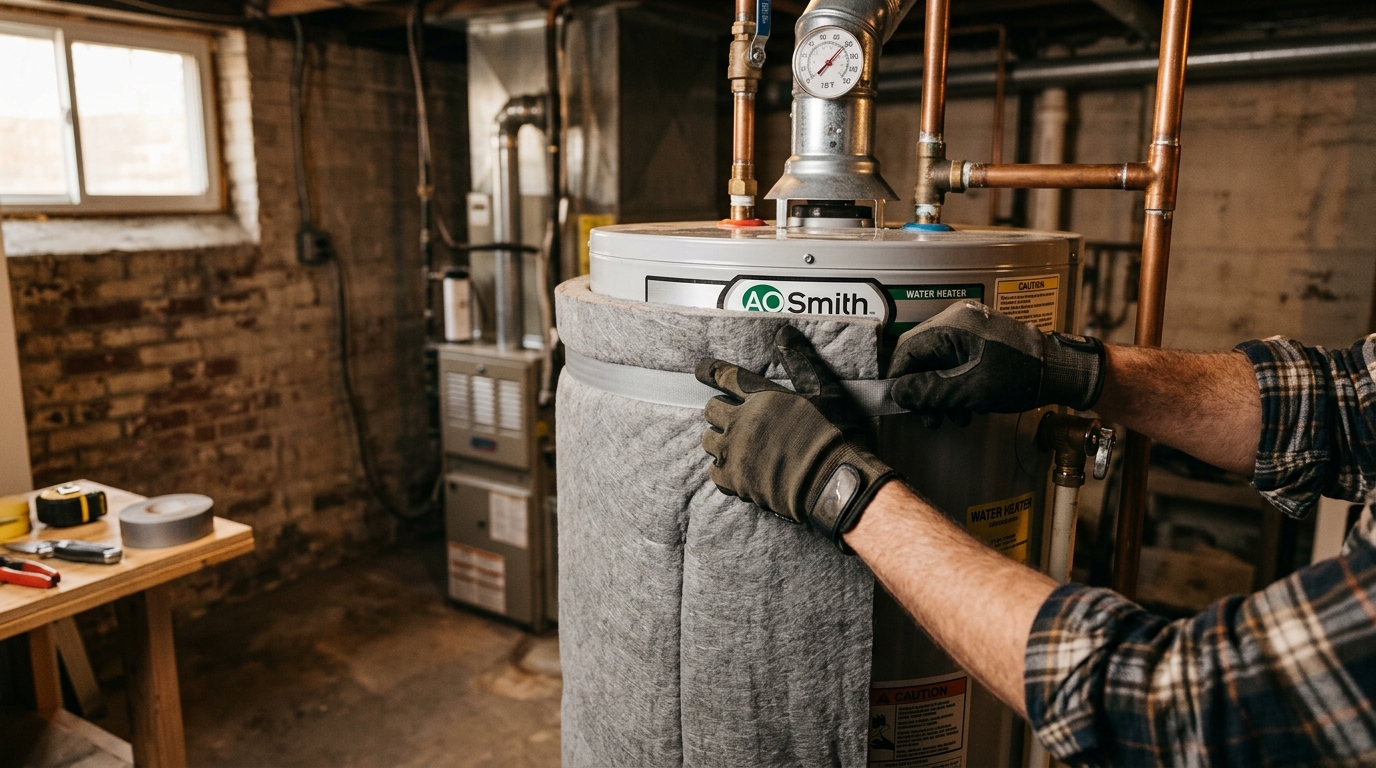
Water heating accounts for roughly 18% of the average home energy bill, making it the second largest energy expense most homeowners never think to optimize. One focused afternoon of targeted upgrades can cut that cost by 20% or more, with most improvements paying for themselves within a year.
Most homeowners never think about their attic until there’s a leak or a pest problem, but that unfinished space above your ceiling is likely costing you hundreds of dollars a year in wasted energy. Understanding how heat moves through your attic, and sealing it properly, can cut heating and cooling bills by 15 to 30 percent.