A hot tub can add $50 to $150 or more to your monthly electricity bill, depending on size, efficiency, and how you use it. Here is what real homeowners experience, and exactly how to cut those costs without giving up the soak.
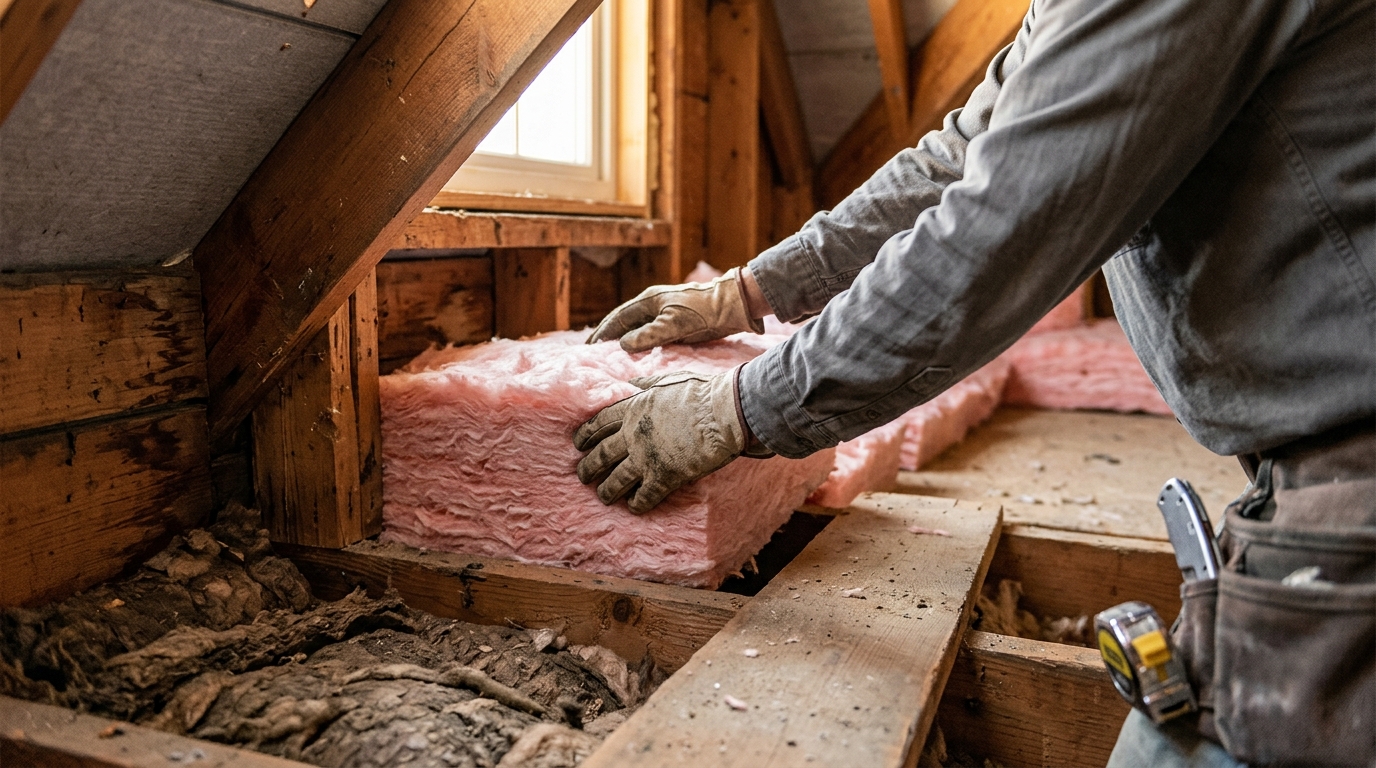
Most American homes are significantly under-insulated, quietly adding hundreds of dollars to heating and cooling bills every year. Targeting the right spots with the right materials can deliver 15 to 30% savings on energy costs with payback periods well under three years.
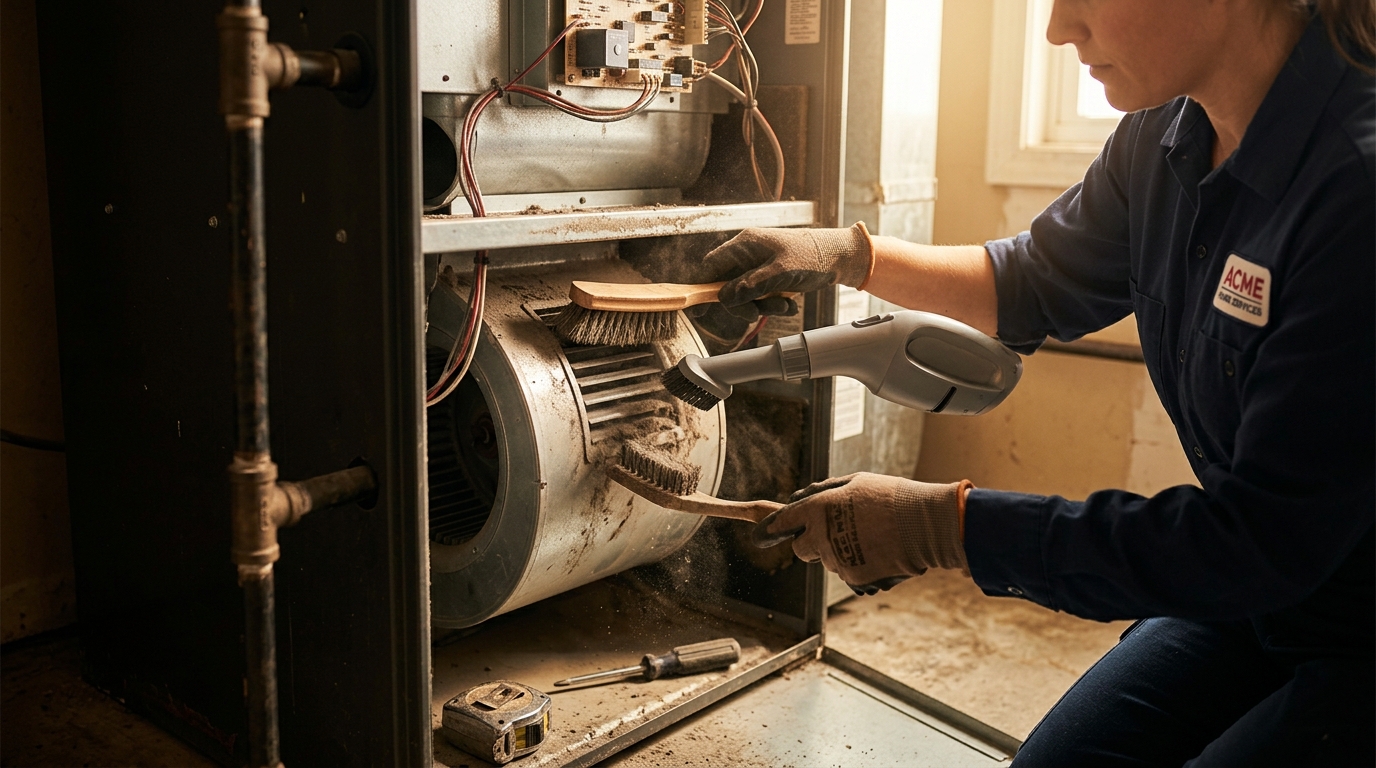
Skipping routine HVAC maintenance is one of the costliest mistakes homeowners make, with neglected systems failing earlier and running 25% less efficiently. A simple annual checklist can prevent the most common breakdowns and keep your energy bills from quietly climbing.
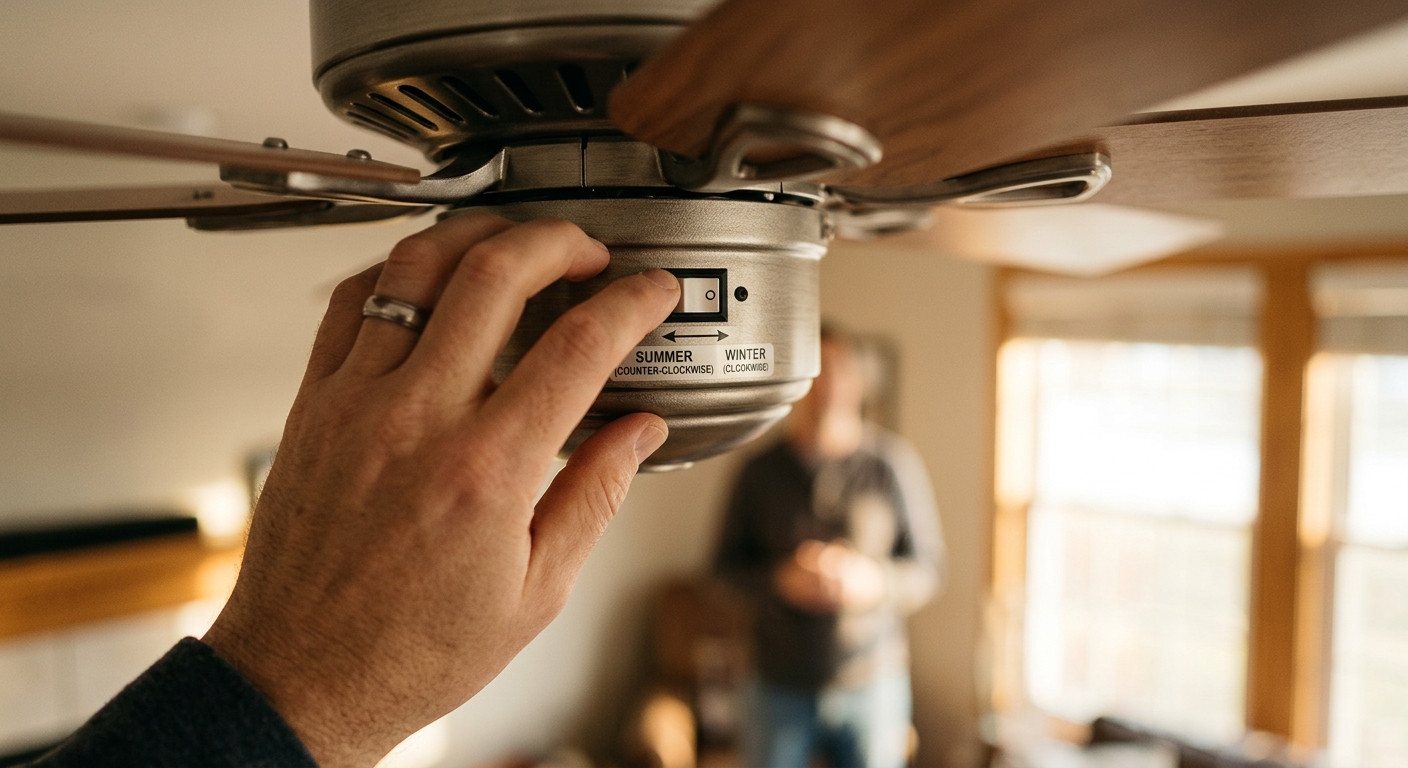
Most homeowners run their ceiling fans the wrong direction half the year, paying to heat or cool rooms less efficiently than they could. Switching fan direction seasonally and pairing fans with smart thermostat setbacks can trim 5 to 15% off annual HVAC bills with zero equipment purchases.
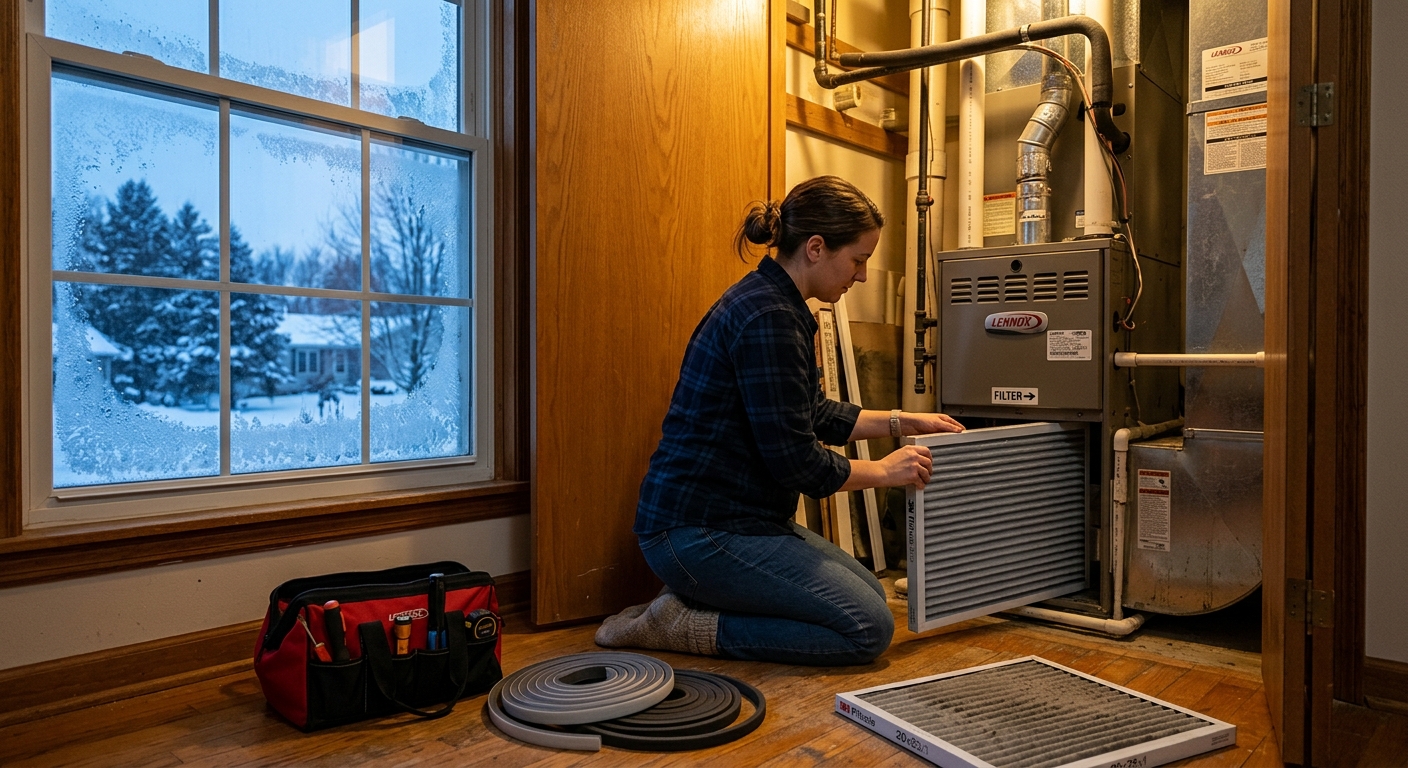
February is statistically the coldest month in most of the U.S., but your heating bill spike is rarely just about the weather. A combination of air leaks, thermostat habits, and neglected maintenance compounds heat loss right when outdoor temperatures hit their lowest point.
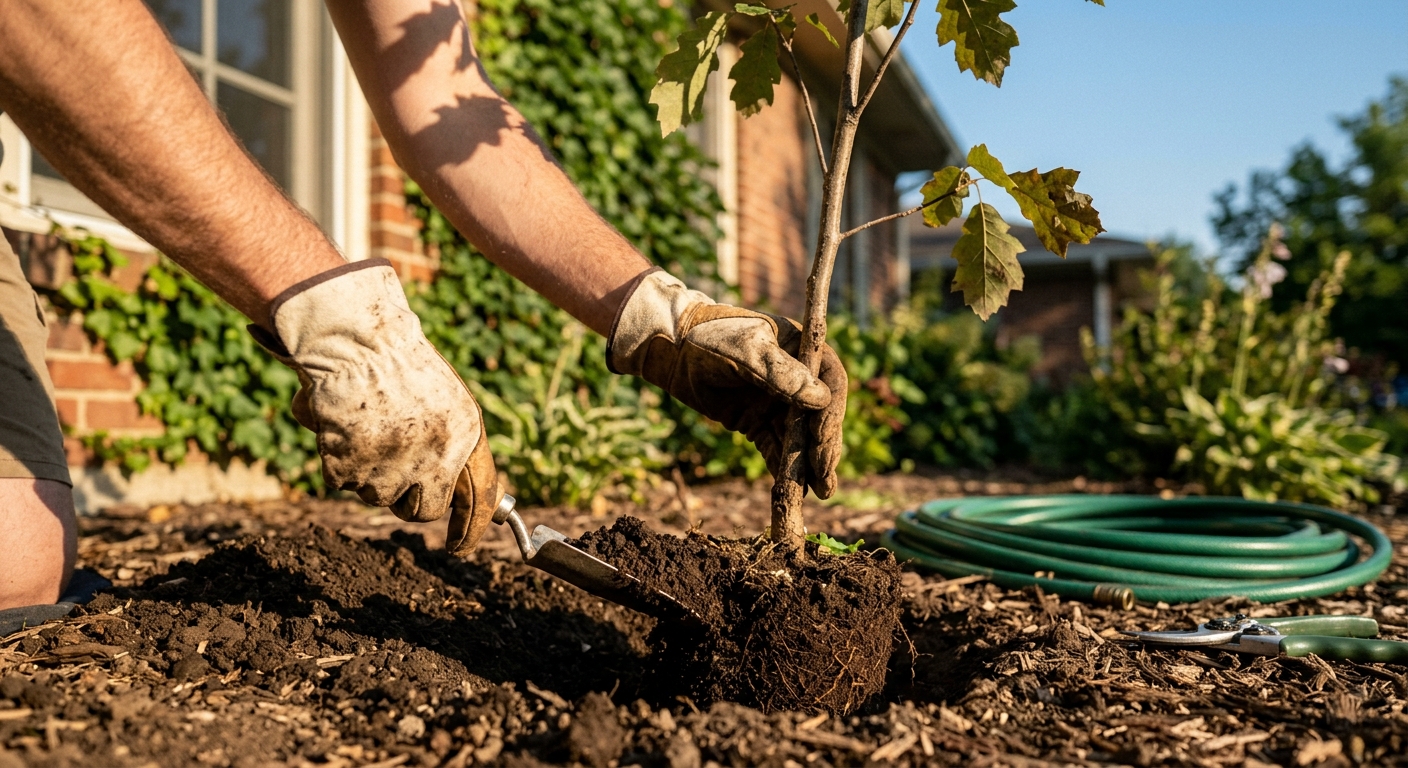
Most homeowners never think of their yard as an energy system, but strategic planting and shade placement can cut summer cooling bills by 15 to 25%. The right trees and shrubs in the right spots act like a natural air conditioner that pays for itself over time.
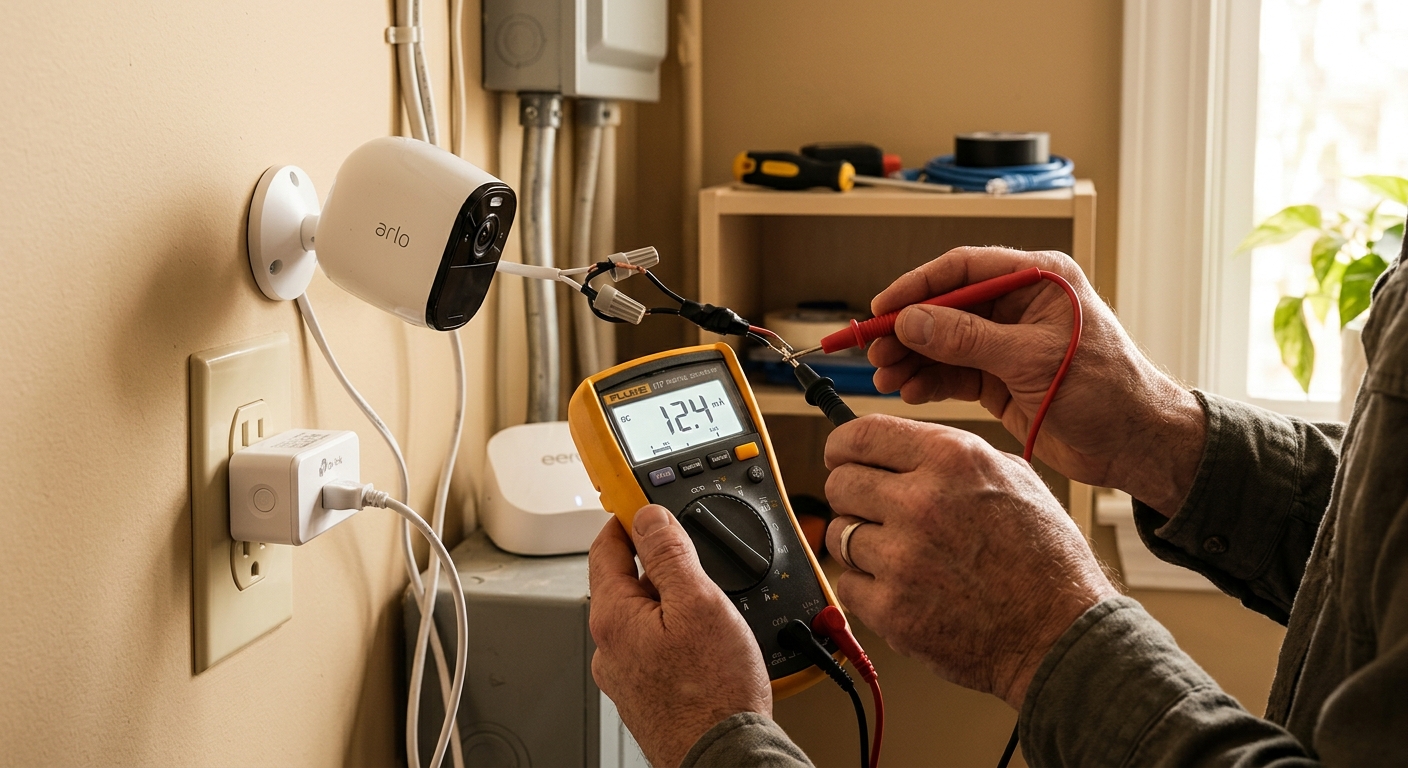
Most homeowners never think about how much electricity their security system quietly consumes 24/7, but the costs add up faster than you might expect. This guide breaks down real energy numbers, compares system types, and shows you how to keep your home protected without inflating your power bill.
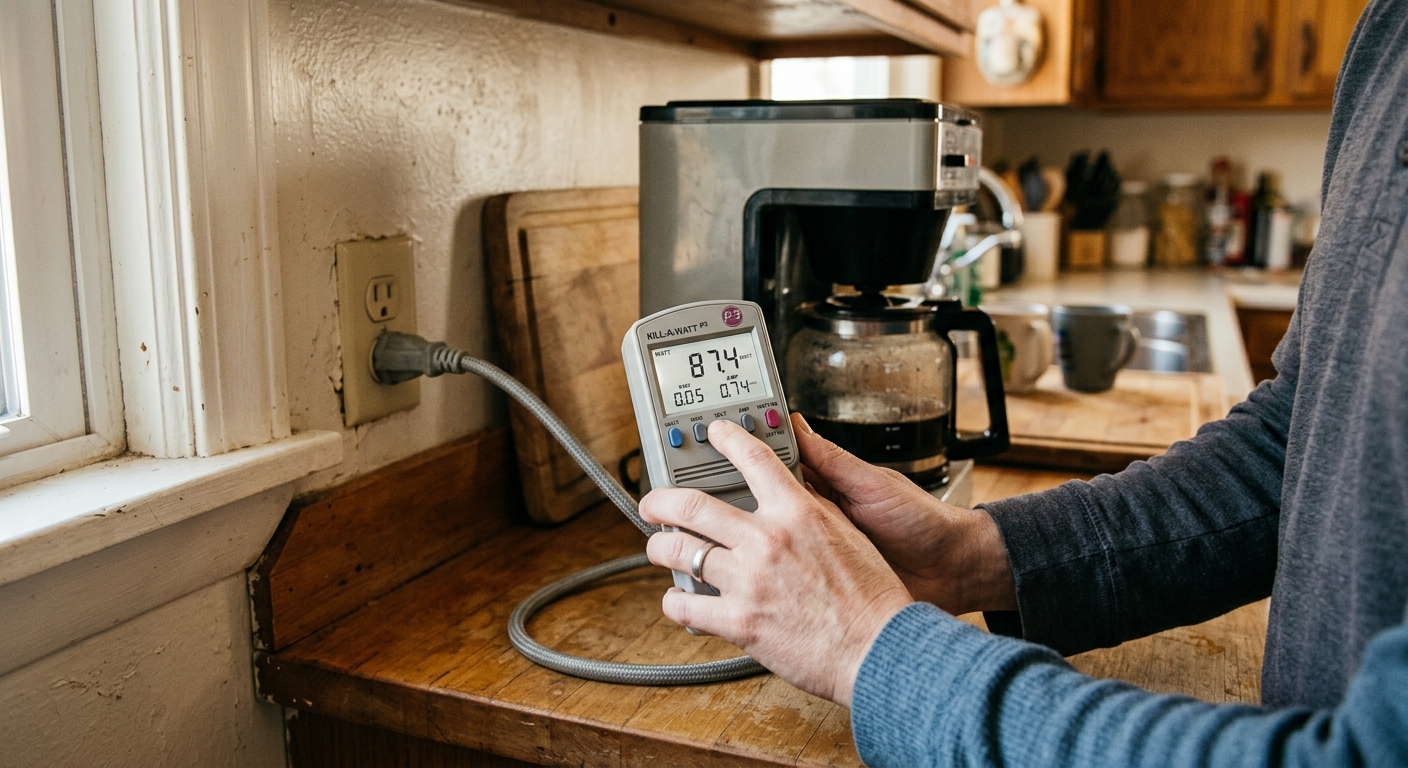
Most homeowners have no idea which appliances are silently draining power 24 hours a day. A $25 Kill-A-Watt meter can pinpoint exactly where your electricity dollars are going and pay for itself in the first month.
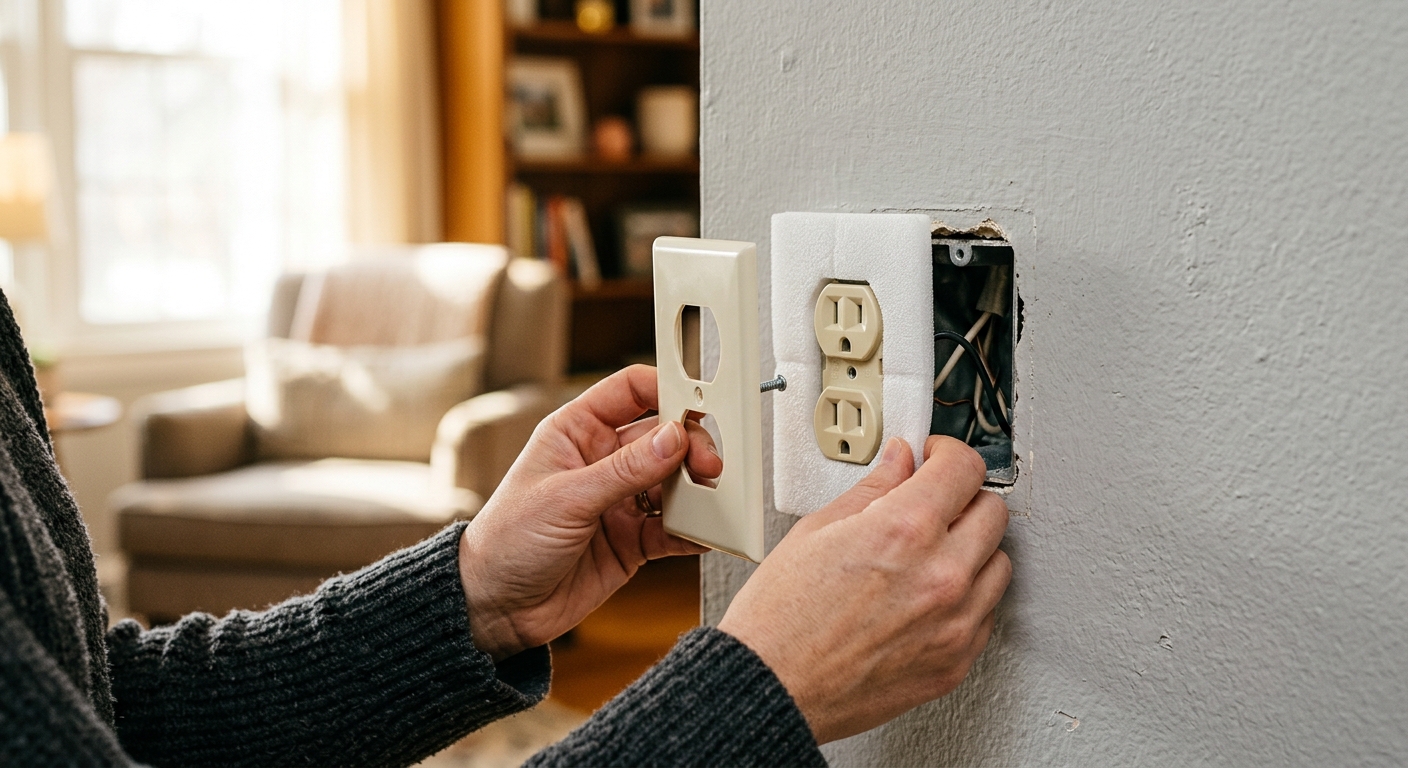
Electrical outlets and switch plates on exterior walls are surprisingly common sources of cold air infiltration, quietly driving up your heating bill all winter. Foam gaskets and a few minutes of work can seal these gaps and noticeably reduce drafts for almost no cost.
Sunrooms are one of the most requested home additions, but they’re also one of the biggest sources of surprise energy bill spikes. Before you break ground, here’s what building science actually says about keeping your new space comfortable without wrecking your monthly budget.