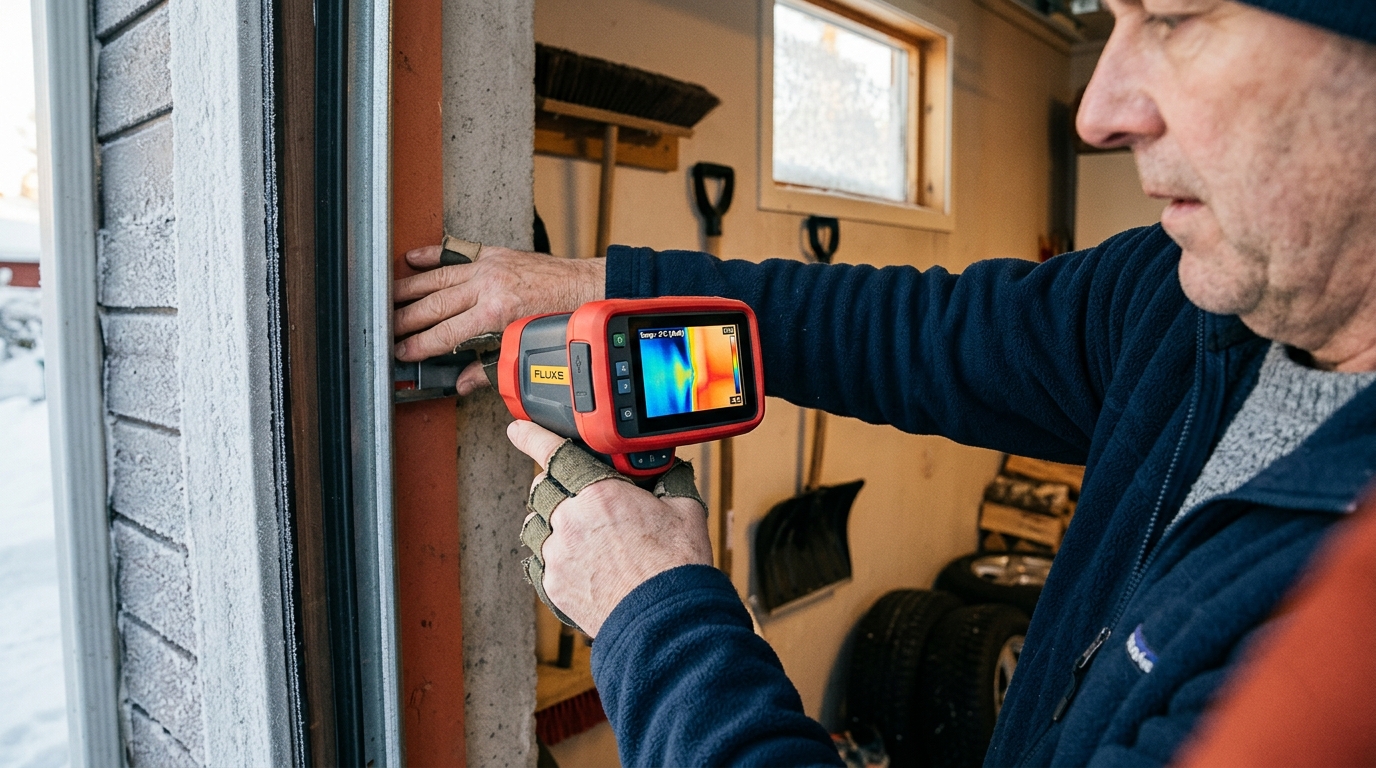
Most homeowners insulate their walls and attic but completely ignore the attached garage, which can quietly drain 10 to 20% of your home’s heating energy every winter. Sealing and insulating the garage boundary can cut that loss dramatically, often with a payback period of one to two heating seasons.
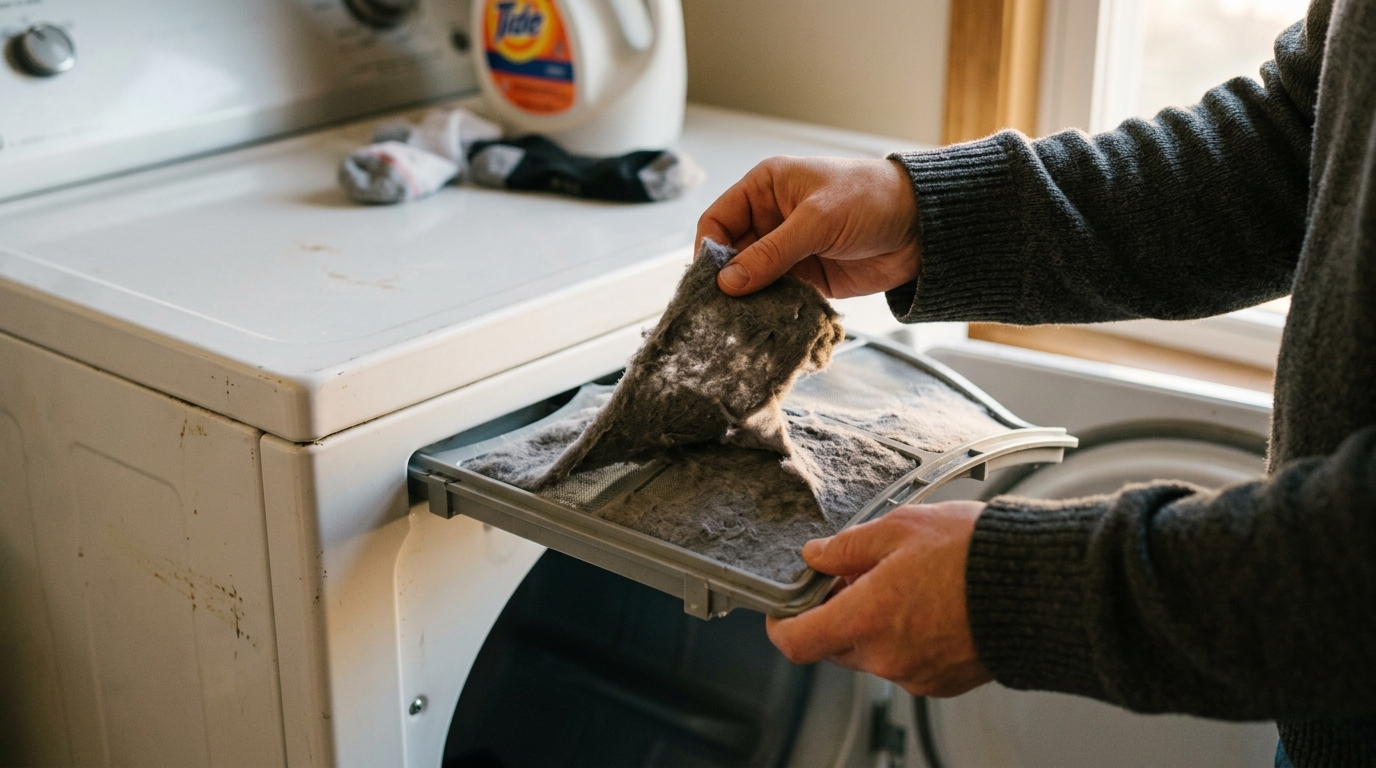
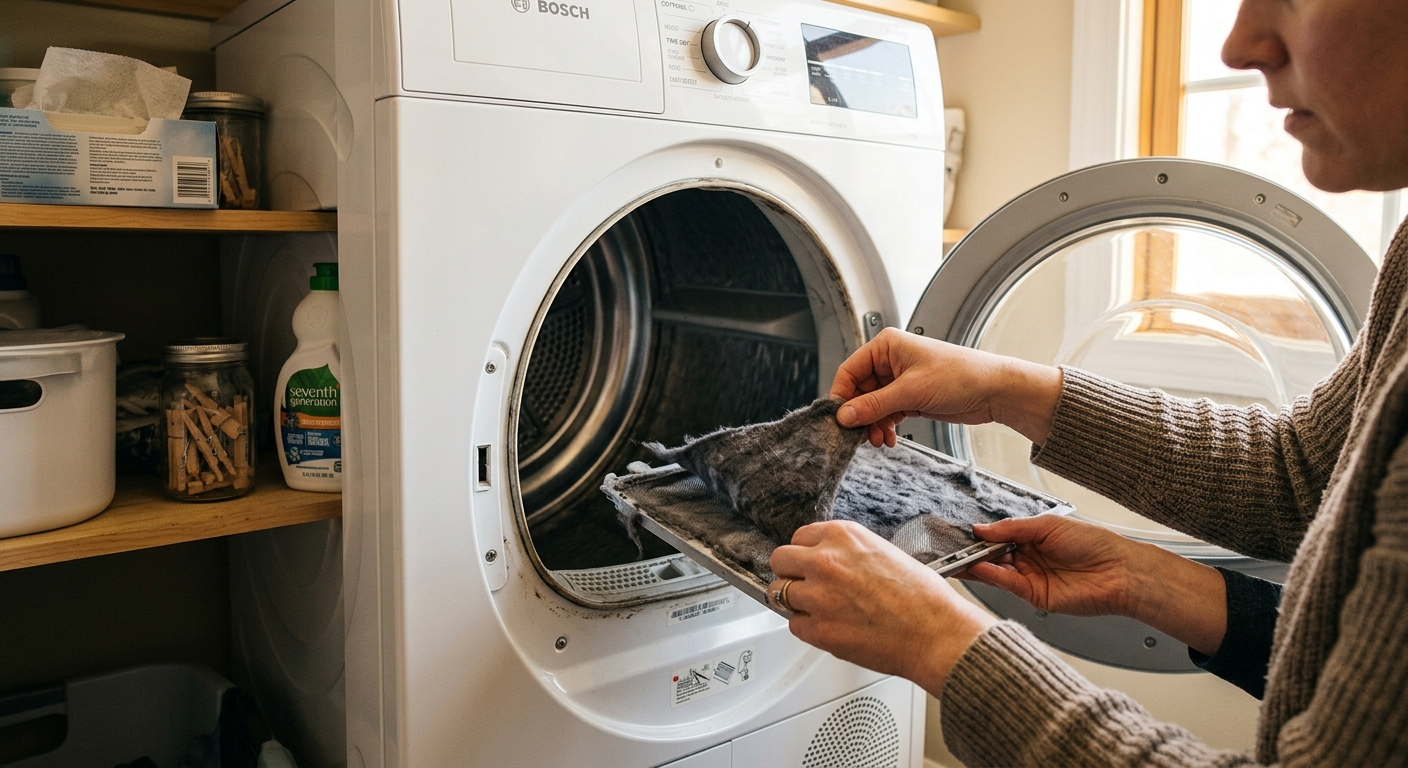
Most homeowners clean the lint screen after every load, but that single habit misses the deeper buildup that quietly drains energy and shortens your dryer’s life. Cleaning the full exhaust system, not just the trap, can cut drying time by 25% and save over $150 a year on utility bills.
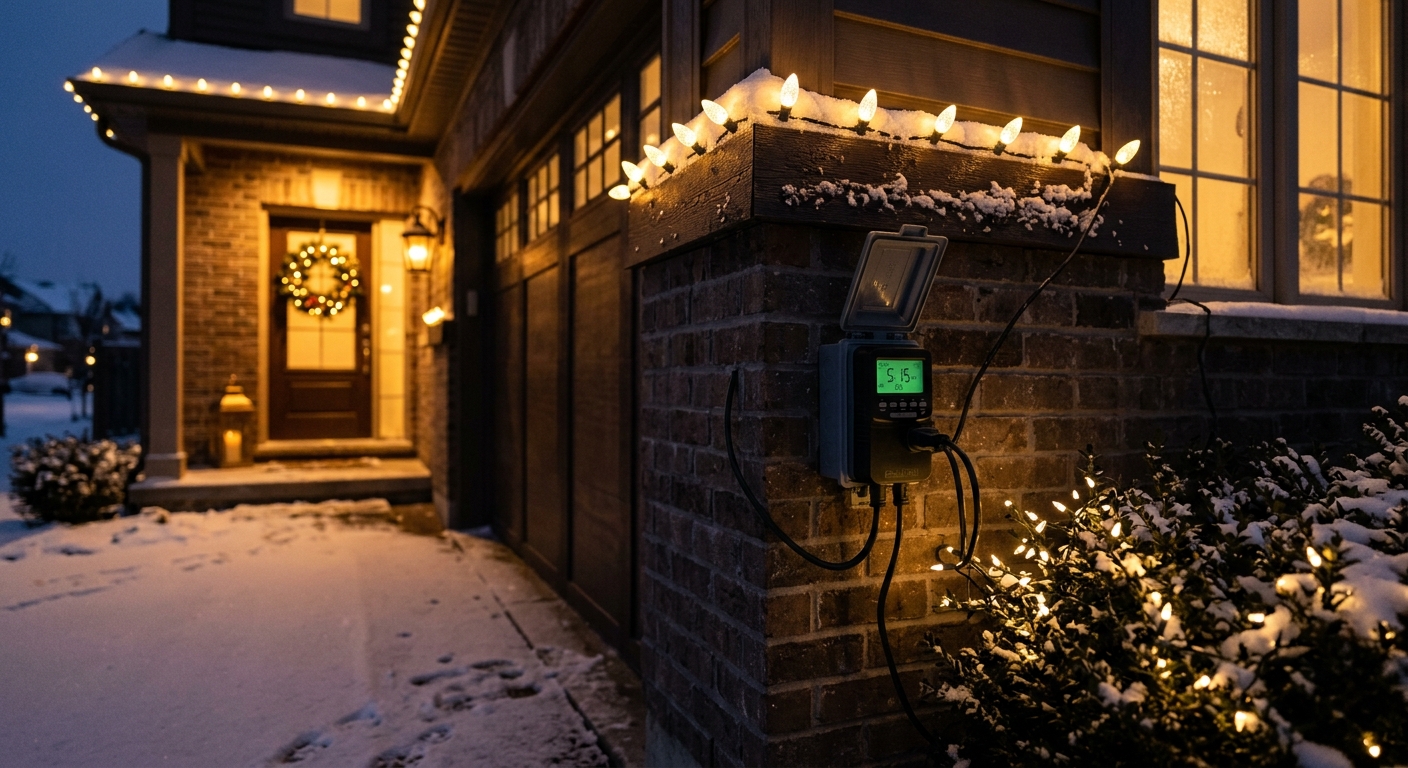
Traditional incandescent holiday lights can quietly inflate your December electric bill by $50 to $100 or more, depending on how many strands you run and for how many hours. Switching to LED lights and adding a simple timer strategy can slash that added cost by 75 to 90% without dimming any of the festive cheer.
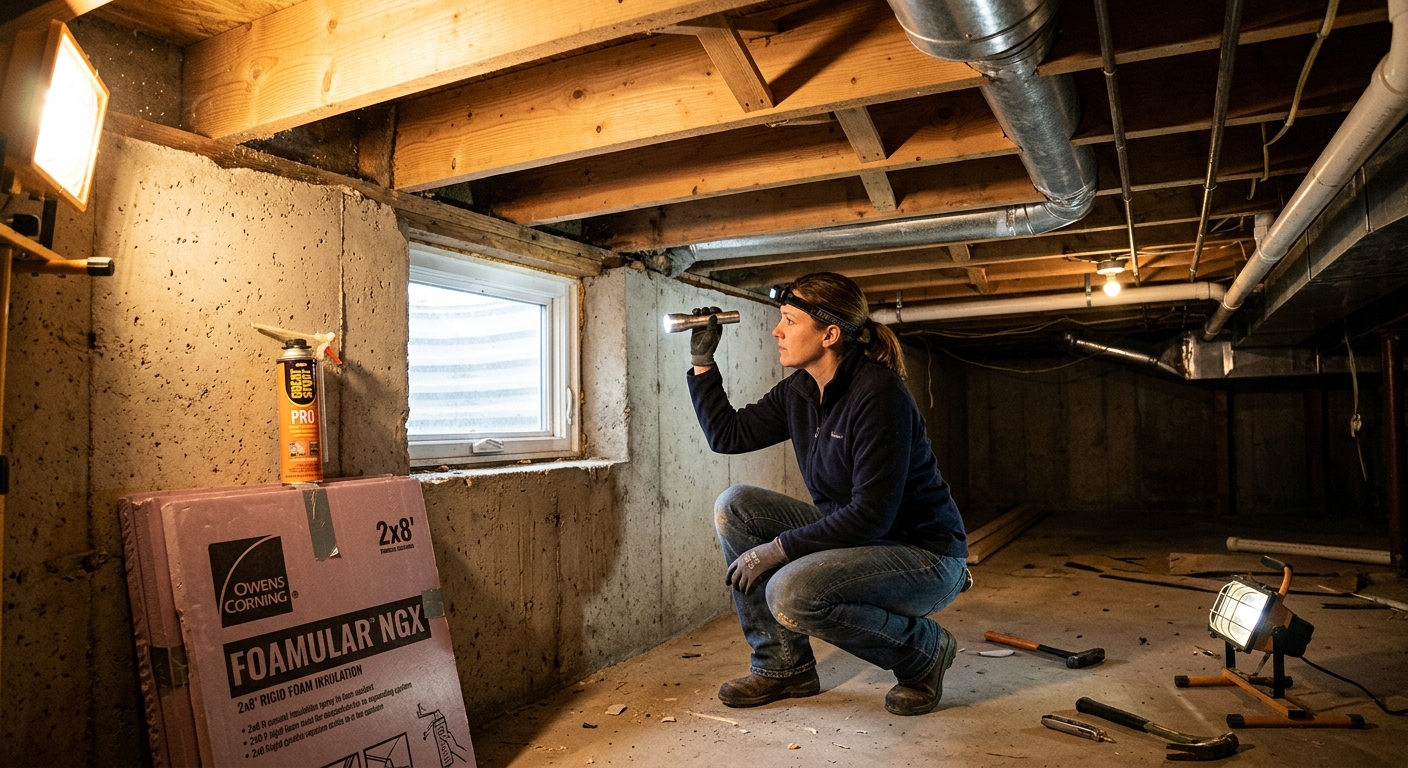
Your basement is one of the most energy-wasteful spaces in your home, yet most homeowners never think to look there first. From uninsulated rim joists to leaky ducts and bare pipes, a simple basement walkthrough can uncover hundreds of dollars in annual savings.
Most homeowners focus on their HVAC or water heater when looking to cut energy bills, but the clothes dryer quietly ranks among the top three most energy-hungry appliances in the home. A few targeted changes to how you use and maintain your dryer can slash operating costs by 25 to 50% without buying anything new.
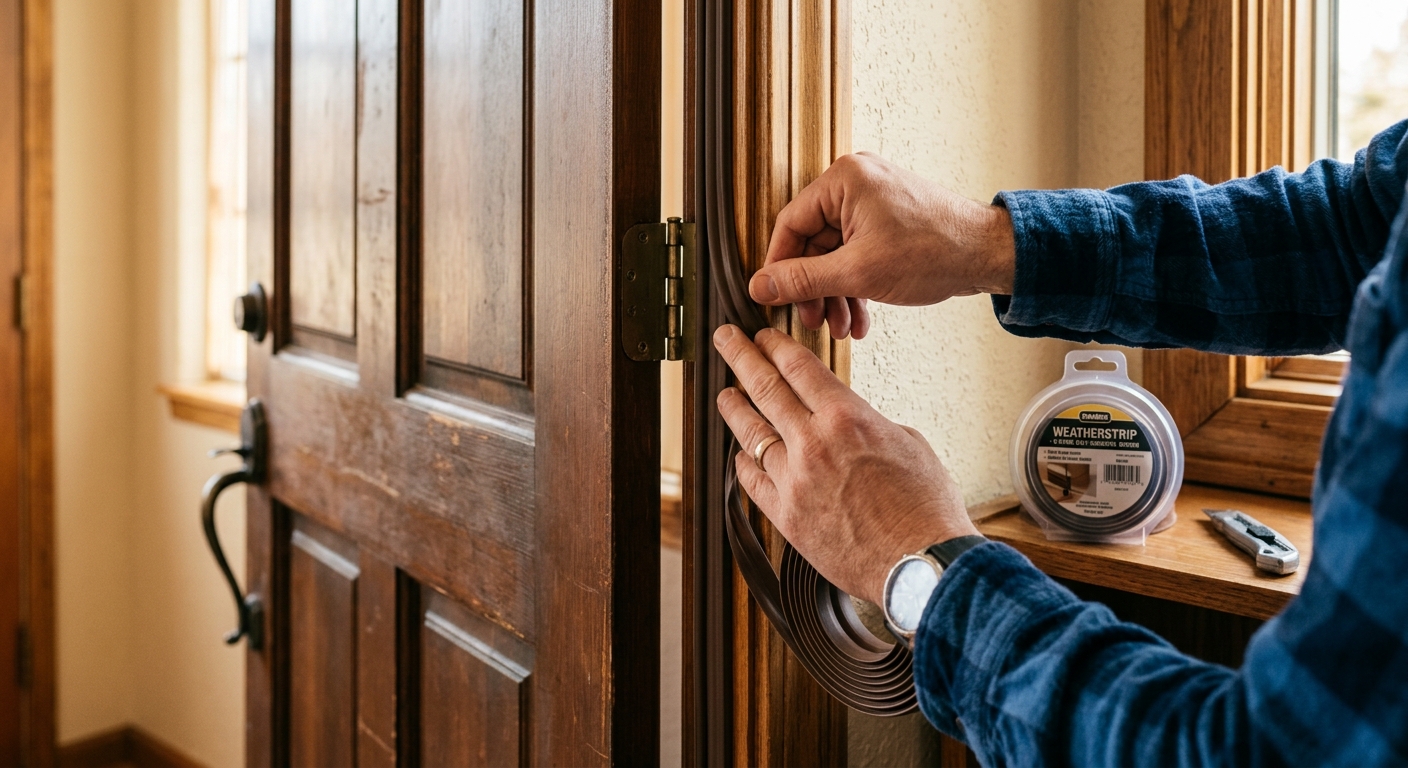
Gaps around your exterior doors are silently draining your heating and cooling budget every single day. A few hours and $30 to $60 in materials can seal those leaks and put real money back in your pocket.
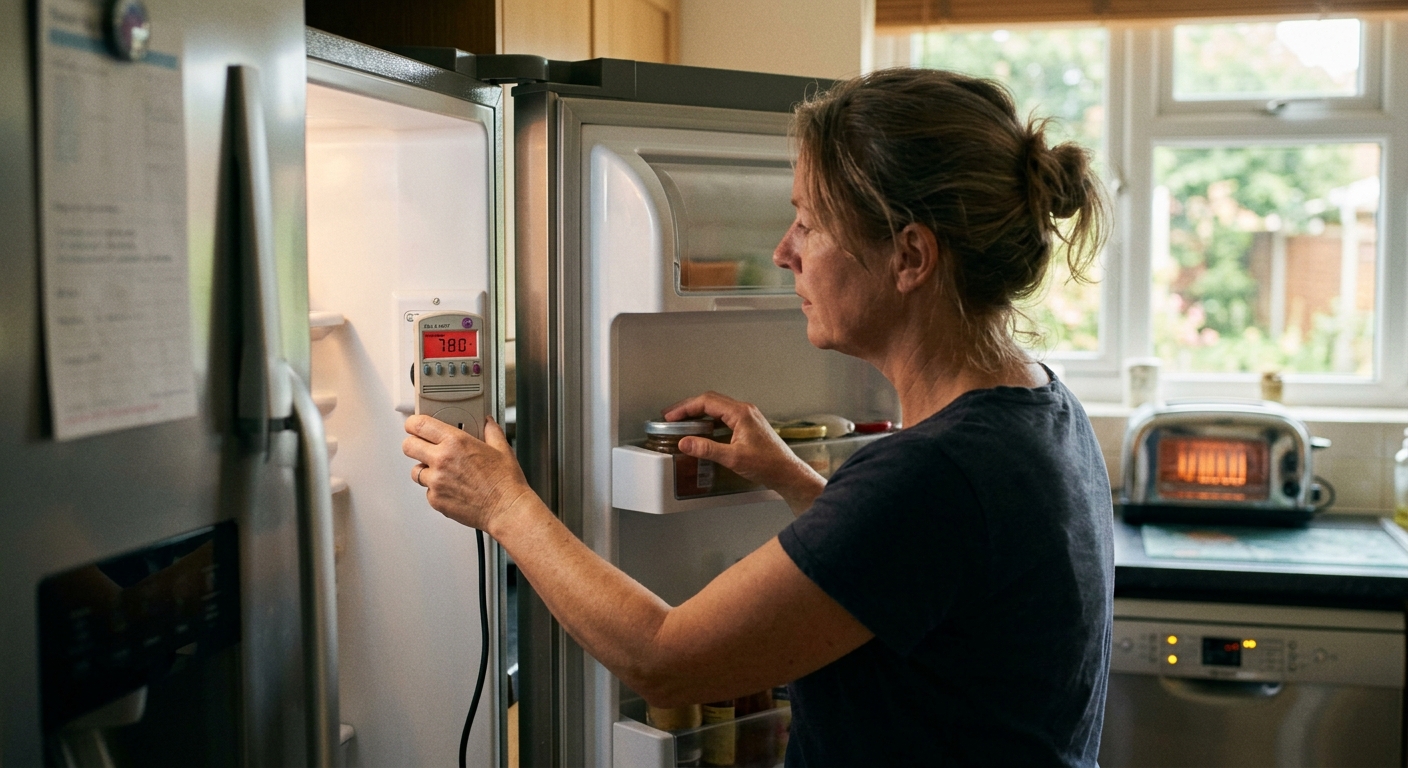
Your kitchen appliances may be working against your AC all summer long, quietly inflating your energy bills by hundreds of dollars. Learn which culprits generate the most heat, which swaps pay off fastest, and how to cook smarter without sacrificing comfort or convenience.
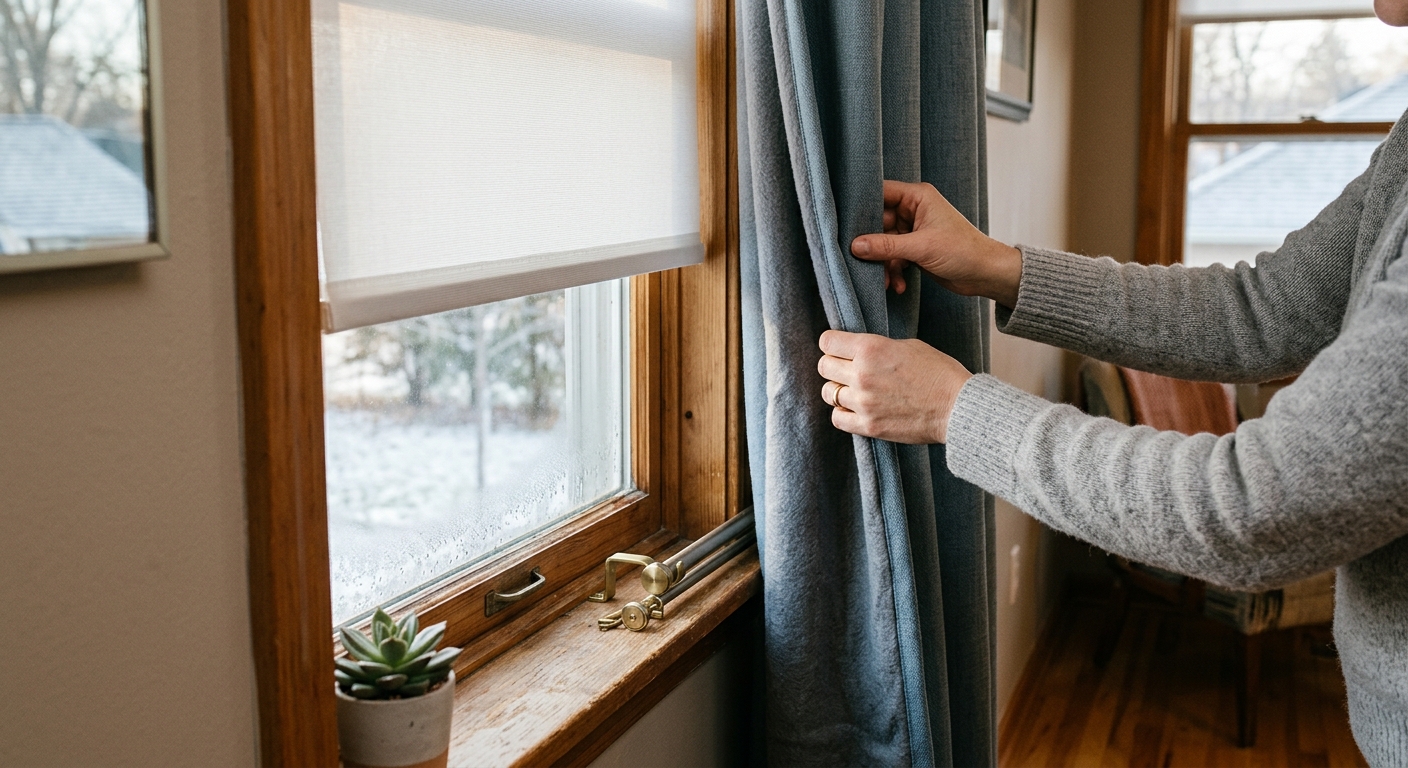
Windows are responsible for 25 to 30% of home heating loss, making them one of the biggest sources of wasted energy in winter. Layering the right window treatments in the right order can dramatically reduce that loss, with some homeowners seeing heating bill reductions of up to 40%.
Most homeowners assume a TV in standby mode costs almost nothing, but across a full year that quiet red light can quietly drain $20 to $50 from your wallet. The fix takes under five minutes and costs nothing.
Most homeowners glance at their monthly bill and move on, but their smart meter is recording energy use every 15 to 60 minutes around the clock. Learning to read that data can reveal phantom loads, HVAC inefficiencies, and daily habits costing you hundreds of dollars a year.