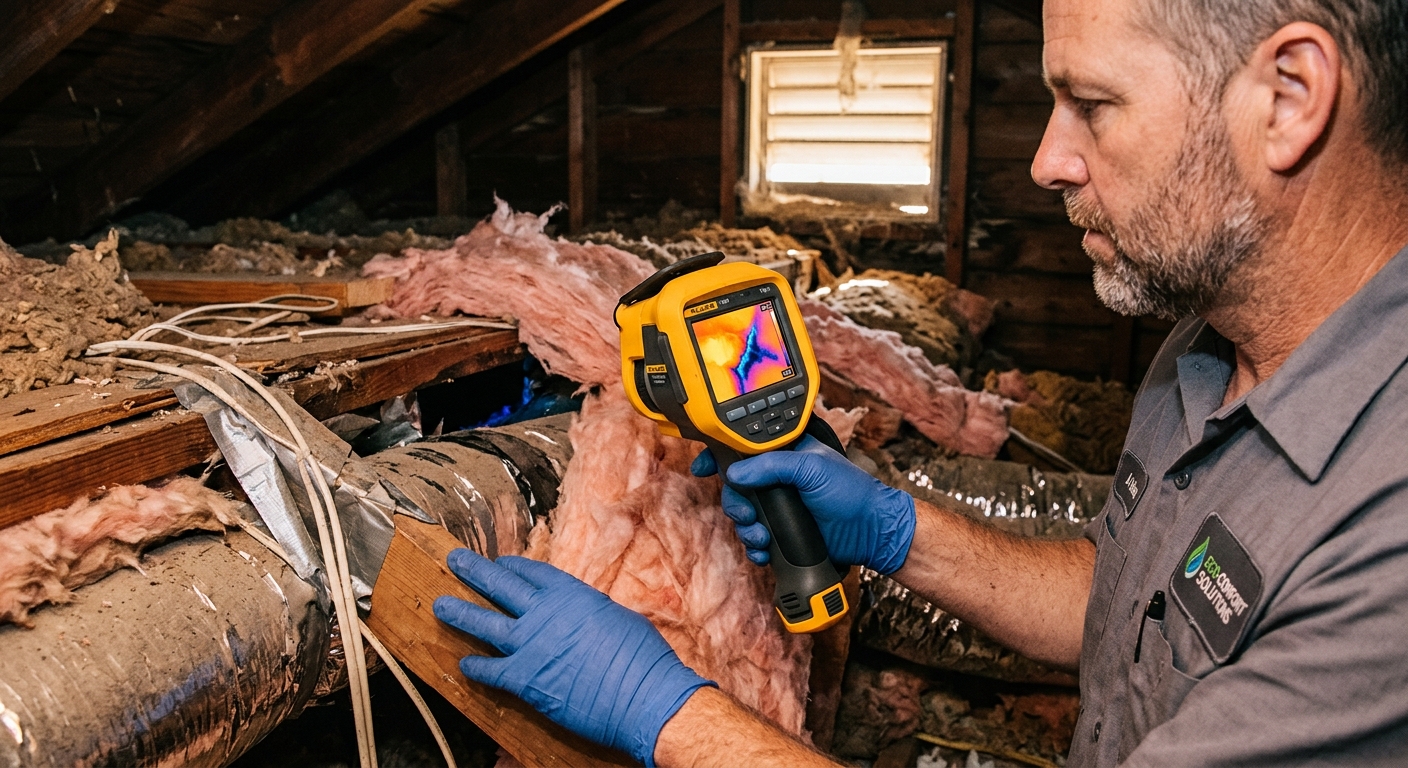
Failing insulation is one of the most expensive and least visible problems in a home, silently inflating energy bills month after month. Learn the seven warning signs and what you can do to stop the drain on your wallet.
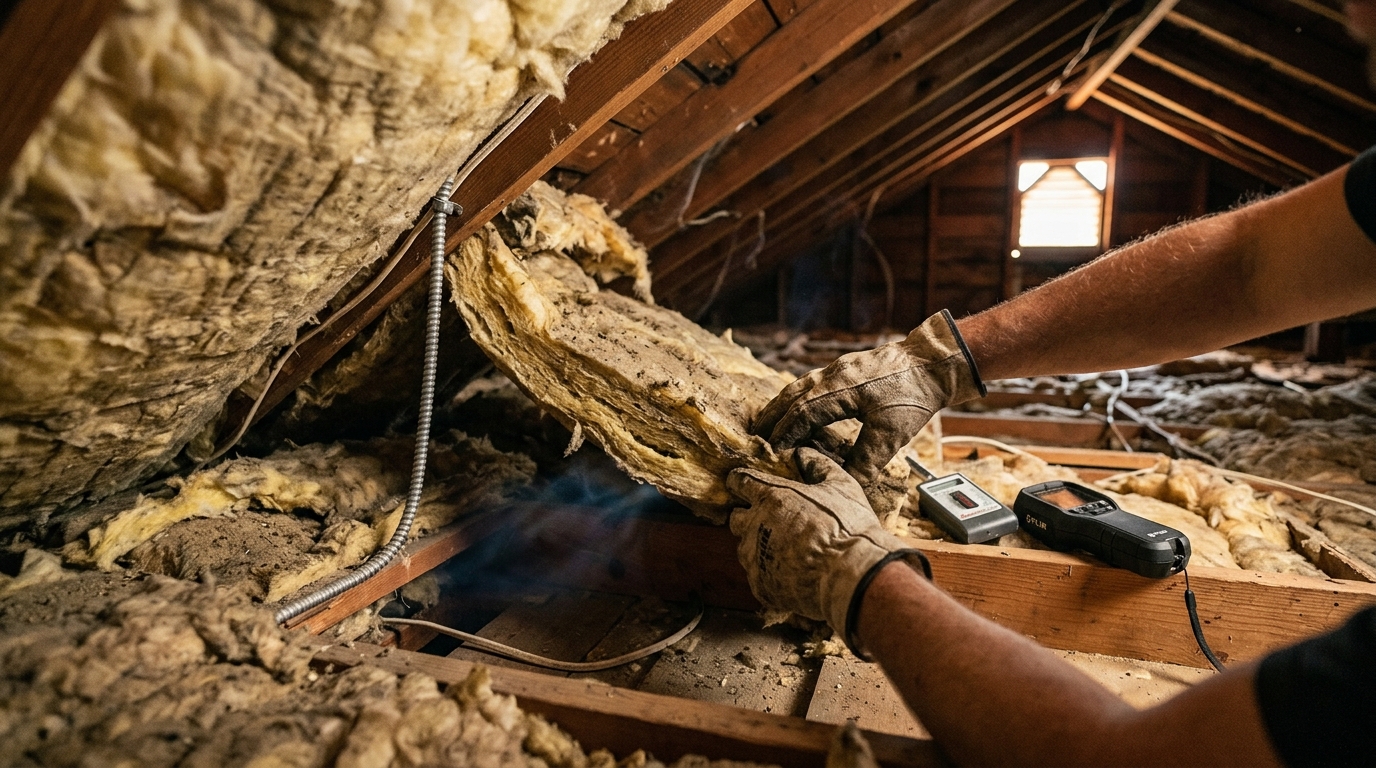
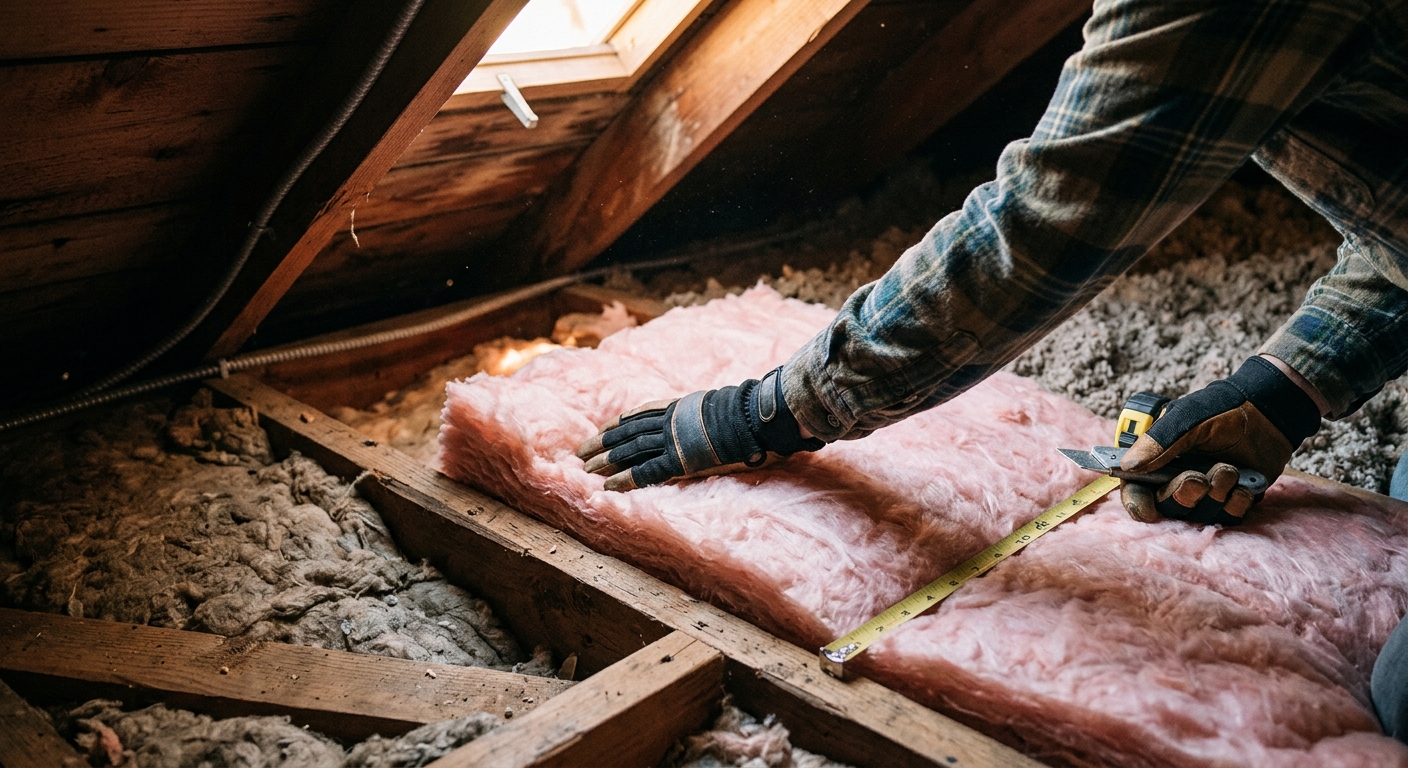
Attic insulation is one of the highest-impact upgrades a homeowner can make, yet millions of homes are running on levels that were considered adequate in the 1970s. Adding insulation to reach the recommended R-38 to R-60 can cut heating and cooling bills by 15 to 25% annually, with payback periods as short as 2 to 3 years.
Many homeowners add attic insulation expecting dramatic improvements, only to find their rooms are still drafty, hot, or uneven in temperature. The real culprit is almost always air leakage, and without sealing it first, even R-60 insulation will underperform.
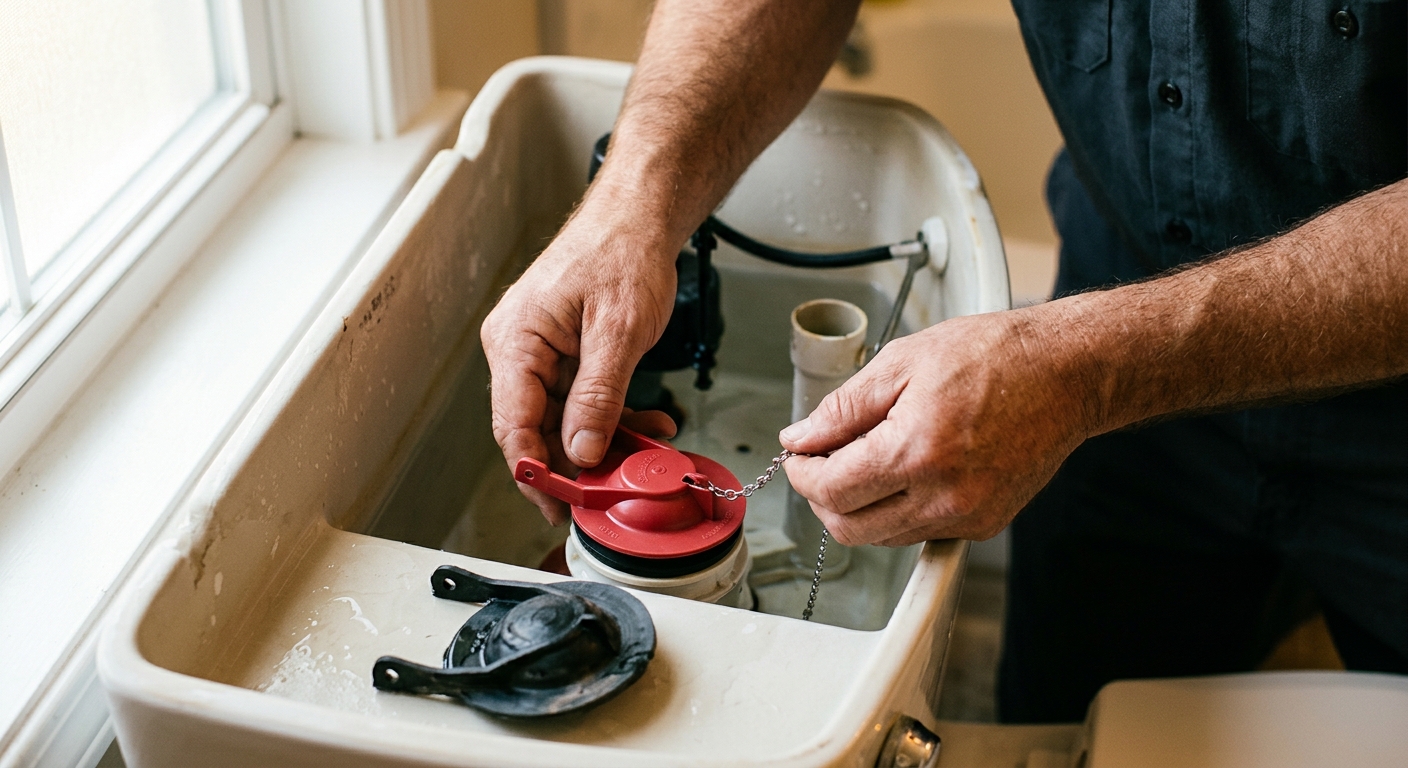
A silently leaking toilet flapper can waste 200 gallons of water per day without a single visible drip. Catching and fixing this common problem takes less than an hour and pays for itself in the first month.
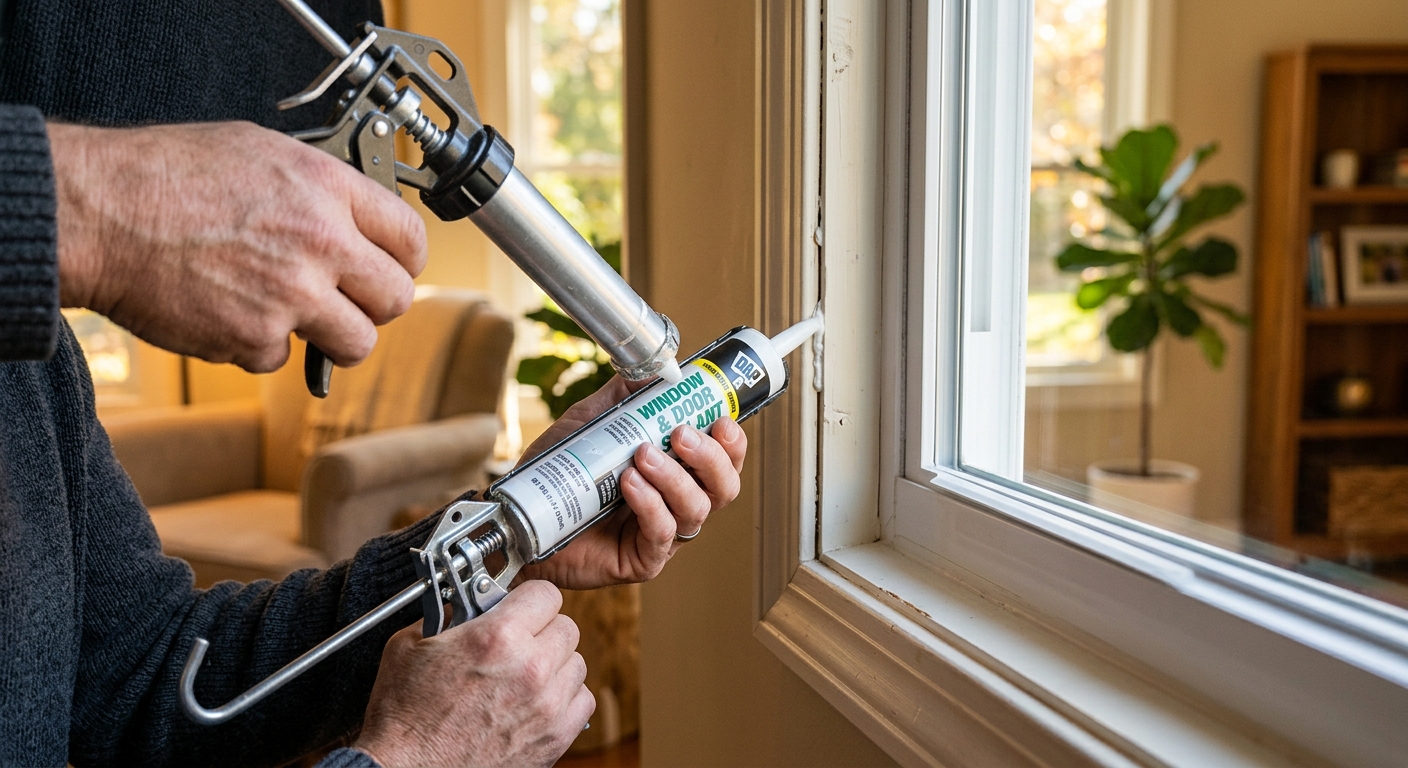
Replacing your windows is a major investment, but new glass alone does not stop drafts if the surrounding installation has gaps, failed caulk, or missing foam. This guide explains the real causes of post-replacement drafts and shows you exactly how to seal them for good.
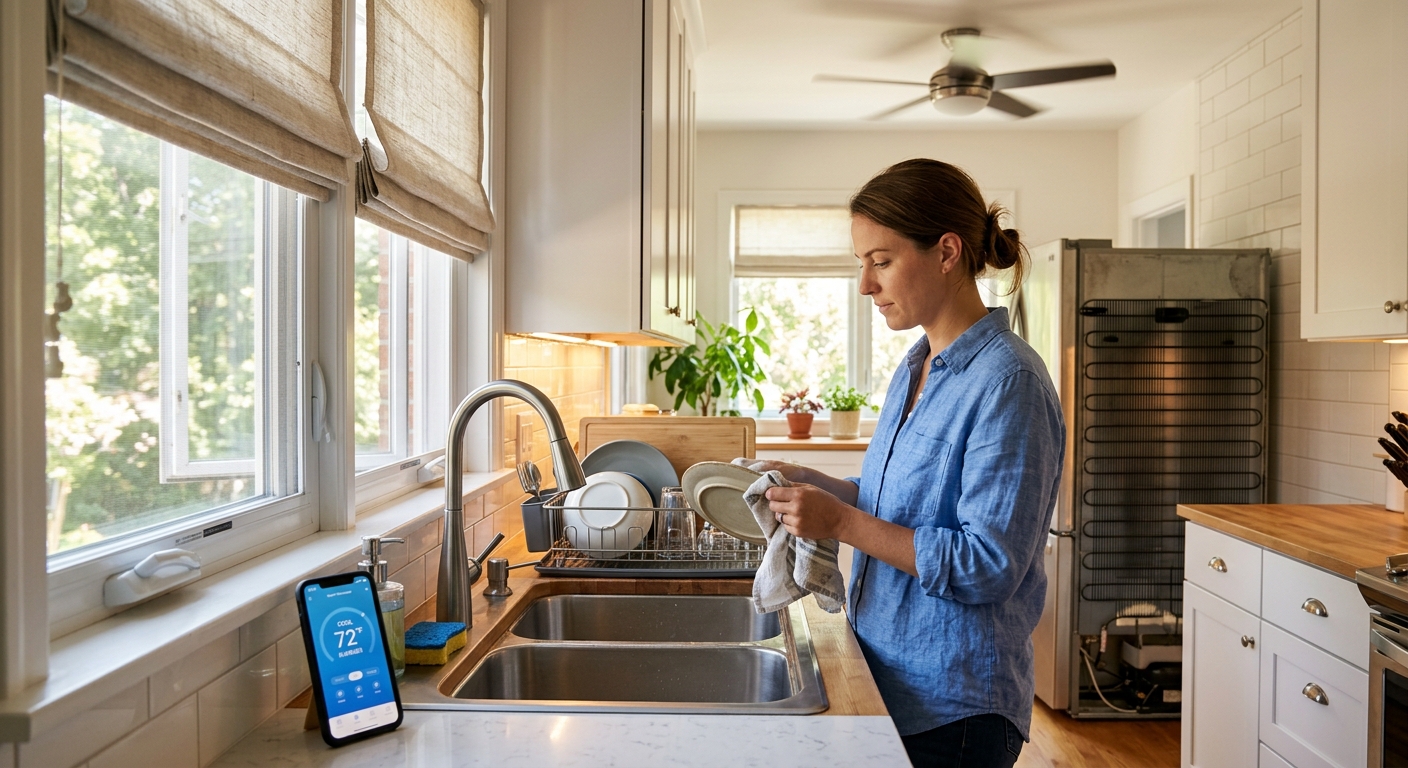
Your AC is working overtime, but the problem might not be outside. Five common indoor heat sources can add thousands of BTUs to your cooling load, driving up energy bills by 20 to 40%.
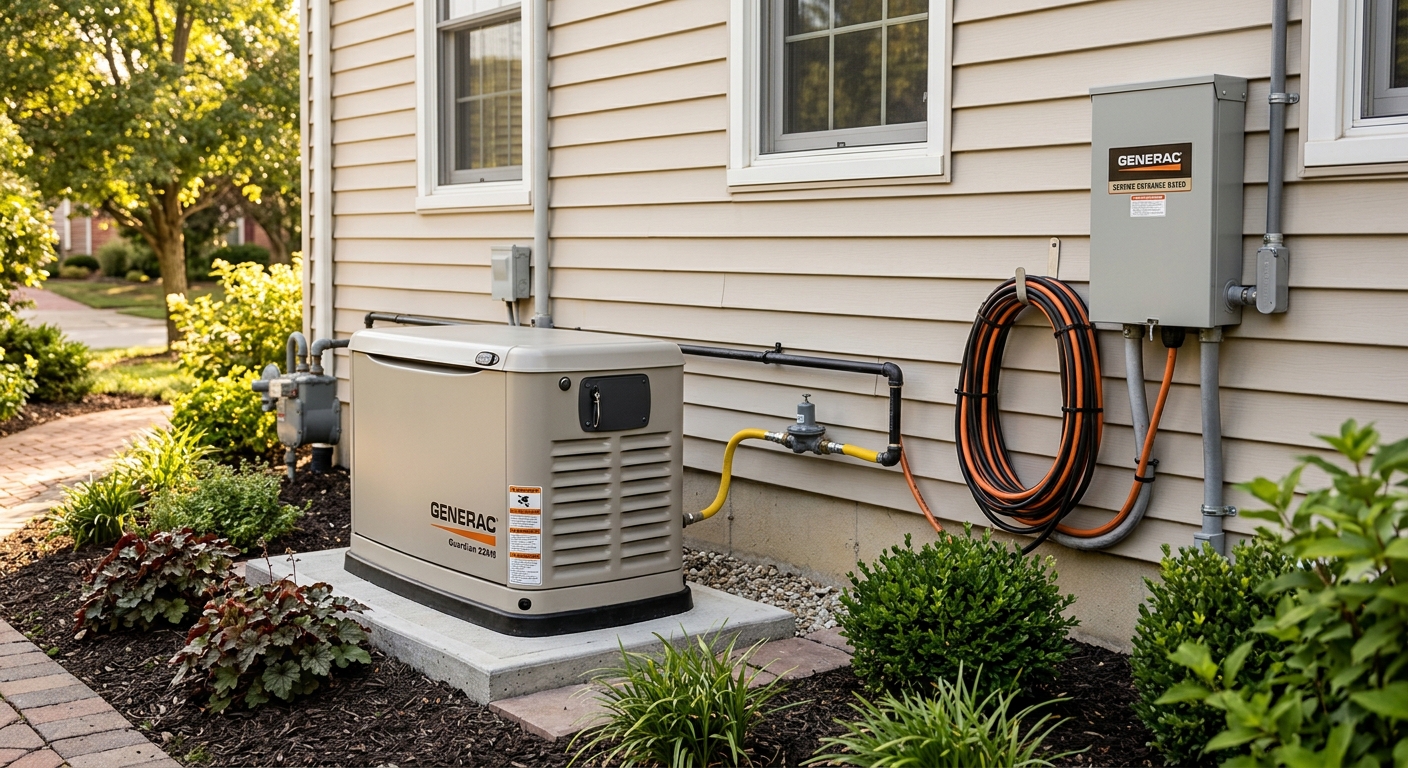
Buying a generator that is too small means watching critical appliances go dark during the next outage, while buying too large wastes hundreds of dollars upfront and more on fuel. This guide walks you through the exact math and decision framework to size a generator correctly for your home the first time.
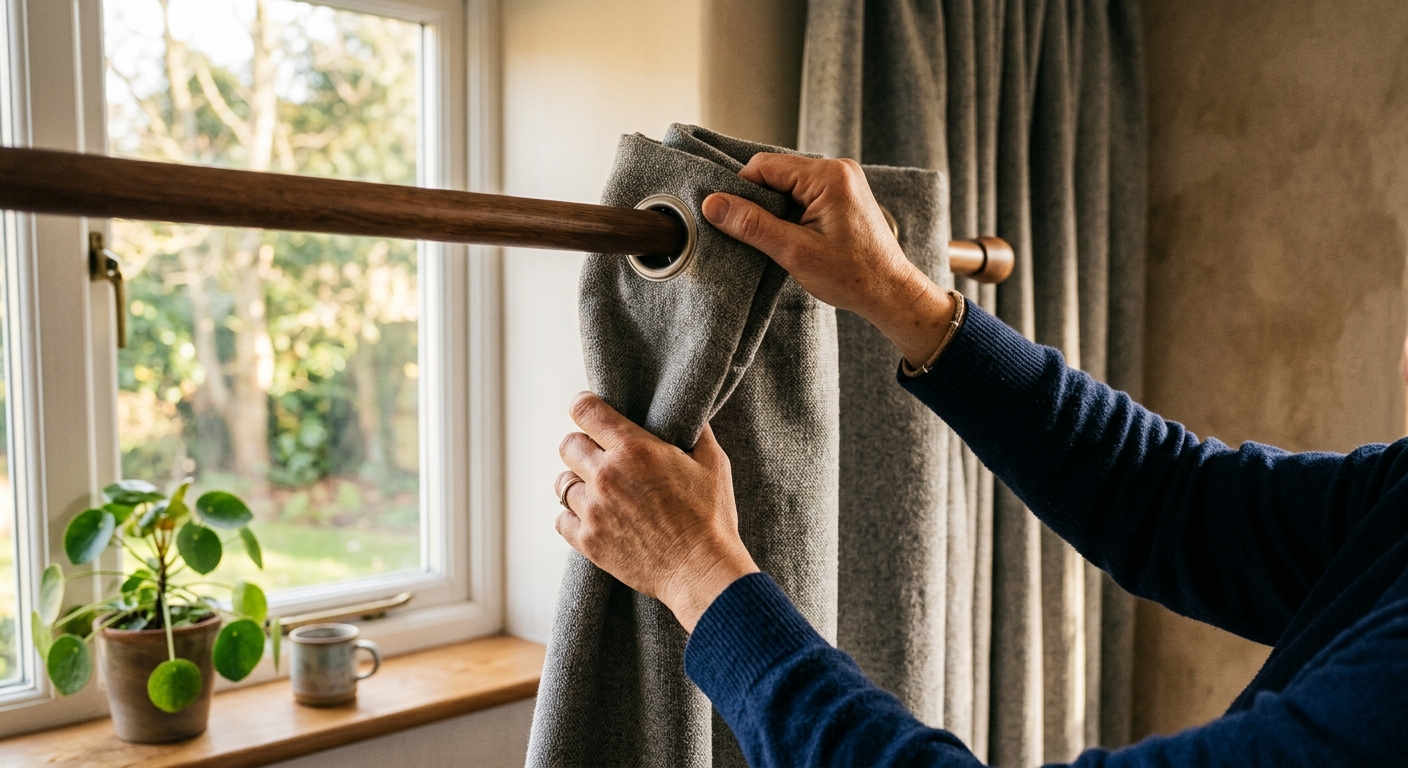
Windows are responsible for up to 30% of your home’s heating and cooling loss, making them one of the biggest comfort and energy drains in any season. Thermal curtains are a low-cost, renter-friendly fix that can slash that loss significantly and pay for themselves within months.
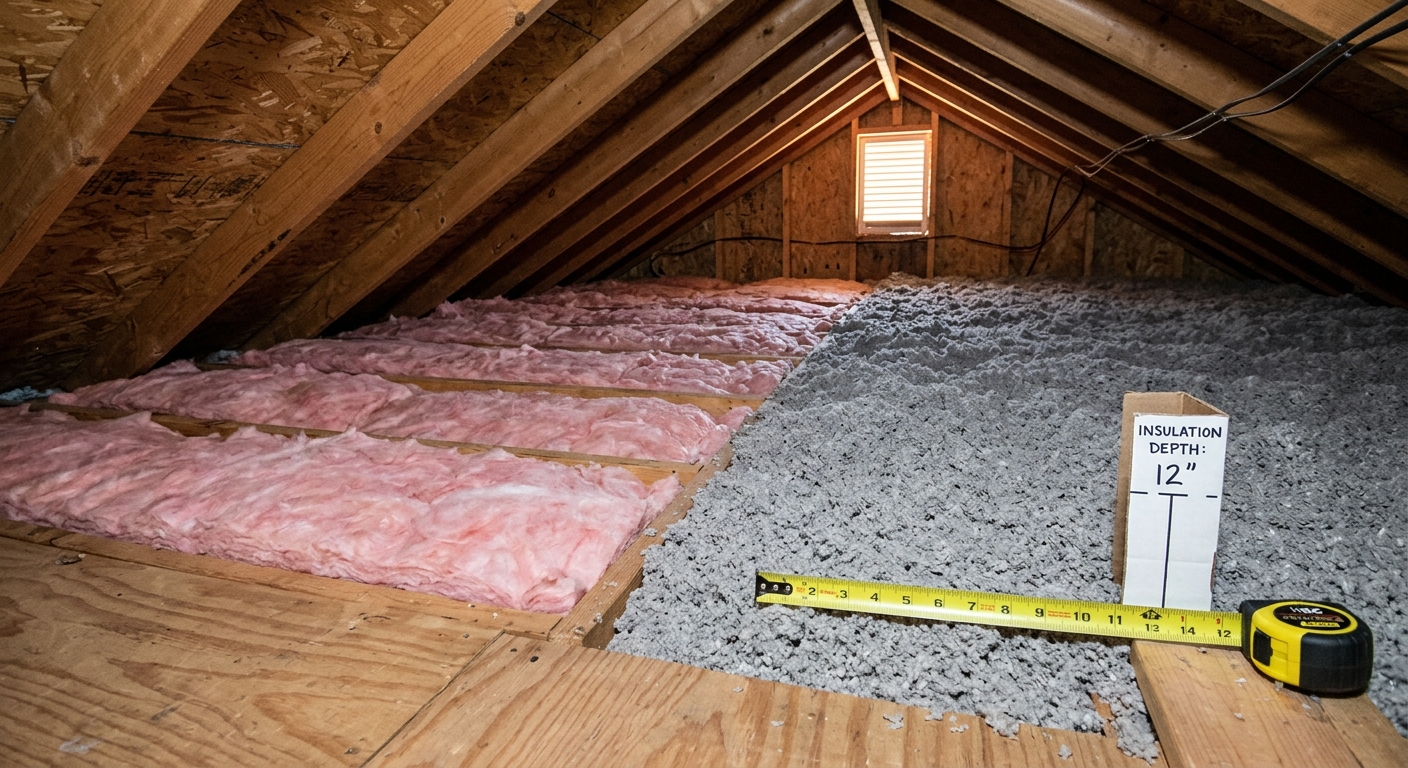
Choosing the wrong insulation type for your attic or walls can leave hundreds of dollars in savings on the table every year. This guide breaks down when blown-in insulation wins, when batt is the smarter choice, and exactly how much each can save based on your home type.
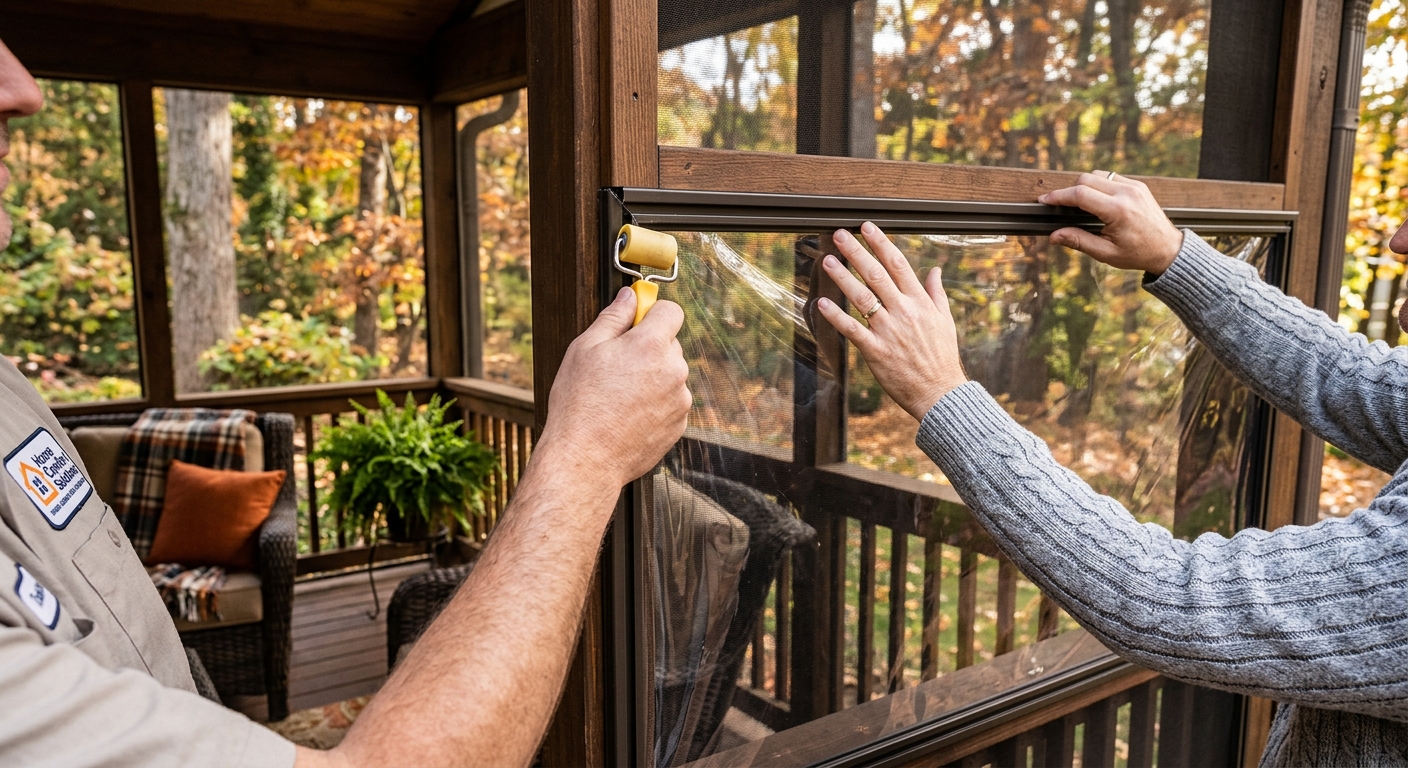
Most screened porches sit empty for months because they get too cold in fall and too hot in summer. With the right combination of targeted heating, shading, and air sealing, you can realistically extend your porch season by 8 to 12 weeks without a full enclosure.