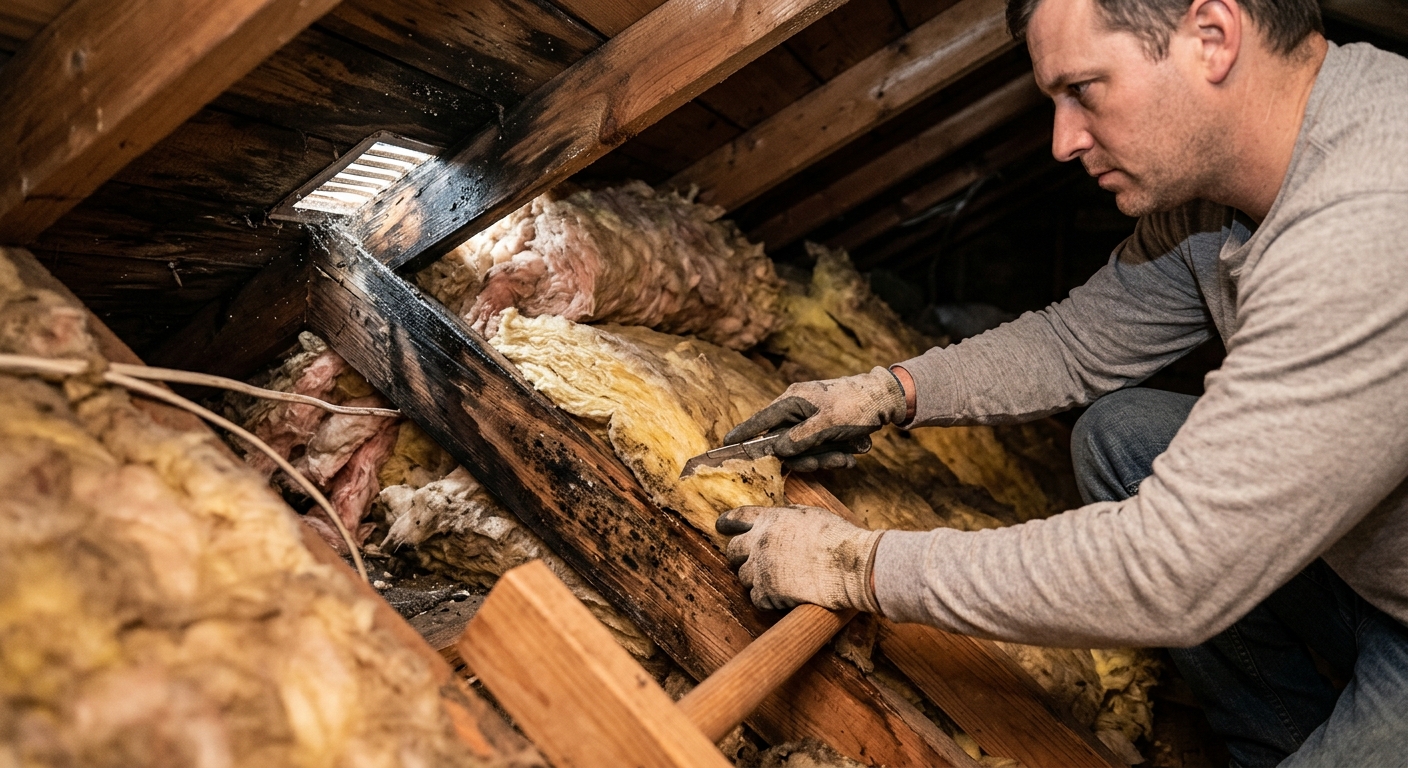
Most homeowners worry about too little insulation, but adding too much without addressing ventilation and air sealing can create serious moisture, air quality, and structural problems. Understanding the point of diminishing returns helps you insulate smarter, not just thicker.
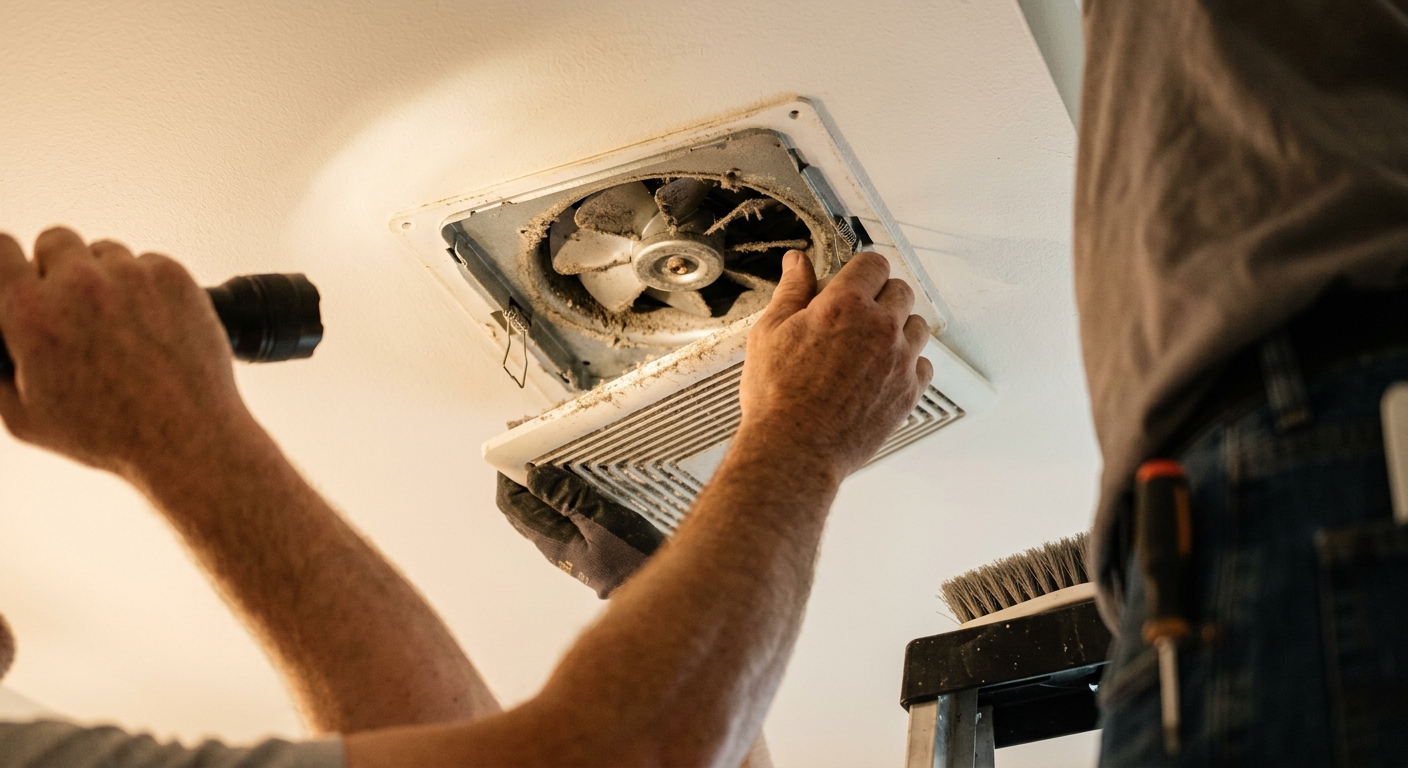
A bathroom exhaust fan that runs but leaves moisture behind is one of the most overlooked causes of mold, peeling paint, and structural damage in homes. Learn how to diagnose the real problem and fix it fast, often for under $50.
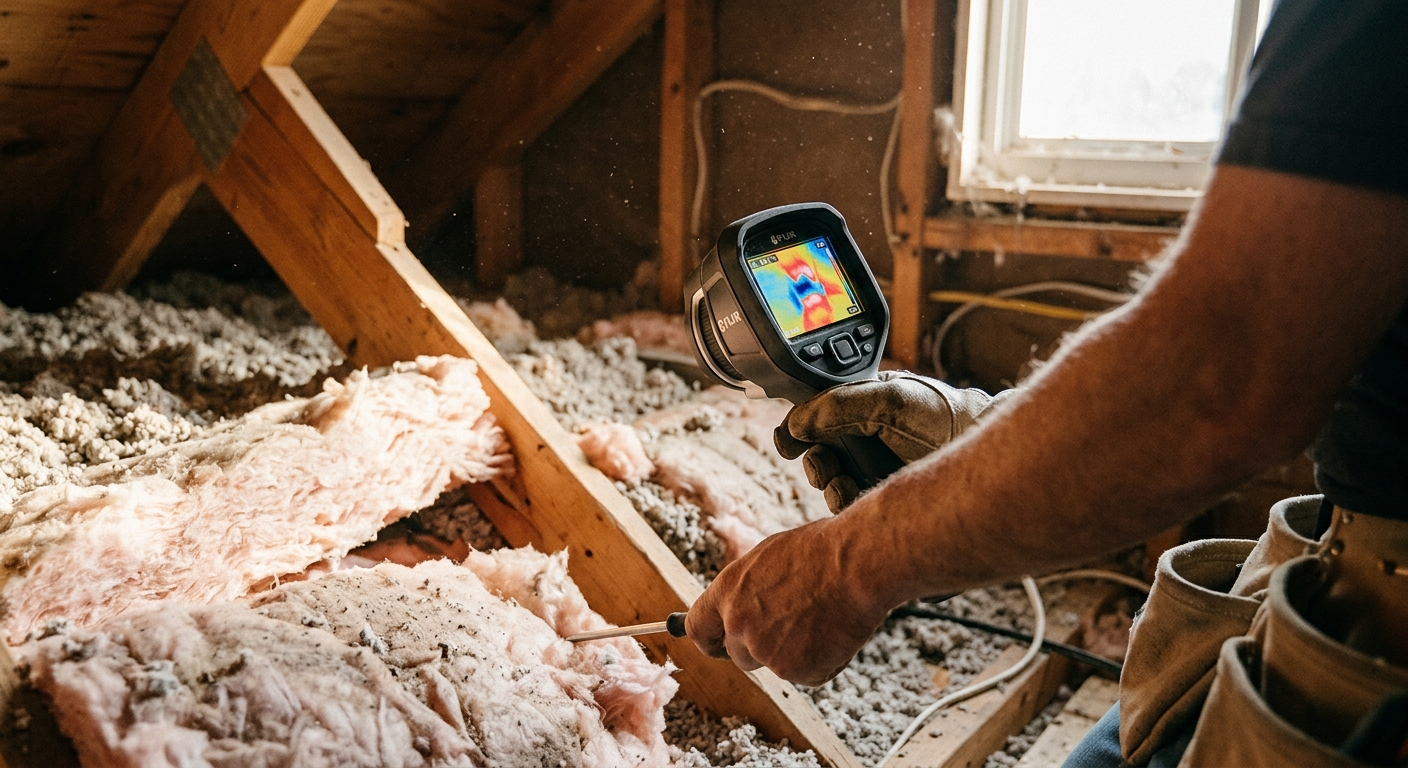
Most homeowners have no idea where their insulation is failing until they see it on an energy bill. A home energy audit gives you a precise, room-by-room picture of where heat is escaping and exactly what to fix first.
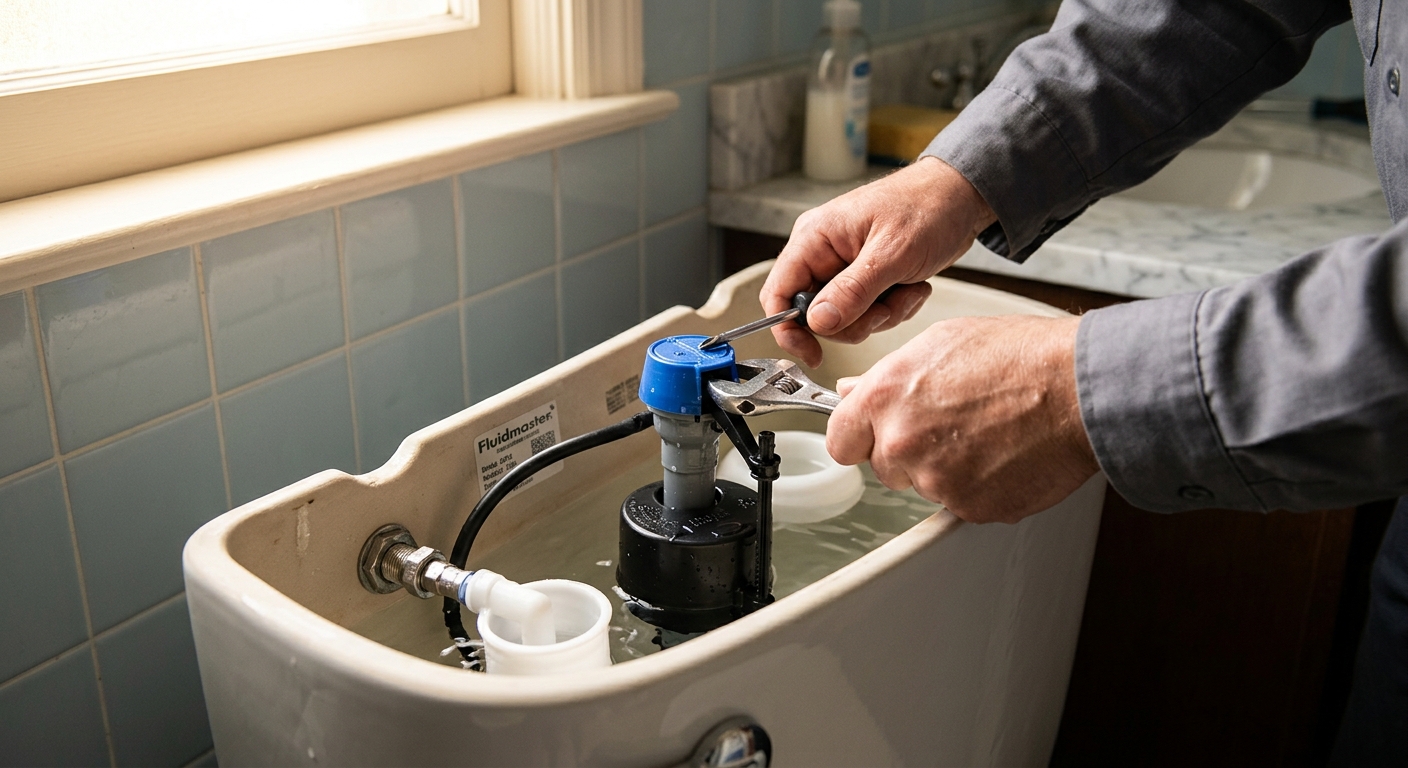
A toilet tank that takes more than 3 minutes to refill is wasting water and signaling a component that is about to fail. Diagnosing and fixing the cause yourself takes less than an hour and can save hundreds of gallons of water per month.
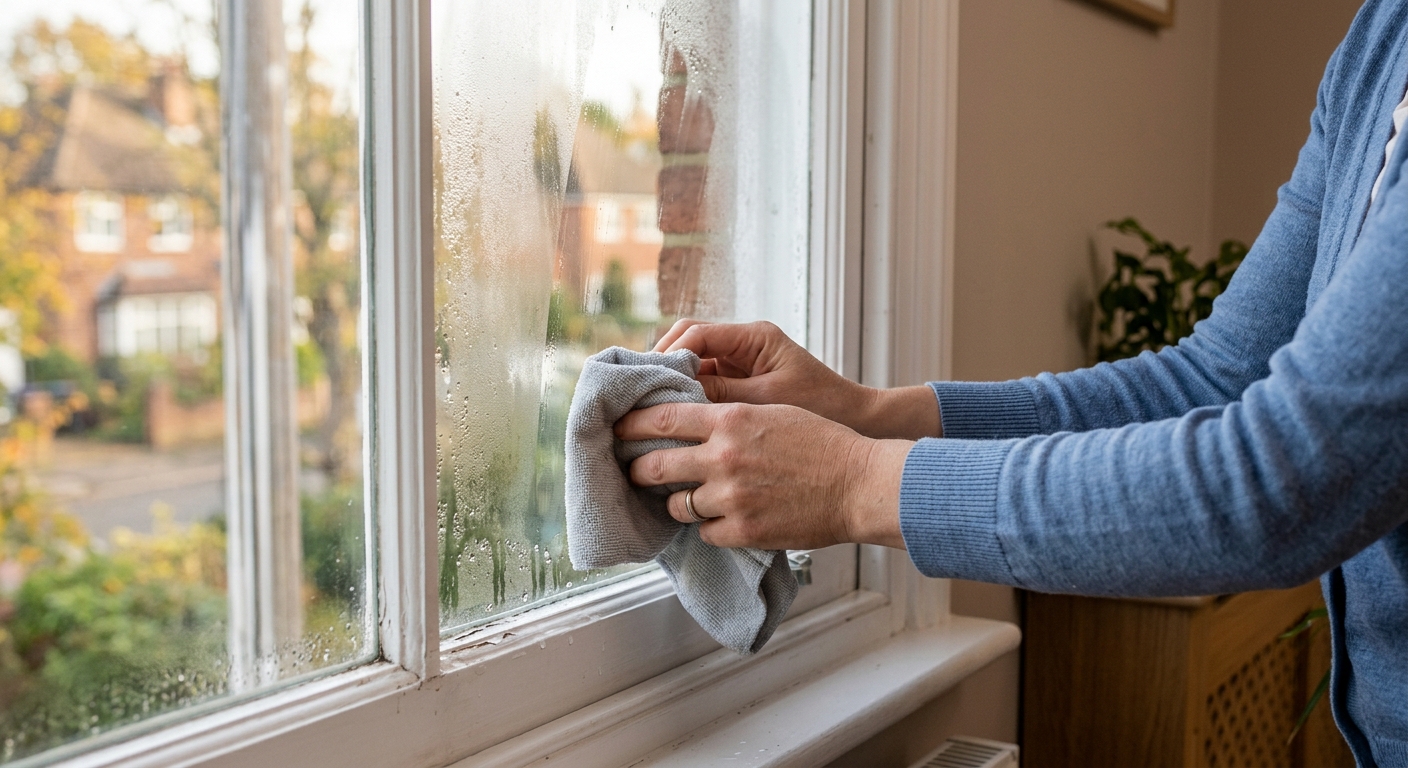
Window condensation looks harmless but it signals excess indoor humidity that can rot framing, feed mold, and peel paint within months. Learn how to identify the cause, stop the moisture at the source, and protect your home with fixes ranging from free to a few hundred dollars.
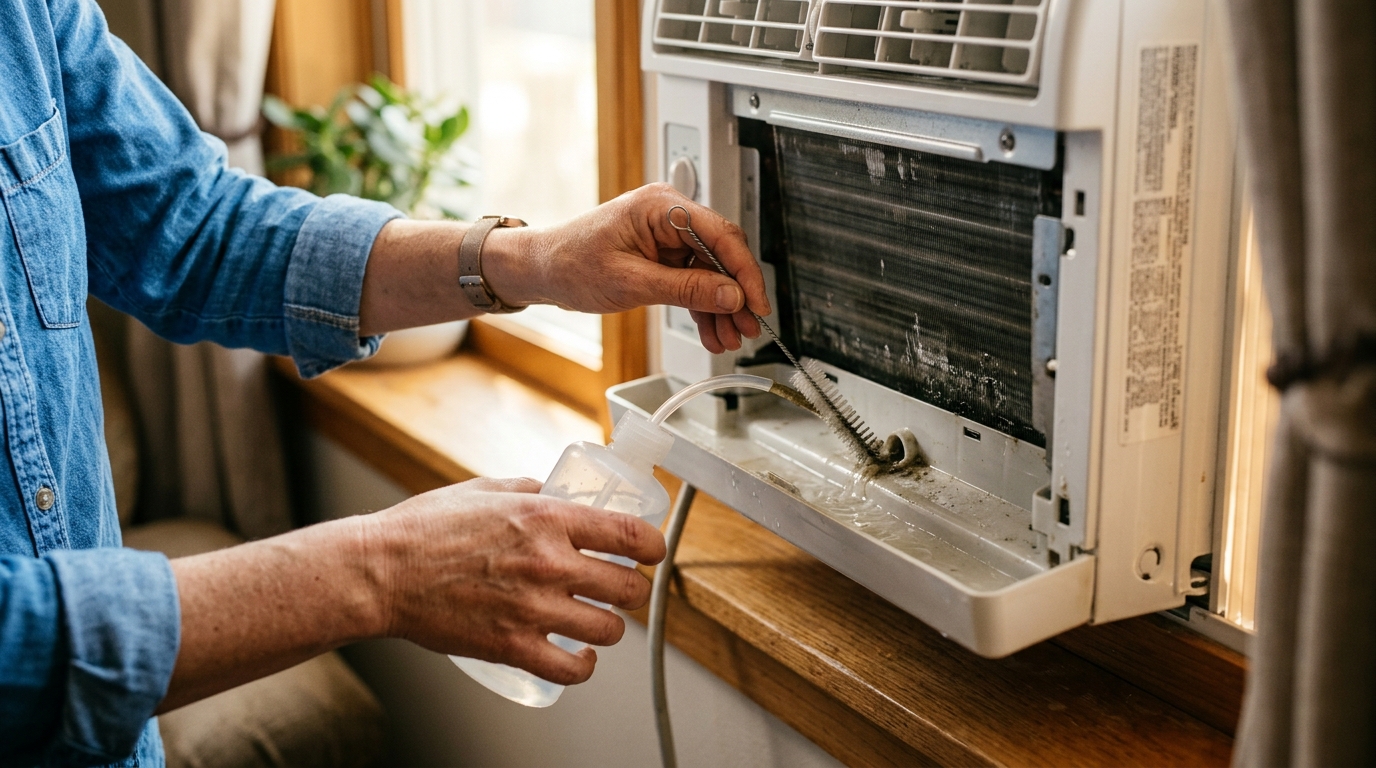
A window unit dripping water into your room is more than a nuisance – it signals a drainage problem that can damage your floors, walls, and the unit itself. Most cases come down to improper tilt, a clogged drain, or a frozen evaporator coil, and all three are fixable without calling a technician.
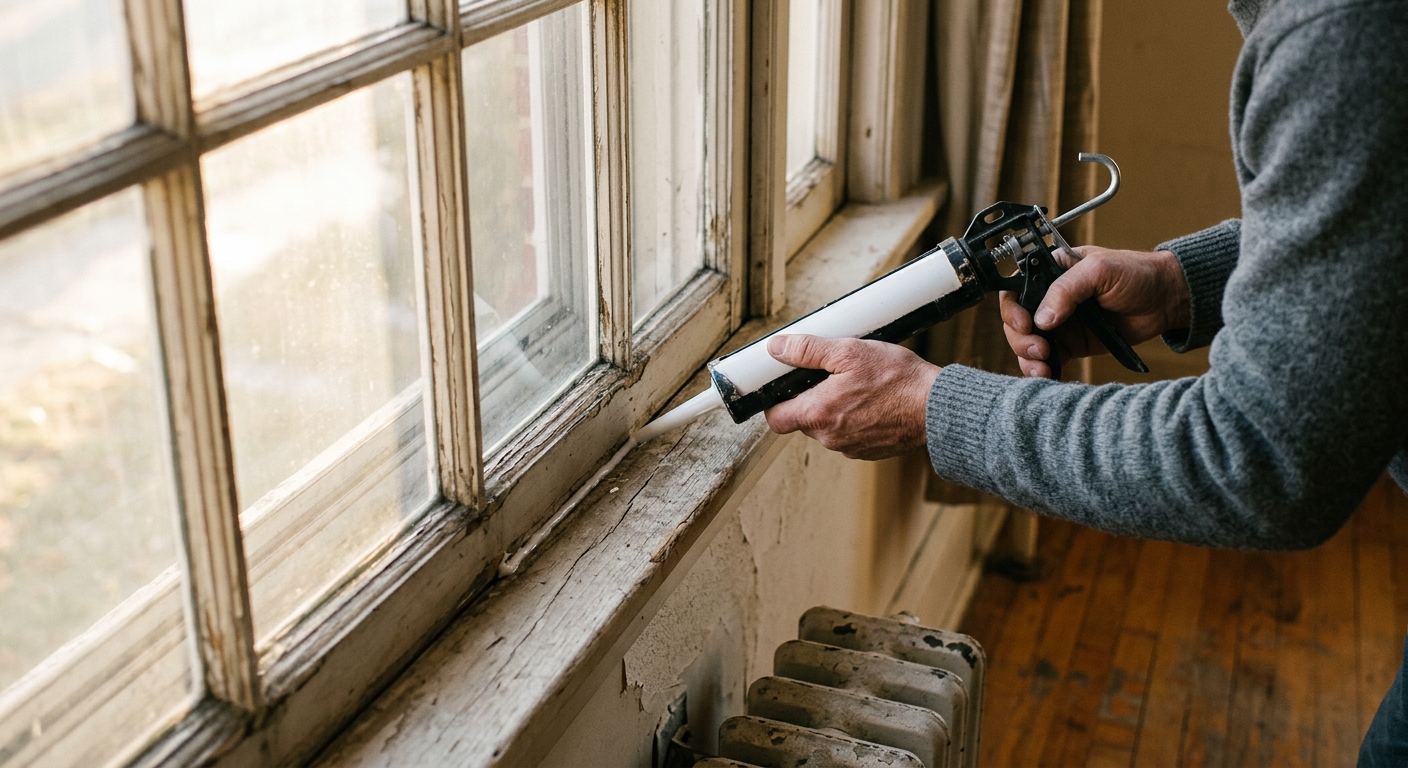
Older homes charm us with character, but they often hide decades of energy inefficiency in their walls, attics, and mechanical systems. Learn how to find the biggest money drains in an aging home and fix them in order of payback.
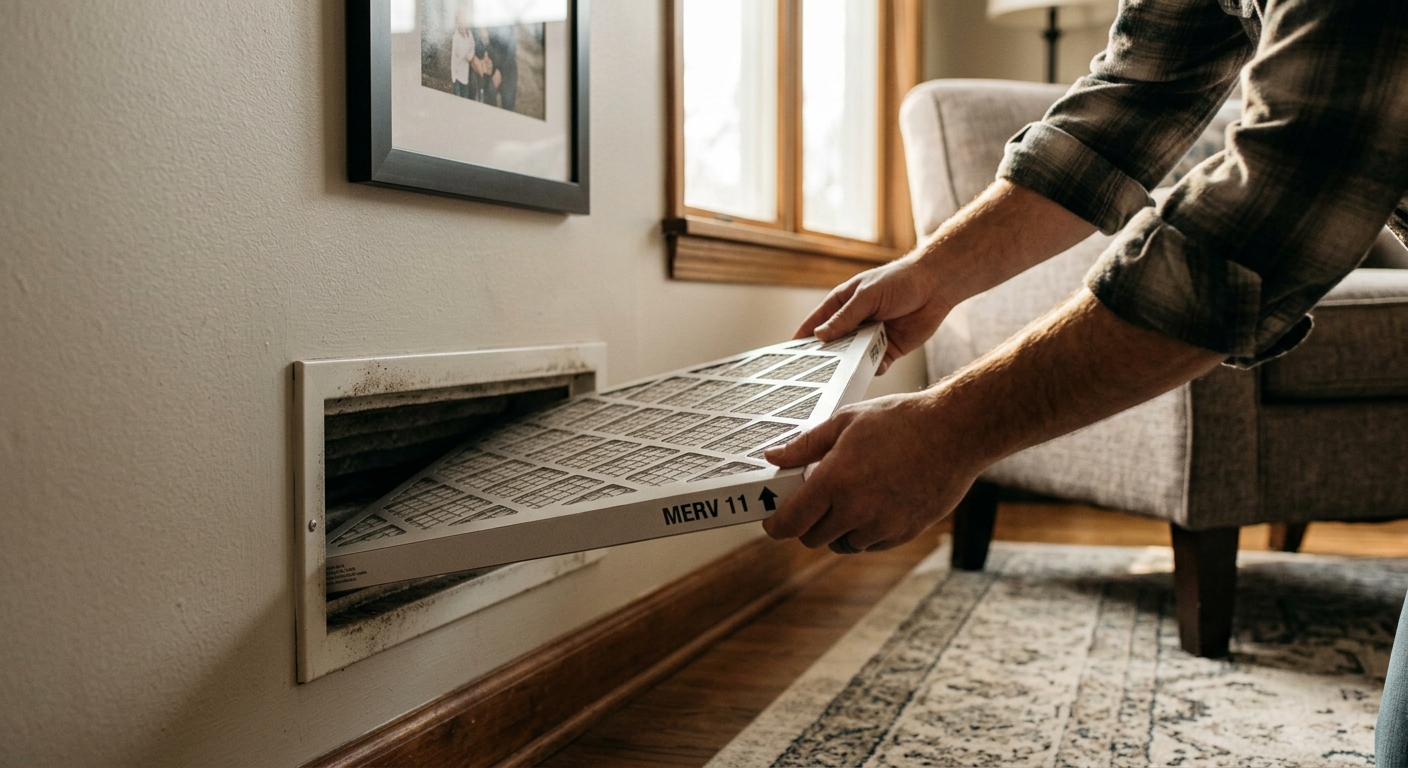
Stagnant air forces your HVAC system to work harder, drives up energy bills, and leaves some rooms stuffy while others stay empty. Fixing circulation problems with a few targeted upgrades can cut monthly cooling and heating costs by 15 to 25% while making every room in your home genuinely comfortable.
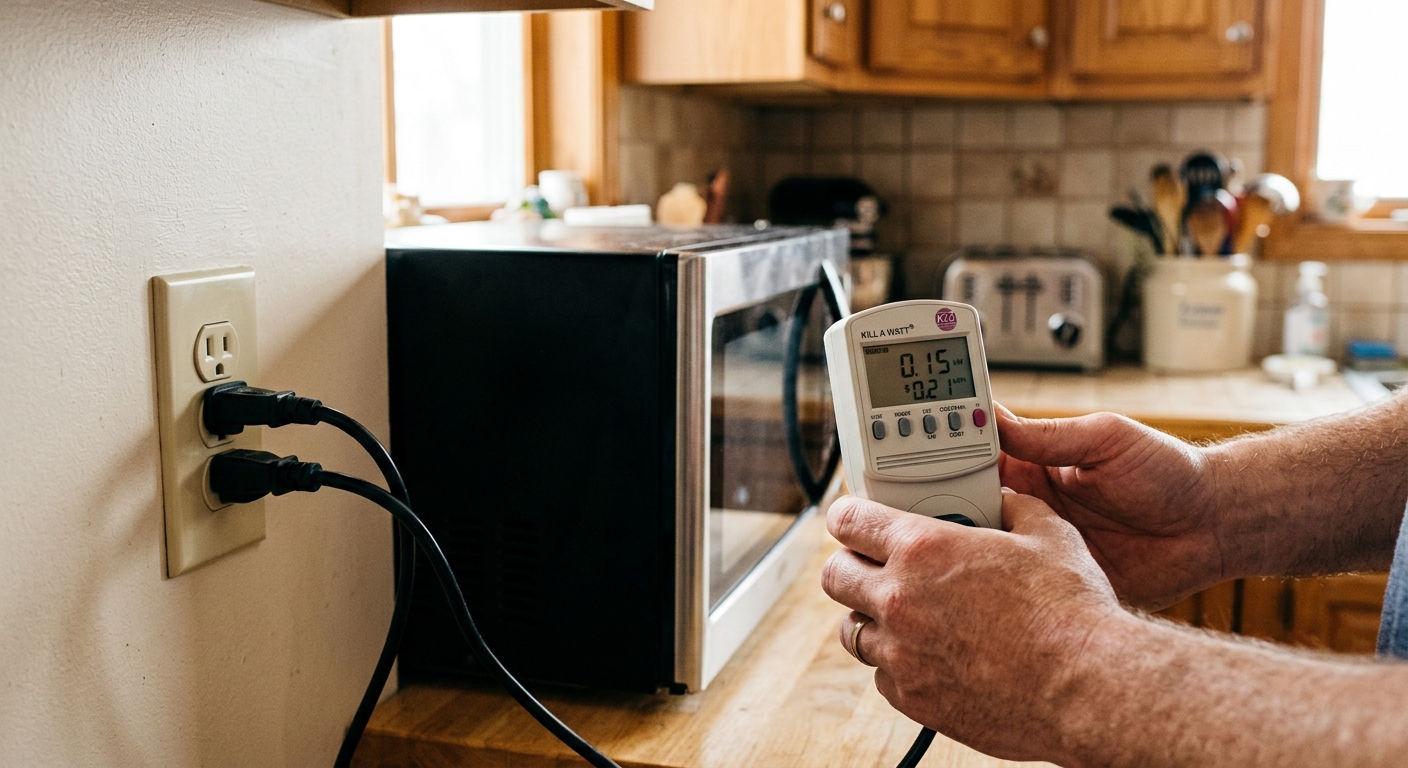
Most homeowners focus on turning off lights to save energy, but the real culprits are large appliances running 24/7 in the background. Knowing which five appliances consume the most power, and what to do about each one, can cut your monthly electric bill by 20 to 35%.
Homes built before 1980 were constructed with little to no insulation standards, leaving walls, attics, and basements as open conduits for heat loss. The good news is that targeted upgrades can cut heating bills by 20 to 40% and make your home noticeably more comfortable within a single season.