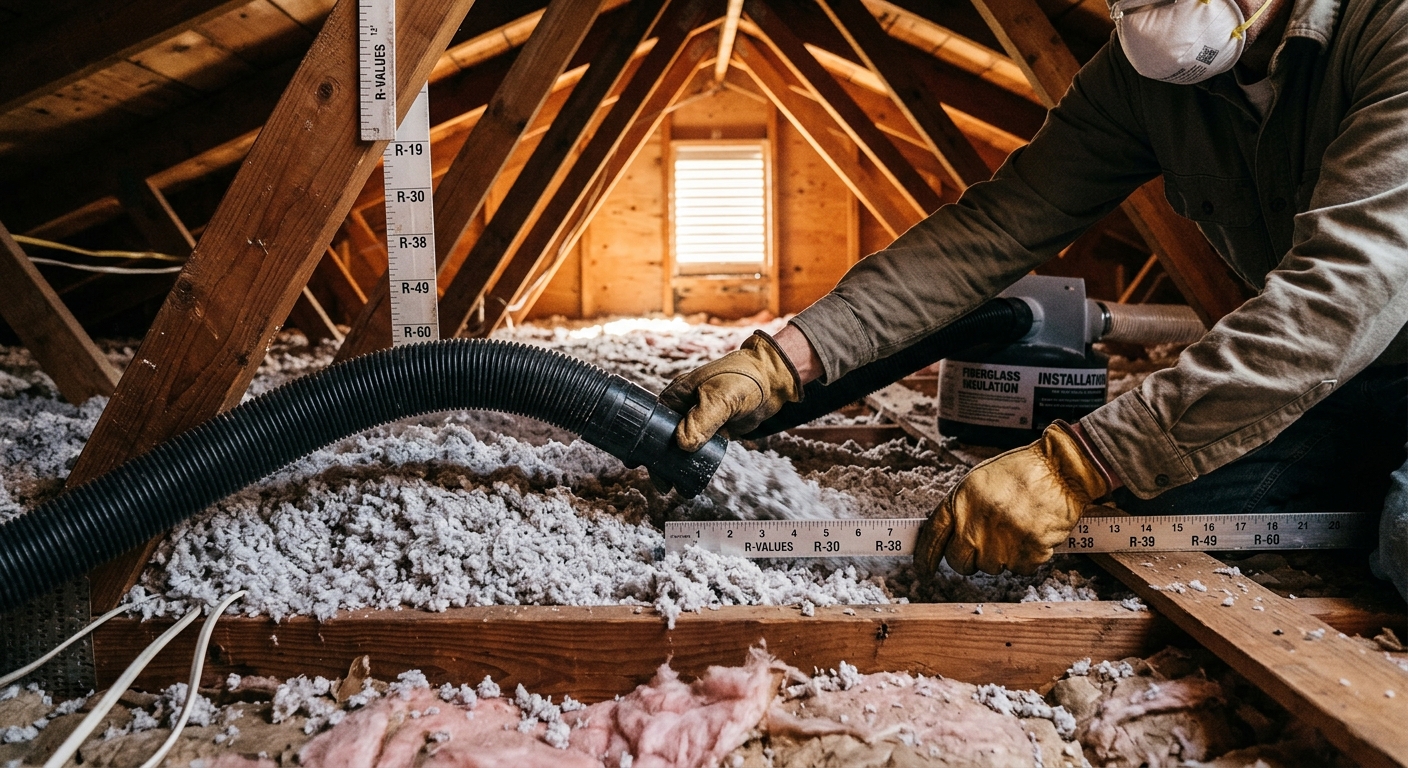
Most homes are under-insulated by 30 to 50%, and homeowners often have no idea what R-value they actually need for their climate. This guide breaks down DOE-recommended R-values by zone and shows you exactly how to close the gap, whether you rent, own, or are working with a tight budget.
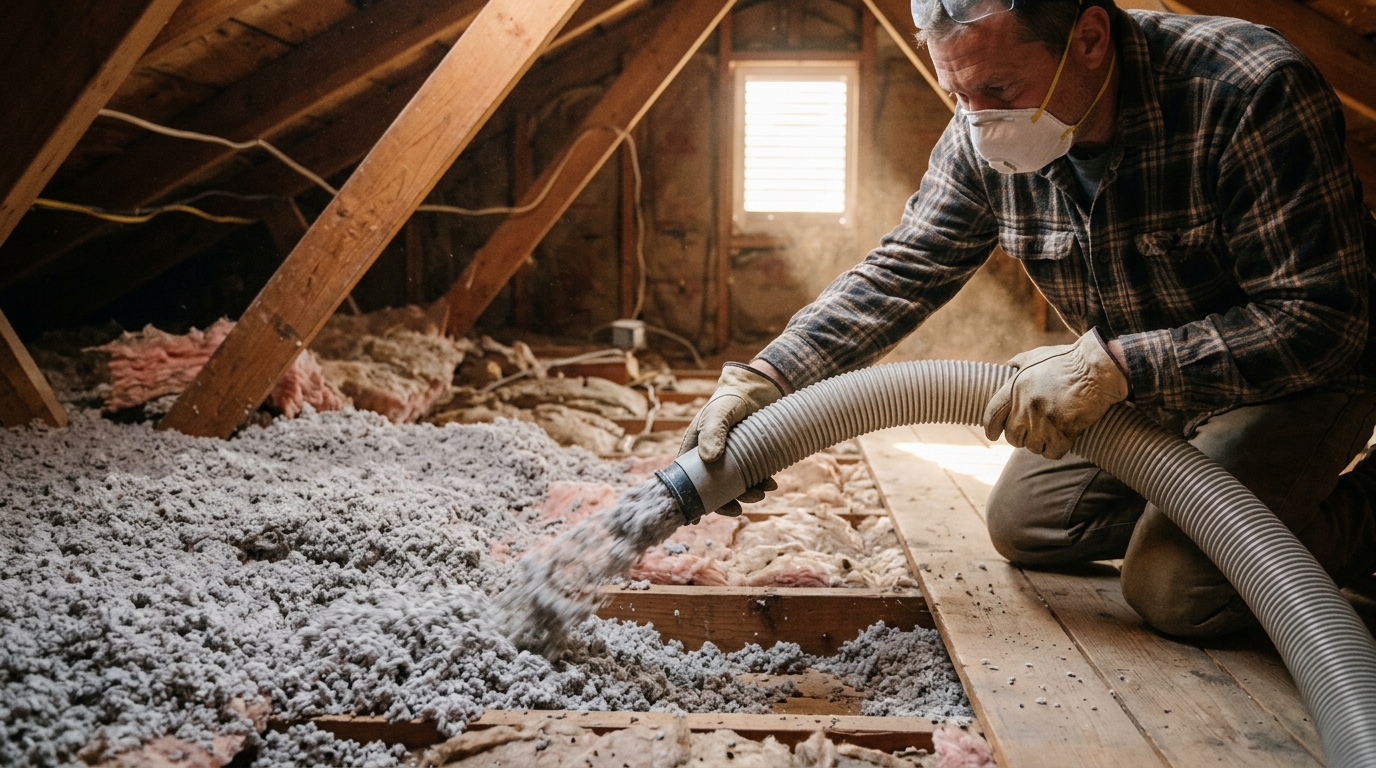
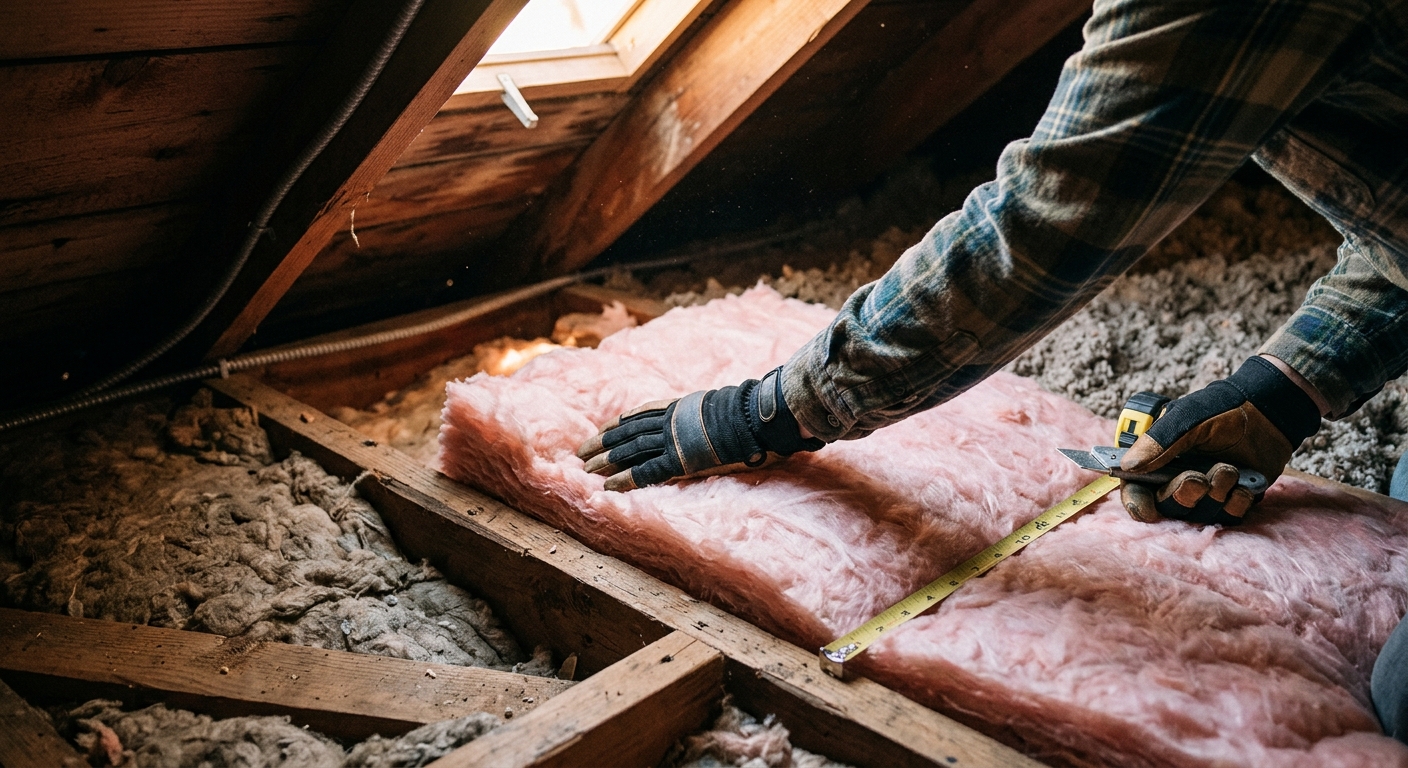
A poorly insulated attic is one of the biggest sources of energy loss in most homes, responsible for up to 25% of total heating and cooling waste. This step-by-step guide walks you through adding blown-in insulation yourself, with real cost numbers, payback timelines, and professional tips to get it right the first time.
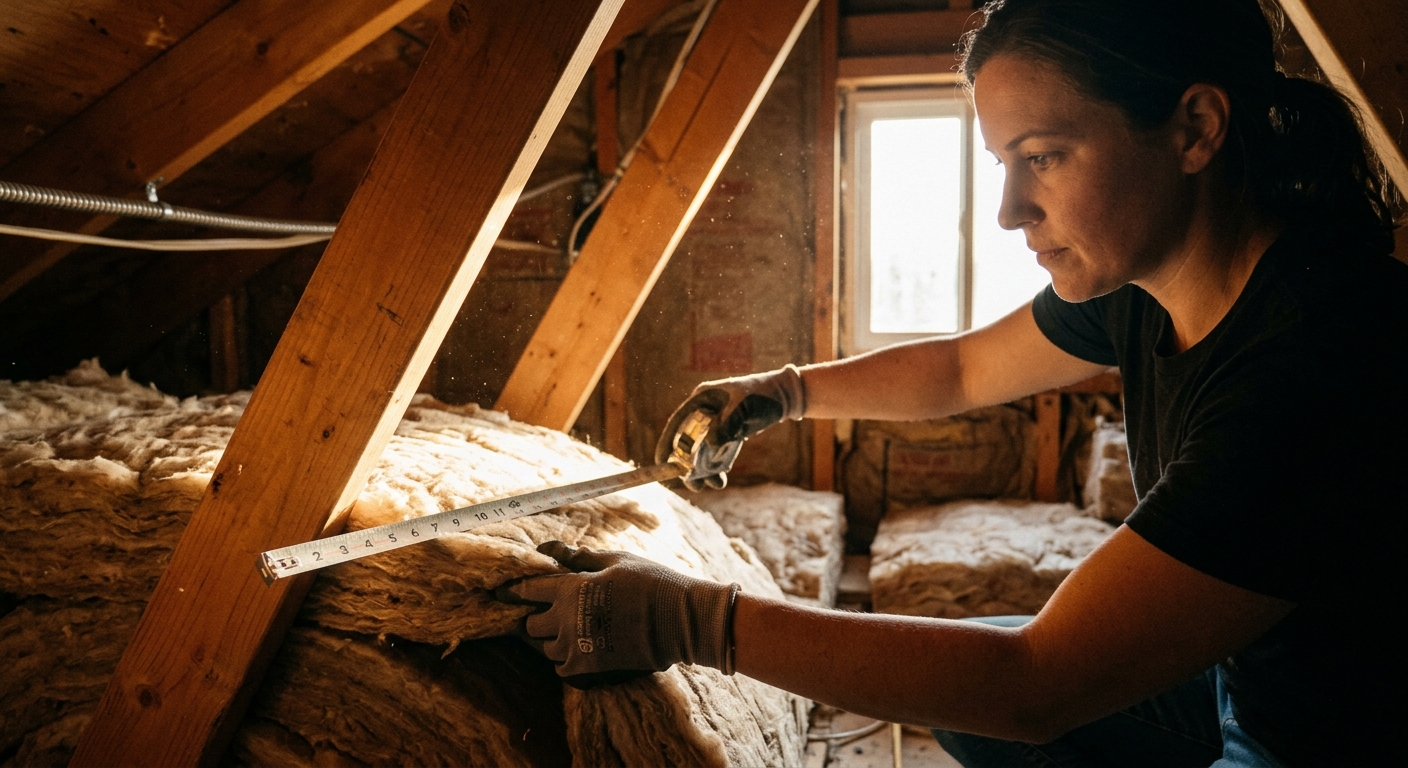
Most homeowners have no idea their insulation is underperforming until they see a sky-high energy bill. These simple self-inspection techniques can reveal the truth in under an hour, no professional required.
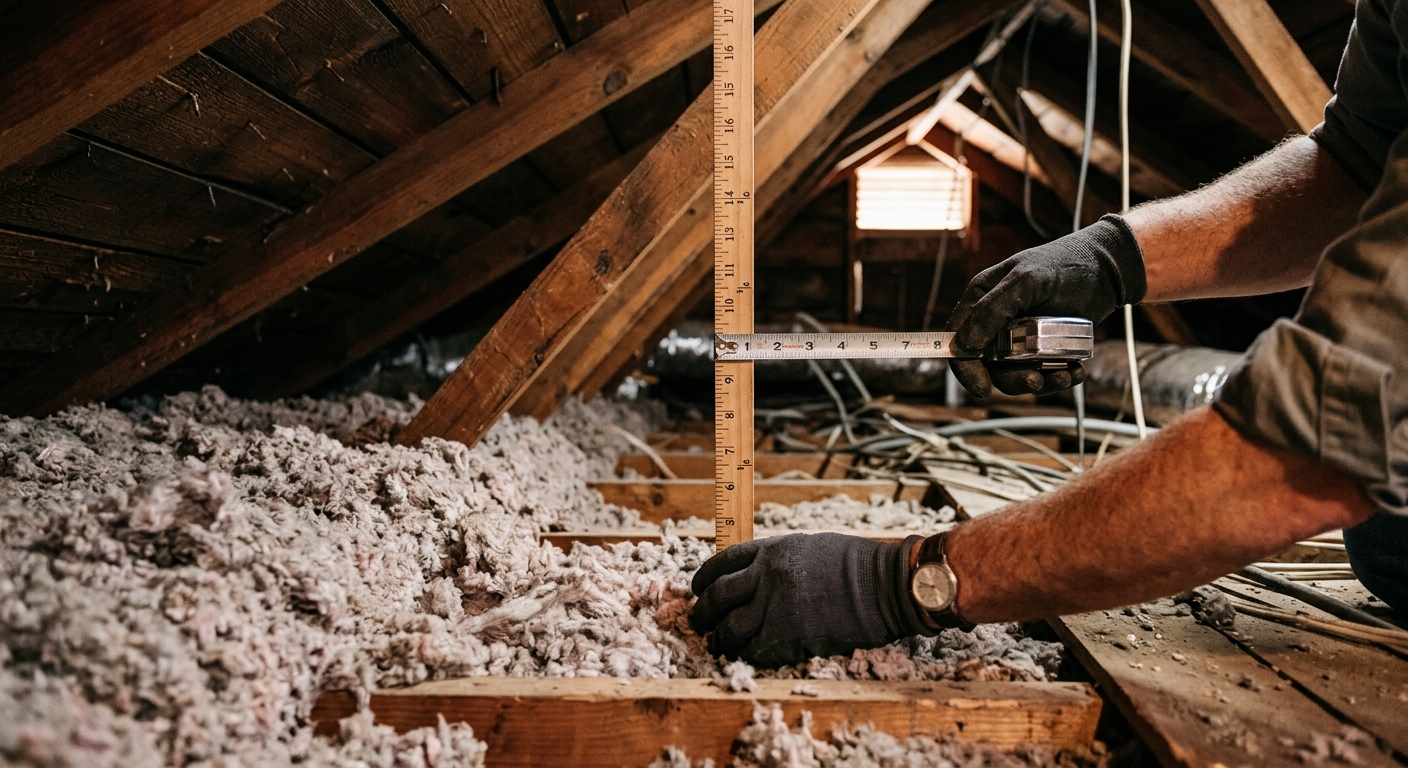
Most homeowners have no idea whether their attic insulation is doing its job – and a thin or damaged layer could be costing them hundreds of dollars every heating season. A simple 15-minute inspection tells you exactly what you have, what you need, and how to fix it before the cold arrives.
Most homeowners assume their attic insulation is fine until they see a sky-high energy bill or feel uncomfortable rooms. Here is how to test it yourself in under an hour and know exactly what action to take next.
Poor insulation forces your furnace or heat pump to run nearly constantly just to maintain a comfortable temperature, quietly draining hundreds of dollars from your budget every winter. Upgrading your insulation is one of the highest-return investments a homeowner can make, with payback periods as short as two to four years.
Most homeowners assume insulation works the same way year-round, but heat moves through your home by completely different mechanisms depending on the season. Understanding this seasonal shift can help you target upgrades that cut both heating and cooling bills by 15 to 30%.
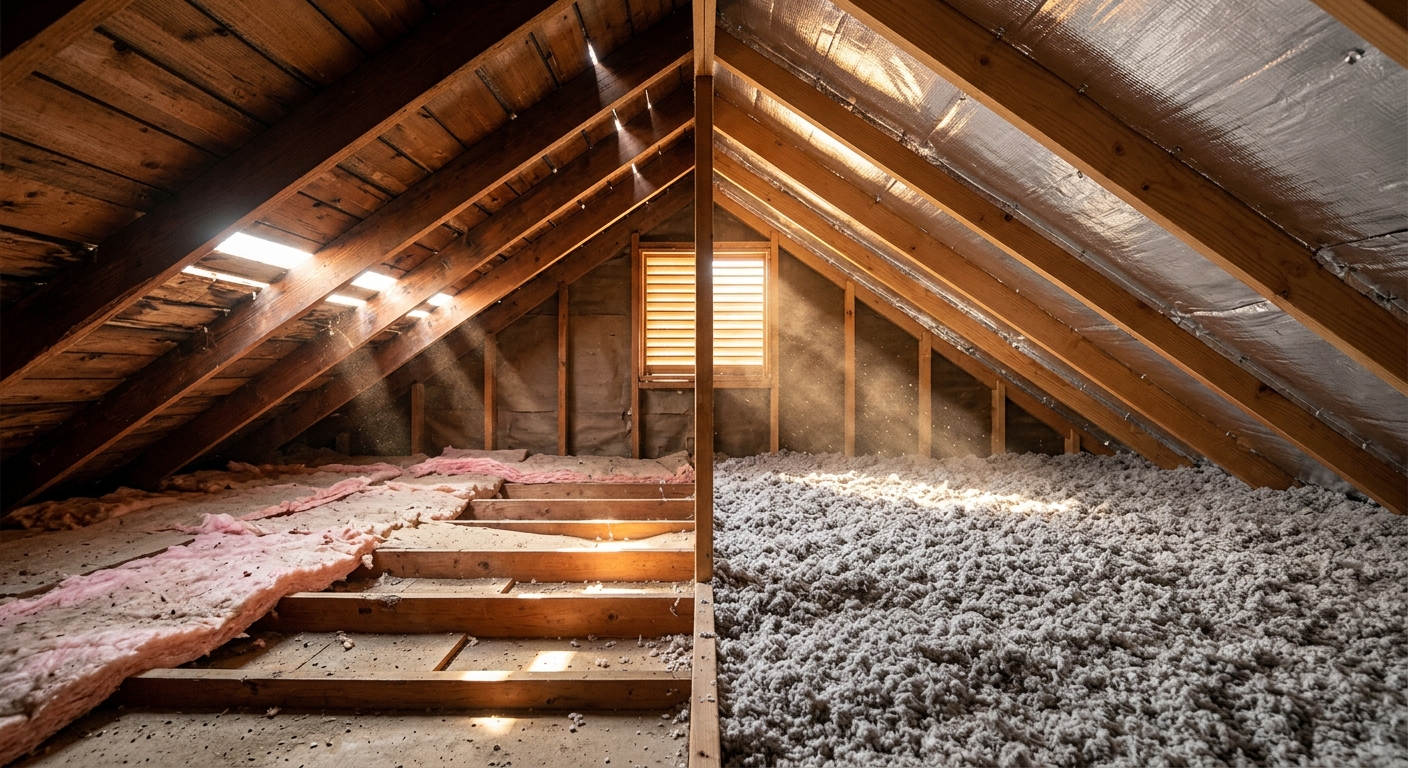
Attic insulation is one of the highest-impact upgrades a homeowner can make, yet millions of homes are running on levels that were considered adequate in the 1970s. Adding insulation to reach the recommended R-38 to R-60 can cut heating and cooling bills by 15 to 25% annually, with payback periods as short as 2 to 3 years.
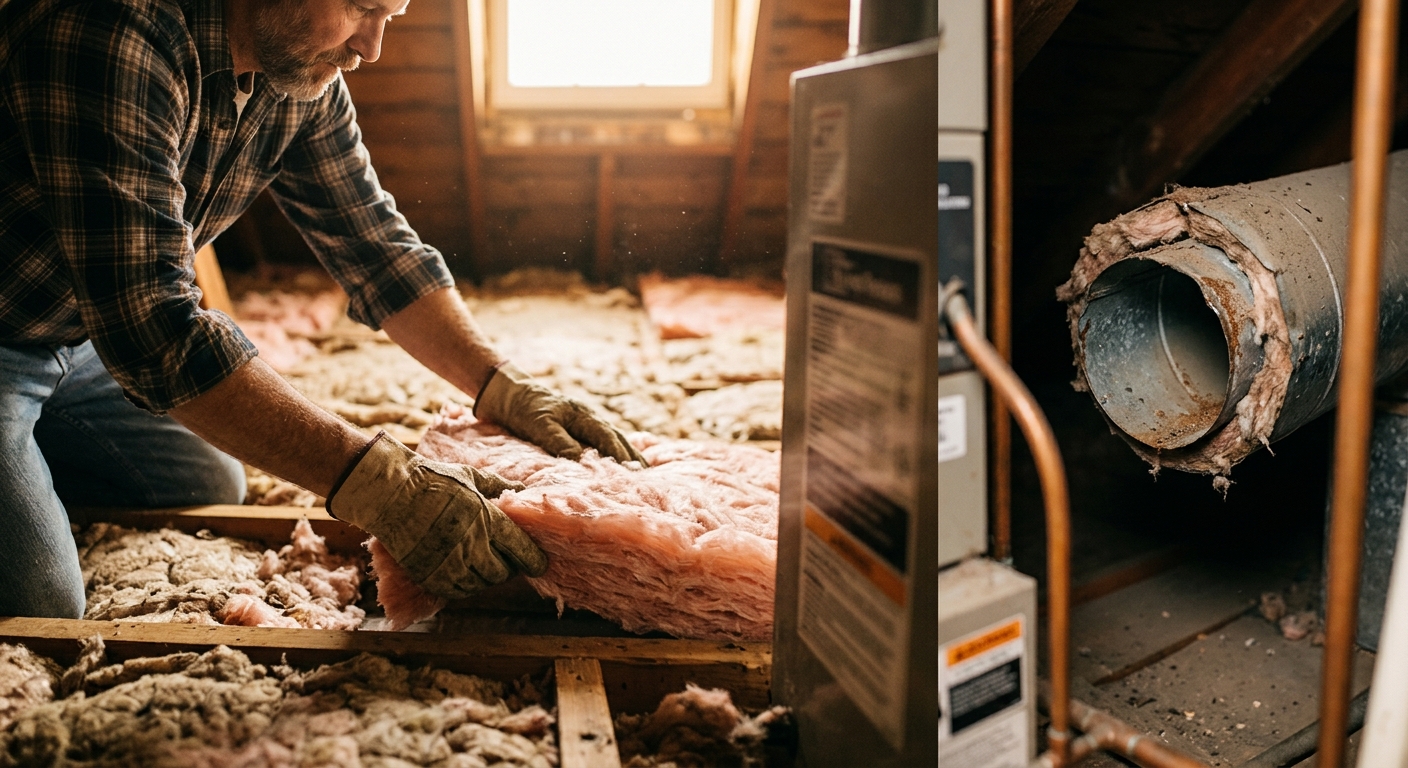
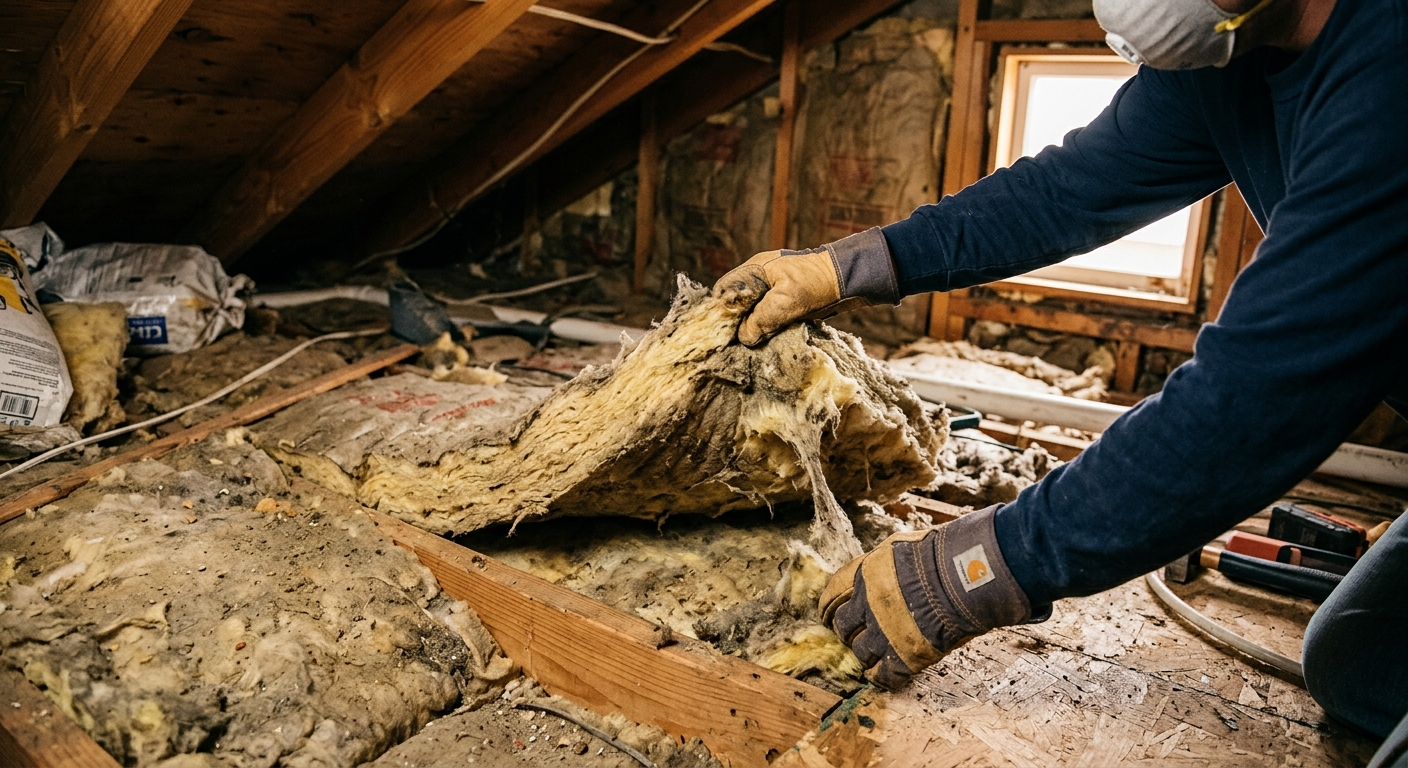
Insulation does not last forever, and aging, damaged, or undersized insulation is one of the most overlooked reasons homes are uncomfortable and expensive to heat and cool. This guide shows you how to assess what you have, recognize the warning signs, and decide whether to repair, supplement, or fully replace.
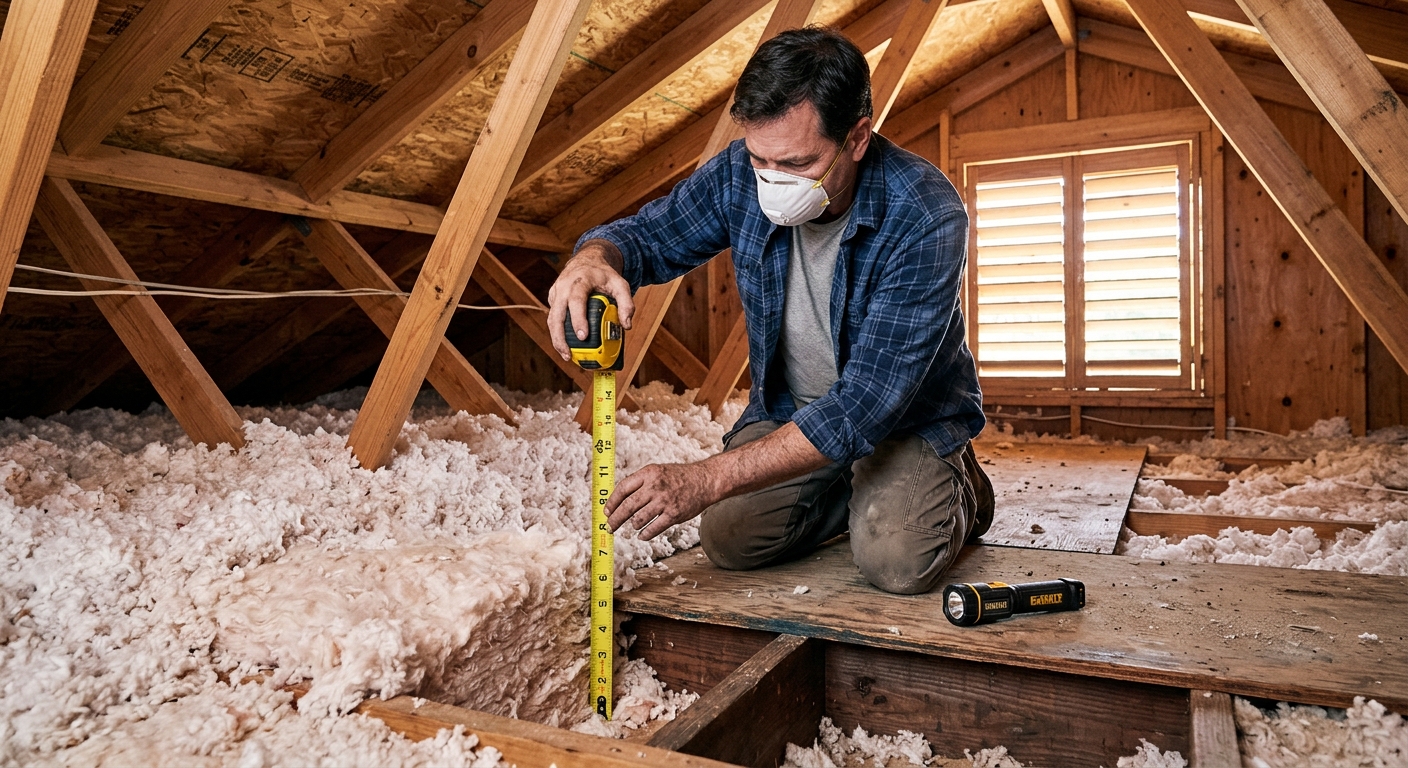
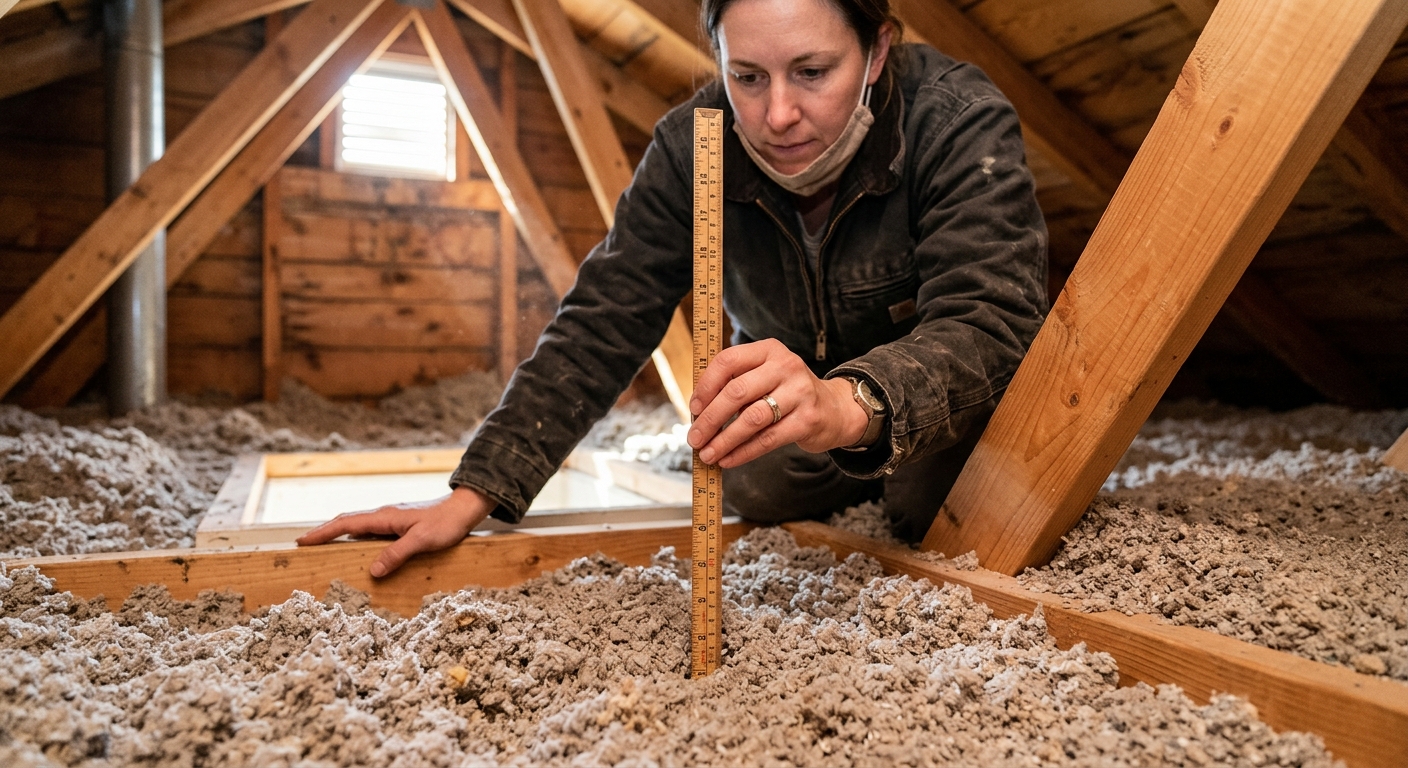
Most homes lose 25 to 30% of their heating and cooling energy through an under-insulated attic, yet most homeowners have never once looked up there to check. This guide shows you how to measure what you have, compare it to DOE recommendations for your climate, and decide whether adding more insulation makes financial sense.