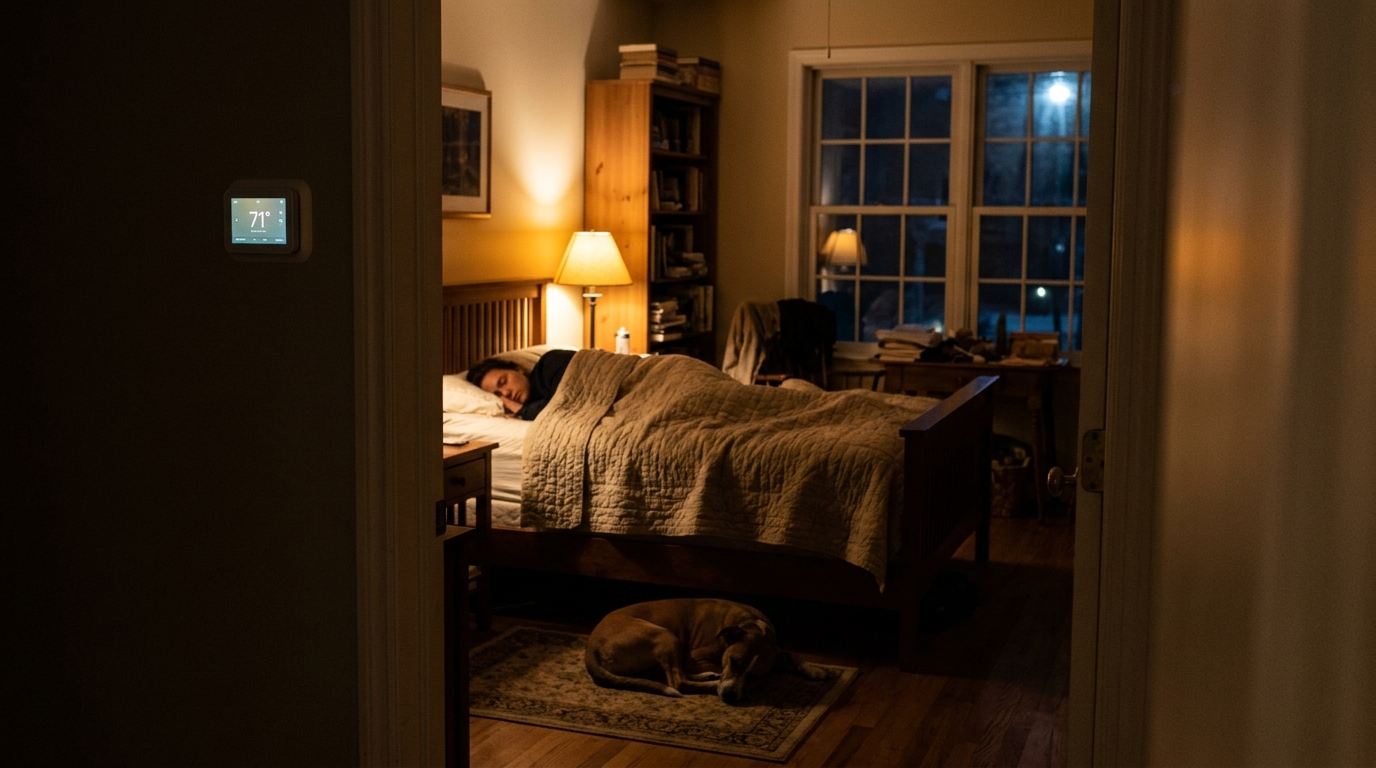
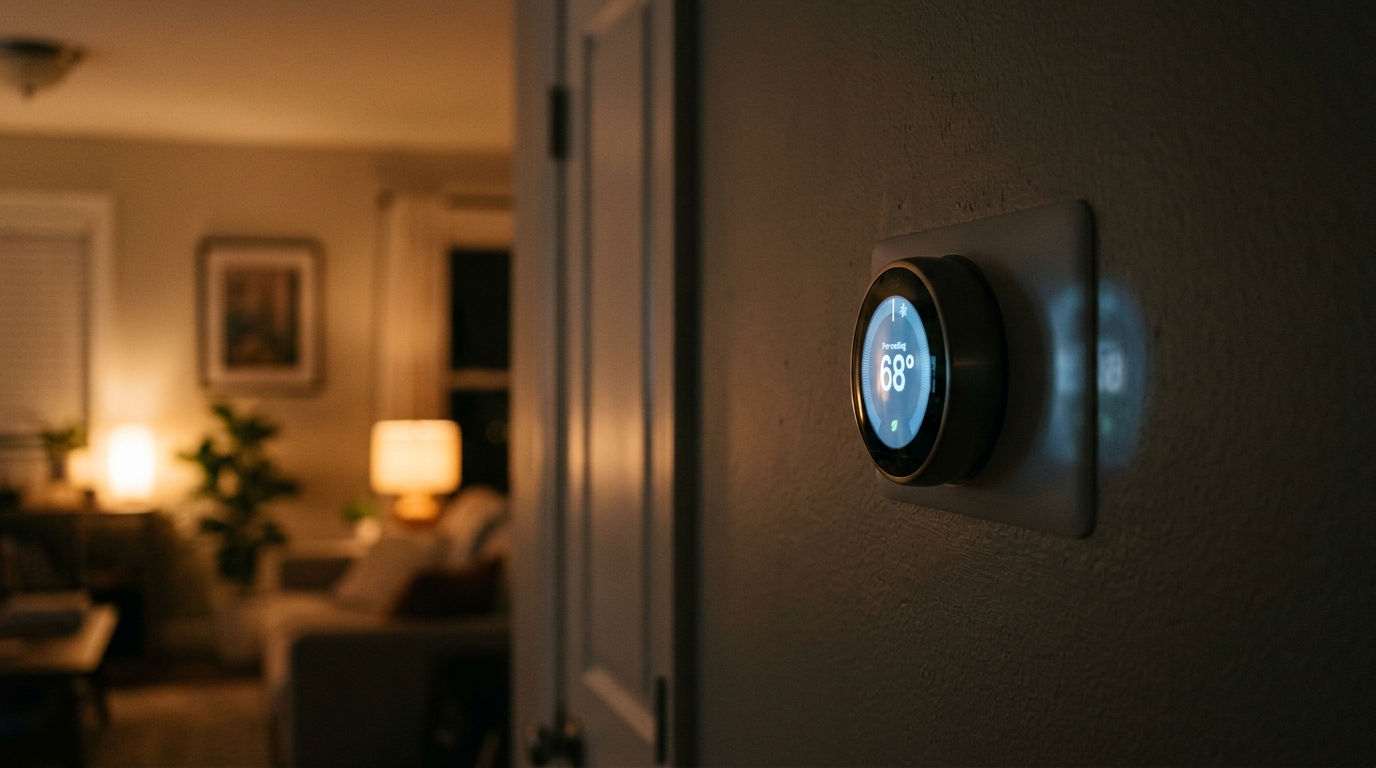
Geothermal heat pumps exchange heat with ground that stays a steady 45 to 75 degrees year-round, so they avoid the overnight efficiency crash that hits air-source systems when outdoor temperatures bottom out. If you own one, or are thinking about buying one, a few smart settings and habits can lock in that nighttime advantage and cut your heating and cooling costs by 25 to 50 percent compared to conventional equipment.
The average home loses 20 to 30 percent of its heated air through leaky ducts, and the problem gets worse overnight when outdoor temperatures drop and your furnace runs its longest cycles. Sealing and insulating your ducts with mastic and foil tape can recover most of that loss, often paying for itself within a single heating season.
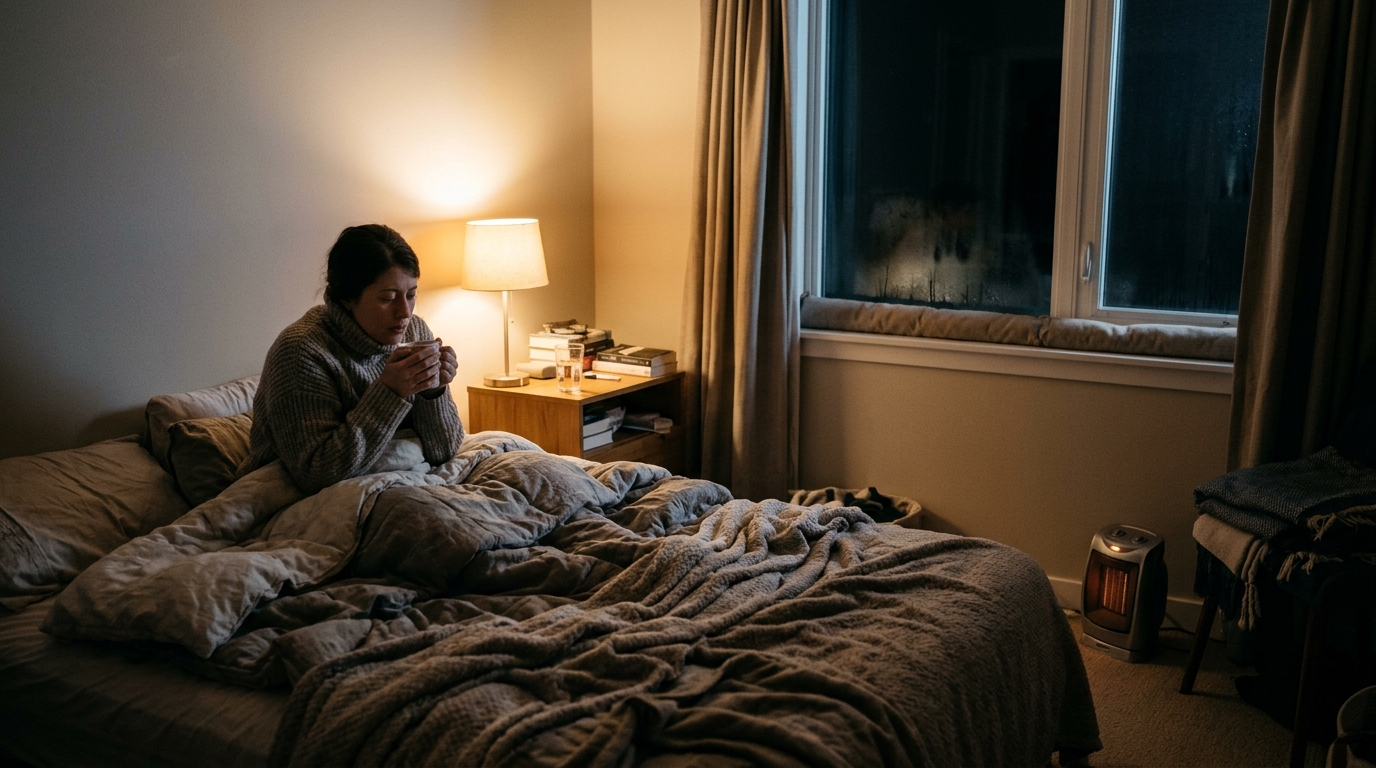
A bedroom that runs 5 to 10 degrees colder than the rest of your house is almost never random, and it is usually caused by airflow, air leaks, or missing insulation that you can fix yourself. Start with a free 20-minute checkup of vents, doors, and windows, then move to targeted sealing and insulation upgrades that typically pay for themselves within one to two heating seasons.
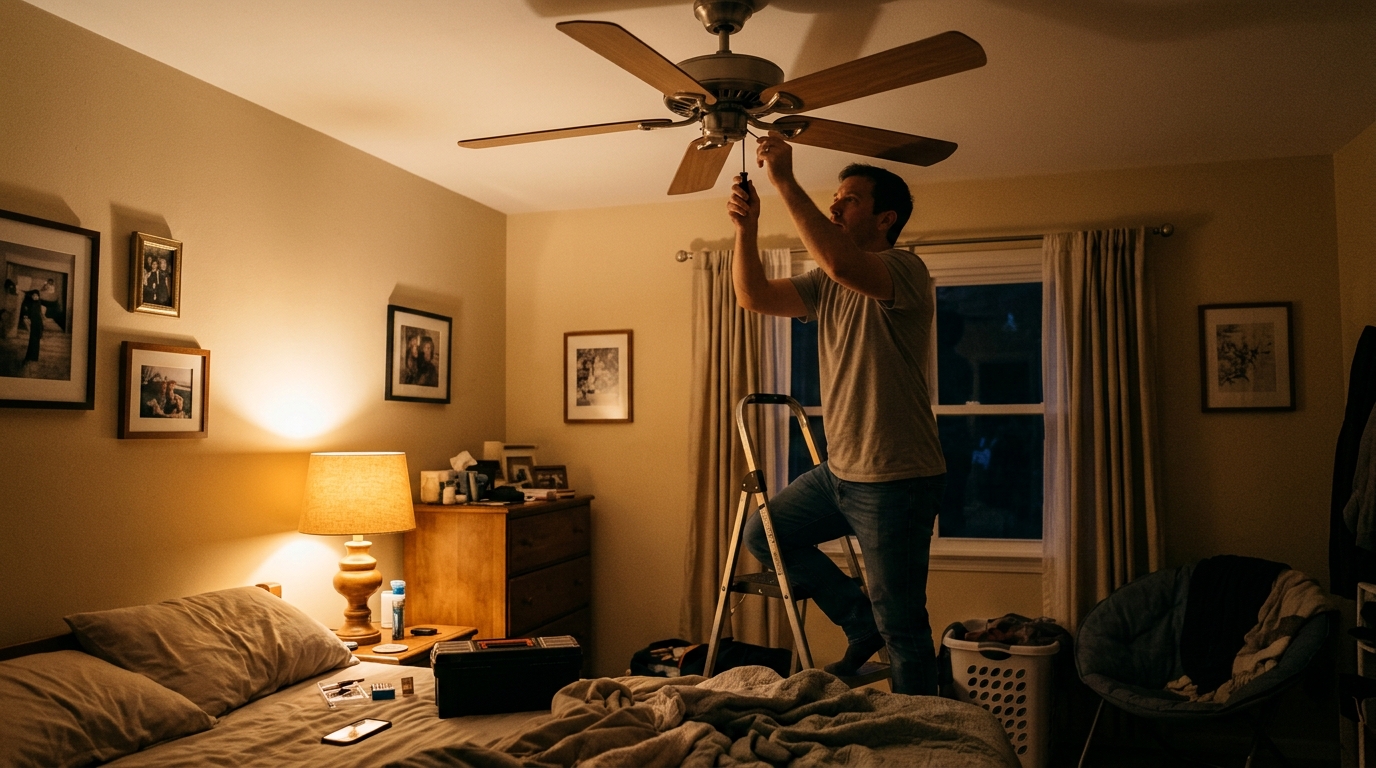
A wobbling, humming ceiling fan is usually caused by loose screws, unbalanced blades, or a worn capacitor, and most of these problems take under half an hour to fix with basic tools. A quiet, stable fan is one you will actually run at night, which lets you raise your thermostat 4 degrees and trim cooling costs by roughly 8 to 12 percent.
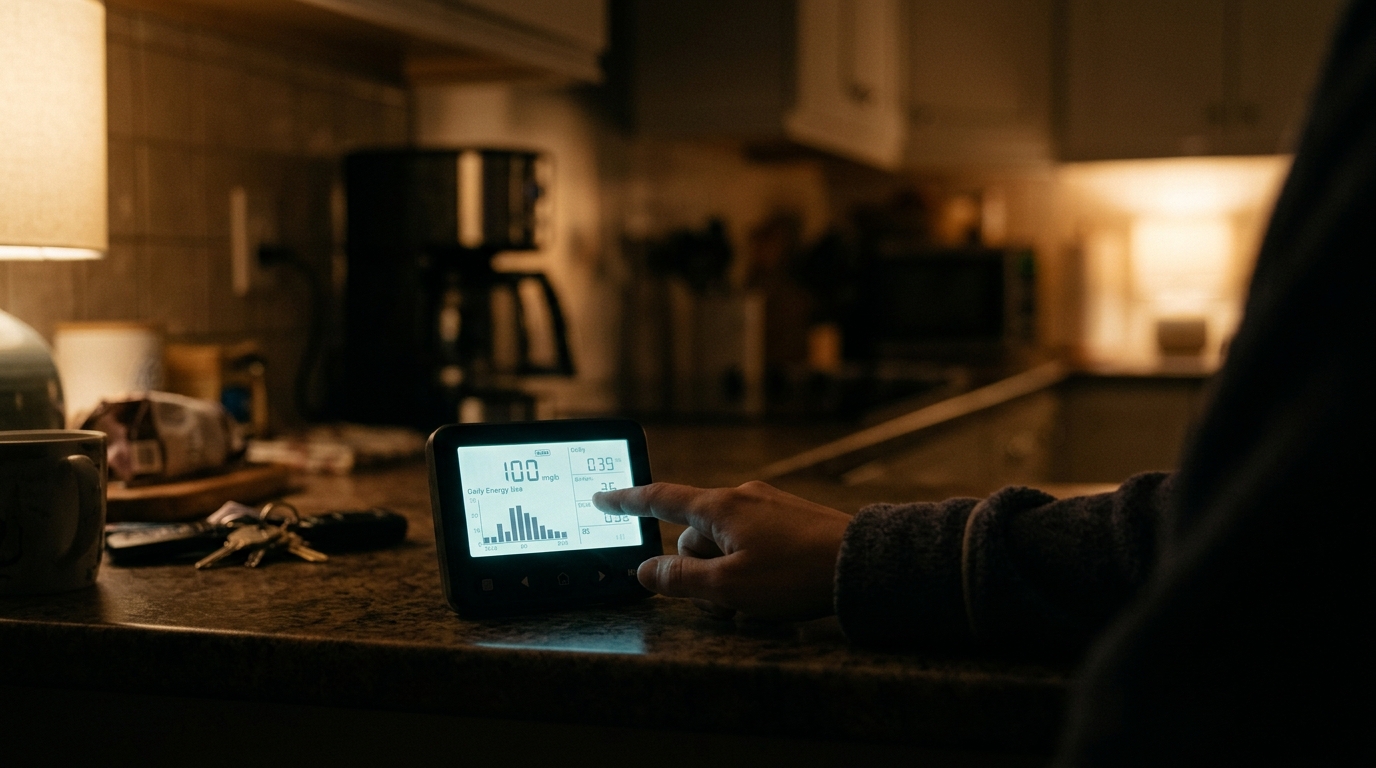
While you sleep, your home may be burning through 30 to 50% of the electricity it uses on an average day, and your smart meter has been recording every kilowatt of it. Learn how to pull your overnight baseload from your utility data and track down the devices responsible so you can cut it for good.
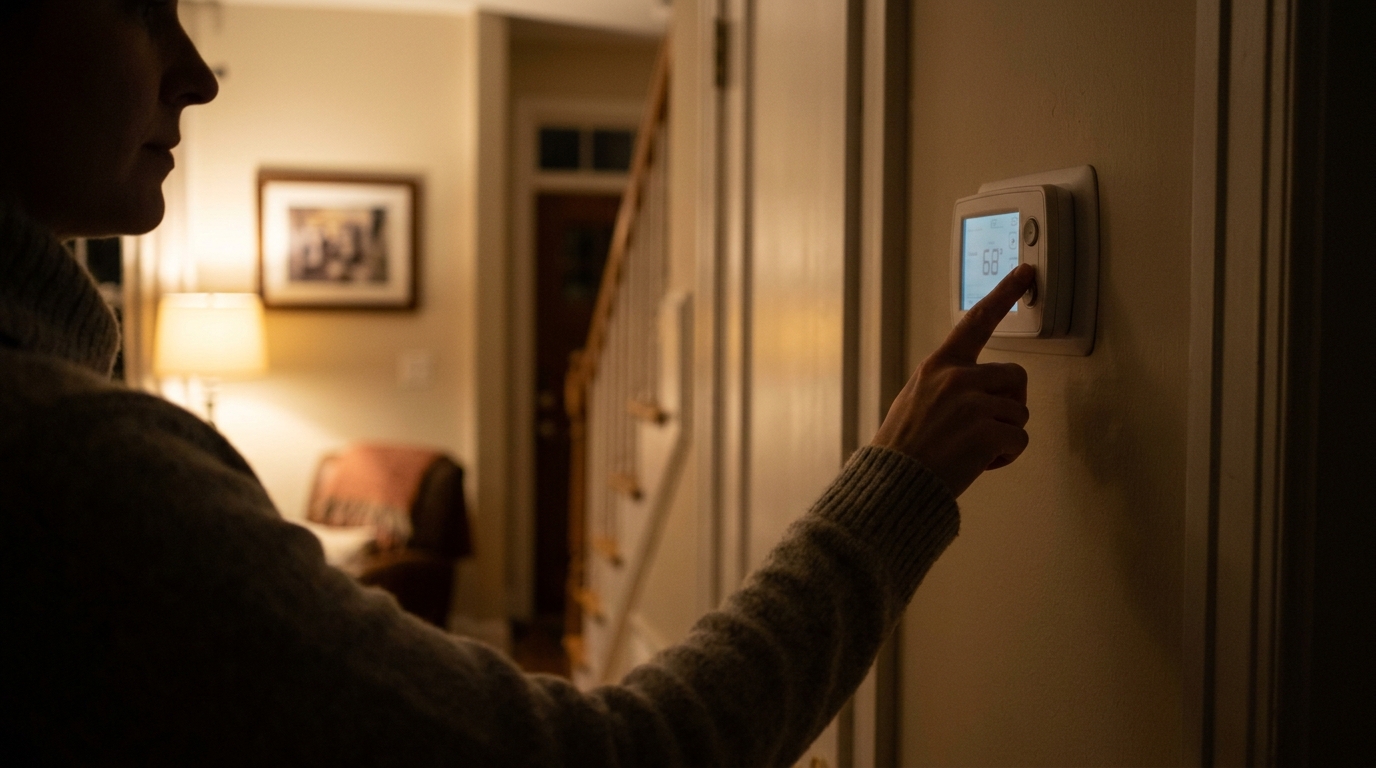
Most no-heat mornings in the middle of winter trace back to a handful of simple issues you can spot in minutes, like a clogged filter, a tripped breaker, or a thermostat with dead batteries. A quick fall check-up can catch these problems before the first cold snap and cut heating costs by 5 to 15% along the way.
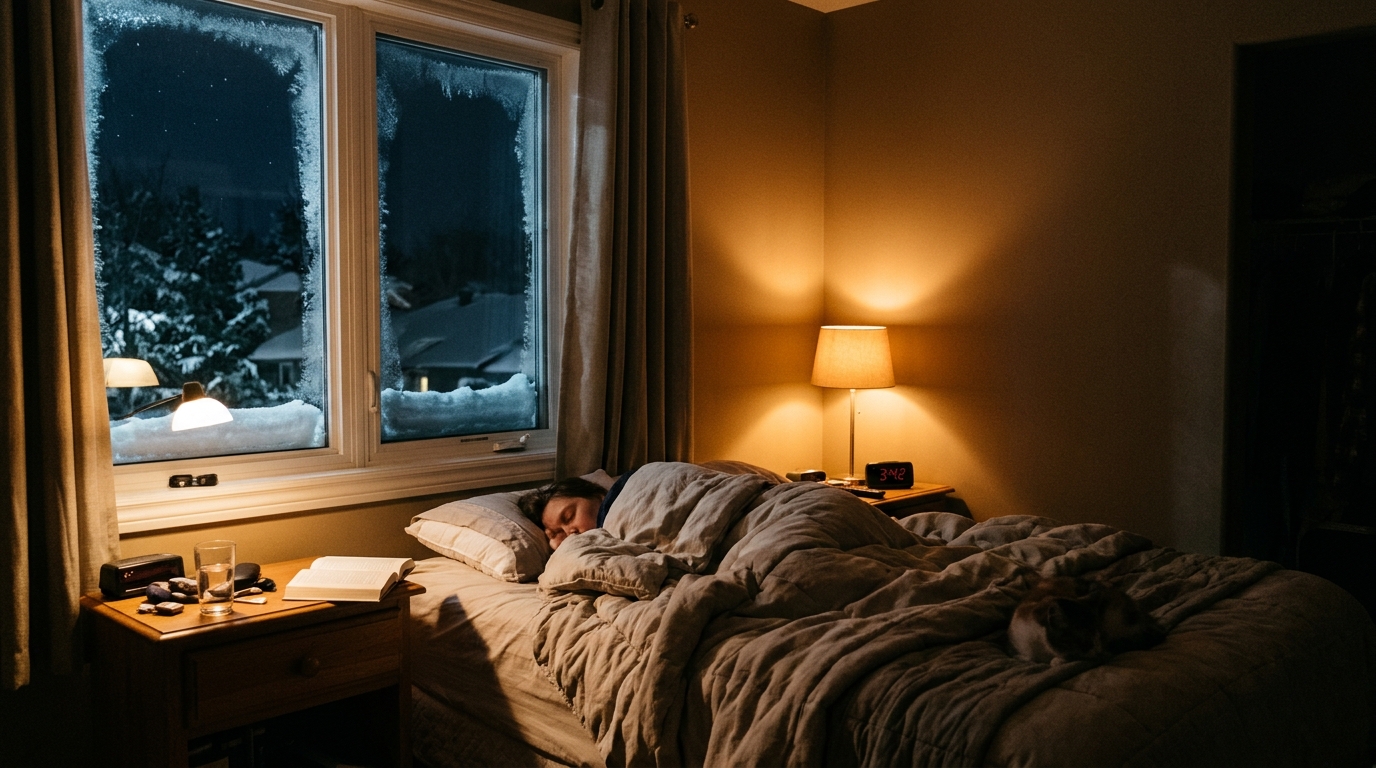
Between 2 a.m. and sunrise, the temperature difference between your living room and the outdoors hits its peak, and so does the heat your walls and attic leak out. Bringing your attic insulation up to the recommended R-value can trim heating bills by 10 to 20% and stop the early-morning chill that sends your furnace into overdrive.
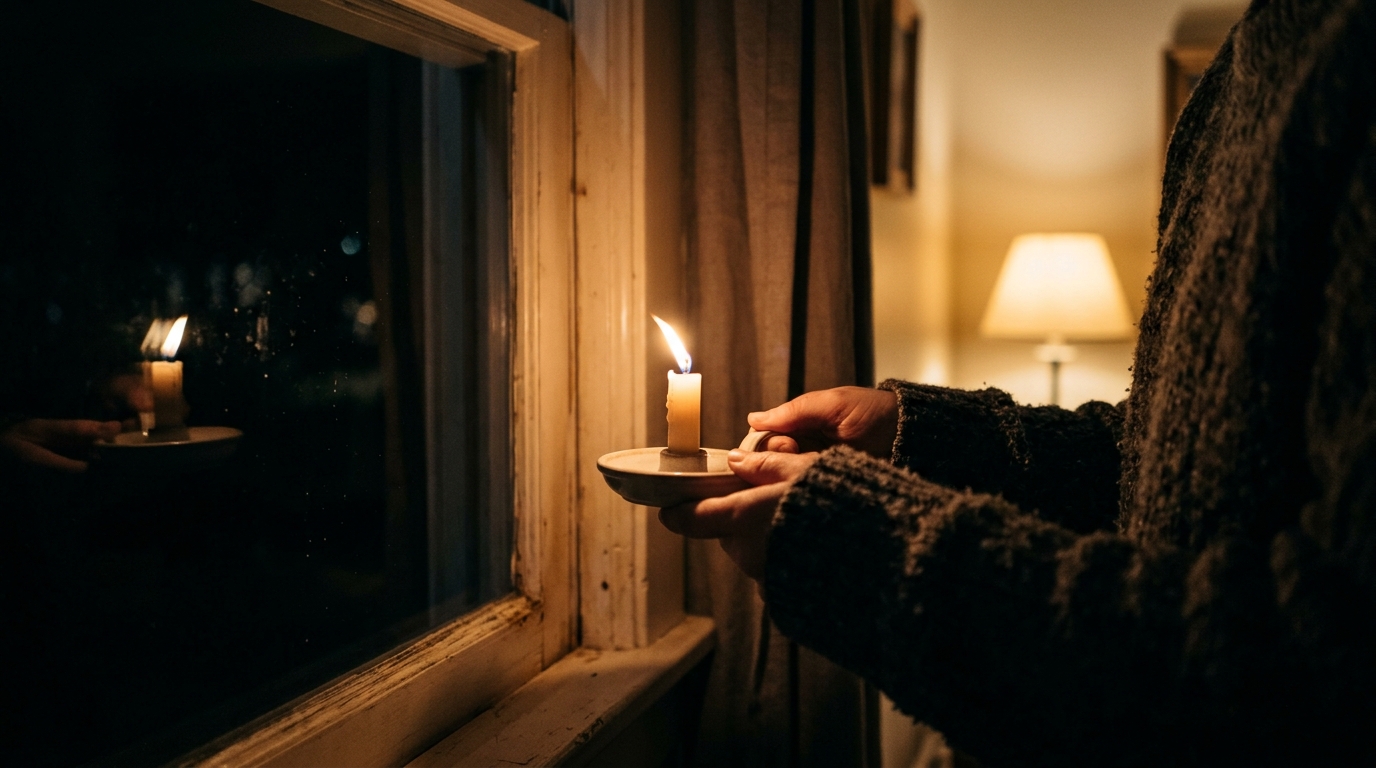
Hidden air leaks can account for 15 to 25% of the energy your home uses for heating and cooling, and most of them are invisible until you know how to look. A simple lit candle or stick of incense, a calm evening, and about 30 minutes is all you need to map every draft in your house.
If your utility charges more for electricity on summer afternoons, running your AC hardest during those hours is quietly costing you. Pre-cooling your home before peak pricing begins can cut cooling costs by 10 to 30% without leaving you sweating at 5 p.m.
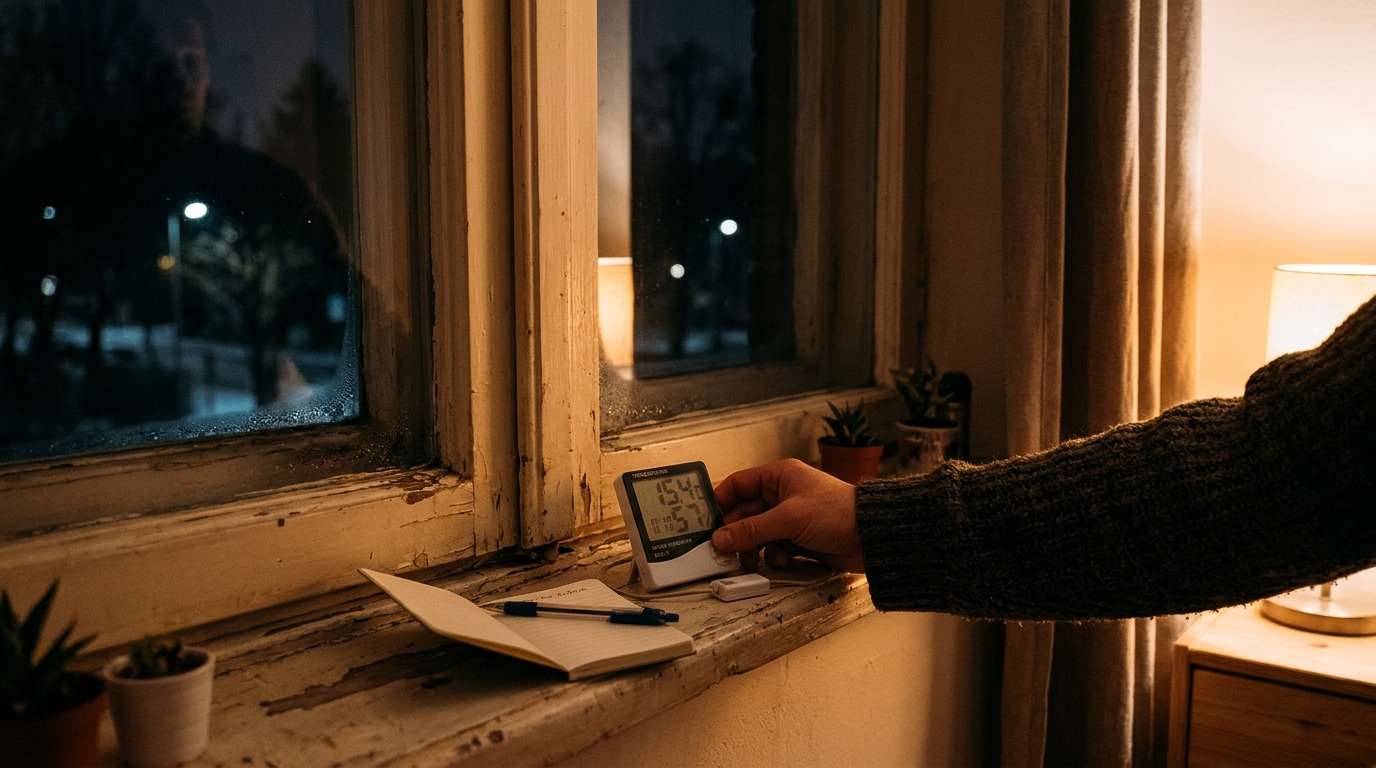
Most homeowners guess at where their insulation is failing, but a simple overnight temperature drop test tells you which rooms are leaking heat and roughly how badly. Run it once with a basic thermometer and you can target the fixes that deliver the biggest savings first.