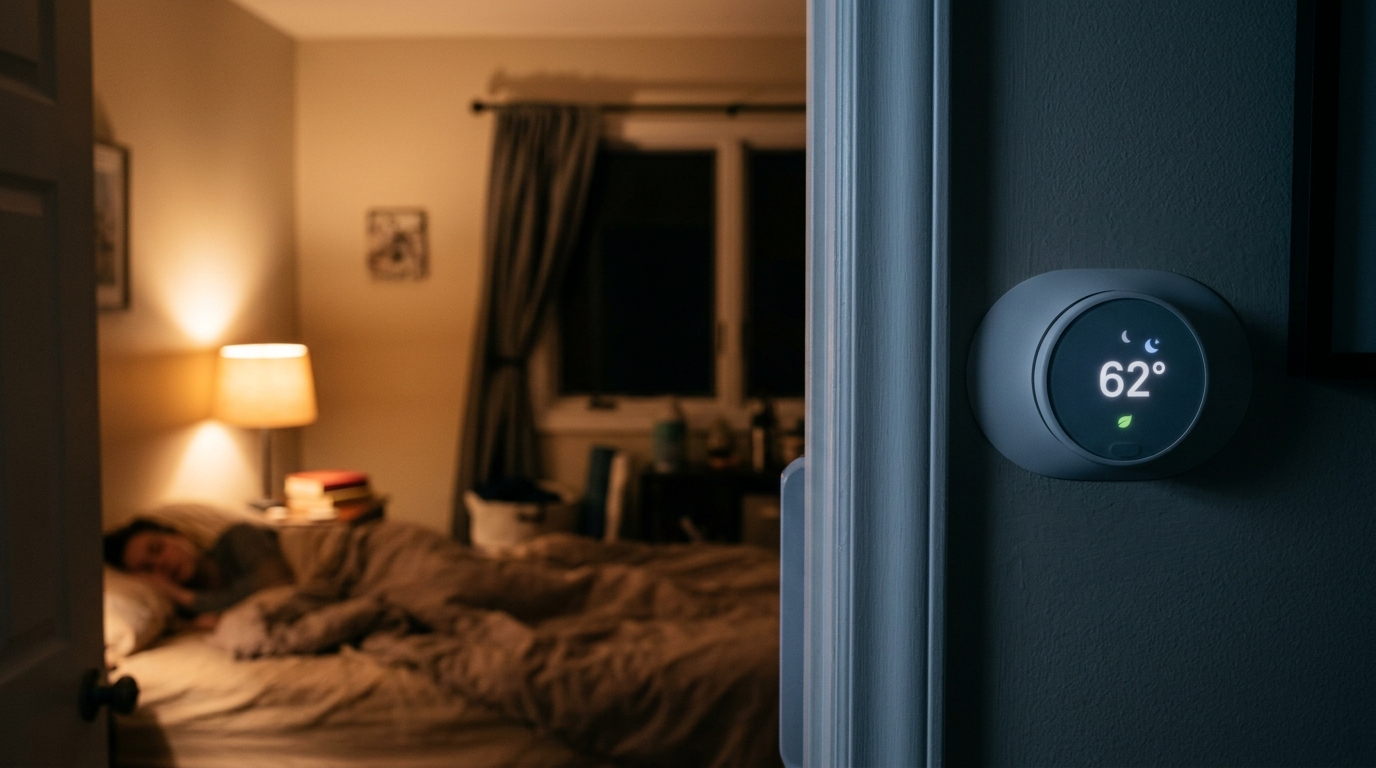
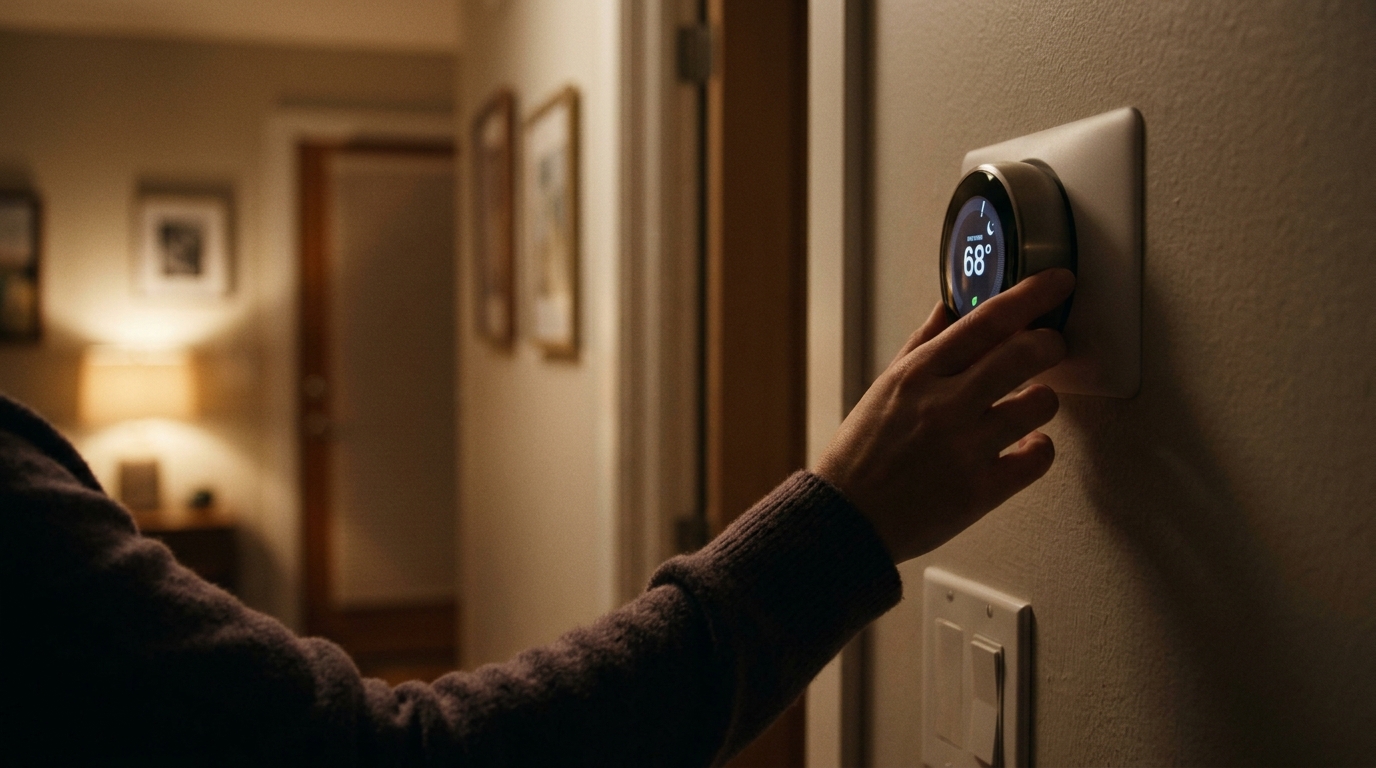
Smart thermostats from Nest and Ecobee have built-in sleep features that quietly adjust your temperature overnight, but most homeowners never tune them and leave real savings on the table. Here is how each algorithm actually works, what the settings mean, and how to configure them for lower bills without waking up cold or sweaty.
Standard cotton sheets absorb sweat and hold it against your skin, trapping heat and forcing many sleepers to run the AC colder all night. Switching to moisture-wicking materials like Tencel lyocell, bamboo viscose, or performance blends can keep you comfortable at a warmer thermostat setting and trim your overnight cooling costs.
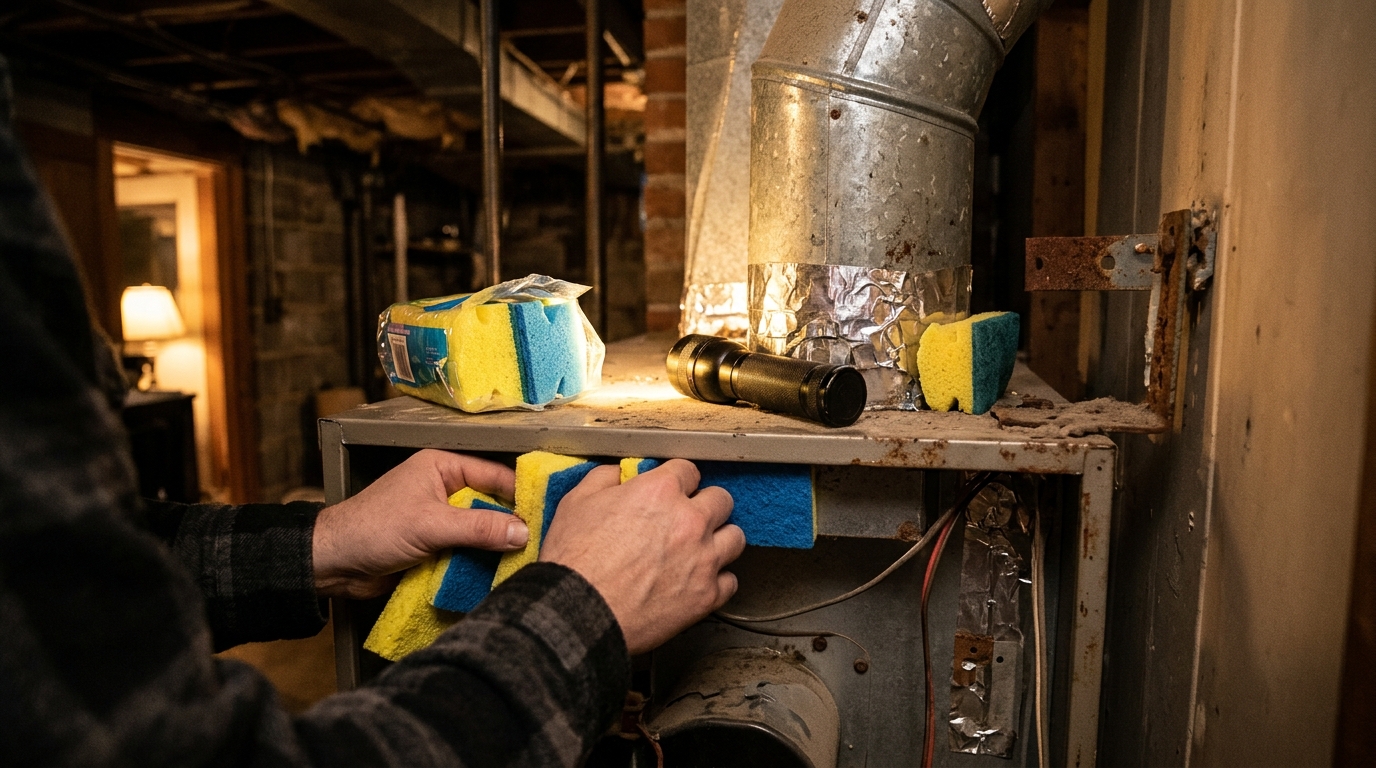
A rattling, humming, or booming furnace is rarely a sign of imminent failure. It is usually a loose panel, a dirty filter, or vibration traveling through ductwork, and many of these problems can be solved with a few dollars in supplies.
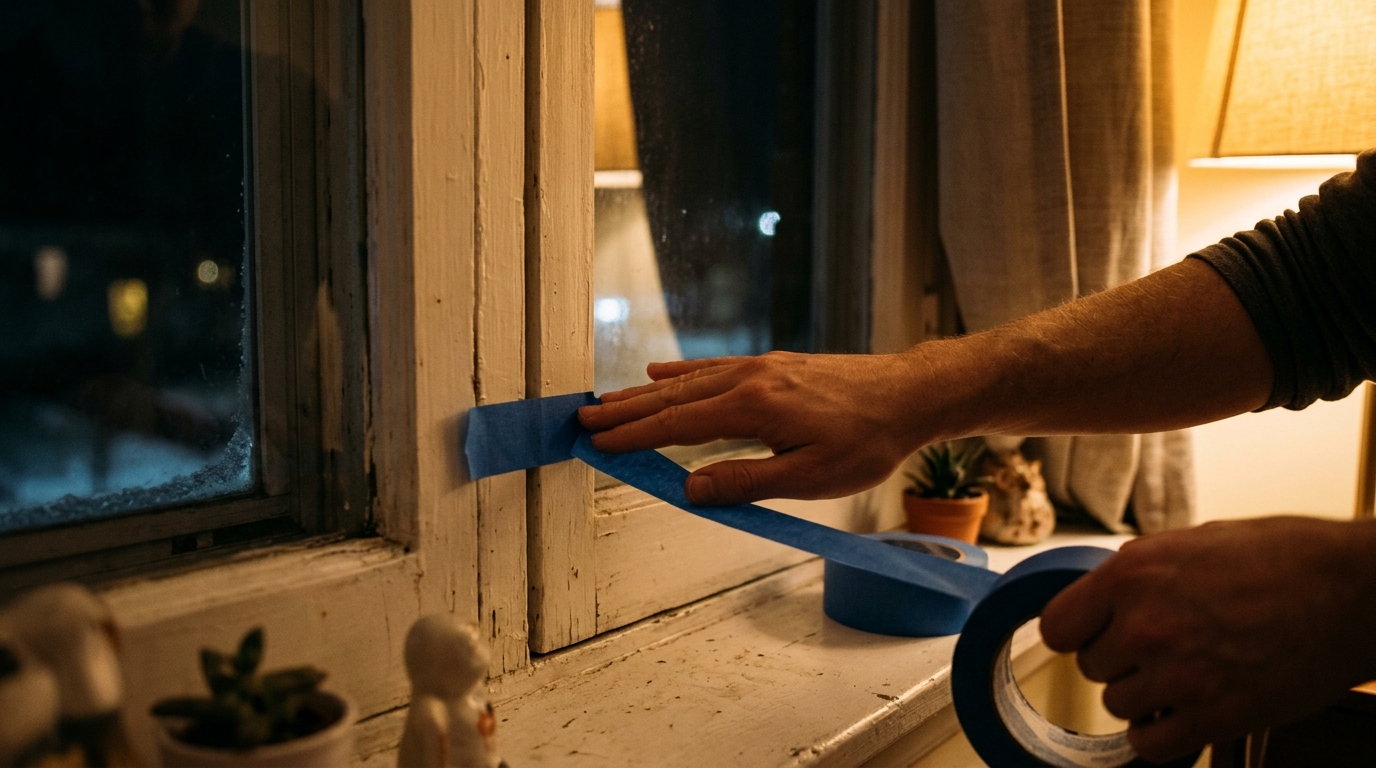
A drafty window can leak enough air to make a room feel 5 to 10 degrees colder than the thermostat says, and most homeowners put up with it all winter. A roll of painter’s tape and a sheet of plastic can seal most of that leakage in under an hour, with no damage to your frames or paint.
Many homeowners keep their thermostat at one temperature all night because they think a small change will not matter or will leave them sweating. A modest two to four degree overnight setback can trim cooling costs by a few percent with almost no loss of comfort, as long as you do it correctly.
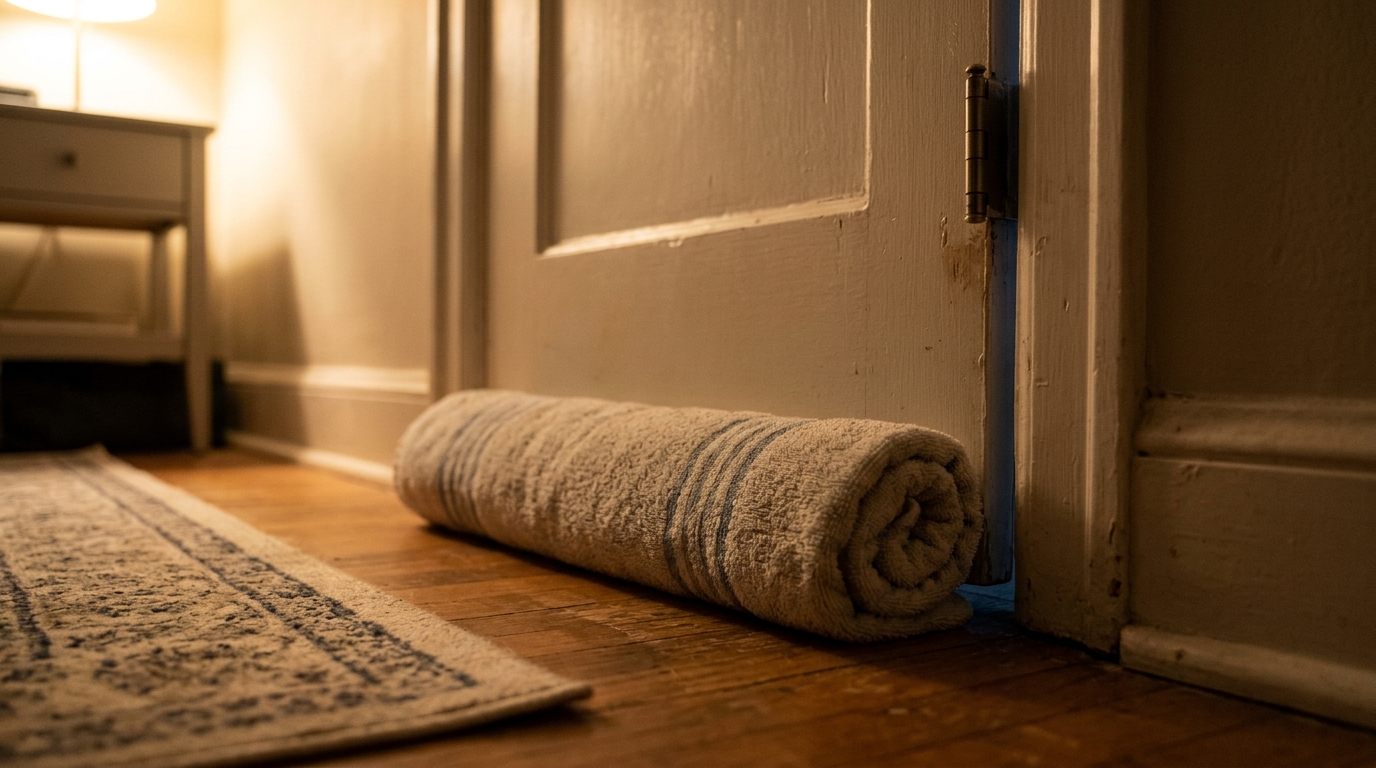
That old-school rolled towel is not just folk wisdom: a gap under an exterior door can leak as much air as a hole several inches wide, and blocking it is one of the cheapest comfort fixes you can make. Here is the science behind it, how to do it right tonight, and when to upgrade to a permanent door sweep.
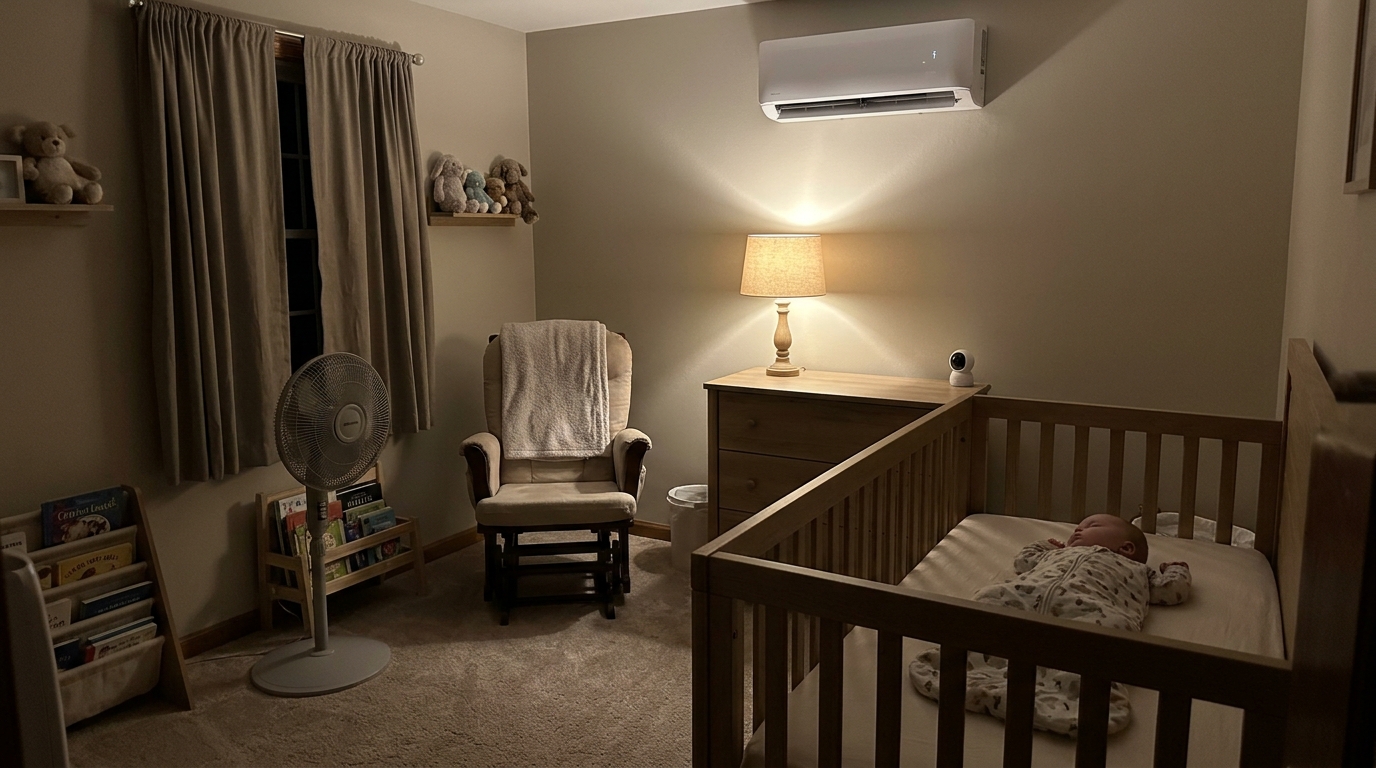
Picking between a fan and air conditioning for your baby’s room comes down to the real room temperature, humidity, and your baby’s sleep safety, not just what feels cool to you. Use a thermometer to find out which tool you actually need, then run it in the most efficient way, often for pennies a night.
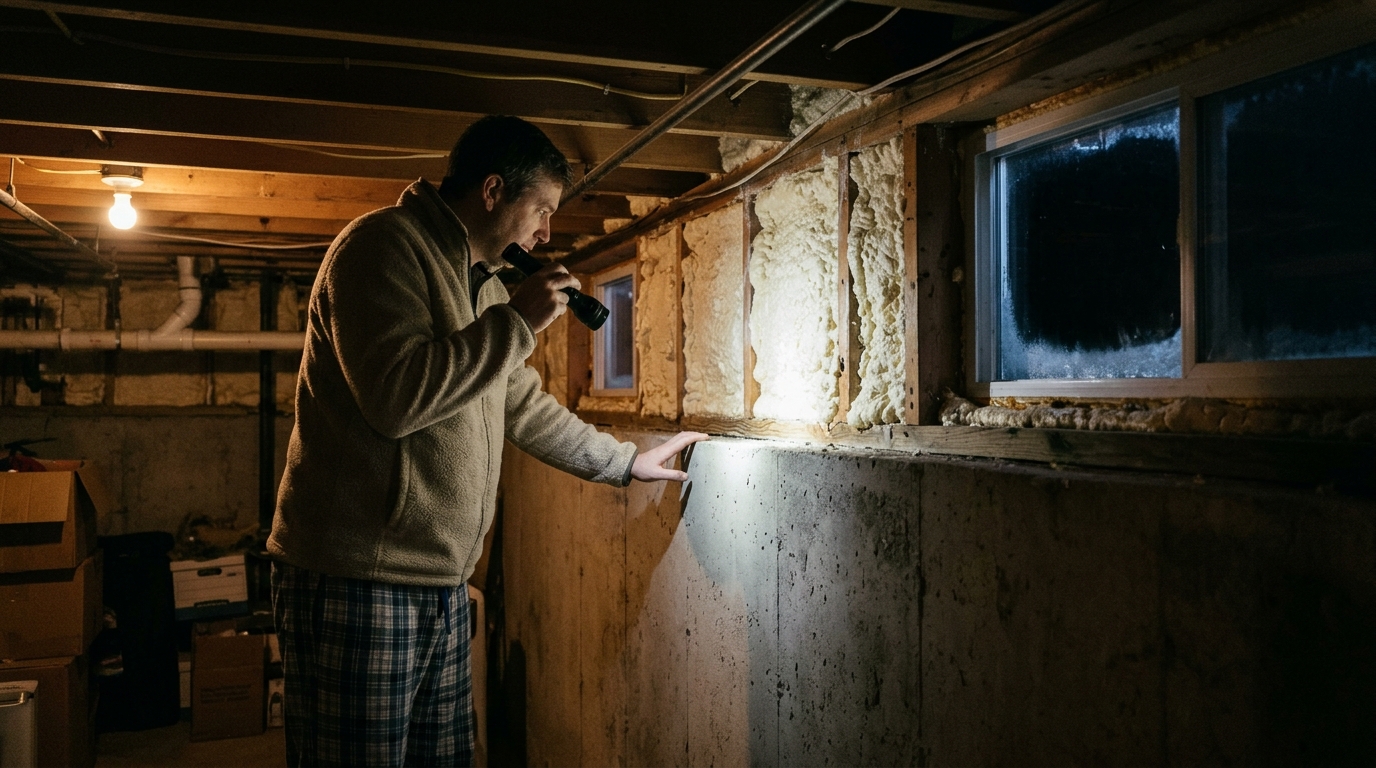
That cold, creeping draft along your floors on winter nights often traces back to one overlooked spot: the rim joist, the band of framing that sits on top of your foundation wall. Sealing and insulating it can cut your heating bills by 10 to 20% and typically pays for itself in under two years.
Heating or cooling an entire house to keep one sleeping body comfortable is one of the most overlooked energy wastes in a typical home. A weighted blanket, paired with smart bedding choices and a modest thermostat adjustment, can let you sleep comfortably at a setpoint 3 to 5 degrees more efficient while trimming your bills.
Many homeowners believe bedroom plants rob you of oxygen at night or magically purify the air, and both ideas are wildly overblown. The real wins for nighttime air quality and comfort come from ventilation, humidity control, and filtration, which you can improve for little or no money.