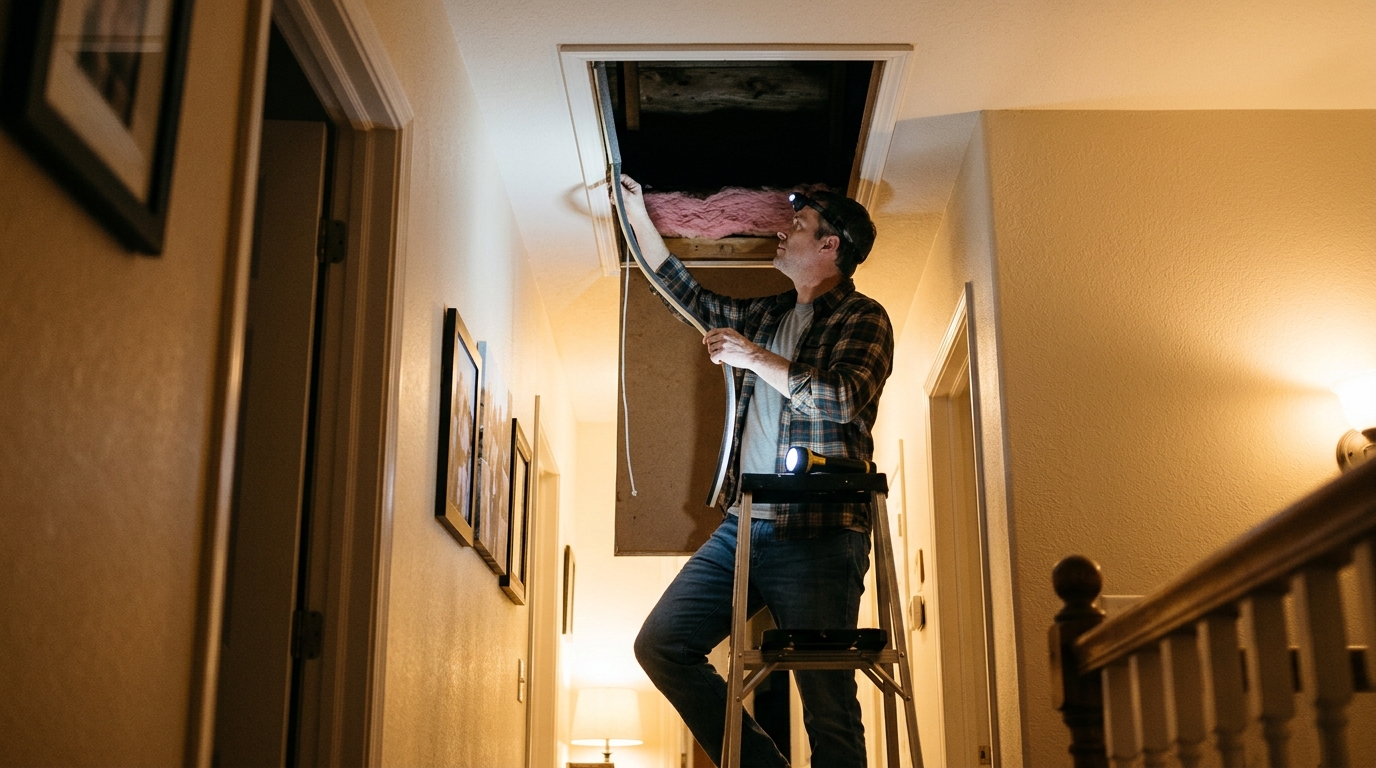
An uninsulated, unsealed attic hatch can leak as much conditioned air as an open window, and it does so around the clock, especially on cold nights when your furnace works hardest. A weekend-sized fix costing $30 to $150 can pay for itself in a single heating season.
Time-of-use electricity plans can cut your bill by 10 to 25% or raise it by the same amount, depending entirely on when you use power. A simple 30-minute calculation using your own usage data tells you which side of that line you land on before you switch.
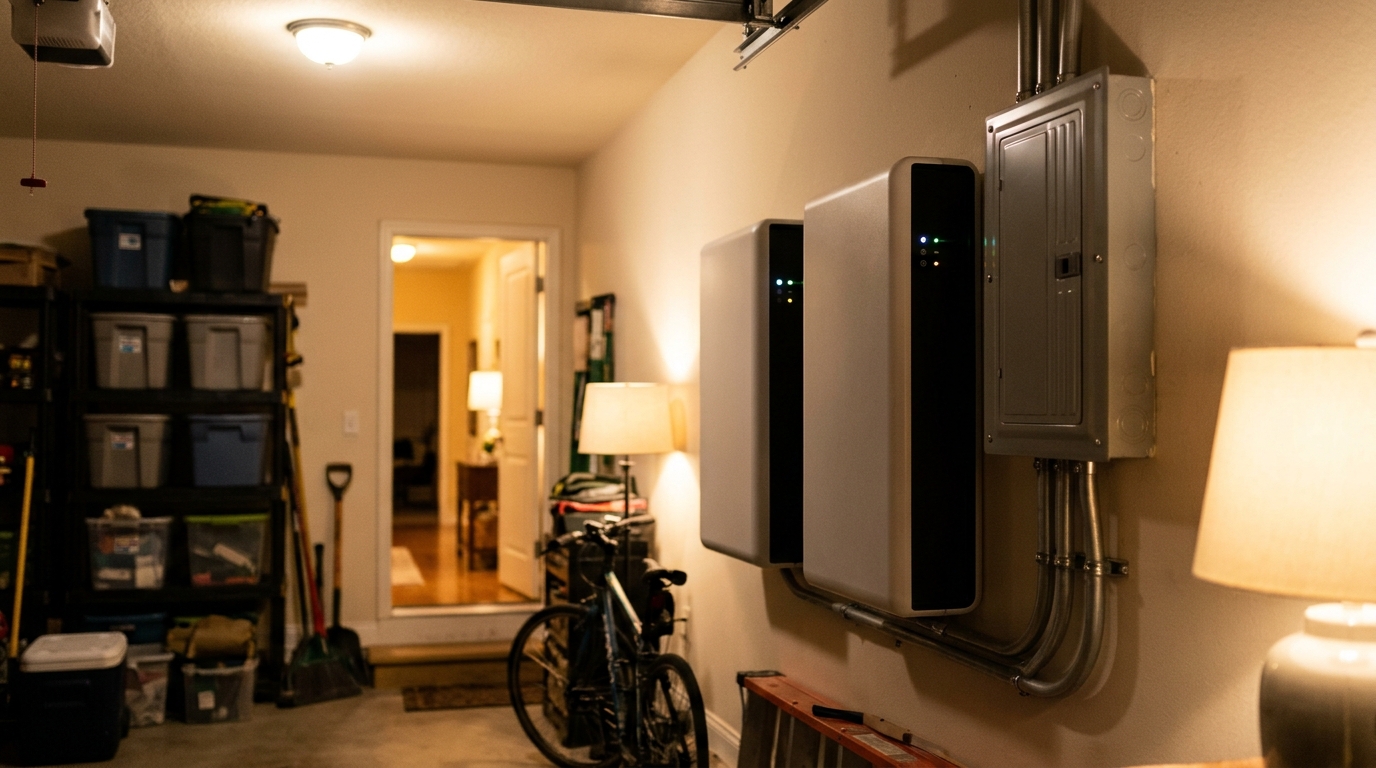
If your utility charges two to four times more for electricity in the afternoon than overnight, you are overpaying every day for the same kilowatt-hours. A home battery that charges at off-peak rates and discharges during expensive hours can cut your electric bill by 20 to 40% on time-of-use plans, even without solar panels.
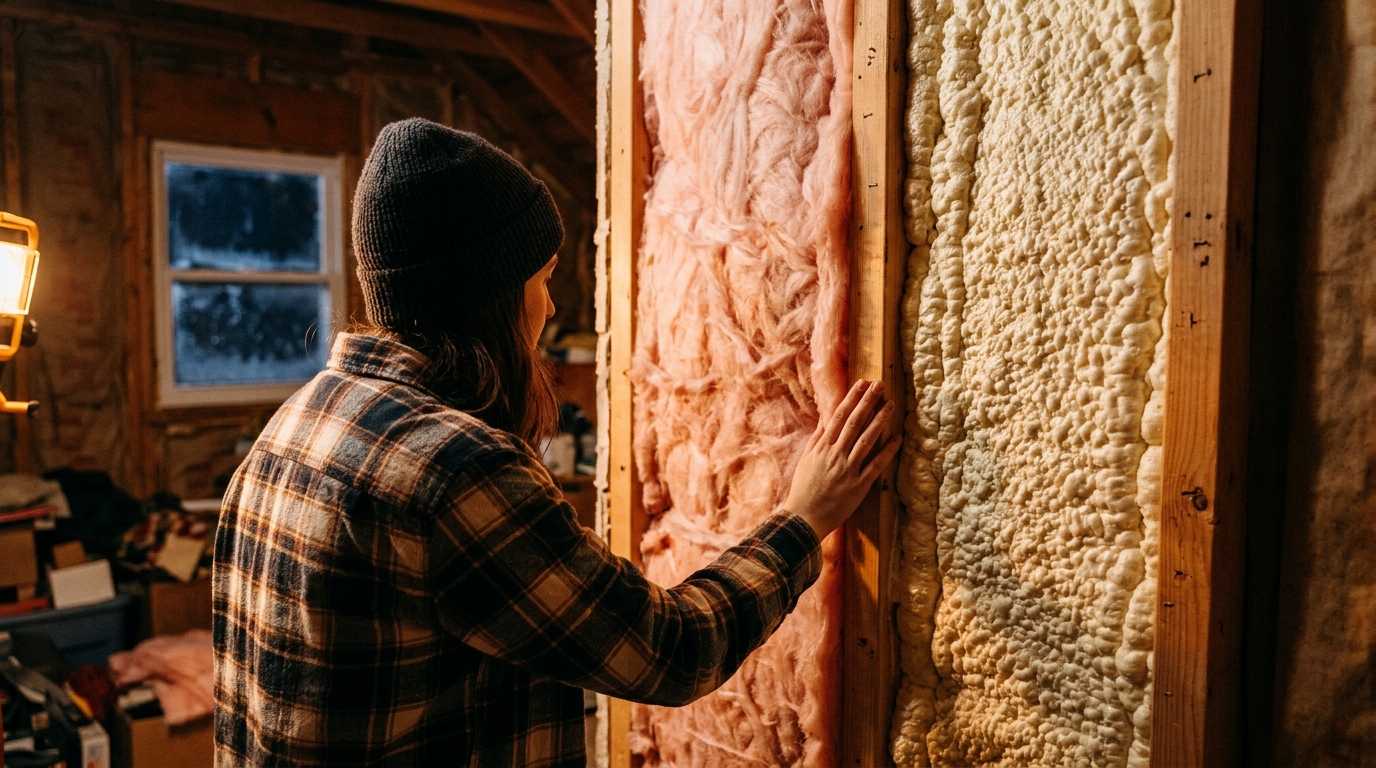
Night drafts usually come from air leaks, not thin insulation, which is why the spray foam versus fiberglass debate often misses the point. Seal the leaks first, then choose the insulation that matches your budget, and you can cut heating and cooling bills by 10 to 20 percent.
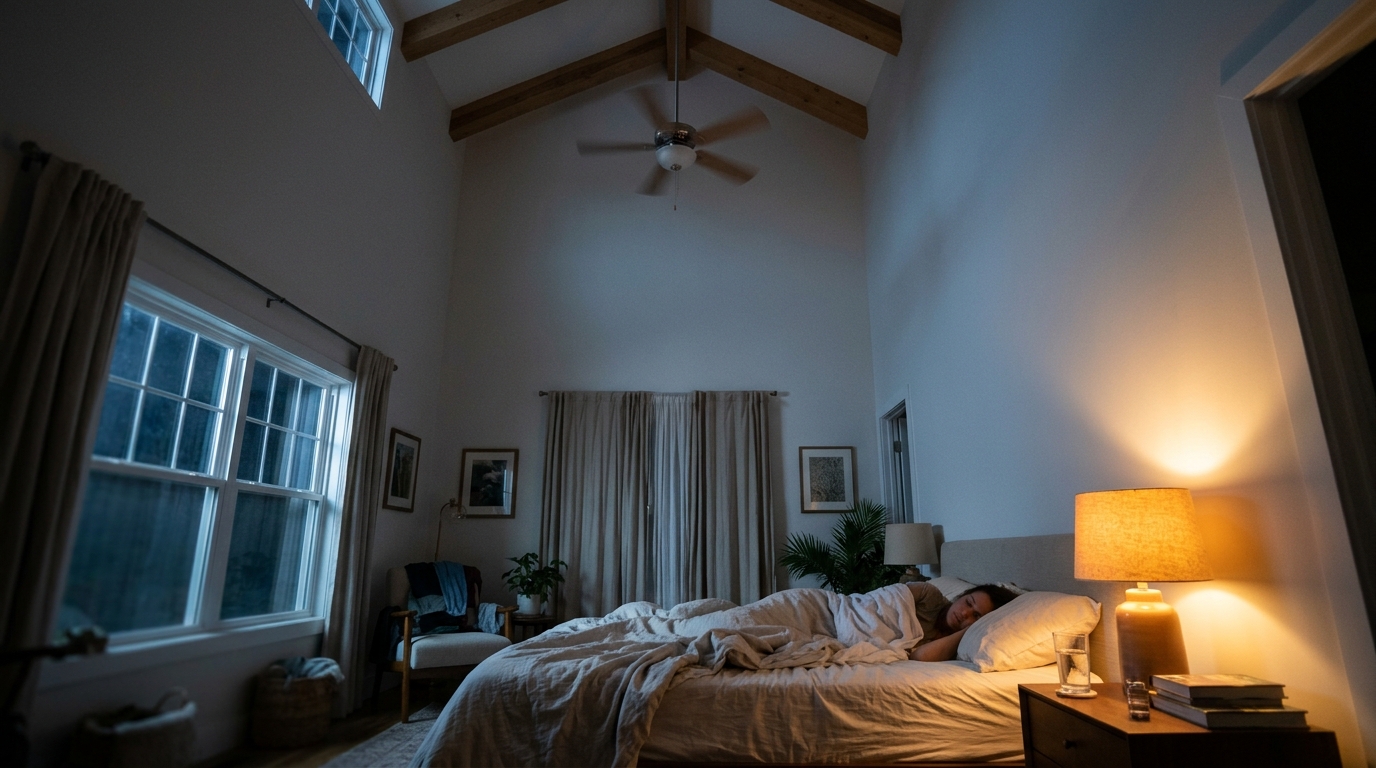
Warm air rises and collects near the ceiling, so the height of your bedroom ceiling changes how heat is stored, how air circulates, and how comfortable you feel while you sleep. Understanding how high and low ceilings behave lets you pick the right fix, from a $0 fan tweak to an attic insulation upgrade that can drop nighttime bedroom temperatures by 3 to 8 degrees.
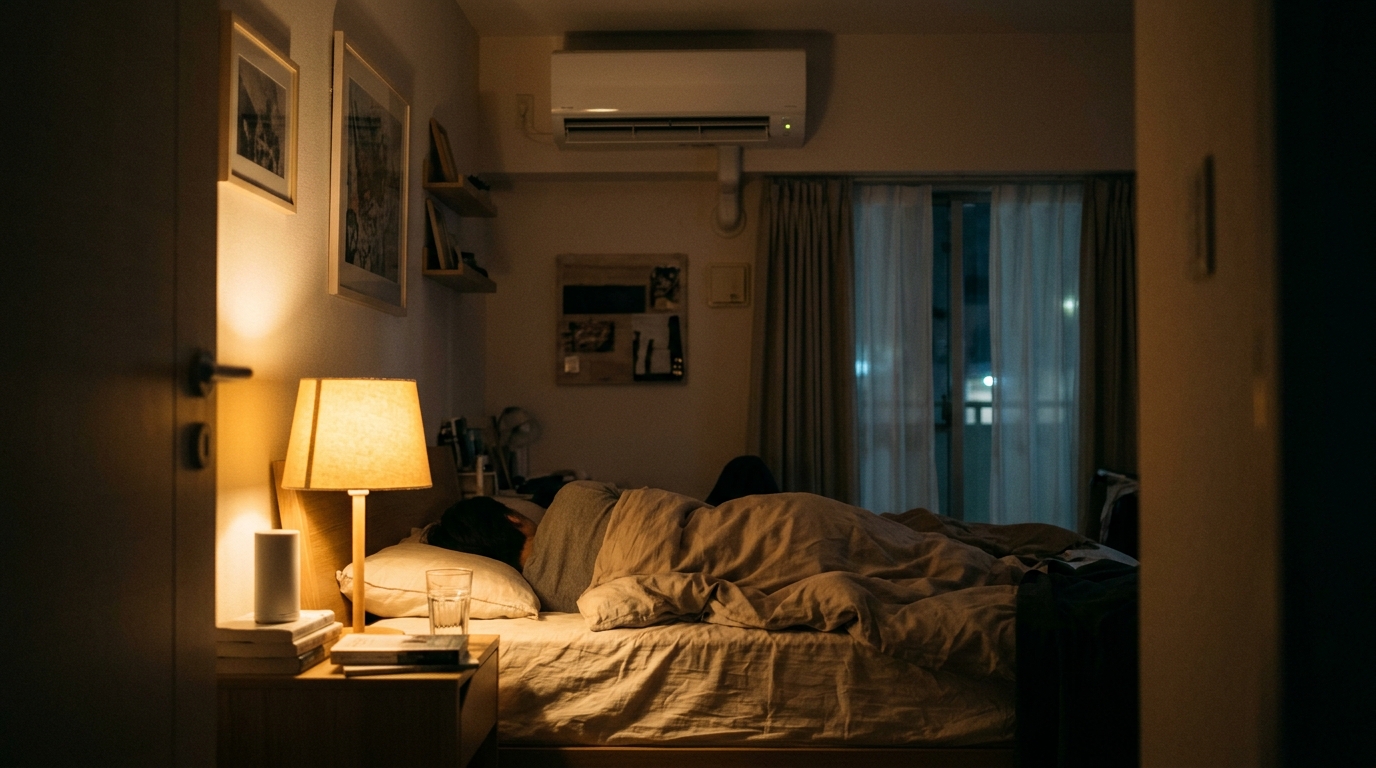
If your air conditioner kicks on and off every few minutes after dark, it is short-cycling, and it is quietly driving up your bills and wearing out your compressor. The fix usually comes down to oversizing, airflow, or thermostat settings, and most homeowners can address the cause in an afternoon.
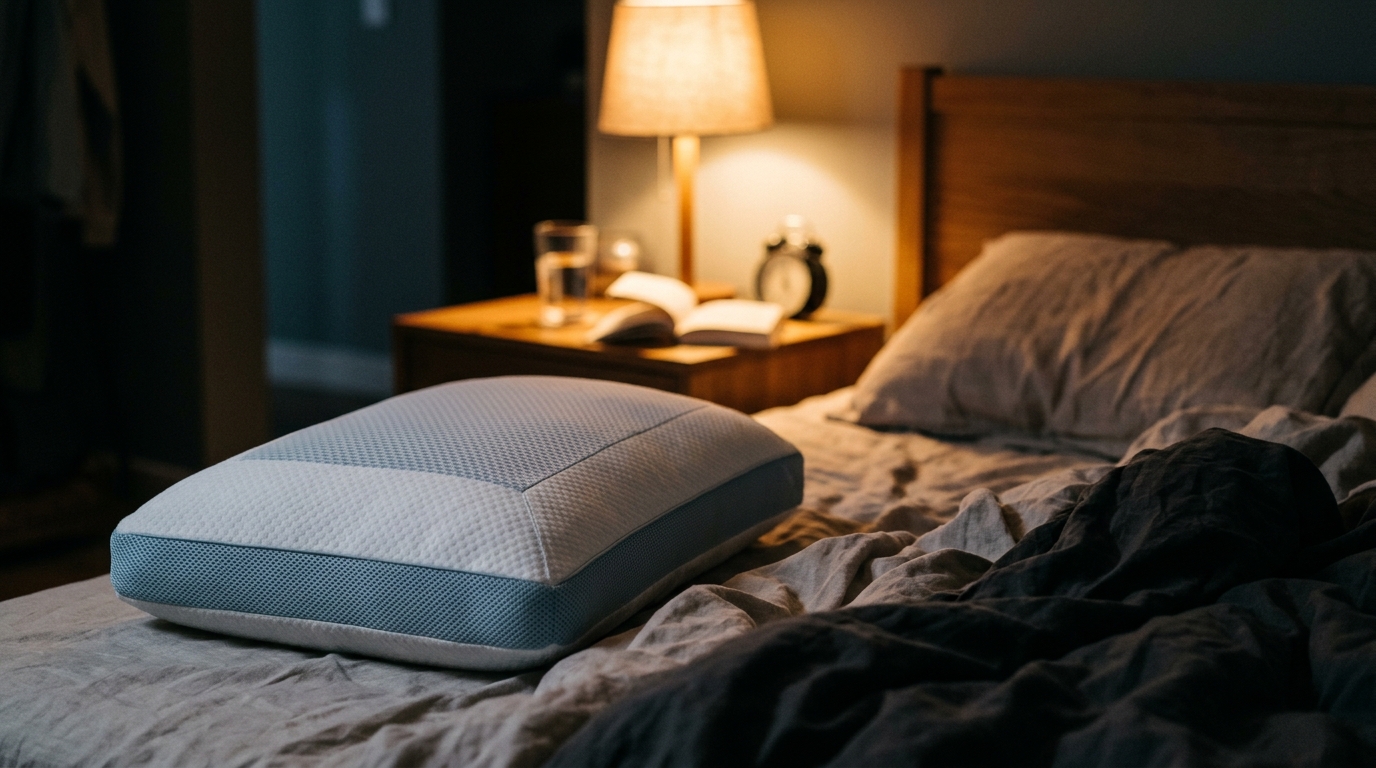
Hot sleepers often crank the AC down to 68 degrees or lower just to stay comfortable at night, driving up cooling costs while still tossing and turning. The right cooling pillow tech, paired with a few smart bedroom tweaks, lets you raise the thermostat a few degrees and still sleep cool.
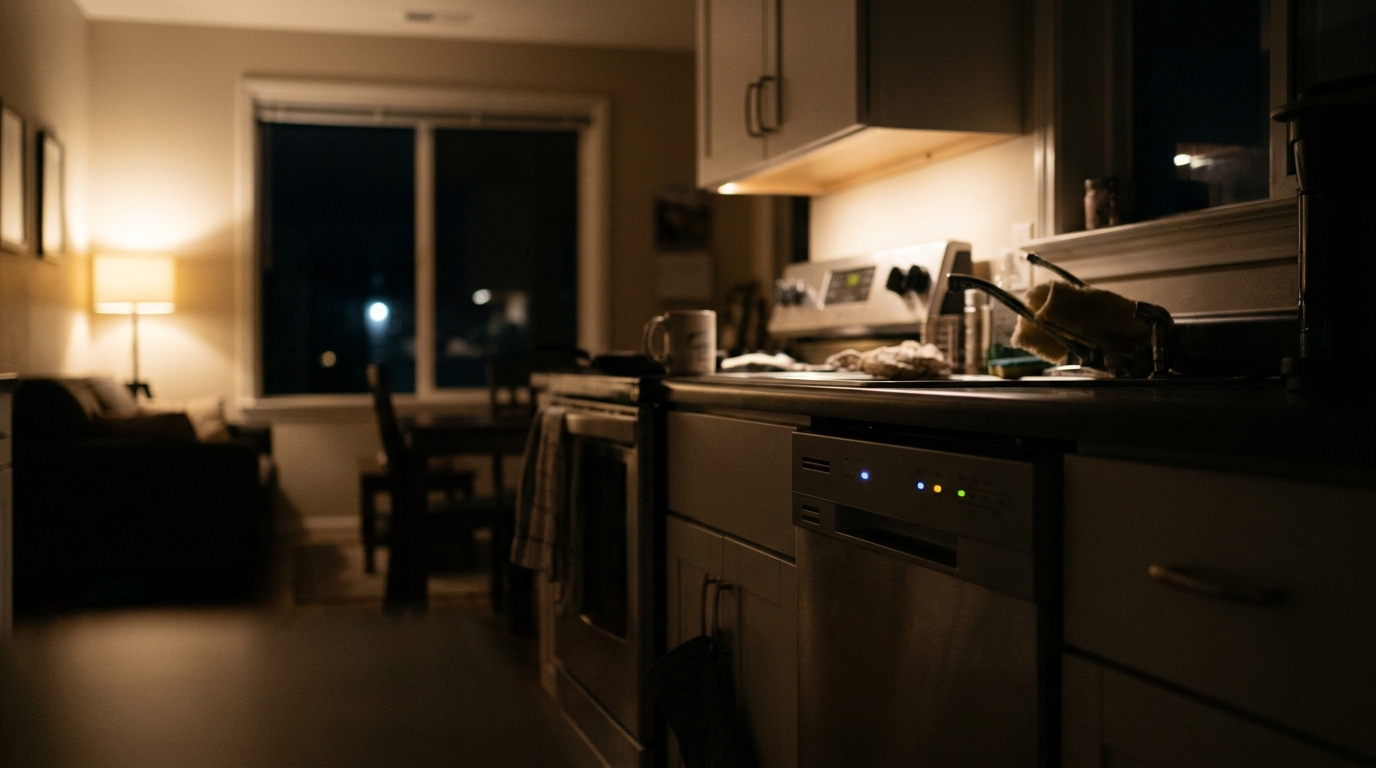
If your utility charges more for electricity during late afternoon and evening hours, running your dishwasher overnight can shift one of your bigger daily appliance loads into cheaper rates. The savings depend entirely on your rate plan, so here is how to check yours and set up a routine that actually pays off.
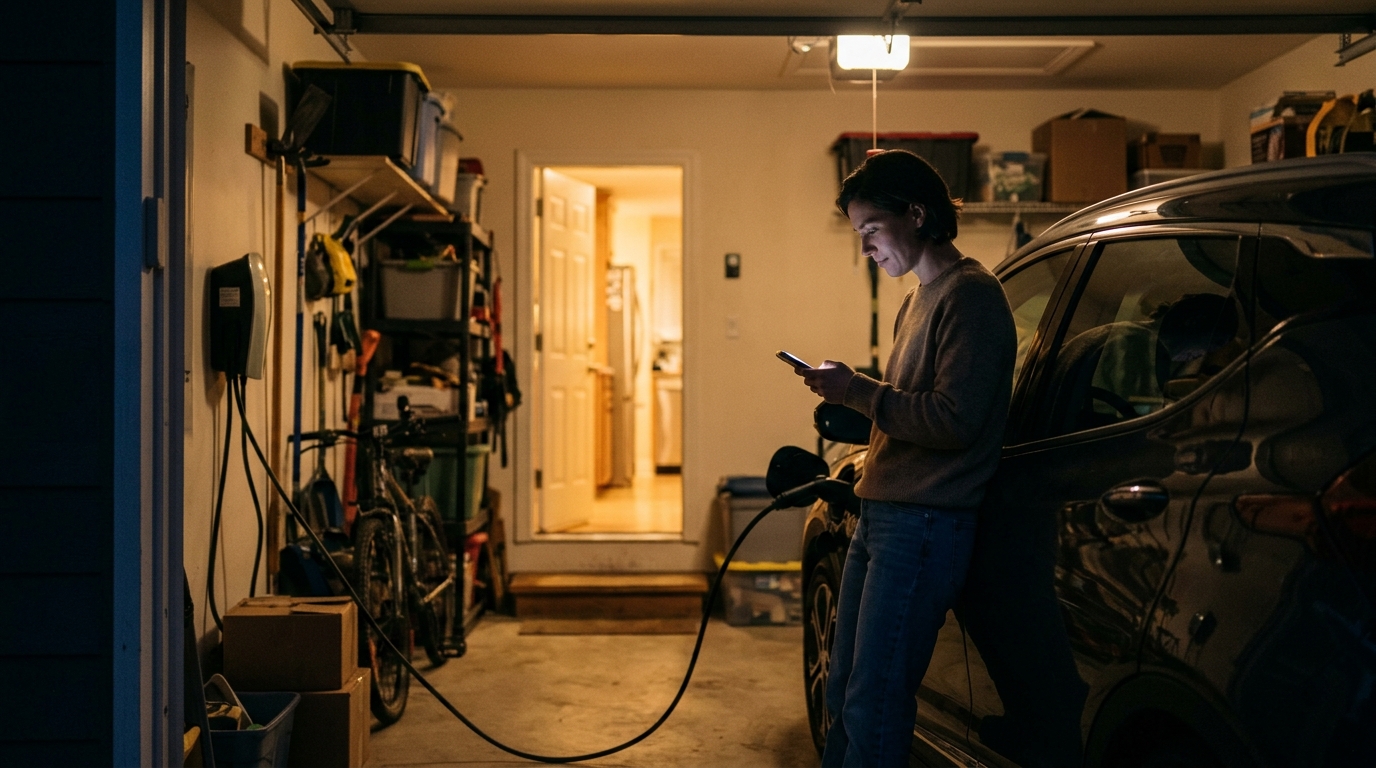
Many EV owners plug in the moment they get home, right when electricity is most expensive, and quietly add hundreds of dollars a year to their bills. Checking your utility’s off-peak window and scheduling your charger around it is one of the fastest, cheapest ways to cut your charging costs by 30 to 60 percent.
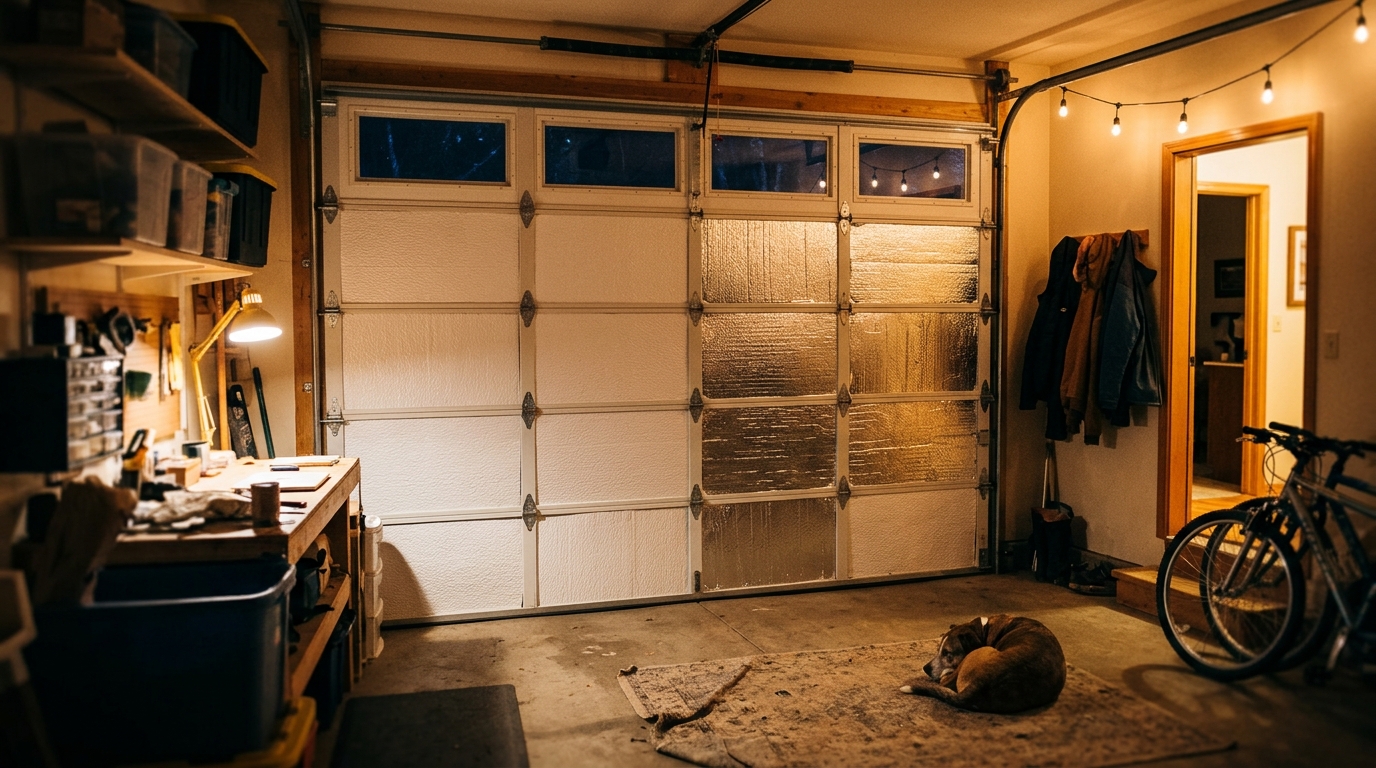
An uninsulated garage door is a giant, thin metal panel that bleeds heat out of your home all night long, especially if your garage is attached or sits below a bedroom. A $50 to $100 insulation kit can raise garage temperatures by 10 to 12 degrees and noticeably cut the cold radiating into adjacent rooms.