A leaky bedroom window can quietly waste energy and ruin your sleep, but you do not need new windows to stop it. A few cheap materials and five minutes can seal most of the leakage before you go to bed tonight.
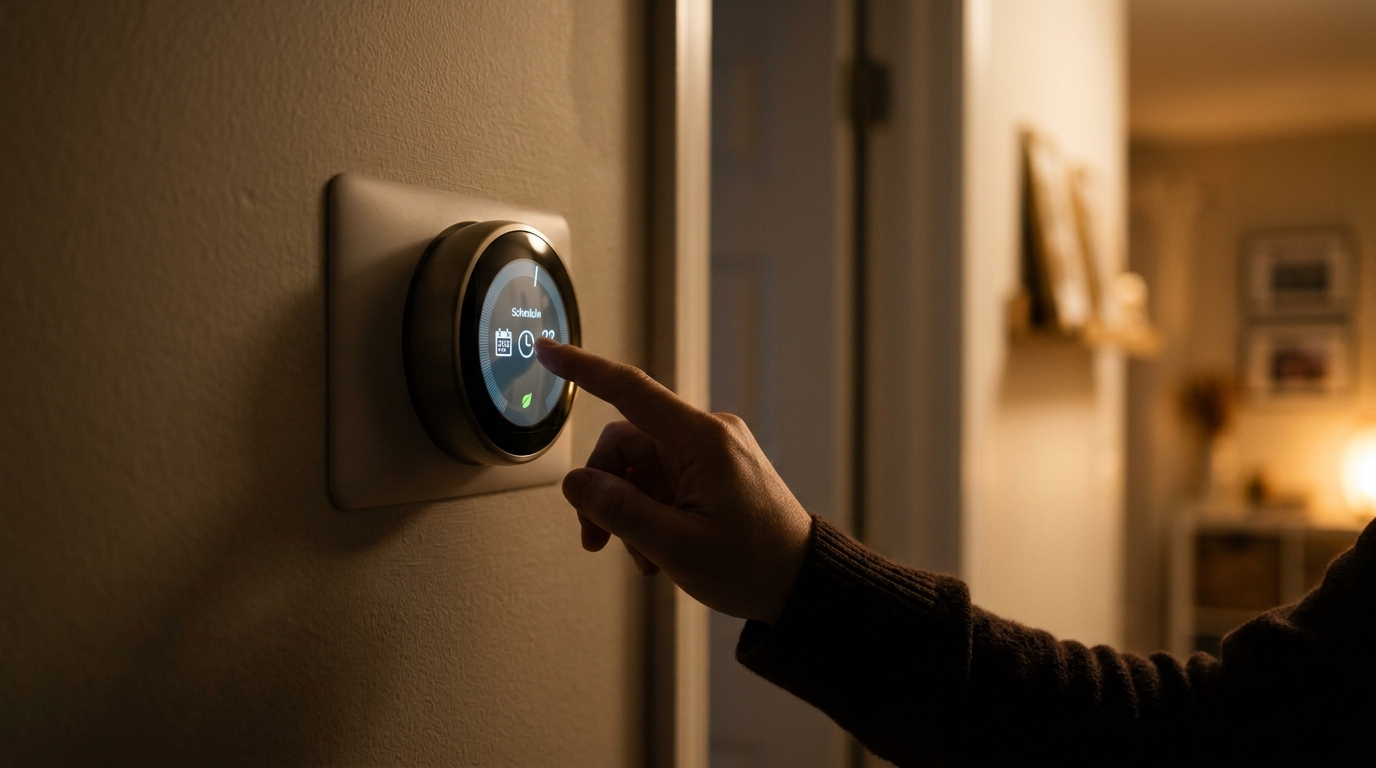
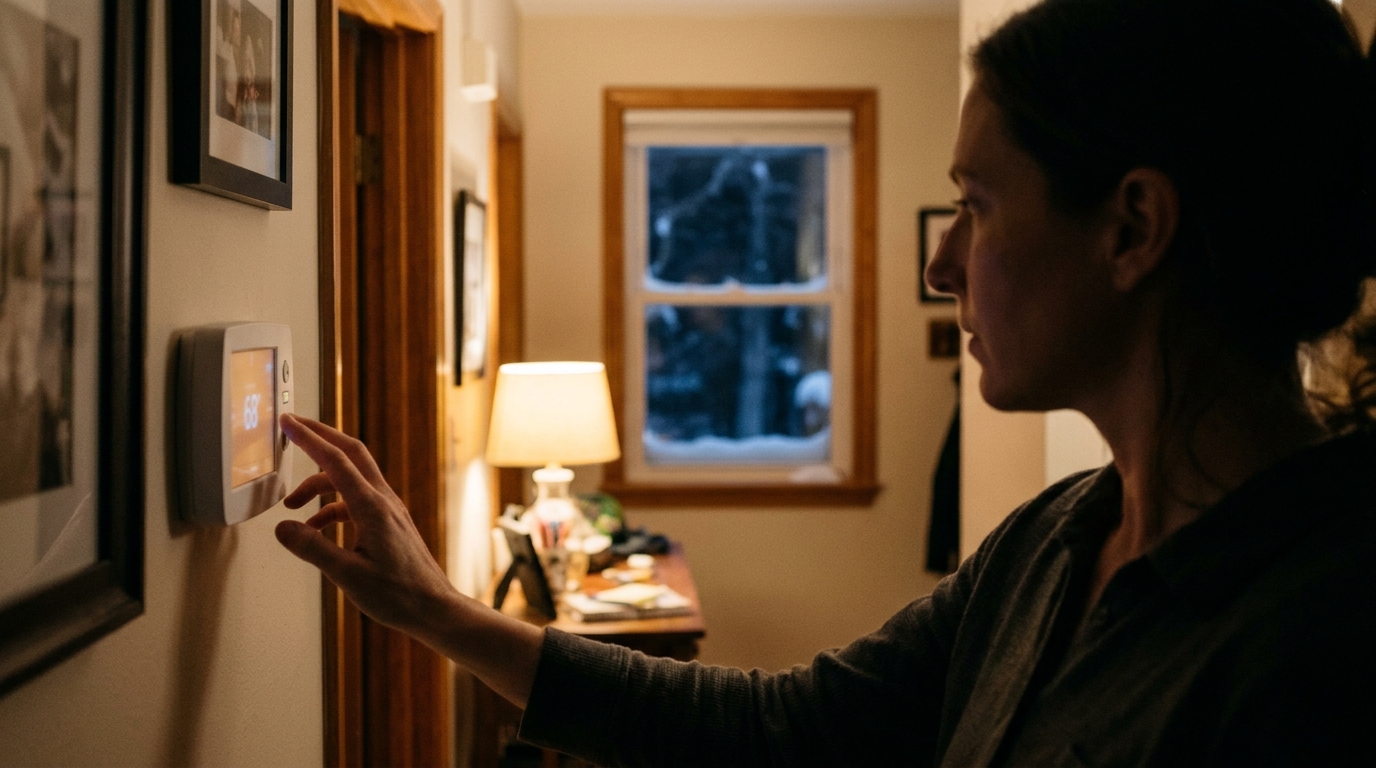
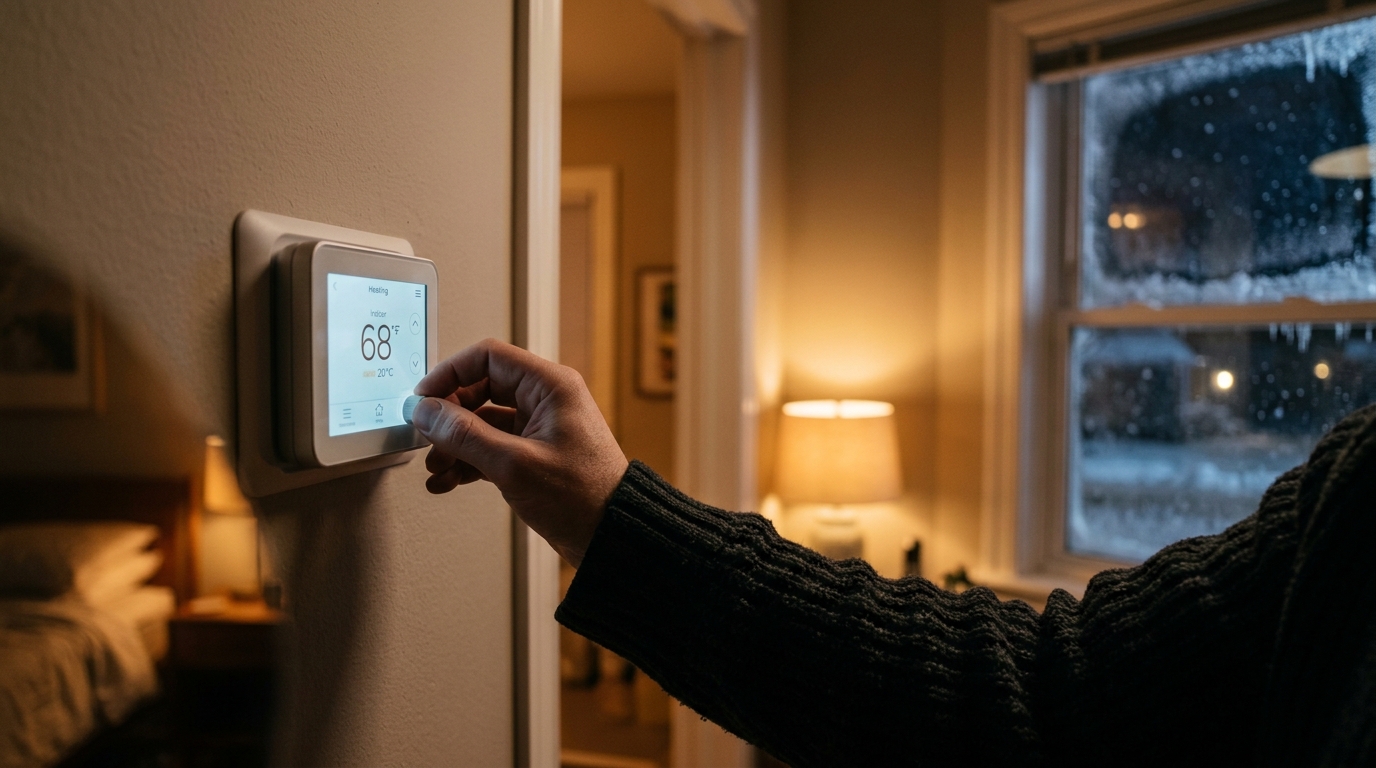
Most people install a Wi-Fi thermostat, connect it to the app, and never touch the settings again, leaving its biggest money-saving feature switched off. Setting up geofencing and a proper schedule takes under an hour and can trim 10 to 15% off your heating and cooling bills.
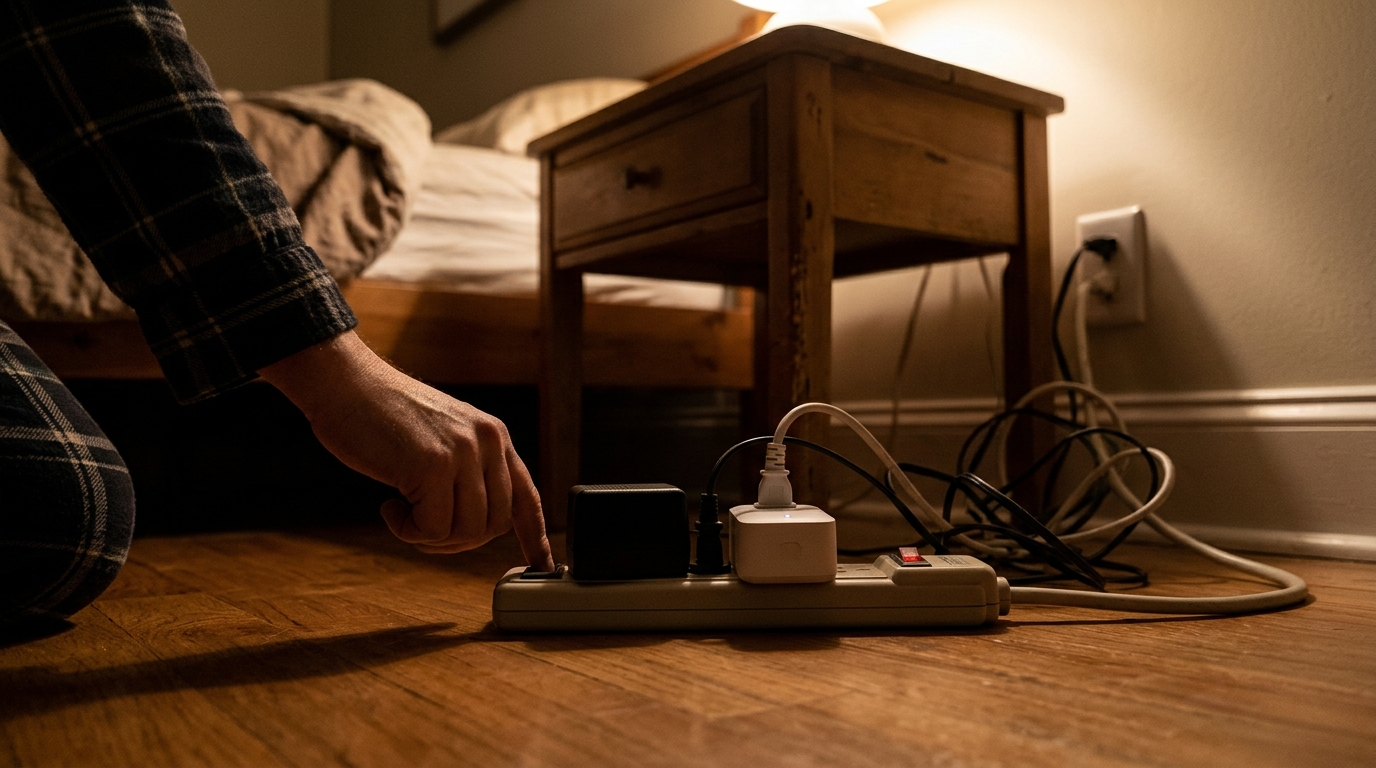
That faint 60 Hz buzz from a plug-in transformer, smart plug, or dimmer is annoying at 2 a.m., and it usually means wasted energy or a failing part. Most hums can be fixed in under 15 minutes by changing the load, the outlet, or the device itself, and the same fixes often trim standby power draw as well.
Where your bedroom windows sit, which direction they face, and how they are shaded can swing your room temperature by 10 to 20 degrees on a summer afternoon. You cannot move a window cheaply, but you can use window placement science to shade, vent, and reposition your cooling strategy for a bedroom that stays comfortable with far less AC.
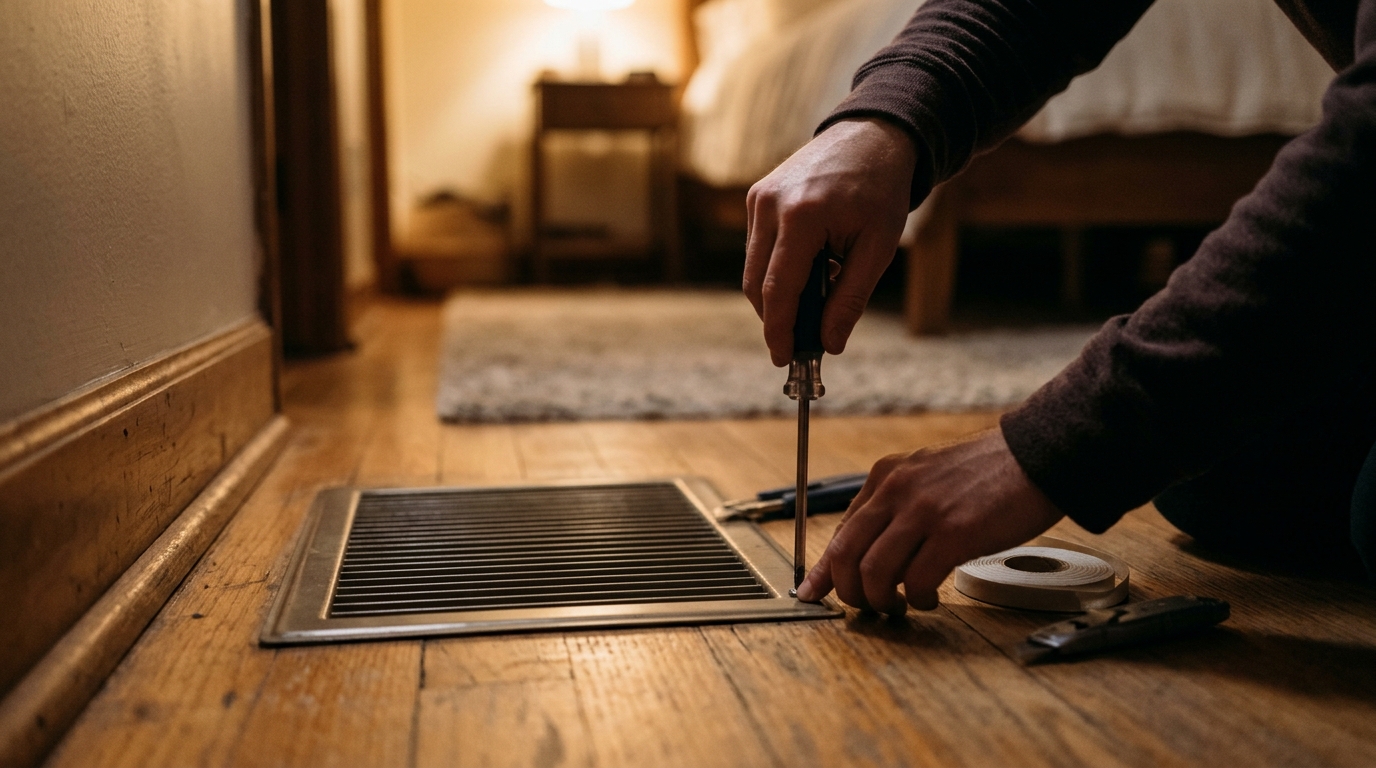
That annoying squeak or rattle from your floor vent is usually a loose damper, a bent louver, or a register that is no longer snug in its boot. The fix takes about five minutes, costs next to nothing, and often seals small air leaks that waste conditioned air.
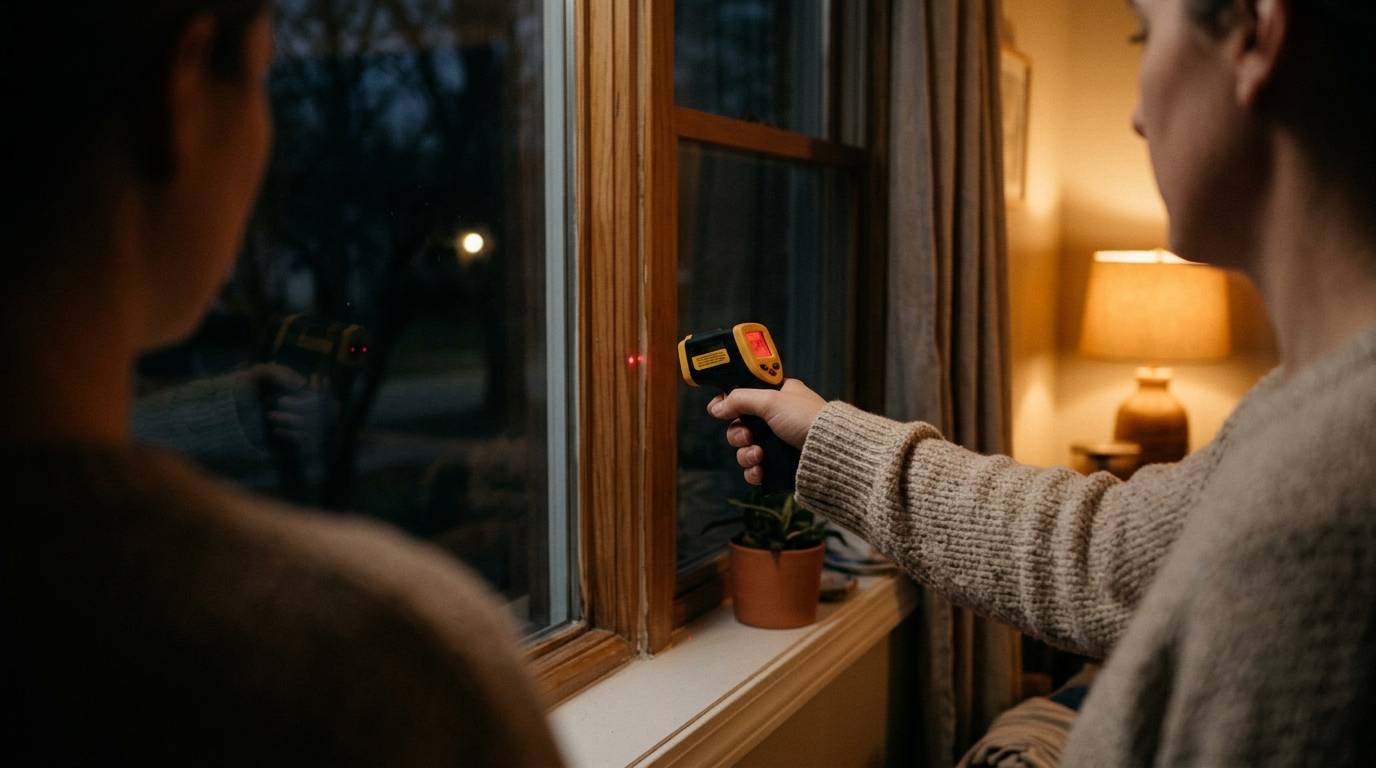
Air leaks and insulation gaps can waste 15 to 30 percent of your heating and cooling energy, but most of them are invisible during the day when outdoor and indoor conditions are closest together. Nighttime gives you the biggest temperature difference and the least interference, which makes hidden leaks far easier to find with simple tools you already own.
Most homeowners set their thermostat back at night by hand, and most forget at least a few times a week. A smart home hub can lock your doors and lower the temperature in a single trigger, saving about 8 to 12% on heating and cooling while making your nightly routine easier.
Heat pumps are two to three times more efficient than electric resistance heat, but when temperatures plunge, the backup heat strips can kick in and spike your bill. Learn why the strips exist, how to tell when they are running too often, and how to cut their use by 30 to 70 percent.
Many homeowners unknowingly trigger expensive backup heat every cold morning by using deep overnight thermostat setbacks that a heat pump simply cannot recover from efficiently. Switching to a gentle setback strategy and checking your auxiliary heat lockout settings can cut winter heating costs by 10 to 25% without sacrificing comfort.
If your bedroom feels fine at bedtime but turns chilly around 3 AM, leaky attic ceilings are a likely culprit, letting warm air escape and cold air rush in all night long. Sealing the gaps between your living space and attic is one of the highest-return efficiency projects a homeowner can do, often paying for itself in under two years.