If you have a heat pump and your winter electric bills seem higher than they should be, the culprit is often a habit borrowed from the furnace era: dropping the thermostat 8 to 10 degrees overnight. With a gas furnace, that setback saves money. With a heat pump, it can do the opposite. When temperatures sit near or below freezing, a heat pump is already working harder for each unit of heat it delivers, and a big morning recovery demand pushes the system to call for auxiliary (emergency) heat, which uses electric resistance coils that cost two to three times more to run.
The overnight hours between midnight and 6 a.m. are usually the coldest of the day, which is exactly when many homes have the thermostat set low and then ask the system to climb back up before the alarm goes off. The result is a long stretch of backup heat running, a spike in kilowatt-hours, and a house that still feels chilly because strip heat blows noticeably cooler air than a heat pump does.
This post explains why that happens, how to find out if it is happening in your home, and two practical ways to fix it: a free thermostat change you can make in 15 minutes, and a DIY setup that tunes your auxiliary heat lockout and airflow for lasting savings.
What You’ll Need
Click on an item below to shop for the recommended items for this recipe on Amazon.
As an Amazon Associate, we earn from qualifying purchases.
How to Do It
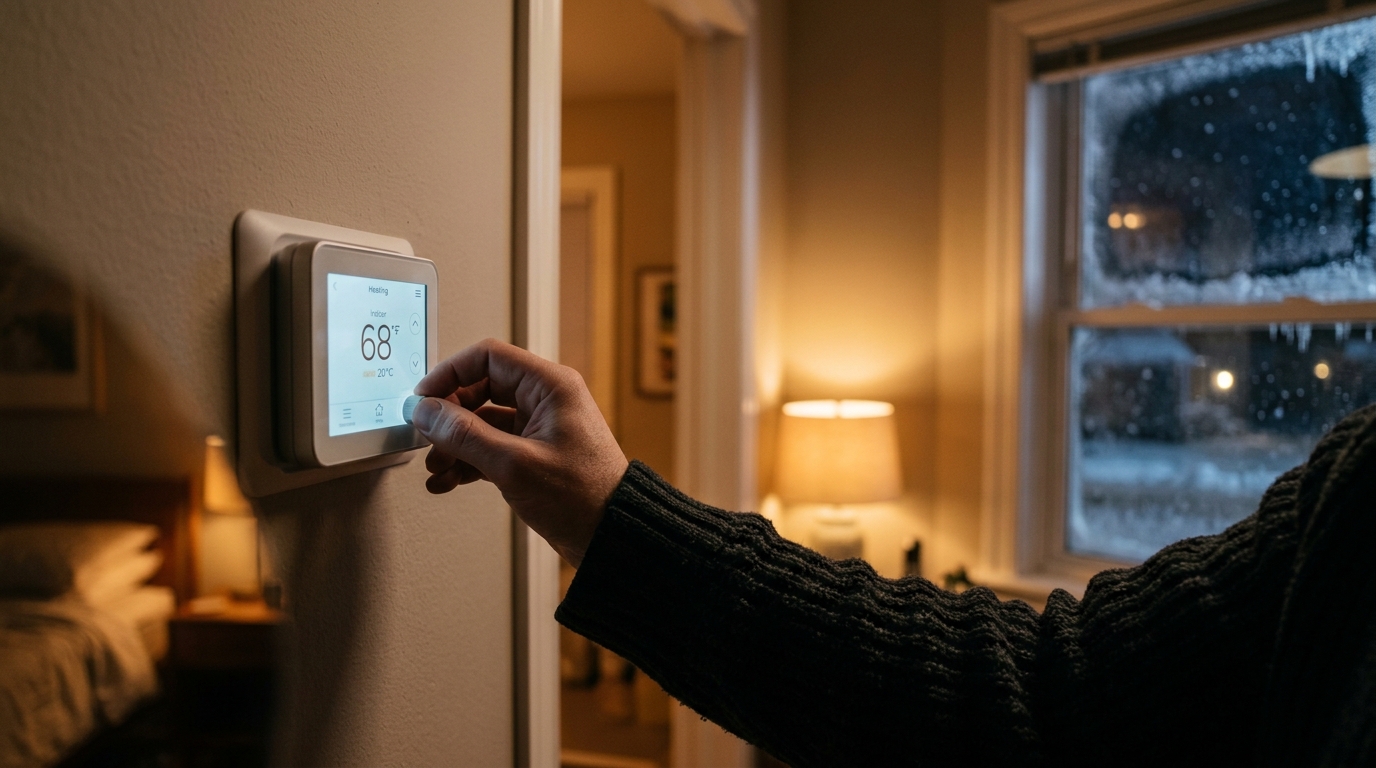
- Reduce your overnight setback to no more than 2 to 3 degrees. For example, hold 68F during the day and drop to 65 or 66F at night, instead of 60F.
- If your thermostat is a heat pump aware model, turn on its adaptive or smart recovery feature, which starts warming earlier and more gradually.
- Do not use the thermostat’s emergency heat setting unless the outdoor unit has failed. That setting forces strip heat to run continuously and is a common cause of huge bills.
- Watch for the AUX or EM HEAT indicator on your thermostat on a cold morning. If it lights up during recovery, your setback is still too aggressive.
- Compare your usage for two weeks using your utility’s online portal or smart meter data, then fine tune by one degree at a time.
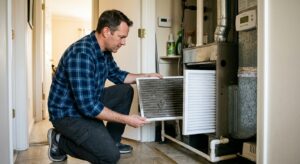
- Replace a dirty air filter and keep it fresh. A clogged filter cuts airflow, lowers heat output, and makes the system lean on strip heat. A MERV 8 to 11 filter is usually ideal; very high MERV filters can restrict airflow.
- Clear snow, ice, leaves, and debris from around the outdoor unit and keep at least 2 feet of clearance. Elevate the unit on a stand if snow drifts bury it.
- Install or reprogram a heat pump compatible smart thermostat (typically $100 to $250) and set the auxiliary heat lockout or outdoor temperature cutoff. Many homes do well with backup heat locked out above 25 to 35F outdoor temperature, based on your home’s balance point.
- Set the thermostat’s compressor and auxiliary stage differentials so strip heat only engages if the indoor temperature falls 2 or more degrees below setpoint, rather than instantly.
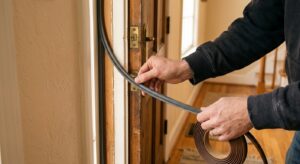
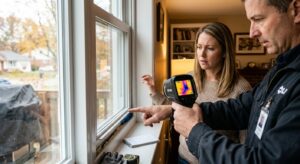
- Seal obvious drafts around windows, doors, and attic hatches with weatherstripping or caulk ($20 to $60) to lower your home’s balance point so backup heat is needed less often.
- After a few days of cold weather, check that the outdoor unit goes through defrost normally and that supply vents are blowing air in the 85 to 100F range.
- Ask the technician to verify refrigerant charge, since low refrigerant sharply reduces cold weather capacity and forces extra strip heat.
- Have them test the defrost control board and sensors so defrost cycles start and stop correctly.
- Request a measured temperature rise across the indoor coil and a check of strip heat staging and outdoor lockout thermostats or controls.
- Ask about a duct leakage test. Leaky ducts can waste 20 to 30% of heating output and push the system into backup heat.
- If your home has a persistent comfort issue below 15F, discuss a cold climate heat pump or a dual fuel setup that pairs the heat pump with a gas furnace for extreme cold.
Why It Works: The Benefits
Avoiding unnecessary strip heat use can trim heating costs by roughly 10 to 25%, which often means $150 to $400 per winter for a home spending $1,500 on electric heat.
A stable or lightly adjusted temperature avoids cold mornings and the lukewarm blast of air that comes when the system struggles to catch up.
Fewer long, maximum-output recovery runs and fewer defrost-plus-backup cycles reduce stress on the compressor and heating elements.
You get the full efficiency you paid for. A modern heat pump can deliver 200 to 300% efficiency in moderate cold, but only if it is not being pushed into resistance heat unnecessarily.
Cold snaps stop producing outsized bills when backup heat is only used when truly needed, rather than every single morning.
💰 Savings Impact by Action
Limiting overnight setbacks to 2 to 3 degrees avoids daily strip heat recovery and can cut heating costs by around 10 to 15%.
Setting an outdoor temperature cutoff for auxiliary heat prevents needless resistance heating and may save 5 to 10% on winter electricity.
Sealing gaps and leaks lowers your balance point and can reduce total heating demand by 10 to 20%.
Clean filters and clear airflow keep output up and reduce reliance on backup heat, saving roughly 3 to 5%.
Correct refrigerant charge and defrost operation restore cold weather capacity, often improving efficiency by 5 to 10%.
🏠 Key Concepts Explained
The Science Behind It
A heat pump works by moving heat from outside air into your home using refrigerant, which is why it can deliver more than one unit of heat per unit of electricity. The catch is that as outdoor temperatures fall, there is less heat available to extract and the system must work harder for each BTU. A typical modern unit might hit a COP near 3 at 47F, drop to around 2 near 17F, and cold climate models hold more capacity at these lower temperatures. Electric resistance heat, by contrast, converts each kilowatt-hour into exactly one kilowatt-hour of heat (a COP of 1.0), which is why every minute of backup heat costs two to three times more than the heat pump alone in mild cold.
Thermostats trigger backup heat based on how far the room is from the setpoint and how fast it is recovering. When you set a 62F overnight temperature and a 70F wake-up temperature, that 8 degree gap is far larger than a heat pump can close at 1 to 2 degrees per hour, so the thermostat decides the heat pump is too slow and brings in the strip heaters. Holding a smaller gap, or letting a smart thermostat start the recovery earlier, keeps the compressor in charge.
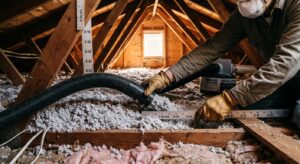
Your home also matters. The balance point, where the heat pump’s output matches your house’s heat loss, shifts with insulation, air sealing, and window quality. Improving the building envelope lowers the temperature at which backup heat becomes necessary, so air sealing and attic insulation quietly support heat pump performance on the coldest nights.
Frequently Asked Questions
▼ Why does my heat pump blow cool air in winter, and is something wrong?
Heat pump supply air is normally 85 to 100F, which feels cooler than furnace air but is still warmer than room temperature. If the air feels truly cold (below 80F) or the system runs constantly without gaining temperature, check the filter, outdoor unit for ice, and have a technician check refrigerant charge.
▼ My thermostat shows AUX HEAT every cold morning. What should I do?
That means strip heat is running, usually because your overnight setback is too deep. Reduce the setback to 2 to 3 degrees or enable gradual recovery, and confirm Emergency Heat is not selected. If AUX heat still runs when it is above 35F outside, ask a technician to check your controls and refrigerant.
▼ Is it normal for the outdoor unit to be covered in frost or ice?
A light frost is normal, and the system will periodically enter defrost mode and may steam briefly. If the coil stays encased in thick ice for hours, there may be a defrost control problem, blocked airflow, or low refrigerant, so call a professional.
▼ How long before I notice savings on my bill?
Expect to see a difference on your next full billing cycle if the weather is similar. For the cleanest comparison, use your utility’s daily usage data and compare cold nights before and after the change.
▼ Should I buy a dual fuel system if my heat pump struggles below freezing?
Only if you live where temperatures regularly fall below 15 to 20F and you already have or can afford gas. Try the settings changes first, then ask a pro for a load calculation and a quote comparing a cold climate heat pump with dual fuel.
Quick Tips
- Use a steady temperature or a setback of no more than 2 to 3 degrees. The savings from a deep setback rarely survive the cost of backup heat.
- Keep the outdoor unit clear of snow, ice, and debris, and never stack firewood or storage against it.
- Check the filter monthly during winter, since restricted airflow forces strip heat and reduces comfort.
- Close the gap on drafts and attic leaks first. Every degree of balance point you drop reduces how often backup heat is needed.
Variations for Your Situation
- Apartment/Rental: You usually cannot change equipment, but you can almost always change thermostat settings. Use the gentle setback strategy, avoid Emergency Heat, and replace the filter if allowed. A $15 to $30 draft stopper or window insulation film can lower heat loss without any permanent changes.
- Tight Budget (under $50): Reduce the setback to 2 to 3 degrees, clear the outdoor unit, change the filter ($10 to $25), and seal obvious drafts with a tube of caulk and rope caulk or weatherstripping ($15 to $25). These steps alone often deliver most of the savings.
- Older Home (pre-1980): Expect a higher balance point and more backup heat use because of leaky windows and thin insulation. Prioritize air sealing and attic insulation to R-38 or higher, then have a technician check duct leakage, since older duct systems often lose 20 to 30% of output.