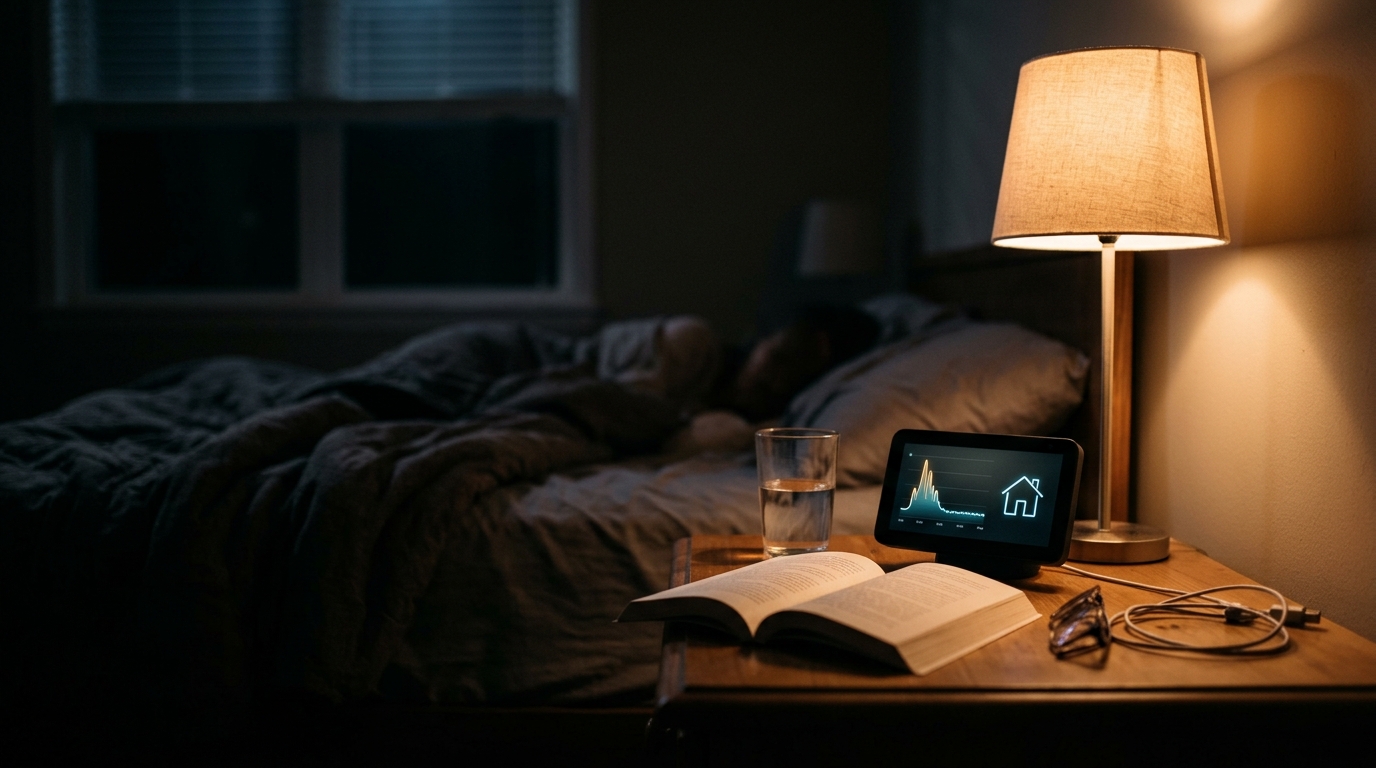
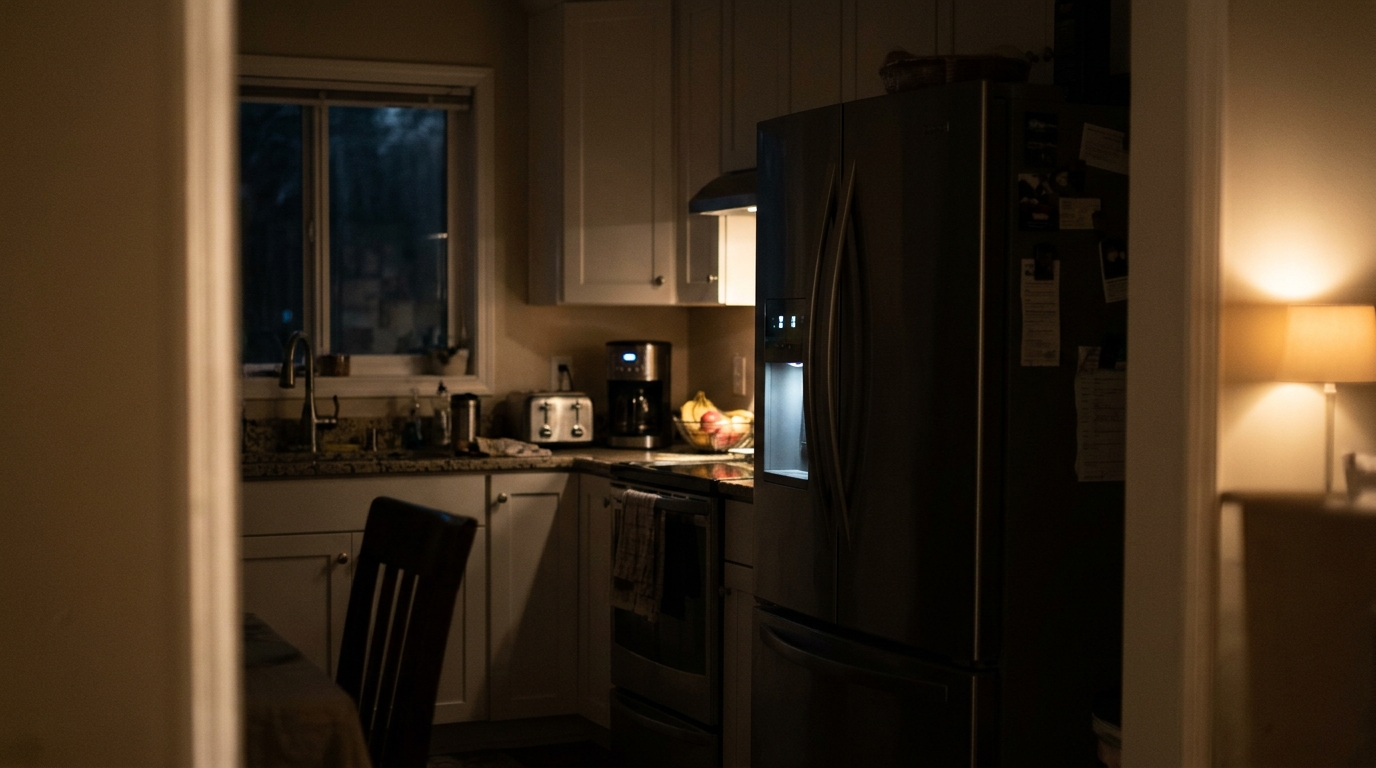
While you sleep, your home may be quietly burning 300 to 600 watts around the clock, adding up to $40 to $90 a month on a typical bill. A whole-home energy monitor shows your true overnight baseline so you can find and cut those phantom loads for good.
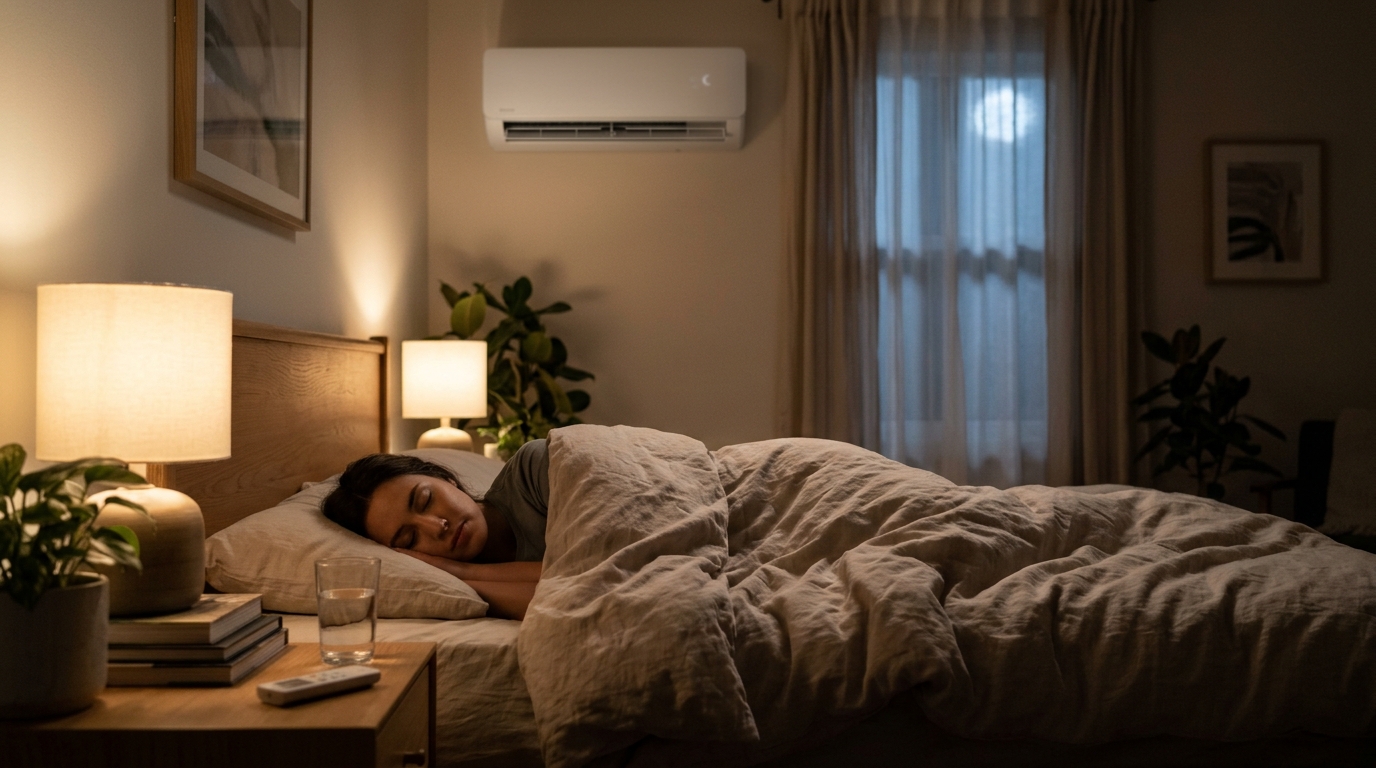
Most mini-split owners either leave the unit blasting all night or shut it off and wake up sweaty. A properly tuned sleep mode and a smart overnight setpoint can cut nighttime cooling energy by 15 to 25% while keeping the bedroom comfortable.
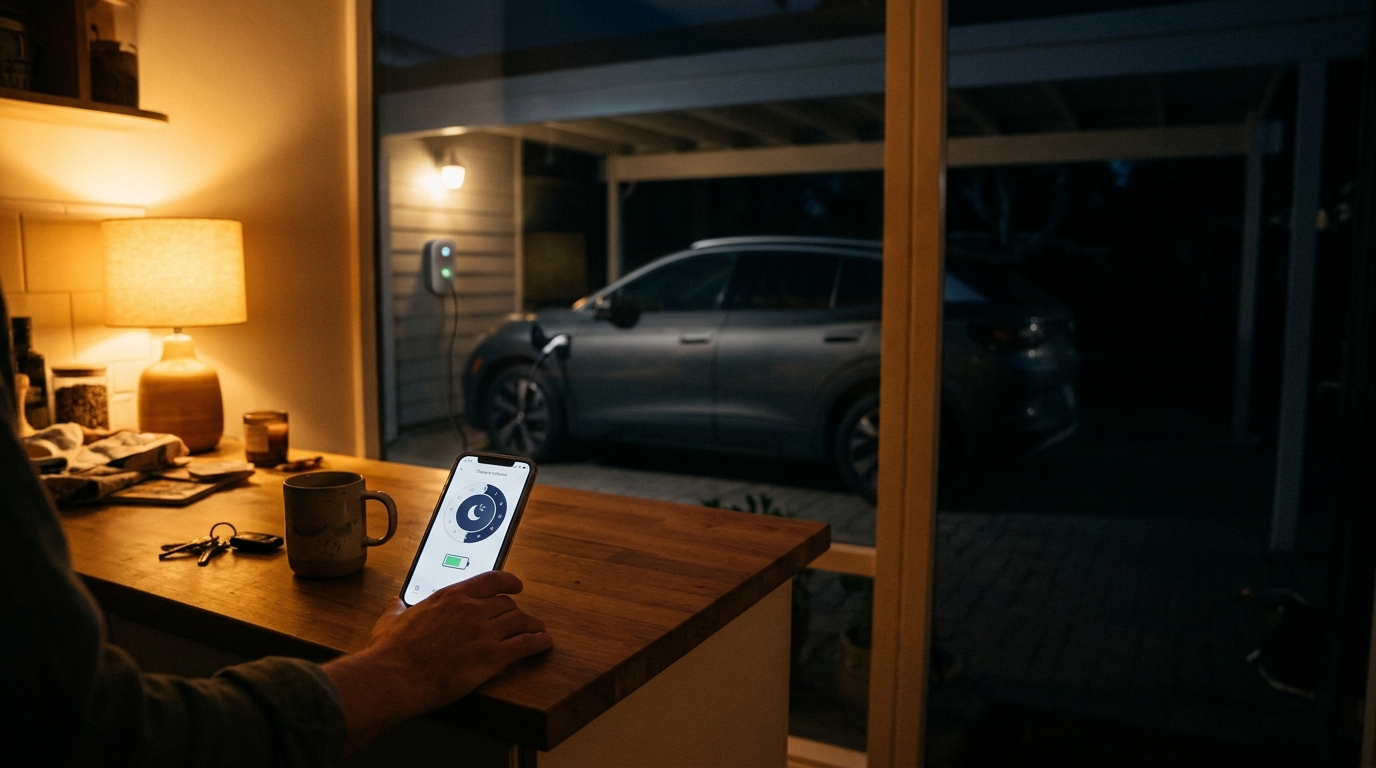
Charging your EV whenever you plug in can quietly cost you hundreds of extra dollars a year, especially on time-of-use electricity plans where evening rates can be double or triple overnight rates. A simple charging schedule shifts the work to the cheapest hours and can pay for itself the very first month.
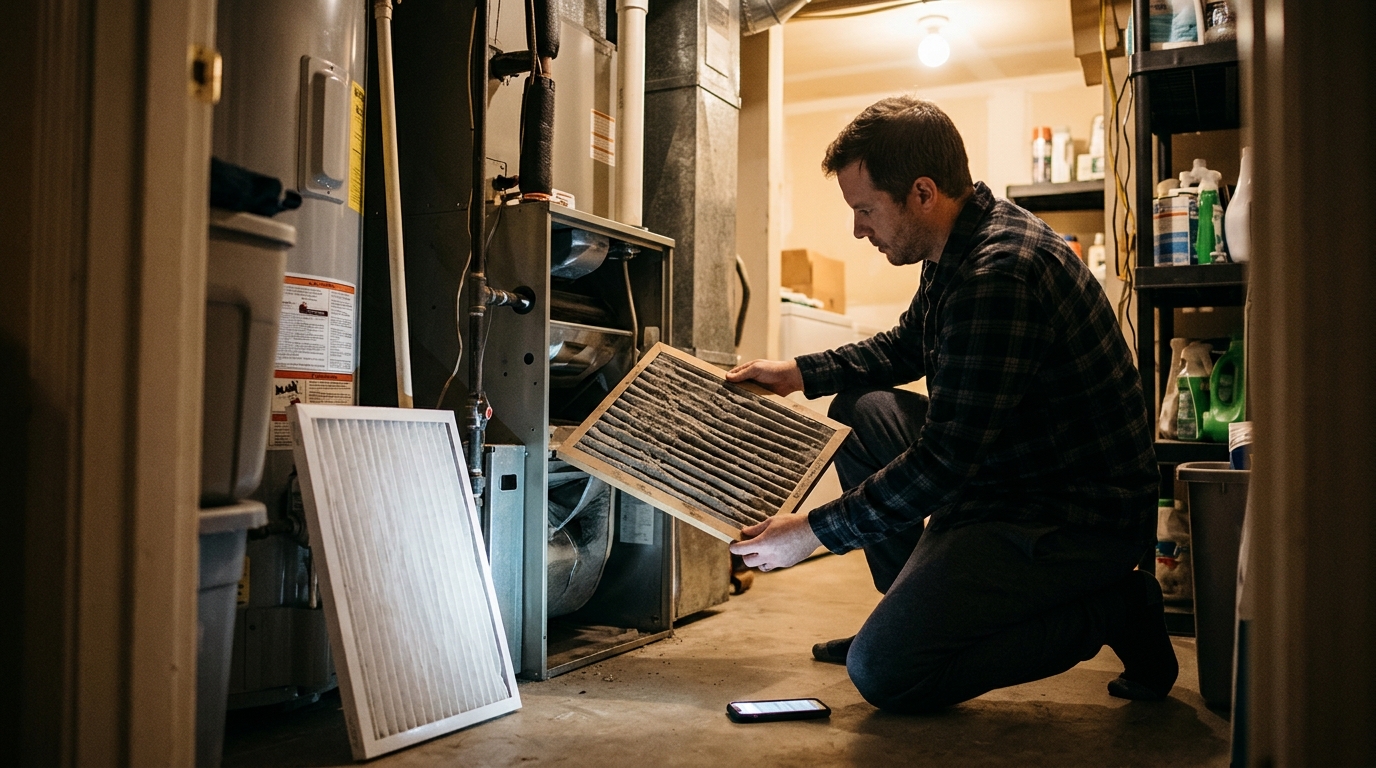
If your bedroom is chilly at 3 a.m. even though the thermostat says 68 degrees, a clogged furnace filter is one of the most overlooked culprits. Swapping a $5 to $15 filter restores airflow, evens out temperatures, and can trim heating costs by 5 to 15%.
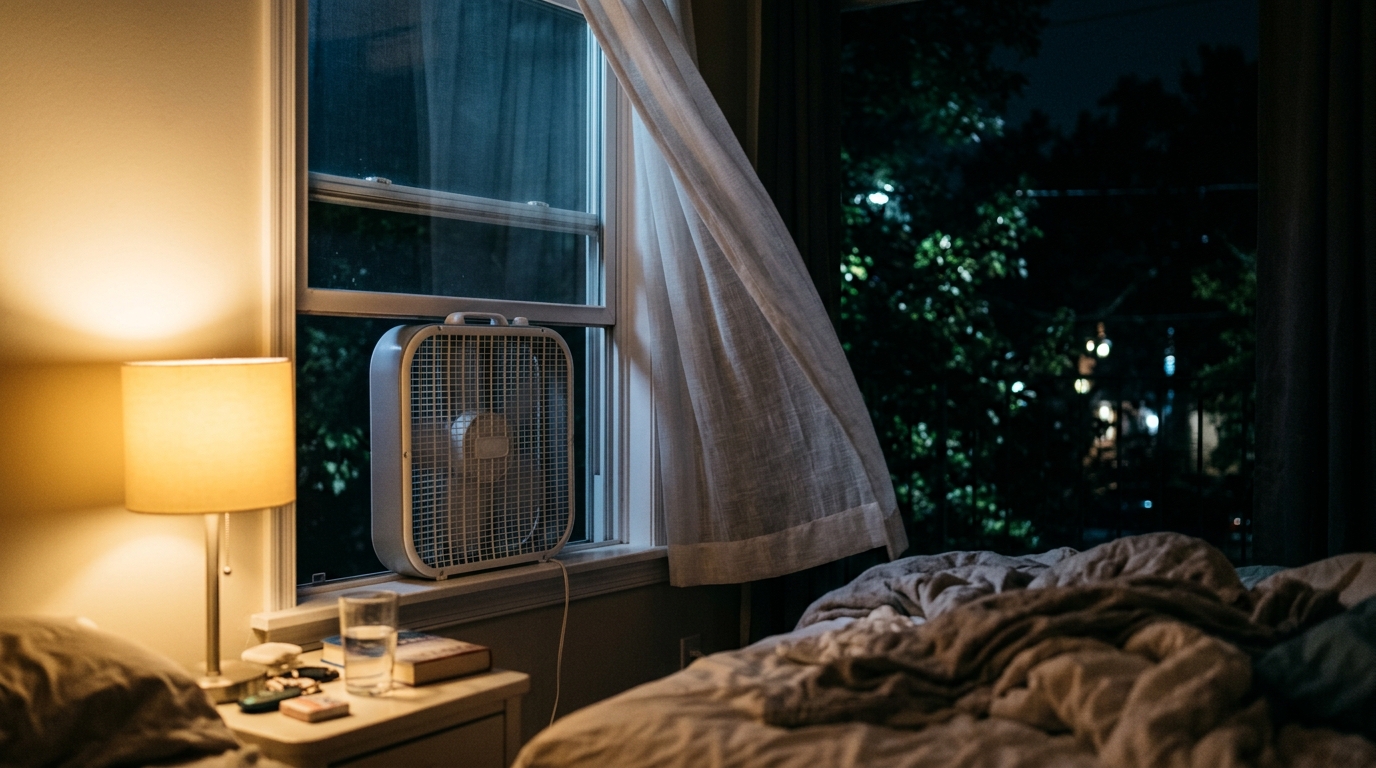
Your home loses heat fast after sunset, but most people keep the windows shut and let the AC fight a house that is already warmer than the outdoors. Flushing your home with cool night air and then sealing it up at sunrise can delay or cut AC use by several hours a day and trim cooling bills by 15 to 30% in dry and moderate climates.
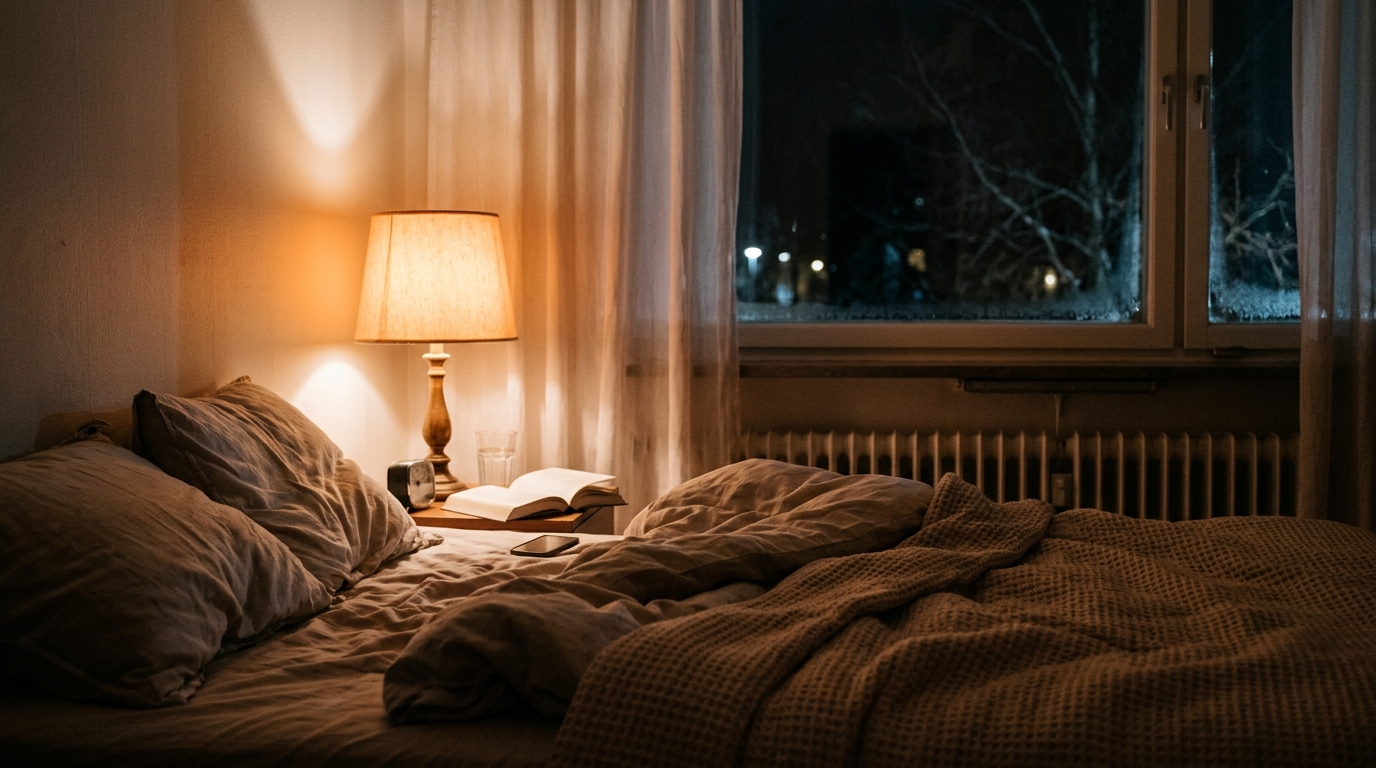
The color and brightness of your evening lights can shift how warm or cool a room feels, even when the thermostat never moves. By pairing warm, dim evening lighting with a smarter nighttime temperature plan, you can feel comfortable at a lower setpoint and trim 5 to 10% off heating costs.
Most homeowners pay a flat rate for electricity, even though the real cost of power swings dramatically between 3 a.m. and 6 p.m. A single 20-minute phone call to your utility can move you to a time-of-use rate that rewards the habits you may already have.
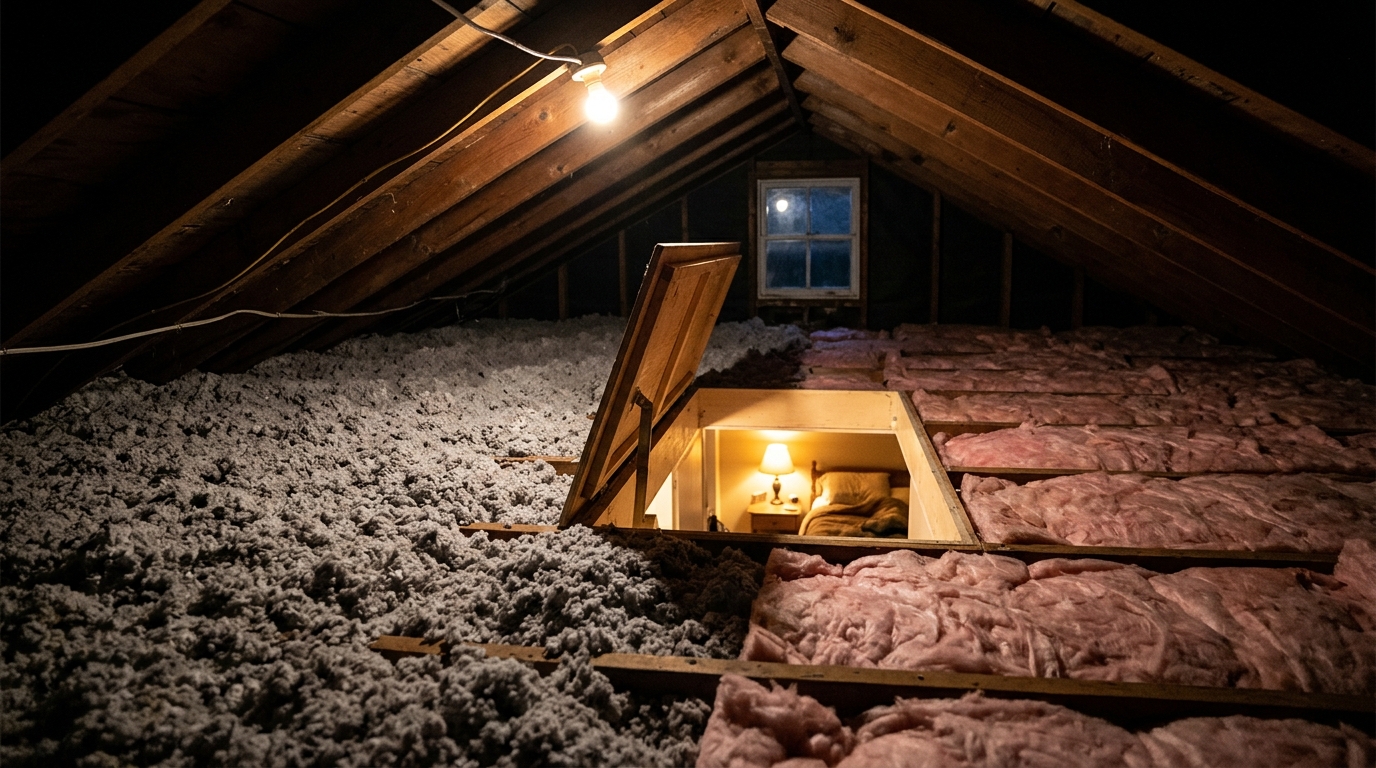
If your bedroom swings from cozy at bedtime to chilly or stuffy by 4 a.m., your attic insulation may be the culprit. Blown-in insulation fills gaps that batts leave behind, and that can cut overnight temperature swings and trim heating and cooling bills by 10 to 20%.
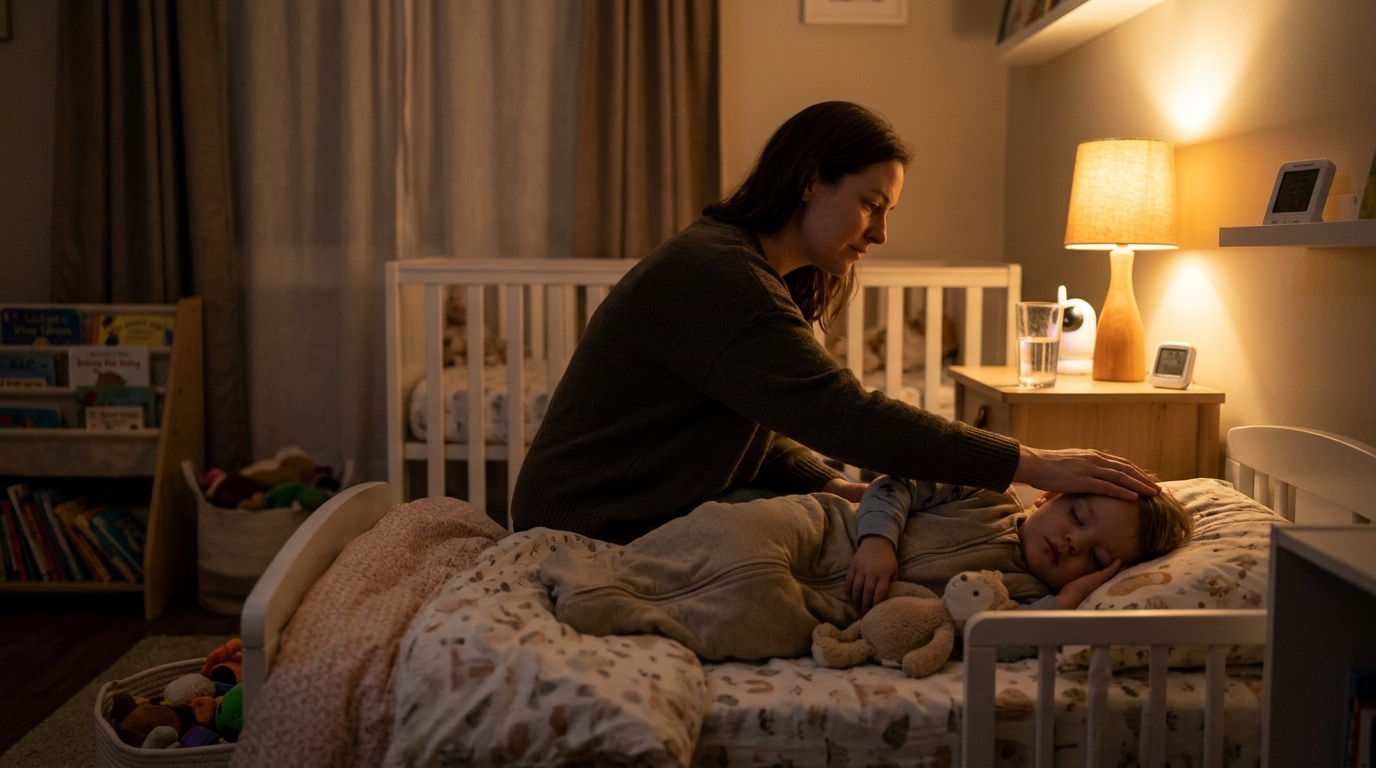
Infants and toddlers regulate body heat differently than adults, so the ‘sleep cool’ advice that works for you can leave a baby too cold or too warm. Setting a stable 68 to 72 degree nursery and dressing the child instead of cranking the thermostat keeps your little one safe and can trim nighttime HVAC costs by 5 to 10%.
Your refrigerator runs around the clock and quietly accounts for 7 to 10% of a typical home’s electricity use, with plenty of that draw happening overnight when nobody is opening the door. A handful of free adjustments and a few inexpensive upgrades can trim its consumption by 10 to 25% without losing a single frozen pea.