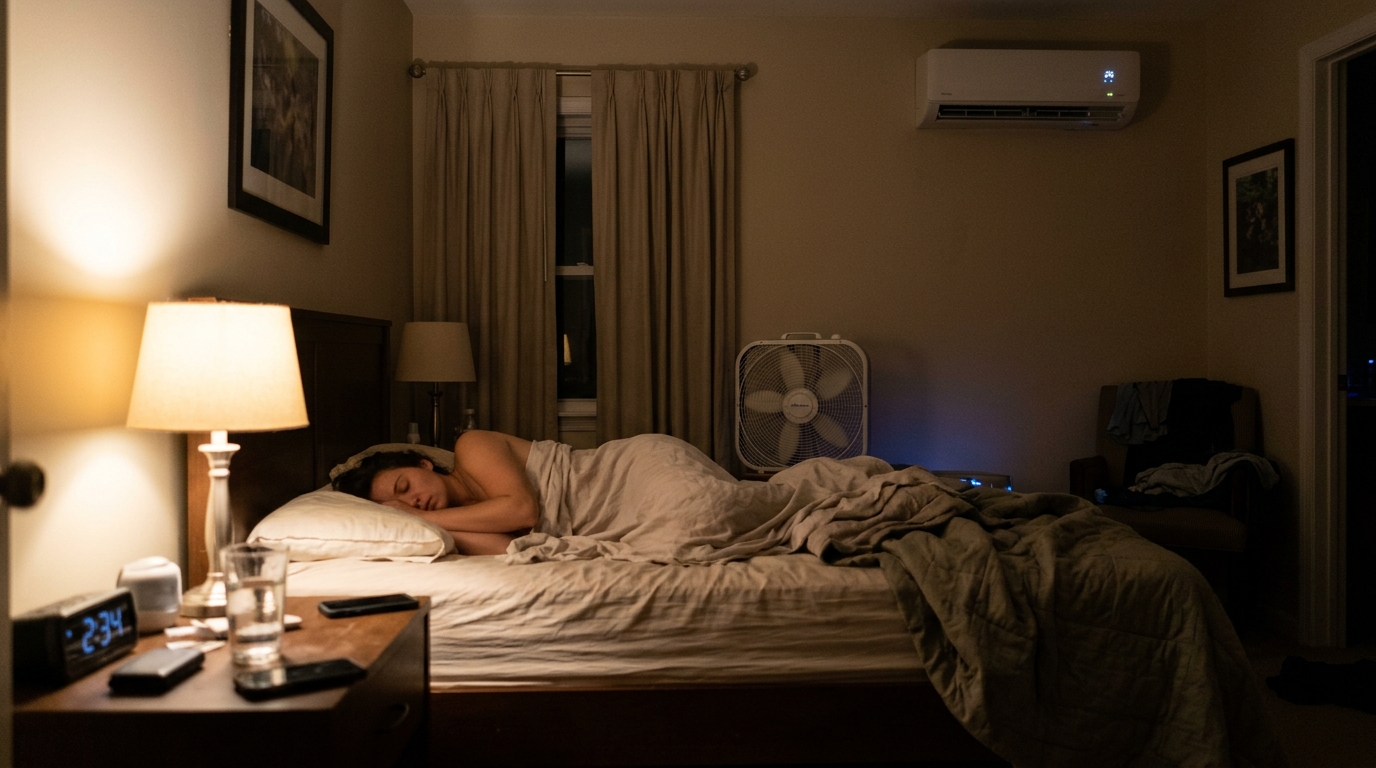
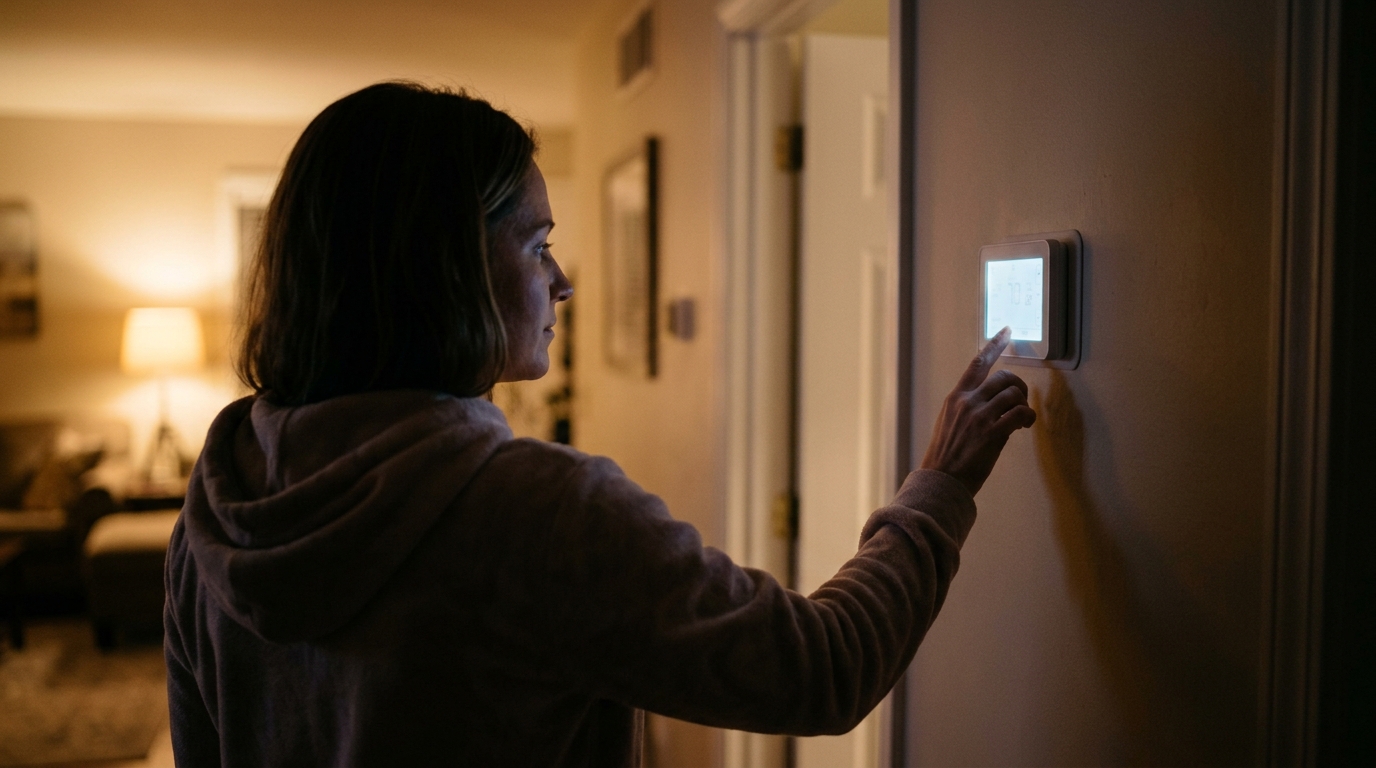
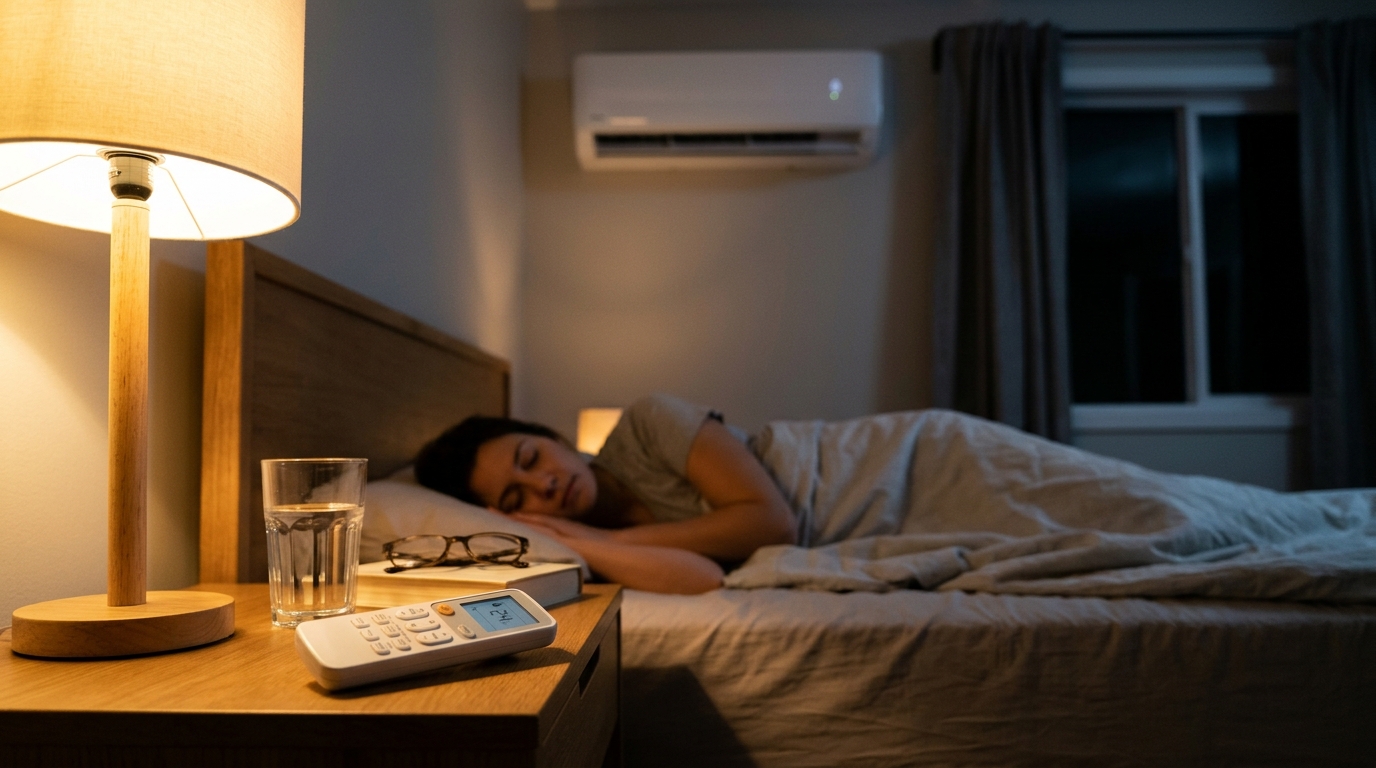
If your thermostat says 74 but your bedroom feels like 80, the problem is rarely your AC’s size. It is usually a mix of weak airflow, heat gain through the roof and windows, and a closed door that traps hot air inside, all of which can be fixed without replacing your system.
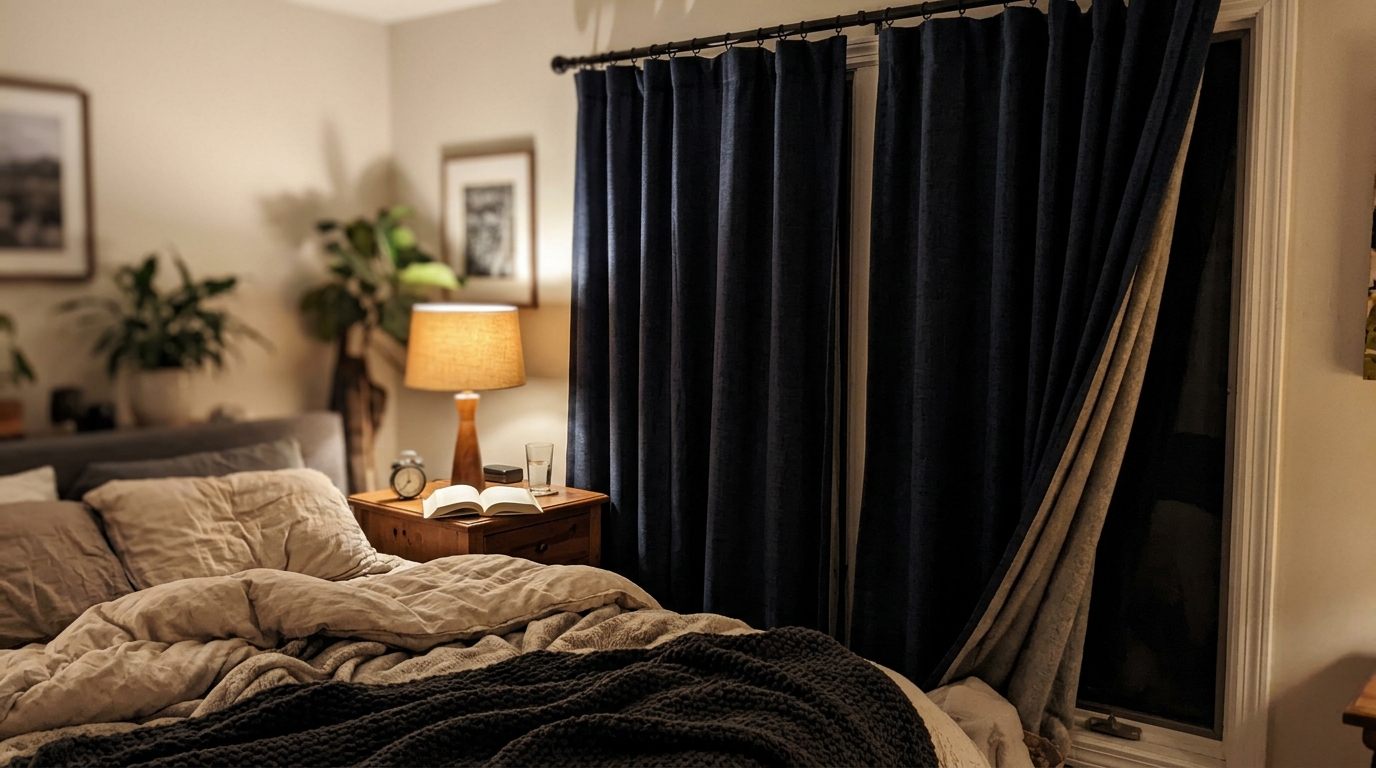
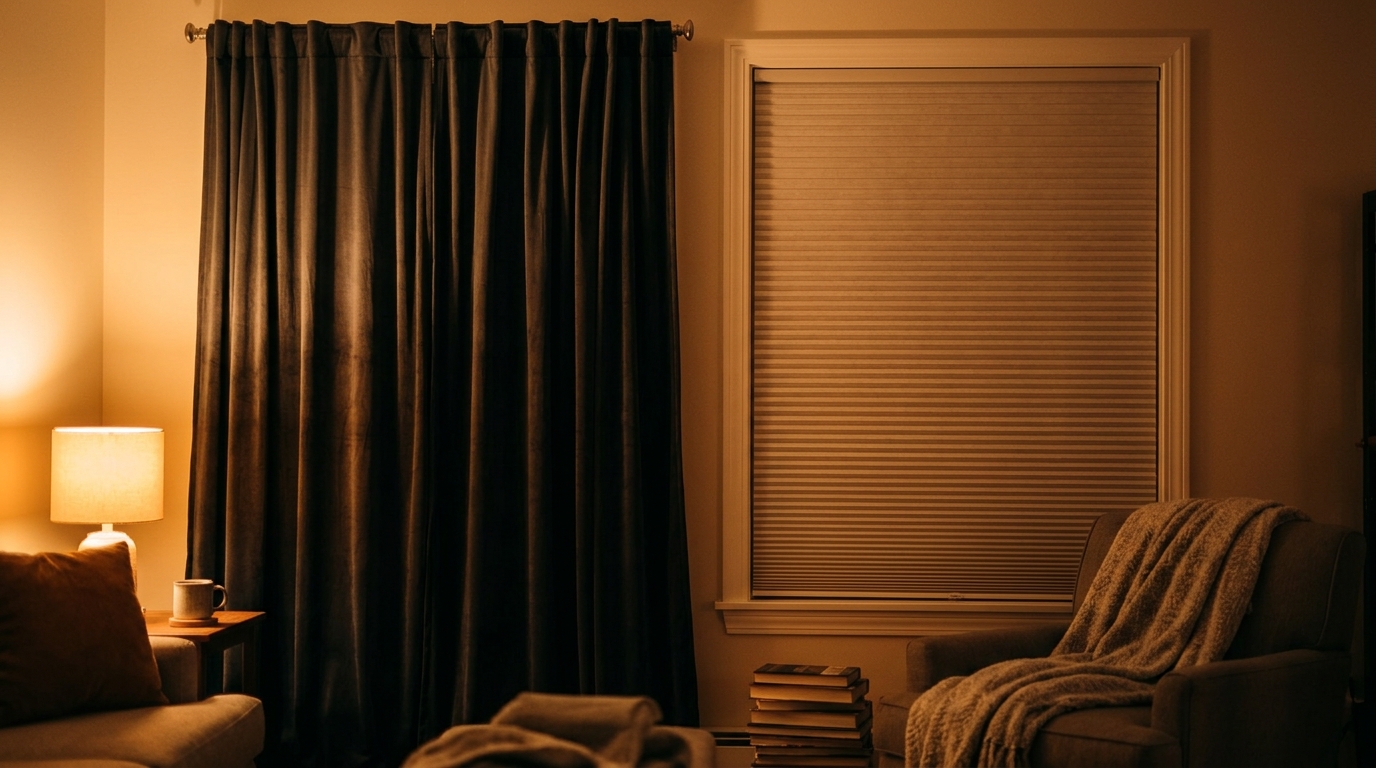
Most people buy blackout curtains to sleep past sunrise, but the same thick fabric can also reduce solar heat gain through windows by up to 33% and cut winter heat loss by 10 to 25%. Choosing the right curtain, hanging it correctly, and closing it at the right time of day can make a bedroom 3 to 8 degrees more comfortable without touching the thermostat.
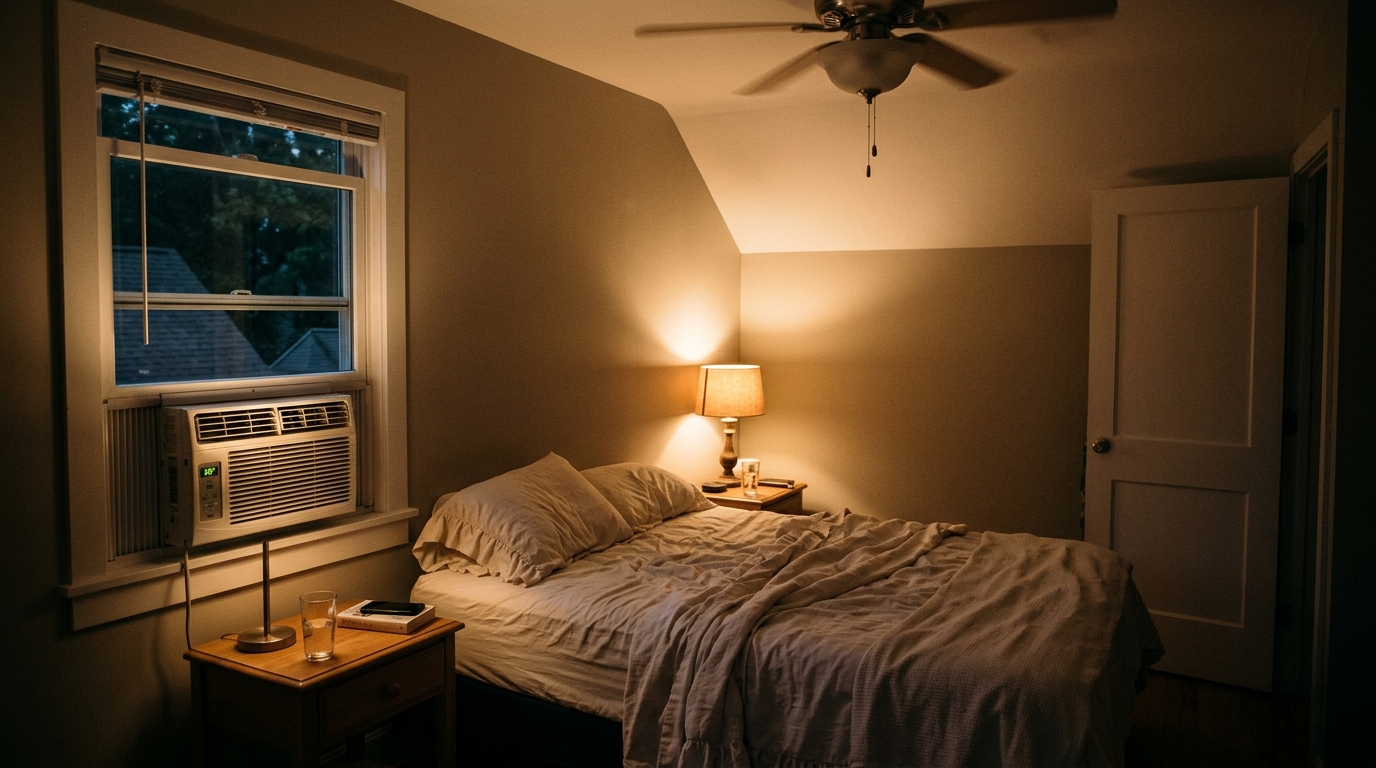
Heat rises, so your upstairs bedroom can sit 5 to 10 degrees warmer than the main floor while the thermostat downstairs says everything is fine. The fix is targeted airflow, smarter shading, and a few duct tweaks that cool the room you sleep in without overcooling the rooms you do not.
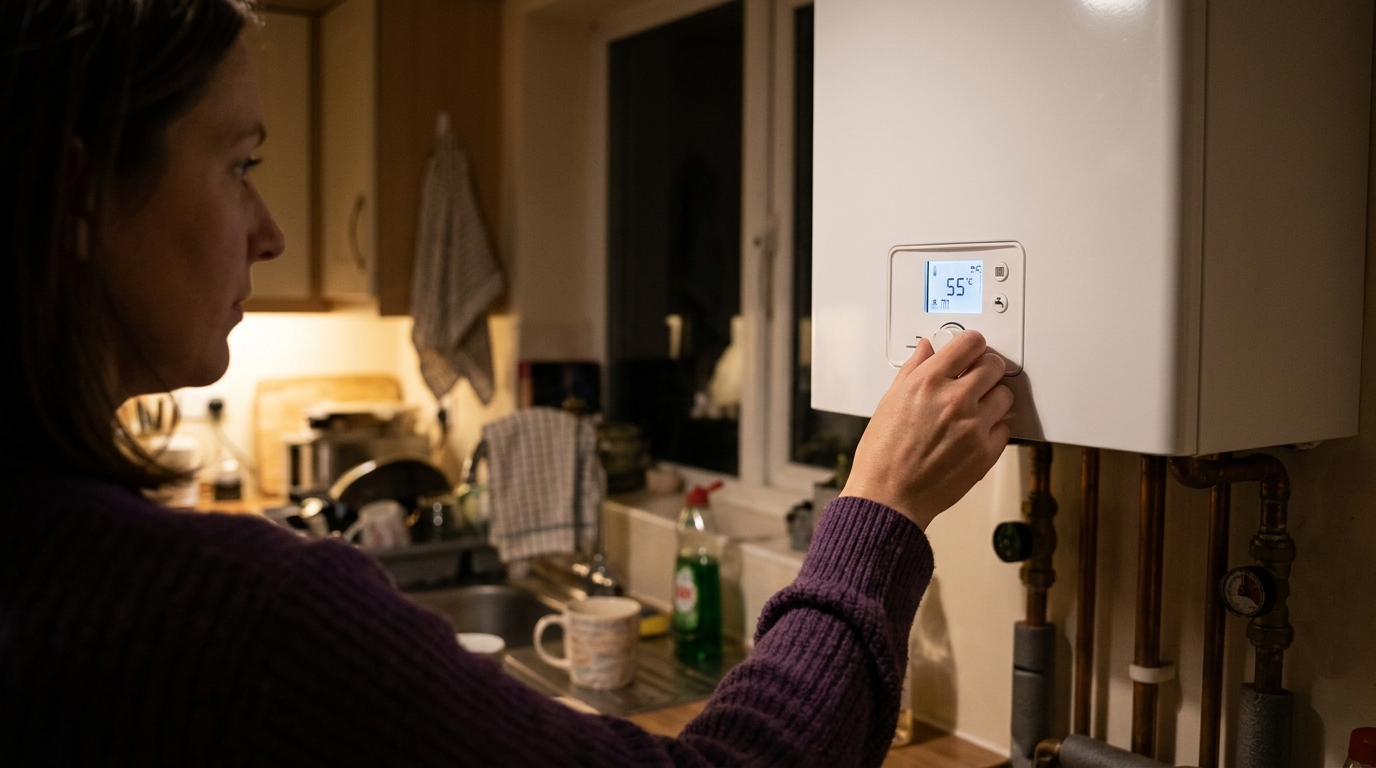
If your home gets chilly at 3 a.m. and then your boiler roars to life at 5 a.m., your heating schedule is probably fighting your combi boiler instead of working with it. Switching to a lower, steady flow temperature and a gentler overnight setback can flatten those swings and trim gas use at the same time.
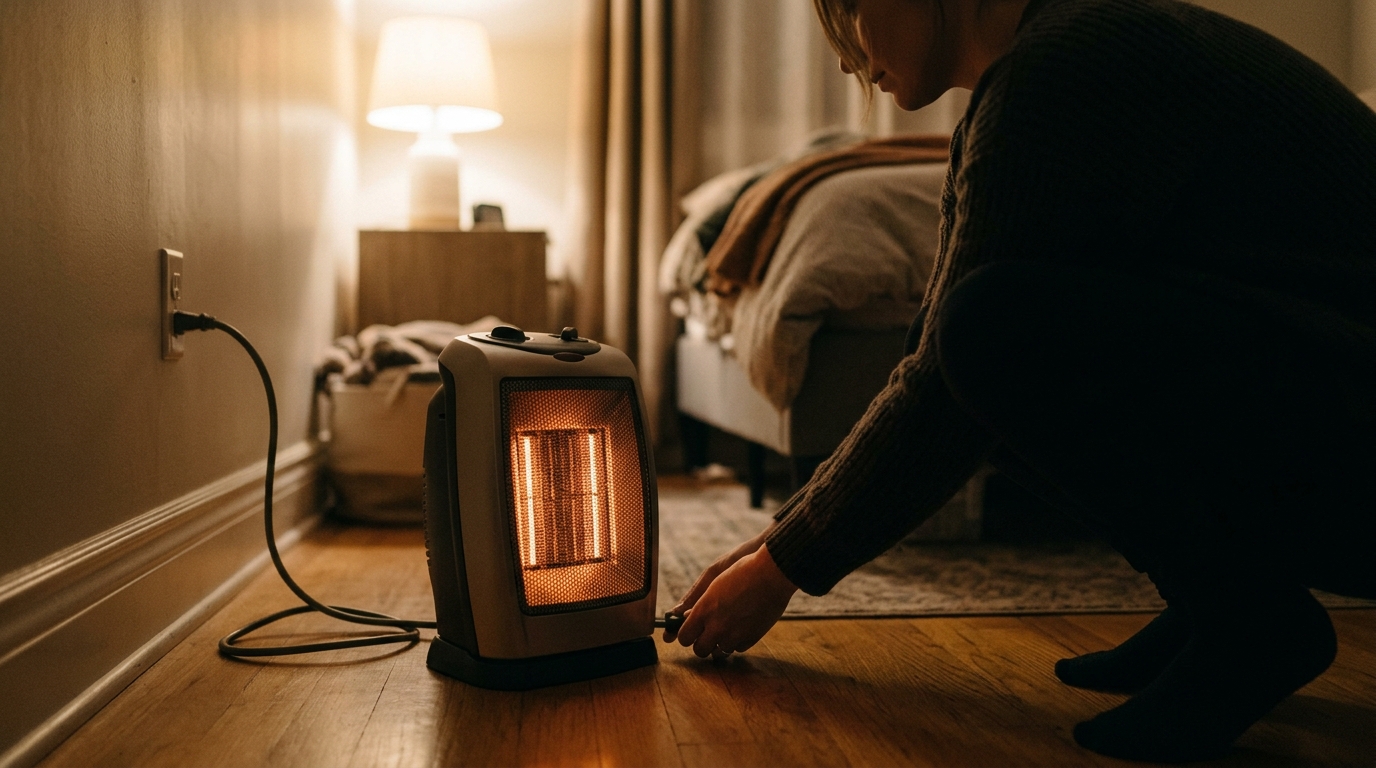
Portable heaters are involved in roughly 80 percent of home heating fire deaths, yet most fires trace back to simple, preventable problems like a damaged cord or a nearby blanket. A one-minute nightly check protects your family while letting you safely use zone heating, which can trim heating costs by 10 to 30 percent.
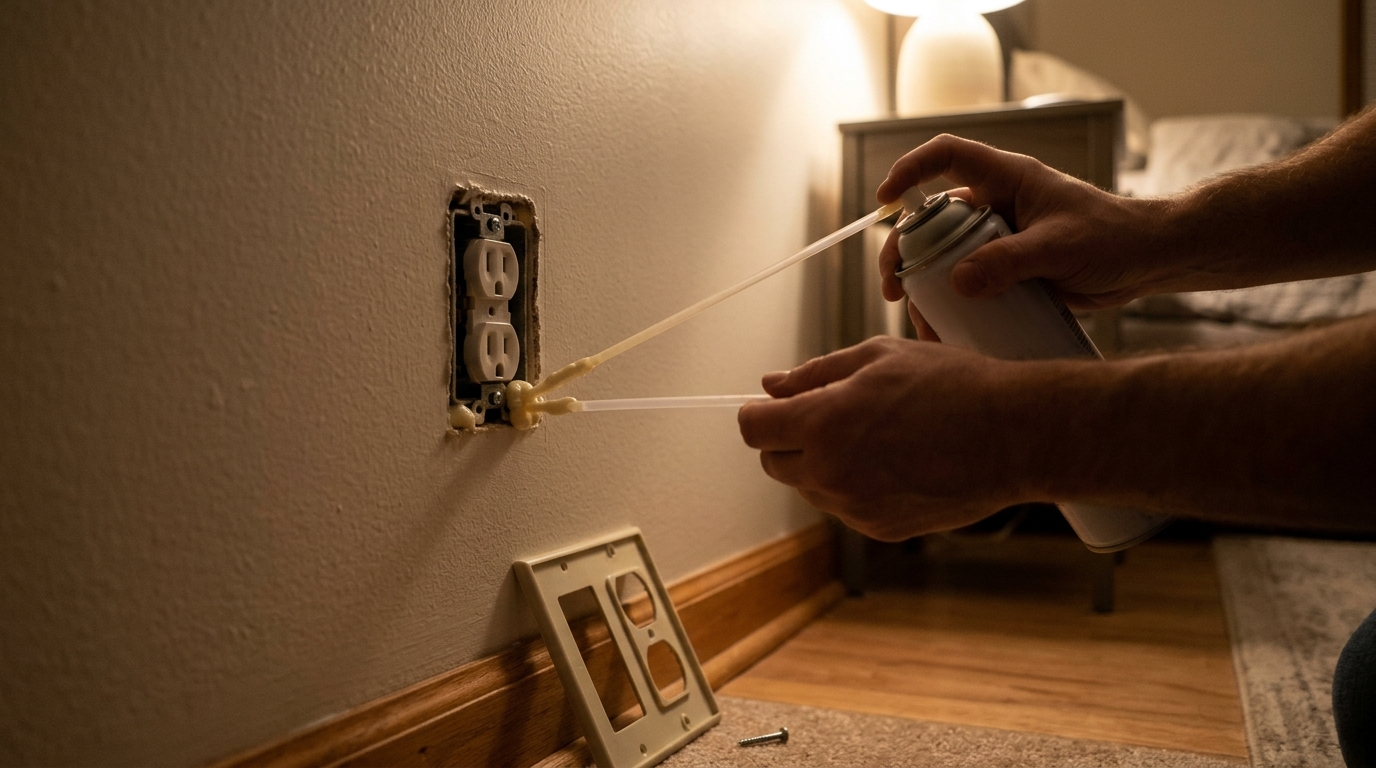
Every outlet and switch on an exterior wall is a small hole in your home’s air barrier, and together they can leak as much air as an open window. A few dollars of foam gaskets and fire-rated sealant can close those gaps in an afternoon and noticeably cut drafts.
Windows can account for 25 to 30 percent of residential heating energy loss, and most of it escapes after the sun goes down. The right window covering, installed the right way, can cut that nighttime loss by 10 to 25 percent, but blinds and curtains win in very different situations.
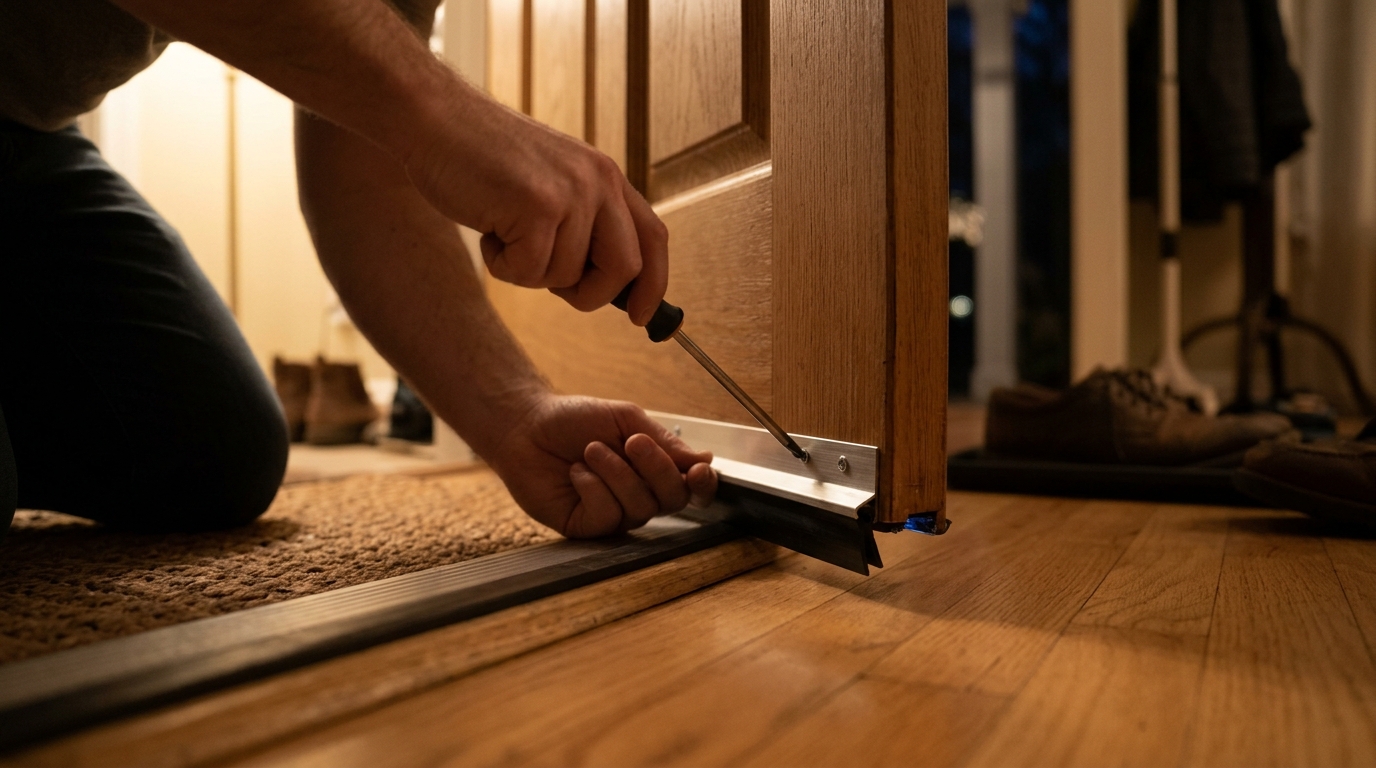
That thin gap under your exterior door can leak as much air as a hole the size of a window cracked open, and you feel it most at night when the house cools and drafts take over. A $10 to $25 door sweep, installed in about 20 minutes, can close that gap and pay for itself in a single heating season.
If your bedroom is stuffy at 2 a.m. or you wake up cold at 5, the cause is usually settings and airflow, not a failing system. A 30-minute reset of your thermostat schedule, fan mode, filter, and vents can fix most overnight comfort problems and trim 5 to 15% off your heating and cooling costs.
Waking up to a clammy bedroom even though your AC ran all night is a sign your system is cooling the air but not drying it. A few overnight settings changes, plus an optional hardware upgrade, can pull humidity down to a comfortable 45 to 55% without turning your bedroom into a meat locker.