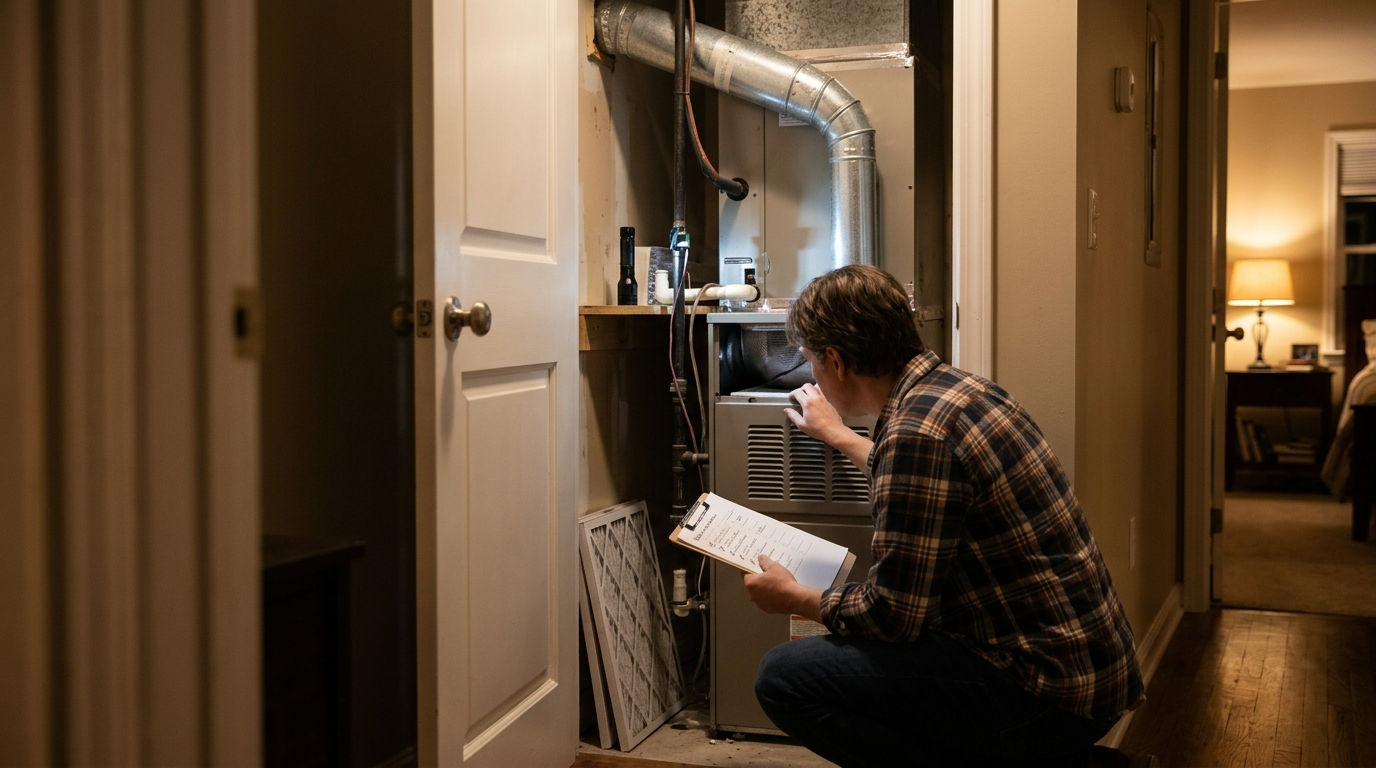
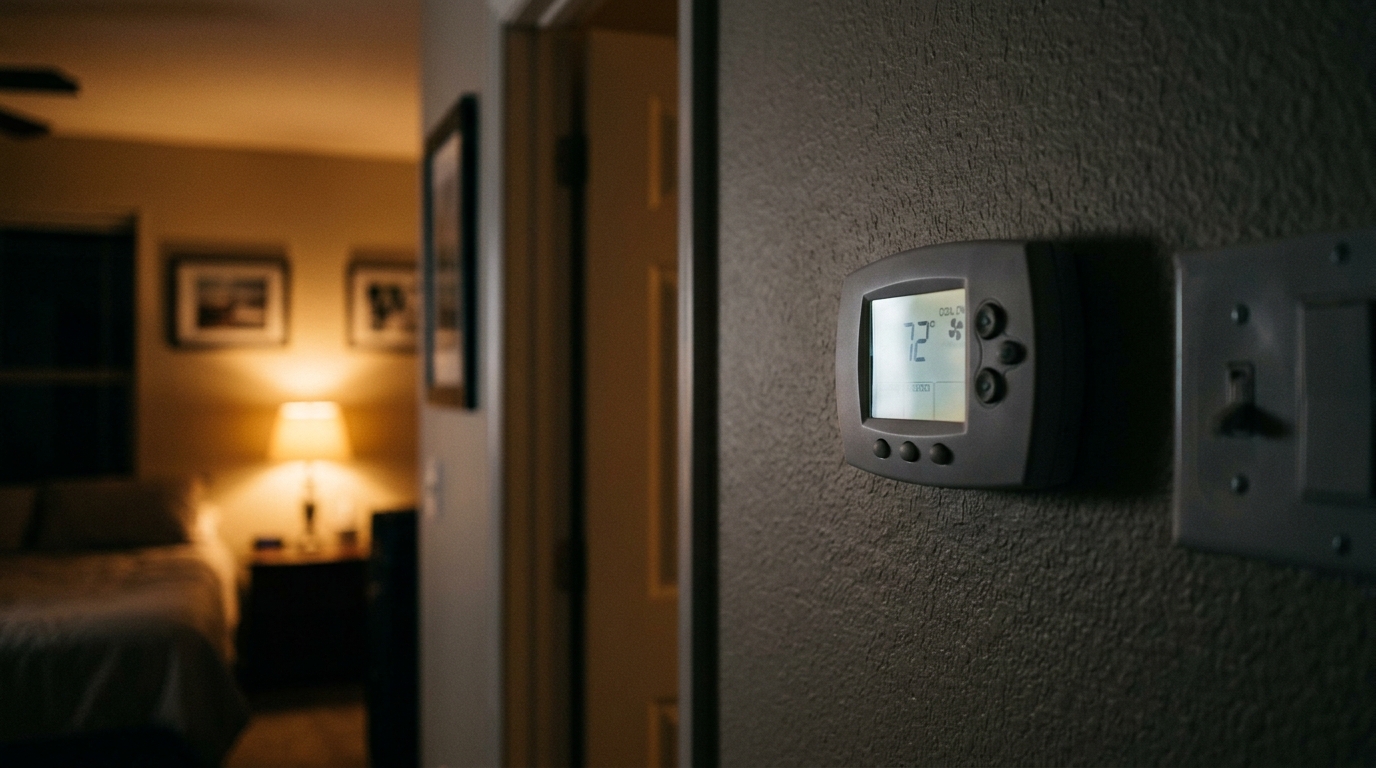
Most midnight HVAC failures are not random. They are the predictable result of clogged filters, dirty coils, and neglected drains that built up over months. A simple seasonal checklist catches these problems early, trims your energy bill by 5 to 15%, and can save you from a $300 to $600 emergency repair call.
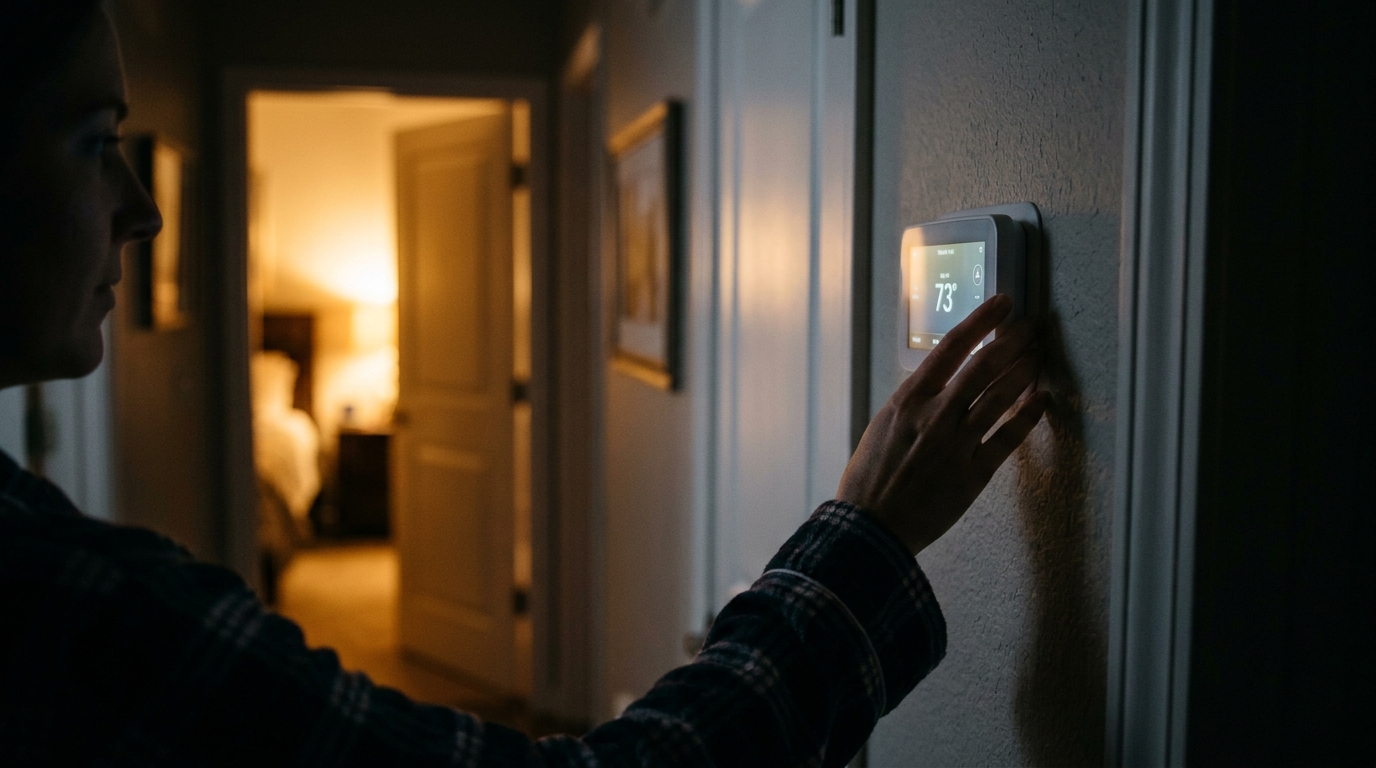
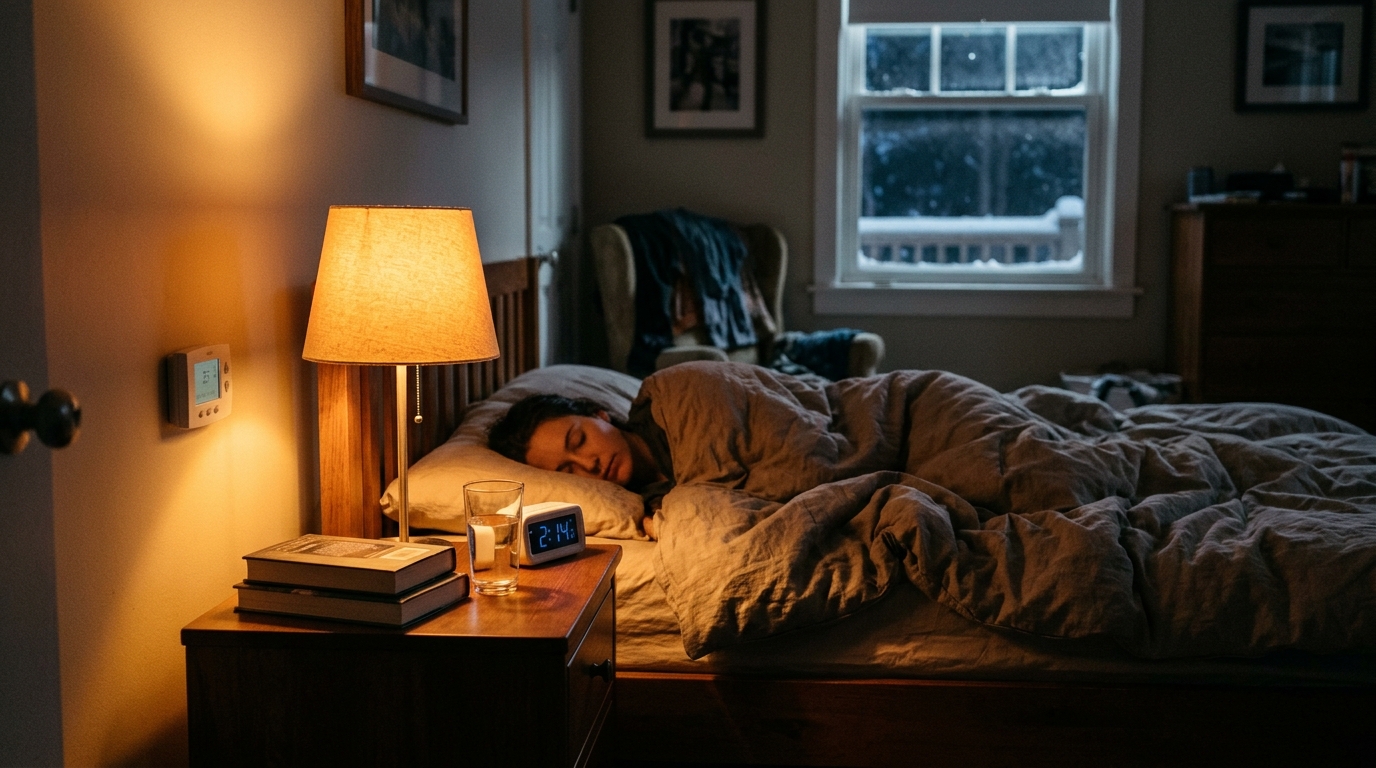
A thermostat that reads 3 to 5 degrees off after dark can make your HVAC short-cycle, overshoot your setpoint, and waste up to 10% of your annual energy use. Most causes, from dust buildup to a poorly placed sensor, can be fixed in under an hour for little or no money.
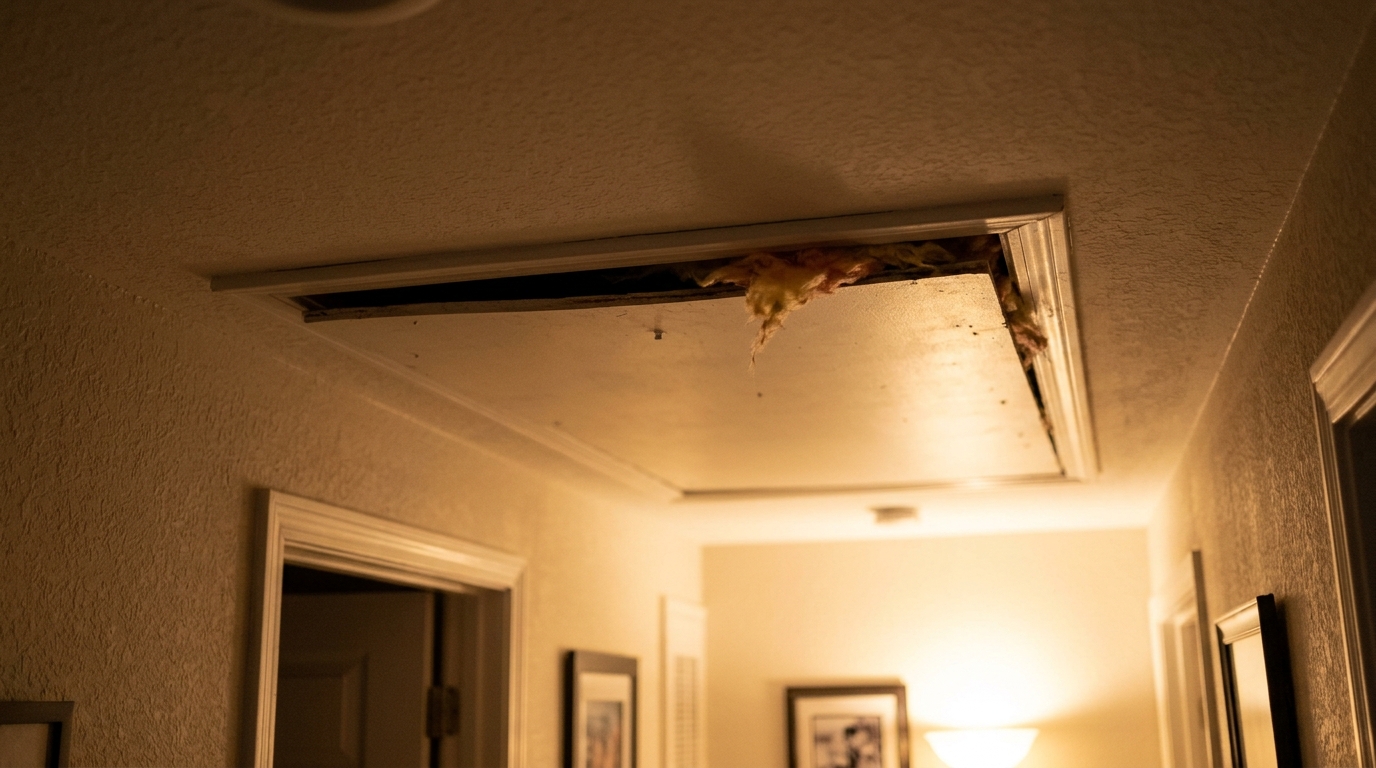
Even homes with plenty of attic insulation can leak heat through hidden gaps, thin spots, and unsealed penetrations that let warm air drift out while you sleep. Sealing those gaps and topping up insulation to R-38 or higher can cut heating bills by 10 to 20% and typically pays for itself in 1 to 3 years.
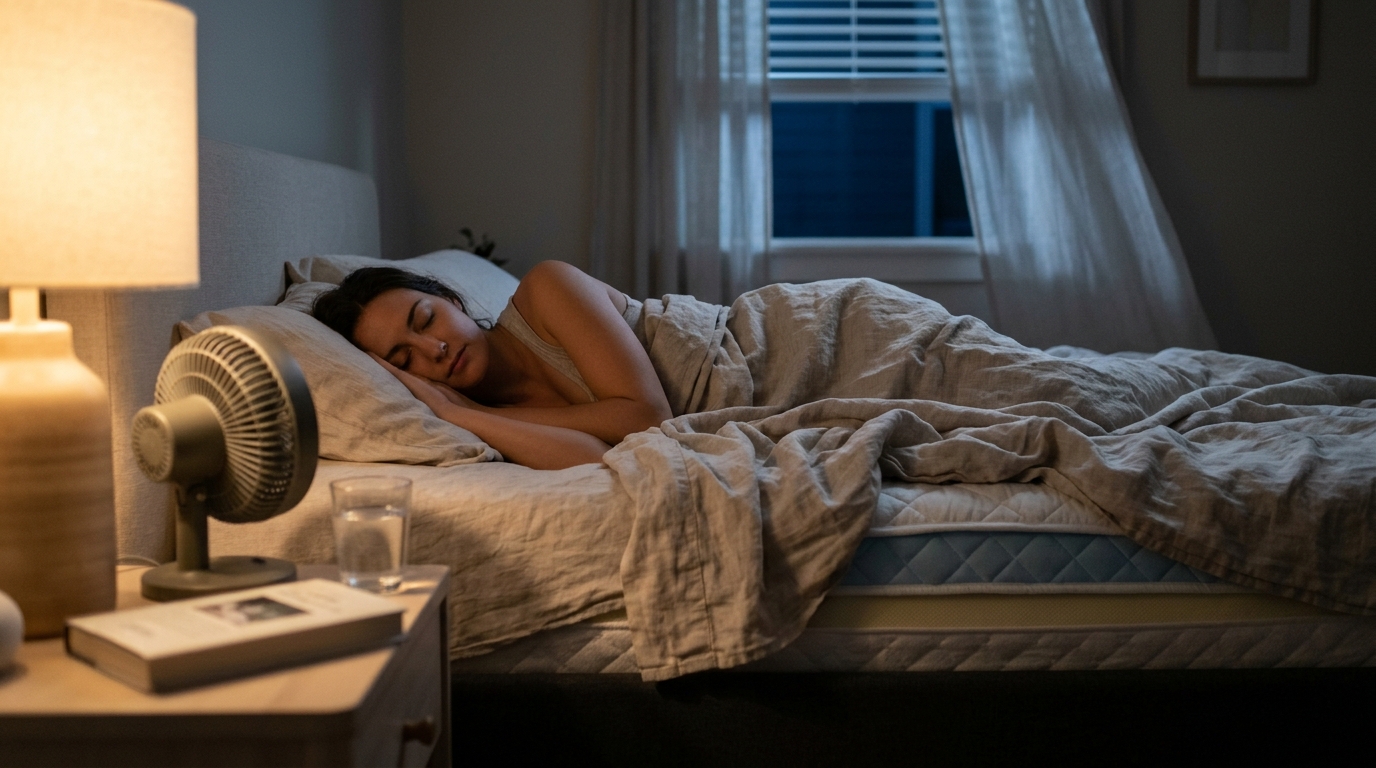
Traditional memory foam traps body heat and can push your sleep surface temperature up by 5 to 10 degrees Fahrenheit, which often leads homeowners to crank the AC all night. A few smart fixes to your bedding and bedroom setup can restore comfortable sleep while letting you raise the thermostat by 2 to 4 degrees.
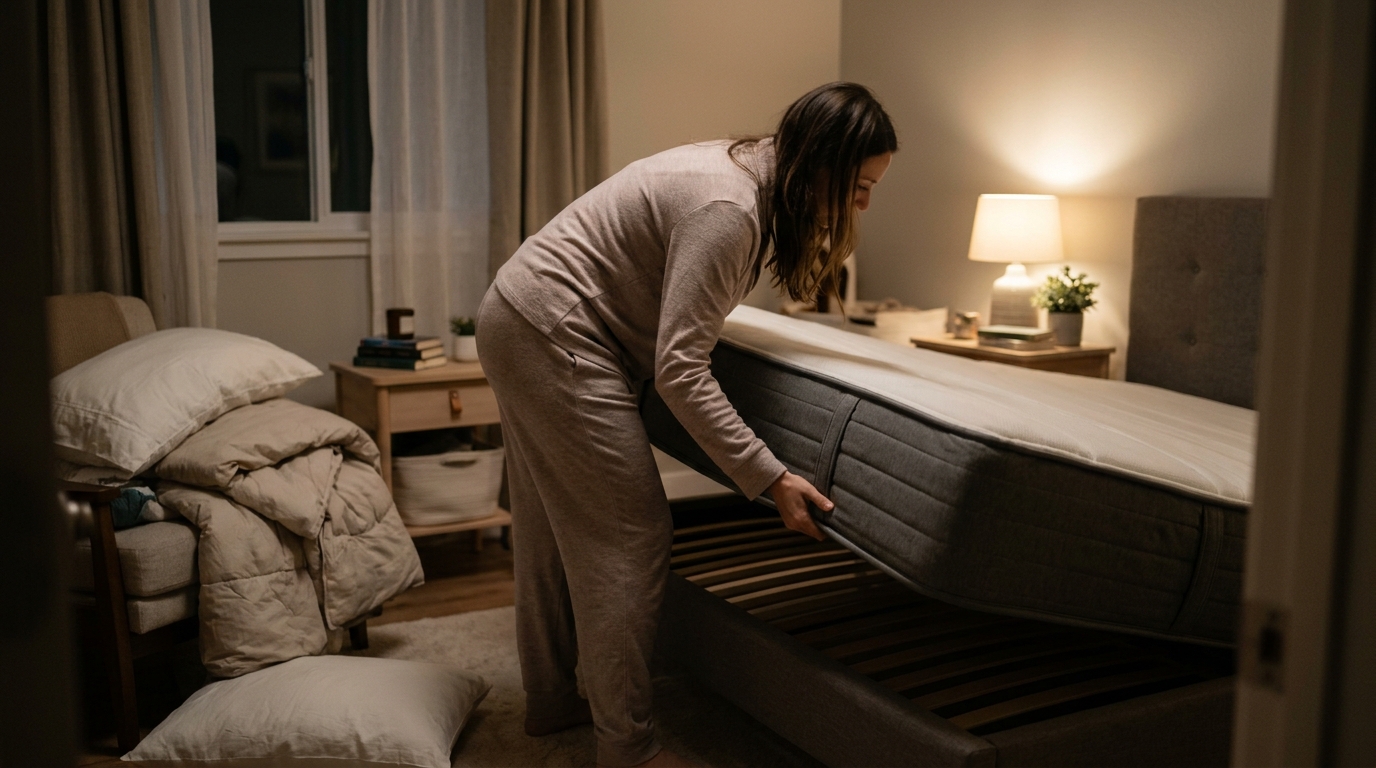
Many mattresses are built with different layers on each side, and rotating or flipping them with the seasons can change how much heat you trap overnight. Used alongside a few simple bedroom tweaks, it can help you sleep comfortably at a thermostat setting 2 to 4 degrees less aggressive, trimming your heating and cooling use.
Time-of-use pricing can charge you three times more for the same kilowatt-hour just because you ran it at dinner time instead of mid-afternoon. Shifting even a few big appliances and pre-cooling your home can cut the evening portion of your bill by 20 to 40 percent without sacrificing comfort.
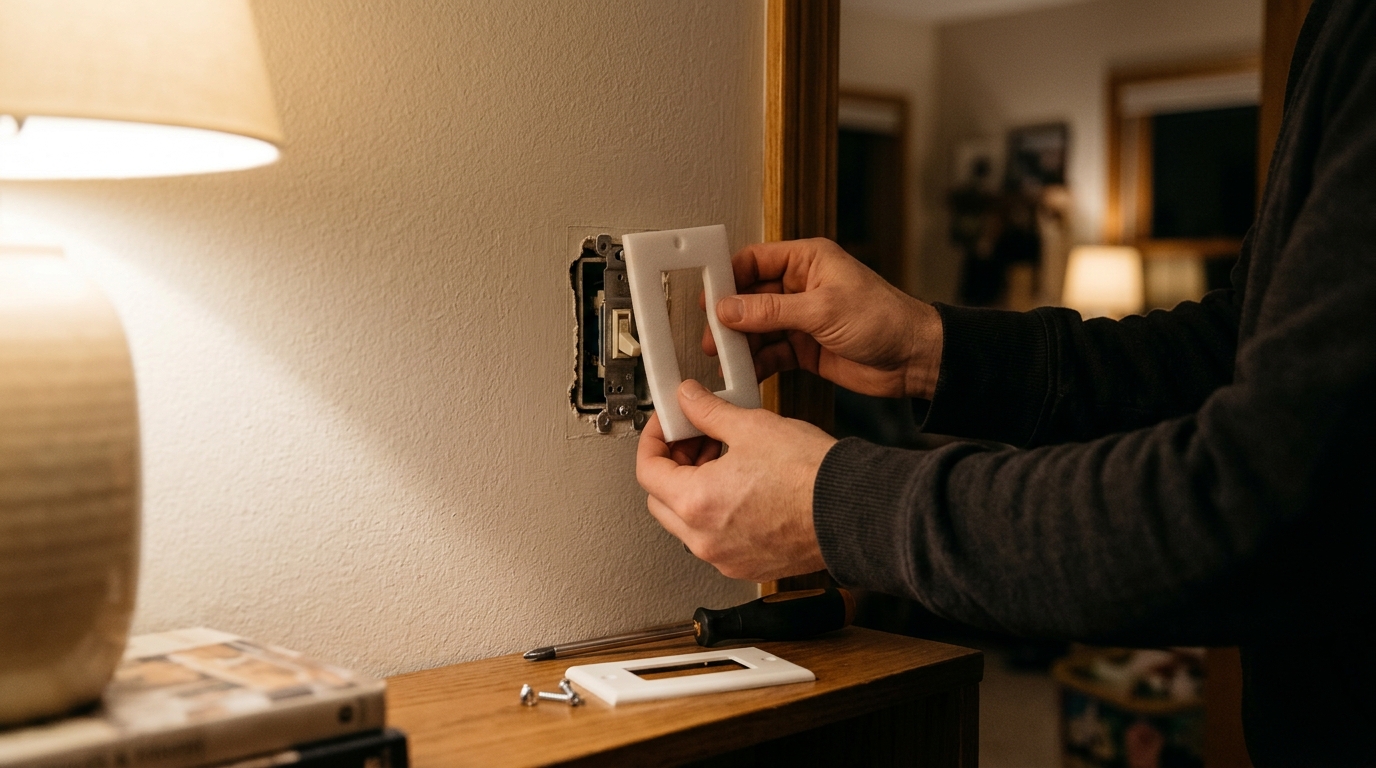
Light switches and outlets on exterior walls are small gaps that add up to a surprisingly large draft, and most homeowners never think to check them. A $5 pack of foam gaskets and 15 minutes of work can stop the leak and make rooms noticeably more comfortable.
A winter outage can turn a comfortable house into a dangerous one in under 12 hours, and a generator that is too small or too large wastes money or fails when you need it most. This guide shows you how to calculate your actual overnight heating load, pick the right generator size and fuel type, and connect it safely.
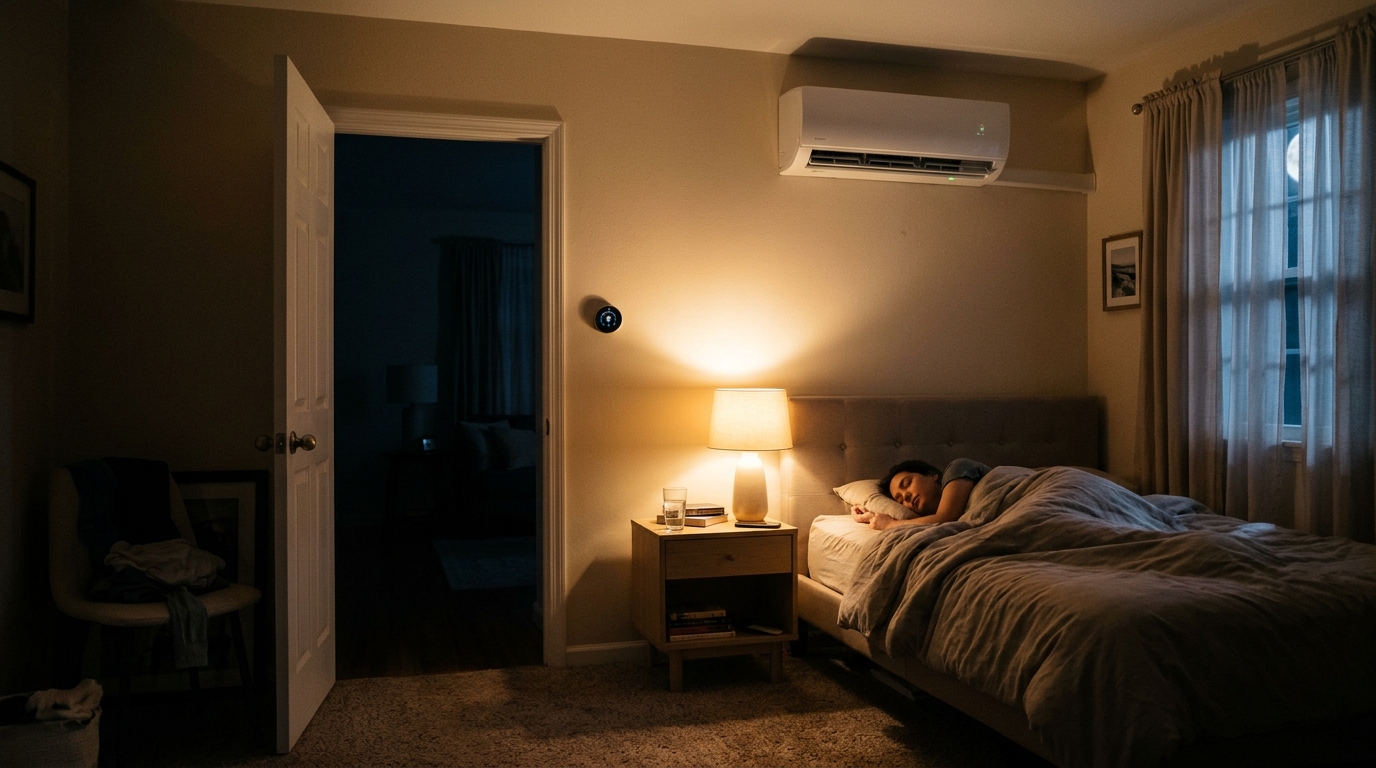
Cooling empty living rooms and kitchens while you sleep upstairs wastes energy and money every summer night. With the right zoning setup, you can focus cool air on the bedrooms only and trim nightly cooling costs by 20 to 30%.
Your thermostat says 74 degrees all day and all night, yet the system seems to run nonstop after sunset. The culprit is usually stored heat, humidity, and attic temperatures, and you can cut nighttime runtime by 15 to 30% with a few targeted changes.