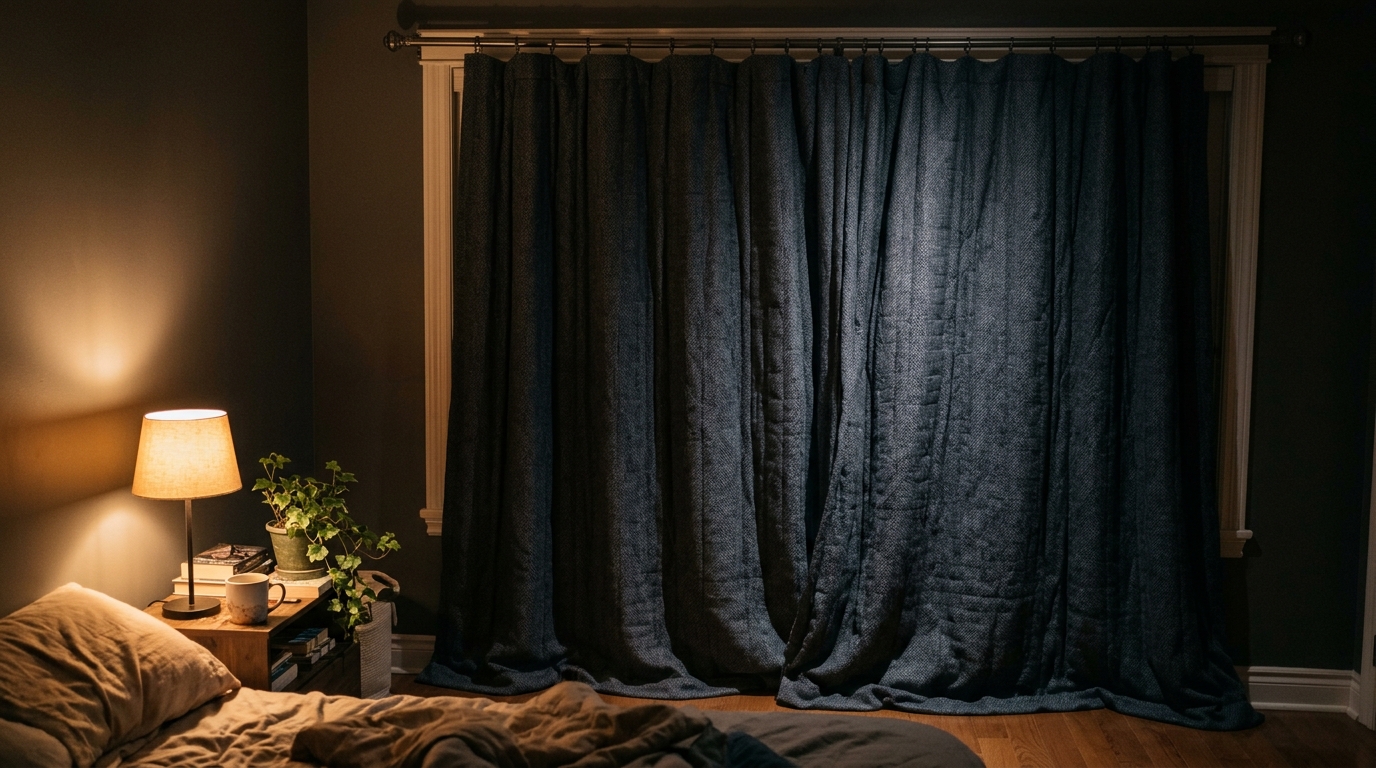
Windows lose up to 25 to 30% of a home’s heating energy, and a standard curtain barely slows that down. A properly built insulated curtain system with sealed edges can cut nighttime window heat loss by up to 40% for a fraction of what replacement windows cost.
An HVAC system that is too big for your home blasts through its job in a few minutes, shuts off, and repeats the process all night, wasting energy and leaving you clammy or uneven. A few settings changes, airflow fixes, and the right professional tests can cut that cycling and recover efficiency.
Community solar subscribers often assume their panels cover their whole bill, but your nighttime electricity use is where credits quietly get eaten up or left unused. By understanding how bill credits are calculated and shifting a few habits, you can stretch every credit further and trim your remaining bill by 10 to 20 percent.
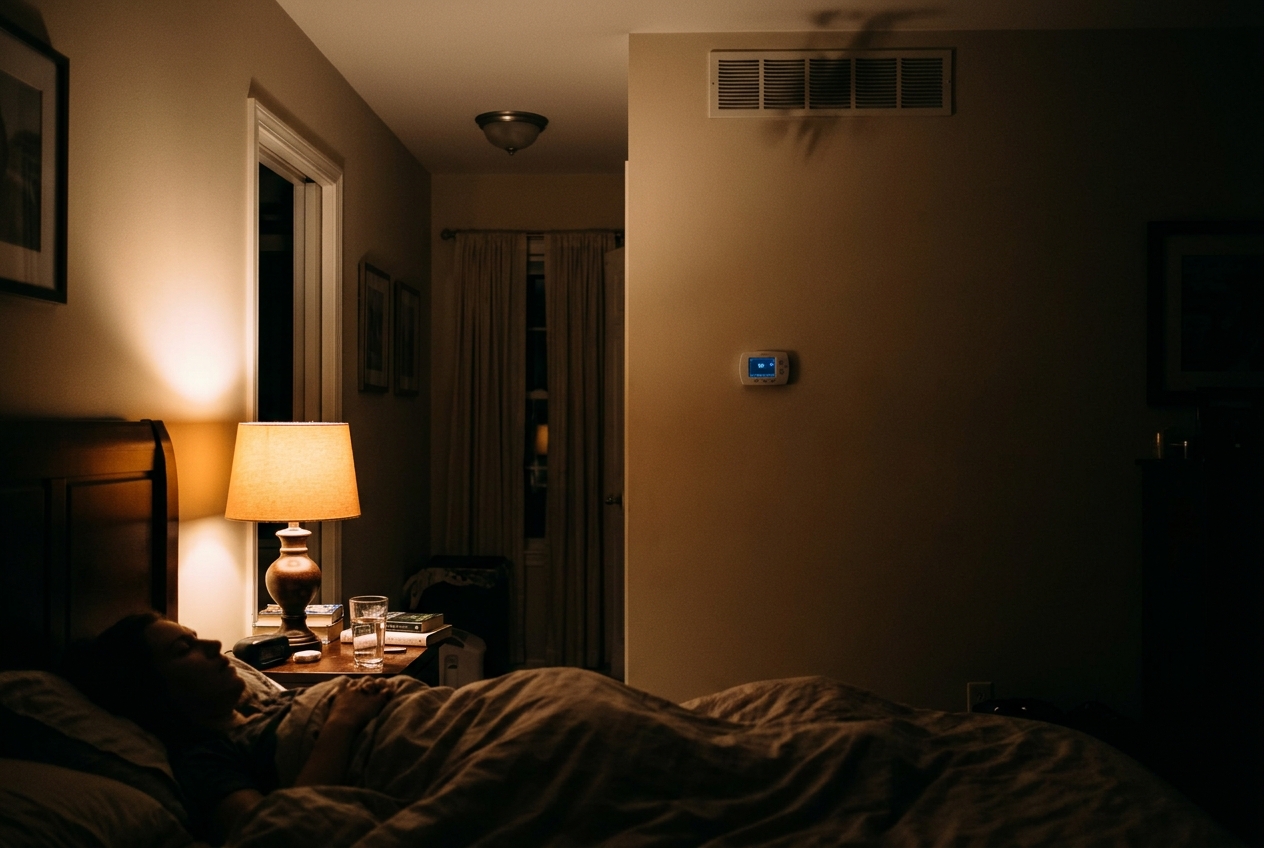
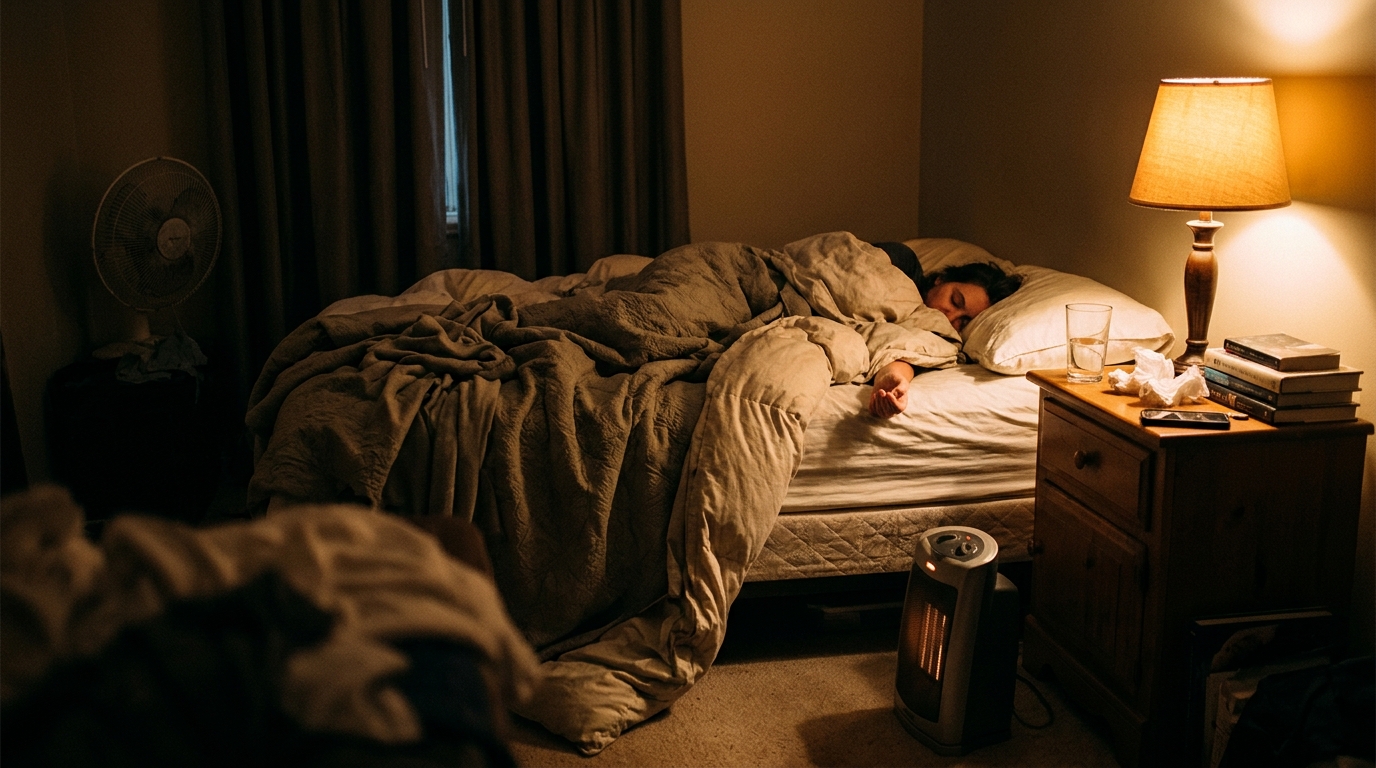
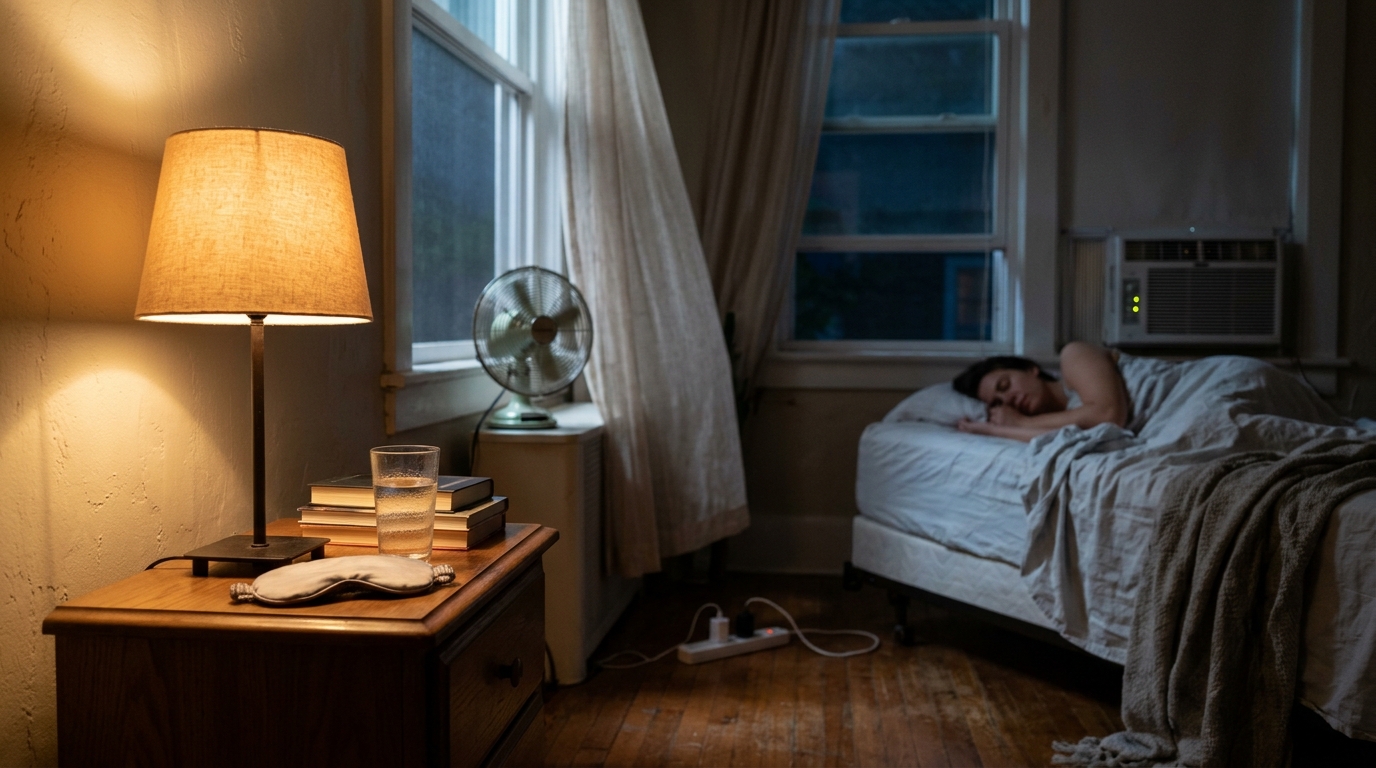
Waking up drenched in sweat is often a bedroom environment problem as much as a body problem, and the fixes are surprisingly cheap. Cooling the sleep zone to 65 to 68 degrees, swapping heat-trapping bedding, and managing airflow can end most night sweats while cutting cooling costs.
A clogged furnace filter forces your system to work harder, raising energy bills and shortening equipment life right when you need heat most. A quick inspection and replacement before the first cold snap restores airflow, protects your furnace, and can trim heating costs by 5 to 15%.
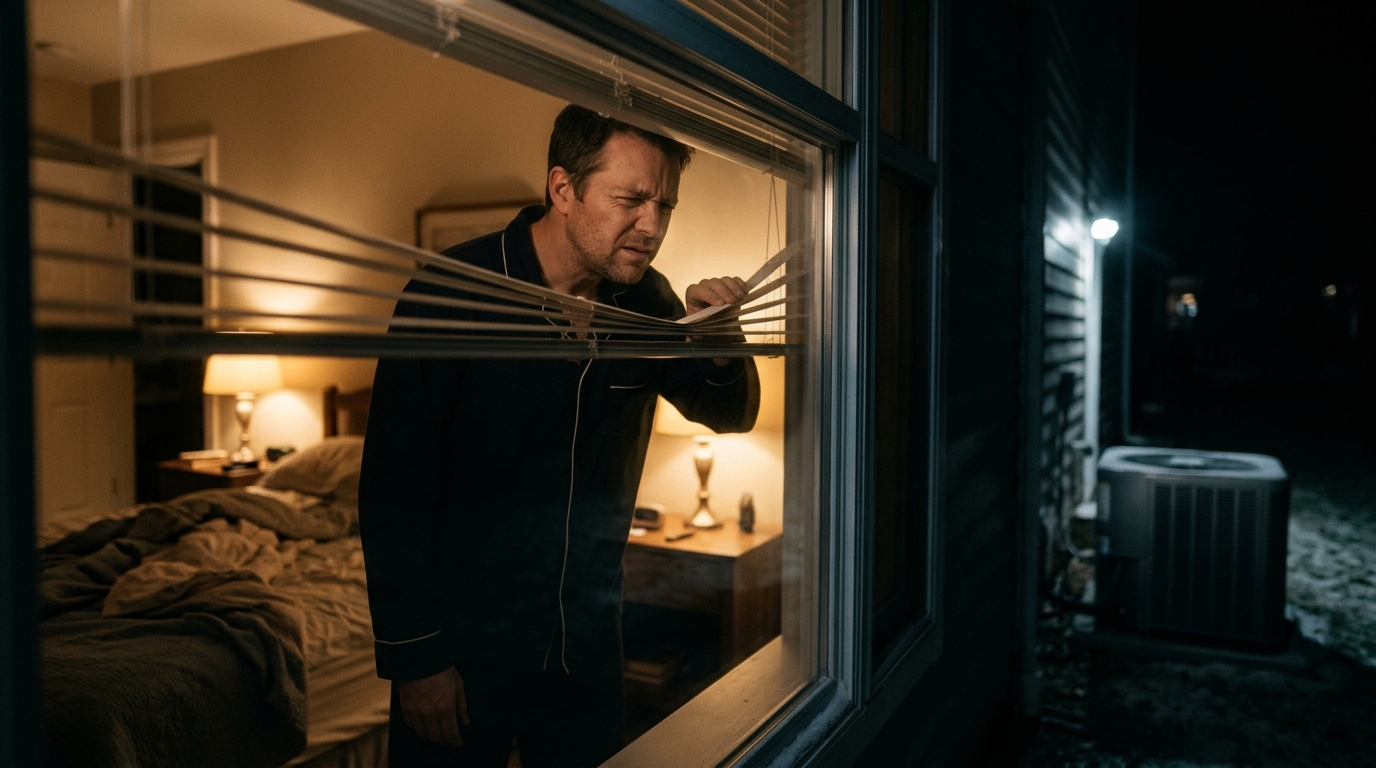
Heat pump defrost cycles kick in most often during cold, damp nights, producing steam clouds, whooshing sounds, and a brief burst of cooler indoor air that alarms many homeowners. Understanding what is normal, how to reduce unnecessary defrosting, and when to call a pro can protect your system and trim heating costs by 5 to 15%.
Your AC can run hard on a 72 degree evening because your house is still releasing heat it soaked up all day, while hidden loads like attic heat and leaky ducts keep working against you. Targeting those hidden heat sources can trim cooling costs 10 to 25% without sacrificing comfort.
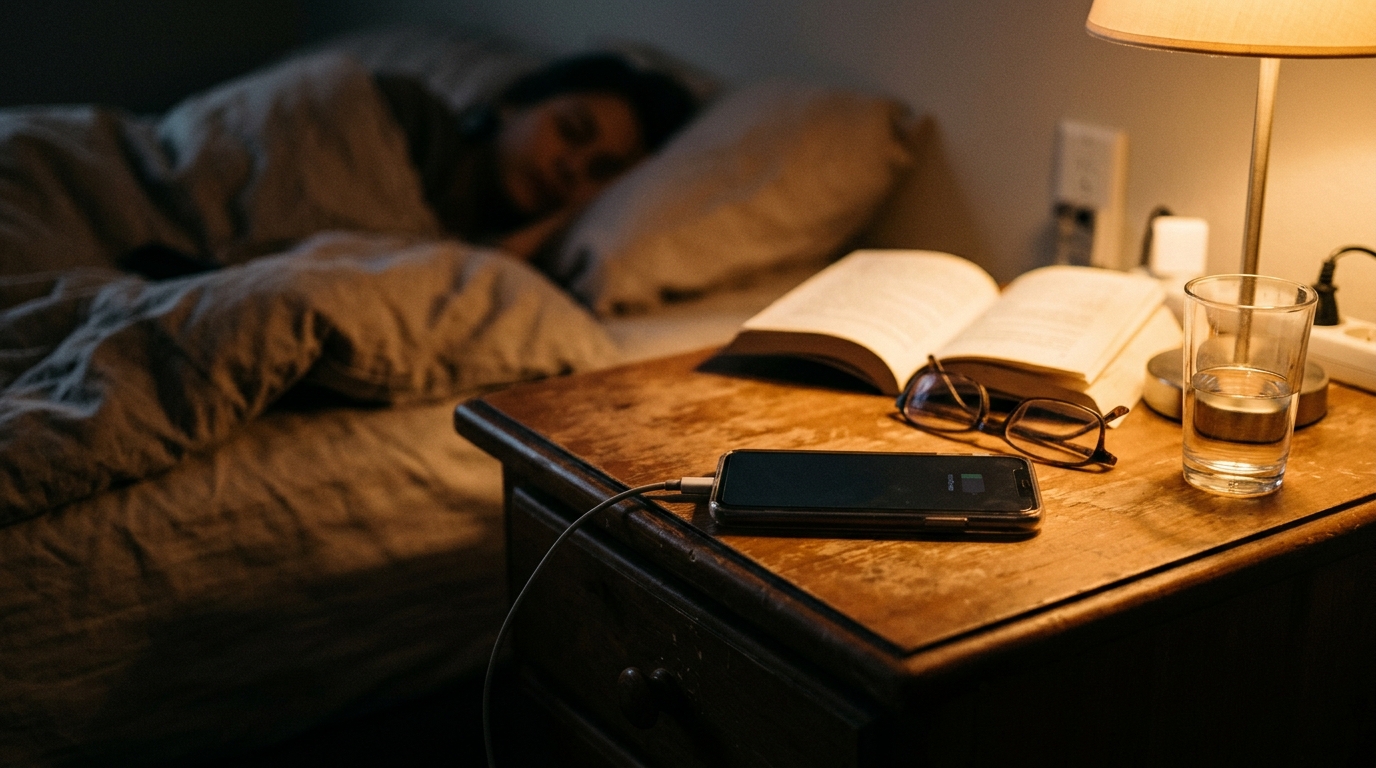
Many homeowners worry that leaving phones, tablets, and laptops plugged in all night quietly inflates the electric bill. The truth is that overnight charging costs only a few dollars per year per device, and a few simple tweaks can trim the real energy waste hiding around your charging station.
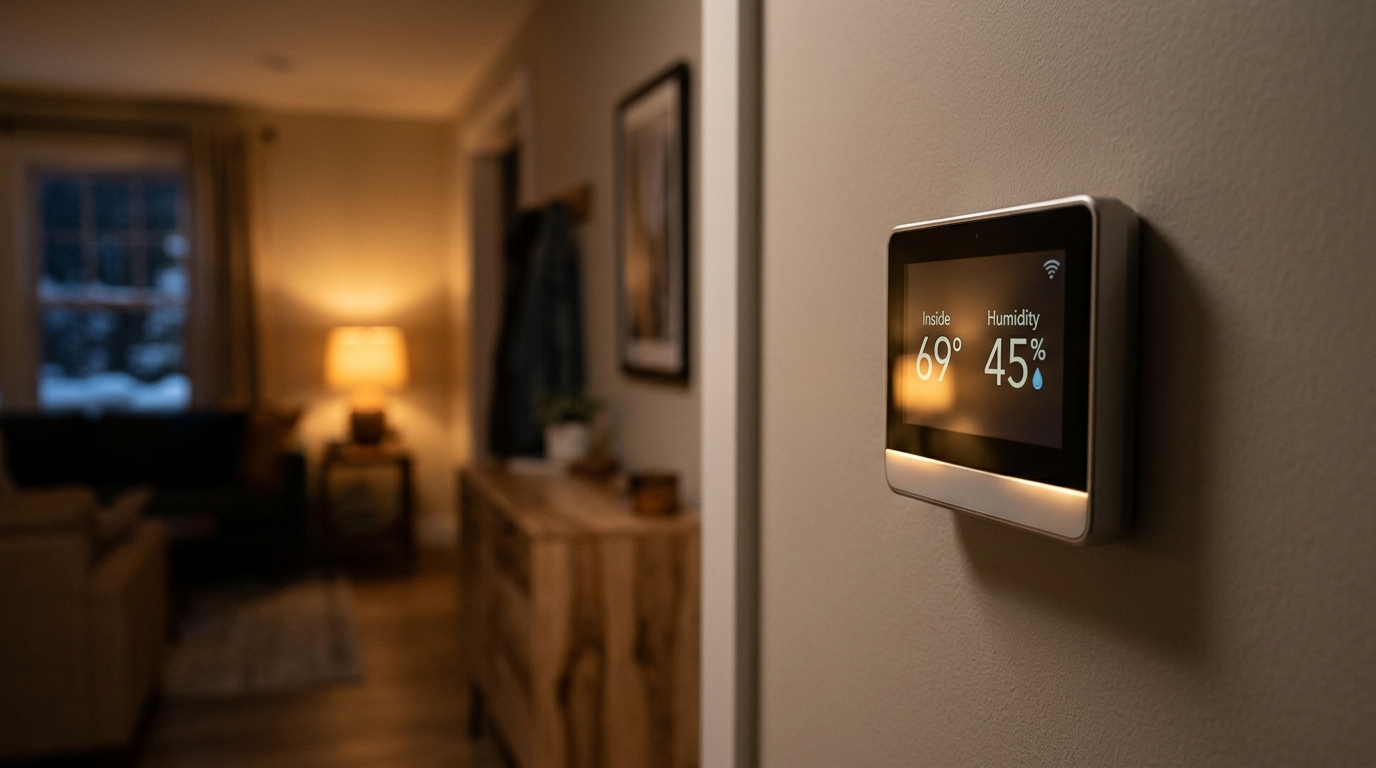
Dry winter air makes your home feel colder than it is, so you crank the thermostat and pay for it all season long. Setting your whole-house humidifier to the right humidity level for the outdoor temperature can let you drop the thermostat 2 to 4 degrees while sleeping better and protecting your home.
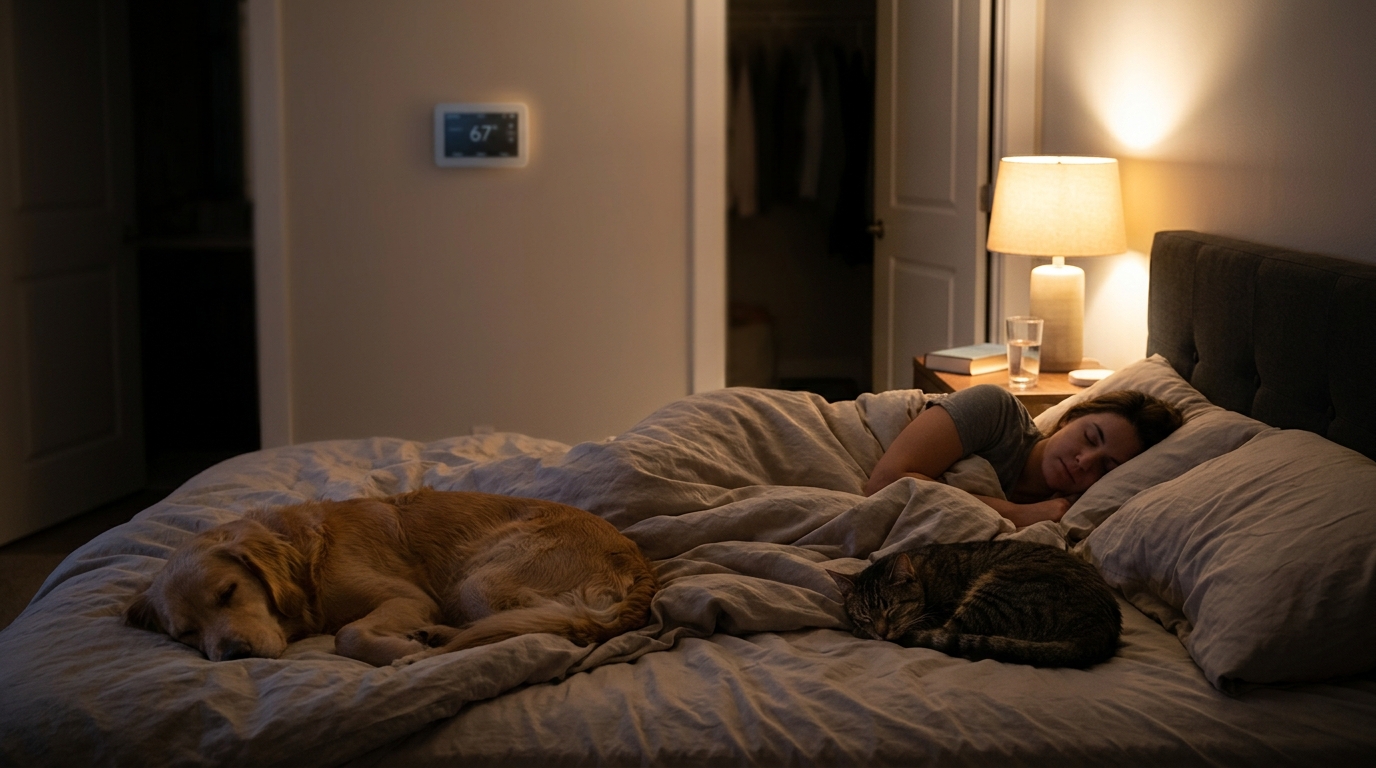
A sleeping dog or cat gives off real body heat, and sharing a bed with one can push you to kick off the covers or crank the AC lower than you need to. Adjusting your nighttime setpoint by just 2 to 4 degrees, along with a few bedding tweaks, keeps both you and your pet comfortable while trimming your cooling and heating bills.