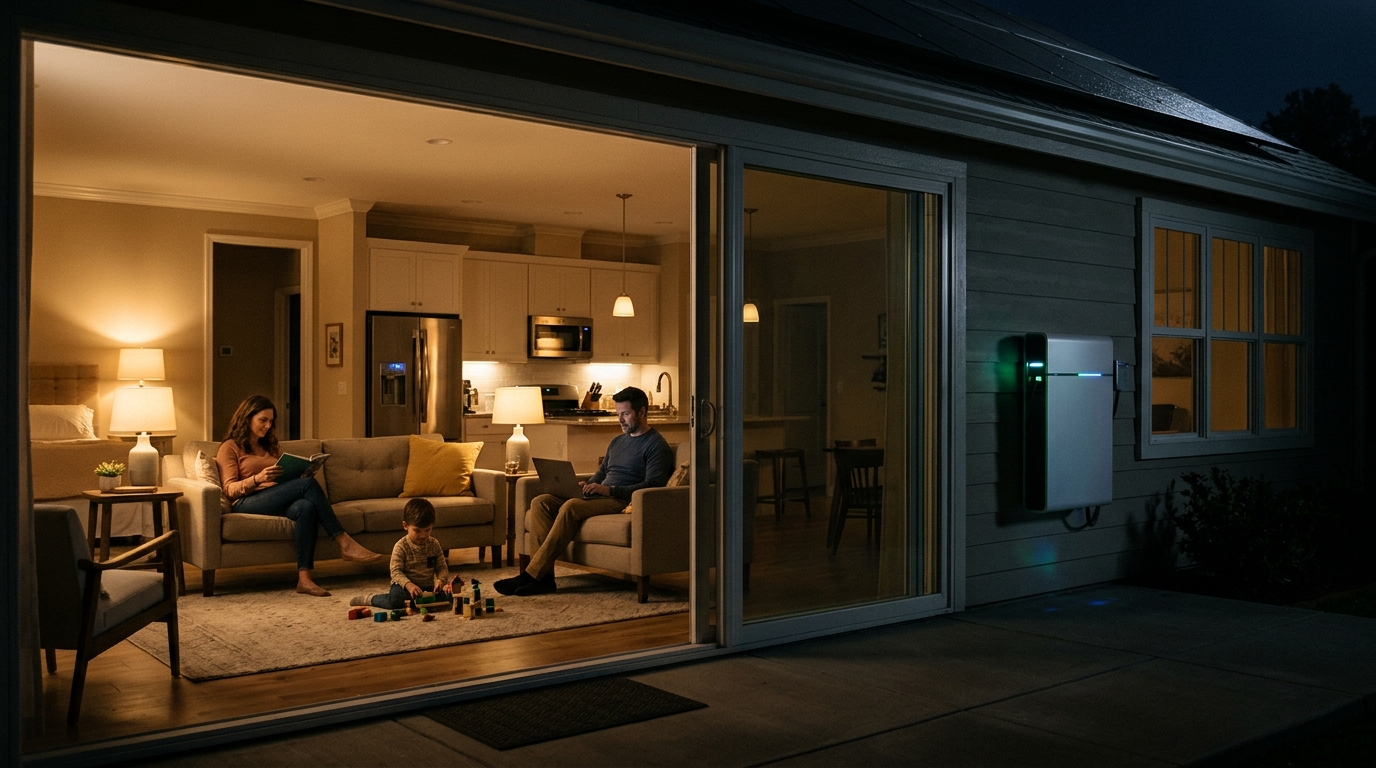
Solar panels stop producing the moment the sun goes down, but your biggest electricity use often starts right then. A home battery stores your extra daytime power and releases it in the evening, and with the right settings it can cut your grid purchases by 60 to 90% while shielding you from expensive peak rates.
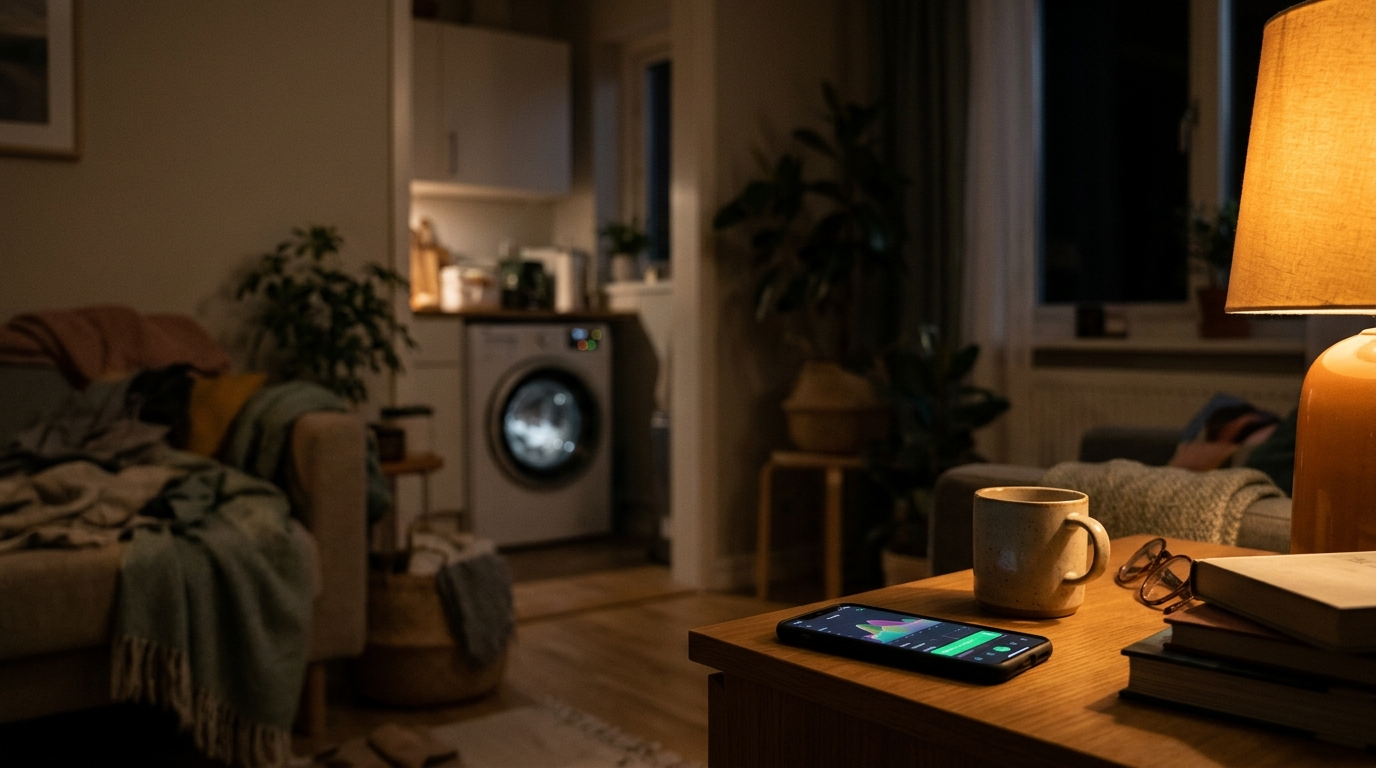
Many utilities charge two to four times more for electricity during late afternoon and evening hours than they do overnight, yet most households use power the same way all day. By shifting your biggest energy users into the cheap window, you can often trim your bill by 15 to 40% without using less energy overall.
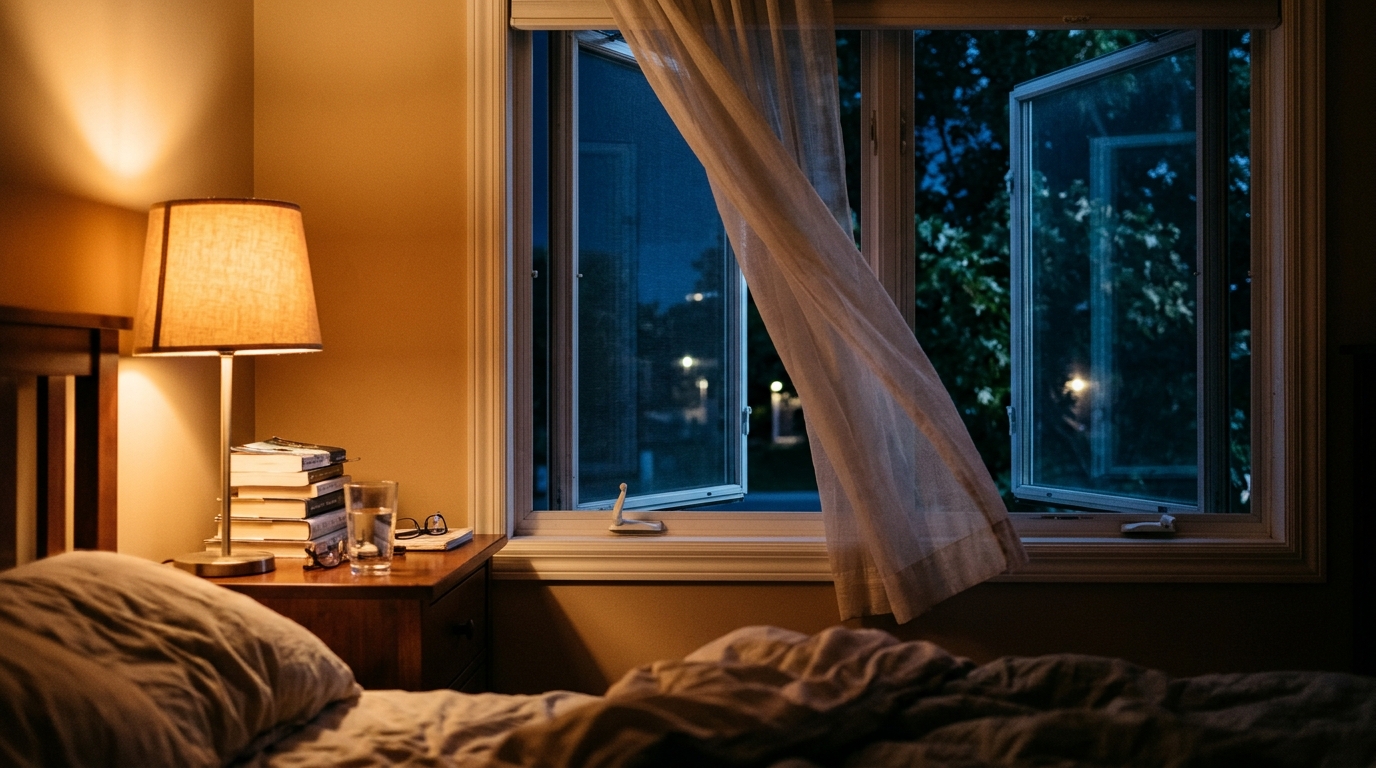
Night ventilation can cut cooling bills by 10 to 30 percent in dry climates with big day-to-night temperature swings, but in humid regions it can backfire and leave your home clammy and harder to cool. Learn how to check your own climate with two numbers and set up a simple routine that works.
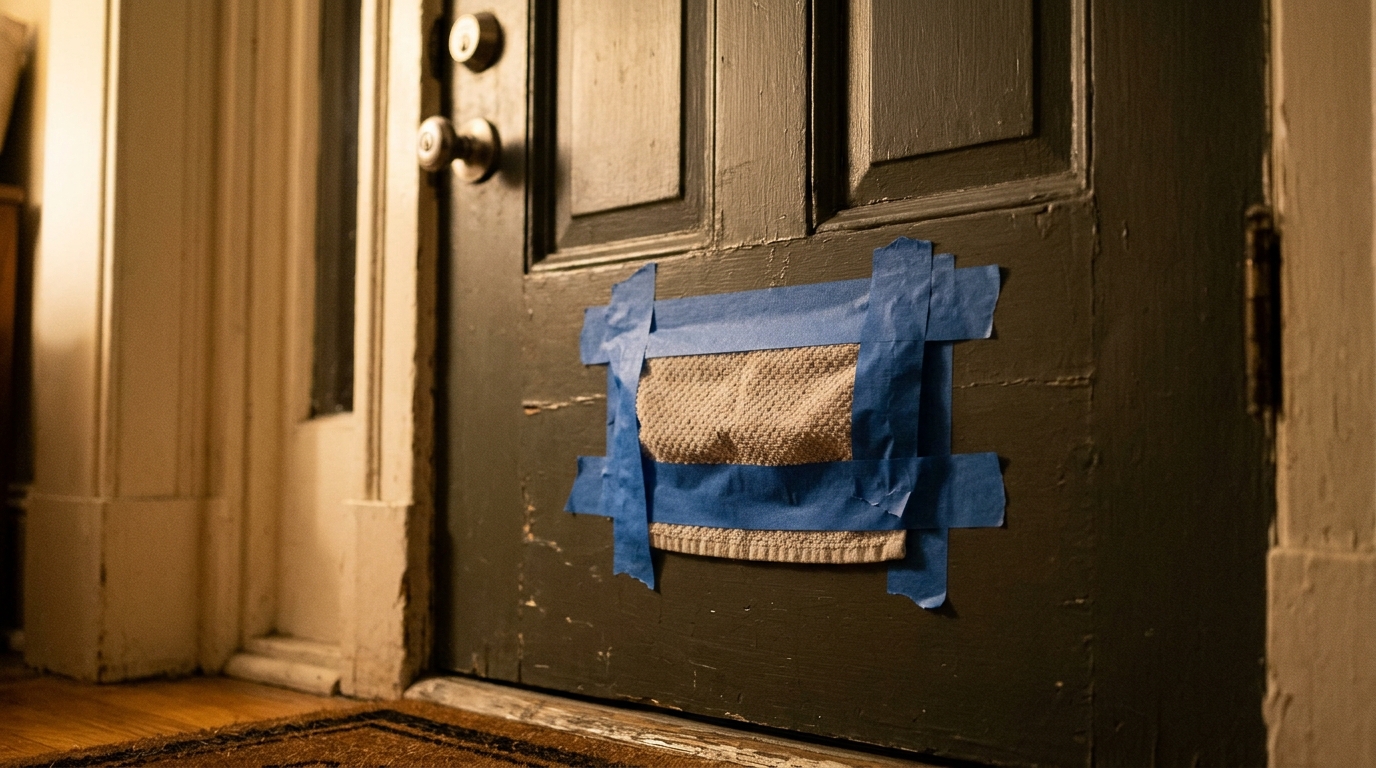
A standard mail slot is a hole straight through your wall, and on a cold or windy night it can pour in enough air to chill your entryway and bump up your heating run time. You can stop most of that draft in about 15 minutes tonight with household supplies, then decide later whether to upgrade to a permanent fix.
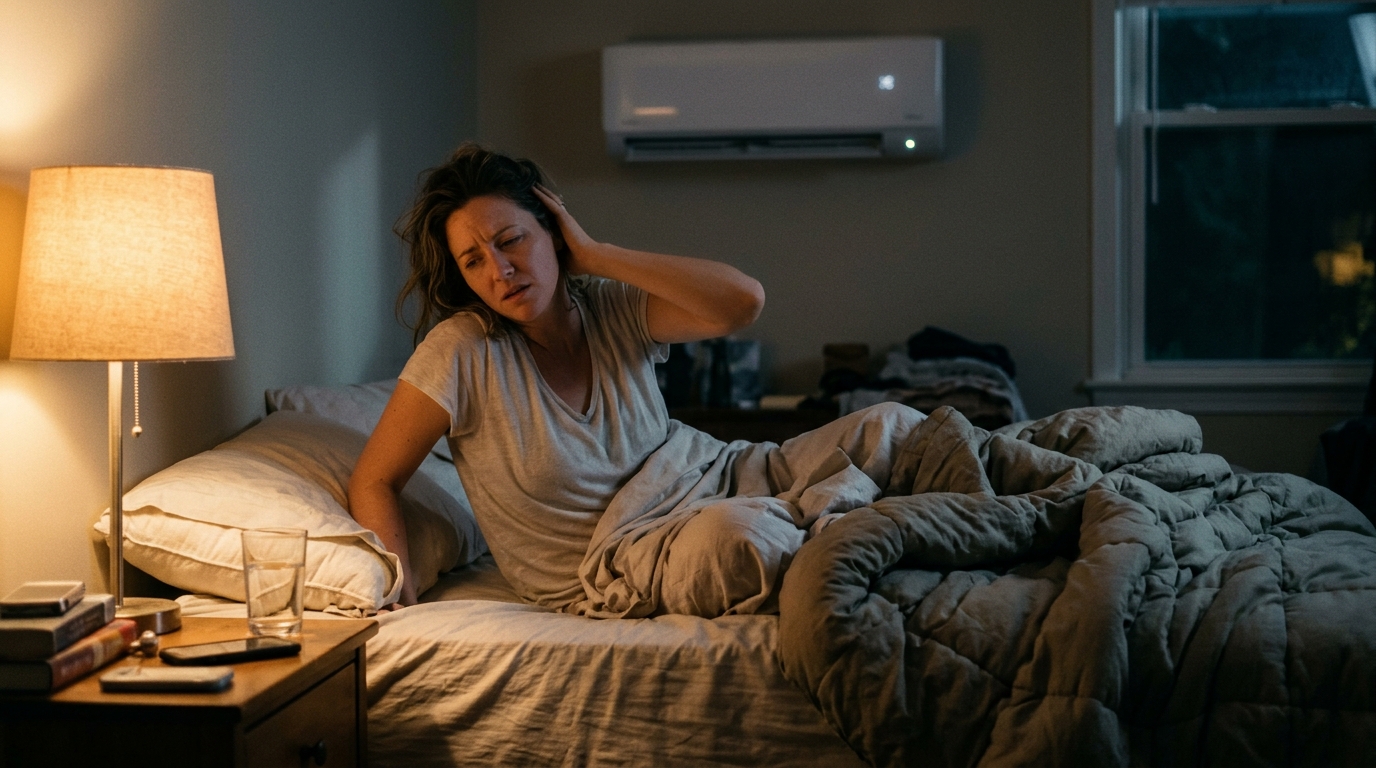
Your AC may be running all night, yet you still wake up sweaty because of bedroom airflow problems, attic heat soaking, and bedding that traps body heat. The fix usually involves balancing airflow, blocking heat gain, and adjusting your sleep setup rather than just lowering the thermostat.
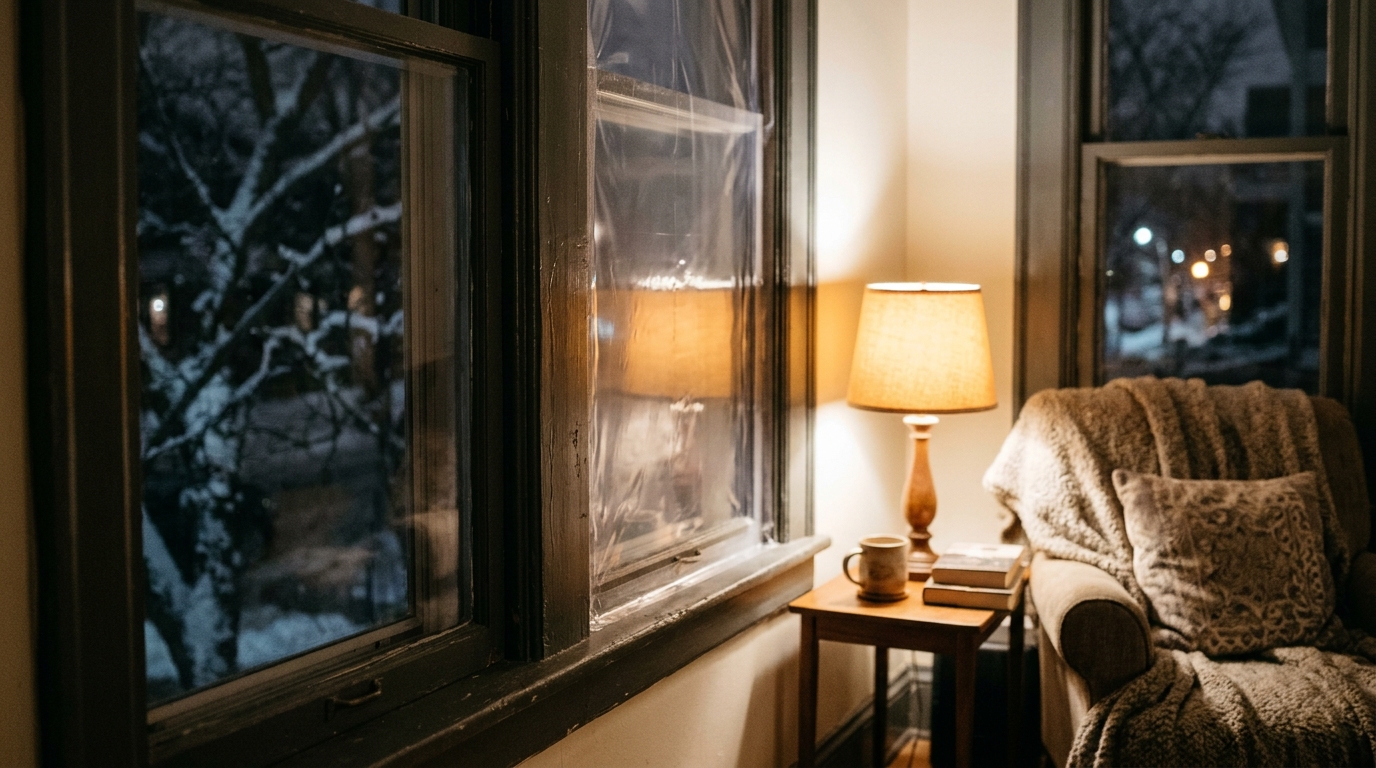
Single-pane and older double-pane windows can account for 25 to 30 percent of winter heating loss, and most of it happens after the sun goes down. A $20 shrink film kit or a low-e retrofit film can slash that loss by roughly a third and pay for itself in a single heating season.
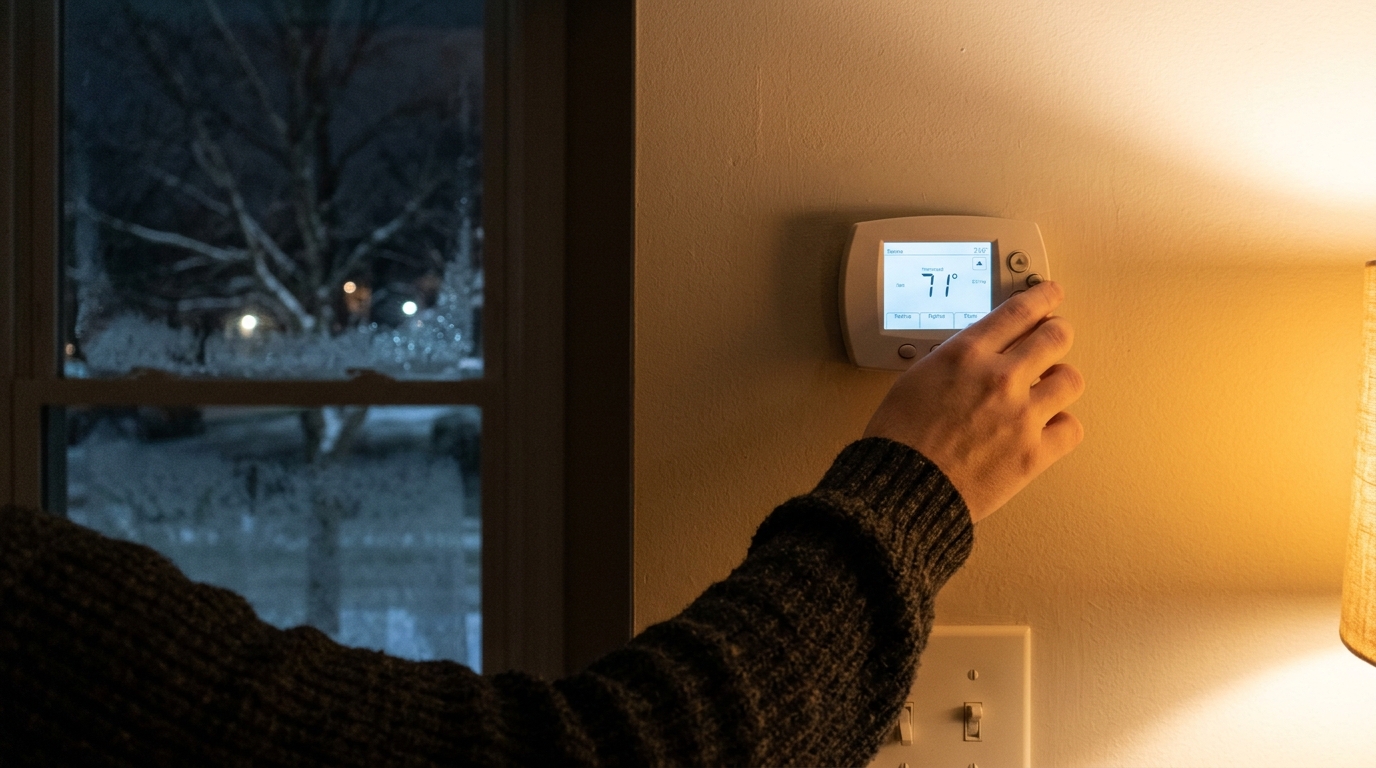
A furnace that clicks on and off every few minutes on the coldest nights is wasting fuel, wearing out parts, and leaving some rooms chilly. Most short-cycling traces back to a handful of fixable issues, from a clogged filter to an oversized unit, and you can fix many of them in under an hour.
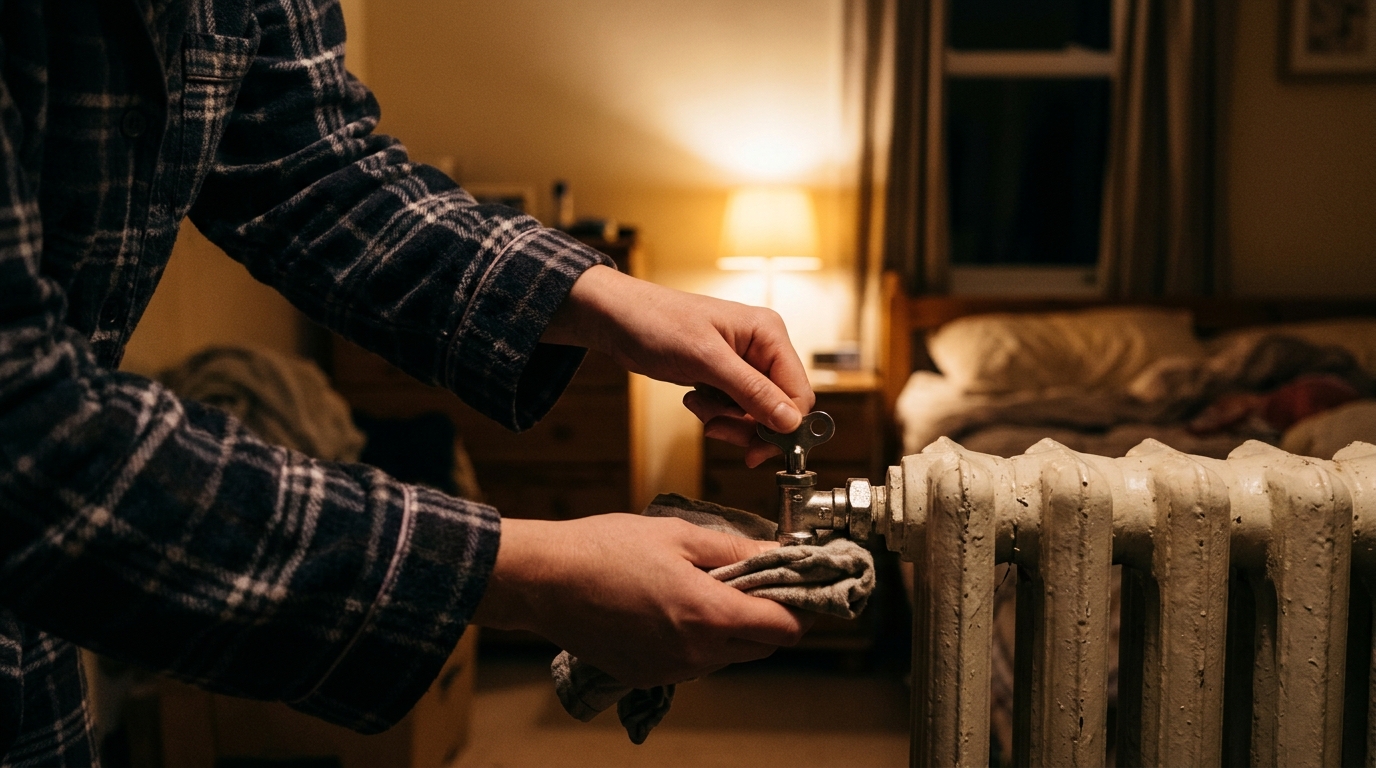
Banging, hissing, and clanking radiators are not just annoying at 2 a.m., they are usually a sign your heating system is working harder than it should. Most radiator noise can be fixed in 15 minutes with a bleed key and a few wooden shims, and the same fixes can improve heat output and trim your heating bill.
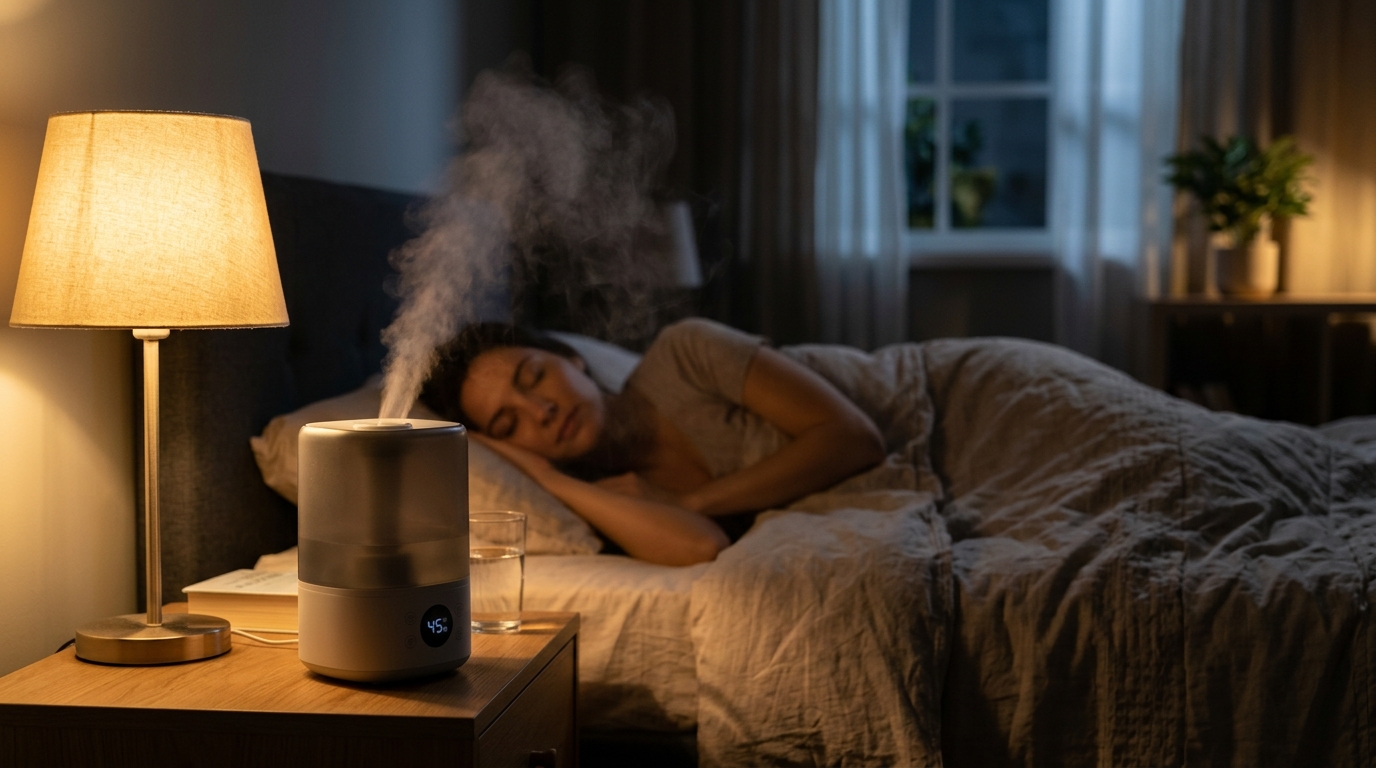
Bedrooms that run too dry or too humid overnight trigger dust mite blooms, mold growth, dry sinuses, and restless sleep. Keeping indoor relative humidity between 40 and 50% while you sleep is one of the cheapest comfort upgrades you can make, and it can also trim your heating and cooling costs.
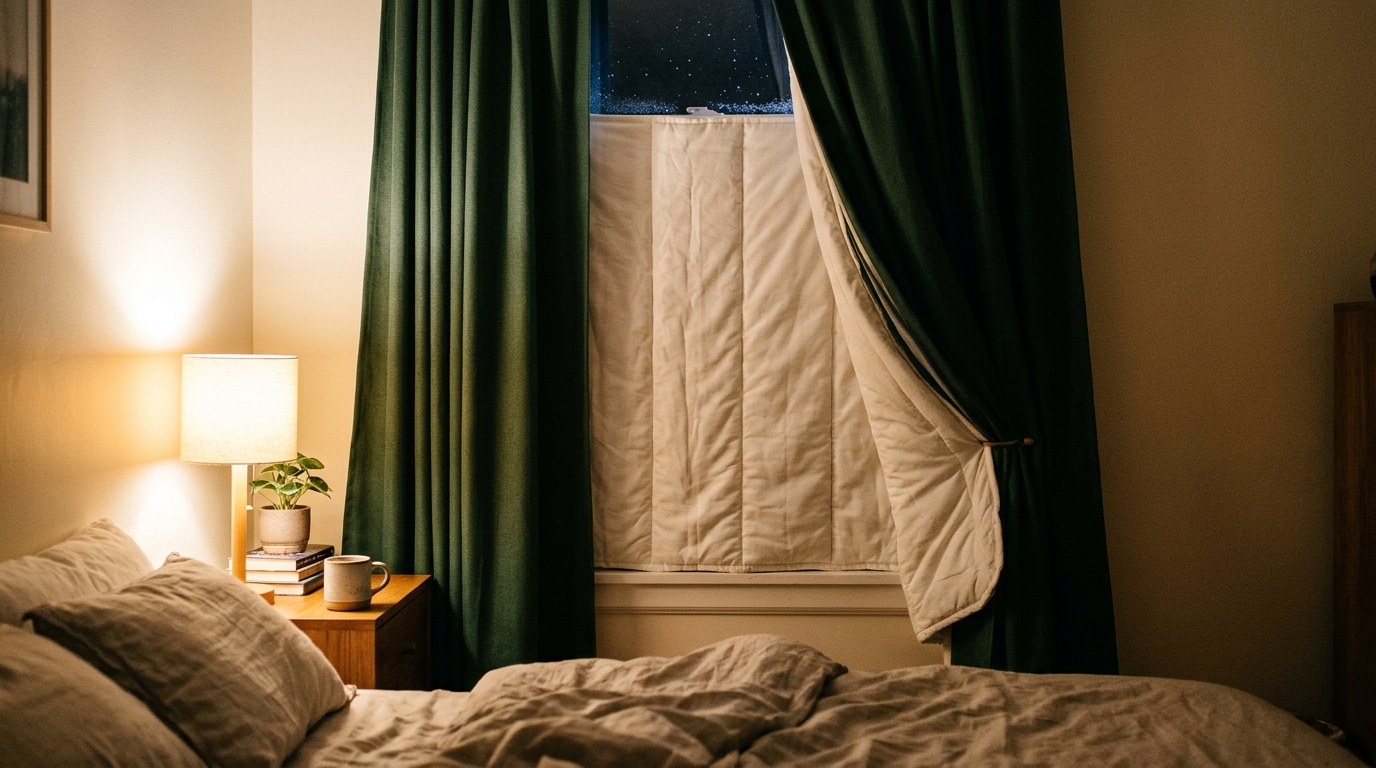
Windows can account for 25 to 30 percent of residential heating energy loss, and most of that escape happens after sunset when the glass turns into a giant cold surface. A thermal curtain liner costs as little as $15 per window, installs in minutes, and can cut that nighttime heat loss by 10 to 25 percent.