A full home energy retrofit costing $50,000 sounds like a luxury, but the real question is what it pays back every month. When you stack insulation, air sealing, HVAC upgrades, and windows together, many homeowners see $200 to $500 in monthly savings and a dramatically more comfortable home.
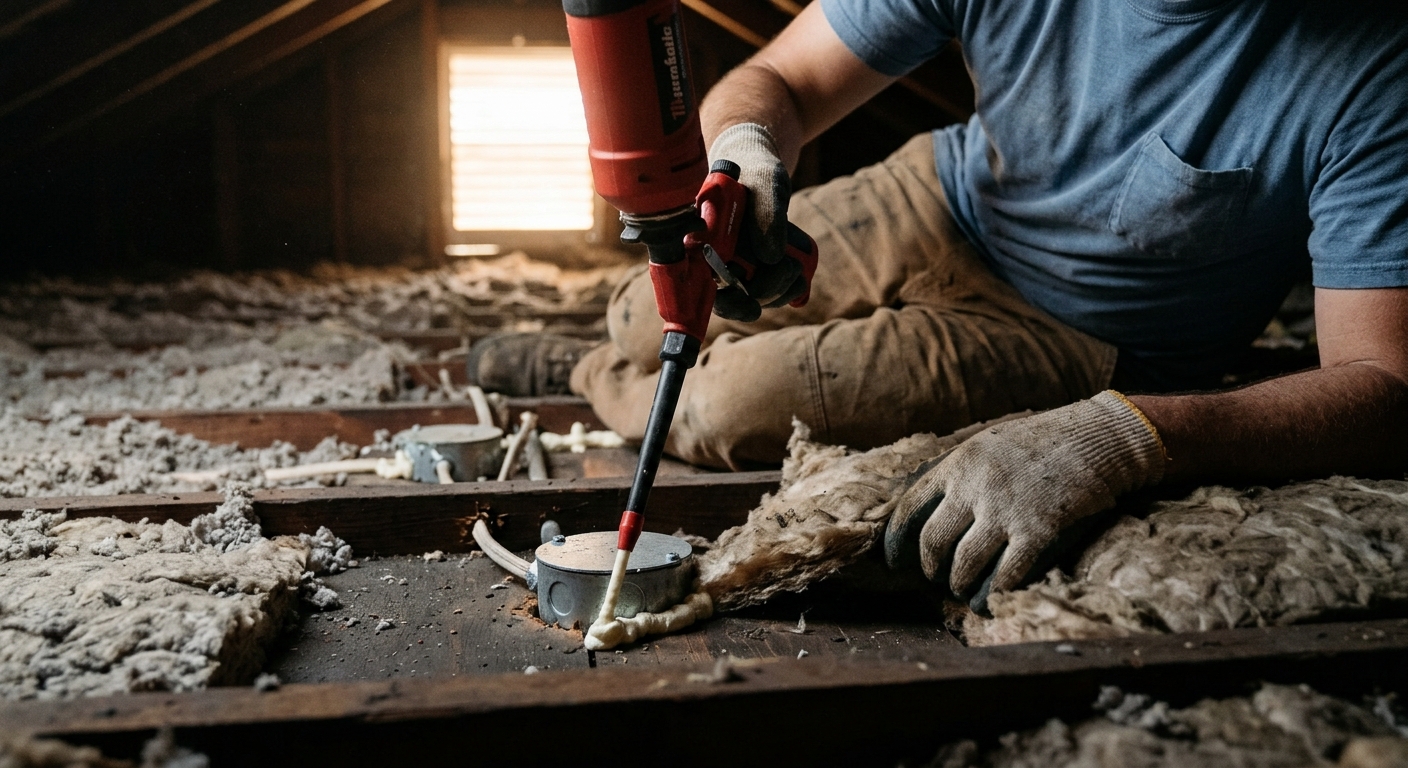
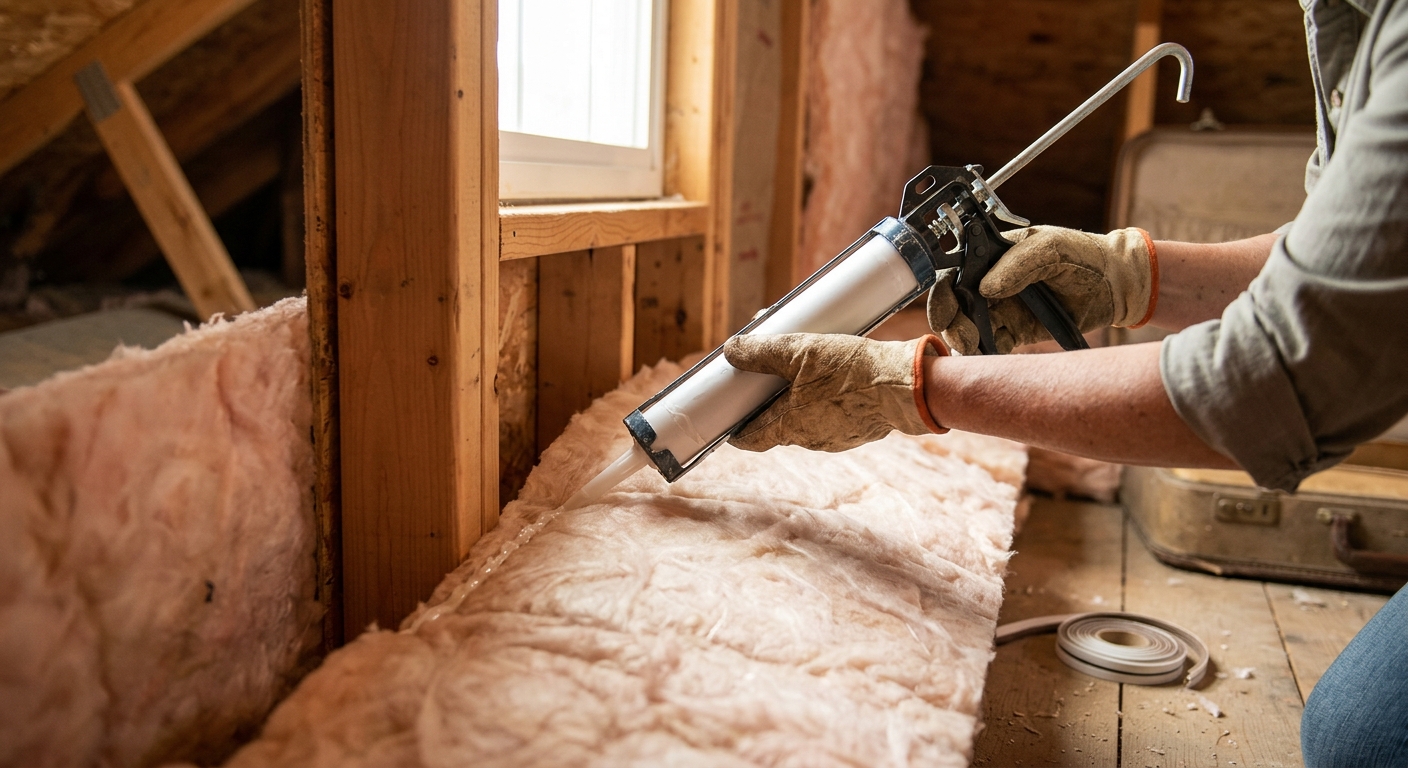
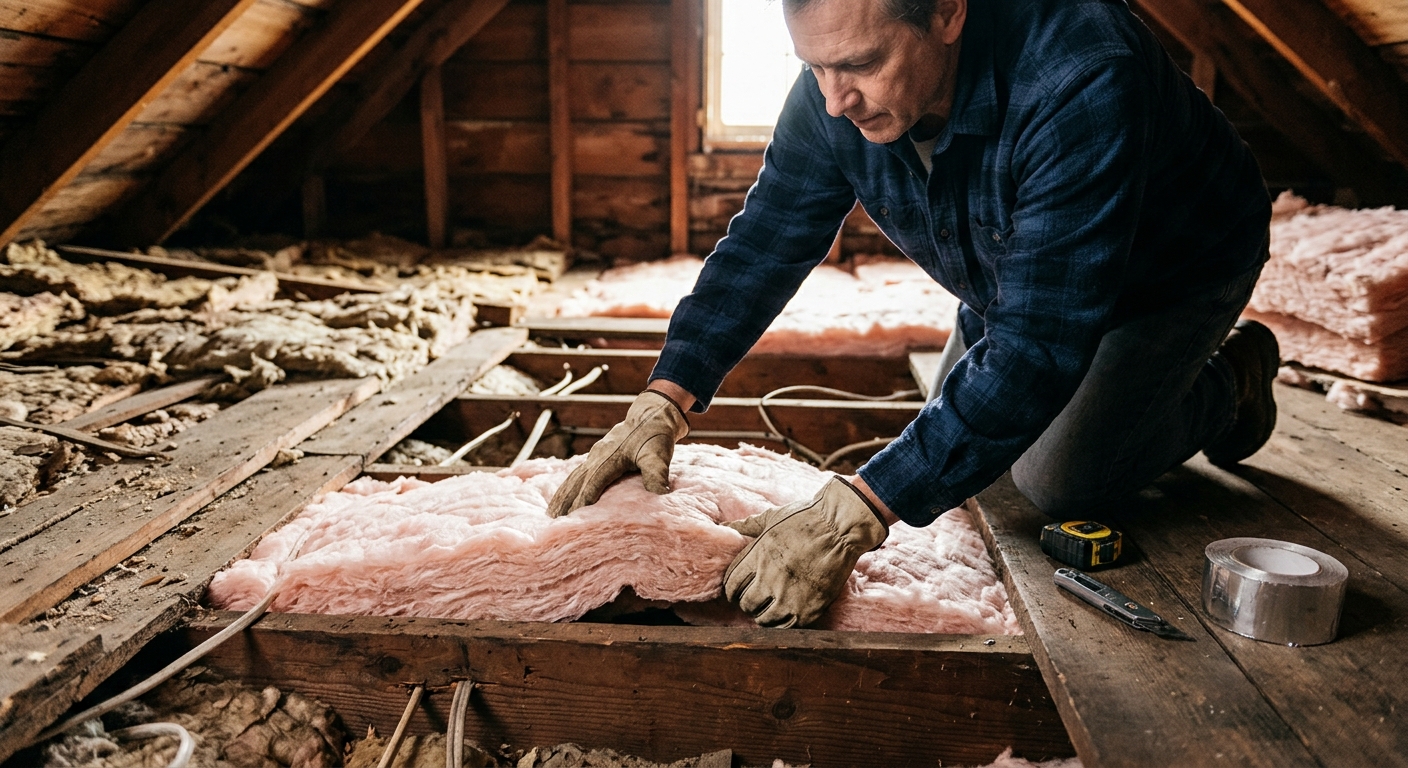
Most homeowners skip the most important step before adding attic insulation: sealing the air leaks that make insulation far less effective. Doing both together can cut heating and cooling costs by 20 to 30% and pays back within 2 to 4 years.
Winter is hard on your home’s thermal envelope, and spring is the ideal time to catch damage before cooling season drives your bills up. This checklist walks you through every zone of your home so you can spot gaps, fix what you can, and know when to call a pro.
Failing insulation is one of the most expensive and least visible problems in a home, silently inflating energy bills month after month. Learn the seven warning signs and what you can do to stop the drain on your wallet.
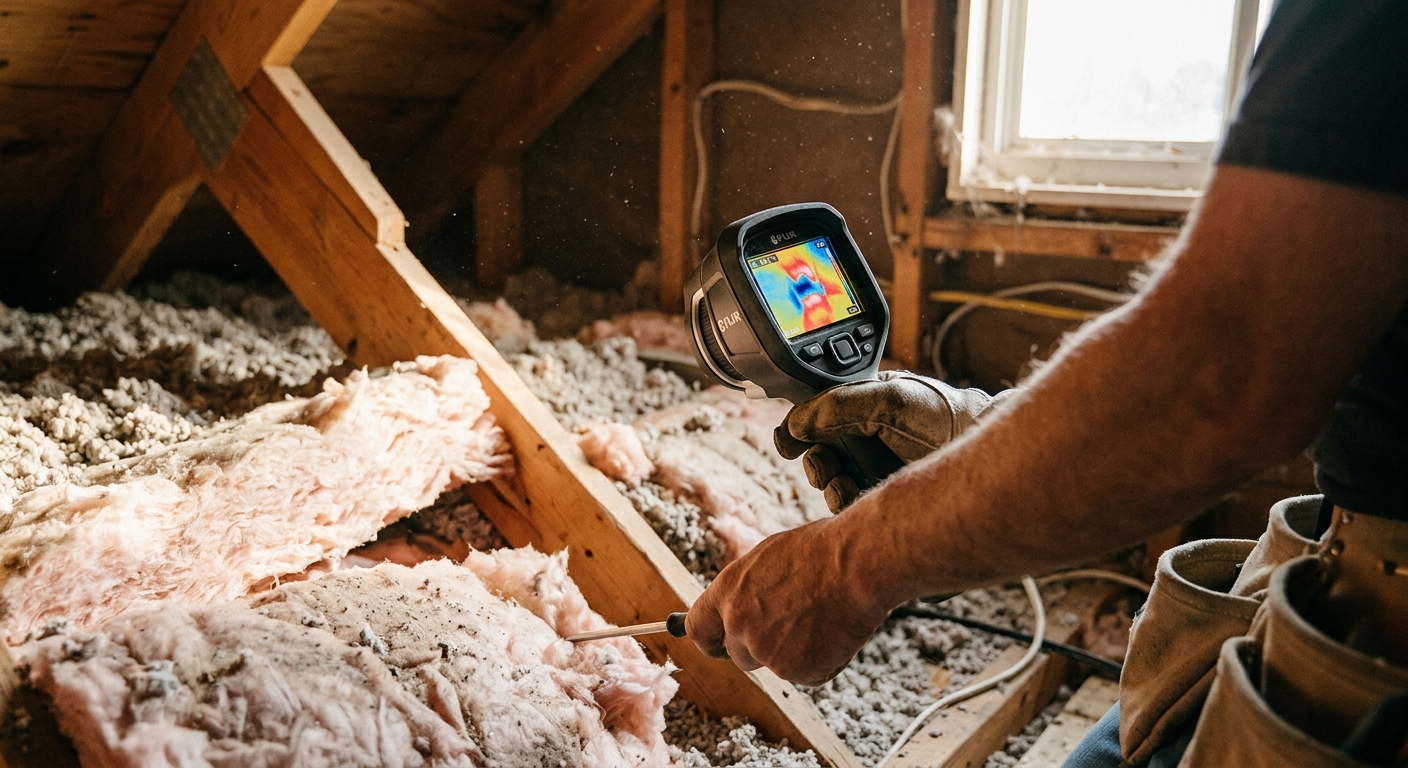
Many homeowners add attic insulation expecting dramatic improvements, only to find their rooms are still drafty, hot, or uneven in temperature. The real culprit is almost always air leakage, and without sealing it first, even R-60 insulation will underperform.
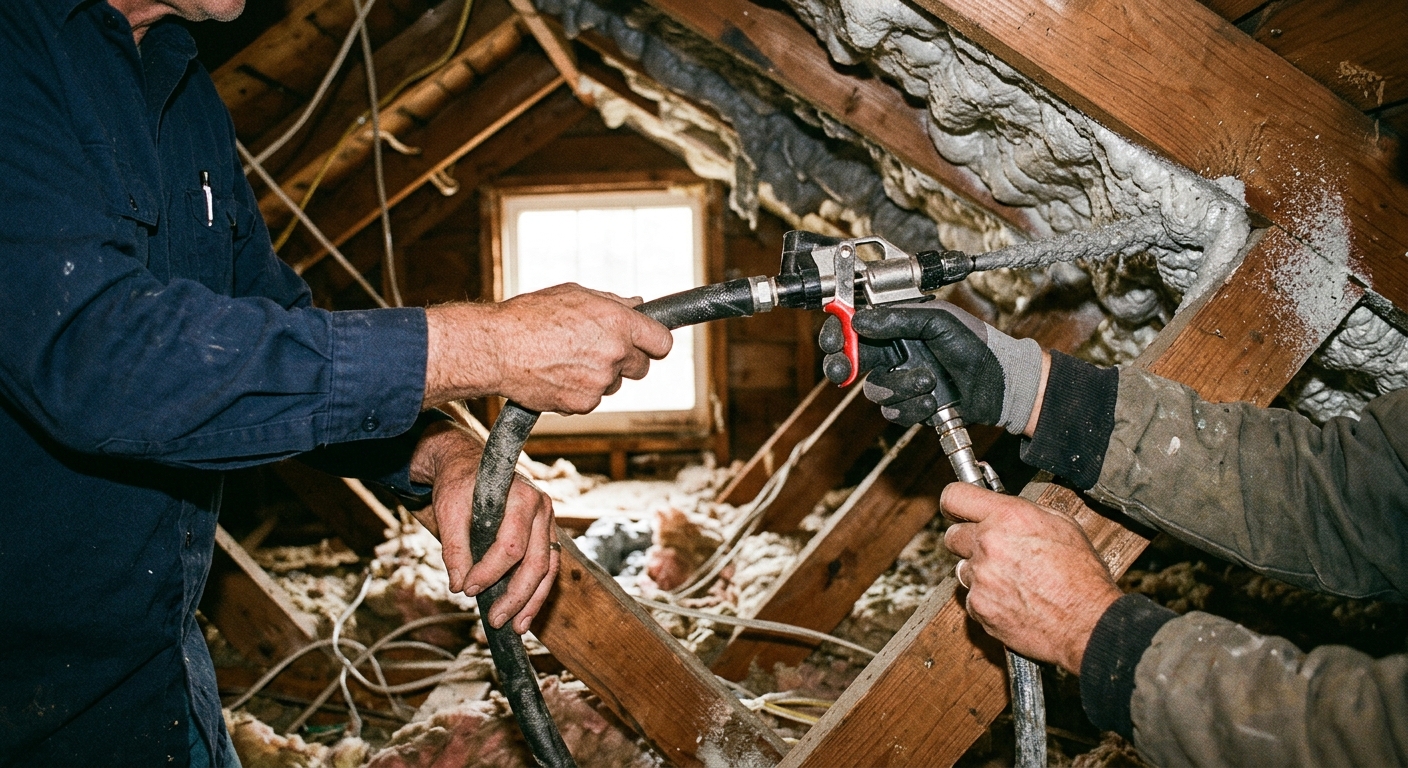
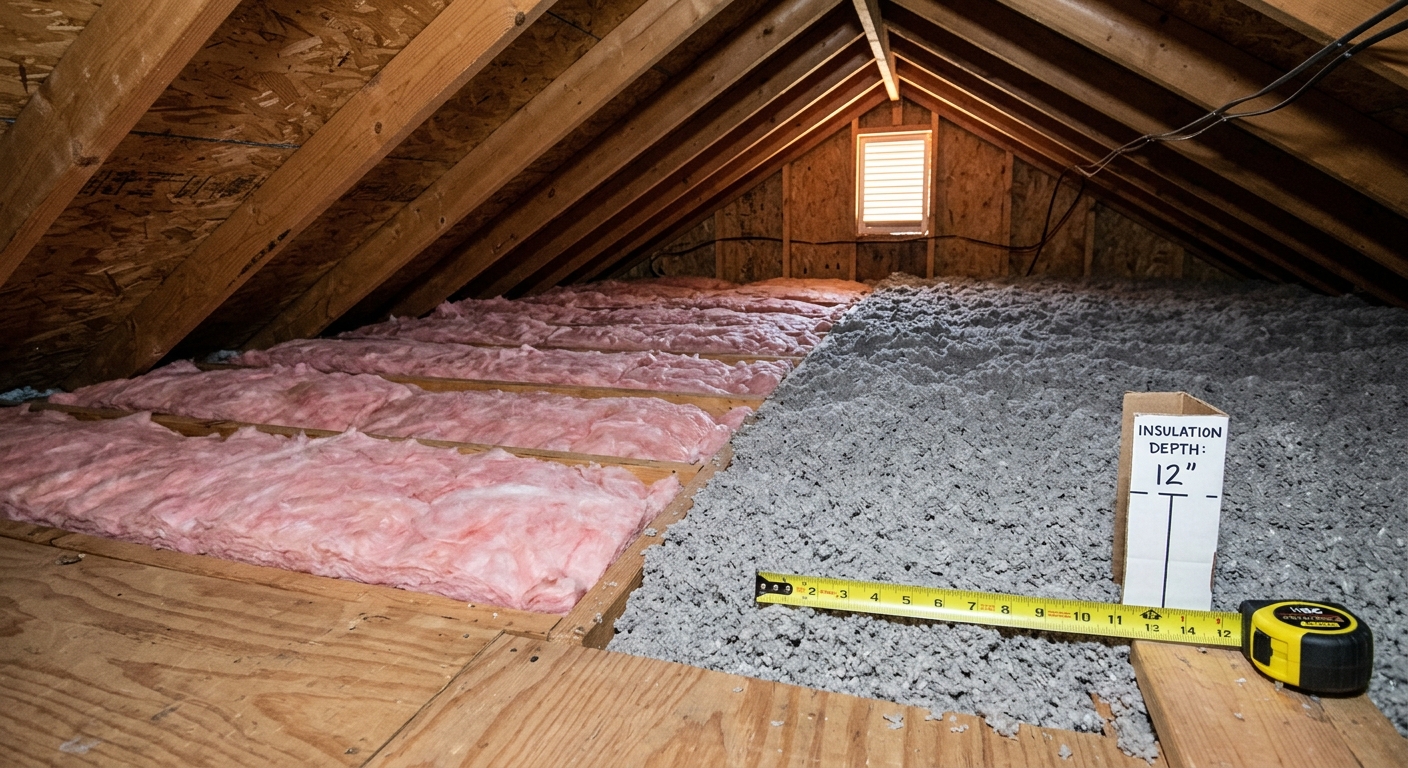
Choosing the wrong insulation type for your attic or walls can leave hundreds of dollars in savings on the table every year. This guide breaks down when blown-in insulation wins, when batt is the smarter choice, and exactly how much each can save based on your home type.
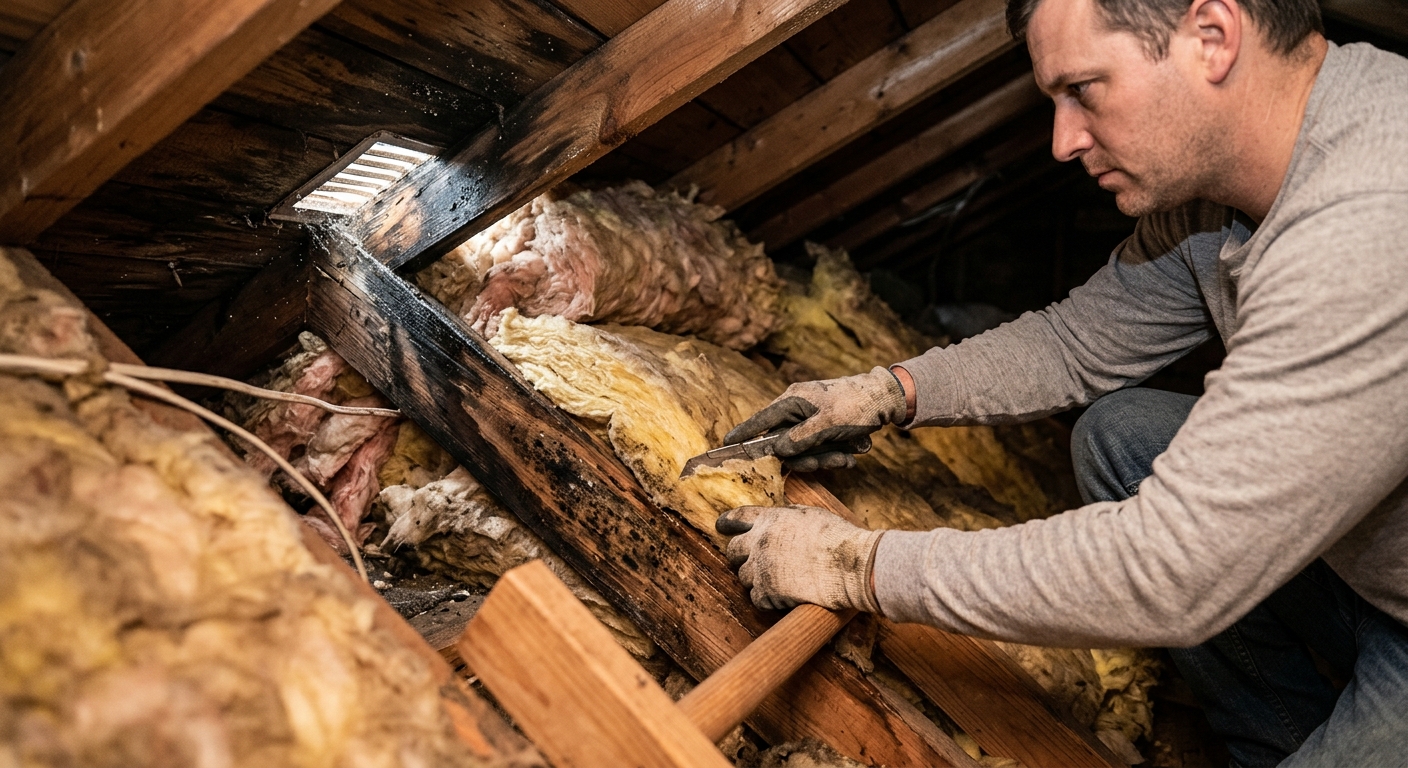
Most homeowners worry about too little insulation, but adding too much without addressing ventilation and air sealing can create serious moisture, air quality, and structural problems. Understanding the point of diminishing returns helps you insulate smarter, not just thicker.
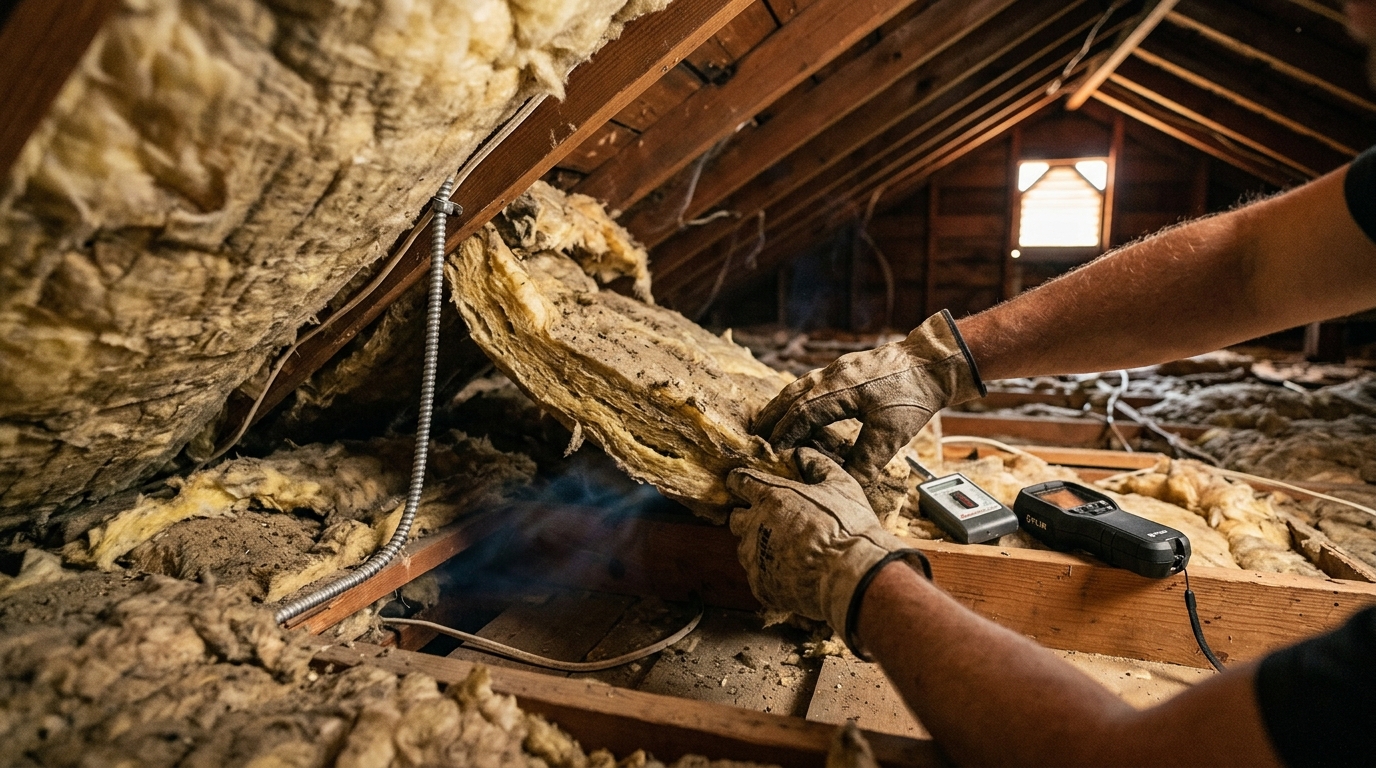
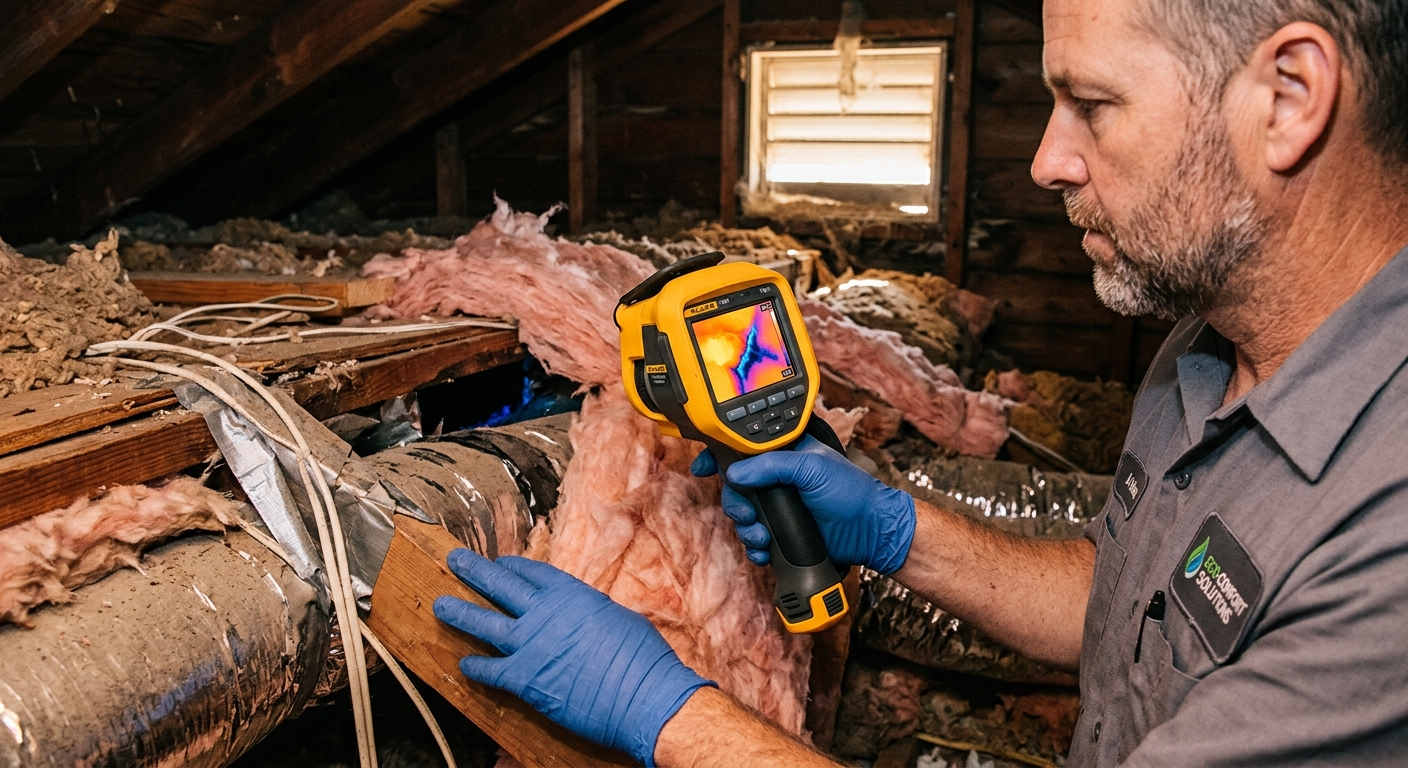
Most homeowners have no idea where their insulation is failing until they see it on an energy bill. A home energy audit gives you a precise, room-by-room picture of where heat is escaping and exactly what to fix first.
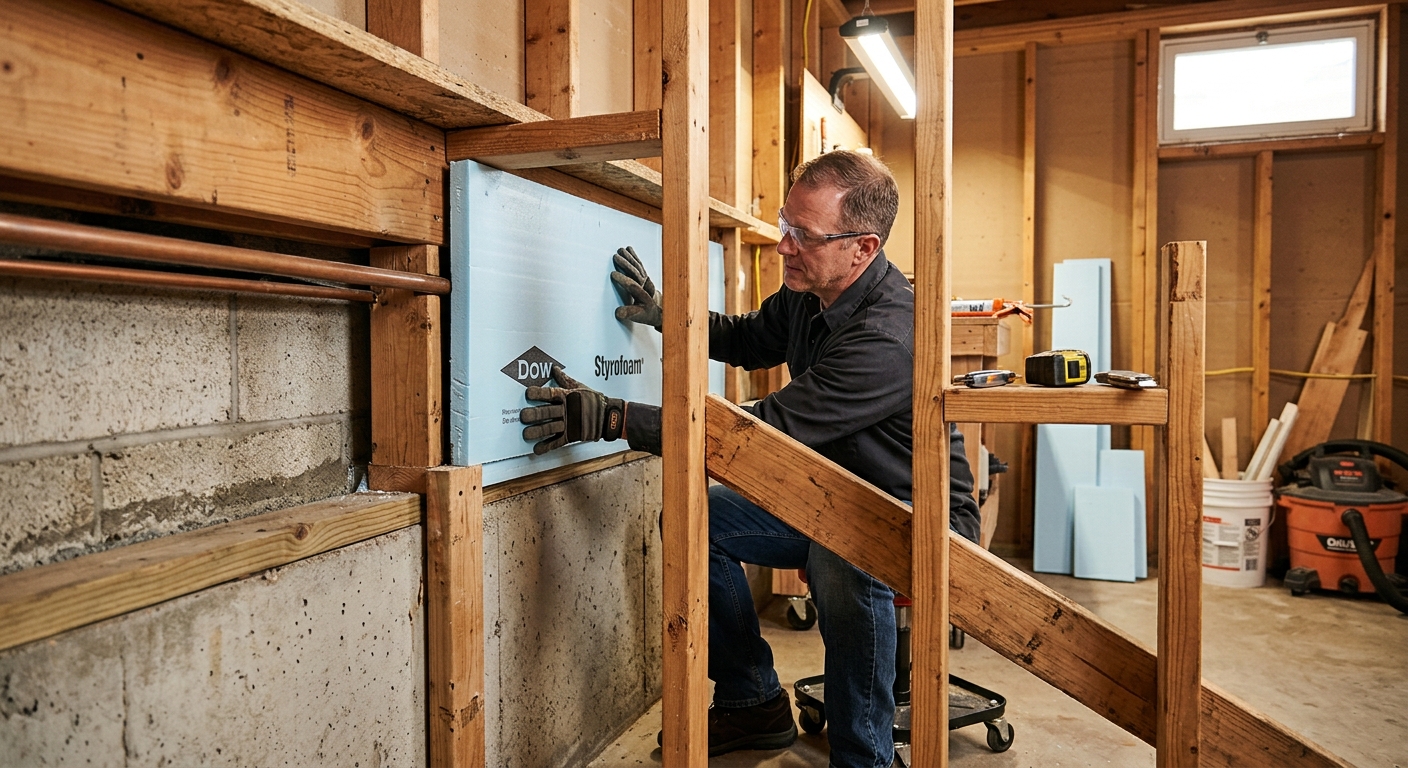
Homes built before 1980 were constructed with little to no insulation standards, leaving walls, attics, and basements as open conduits for heat loss. The good news is that targeted upgrades can cut heating bills by 20 to 40% and make your home noticeably more comfortable within a single season.
Most homeowners blame their furnace when heating bills spike, but the real culprit is usually a handful of overlooked gaps and weak spots letting warm air pour outside. Sealing these eight common heat escape routes can cut heating bills by 15 to 30% and make every room feel warmer without touching the thermostat.