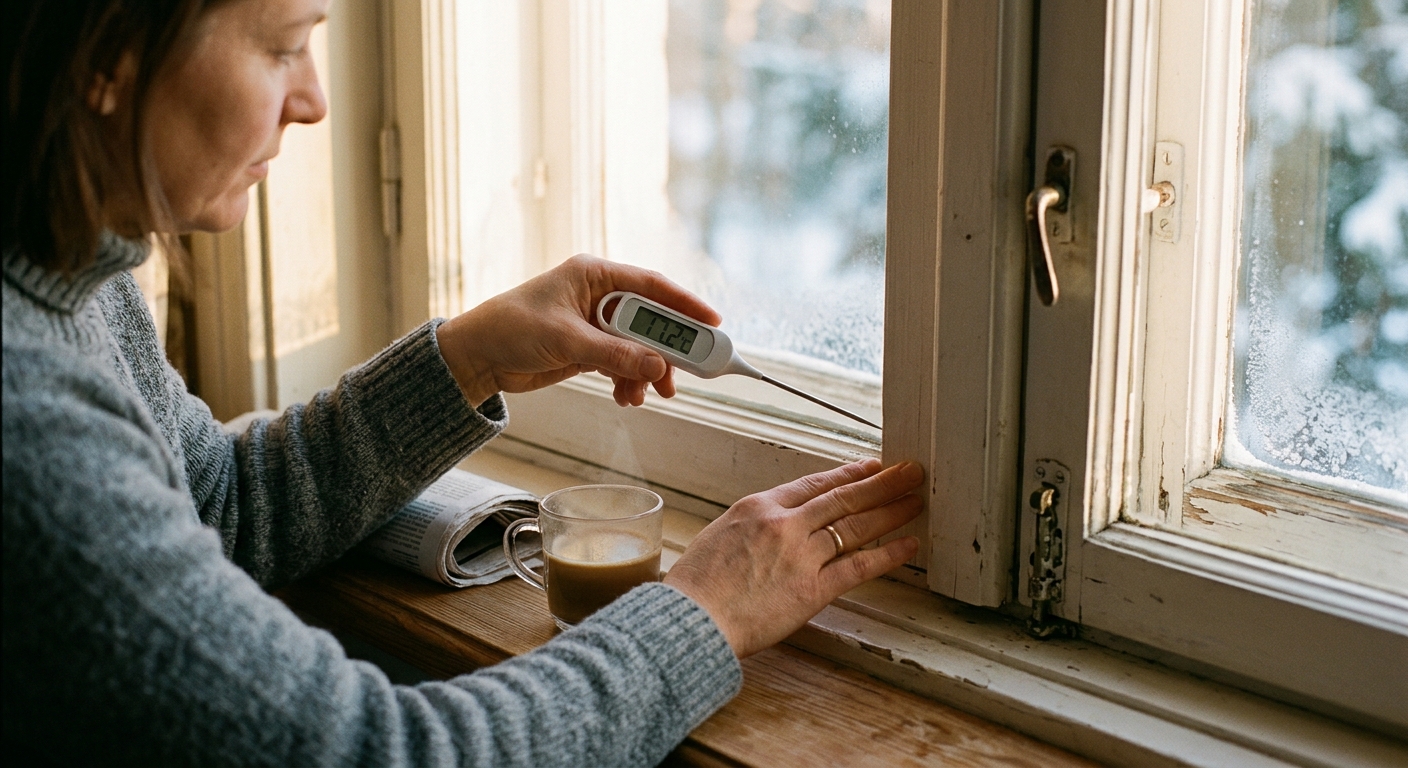
If your furnace is running hard every morning just to catch up, your home is silently bleeding heat while you sleep. This simple morning diagnostic routine pinpoints exactly where that heat is escaping so you can stop wasting money on warmth that never stays.
February is statistically the coldest month in most of the U.S., but your heating bill spike is rarely just about the weather. A combination of air leaks, thermostat habits, and neglected maintenance compounds heat loss right when outdoor temperatures hit their lowest point.
Cold spots in your home are not just uncomfortable, they are a sign that heat is escaping or being blocked before it reaches you. This room-by-room guide shows you exactly where to look, what is causing the problem, and how to fix it for good.
Most homeowners have no idea how long it actually takes for energy upgrades to pay for themselves, so they either overspend on low-ROI projects or skip high-value ones entirely. This guide breaks down the honest payback periods, annual savings, and priority order for every major home energy upgrade so you can invest smarter.
Older homes are full of charm but often plagued by drafts, hot and cold spots, and energy bills that make new-build owners look smug. With targeted air sealing, insulation upgrades, and a few smart system tweaks, you can close the comfort gap without a full renovation.
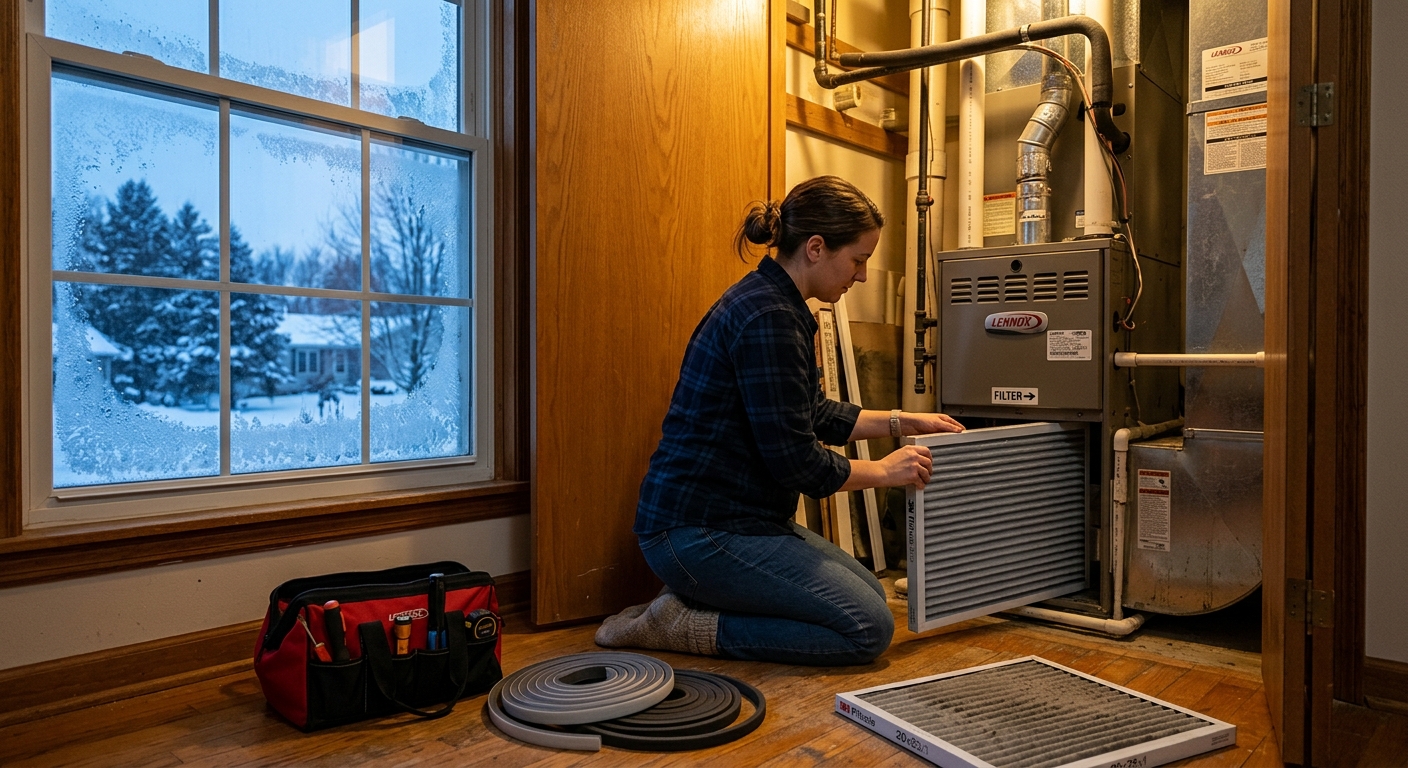
Cold drafts, uneven heat, and sky-high heating bills are signs your home is losing warmth faster than your furnace can replace it. These seven weekend projects tackle the biggest heat loss culprits and can cut your heating costs by 15 to 30% starting this season.
Older homes are charming, but their drafts, thin insulation, and leaky windows can make winter miserable and expensive. With a few targeted upgrades ranging from free fixes to weekend DIY projects, you can dramatically improve comfort and cut heating bills by 20 to 35%.
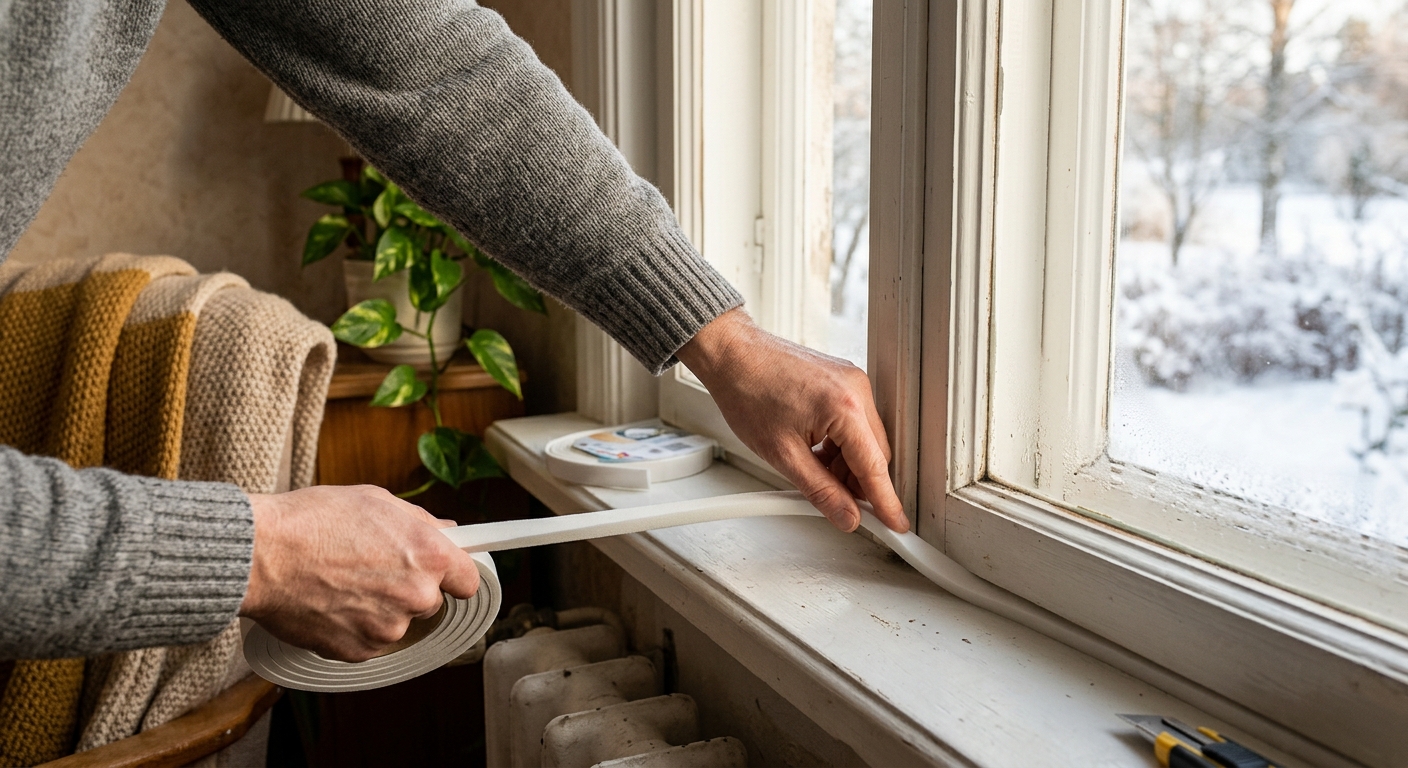
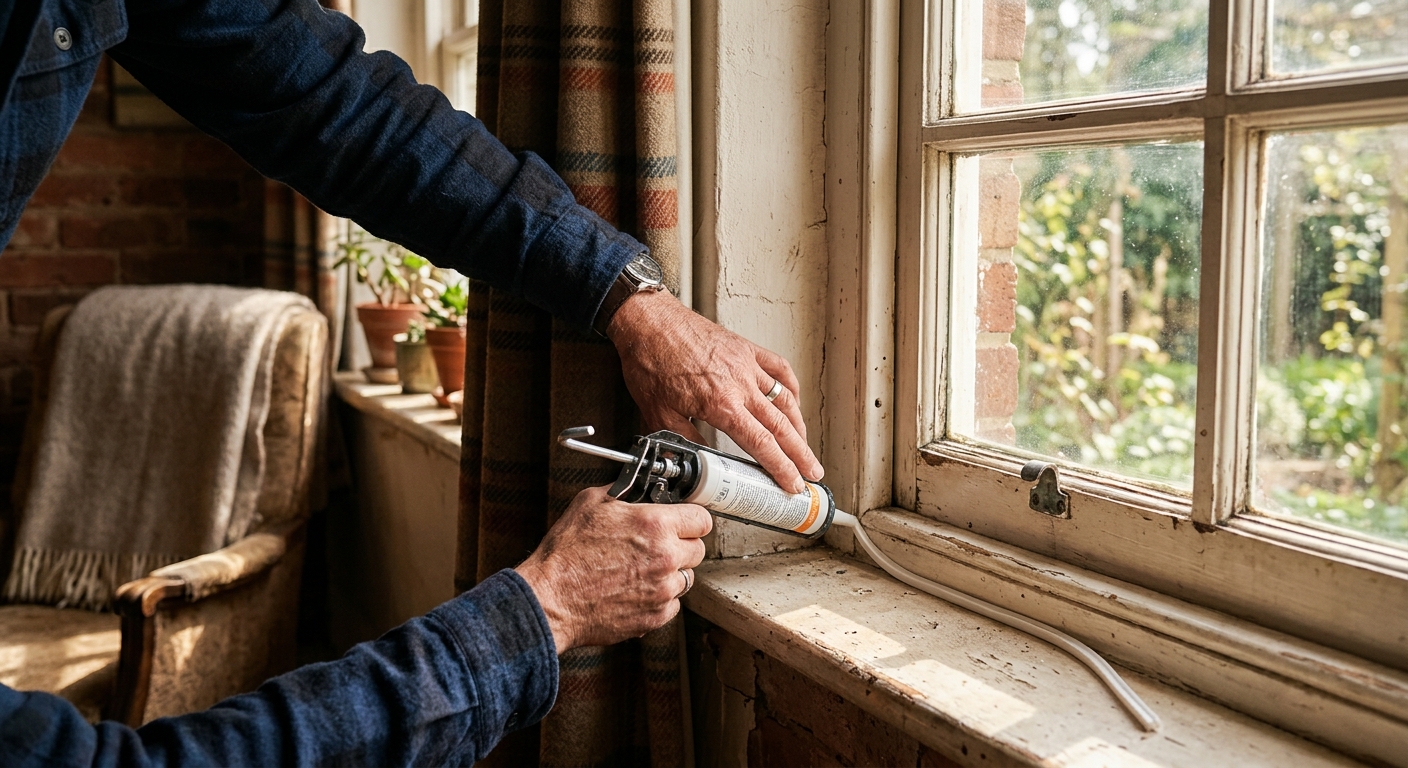
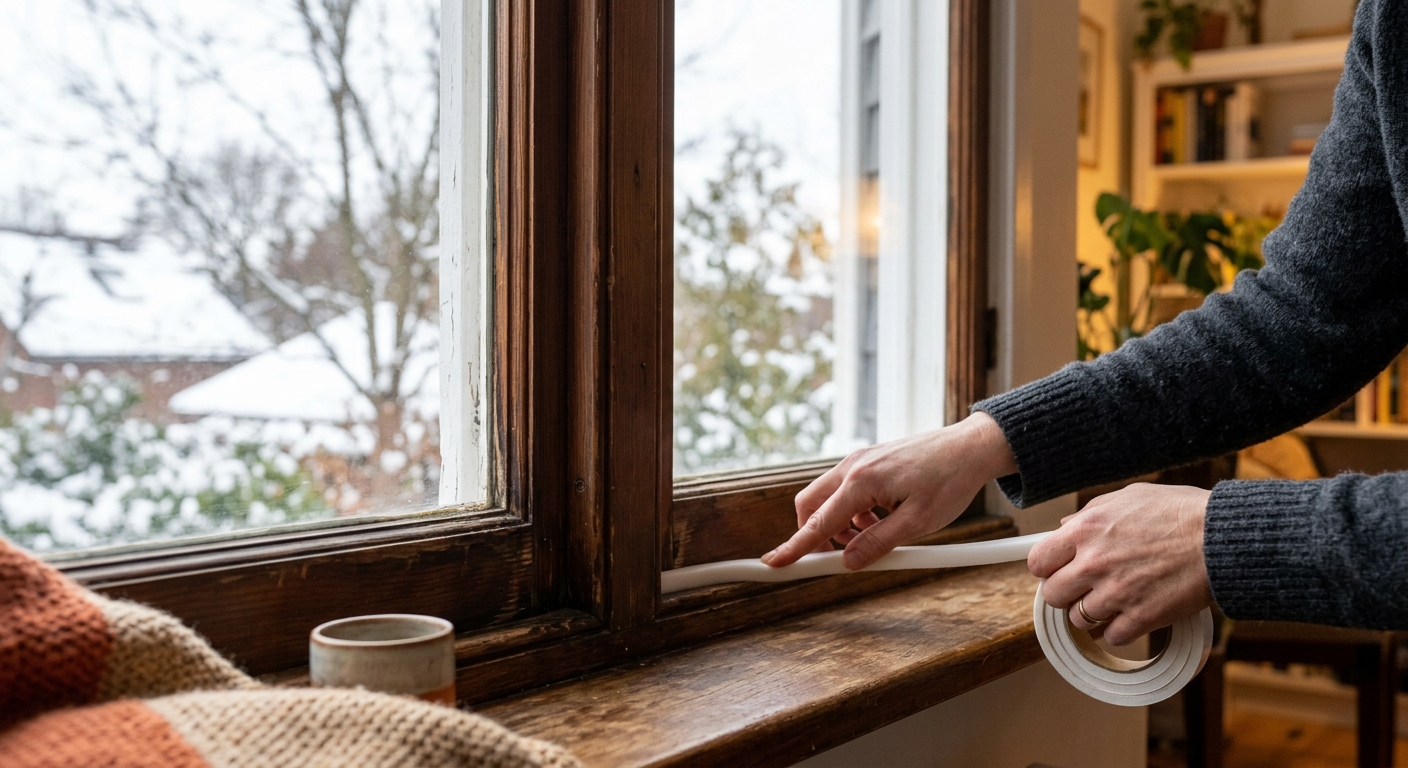
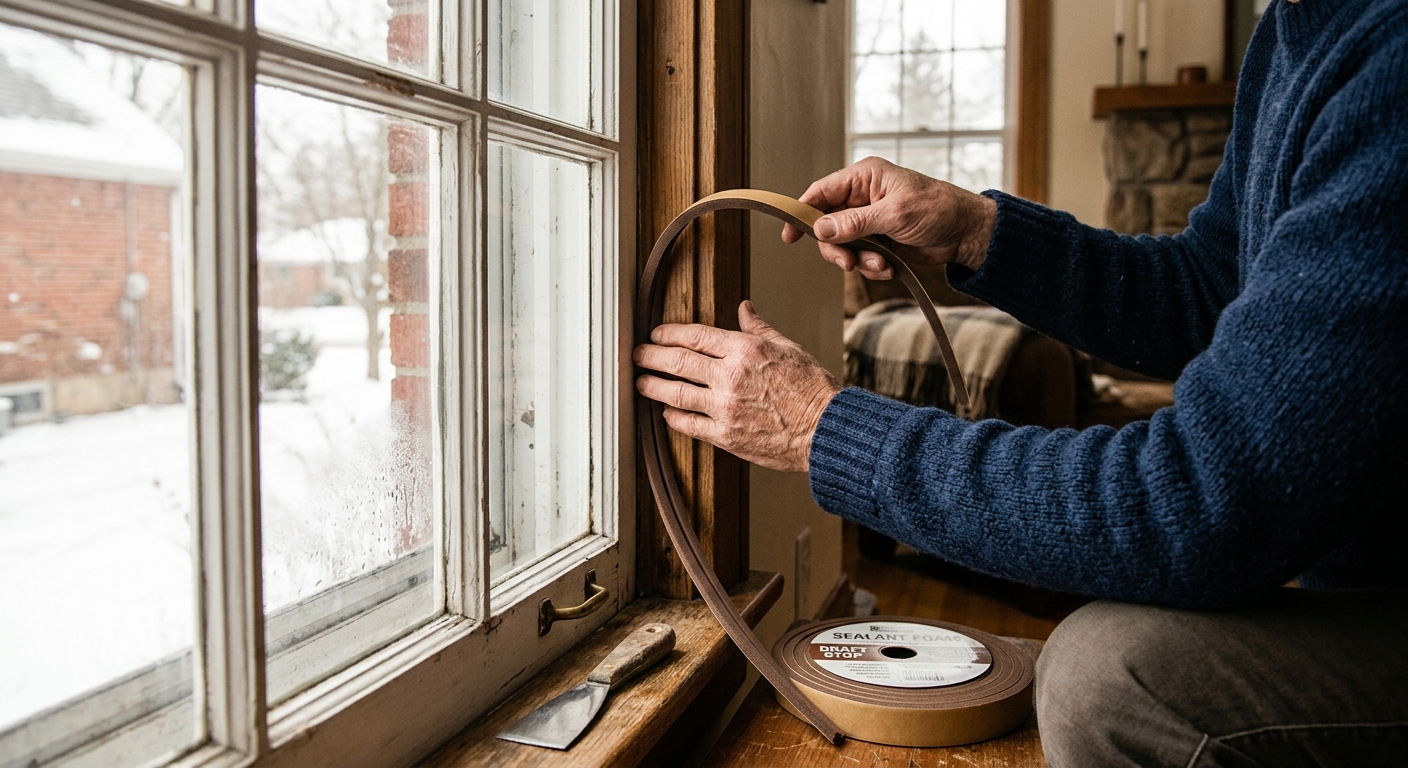
Most homes lose a significant portion of their heating dollars through gaps and cracks that are cheap and easy to seal. A $15 investment in weatherstripping and caulk can realistically save $150 to $200 per year on heating bills.
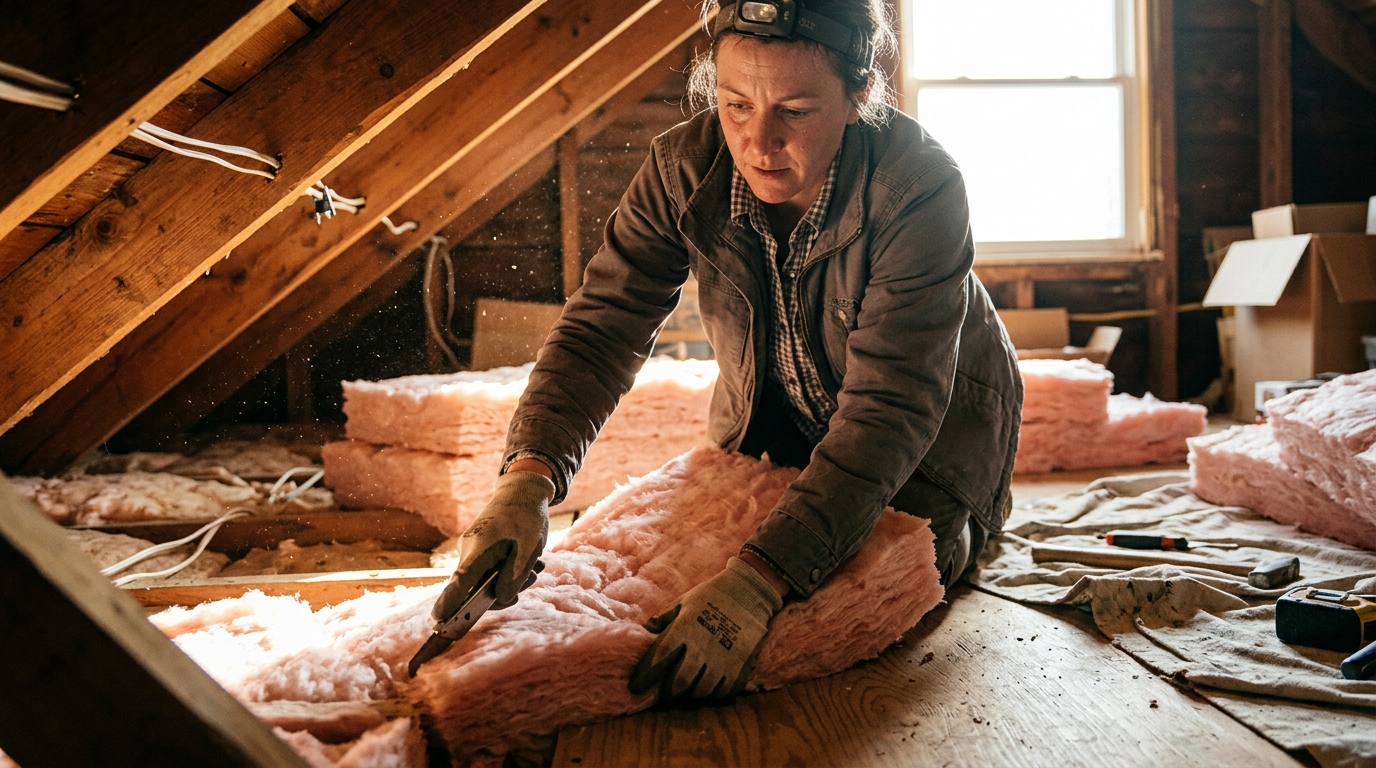
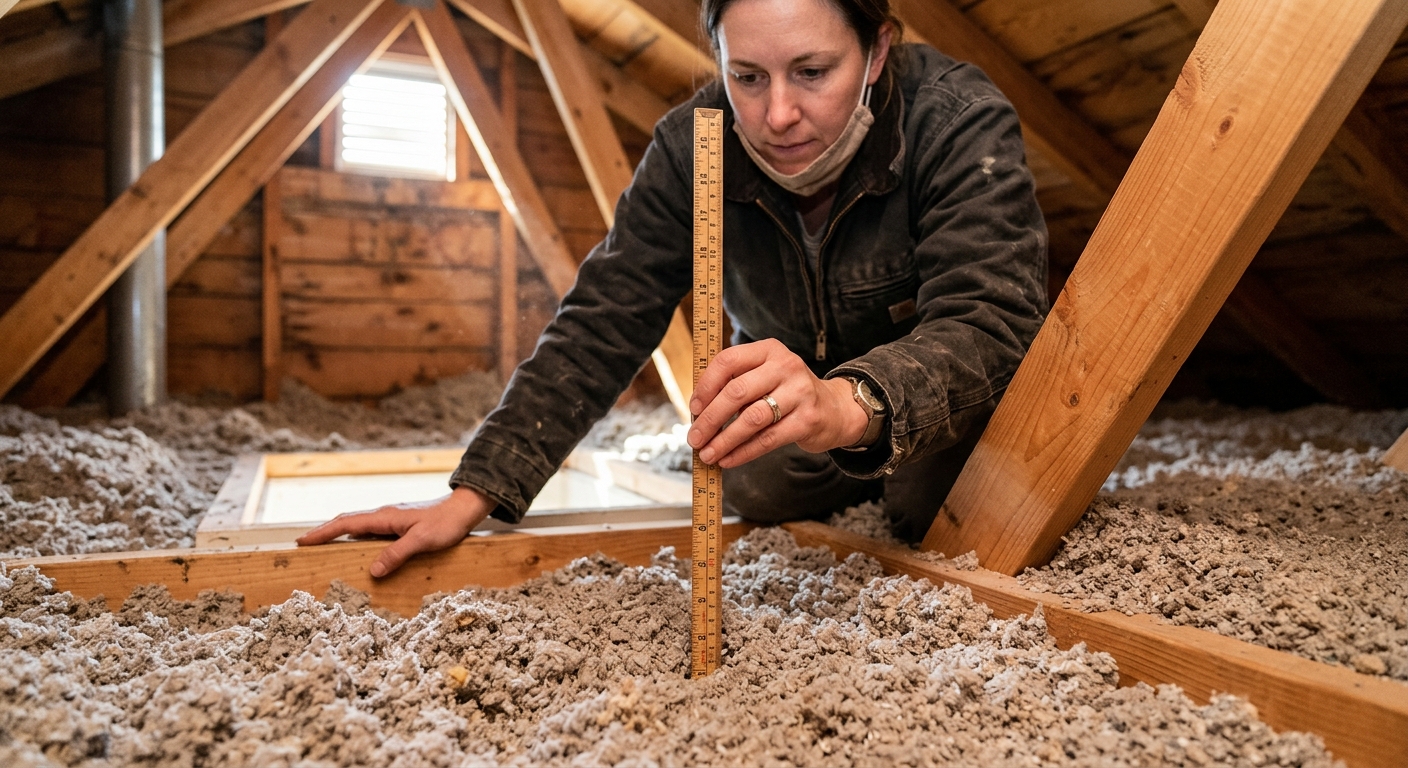
Most homes lose 25 to 30% of their heating and cooling energy through an under-insulated attic, yet most homeowners have never once looked up there to check. This guide shows you how to measure what you have, compare it to DOE recommendations for your climate, and decide whether adding more insulation makes financial sense.
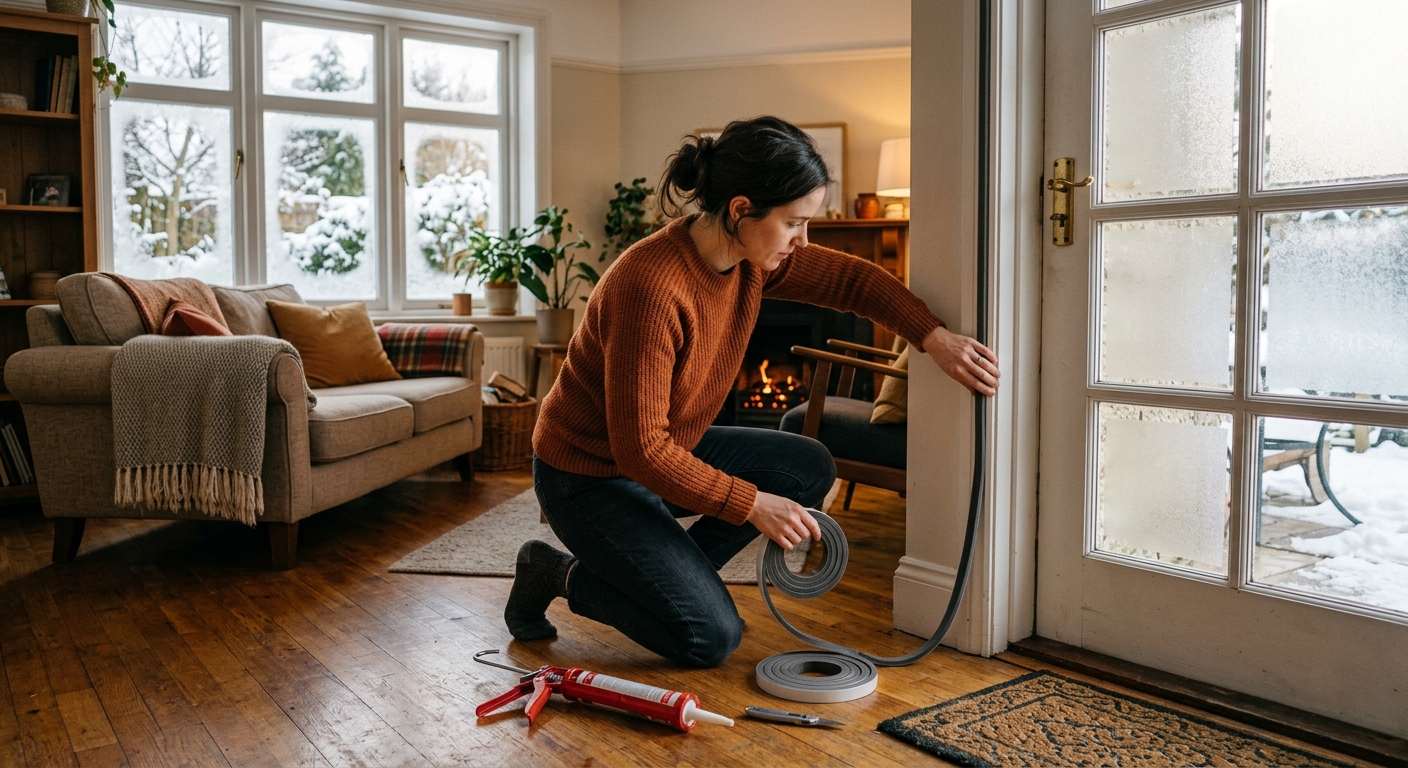
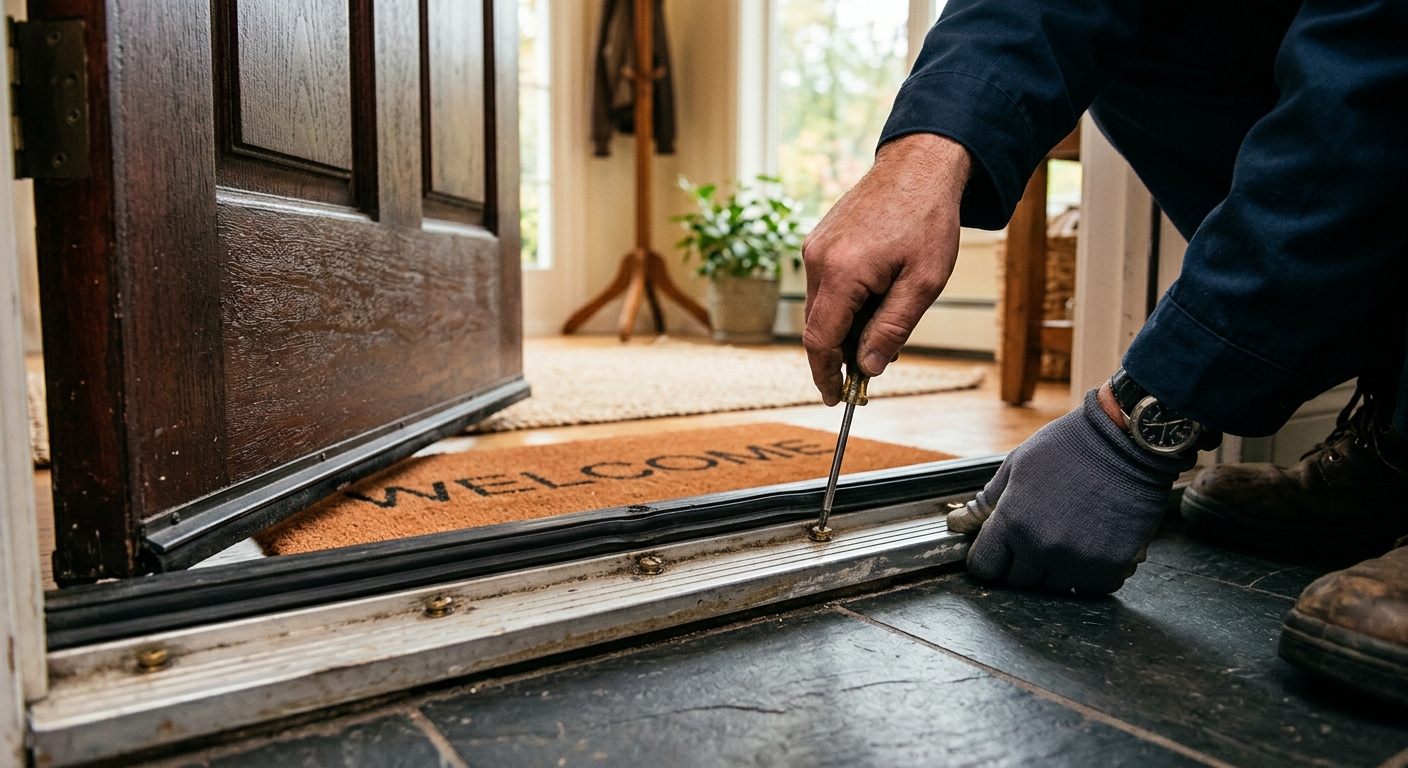
A drafty exterior door is one of the most common and costly air leaks in any home, quietly inflating your heating and cooling bills year-round. In as little as 15 minutes and with no special tools, you can seal the gaps and feel the difference the same day.